Film Recipes for Fujifilm Cameras

Tag: Nostalgic

  • Kodachrome 60s, a Classic Kodak Chrome

    Kodachrome 60s, a Classic Kodak Chrome

    Classic Chrome film recipe for X-Trans IV in a 1960’s Kodachrome style

    If there is one name that is synonymous with photography from the second half of the twentieth century, it is Kodak. For so many of the most momentous images that marked the history of the era, Kodachrome film was how they were captured.

    Our cameras come with the Classic Chrome film simulation, which brings a base look that is similar to images from the era. When partnered with the color chrome effect, and adjustments to color balance and tone curve, nostalgic retro looks in the Kodak style can be achieved.

    There are many out there, with a good selection on this site, and Fuji X Weekly. This one is new in that it provides a bold and characterful interpretation, that for me, is closest to shots processed in the 1960s. Blues in particular are striking from this recipe, and the overall image has a wonderful sixties style look.

    The striking Kodachrome blues of the Kodachrome 60s film recipe

    Kodachrome 60s Film Recipe

    • Simulation: Classic Chrome
    • Grain Effect: Strong, Small
    • Colour Chrome Effect: Weak
    • Colour Chrome Blue: Strong (IV) / Weak (V)
    • White Balance: Auto White Priority
    • WB Shift: +3 Red, -6 Blue
    • Dynamic Range: DR200
    • Highlights: +1.5 (or +1)
    • Shadows: -1.5 (or -1)
    • Color: -1
    • Sharpness: 0
    • ISO Noise Reduction: -4
    • Clarity: -2 (or 10% mist filter)
    • EV compensation: 0

    This recipe was designed on X-Trans IV, and is a close cousin to Karmachroma. It uses a few settings not present on older cameras. You can still get a similar look by skipping Color Chrome Blue, Using +1 and -1 for HIghlights and Shadows, and skipping the Clarity setting, perhaps trying a soft bloom / mist filter if you have one.

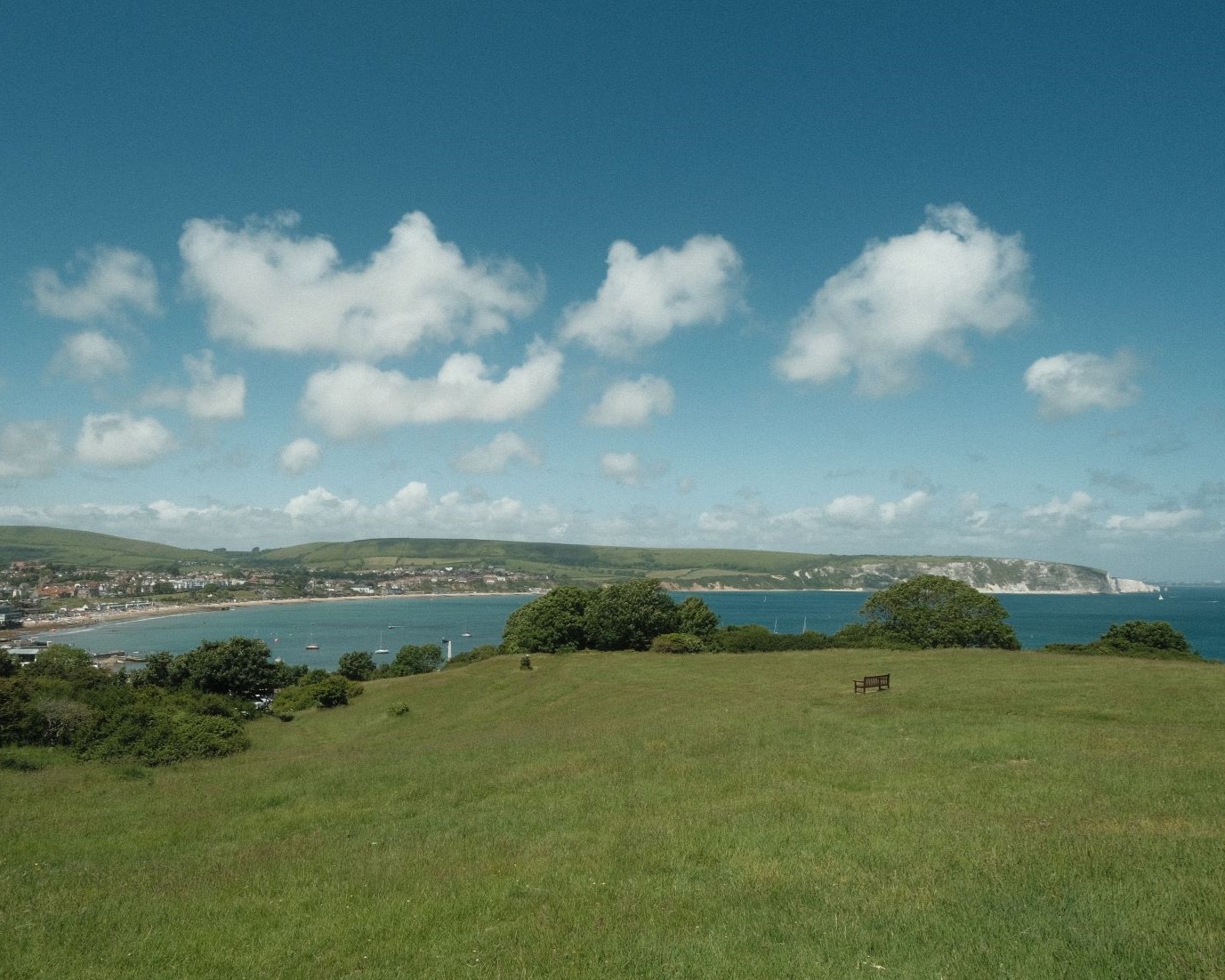
    Summer days on the south coast, with Kodachrome 60s film recipe
    Bright spring sunshine and catkins at the lake, Kodachrome 60s
    Tiny leaves appearing, captured with Kodachrome 60s film recipe
    Wonderfully summery skies, using Kodachrome 60s film recipe
    Bright red flowers, captured brightly with Kodachrome 60s film recipe
    Frost crystals on a leaf edge, captured with Kodachrome 60s film recipe
    Images from the Rursee lake, with Kodachrome 60s film recipe
    Along teh riverbank, with the Kodachrome 60s film recipe
    Blues and greens with Kodachrome 60s film recipe
    Late afternoon at the marina, Kodachrome 60s film recipe
    Capturing the golden hour with the Kodachrome 60s film recipe
    Frosty sunrise plant details, using Kodachrome 60s film recipe
    Red and blues working together with Kodachrome 60s film recipe
    A romantic walk in the forest, Kodachrome 60s film recipe
    New Forest pony is walking towards us, Kodachrome 60s film recipe
    Winter trees and ponies, with Kodachrome 60s film recipe
    Pony tracks criss cross the heath, Kodachrome 60s film recipe
    Autumn wanderings, with the Kodachrome 60s film recipe
    Not just for sunny weather, Kodachrome 60s film recipe

    Kodachrome Film Recipes

    I mentioned above that there are a range of Kodachrome film recipes available. Here are a few to consider. The first three and last three are on this site, with the middle three from Fuji X Weekly.

  • Childhood Vacation, Memories as Faded Prints

    Childhood Vacation, Memories as Faded Prints

    Classic Negative film simulation recipe with a burned out desaturated look

    It’s obvious to anyone reading this site that I love nostalgic looks and especially filmic looks that resemble aged prints, found many years after they were developed. These styles can evoke more feeling than clean modern looks, and are a fun way to shoot, especially for social media galleries.

    For this nostalgic film recipe, I wanted to explore the style of childhood holiday snaps, taken perhaps on a sunny beach, but where the details have bleached away and the prints are fading and losing their colour.

    This fading is acheived through overexposure and a mix of other settings, and is based on the Classic Negative simulation, for a print like look. One note is that I works best with sunny weather and bright light.

    Whilst it’s a specialist style, it’s so much fun to use that it’s quickly become one of my favourite creations. It really is like shooting old prints in the style of those you rediscover after being hidden and forgotten. I’m really happy with the result, capturing a mood like old vacation prints, and especially the burned out bleachy look. I hope you’ll have some fun with it too.

    That trip we took where the sea was warm, Childhood Vacation film recipe

    Childhood Vacation Film Recipe

    • Simulation: Classic Negative
    • Grain Effect: Strong, Large
    • Colour Chrome Effect: Weak
    • Colour Chrome Blue: Off (IV) / Off (V)
    • White Balance: Shade
    • WB Shift: +3 Red, 0 Blue
    • Dynamic Range: DR100
    • Highlights: +2.0
    • Shadows: -1.0
    • Color: -4
    • Sharpness: -2
    • ISO Noise Reduction: -4
    • Clarity: -3
    • EV compensation: +1 (keep going to get the burned look)
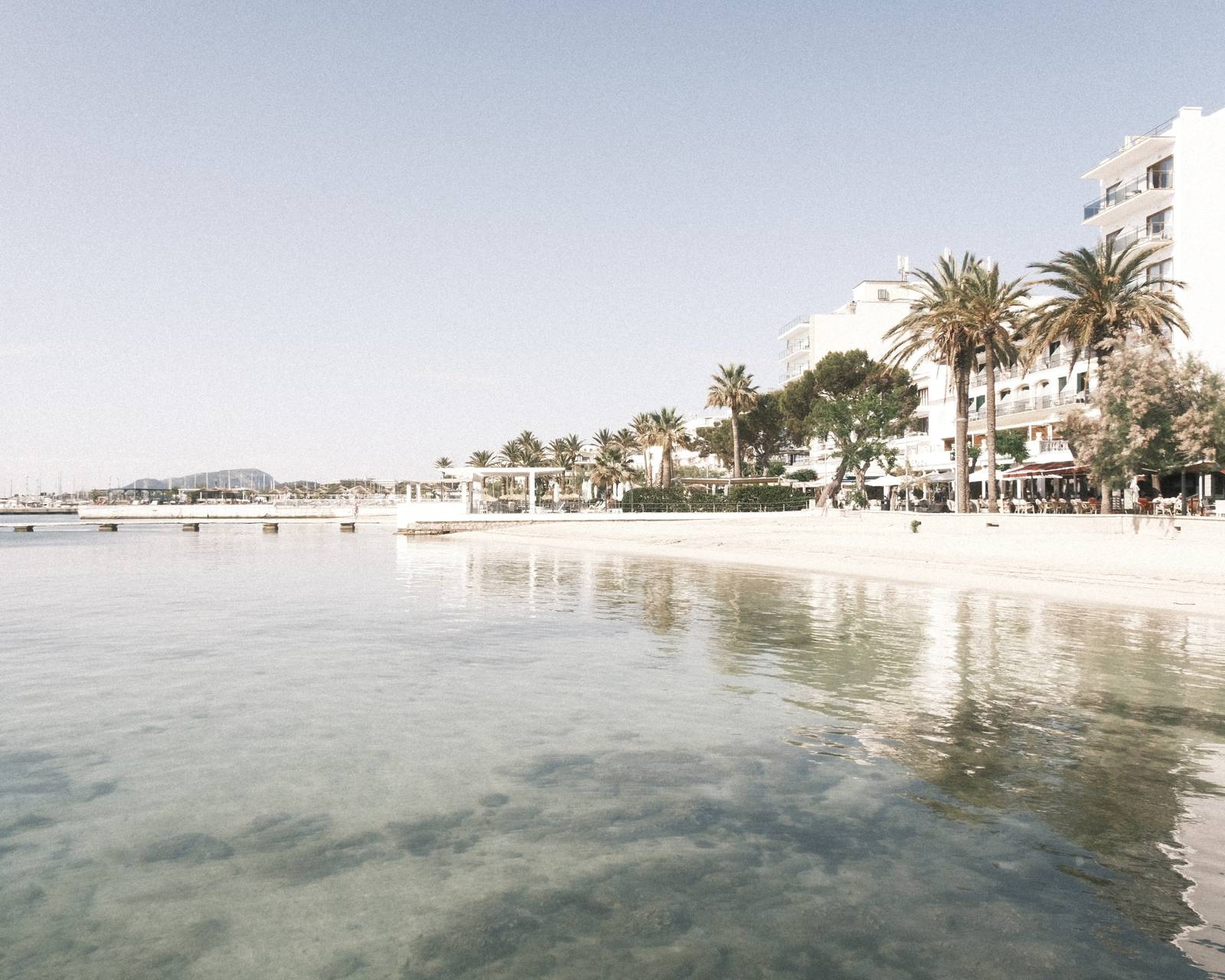
    Mallorca with the nostalgic look of Childhood Vacation film recipe

    This film recipe was the focus of our Film Recipe Challenge in June 2023, and you can view the wonderful images shared from all around the world in the Childhood Vacation photo gallery.

    Checking out the view from up high. Childhood Vacation film recipe
    The sea was clear with little fish, Childhood Vacation film recipe
    You remember visiting when you were young. Childhood Vacation film recipe
    The prints have faded over the years. Childhood Vacation film recipe
    It’s a creamy washed out look … Childhood Vacation film recipe
    Memories of a summer trip, with Childhood Vacation film recipe
    Walks along the river, remembered with Childhood Vacation film recipe
    Burned out and bleached, with Childhood Vacation film recipe
    A dreamlike quality, when using Childhood Vacation film recipe
    That boat trip on the lake, Childhood Vacation film recipe
    Those were happy days, Childhood Vacation film recipe
    We spent so much time in the water, Childhood Vacation film recipe
    The trees were not like at home, Childhood Vacation film recipe
    We stayed out until sundown, Childhood Vacation film recipe
    The little pigs were funny to watch, Childhood Vacation film recipe
    The sunset over the boatyard, using Childhood Vacation film recipe
    Spring bluebells, styled by the Childhood Vacation film recipe
    Thickety vegetation, captured with Childhood Vacation film recipe
    Days were warm and long, Childhood Vacation film recipe
    We found lizards basking in the sun, Childhood Vacation film recipe
    And took photos of butterflies. Childhood Vacation film recipe
    Nostalgic memories, captured with the Childhood Vacation film recipe
  • Mallorca Mellow, What I Use on Vacation

    Mallorca Mellow, What I Use on Vacation

    Eterna film simulation recipe for sunny vacations and bright days

    With all of the recipe choices out there, and the 200+ on this site, you may wonder which are the ones that I actually use. Well, I do tend to have a habit of creating them for the jounrey ahead, and for a vaction to Mallorca, I did just that.

    I wanted a mellow toned nostalgic look, but one that was particularly happy in bright conditions. The recipe needed to be warm toned, but not too orange, so I decided to use Eterna as the base. The palette of this simulation had the qualities that I was seeking, with a cinematic look, mellow greens and soft blues. Just right for vacation memories.

    So, this is the recipe I chose for my vacation. I hope you like the look and might be tempted to try it too.

    A stroll by the bay before dinner, with Mallorca Mellow film recipe

    Mallorca Mellow Film Recipe

    • Simulation: Eterna/Cinema
    • Grain Effect: Weak, Large
    • Colour Chrome Effect: Off
    • Colour Chrome Blue: Weak (IV) / Off (V)
    • White Balance: 6600K
    • WB Shift: +2 Red, -2 Blue
    • Dynamic Range: DR400
    • Highlights: +2.0
    • Shadows: +2.0
    • Color: -2
    • Sharpness: -2
    • ISO Noise Reduction: -4
    • Clarity: 0
    • EV compensation: 0
    Beach parasols, captured with Mallorca Mellow film recipe
    Prom life, captured with Mallorca Mellow film recipe
    The fancy restaurants had tables out on little piers, Mallorca Mellow recipe
    Modern Mallorcan hotel, captured with Mallorca Mellow recipe
    Back street garage, using Mallorca Mellow recipe
    Passing by … Mallorca Mellow recipe
    Simple colours and planters, Mallorca Mellow recipe
    Mallorcan pine trees, captured with the Mallorca Mellow recipe
    A view along the shore at sunset, Mallorca Mellow recipe
    Shooting towards teh setting sun, with Mallorca Mellow recipe
    Shopping opportunities along the sea front, Mallorca Mellow recipe
    Night captures, after an evening meal, Mallorca Mellow recipe
    A trip to the ‘mirador’ to see the view, Mallorca Mellow recipe
    A sense of freedom, taken with the Mallorca Mellow recipe
    They do that padlock thing here too. Mallorca Mellow recipe
    A duck, also on holiday in Mallorca. Mallorca Mellow recipe
    A simple rowing boat, in Pollenca bay, Mallorca Mellow recipe
    Looking out to sea, captured with Mallorca Mellow

    Cinematic Film Recipes

    Eterna film recipes have a cinematic feel, thanks to the qualities of the film simulation and it’s heritage as a move film stock. It’s not the only way to achiev a cinmeatic look however, so here’s a selection of recipes, with Eterna and others that share a cinematic quality.

  • Kojak Gold, Who Loves Ya, Baby?

    Kojak Gold, Who Loves Ya, Baby?

    Nostalgic classic negative film simulation recipe, like Kodak Gold prints

    Kojak Gold. It’s a cool name, right? It’s an even cooler look!

    It’s true that I get a silly amount of personal satisfaction from some of the film recipe names that I dream up. Hot on the heels of some of my other favourites, like Mother Superia, Karmachroma, Waldorf Astia and Flatpack is this new name for a retro Kodak film look. What could be more 70s than Kojak?

    Living up to it’s name, this recipe looks to produce a nostalgic look based on Kodak Gold film, with a feel like 35mm prints from this popular film stock. It’s based on Classic Negative (which means newer cameras only, sorry), and uses a warm gold-like colour shift and a generally soft set-up, including negative clarity and reduced sharpness.

    The results are warm and film-like, with a soft feel and nostalgic print style look. The nostalgic elements come through in sunshine, but the recipe is a good choice for a film like look in all conditions. I took it on holiday with me and it became an instant favourite. I’m sure that you will love it too.

    Did you know? This is film recipe 200 on this website. Who knew there would be so many film recipe styles that our cameras could produce?

    In a field of teasels, using the Kojak Gold film recipe.

    Kojak Gold Film Recipe

    • Simulation: Classic Negative
    • Grain Effect: Weak, Small
    • Colour Chrome Effect: Off
    • Colour Chrome Blue: Weak (IV) / Off (V)
    • White Balance: Auto
    • WB Shift: +3 Red, -6 Blue
    • Dynamic Range: DR400
    • Highlights: -0.5 (or -1 if your Fuji doesn’t do -0.5)
    • Shadows: -1.5 (or -1 if your Fuji doesn’t do -1.5)
    • Color: +1
    • Sharpness: -1
    • ISO Noise Reduction: -4
    • Clarity: -2
    • EV compensation: +1/3

    This film recipe was part of our Film Recipes Challenge, with photographers from all around the world sharing images. Take a look and their selections in the Kojak Gold user gallery!

    Retro film like tones
    It’s the Kojak Gold film recipe
    A view of the Rursee, in the retro style of Kojak Gold film recipe
    Spring blossom on the lakeshore, with Kojak Gold film recipe
    Oak leaves and sparkles on the water, Kojak Gold film recipe

    You can see more samples of Kojak Gold in Goughie’s review of some favourite film recipes so far in 2023. Take a look on his YouTube.

    A carpet of fallen leaves, captured with Kojak Gold film recipe
    Walking hand-in-hand along a trail, Kojak Gold film recipe
    Disappearing into the distance, Kojak Gold film recipe
    Golden hour in the marina, with Kojak Gold film recipe
    And a few minutes later, the sun has gone. Kojak Gold film recipe
    Exploring along the river trails, with Kojak Gold film recipe
    Kojak Gold is perfect for holiday photos, like here in Mallorca
    A simple white row boat sits in the bay, Kojak Gold film recipe
    Beach toys to complete your vacation, with Kojak Gold film recipe
    Late afternoon blue skies, using Kojak Gold film recipe
    After sunset with the little boats, Kojak Gold film recipe
    Storm clouds building up in summer, Kojak Gold film recipe
    Moody skies over the Solent, with Kojak Gold film recipe
    Same place, different day. Kojak Gold film recipe
    Capturing seasonal details with the Kojak Gold film recipe
    Sunlit summer leaves, using Kojak Gold film recipe
    Down on the farm, with Kojak Gold film recipe
    They have smiling faces. Captured with the Kojak Gold film recipe

    More Gold Looks

    Kodak Gold was one the best selling films for several decades, and I’ve no doubt that many millions of photos were taken with it. In our world, we can also enjoy the Kodak Gold look as often as we like with Kojak Gold and other film recipes.

    We can extend the ‘gold’ theme further with these warm golden looks …

    • Goldeneye – warm and rich tones with Classic Negative
    • Muted Gold – a soft and pale golden look
    • Heart of Gold – perfect for the golden hour
    • Gold v2 – a different view of Kodak Gold by Ritchie Roesch
  • One-Nine-Nine, All Seasons Pro Neg

    One-Nine-Nine, All Seasons Pro Neg

    A go anywhere film simulation recipe using Pro Neg Hi for X-trans IV and V

    We’re approaching another milestone in the life of the Film Recipes website, with the next recipe to be launched being, almost unbelievably, recipe number 200. For the moment though, we have ‘the one before’, which I have named one-nine-nine.

    This recipe is an easy to use Pro Neg Hi setting that loves being used outdoors and throughout the year. It’s versatile, with a gently mellow look that is comforting in tone without being too heavily nostalgic.

    Personally, I am a big fan of the base Pro Neg film simulations, and although they were designed with skin tones in mind, I’ve always enjoyed their look in natural environments. They are versatile, and whilst they are classically Fujifillm in their look, they’re less stylised than the chrome and negative simulations in their appearance.

    This all adds up to a highly usable film recipe which is characterful without being overpowering, and is suited to general use through all seasons and weathers.

    Sunny day brightness and bold colours, with One-Nine-Nine film recipe

    One-Nine-Nine Film Recipe

    • Simulation: PRO Neg. Hi
    • Grain Effect: Off
    • Colour Chrome Effect: Weak
    • Colour Chrome Blue: Weak (IV) / Off (V)
    • White Balance: 2990K
    • WB Shift: +9 Red, -9 Blue
    • Dynamic Range: DR200
    • Highlights: -1.0
    • Shadows: 0.0
    • Color: -1
    • Sharpness: 0
    • ISO Noise Reduction: -4
    • Clarity: 0
    • EV compensation: 0
    Old leaves against new season greens, with One-Nine-Nine film recipe
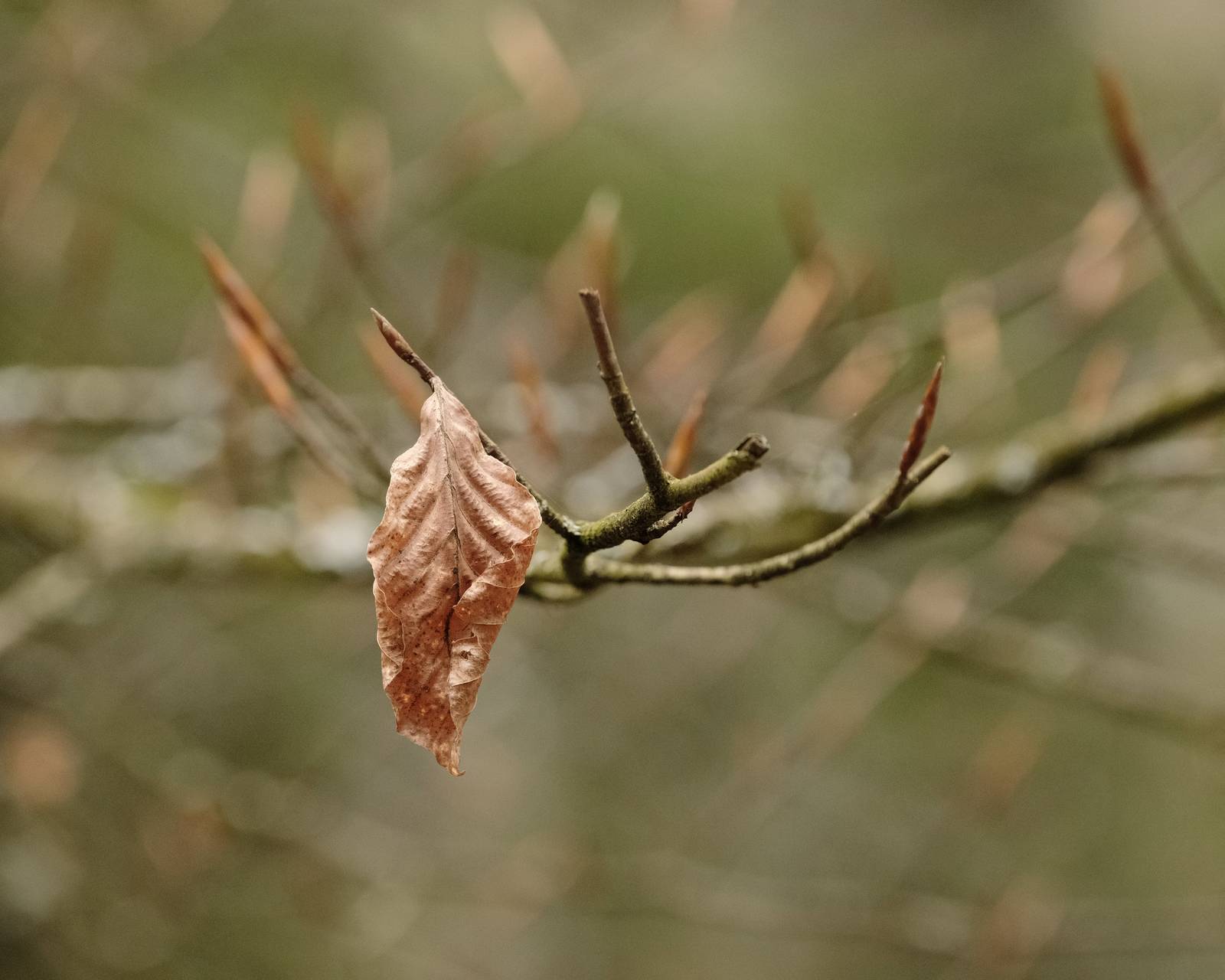
    The last leaf before the explosion of spring. One-Nine-Nine film recipe
    The circle of life, captured with One-Nine-Nine film recipe
    Mavis and brownie, early on a winter afternoon. One-Nine-Nine film recipe
    Let’s take a boat ride, with One-Nine-Nine film recipe
    We will walk along the shore from here, One-Nine-Nine film recipe
    There’s a gently retro tone to the images with One-Nine-Nine film recipe
    It’s just before Easter, and signs of spring are appearing
    Soft buds agains the waters of the lake, One-Nine-Nine film recipe
    Back in the UK, the spring signs are here too, One-Nine-Nine film recipe
    Freshly ploughed for the new season crop, One-Nine-Nine film recipe
    Let’s go for a photowalk … One-Nine-Nine film recipe
    There’s new life on the farm too. One-Nine-Nine film recipe
    Somewhere between piglet and pig. One-Nine-Nine film recipe
    New leaves remind me of flower blooms, One-Nine-Nine film recipe
    The actual flowers of many tree are green and understated.
    The path is becoming more green each day. One-Nine-Nine film recipe
    Day’s end, down by the water. One-Nine-Nine film recipe
    Sunsets have a blue-purple tone with One-Nine-Nine film recipe
    Here’s another one, in the winter woods this time
    Disappearing behing the winter trees, with One-Nine-Nine film recipe
    Sunny day sights from Simonskall, Germany. One-Nine-Nine film recipe
    A fine collection, captured with One-Nine-Nine film recipe
    Sunrise amongst the spring blossom, One-Nine-Nine film recipe
    It’s going to be a lovely day, with One-Nine-Nine film recipe

    Pro Neg for Natural Shooting

    The Pro Neg simulations are well suited to general phtography and natural scenes. The look is natural and soft toned, with good presenation across the colour range. Here are some other Pro Neg recipes to review…

  • Re-Analog, Coastal Chrome by Marcel Fraij

    Re-Analog, Coastal Chrome by Marcel Fraij

    Classic Chrome film recipe with cream tones and deep contrast

    Marcel Fraij is a photographer and educator based in the Netherlands. He has an inspiring style, often including detail views of textures, forms and partly blurred figures. His themed galleries are especially improssive, and you can explore some of these on his photography and recipes site.

    I’m a big fan, so it was great to chat with Marcel recently about a new recipe of his. As you’ll see below, it has a distinctive creamed and contrasty Classic Chrome style, that is particular suited to holiday and vacation shots, or scenes including wood and sand textures.

    Marcel suggested that I share this recipe here with you, and I am very happy to be able to do so. The guest recipes on this site provide another perspective on film recipe looks, and I’m excited to add Re-Analog to the collection.

    Photos: Marcel Fraij, X-E4 with ttArtisan 27mm, Fujinon 50mm or x100v

    Having fun in all weathers, with the Re-Analog film recipe

    Re-Analog Film Recipe by Marcel Fraij

    • Simulation: Classic Chrome
    • Grain Effect: Weak, Large
    • Colour Chrome Effect: Off
    • Colour Chrome Blue: Weak (IV), Off (V)
    • White Balance: Auto
    • WB Shift: +6 Red, -8 Blue
    • Dynamic Range: DR400
    • Highlights: +3.0
    • Shadows: +2.0
    • Color: -3
    • Sharpness: 0
    • ISO Noise Reduction: -4
    • Clarity: -4
    • EV compensation: 0

    My First Images with Re-Analog

    Inspired by this amazing recipe, I’ve made some images too. It’s such a great look for trips to the beach! I love the blue skies with this, but also the general look of the gallery as a whole.

  • Olympus Trip 35, Retro Rangefinder Recipe

    Olympus Trip 35, Retro Rangefinder Recipe

    Classic Negative film recipe inspired by prints from an Olympus Trip 35 camera

    Inspiration for my film recipes comes from all sorts of places, but I particularly enjoy looking at photos taken with 35mm film cameras and seeing the results. One of our regular film recipe challenge contibutors, David Forsdike, recently shared a set of images he took on an old Olympus Trip 35 camera.

    I’ve always liked this little camera, with is compact form and simple classic form factor in a rangefinder stlye.

    In many ways it’s ideal, with easy controls that just let you take photos without the pressure of too many settings and functions.

    David took his Olympus Trip out for a photo session, capturing, developing and sharing the images he took. Here’s a few to give you the idea …

    These lovely images were taken in and around Narbonne in France, and David used Fujifilm 200 film in bright and sunny Springtime conditions.

    In order to build a film recipe, I started to try and match certain characteristics of the images. Within the gallery there was quite a bit of variation, so I first decided to work from the ones (like those above), with a red shift and magenta cast to the blues.

    With a Fujifillm film stock, I picked Classic Negative as the film simulation, and then explored colour balance and shift settings to get the main feel of the colour tone. The other main element was heavy grain, which I also added with a strong, large setting. With these main elements and tweaks to try and bring a little of the softness and nostalgia to the images too, I settled on the below film recipe.

    It’s not a perfect match, but within the range of settings we have on our cameras, I feel it has captured the spirit of these nostalgic images and the analog feel of shooting in the 60s and 70s with rangefinders on basic 35mm film.

    In the village of Simonskall, Germany. Olympus Trip 35 film recipe

    Olympus Trip 35 Film Recipe

    • Simulation: Classic Negative
    • Grain Effect: Strong, Large
    • Colour Chrome Effect: Weak
    • Colour Chrome Blue: Strong (IV) / Weak (V)
    • White Balance: Daylight
    • WB Shift: +6 Red, +2 Blue
    • Dynamic Range: DR200
    • Highlights: -2.0
    • Shadows: +1.0
    • Color: +2
    • Sharpness: -4
    • ISO Noise Reduction: -4
    • Clarity: +2
    • EV compensation: +1/3

    In David’s prints we took a tour of Narbonne, France. Fo rmy recipe interpretation, come along with me on a walk in the Eifel region of Germany. Let’s go …

    The buildings date from the 1600s. Olympus Trip 35 film recipe
    Wooden building crest, with Olympus Trip 35 film recipe
    That’s a very old building! Olympus Trip 35 film recipe
    A walk around the lake, with the retro look of Olympus Trip 35 film recipe
    Autumn leaves and spring flowers, with the Olympus Trip 35 film recipe
    A pine branch, with the lake behind. Olympus Trip 35 film recipe
    A goose swims along, captured with Olympus Trip 35 film recipe
    A butterfly saoks up some sun, Olympus Trip 35 film recipe
    A rain shower leaves drops on the old seeds, Olympus Trip 35 film recipe
    Water droplet hanging from a twig, Olympus Trip 35 film recipe
    Spring blossoms are starting to show. Olympus Trip 35 film recipe
    The modern world is close by though. Olympus Trip 35 film recipe
    Just enough wind for a gentle sailing trip. Olympus Trip 35 film recipe
    Or take the tourist boat and see the sights. Olympus Trip 35 film recipe
    At the end of a day, with golden sun. Olympus Trip 35 film recipe
    Sunny day blue skies, with my Olympus Trip 35 film recipe
  • Cinematic Aquarius, Soft Tones for Spring

    Cinematic Aquarius, Soft Tones for Spring

    Eterna film simulation recipe with warm soft tones for outdoor shooting

    At the beginning of 2023, I released a mellow Classic negative recipe called Age of Aquarius, which was a great choice on sunny days for a softer look. For this related recipe, I’ve blended the settings from Age of Aquarius with the Eterna Cinema film simulation to bring a new soft look cinematic recipe into existence.

    The result is a warm recipe with a very forgving tone curve that makes it a great choice in soft or hard light situations. The warm soft tone is also excellent for a cinematic look in the golden hour around sunrise and sunset. With an Eterna base, it works well with blues, giving lovely soft skies, and with greens, there’s a mellow tone to grasses and leaves. I’m sure it’ll be a great choice for Spring and Summer.

    Catkins in their thousands, captured with the Cinematic Aquarius film recipe

    Cinematic Aquarius Film Recipe

    • Simulation: Eterna/Cinema
    • Grain Effect: Weak, Small
    • Colour Chrome Effect: Off
    • Colour Chrome Blue: Strong (IV) / Weak (V)
    • White Balance: 5000K
    • WB Shift: +5 Red, -5 Blue
    • Dynamic Range: DR200
    • Highlights: -1.0
    • Shadows: +1.0
    • Color: -1
    • Sharpness: -1
    • ISO Noise Reduction: -4
    • Clarity: 0
    • EV compensation: +1/3
    Soft blues ona sunny day, with the Cinematic Aquarius film recipe
    Early morning beneath the big oaks, Cinematic Aquarius film recipe
    All calm one moment …
    … pulling a face the next
    Soft and beautiful sunset, with the Cinematic Aquarius film recipe
    Last moments of sunlight, captured with Cinematic Aquarius film recipe
    Spring leaves in sunlight, with Cinematic Aquarius film recipe
    Soft cinematic style, using Cinematic Aquarius film recipe
    Wintertime cinematic looks, with Cinematic Aquarius film recipe
    Focus on a little leaf, with Cinematic Aquarius film recipe
    A New Forest pony, soft tones by Cinematic Aquarius film recipe
    Tiny details on the forest floor, with Cinematic Aquarius film recipe
    A good choice for nature shots, the Cinematic Aquarius film recipe
    A bright morning by the mountain stream, Cinematic Aquarius film recipe
    Spring is yellow fields season, Cinematic Aquarius film recipe
    Oil seed rape brings bright yellow to the fields, Cinematic Aquarius recipe
    Birds flying past in the evening sky, Cinematic Aquarius film recipe
    Capturing the blue skies as the light fades, Cinematic Aquarius film recipe
    Wide angle makes my beak look big! Cinematic Aquarius film recipe
    Swans at the marina at high tide, Cinematic Aquarius film recipe
    Soft winter light, with the soft Cinematic Aquarius film recipe
  • Tomas Derner’s Classic Negative

    Tomas Derner’s Classic Negative

    Classic Negative film recipe developed by travel photographer Tomas Derner.

    Fujifilm photographers travel the world and it’s so exciting to see their journeys captured using film simulations and recipes. Once such photographer with especially striking image series is Tomas Derner (see his Travel Stories).

    Tomas kindly shared details of his Classic Negative recipe, developed during travels in Bangladesh. It’s grainy and deep toned, working wonderfully with the skin tones and vibrant colours that he captures in such compelling style.

    Tomas had the following to say about the recipe, “I recently developed a coloured film recipe based on the Classic Negative Fujifilm film simulation. This recipe is particularly well-suited to brighter scenes, although it can work in other situations as well. I highly recommend experimenting with this simulation and seeing how it can enhance your photographs. Good luck and have fun!”

    A bit thanks to Tomas for allowing me to share this amazing recipe with you all.

    All images: Tomas Derner, X-Pro 3.

    Cinematic tone, deep shadow and grain. Tomas Derner’s Classic Negative.

    Tomas Derner’s Classic Negative

    • Simulation: Classic Negative
    • Grain Effect: Strong, Large
    • Colour Chrome Effect: Strong
    • Colour Chrome Blue: Weak (IV), Off (V)
    • White Balance: 4460K
    • WB Shift: +4 Red, -4 Blue
    • Dynamic Range: DR100
    • Highlights: 0.0
    • Shadows: +1.0
    • Color: -2
    • Sharpness: +1
    • ISO Noise Reduction: -4
    • Clarity: 0
    • EV compensation: 0 or +1/3

    Version 2 with Auto White Balance

    Tomas has since updated the recipe with a version 2. This maintains much of the impact of the original, but works from an auto white balance that you may find more versatile. Highlights are also softened in this recipe.

    • Simulation: Classic Negative
    • Grain Effect: Strong, Large
    • Colour Chrome Effect: Strong
    • Colour Chrome Blue: Weak (IV), Off (V)
    • White Balance: Auto
    • WB Shift: 0 Red, -1 Blue
    • Dynamic Range: DR100
    • Highlights: -1.0
    • Shadows: +1.0
    • Color: -1
    • Sharpness: -1
    • ISO Noise Reduction: -4
    • Clarity: 0
    • EV compensation: 0 or +1/3

    For more amazing photographic stories, visit https://www.tdernux.com/

  • Classic Print, like Prints from Fujifilm Negatives

    Classic Print, like Prints from Fujifilm Negatives

    Print style photo looks with this Fujifilm recipe for X-Trans 4 cameras

    Here’s a pretty film recipe that’s great for capturing a wide variety of scenes, and brings the look of printed photos from Fujifillm 35mm film. It’s based on Classic Negative, with a few small adjustments to give it a slightly softer look for all round general use. There’s a definite hint of classic Fujifilm stock to this one, and it reminds me of packets of prints that you got back from photo labs in the days before digital.

    This recipe is great for sunshine, but still delivers great results if things turn a bit more cloudy. Although it is warm toned overall, Classic Neg gives a slightly cool tint to vegetation, and is really wonderful with any reds you can track down. See if you can find brick walls, red painted gates and doors, old post boxes and telephone boxes, or classic cars.

    They call it a worms eye view. Down low with Classic Print film recipe

    Film Recipe for Classic Print

    • Simulation: Classic Negative
    • Grain Effect: Off
    • Colour Chrome Effect: Weak
    • Colour Chrome Blue: Weak (IV) / Off (V)
    • White Balance: Daylight
    • WB Shift: +4 Red, -1 Blue
    • Dynamic Range: DR200
    • Highlights: -1
    • Shadows: +1
    • Colour: -1
    • Sharpness: -1
    • ISO Noise Reduction: -4
    • Clarity: 0
    • EV compensation: +1/3

    📷 Classic Print User Gallery – Take a look at photos taken by other Fuji photographers as part of our Film Recipes challenge.

    Classic Print loves to show off red items in your photos
    Poppy heads, captured with Classic Print film recipe
    Not all poppies are red. Classic Print film recipe
    A misty morning in the woodland, with Classic Print film recipe
    Walking in golden morning light, with Classic Print film recipe
    A selfie of sorts on the footbridge, Classic Print film recipe
    A city scene in London, captured with Classic Print film recipe
    Sunset over the ocean, with the print look of Classic Print.
    Golden hour on the beach, using Classic Print film recipe.
    Roses, roses, roses, captured with Classic Print film recipe
    Handsome village cottages, Classic Print film recipe
    A bright day, and a bright pony. Classic Print film recipe
    Sunny morning sparkles, with Classic Print film recipe
    Hornbeam leaves like brown paper, and the Classic Print film recipe
    The Classic Print film recipe loves tennis court colours
    Ready to play, with Classic Print film recipe
    Classic Print film recipe in London before everyone else arrives
    All quiet in the city, taken with Classic Print film recipe
    Bicycle parking, using the Classic Print film recipe
    Country village road sign, captured with Classic Print film recipe
    Sunny morning grasses, with Classic Print film recipe
    Along the riverbank, with Classic Print film recipe
    Summer morning with the swan family, Classic Print film recipe
    A coot paddling on the pond, with Classic Print film recipe
    It’ll soon be sprintime, Classic Print film recipe
    The first blossom, captured with Classic Print

    Film Recipes with a Photo Print Look

    Whilst some of you may have grown up with digital, my generation will remember collecting their photos in paper wallets and the expectation, and occasional disappointments that came from no chance to review images before printing.

    These printed photos had a look that is similar to Classic Negative, and as the years passed, the images may have faded to include more of a pink hue.

    Here are some film recipes that bring back the feeling of those printed photos.