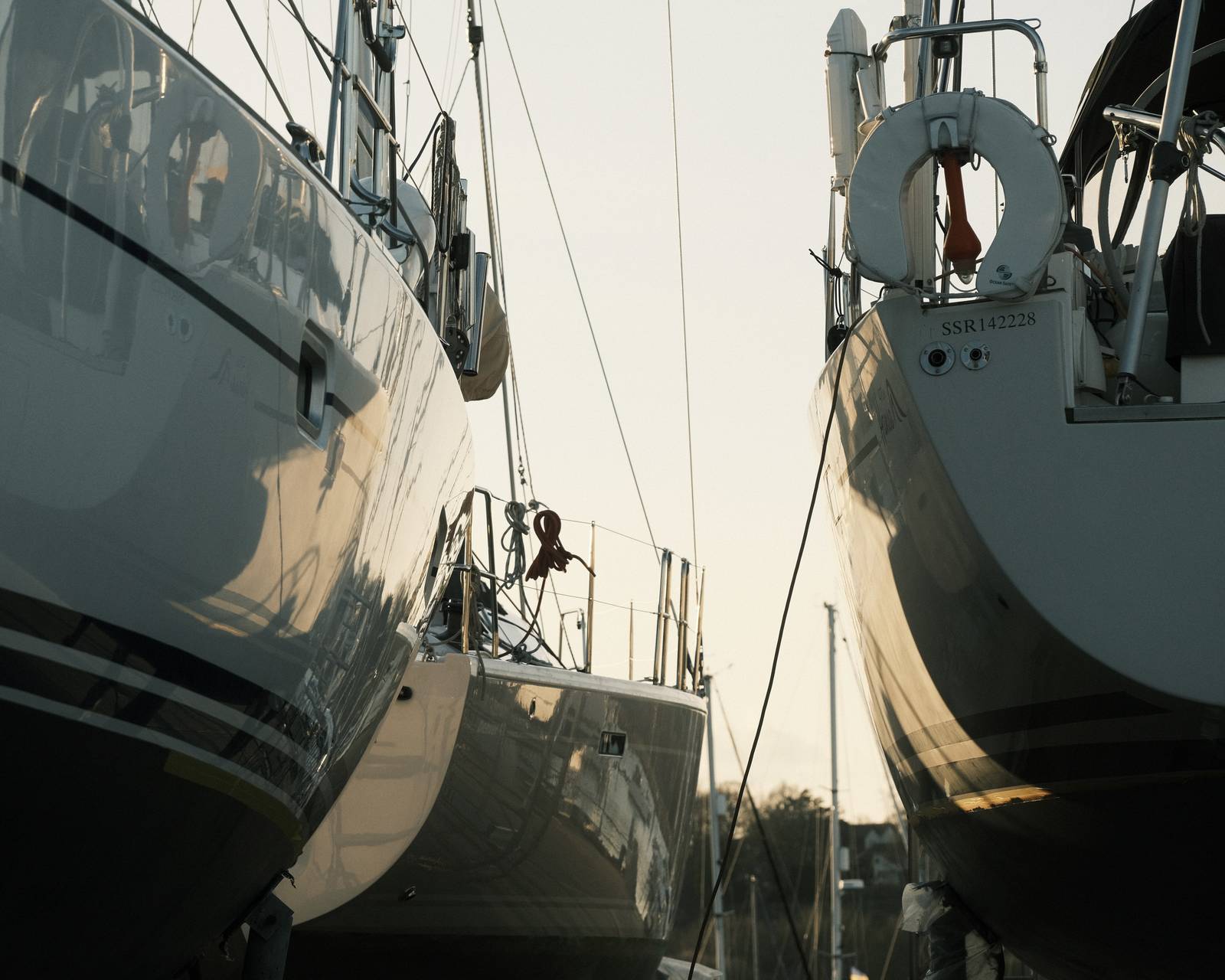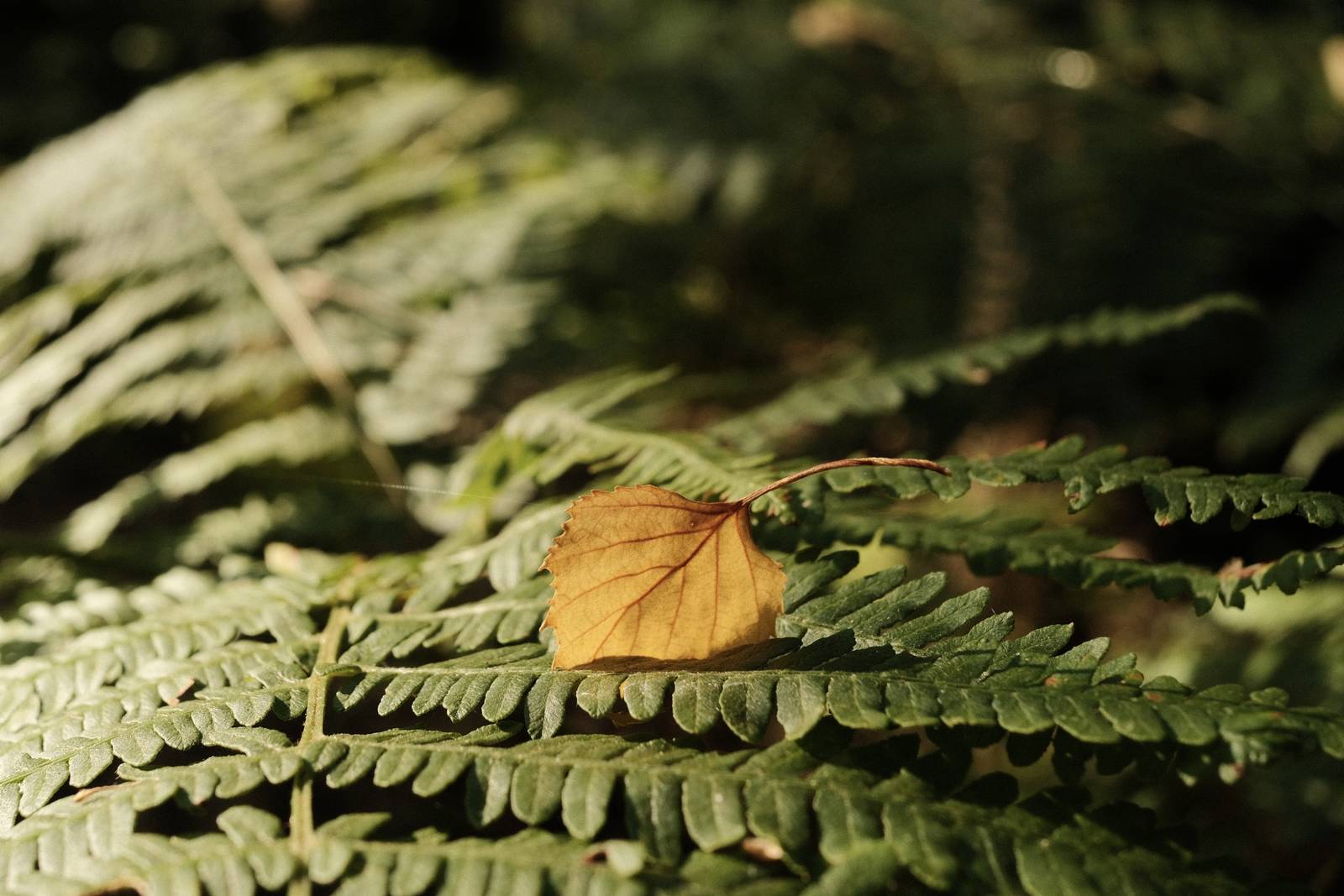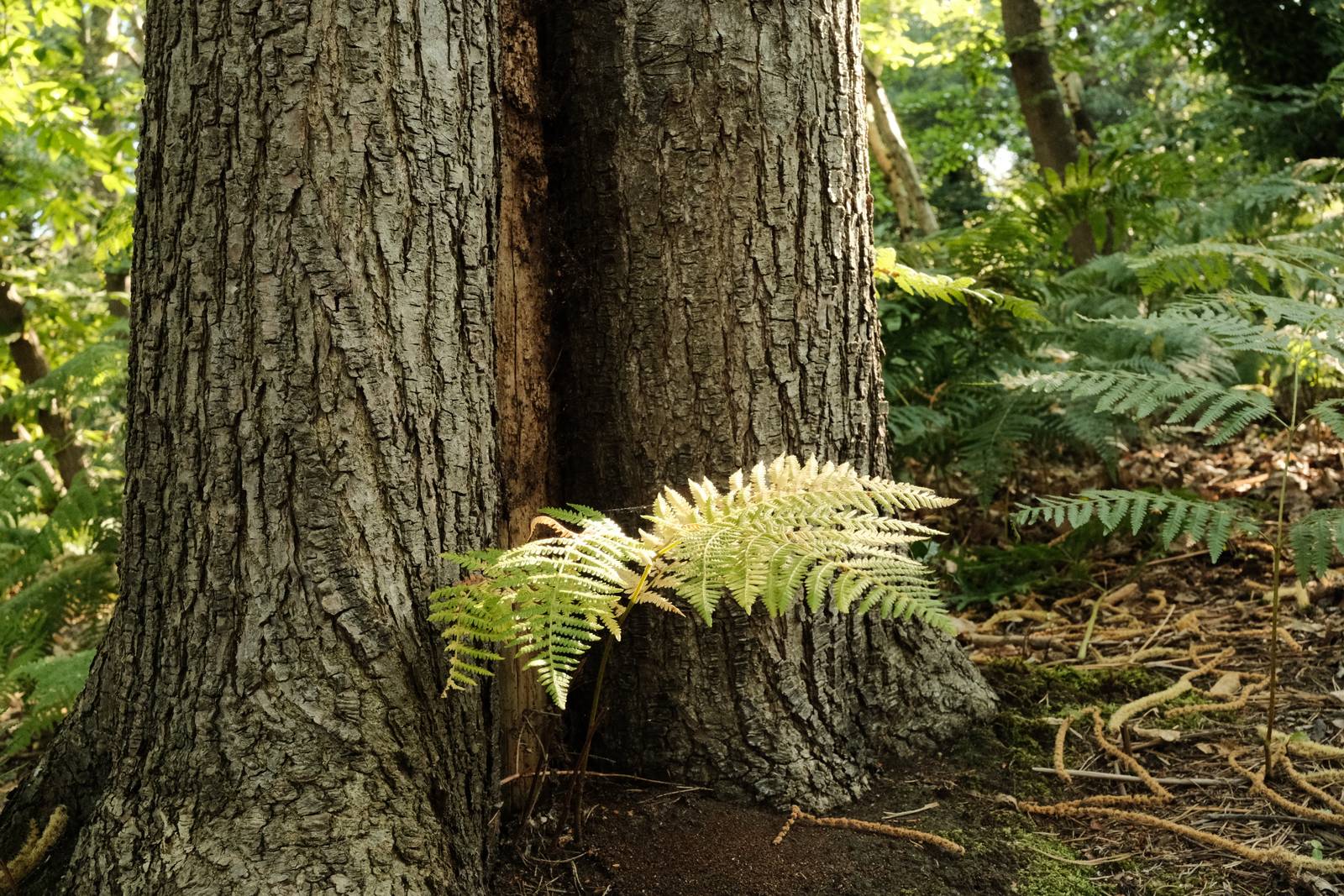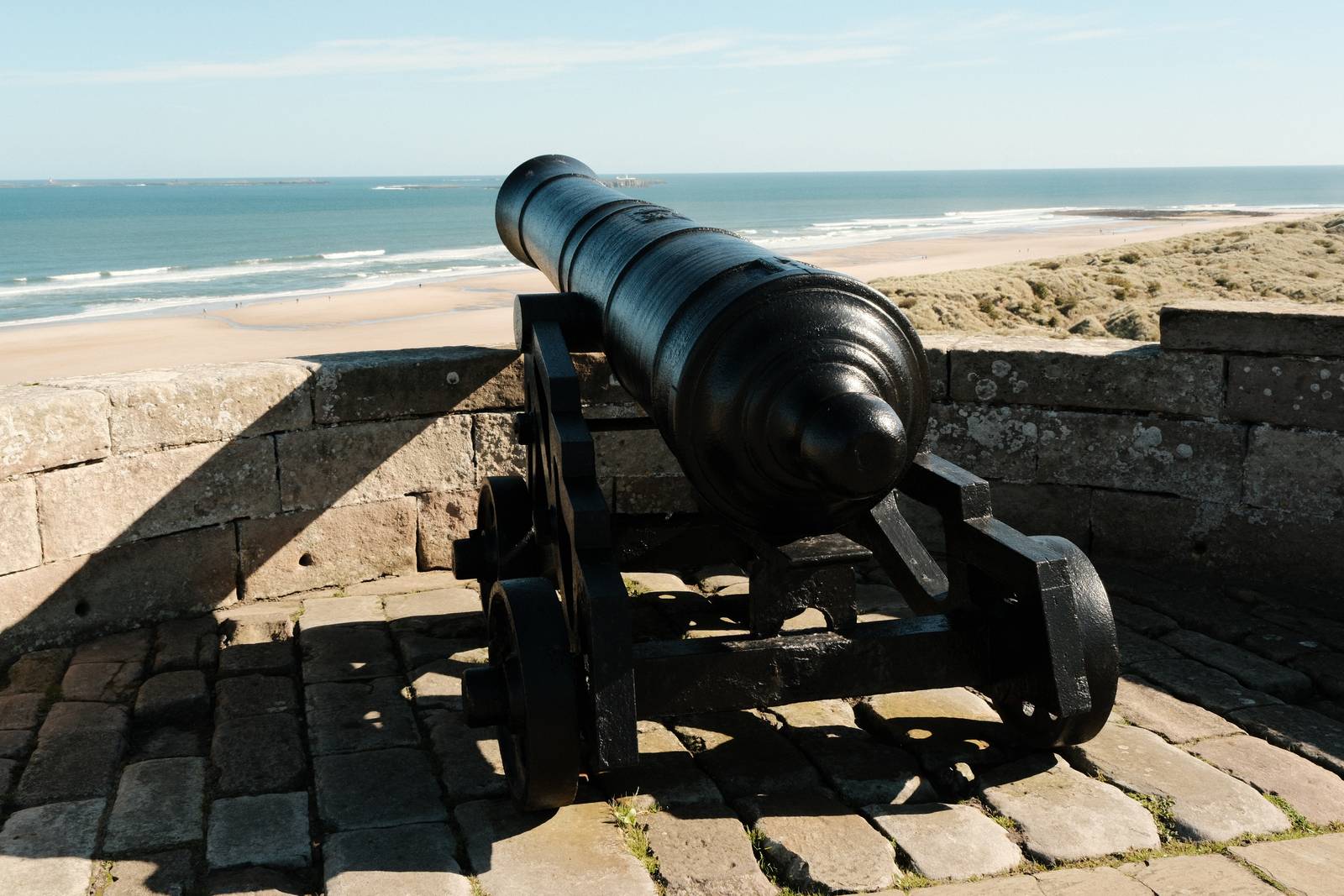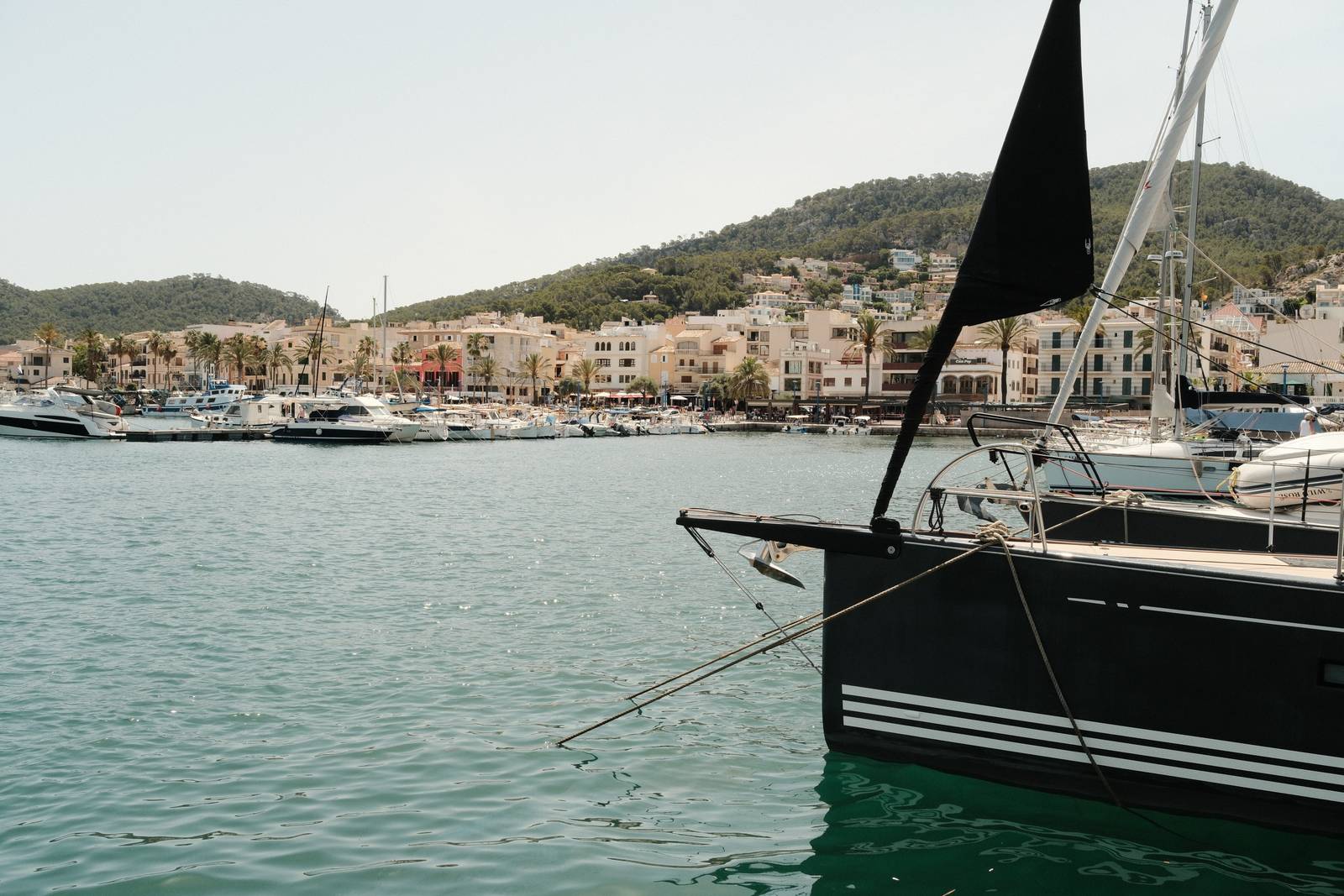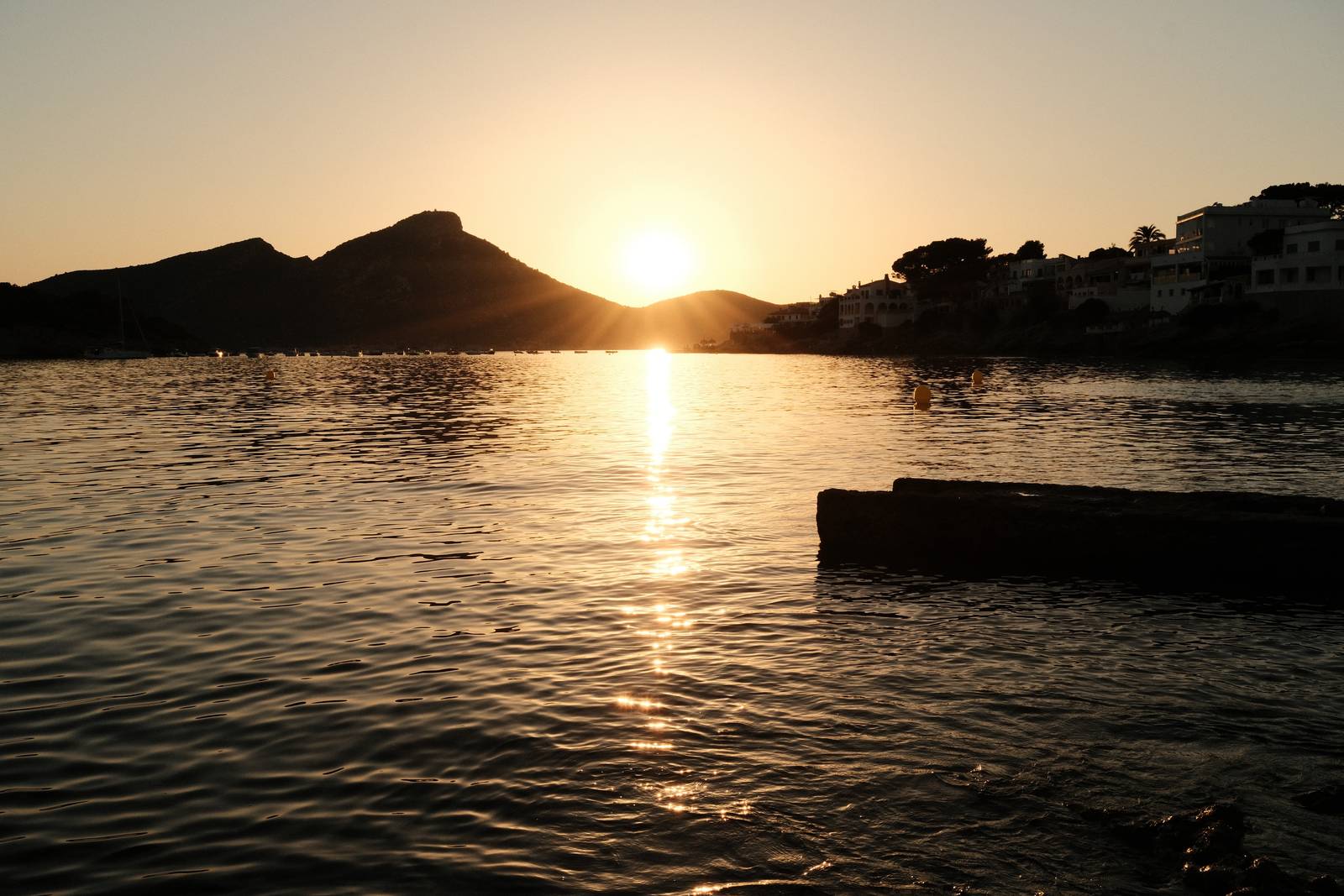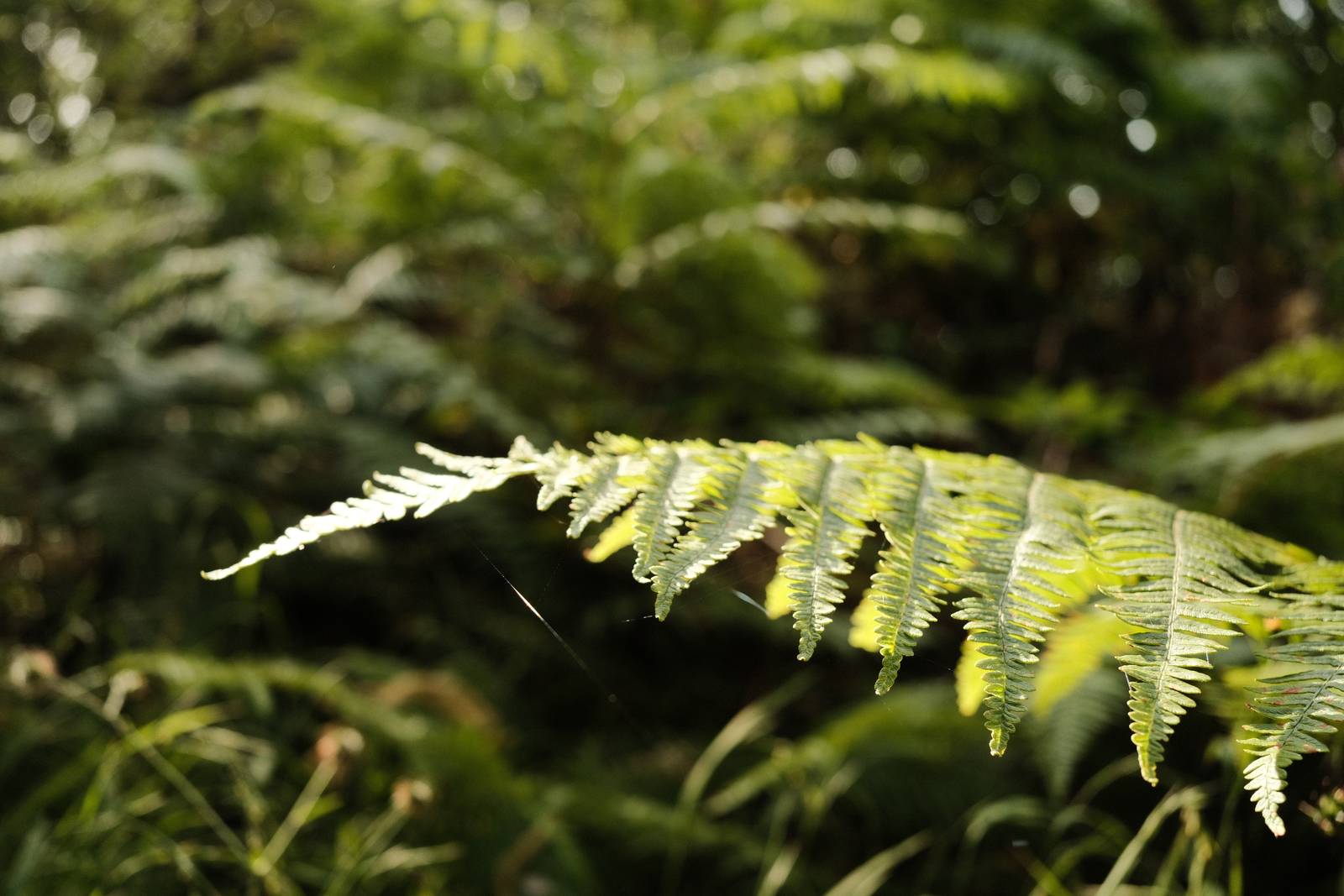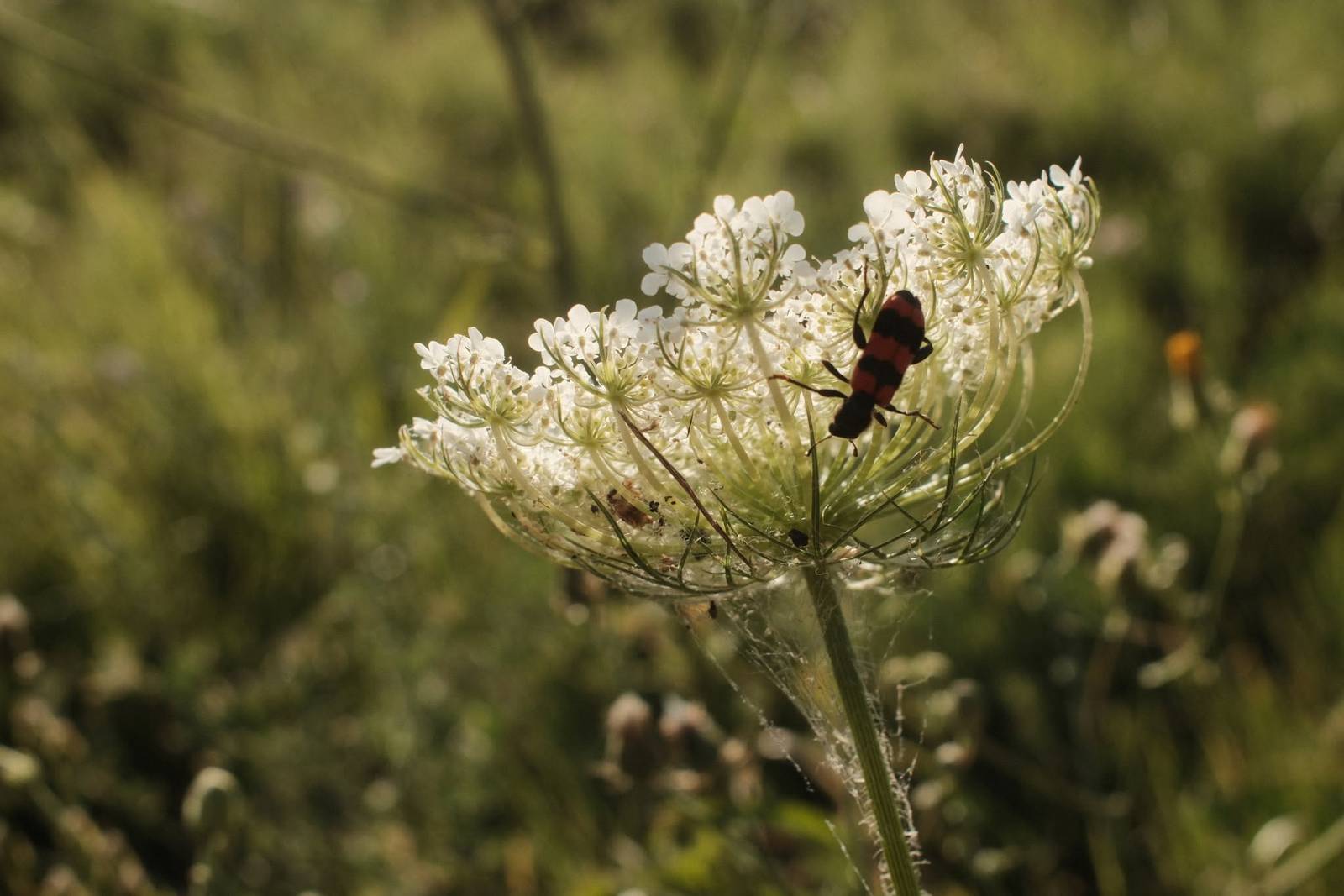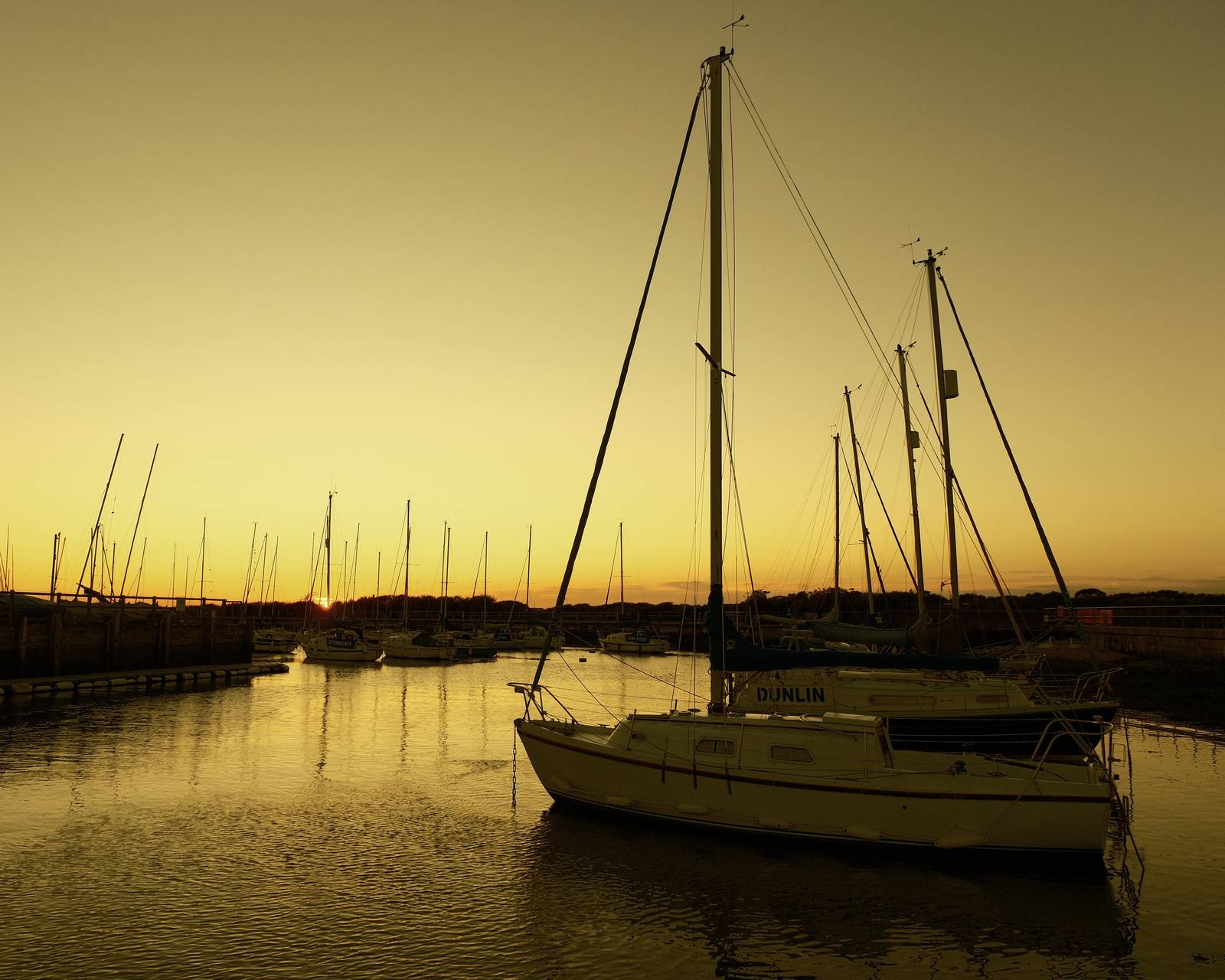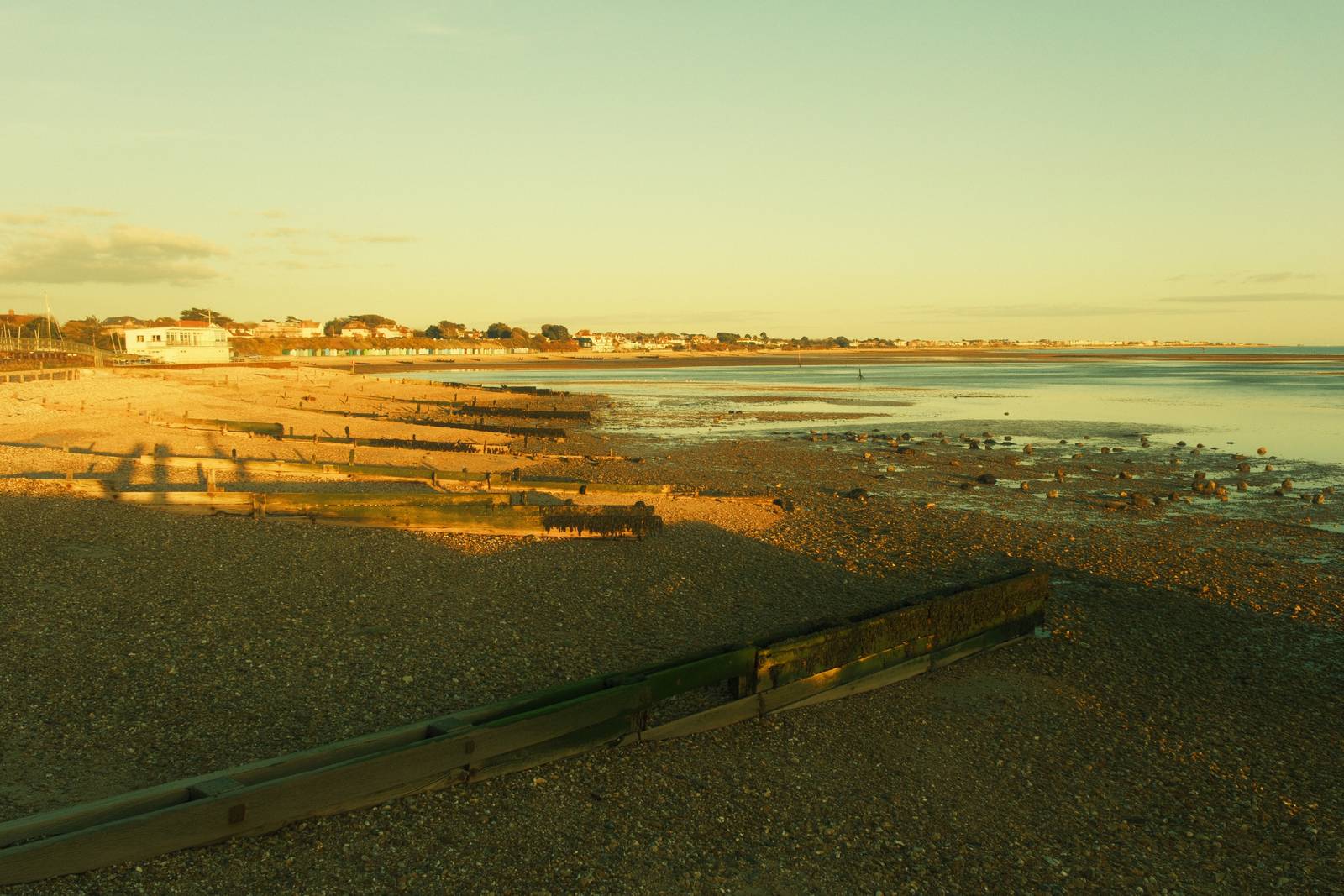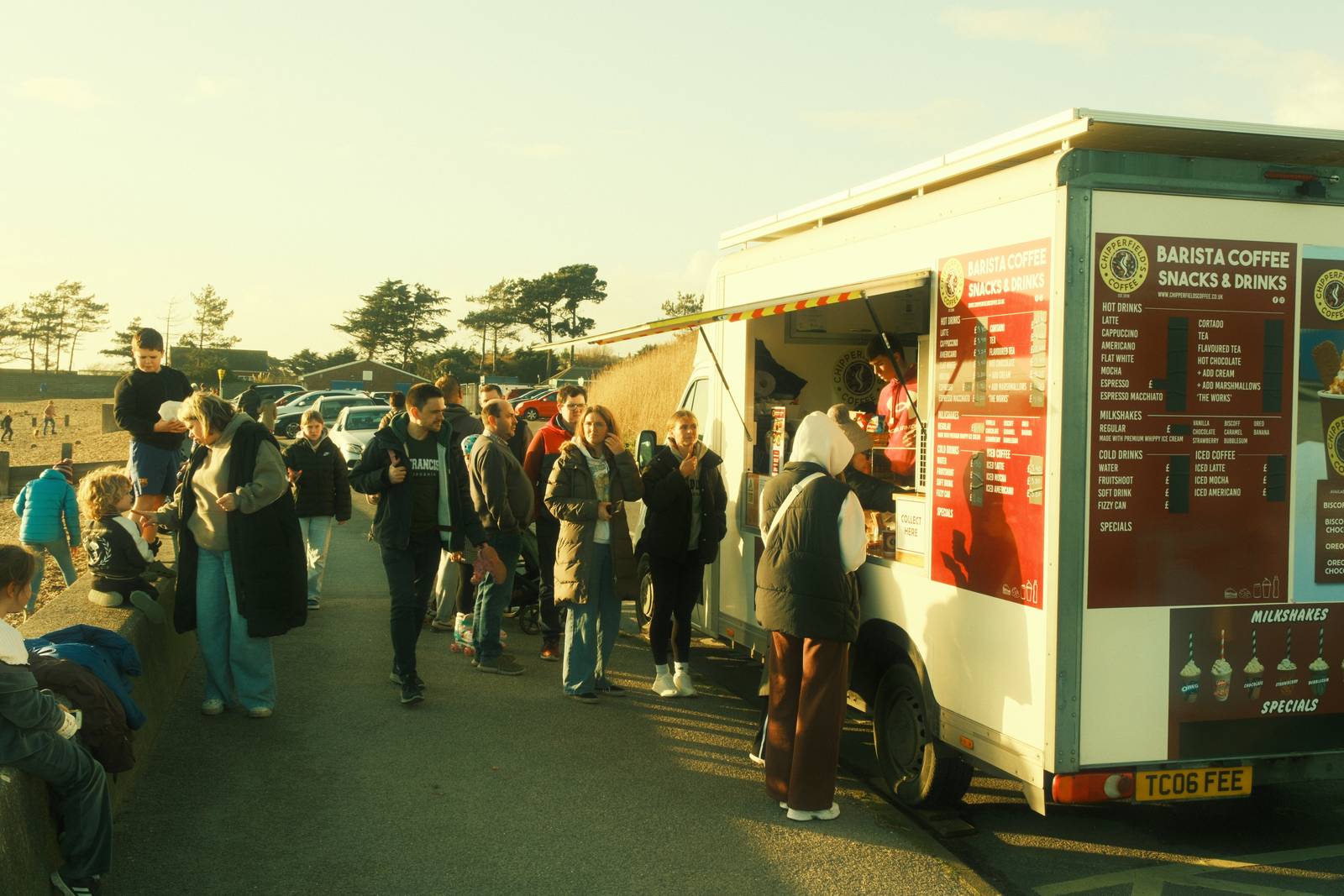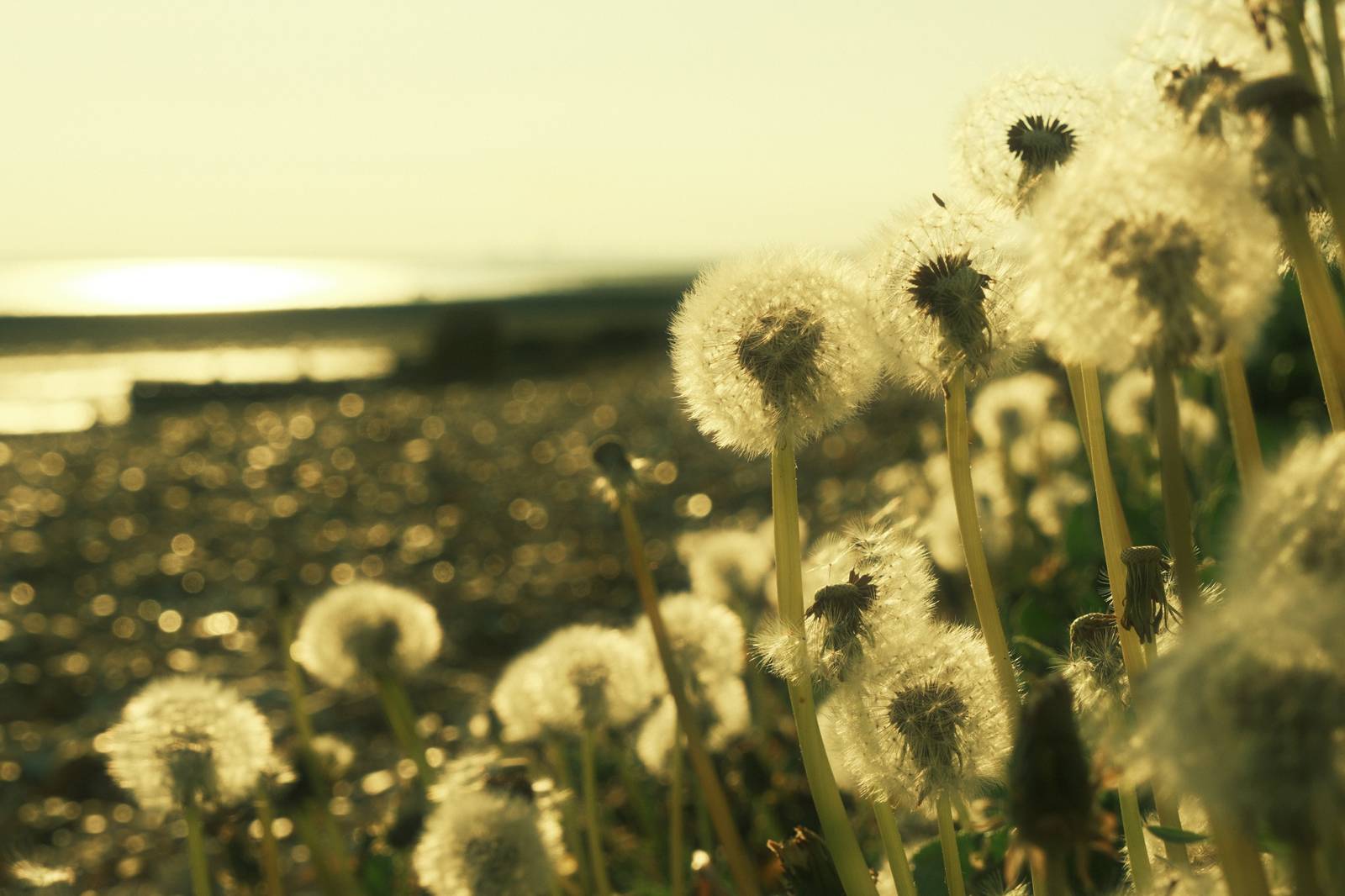

Film Recipes for Fujifilm Cameras

Tag: Nostalgic

  • Sunset Strip E6, Lomochrome Film Recipe

    Sunset Strip E6, Lomochrome Film Recipe

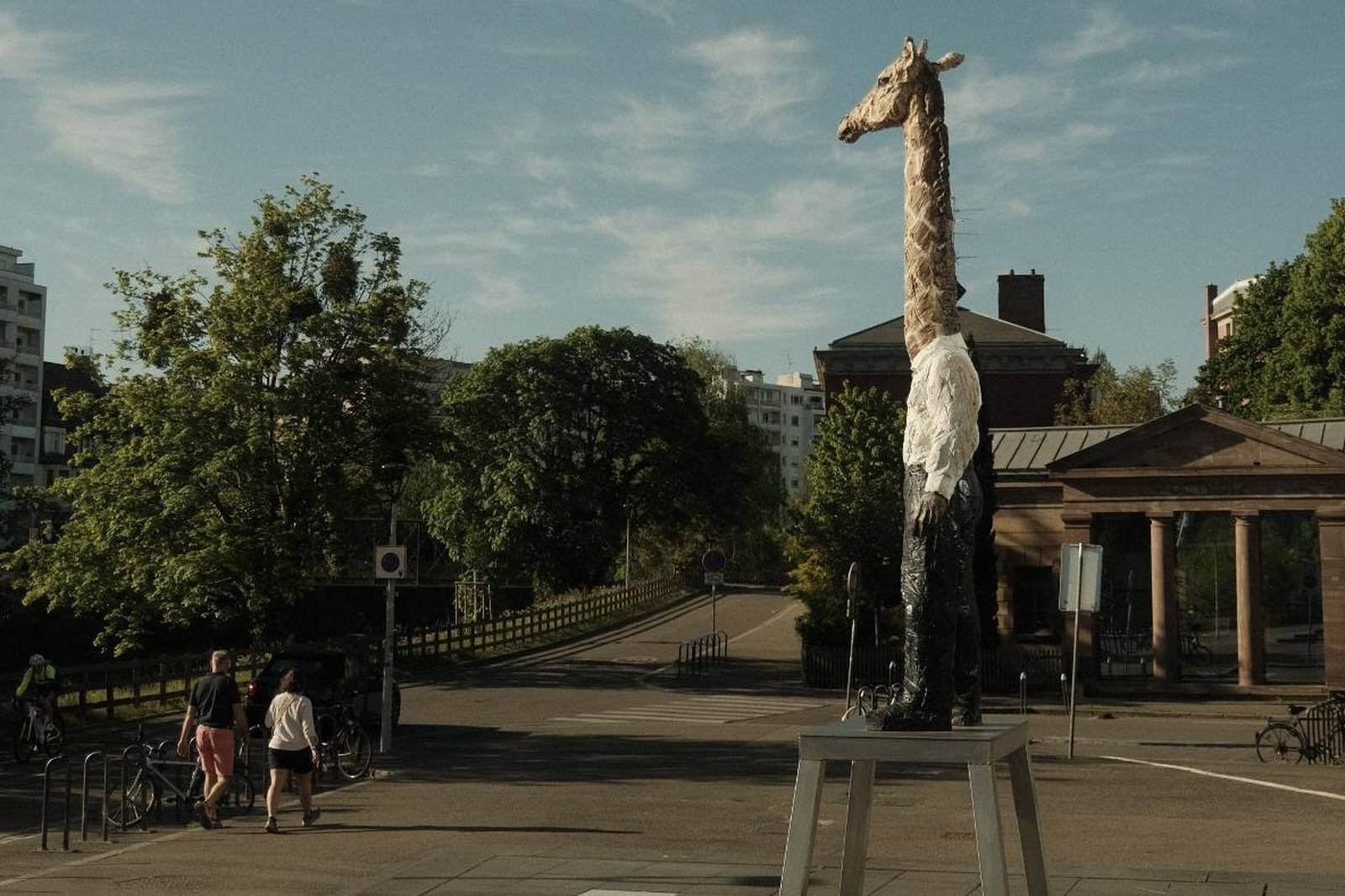
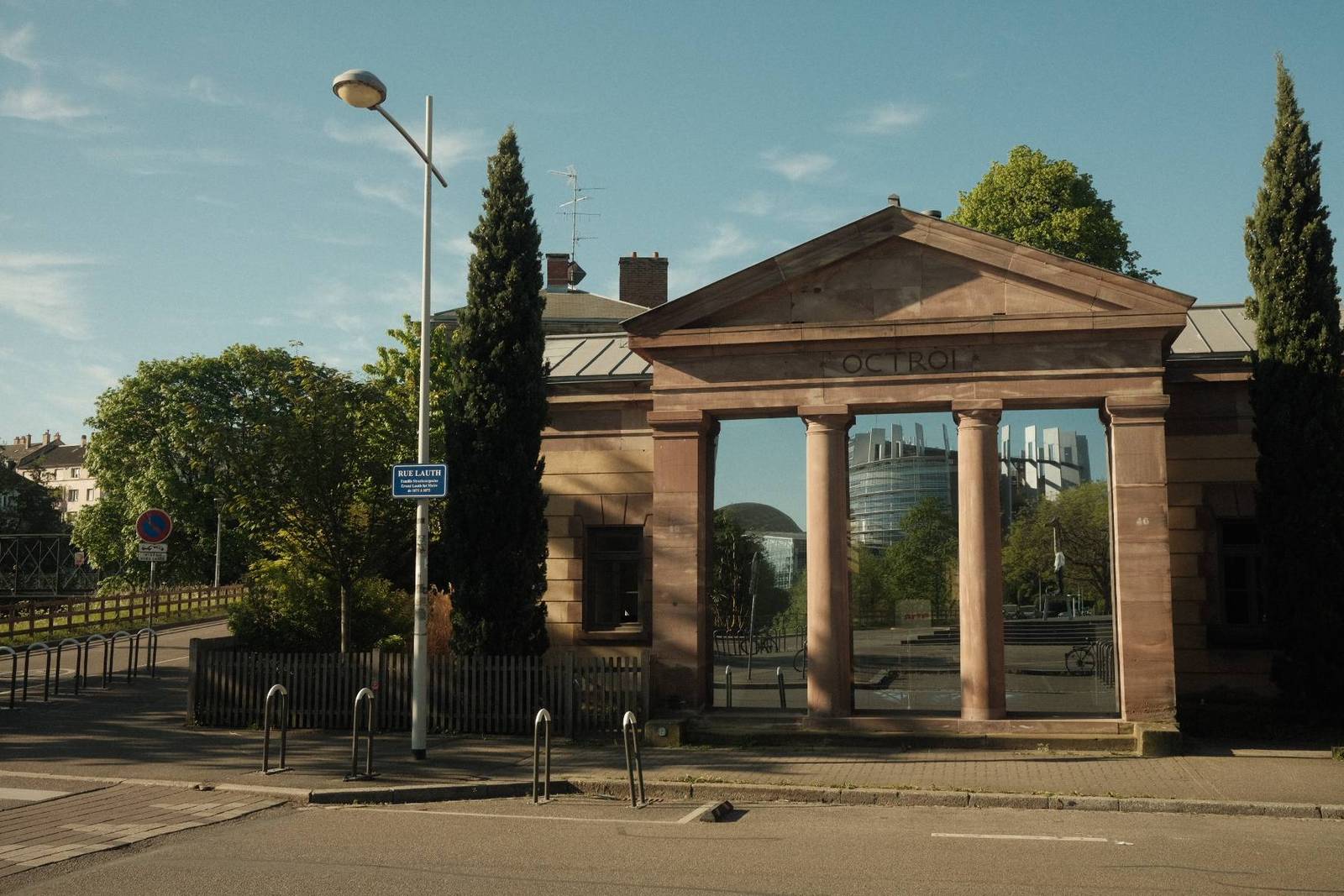
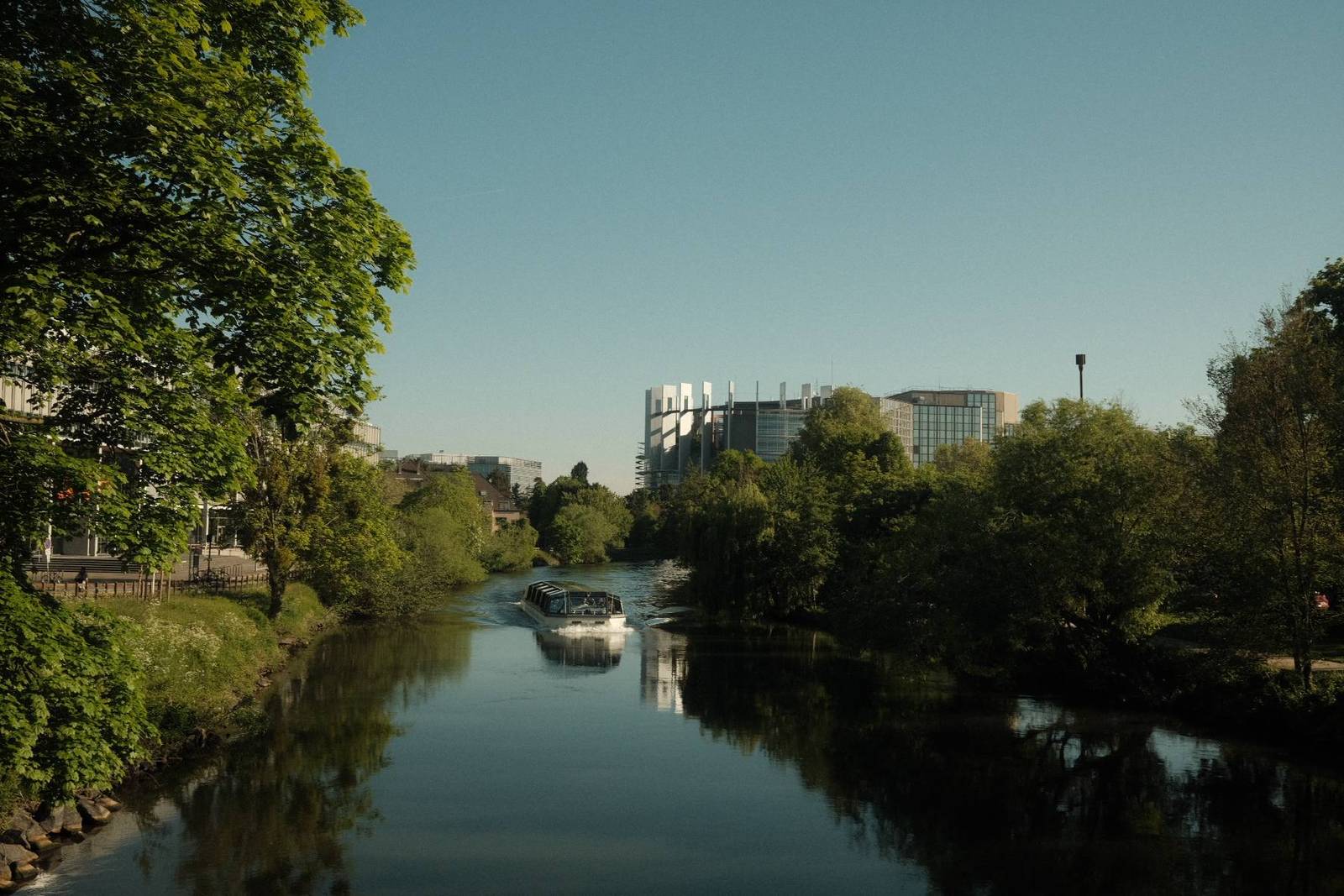
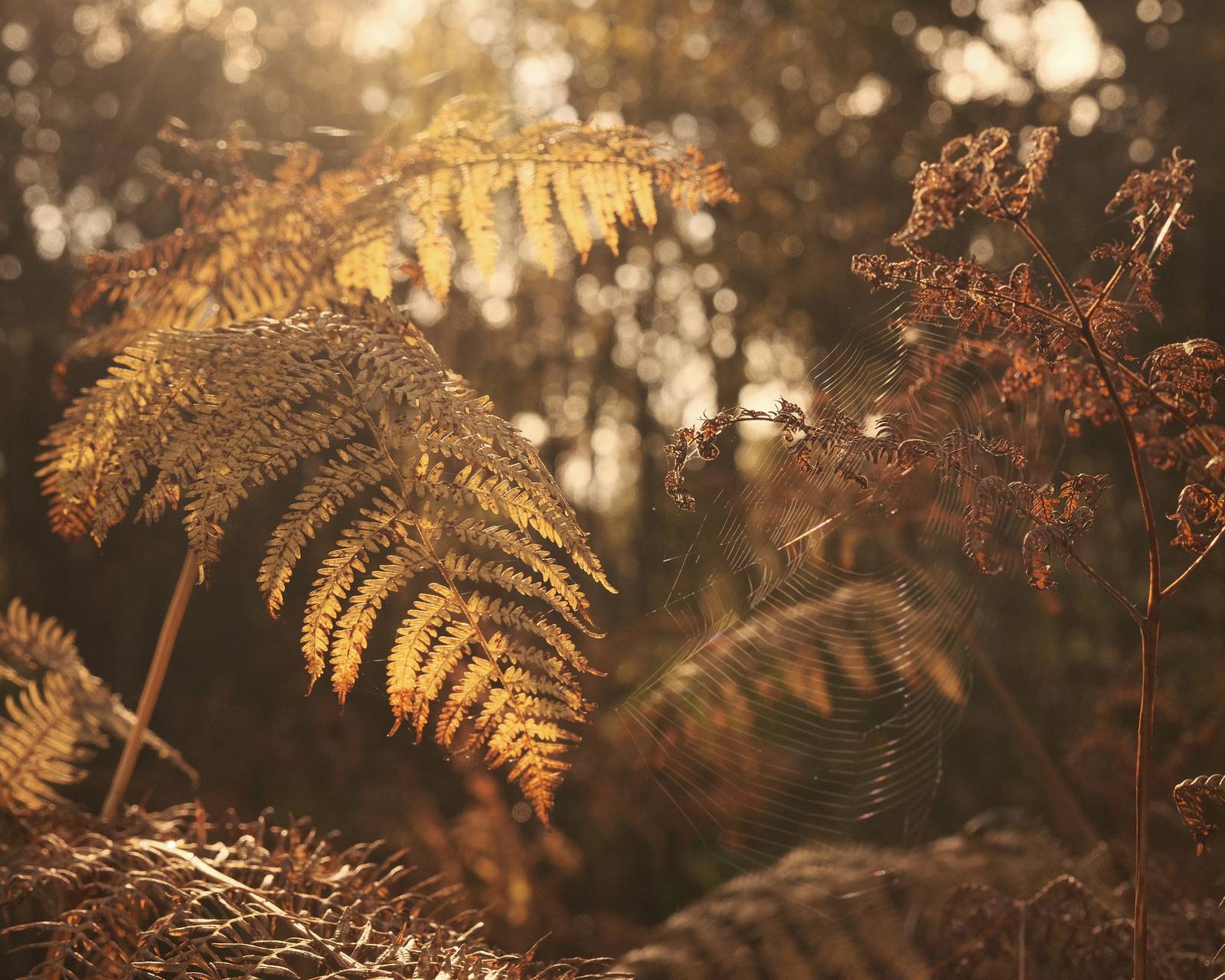
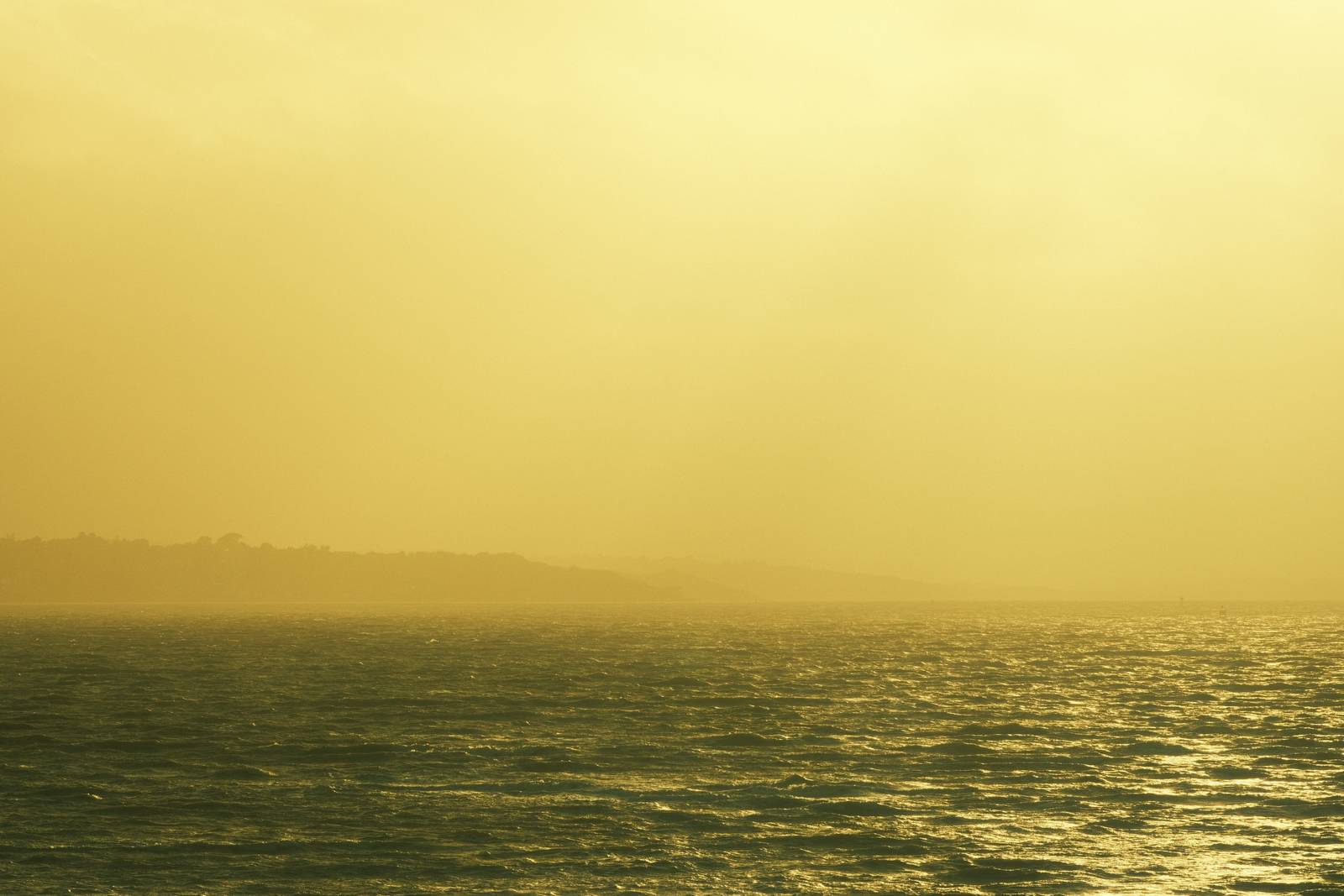
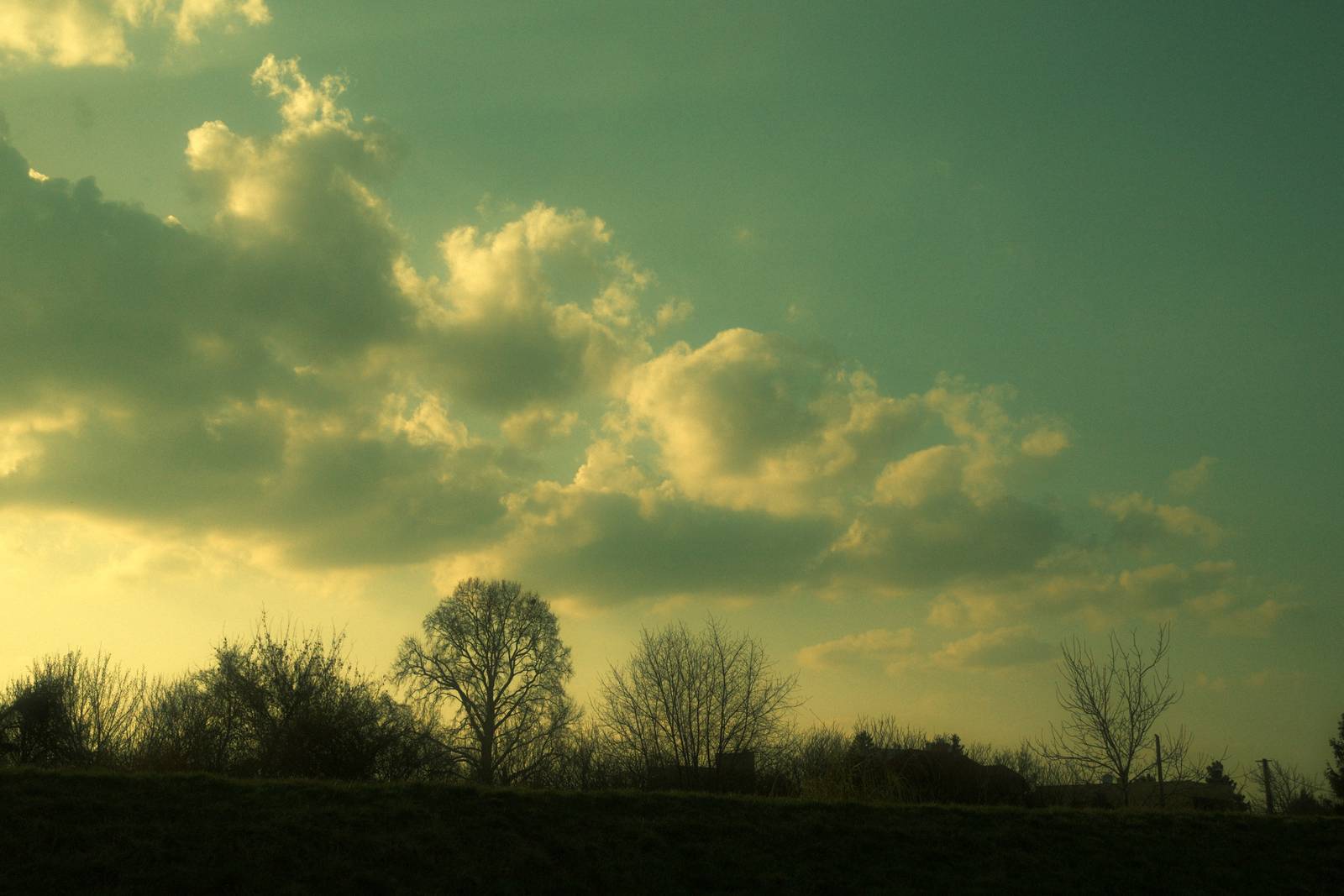
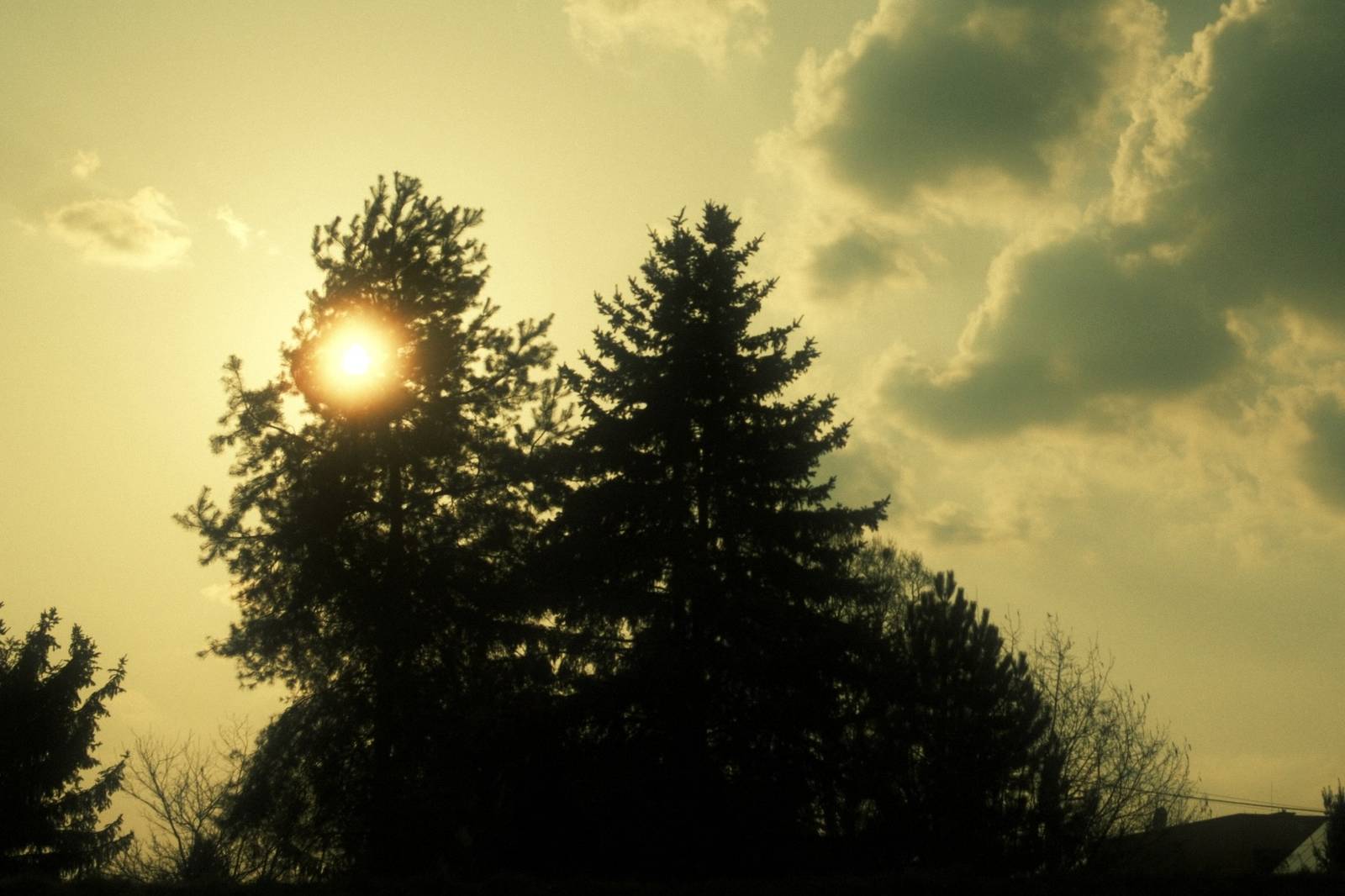
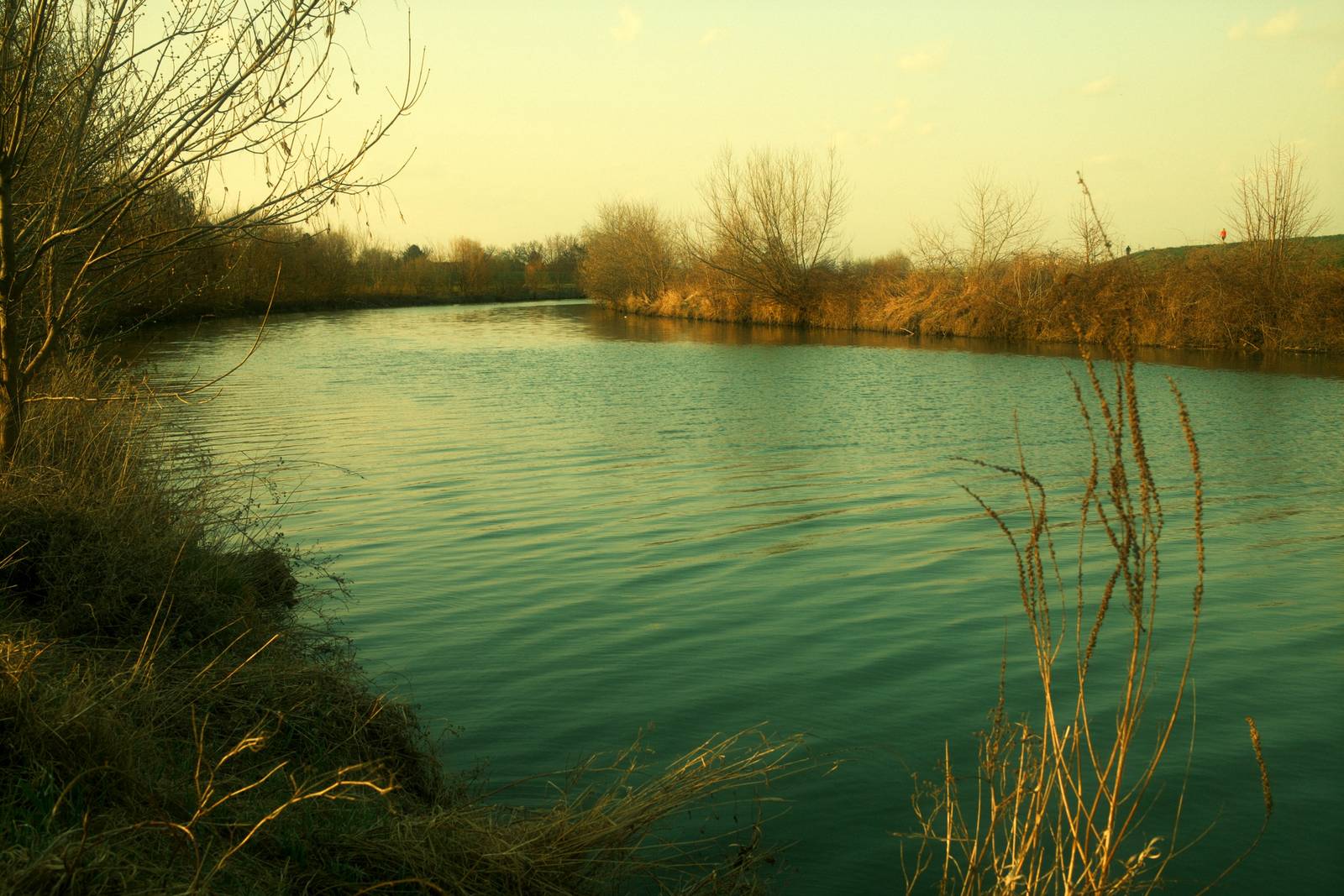
    Bold cosy colours and a soft dreamy look, to mimic 36 processing of Lomochrome Sunset Strip 35mm film

    It’s no surprise that I love creating film recipes, and when challenged to match an interesting look based on real world film I am right in my element. For this film recipe, I was approached by Mark LeonHeart, one of the Fujifilm photographers that uses the Film Recipes app. He was explaining to me, how when shooting film in the past, he had chosen to cross-process Lomochrome’s Sunset Strip film, not with C41 chemicals, but E6 instead.

    The charm of these 35mm scans is undeliable, with a rich yellow tone, but also softness and vintage nostalgia.

    Experimenting to create the look would be a fun exercise, and it would prove interesting to see how close it was possible to get with a Fujifilm film simulation recipe.

    The starting point for me was to find a colour balance that delivered a similarly bold yellow tone, and to work from that to see which film sim would match the overall feel.

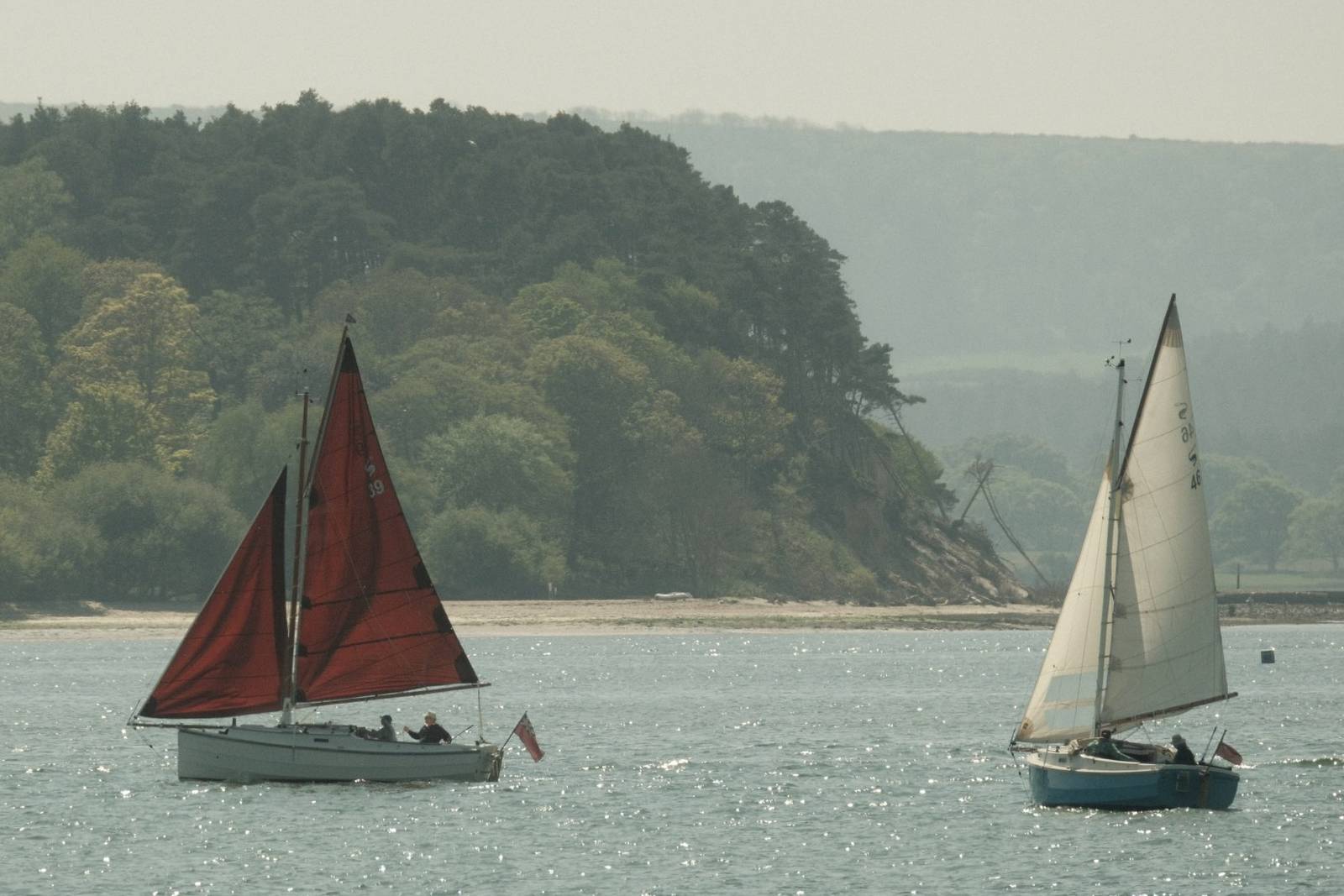
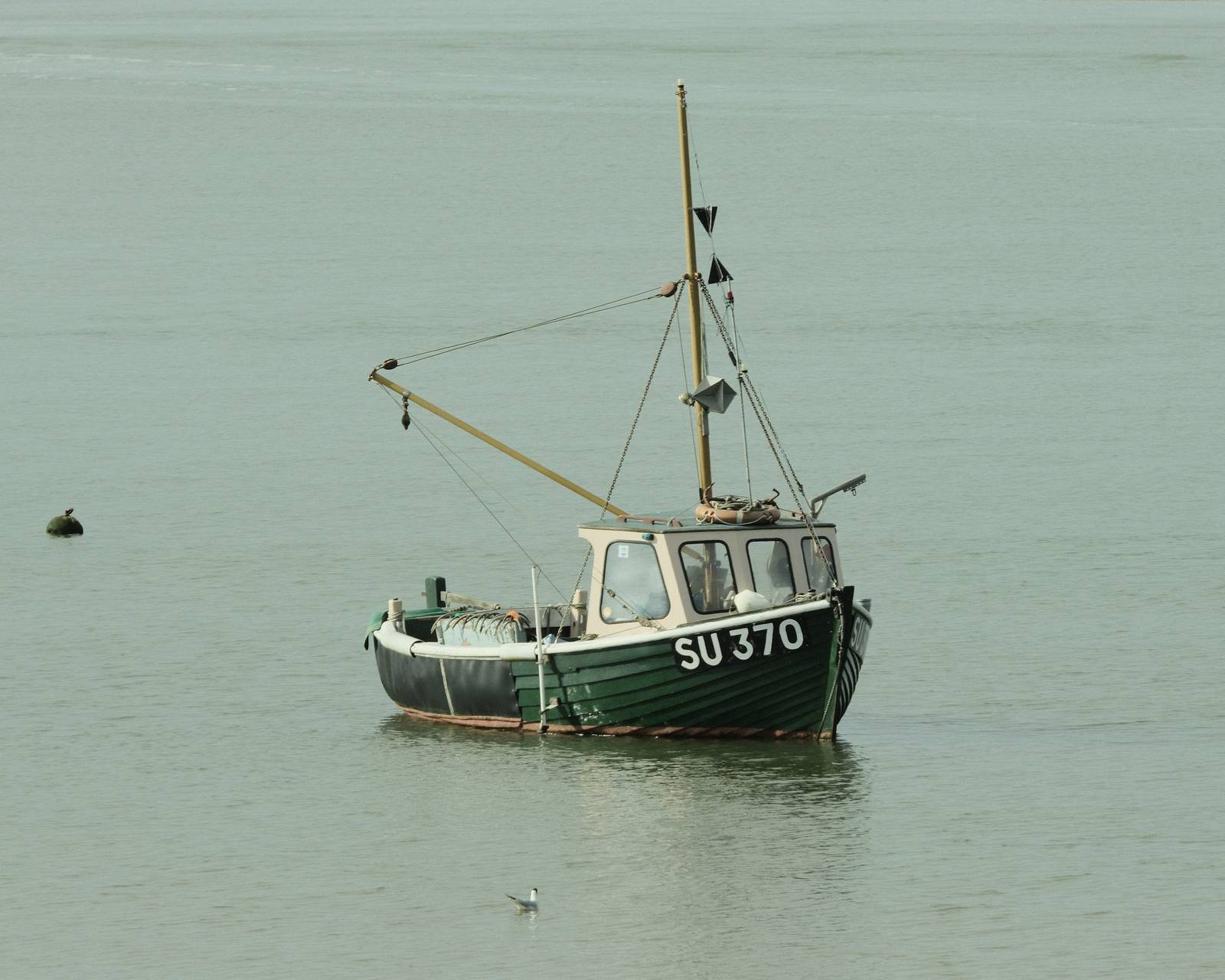
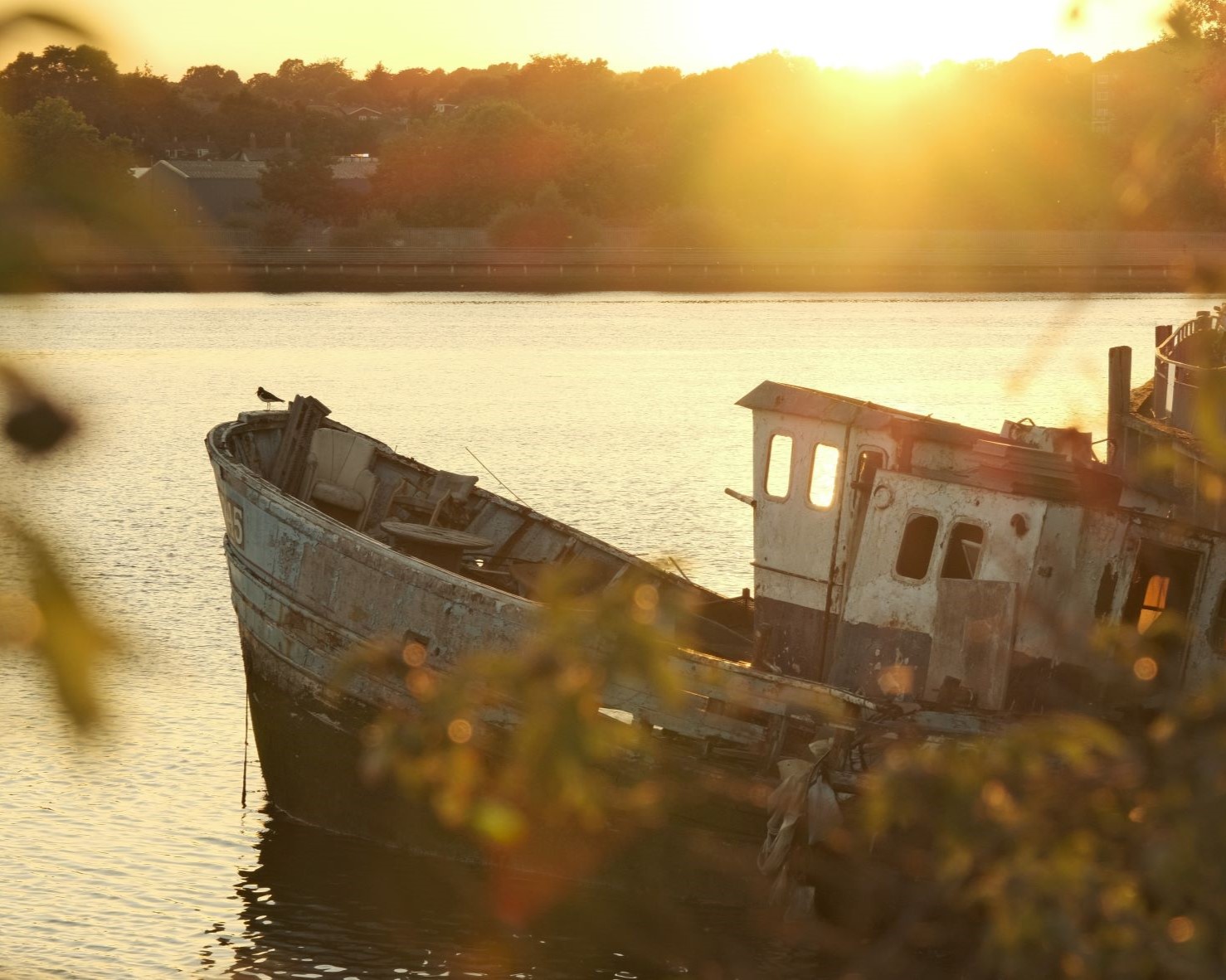
    Blues remained distinct, although now shifted strongly towards greens, and hints in the boat steering photo included a vibrant orange too. Challenge accepted!

    My resulting film recipe captures a lot of the qualities of these images, if perhaps not as much analog softness. I applied liberal amounts of negative clarity, but if you have one, a vintage or disploable lens conversion might be a great partner.

    So here are my film recipe samples, and the details for creating the look in your camera.

    My film recipe version of Lomochrome Sunset Strip, developed with E6 processes

    Sunset Strip E6 Film Recipe

    • Simulation: Classic Negative
    • Grain Effect: Weak, Small
    • Colour Chrome Effect: Off
    • Colour Chrome Blue: Strong (IV) / Weak (V)
    • White Balance: Shade
    • WB Shift: 0 Red, -9 Blue
    • Dynamic Range: DR400
    • Highlights: -1.0
    • Shadows: -1.0
    • Color: +2
    • Sharpness: -4
    • ISO Noise Reduction: -4
    • Clarity: -4
    • EV compensation: +1/3 or +2/3
    • Use a vintage or disposable lens conversion if you have one
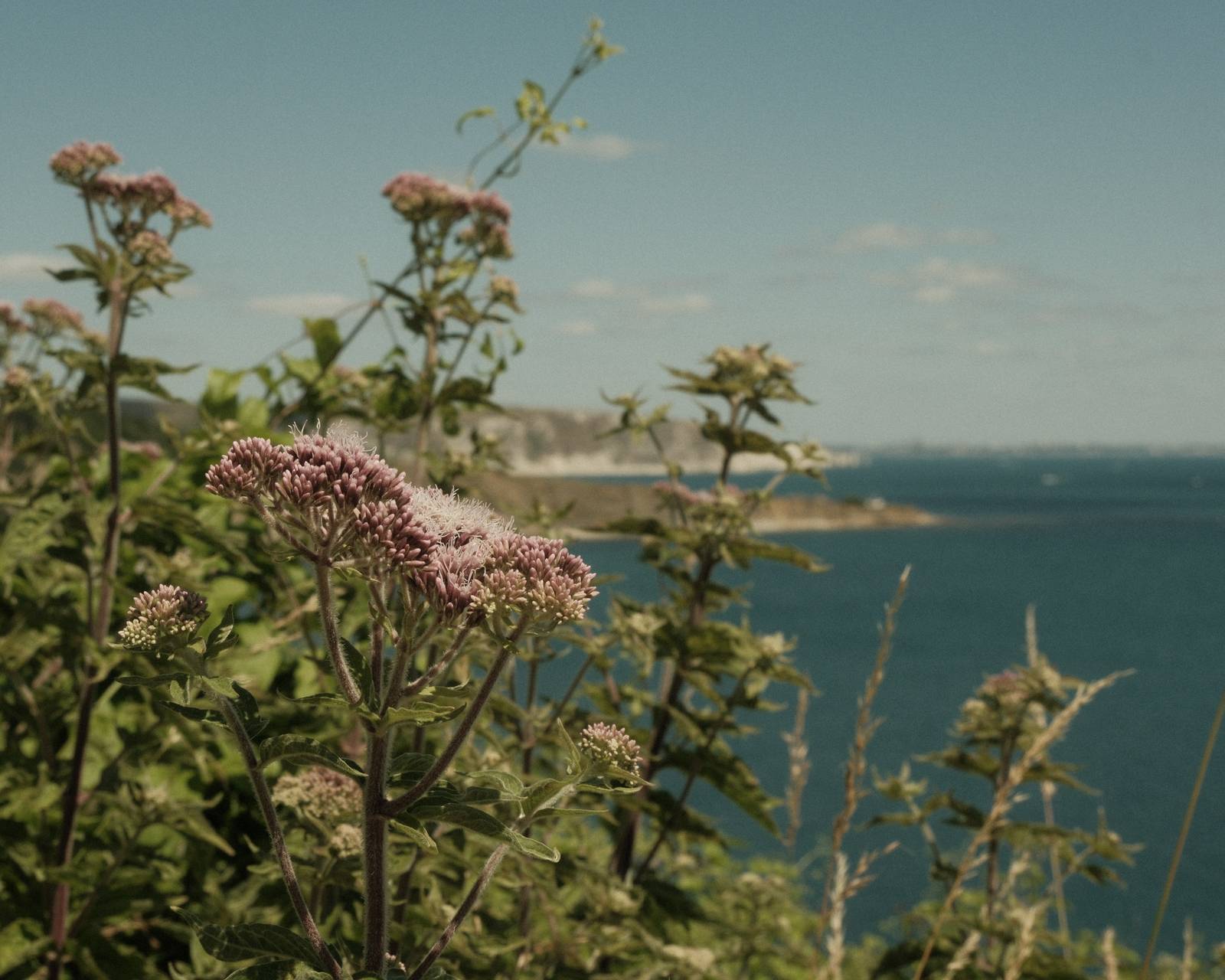
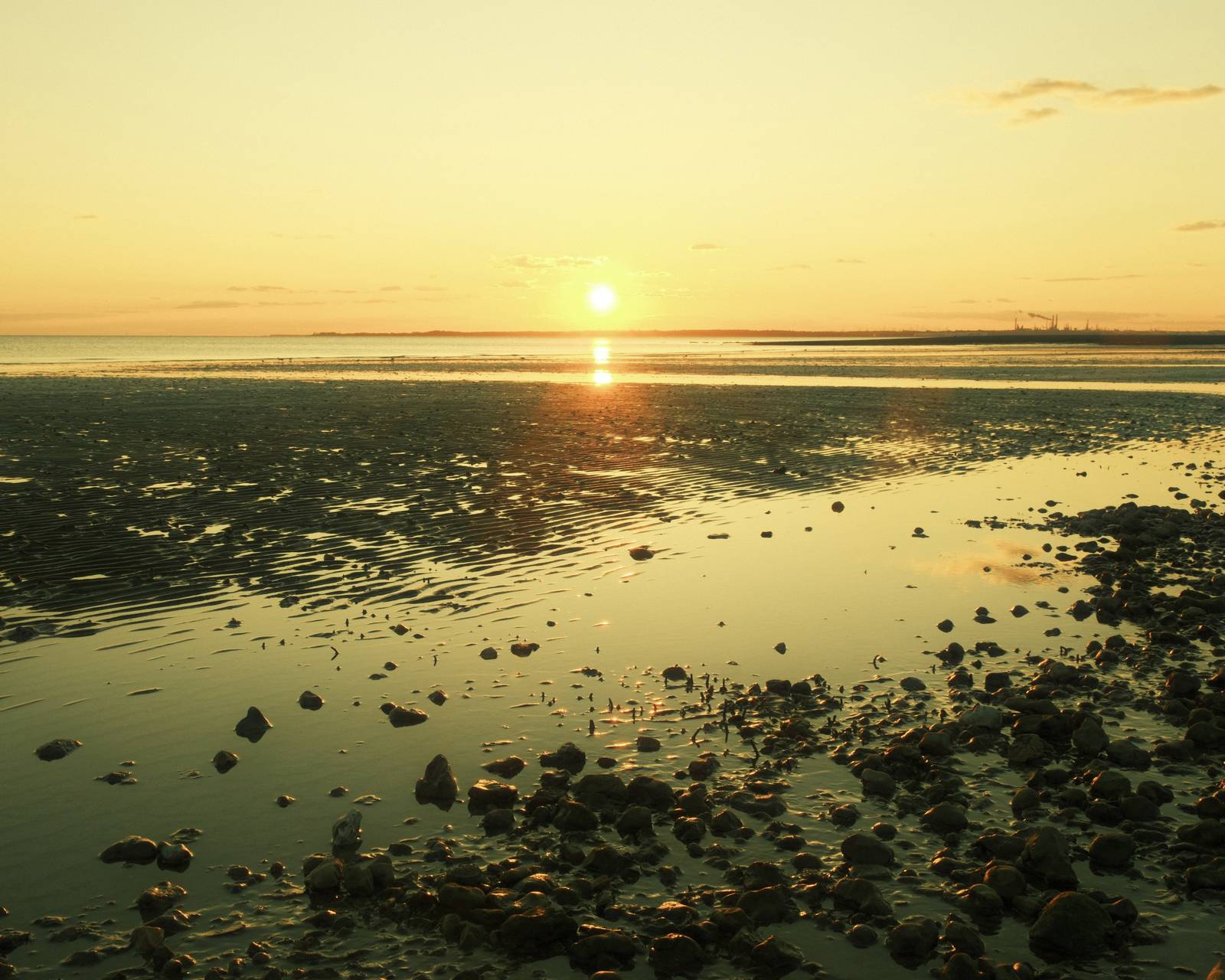
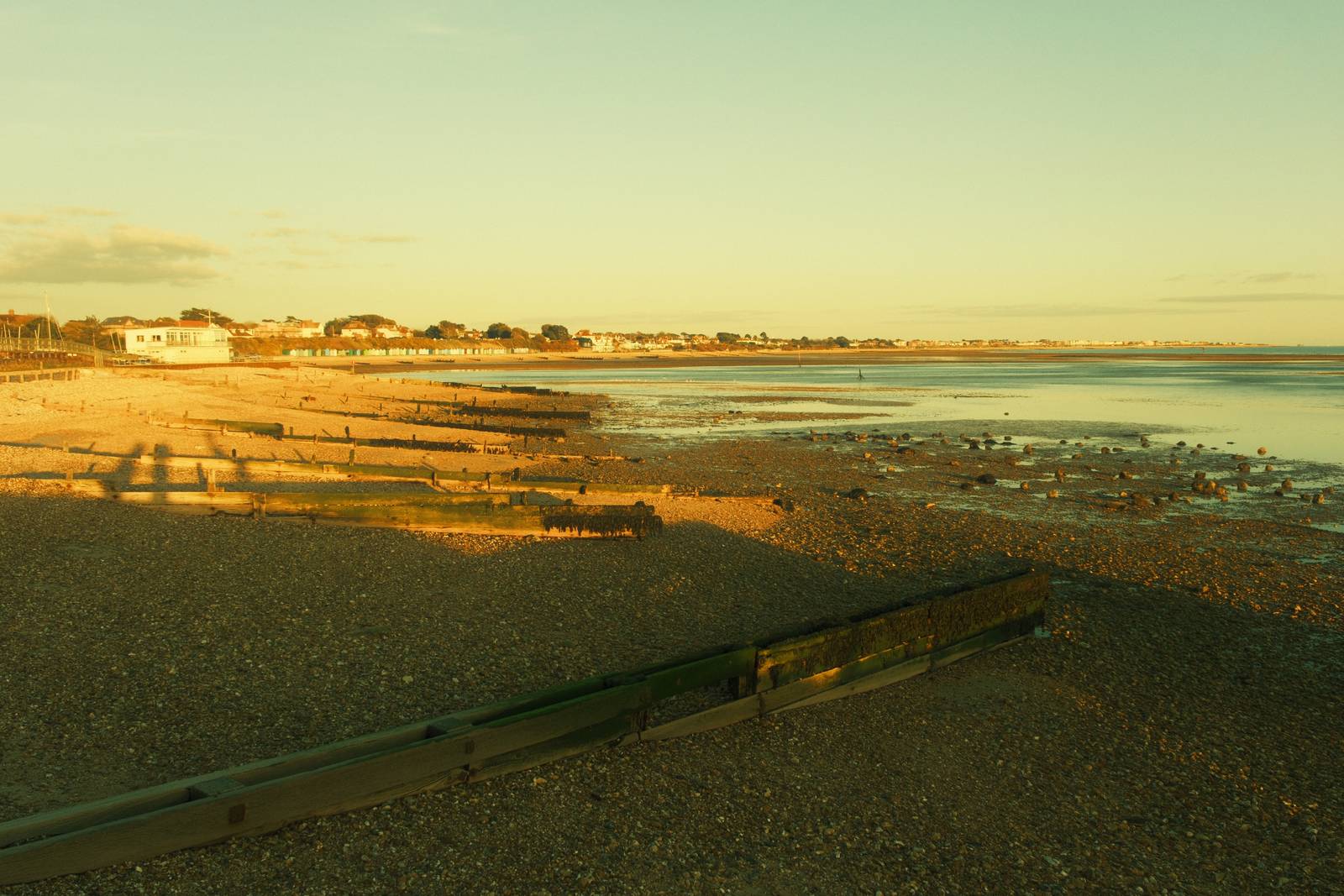
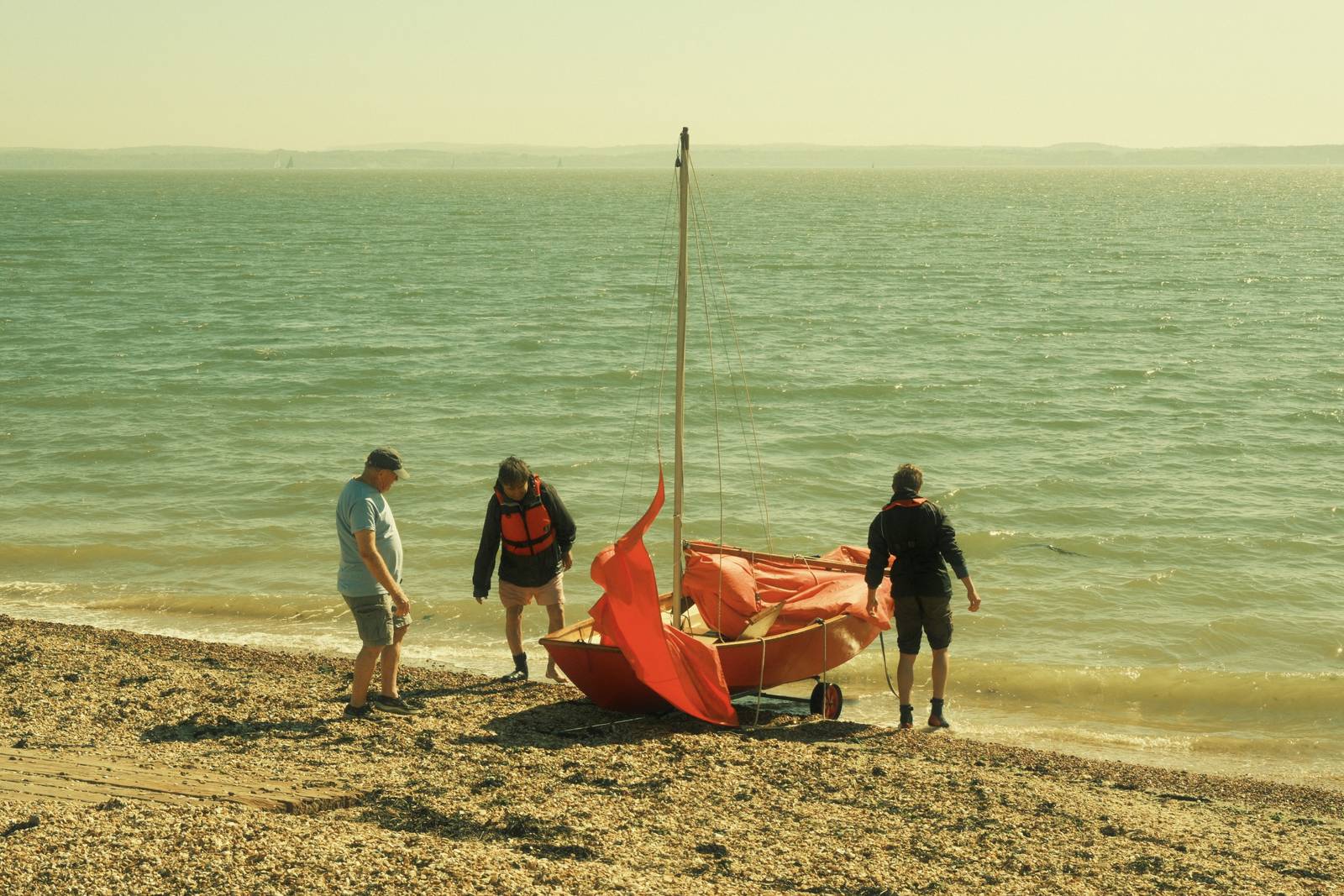
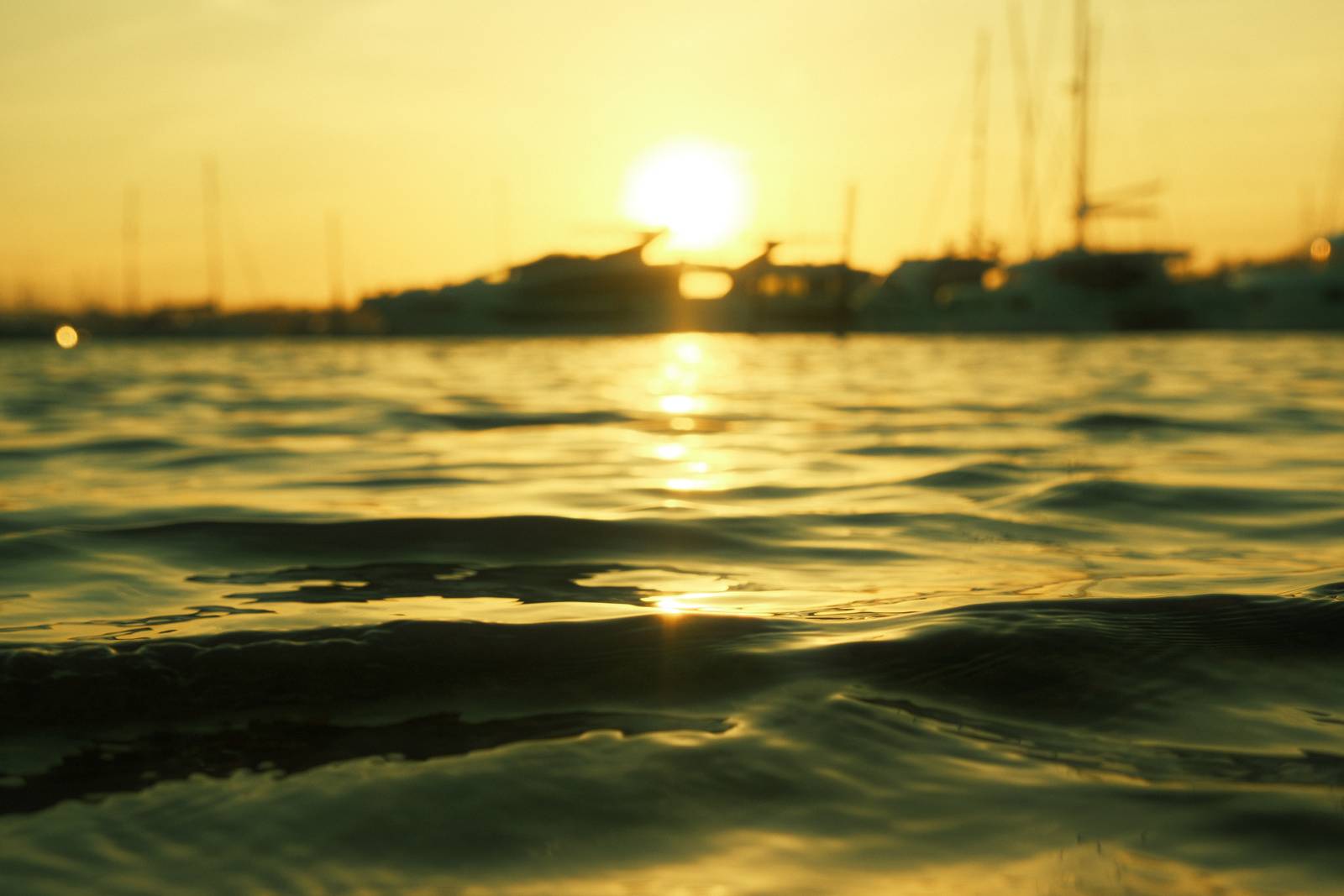
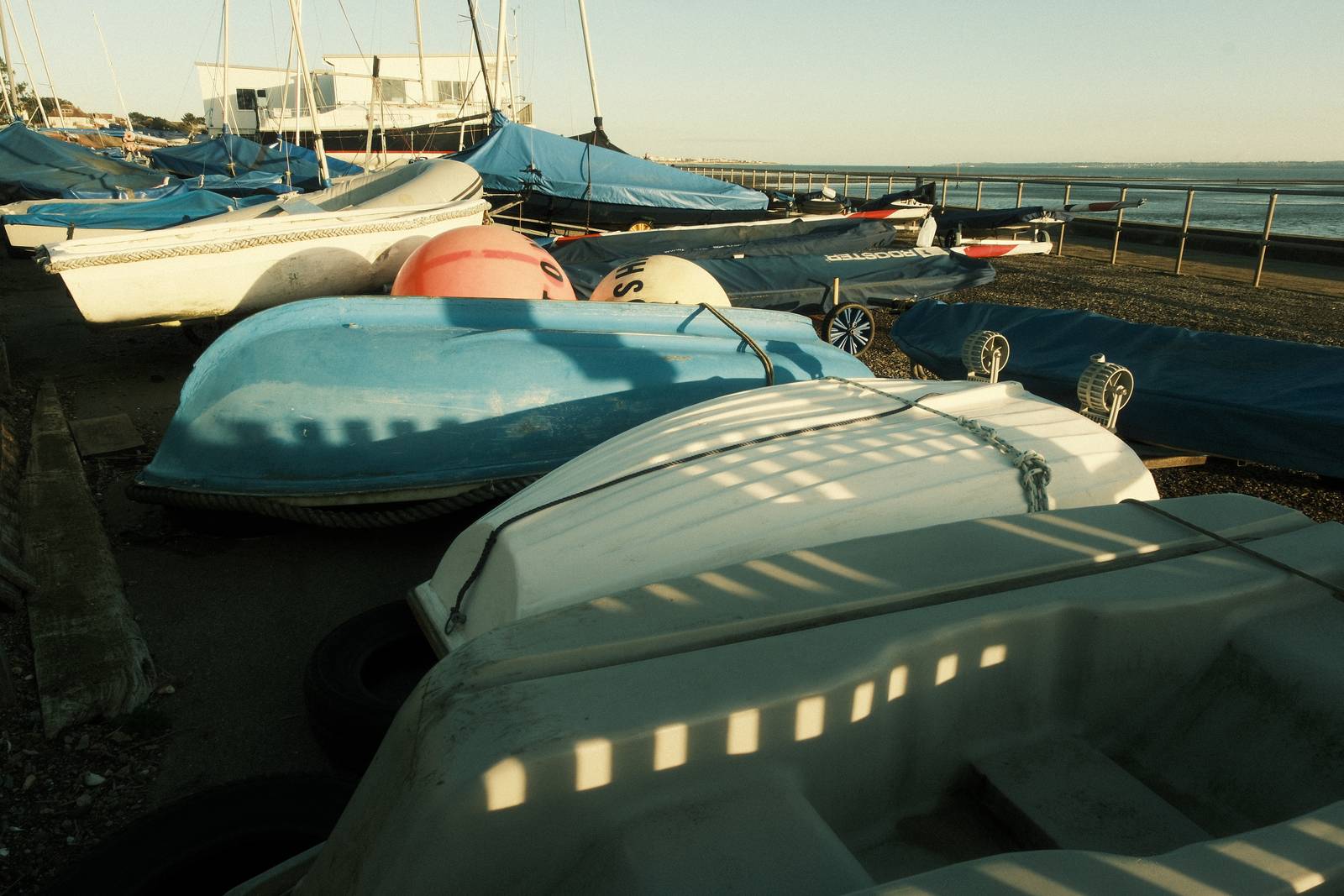
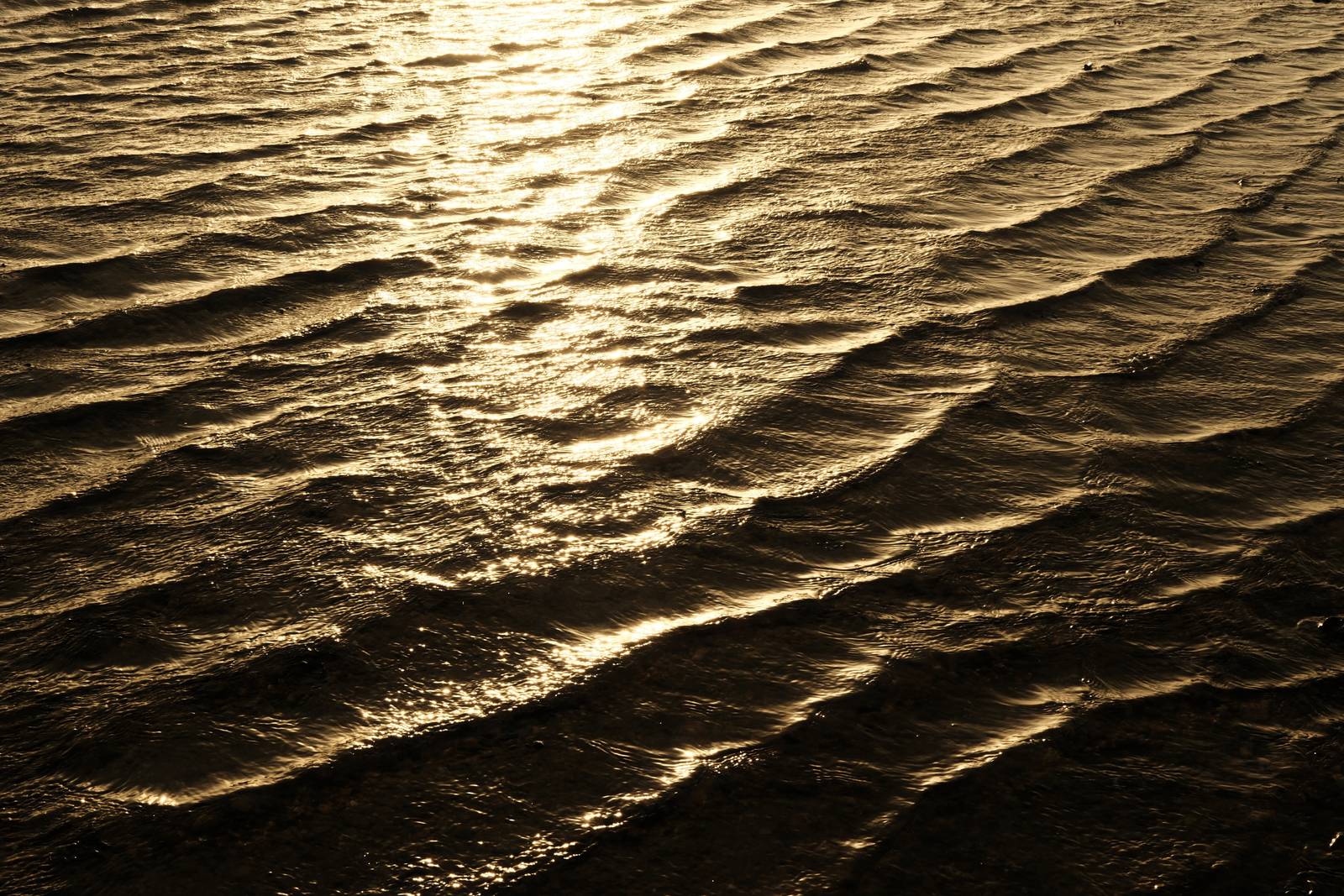
    Down by the water with the vibrant colours of the Sunset Strip E6 film recipe
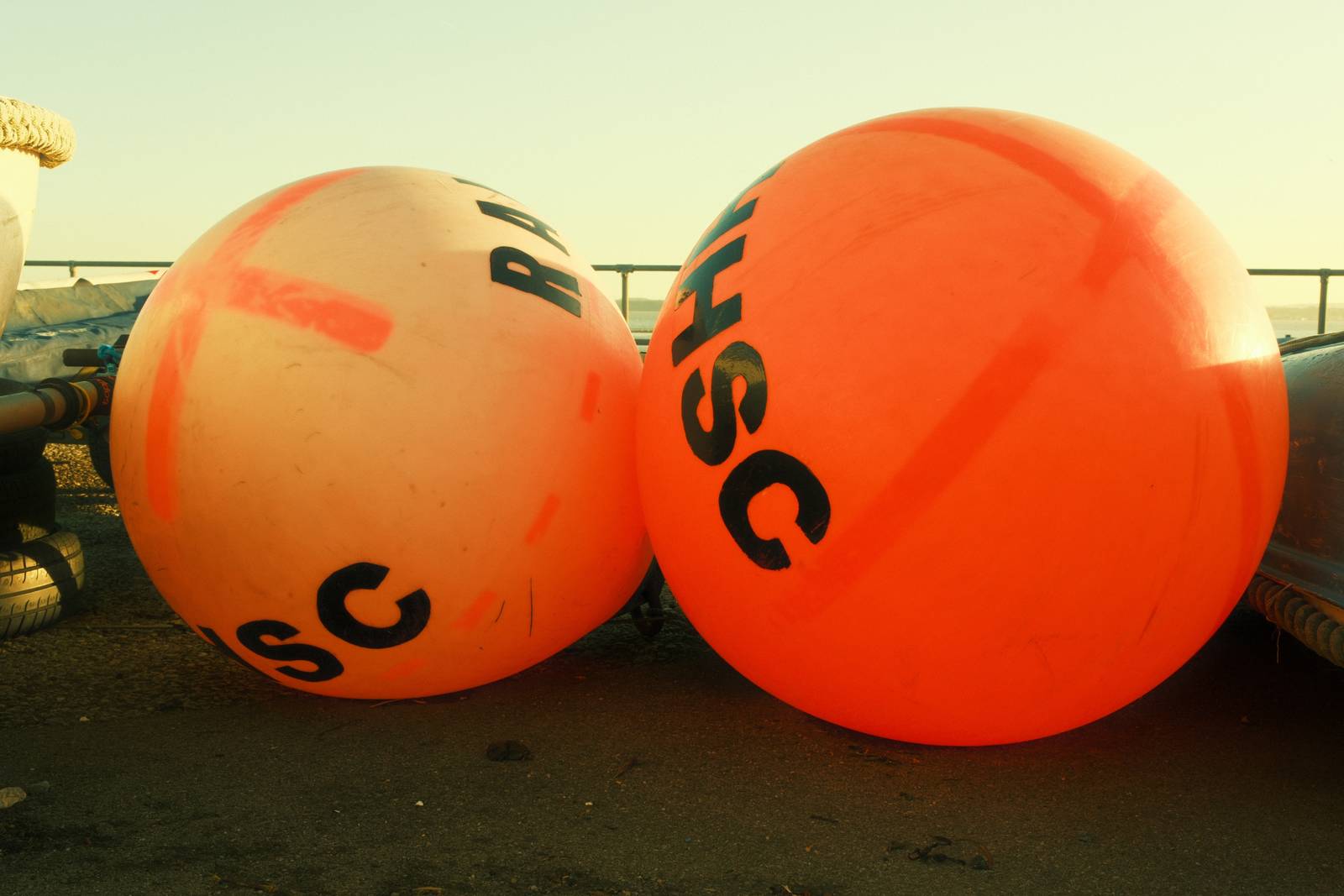
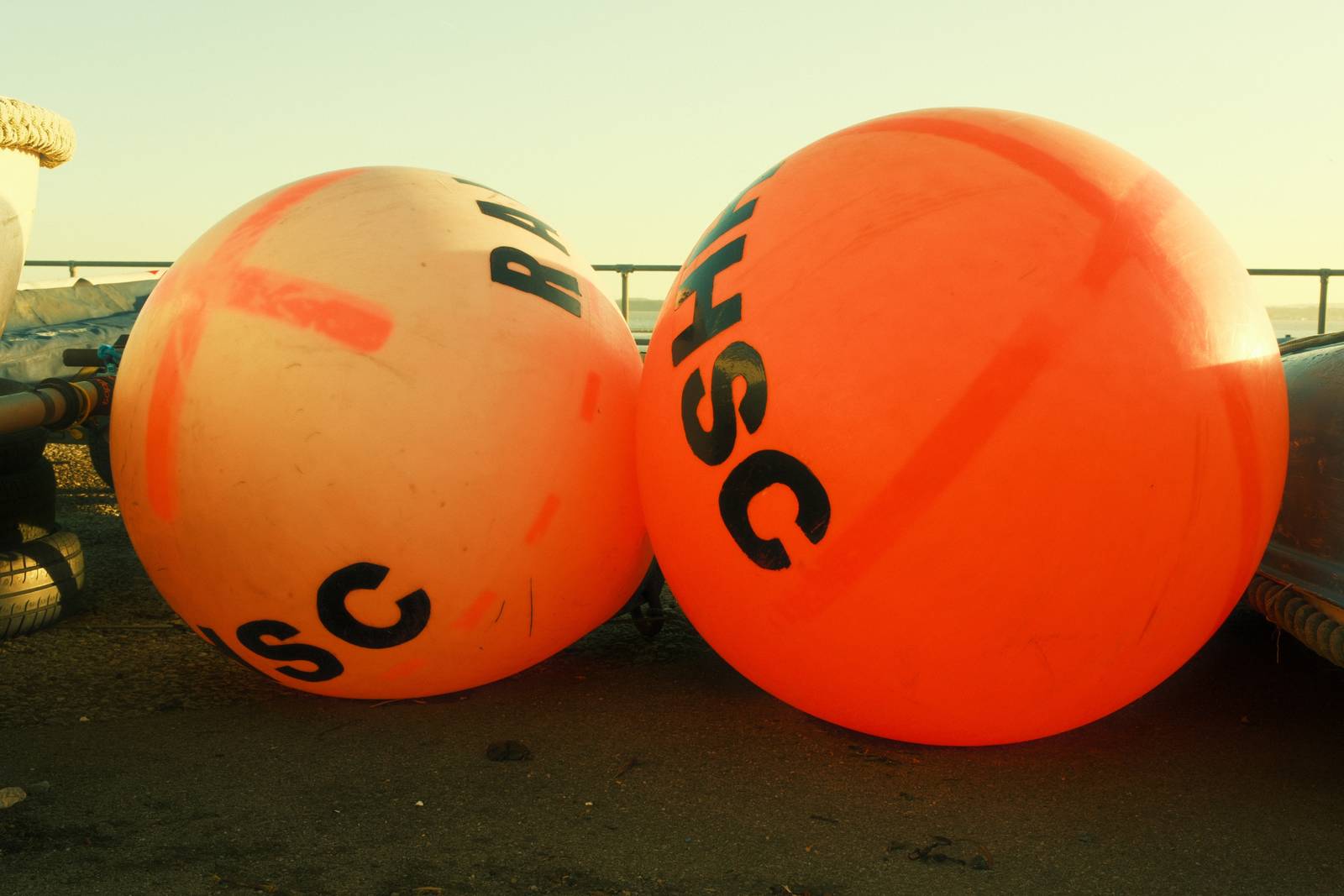
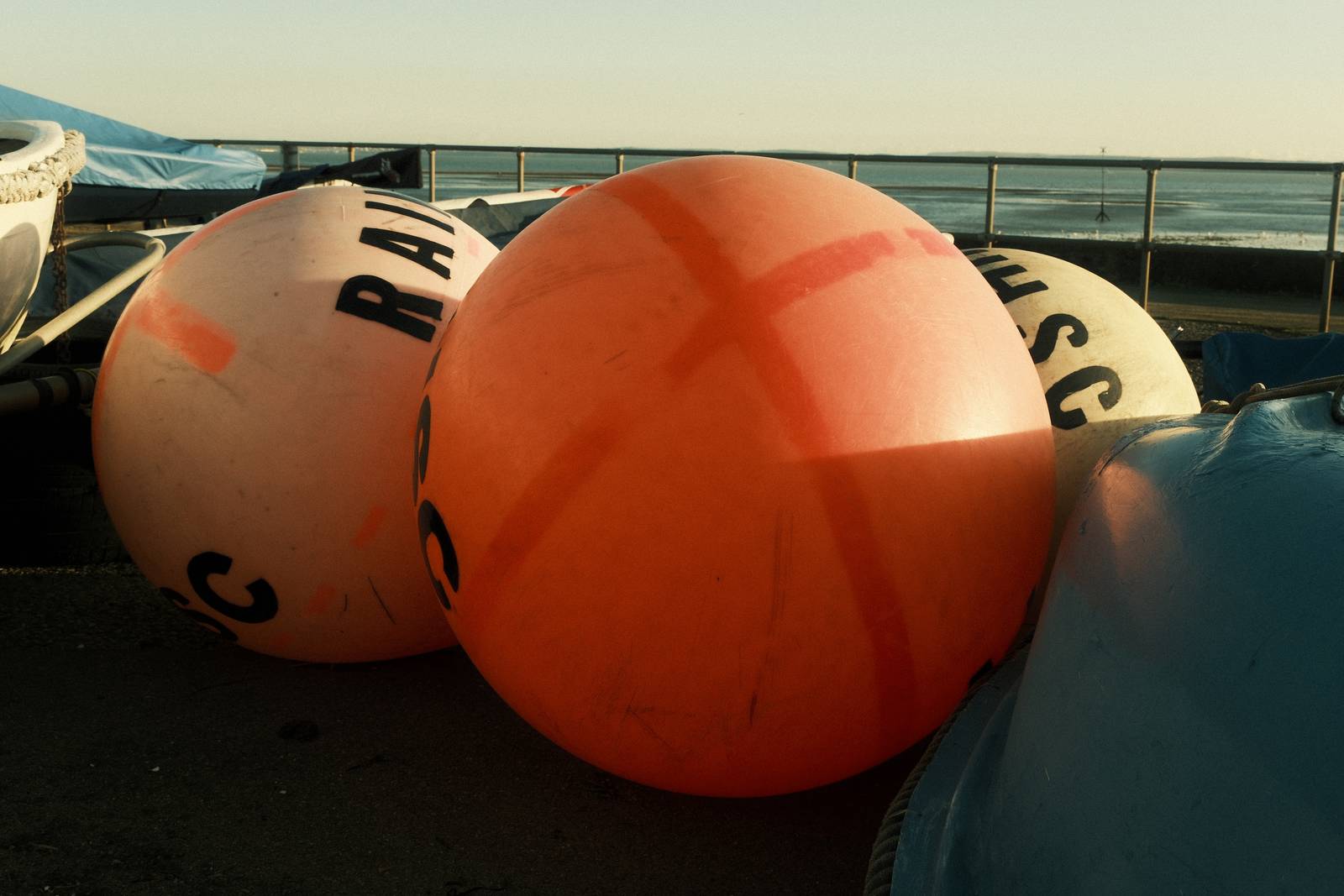
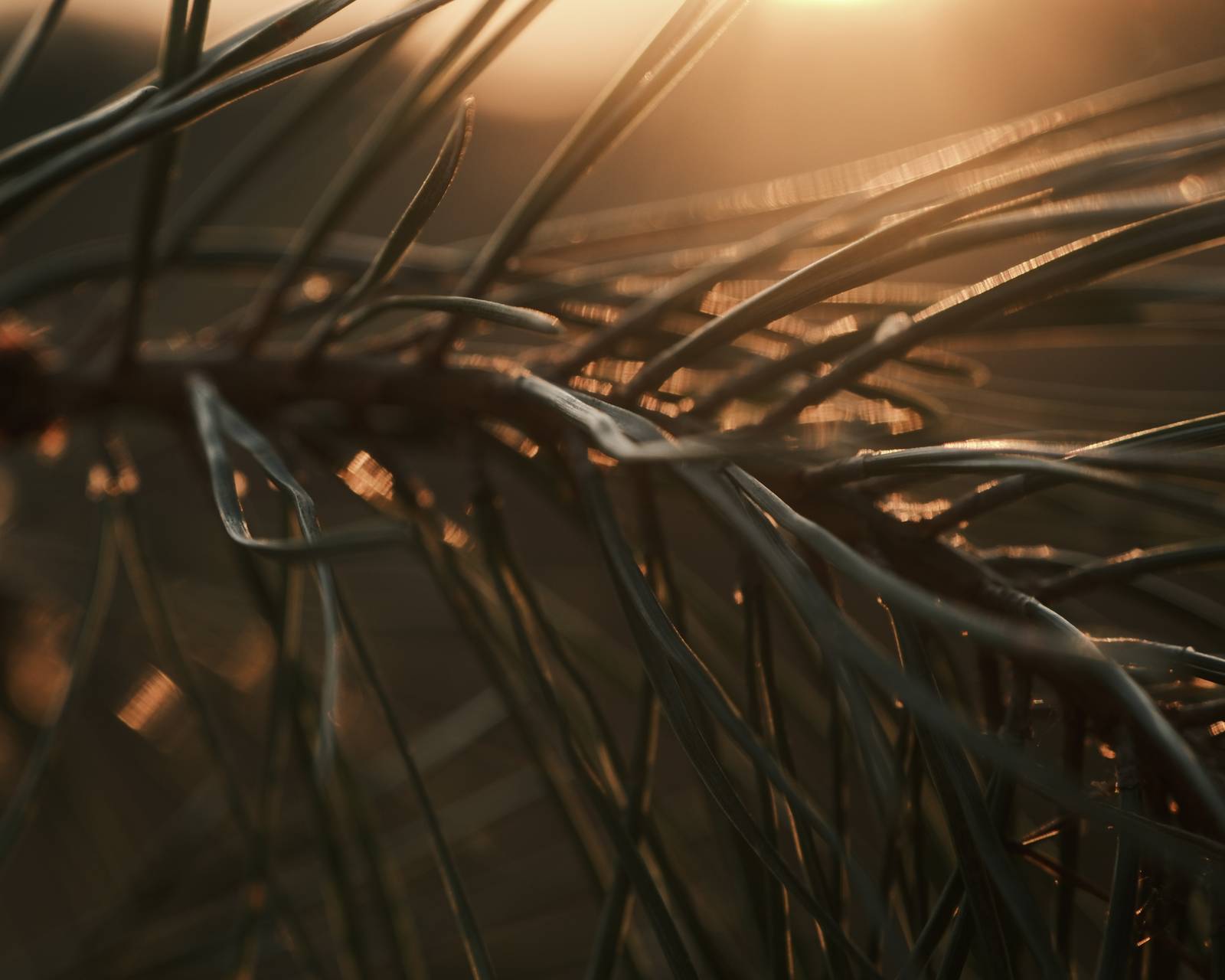
    Matching the vibrant orange seen in the sample photos. Sunset Strip E6 film recipe
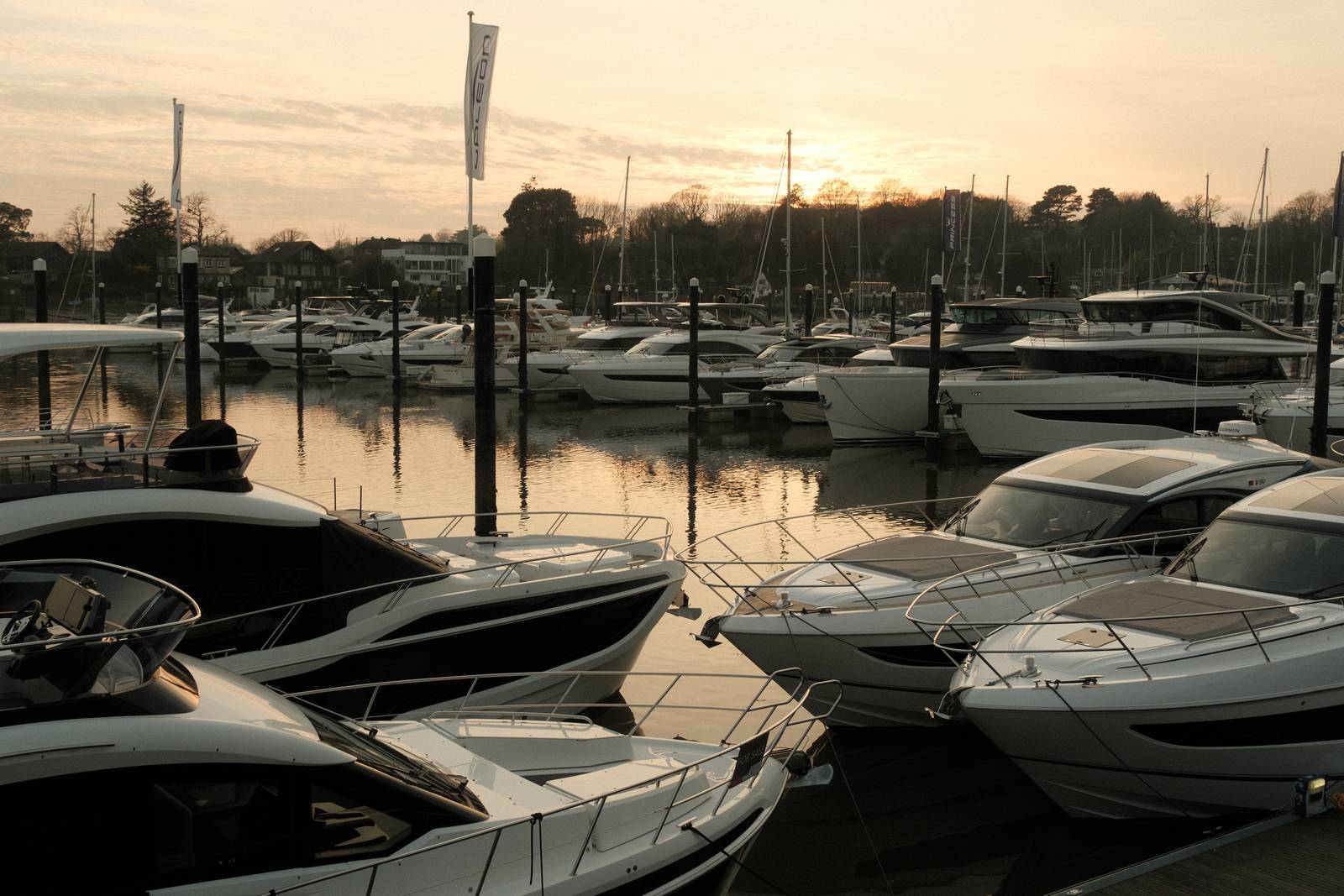
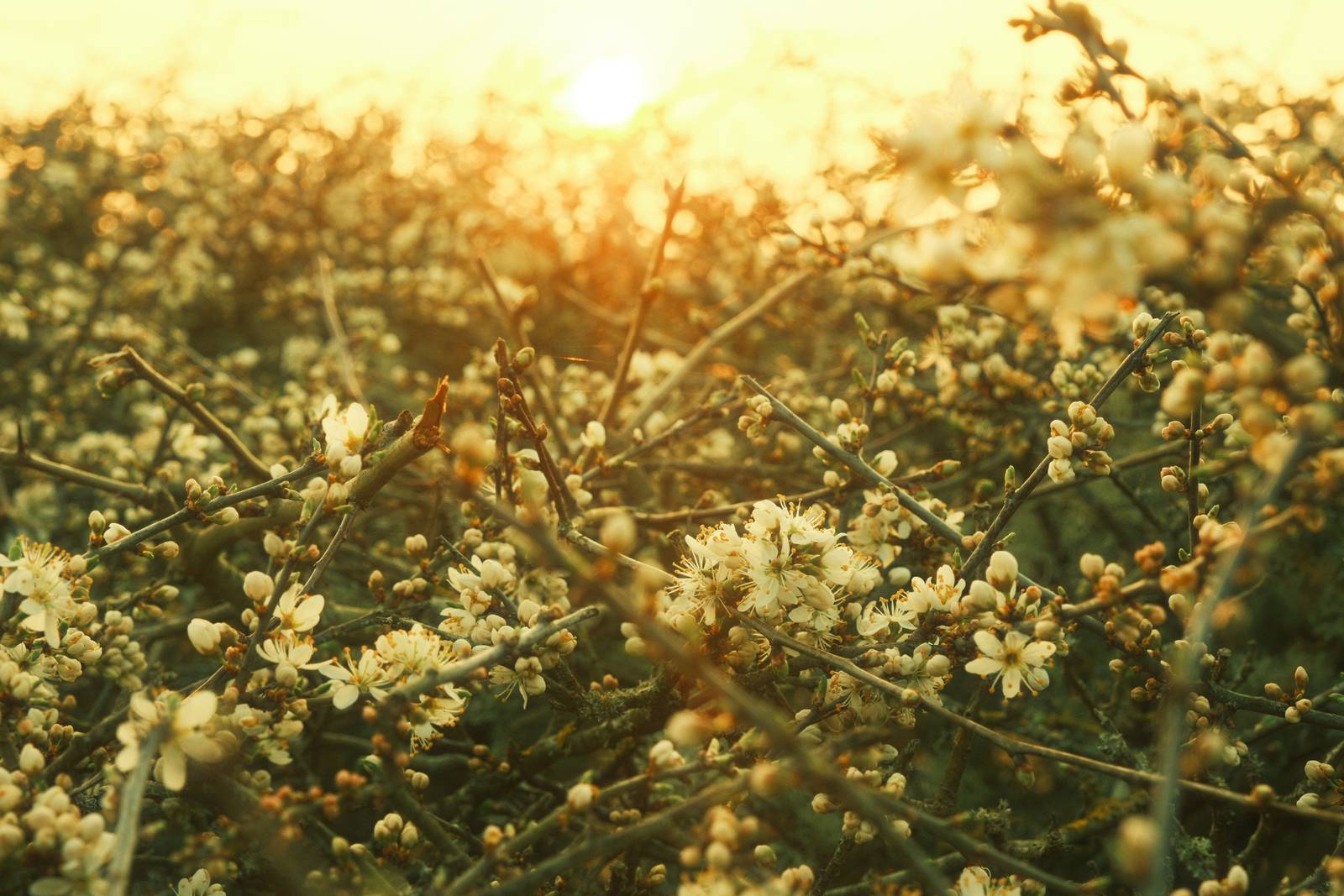
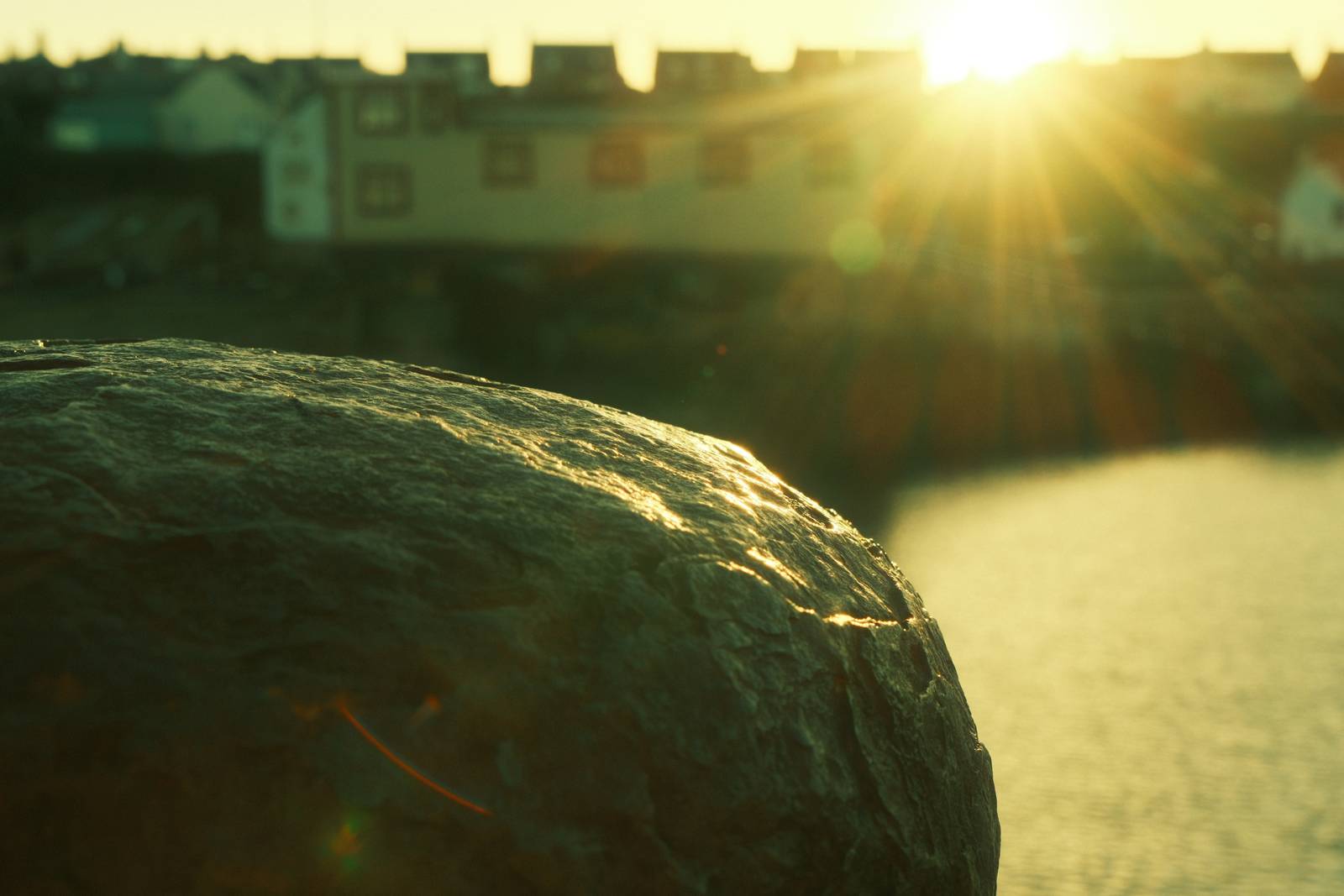
    Extreme cosiness at golden hour, with the Sunset Strip E6 film recipe at sundown
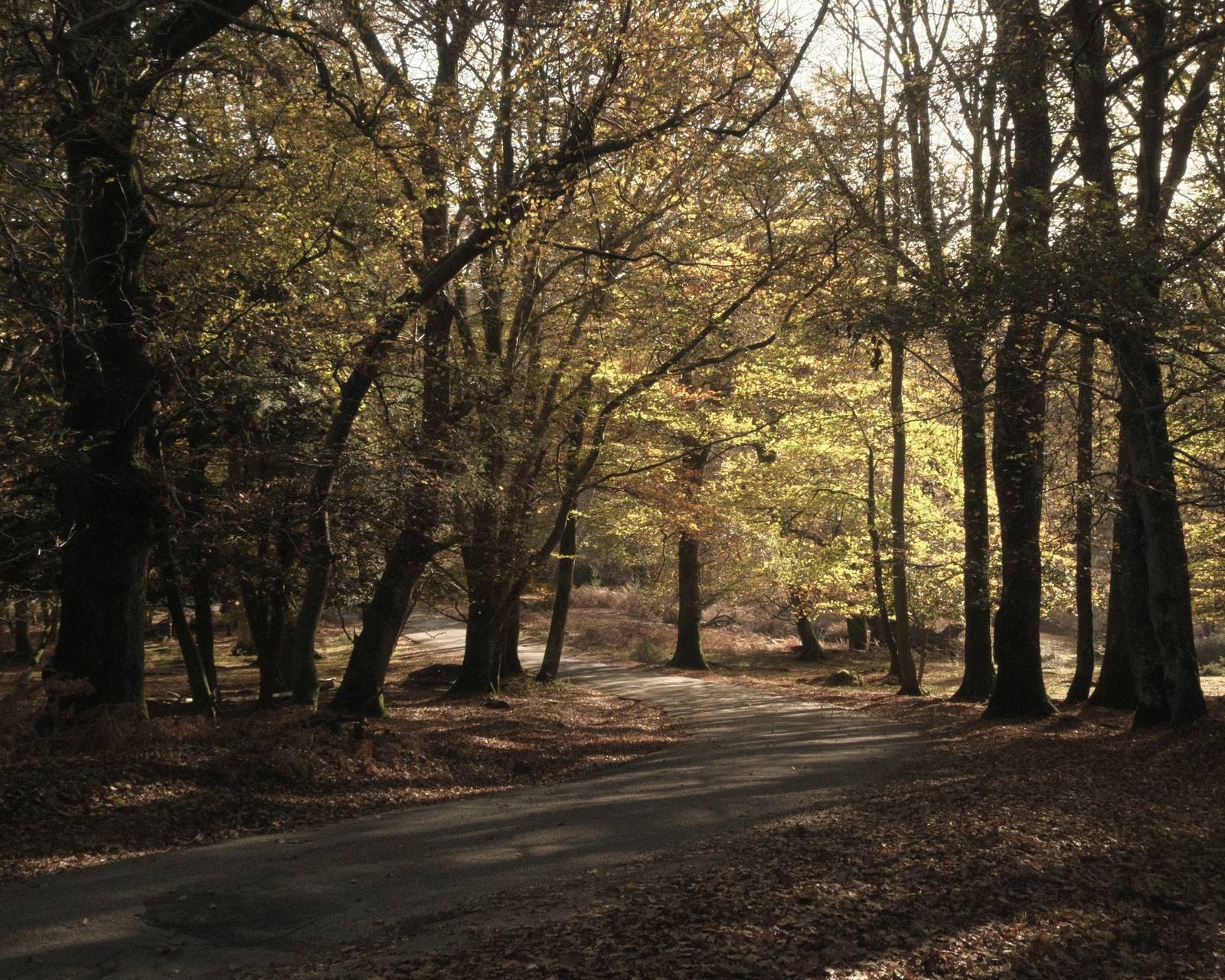
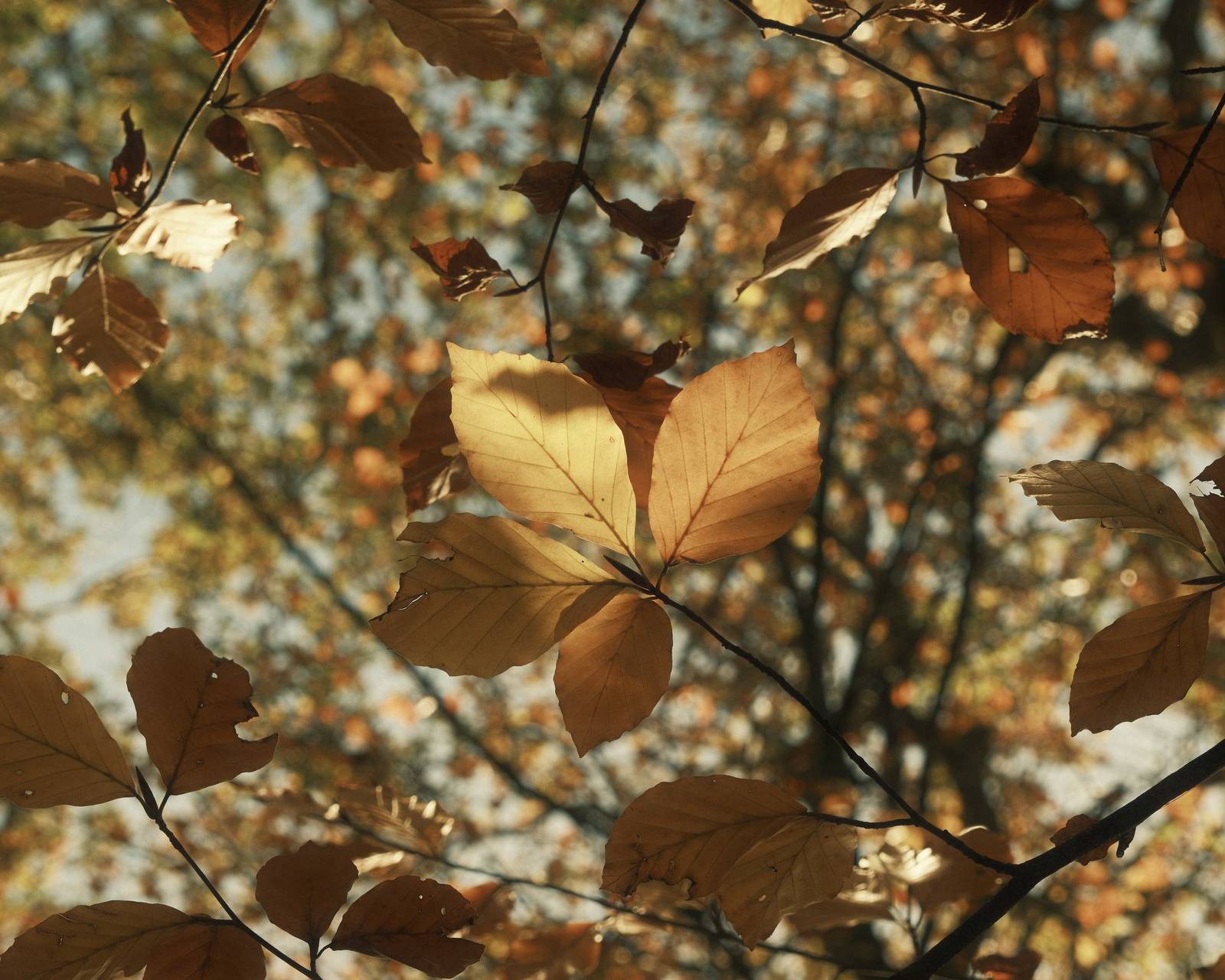
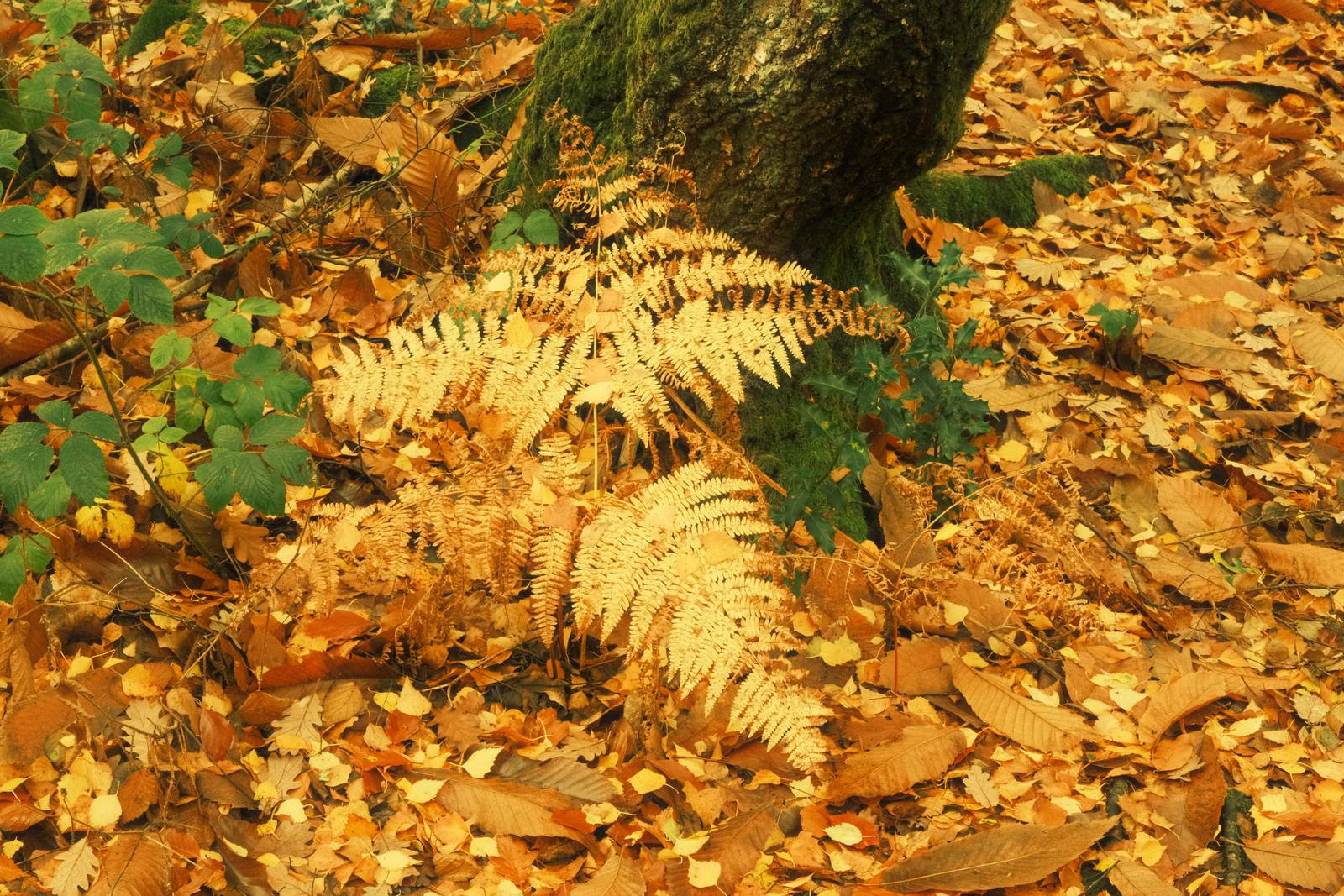
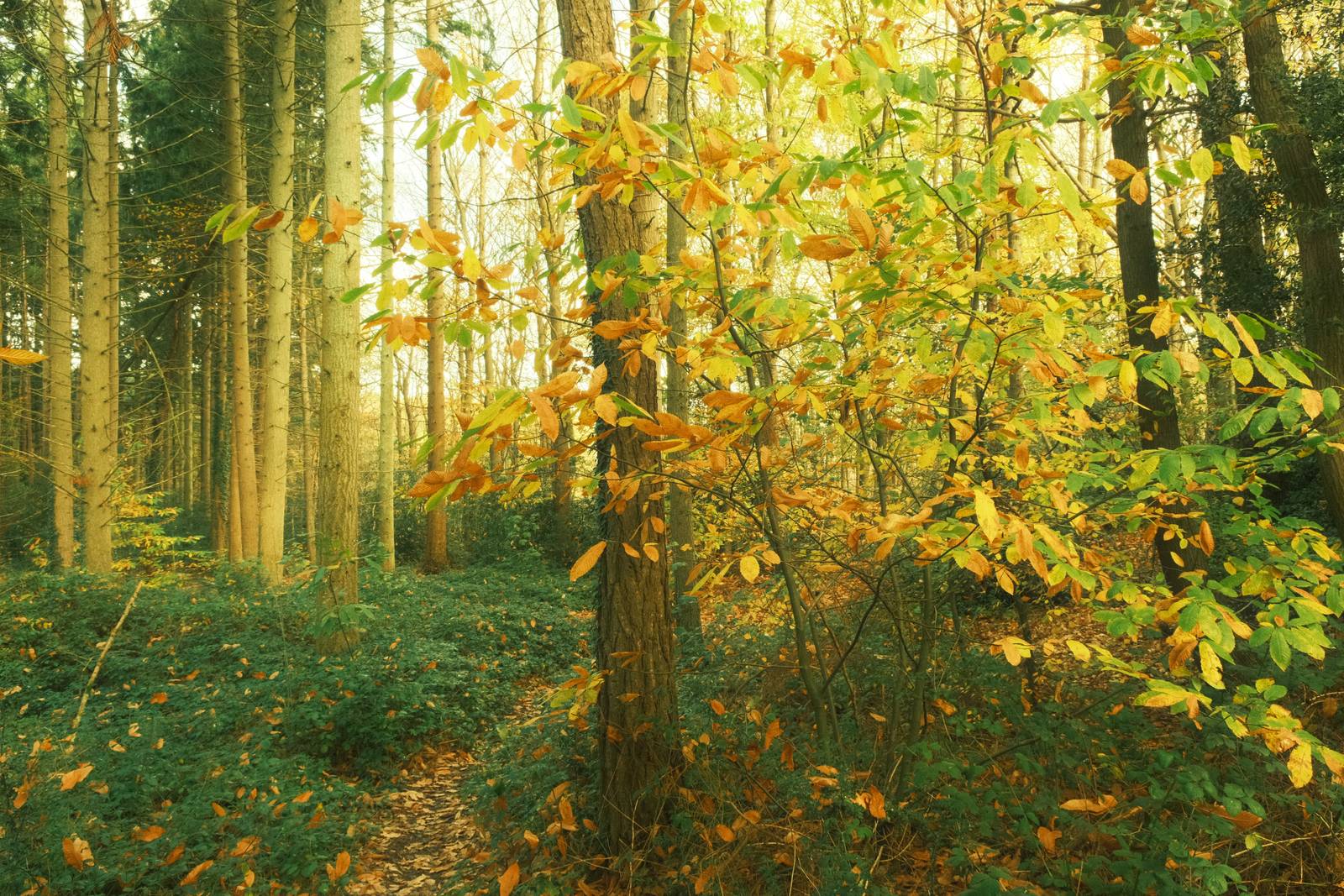
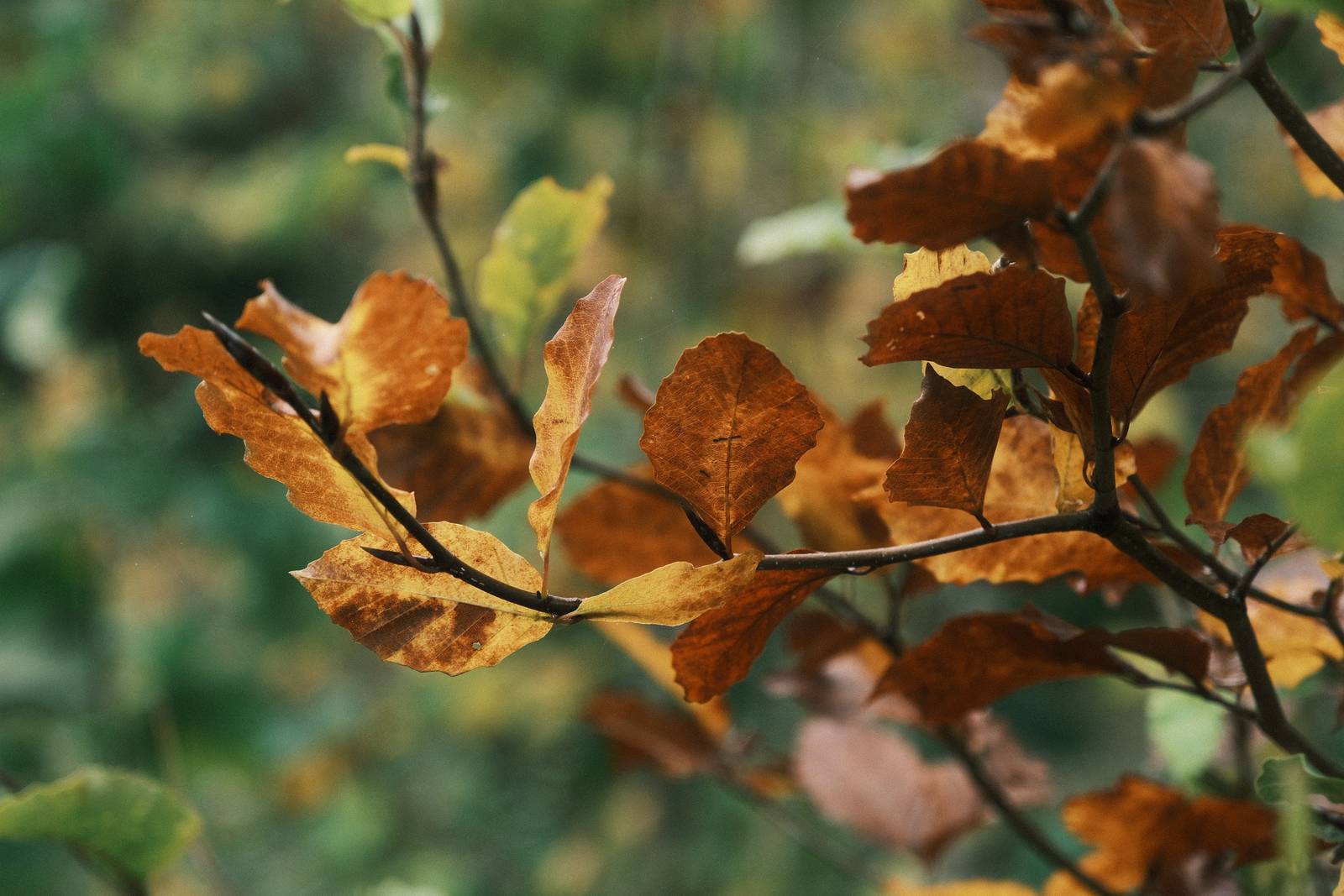
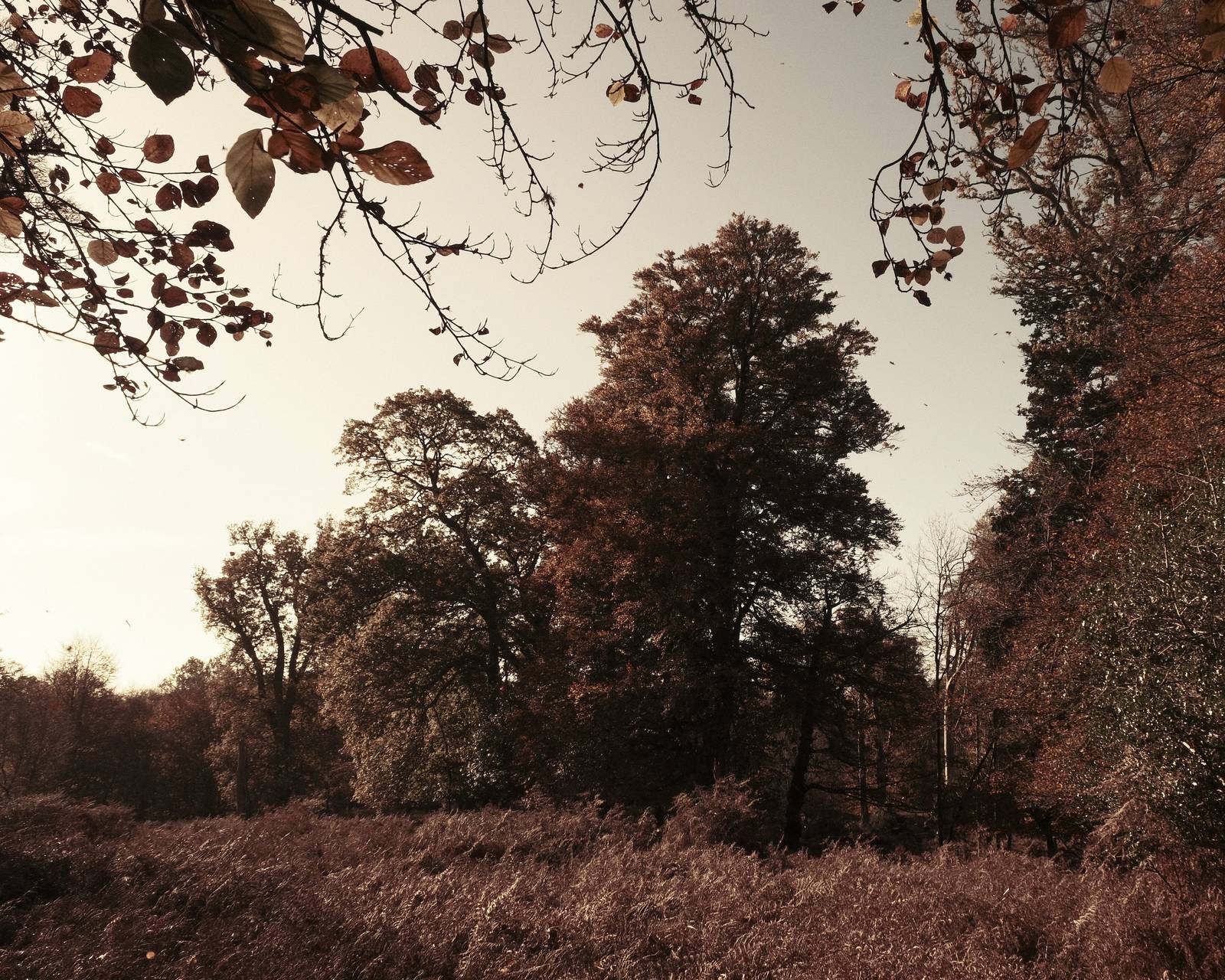
    An autumn walk to take in the fall colours, using the Sunset Strip E6 film recipe to shoot JPEG
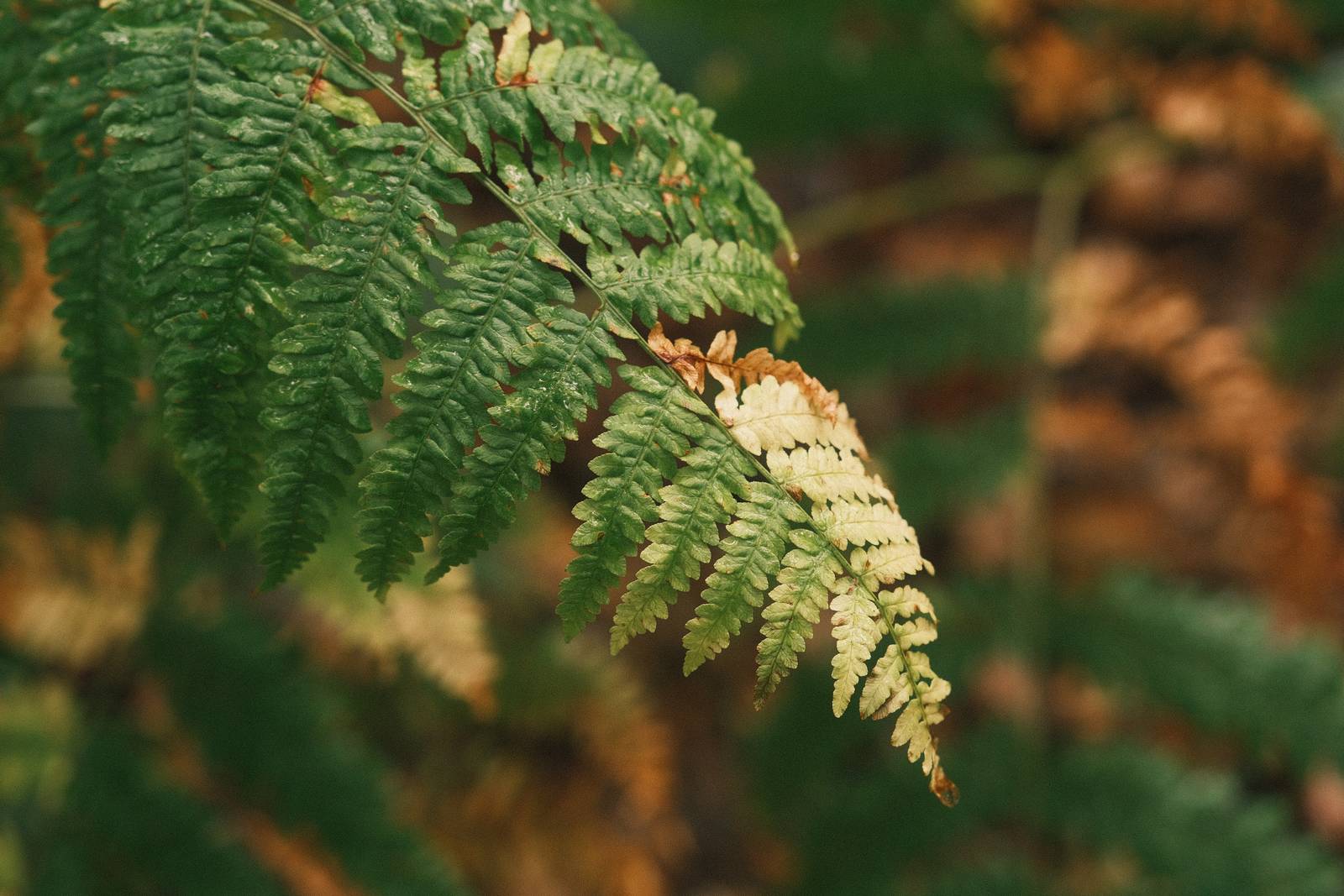
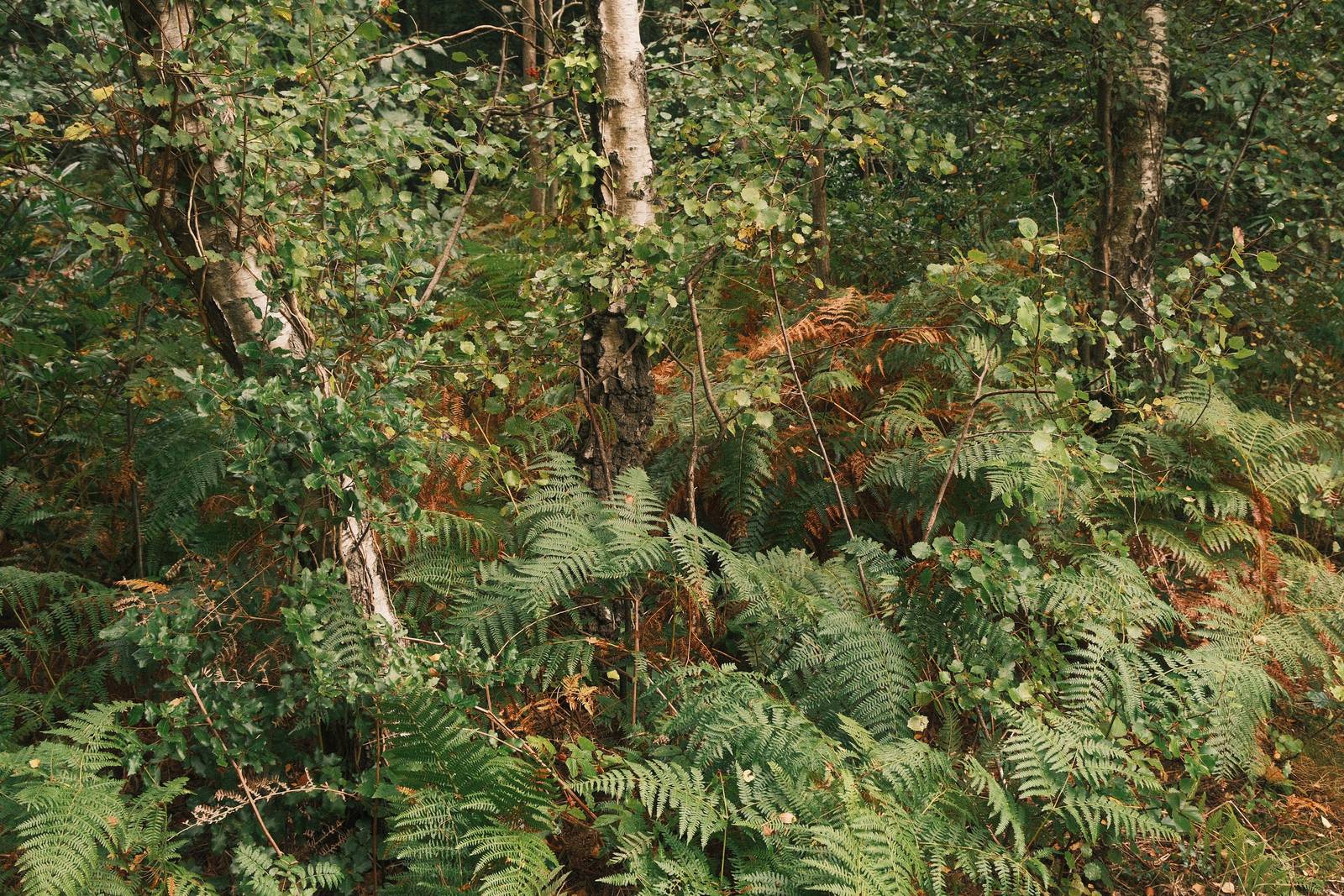
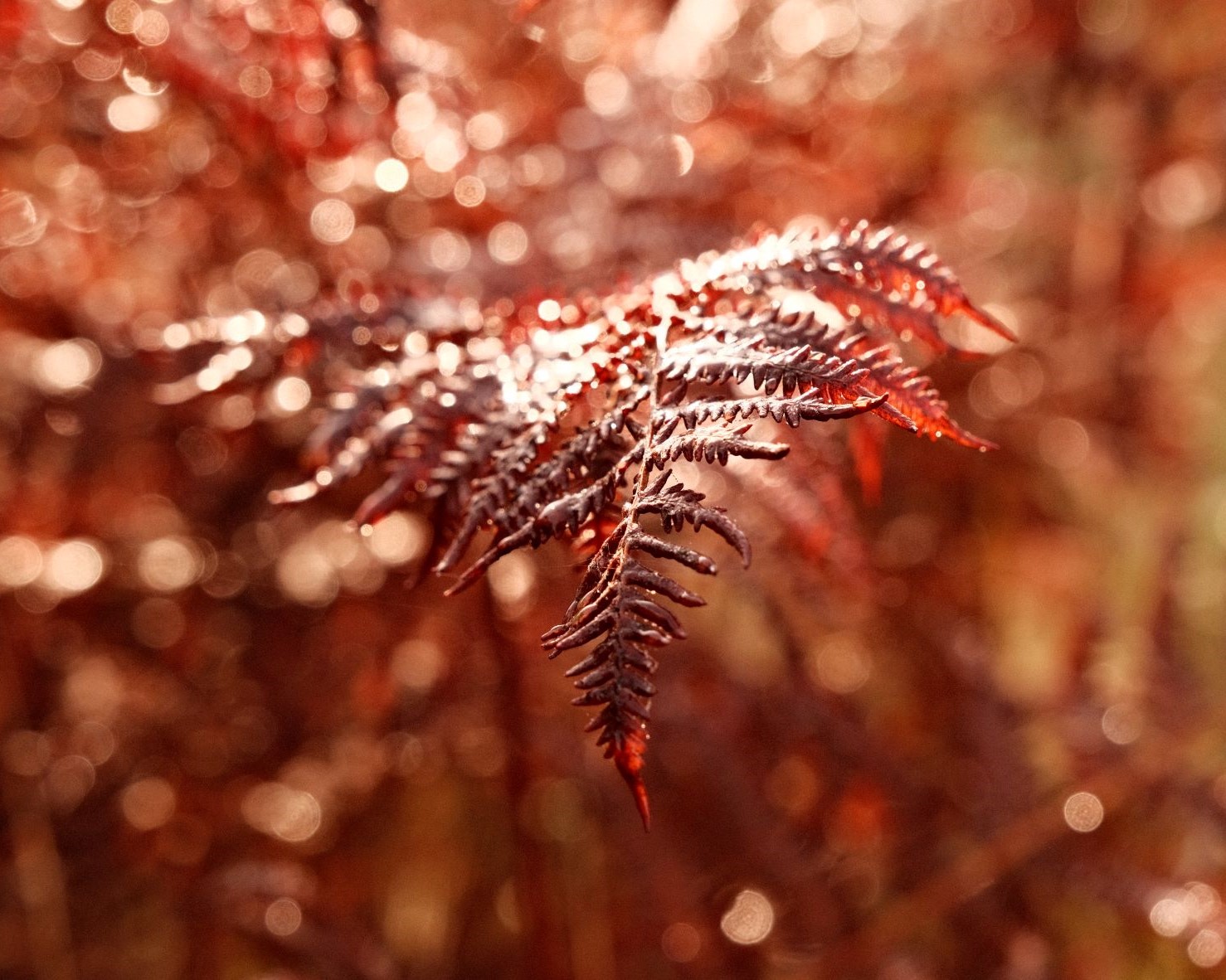
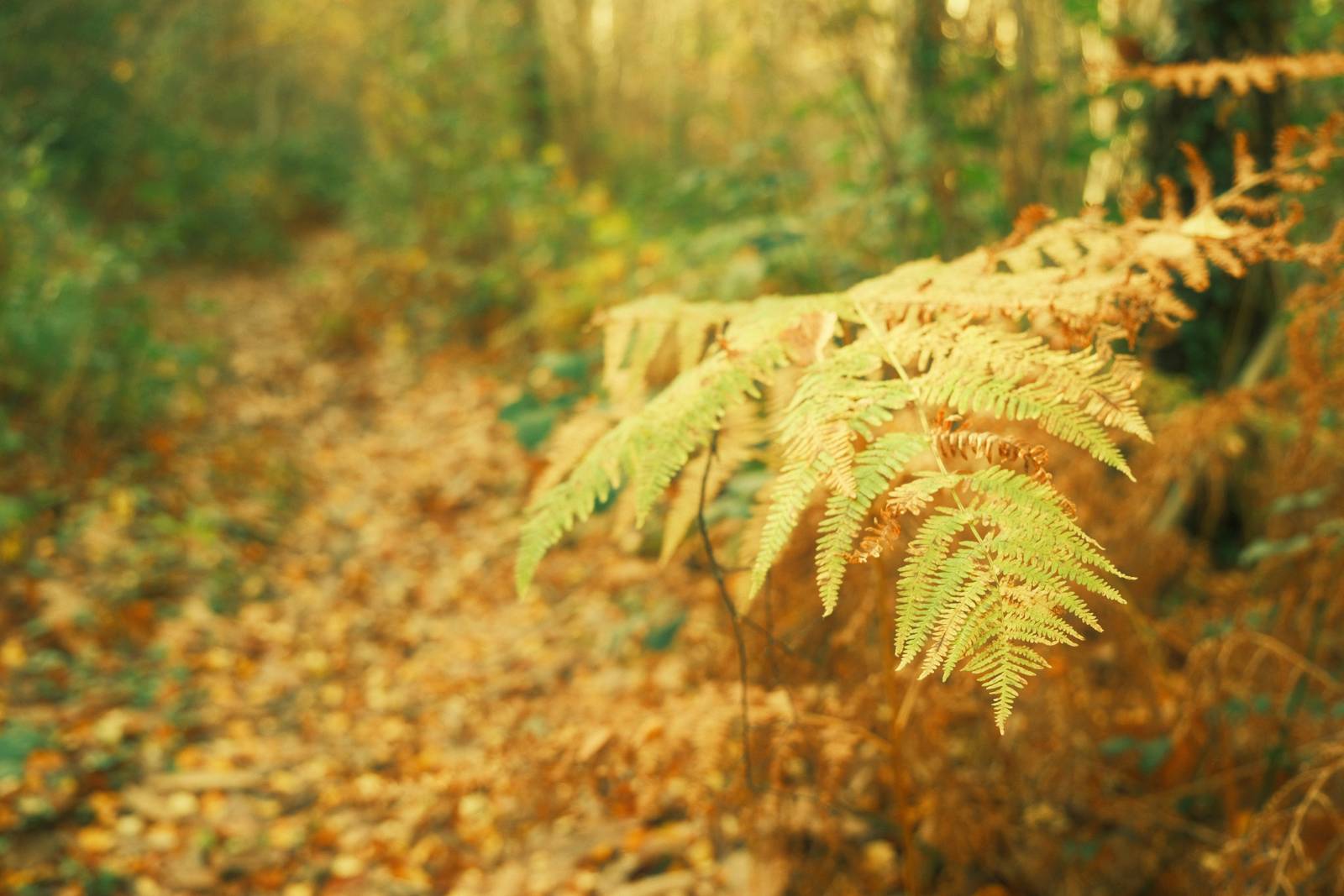
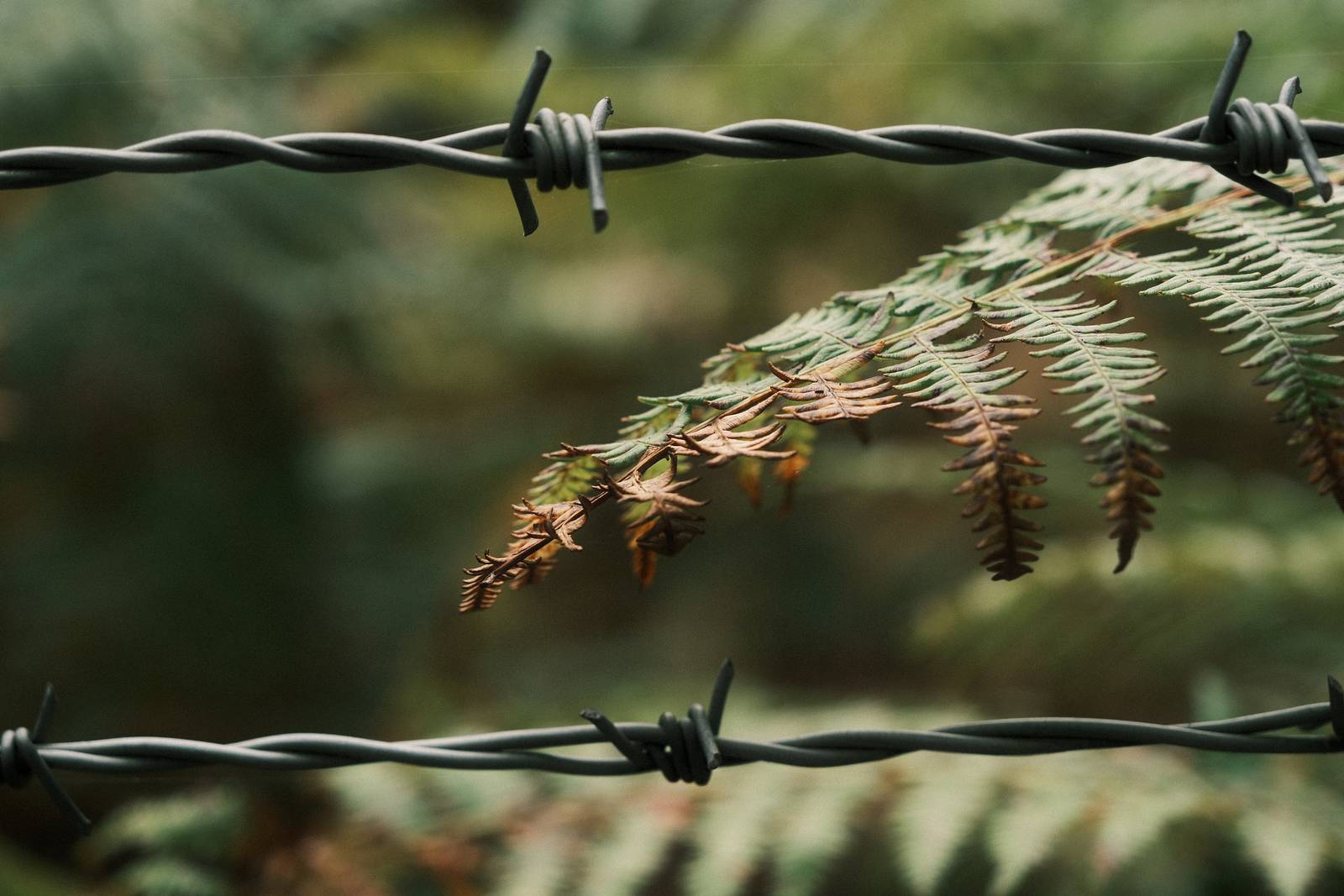
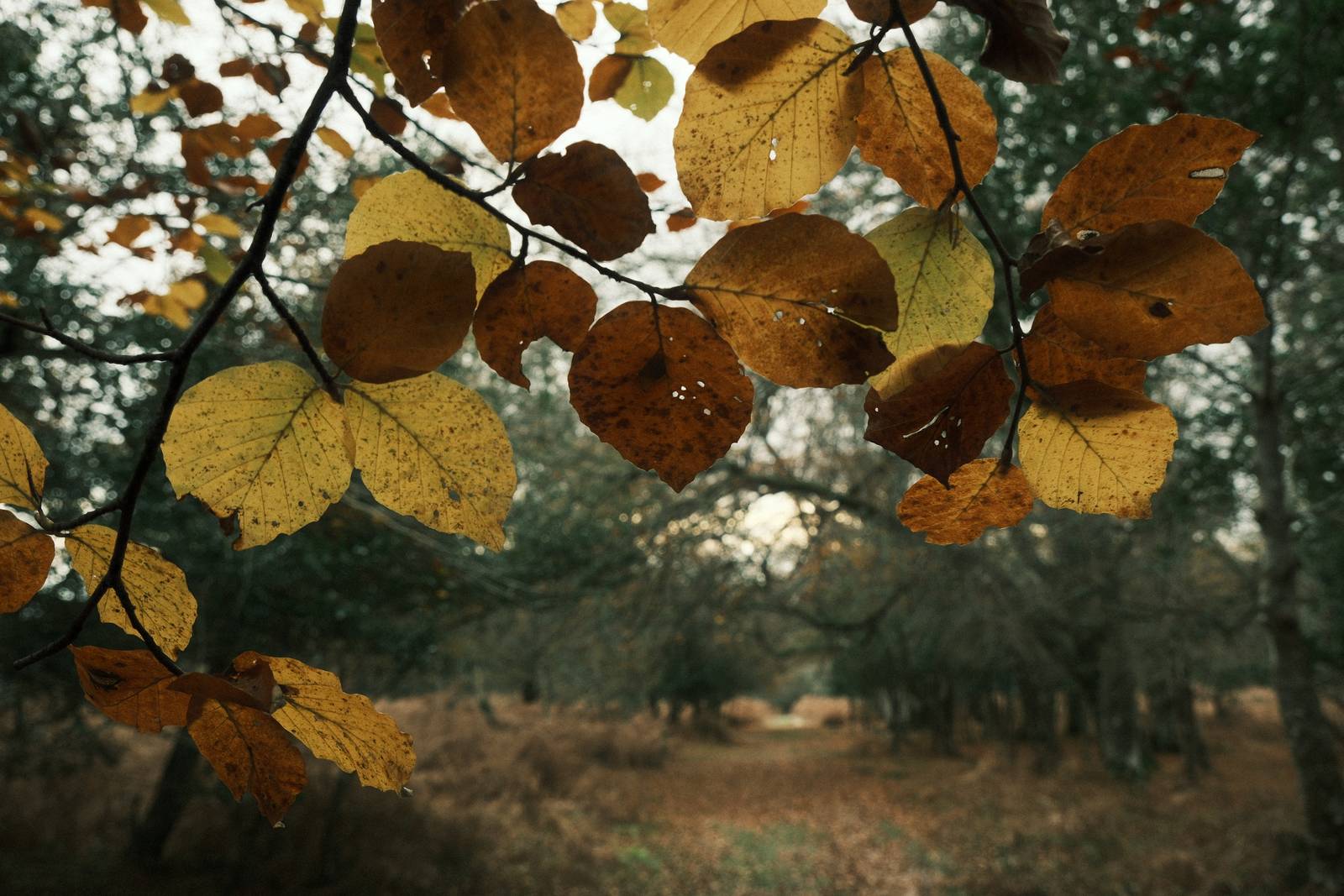
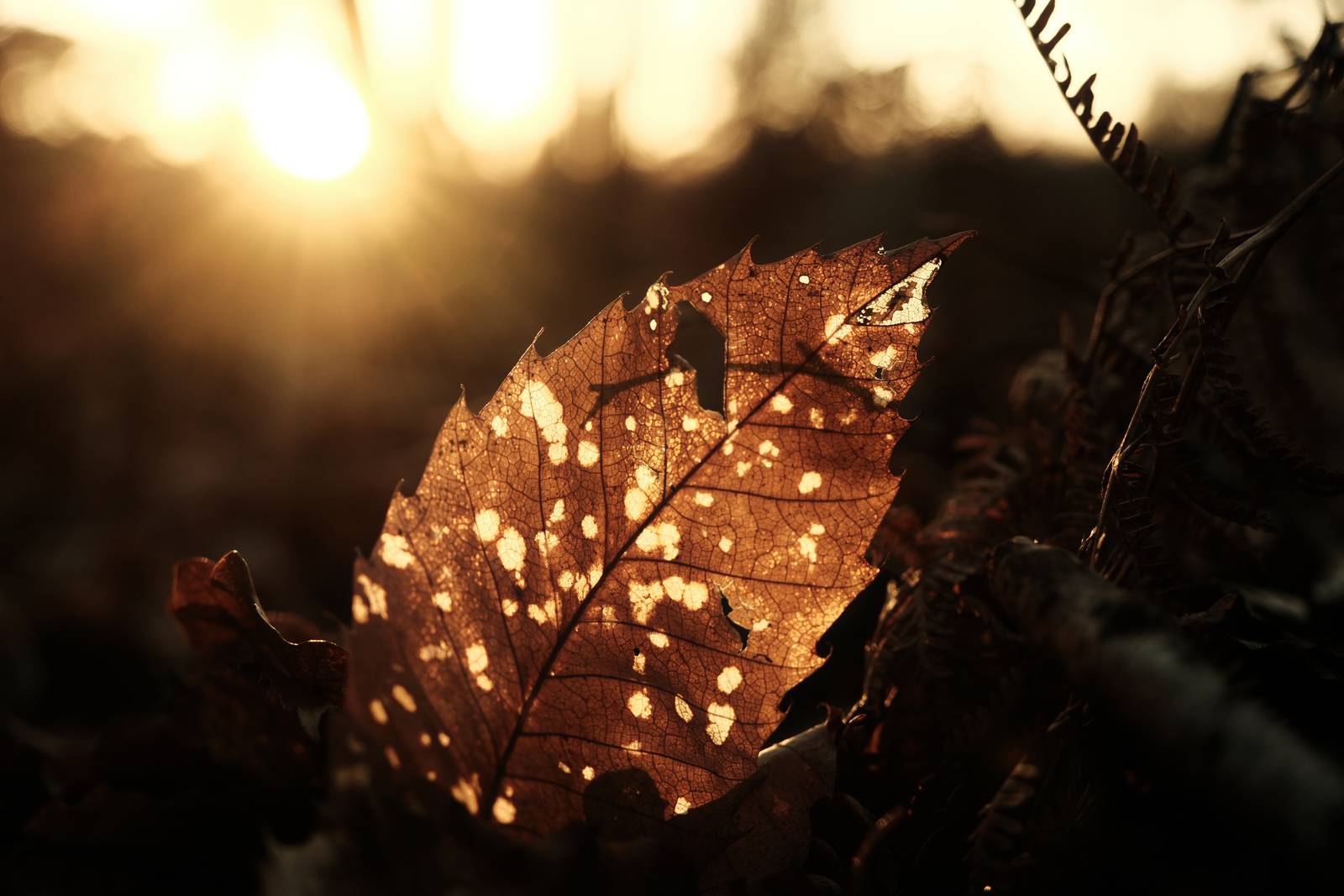
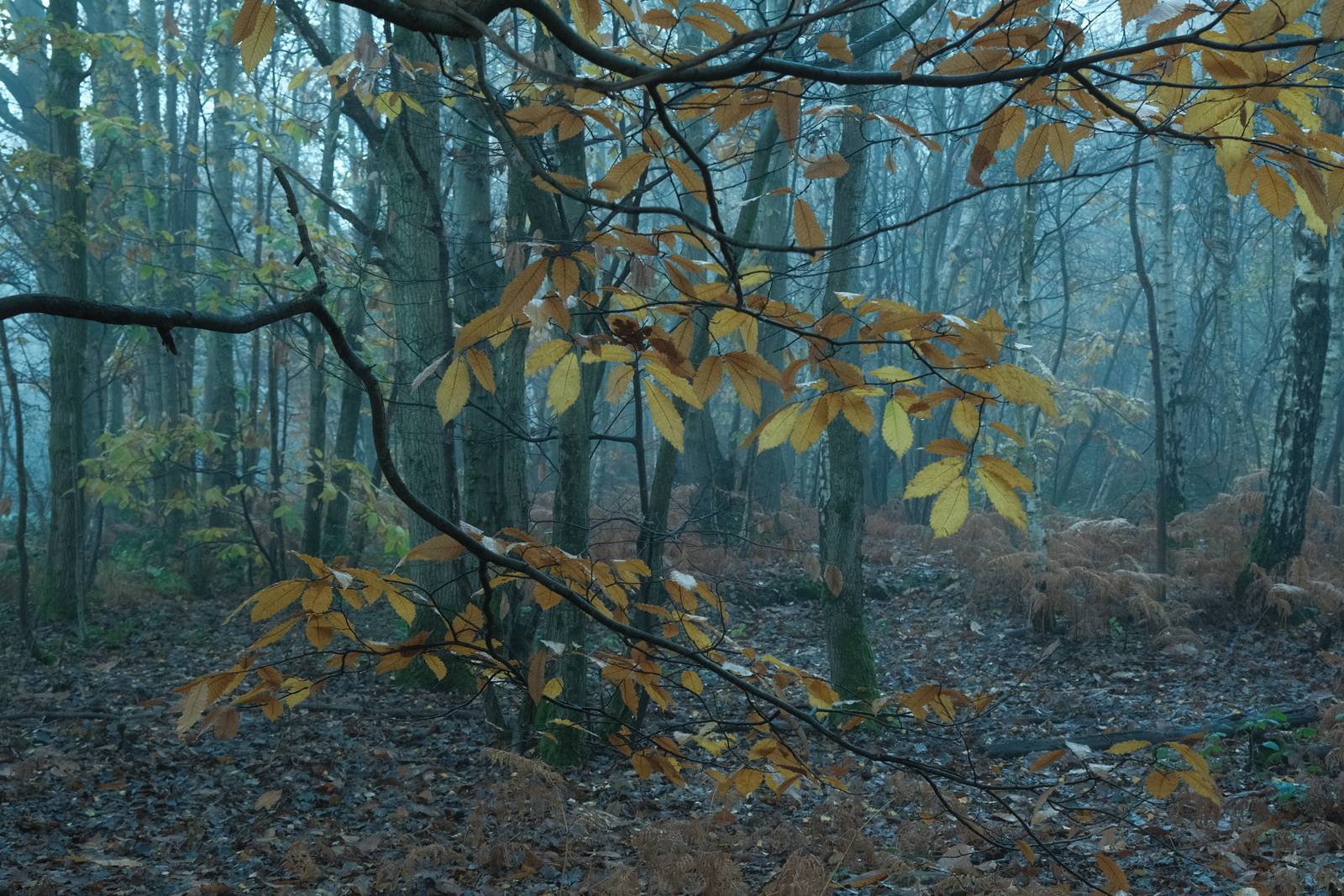
    Cosy lemon goldness with the seasonal leaves and ferns. Taken with Sunset Strip E6 film recipe
    Try not to soak the camera! Sunset Strip E6 film recipe at the water’s edge
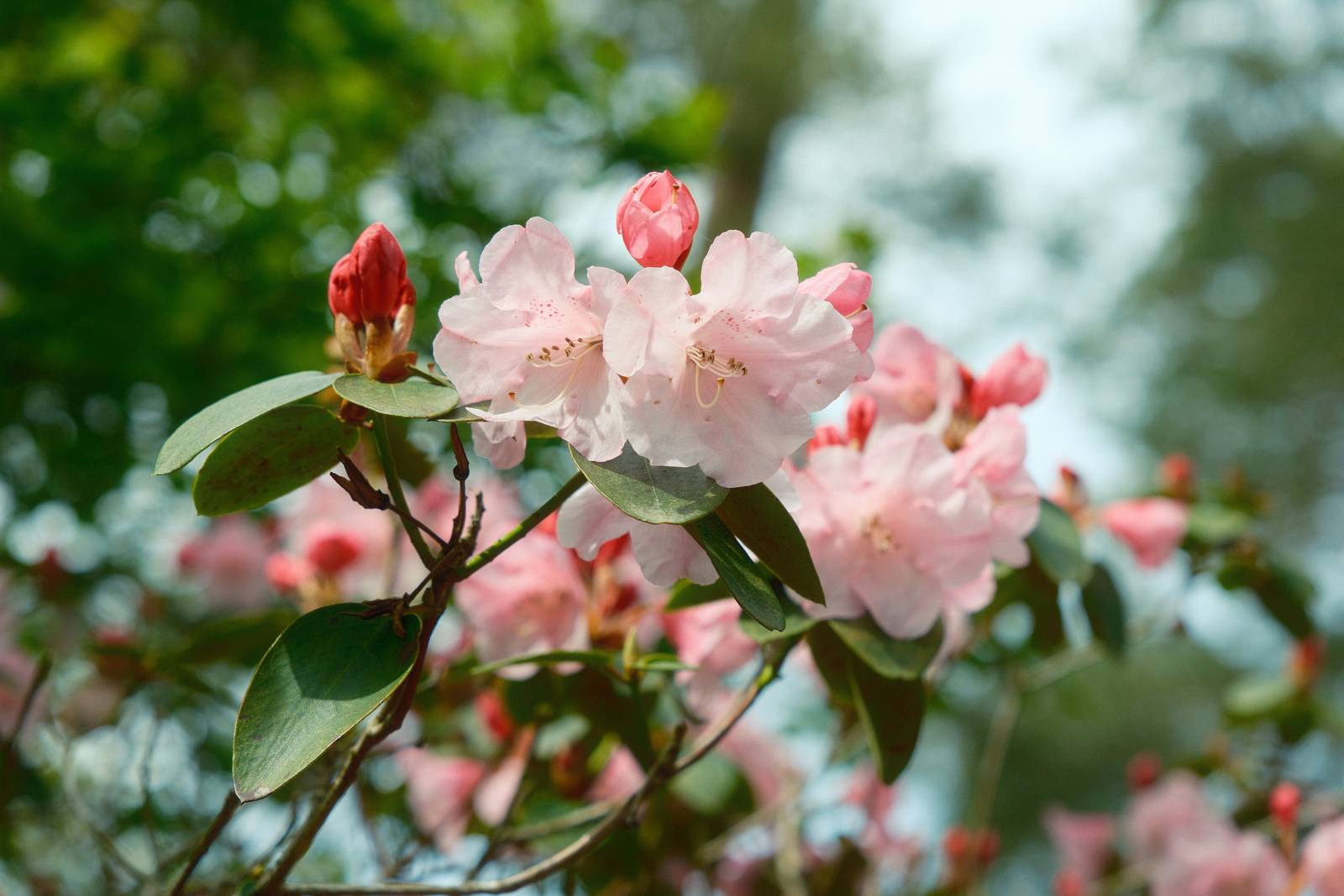
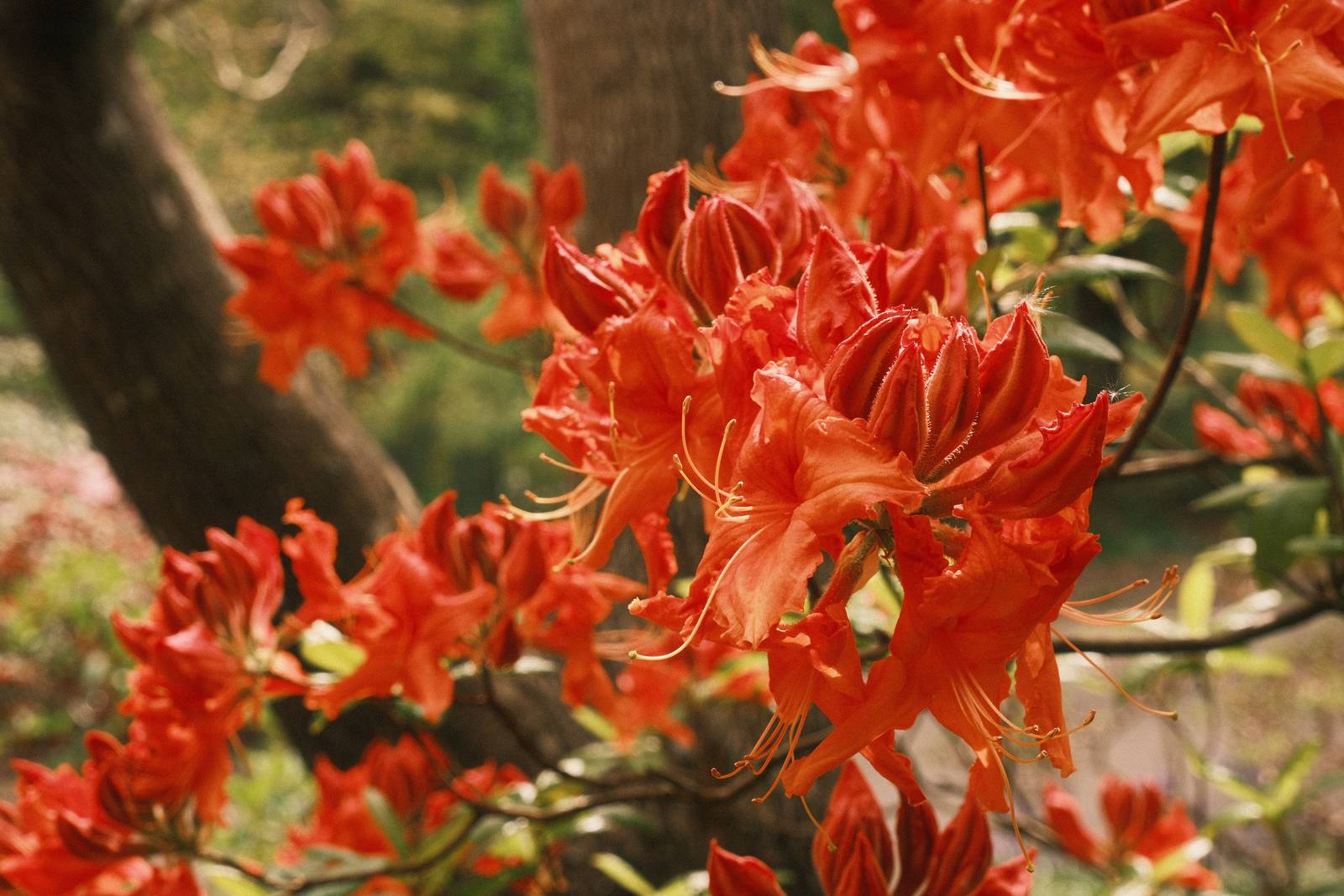
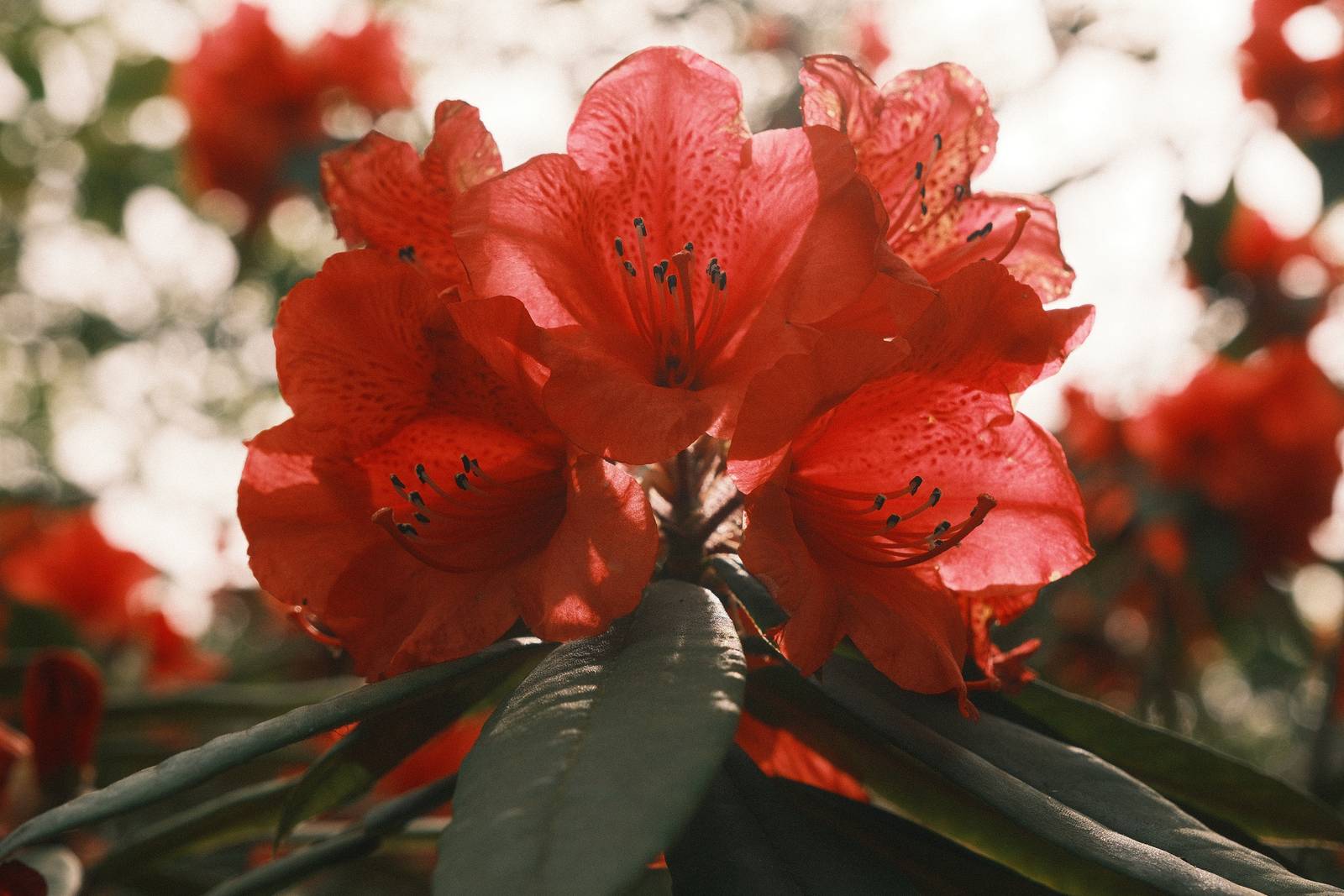
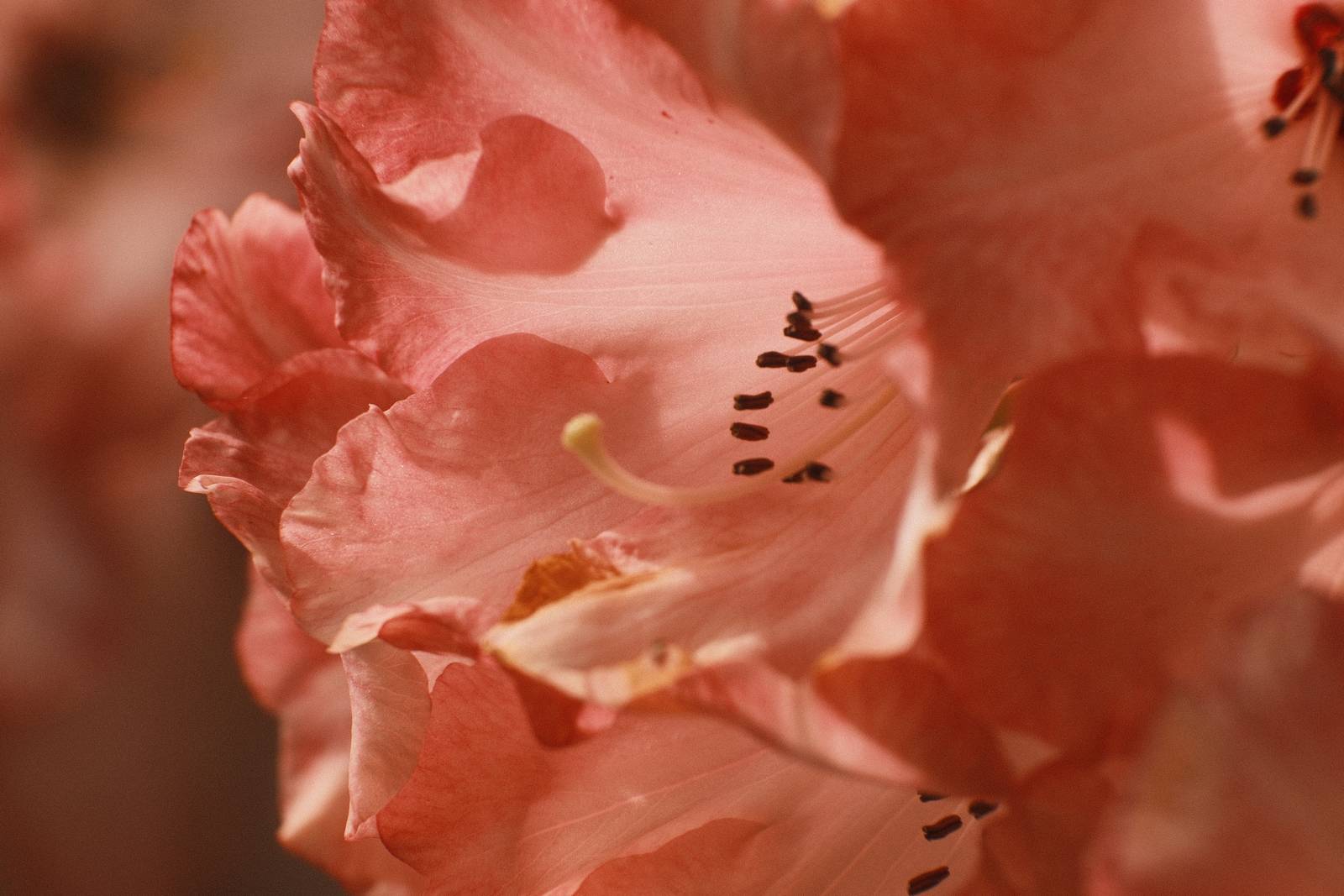
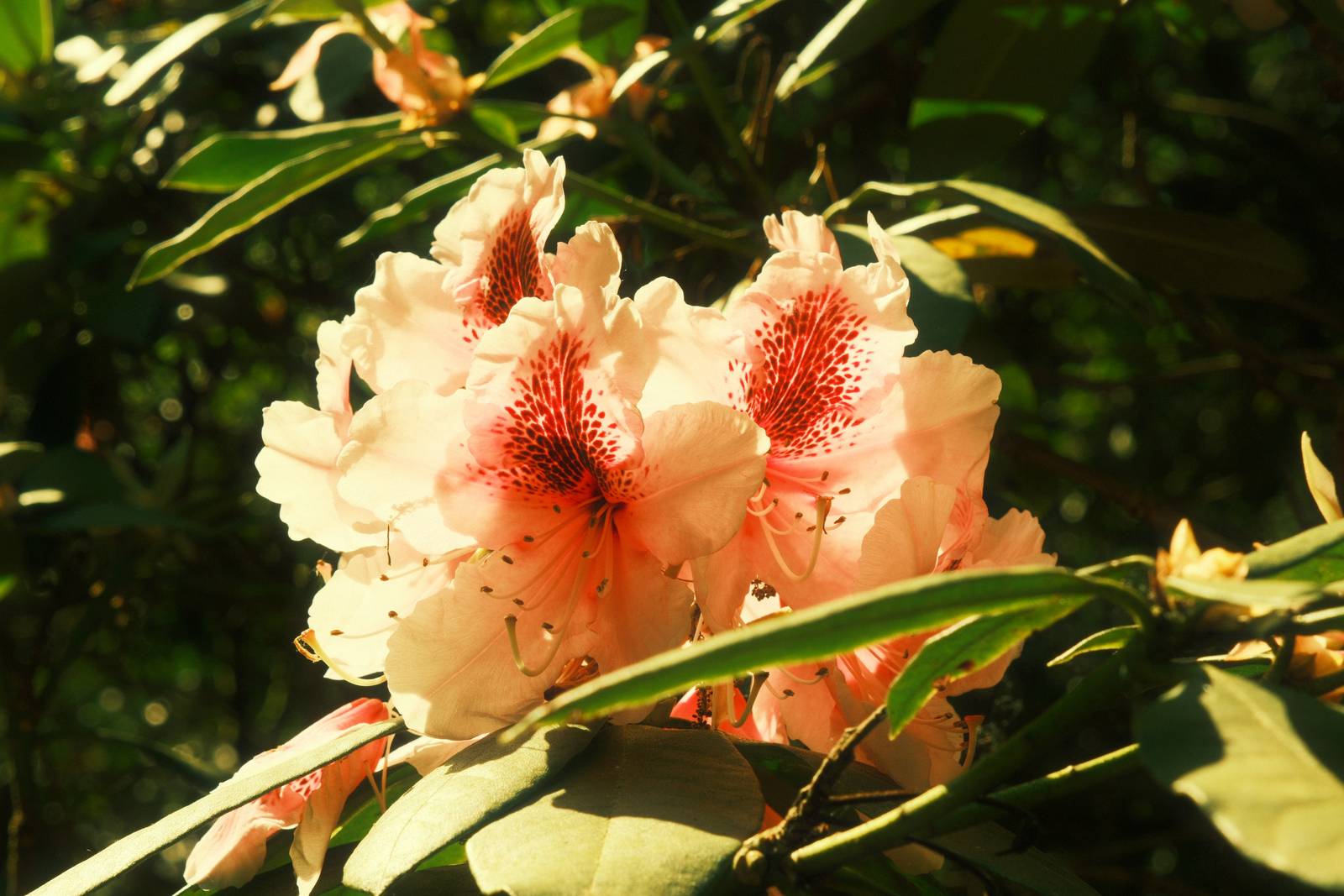
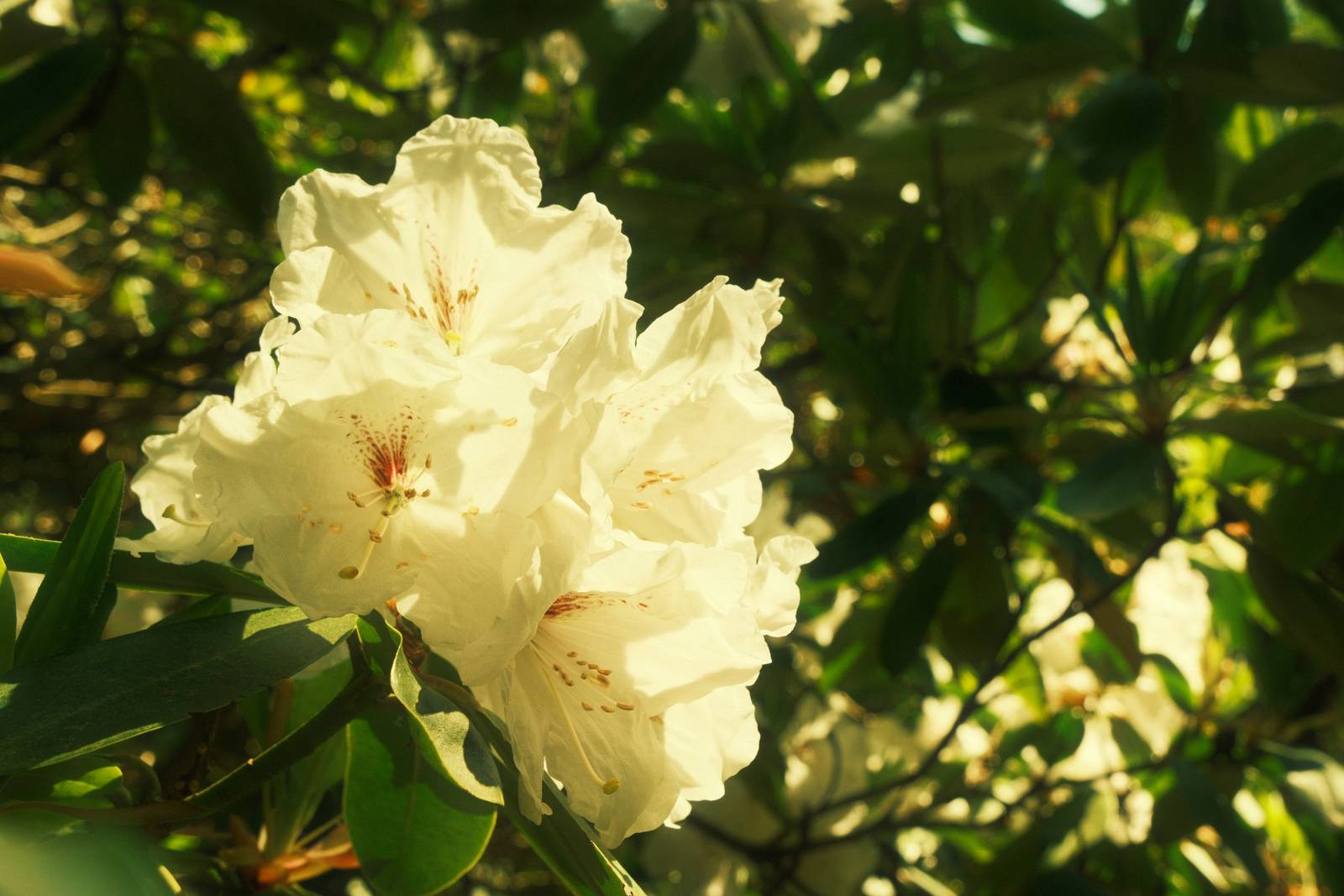
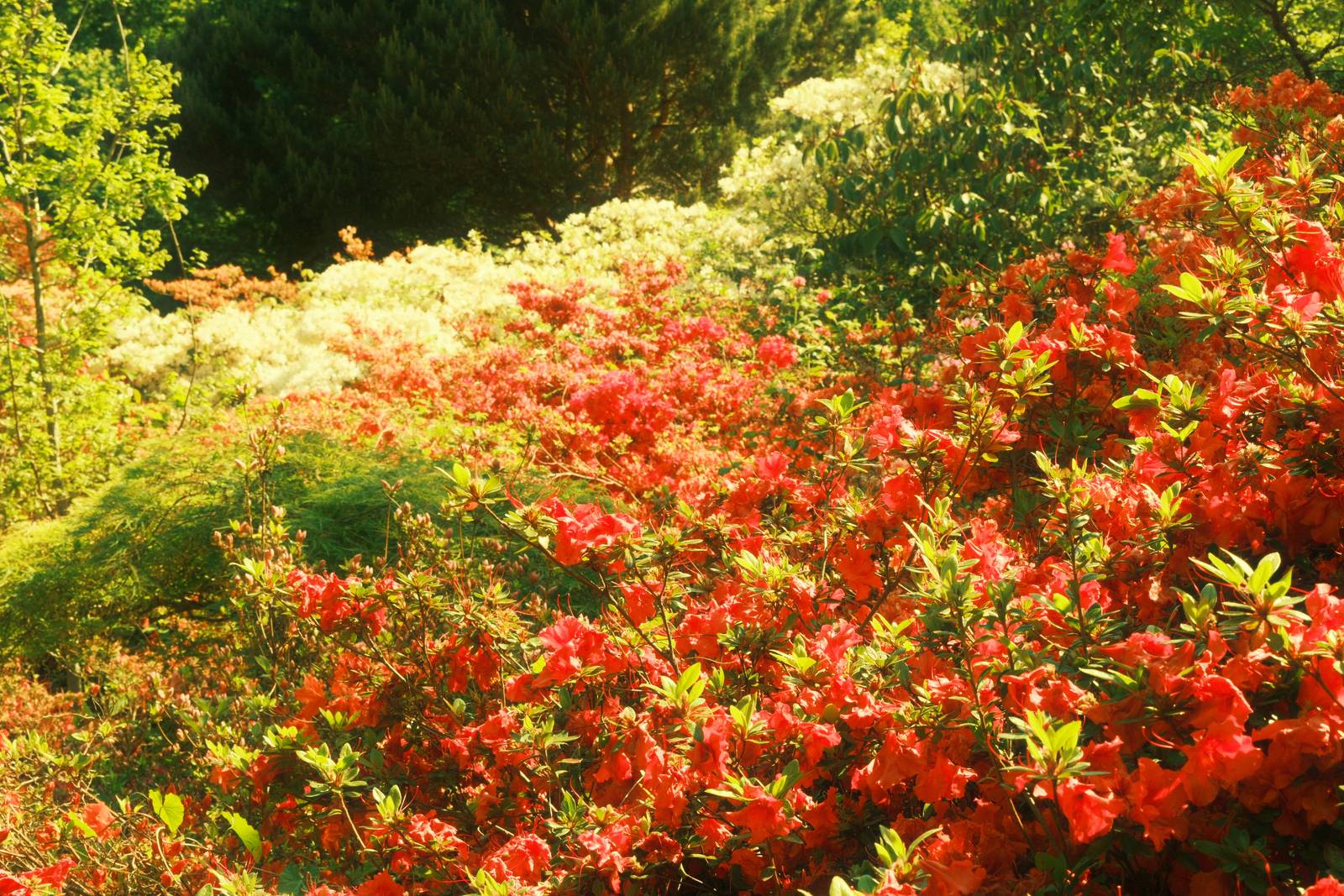
    Springtime rhododendron displays, captured with the Sunset Strip E6 film recipe
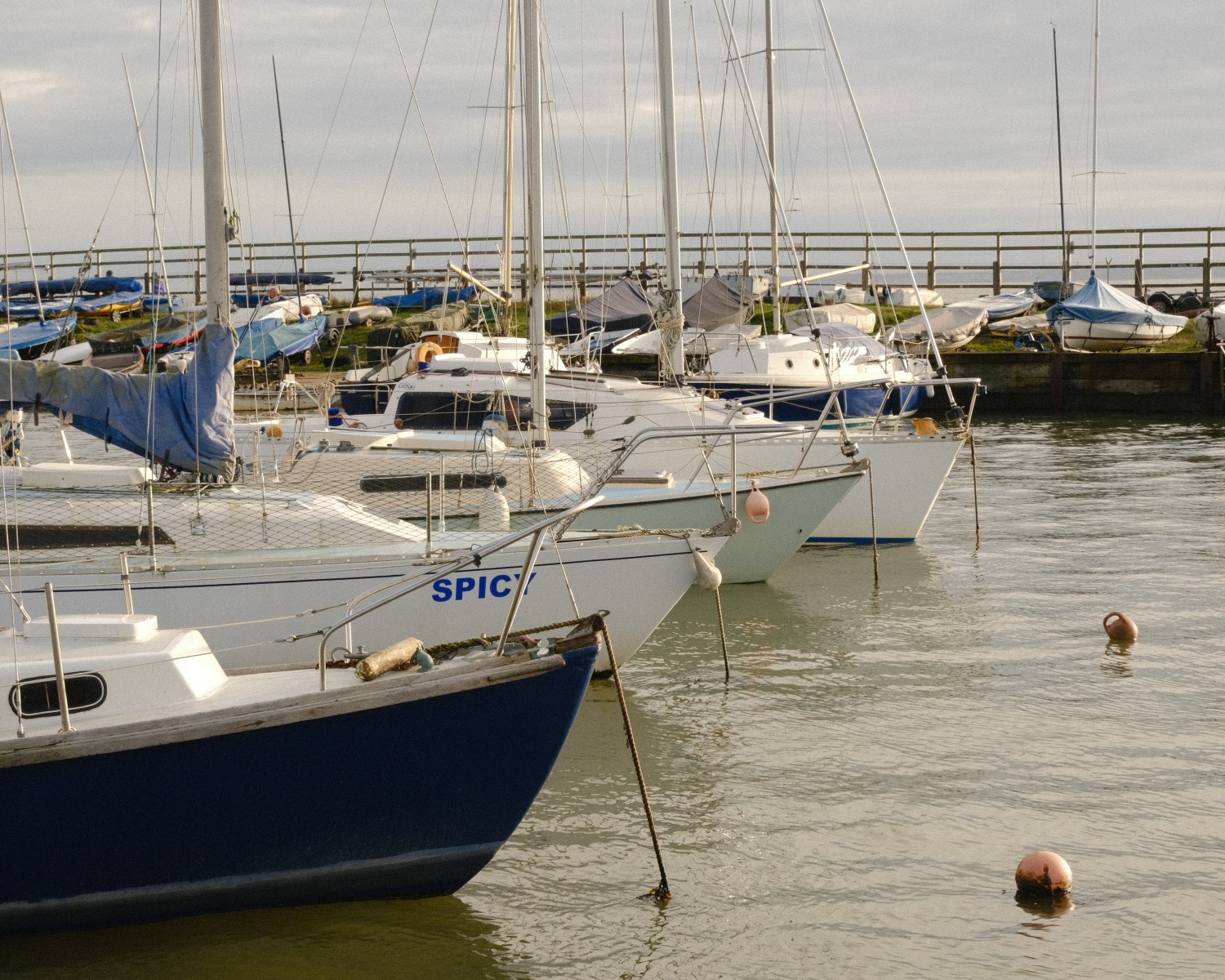
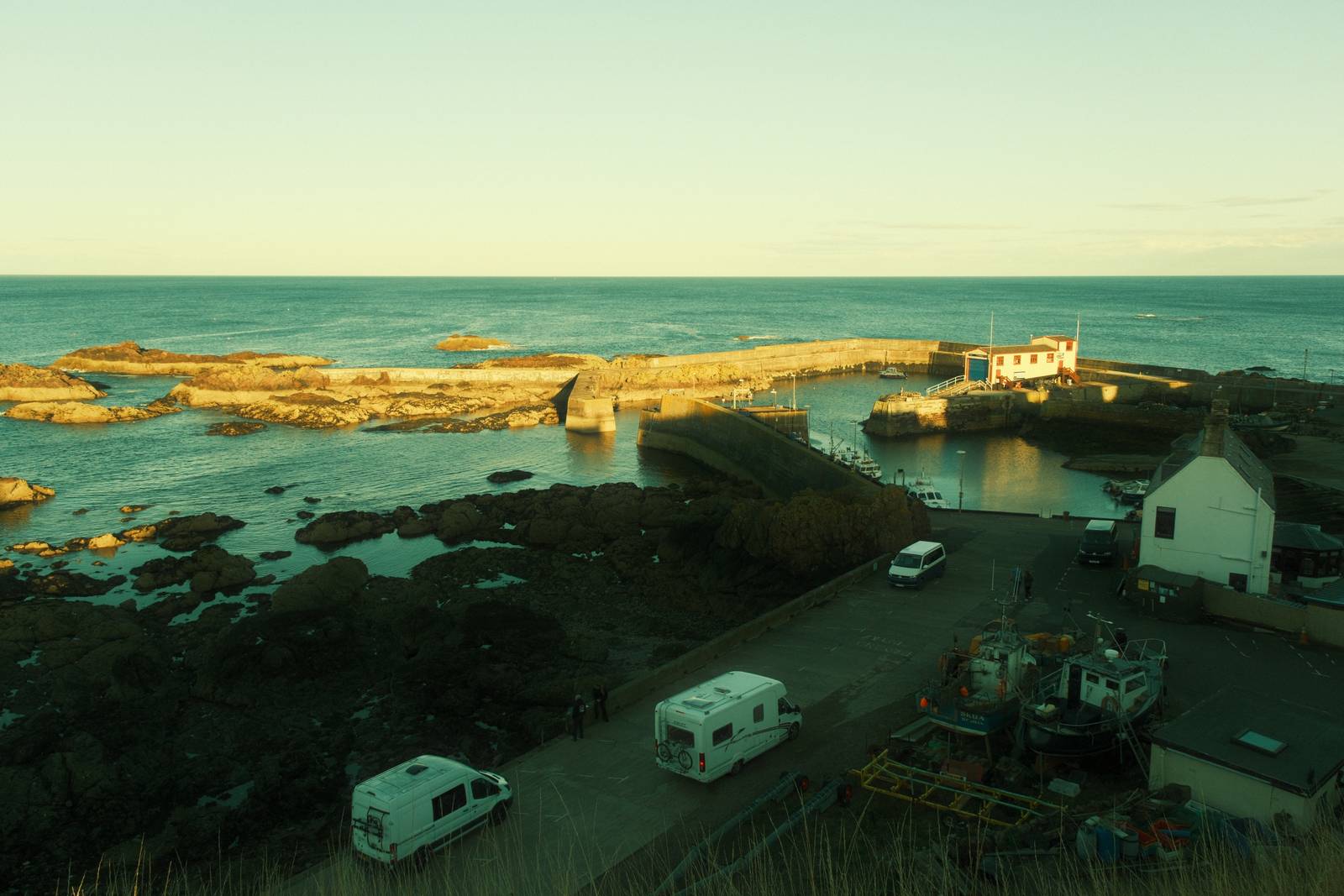
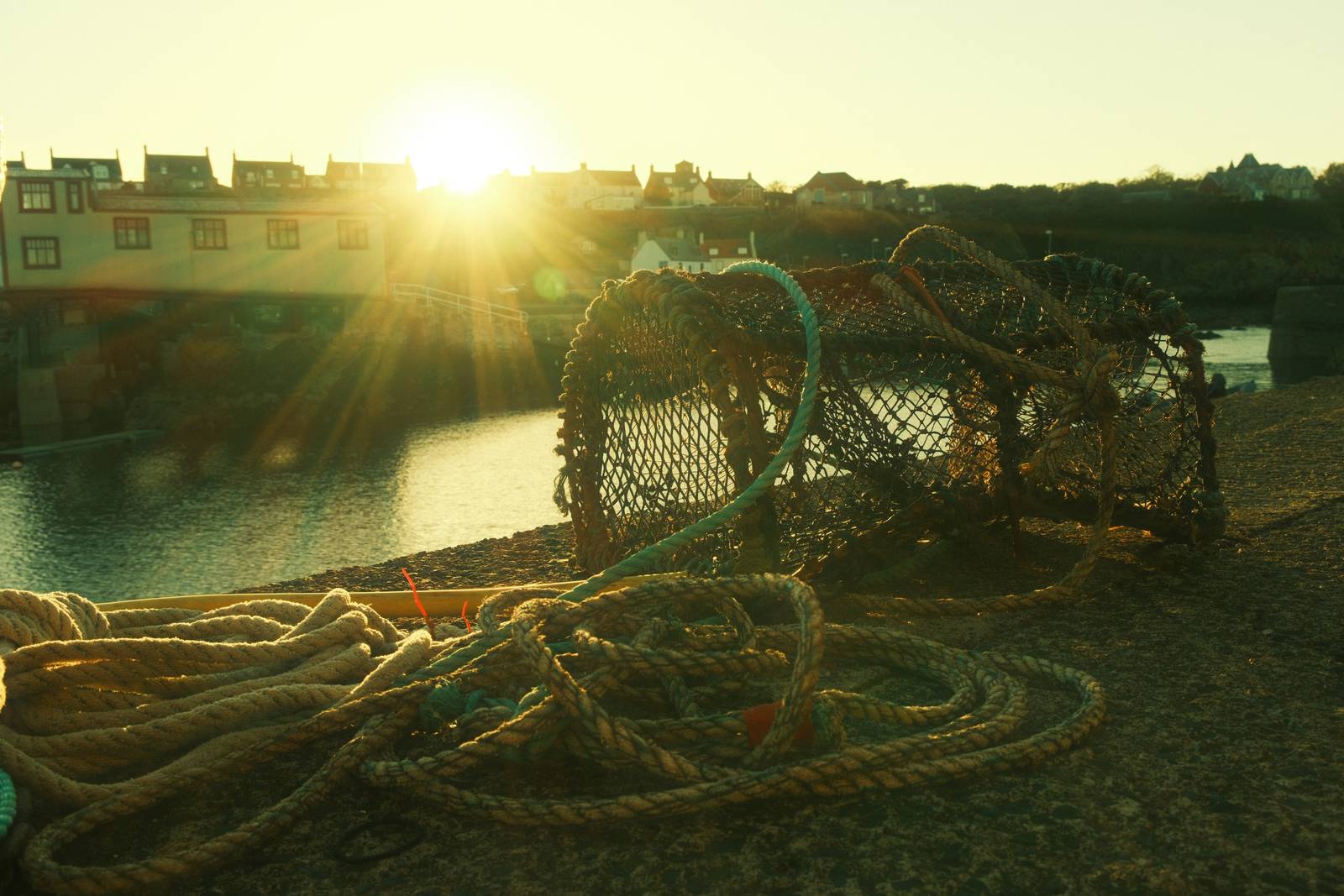
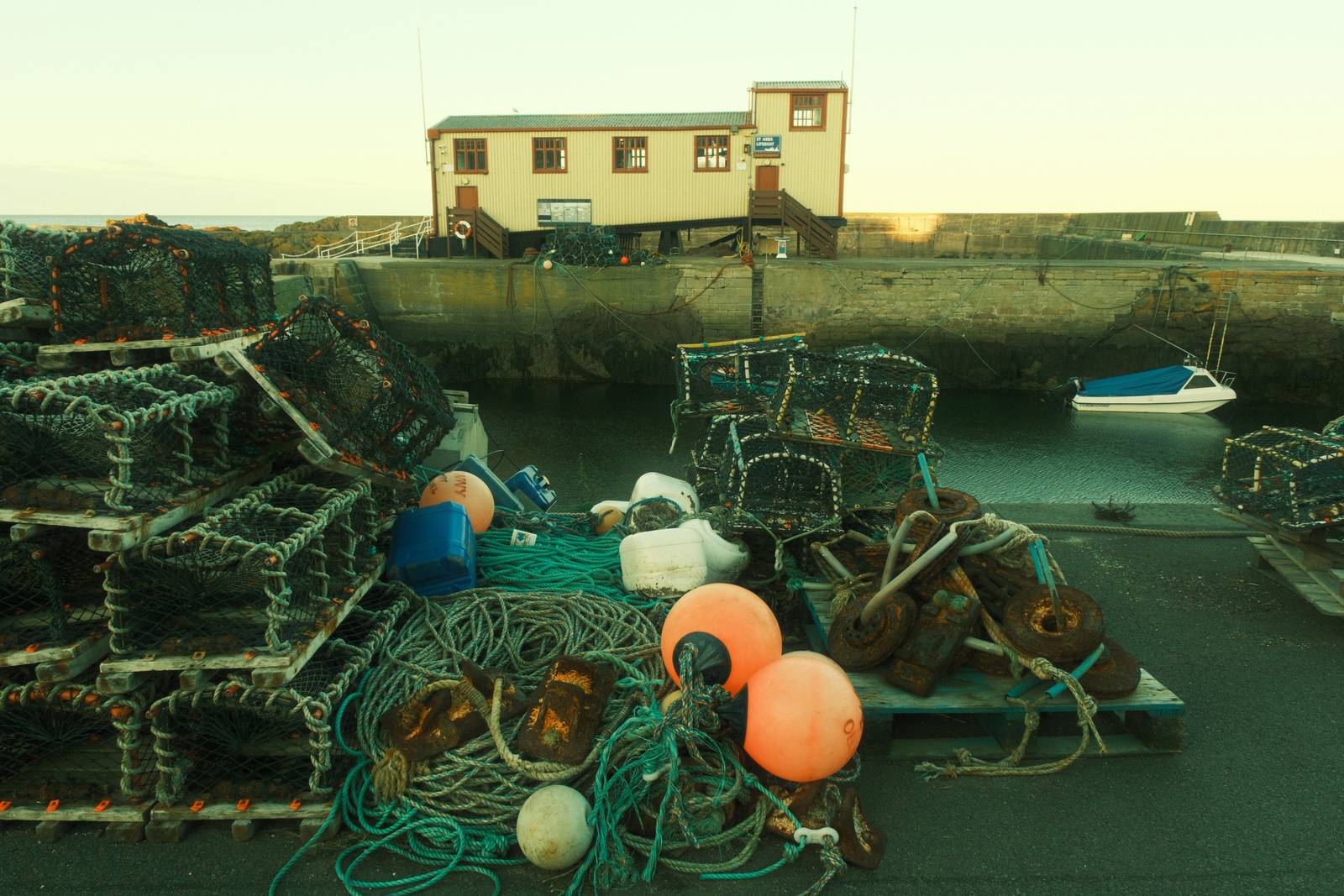
    Let’s go and explore that little harbour with the Sunset Strip E6 film recipe
    The little harbour at St. Abbs, Scotland, edited from RAWs using the Sunset Strip E6 film recipe
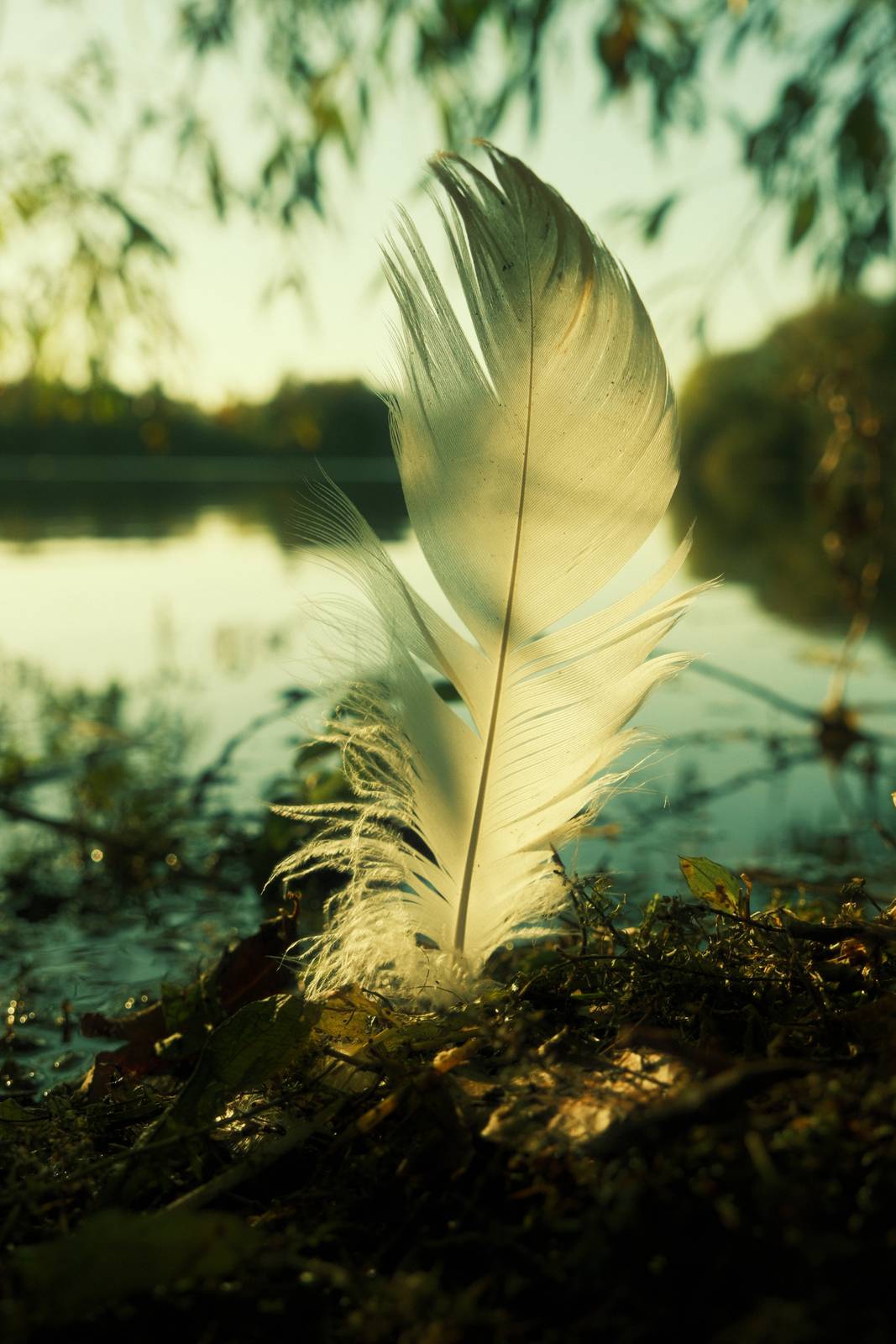
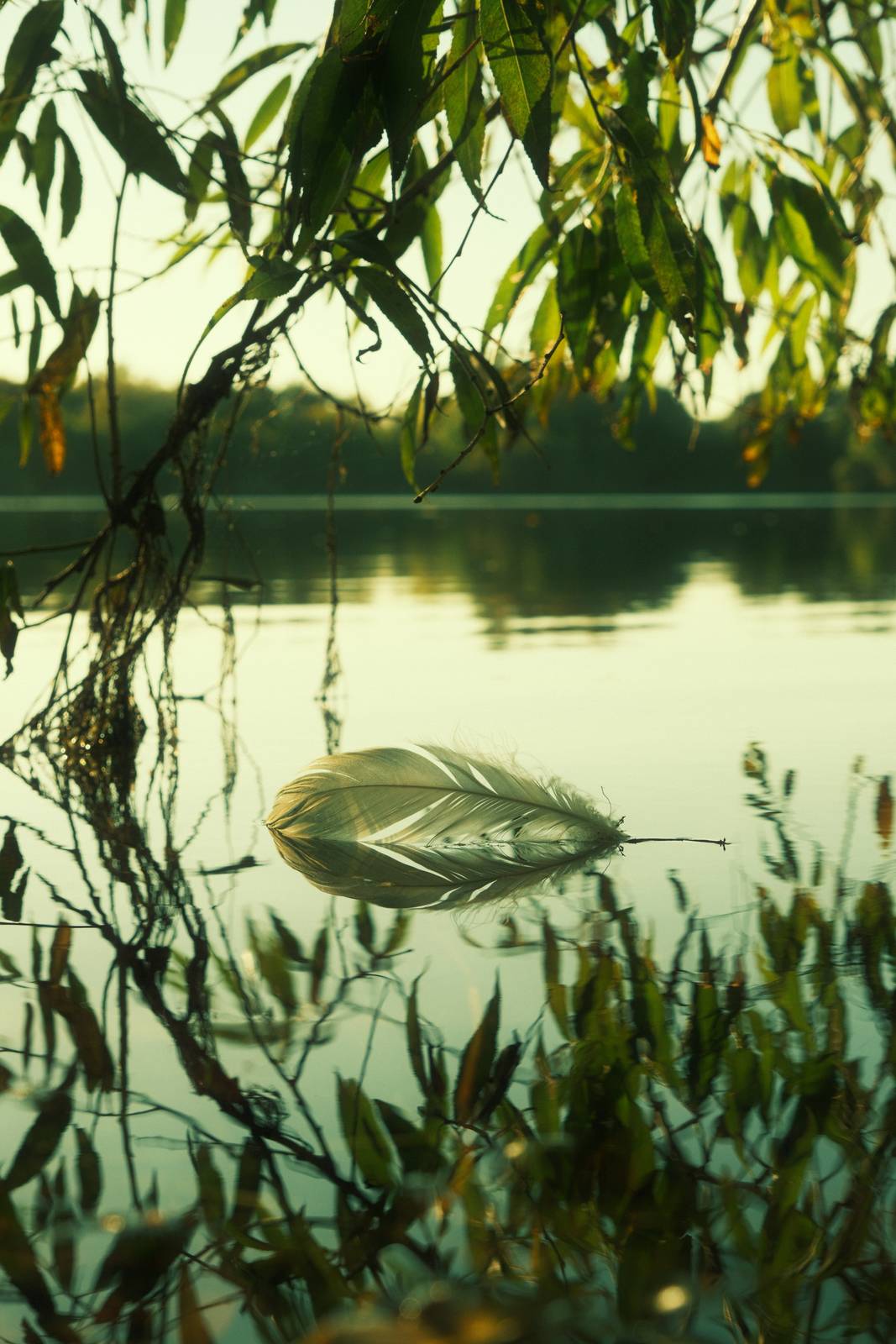
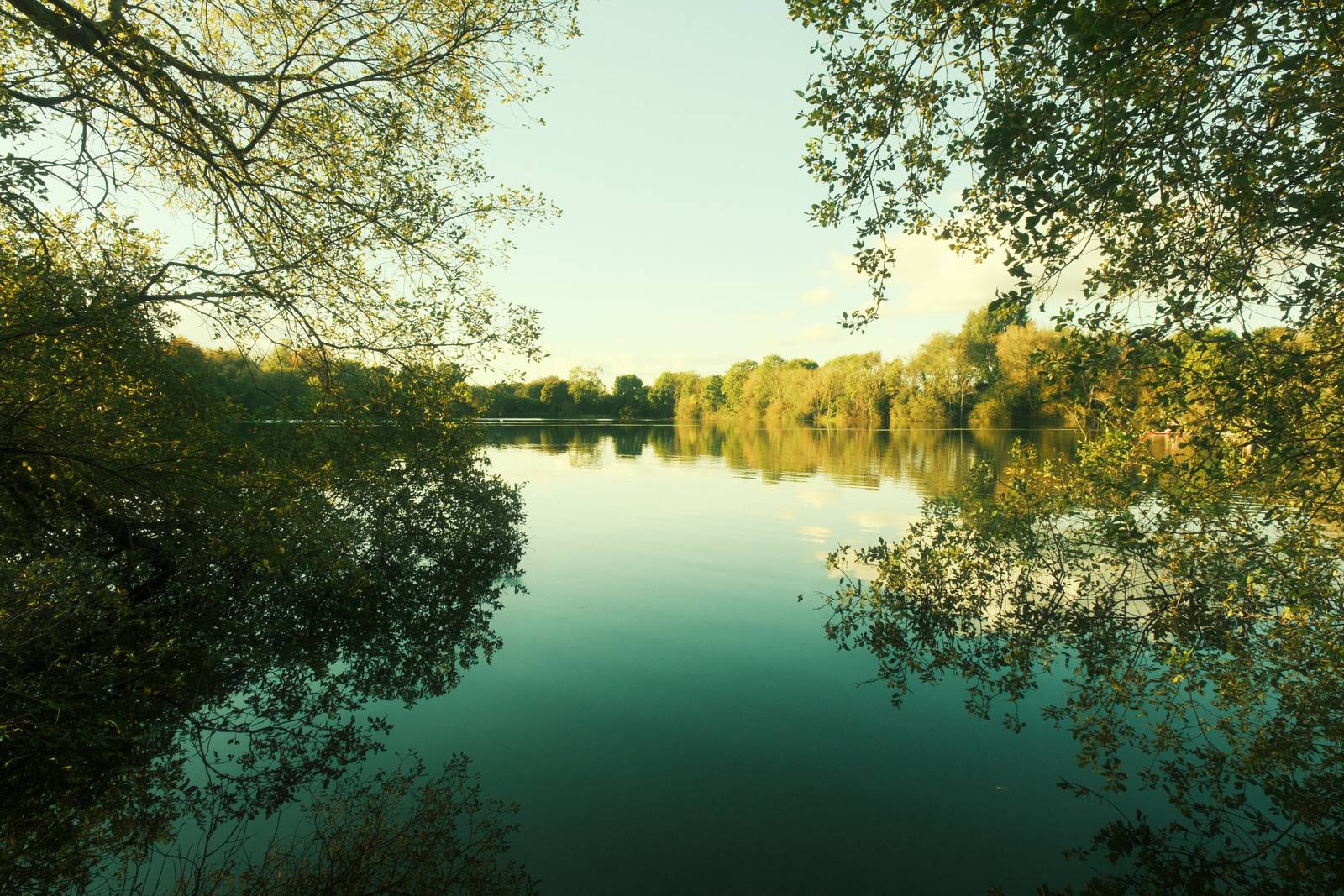
    Late afternoon by a lake in the Cotswolds, using the Sunset Strip E6 film recipe
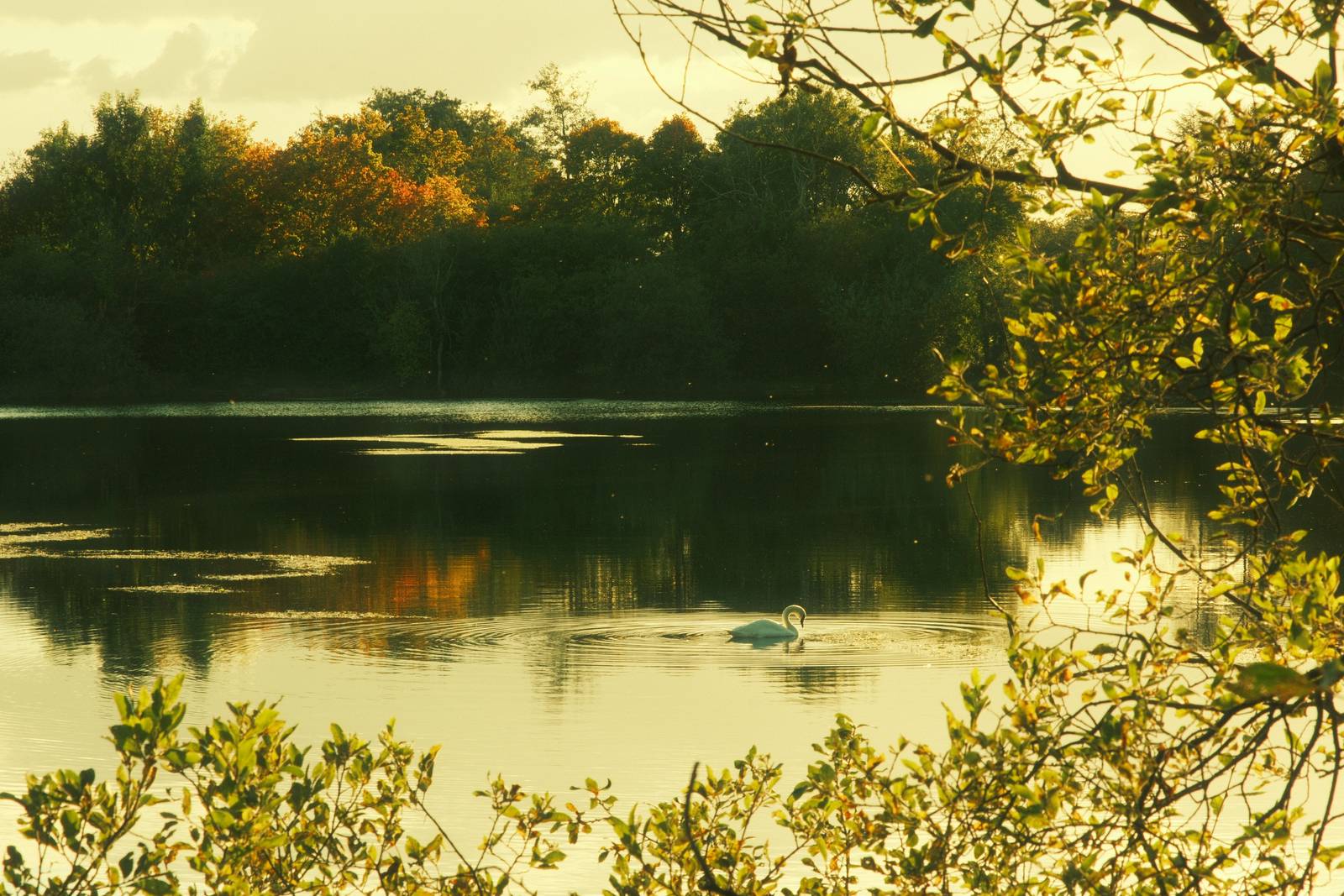
    A swan cruises along in the afternoon sunshine. Sunset Strip E6 film recipe
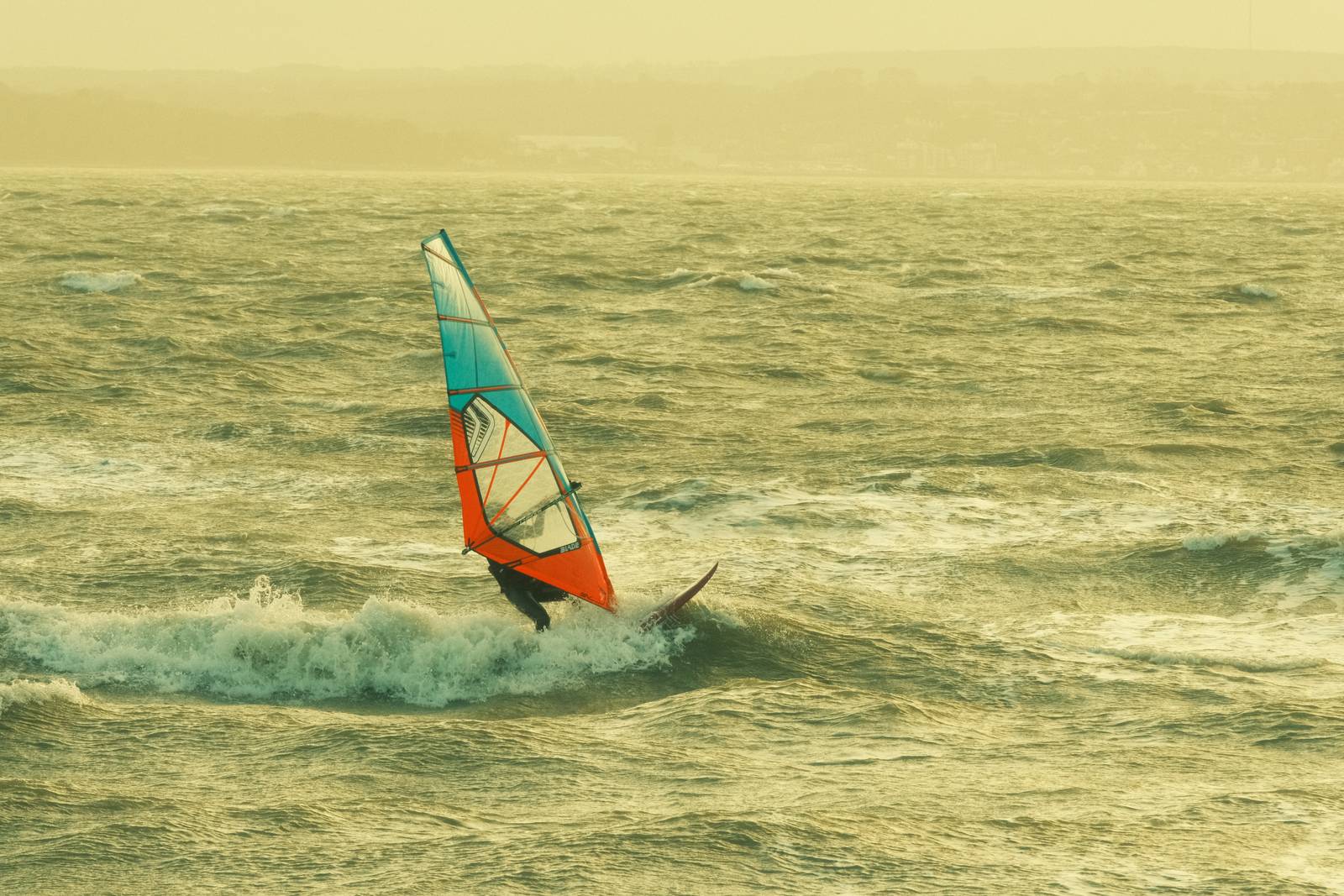
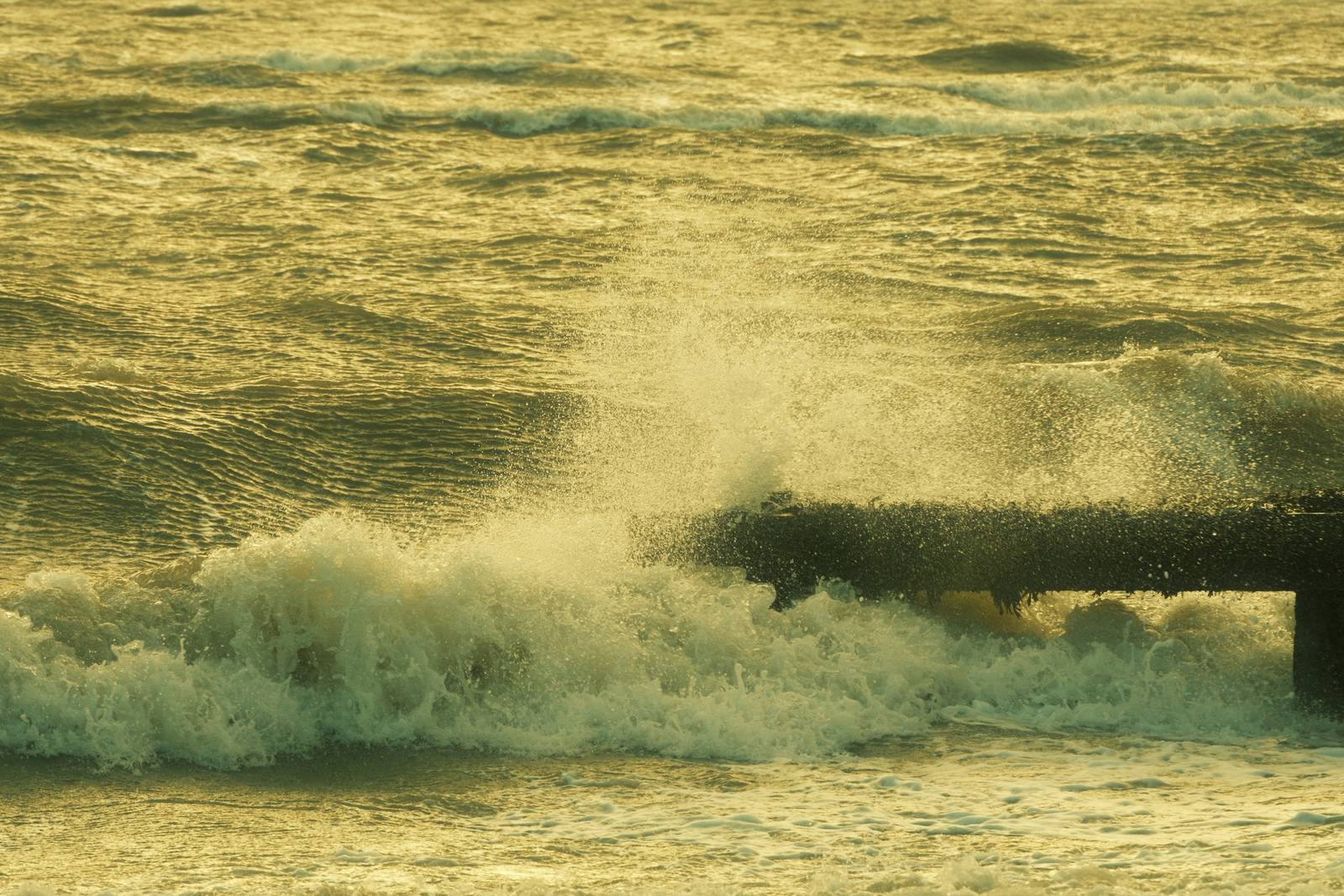
    Making the most of a stormy day. Sunset Strip E6 film recipe

  • Amber T200, Faded Colour 35mm Film

    Amber T200, Faded Colour 35mm Film

    Pale colours film simulation recipe inspired by Amber T200 film

    It’s time to create a film recipe that mimics a real world film, and one that has a characterful look that I’ve not seen presented in many other films before.

    The film in question is RETO Amber T200, which is a Tungsten colour balanced 35mm film, which creates faded prints in daylight, tinted with a pale blue, slightly purple tone.

    I found this look very interesting, and wondered if it would be possible to recreate it, or at least something like it, using our Fujifilm cameras.

    My resulting recipe shares quite a lot of the qualities in sample images, especially when over exposed by two stops at +2/3. The base simulation is Pro Neg. Standard, which I found more like the samples than my first attempts with Classic Chrome.

    The images that you capture will often be pale with faded colour, so this recipe is something that might not suit all situations. I enjoy using it in watery sunlight and bright but cloudy conditions. But there’s no reason to limit yourself that that, and to have some fun experiementing with this distinctive and unique look. An example might be to try it under artificial light at night. Like the film it mimics, this recipe has a white balance which is designed for this even if most images are taken in daylight.

    Amber T200 Film Recipe

    • Simulation: PRO Neg. Std
    • Grain Effect: Weak, Small
    • Colour Chrome Effect: Weak
    • Colour Chrome Blue: Weak (IV) / Off (V)
    • White Balance: Fluorescent 2
    • WB Shift: -2 Red, -2 Blue
    • Dynamic Range: DR200
    • Highlights: +1.0
    • Shadows: +1.0
    • Color: -2
    • Sharpness: -2
    • ISO Noise Reduction: -4
    • Clarity: 0
    • EV compensation: +2/3 (important)
    Testing out the Amber T200 film recipe in bright weather on vacation
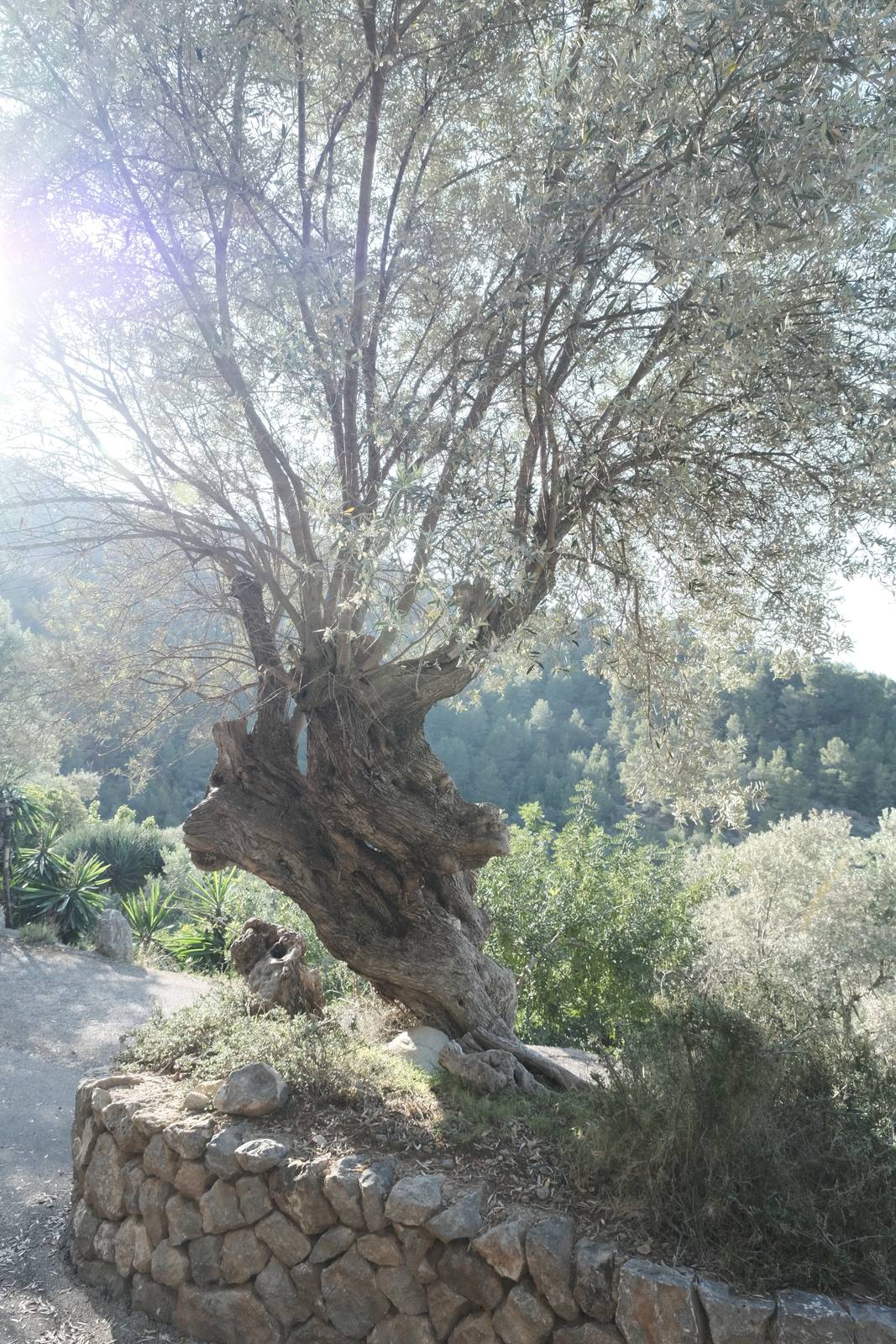
    Olive tree details, Amber T200 film recipe
    Pale and bright, the vibe of Amber T200 film recipe
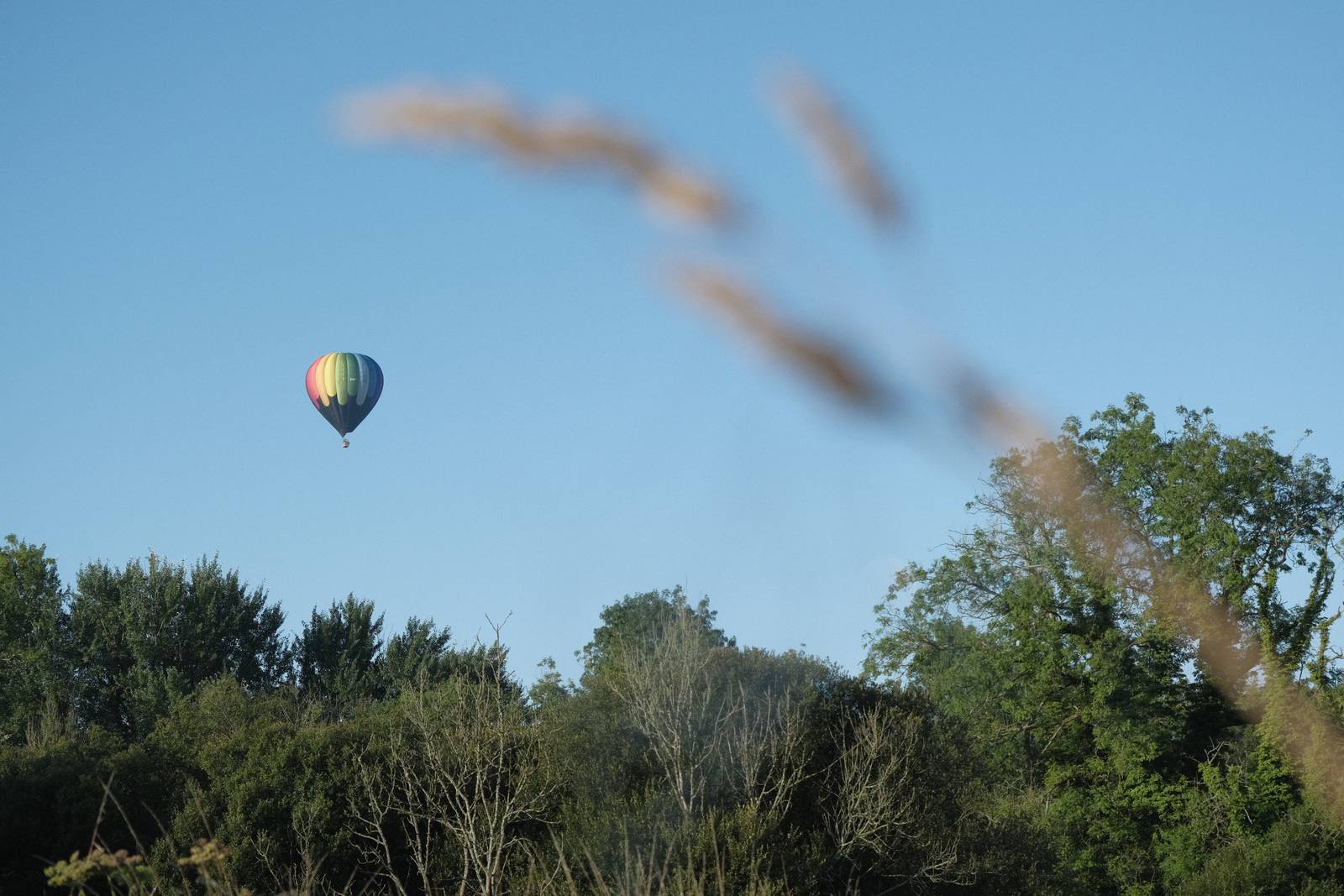
    Have you ever been in one? Hot air balloon, captured with Amber T200 film recipe
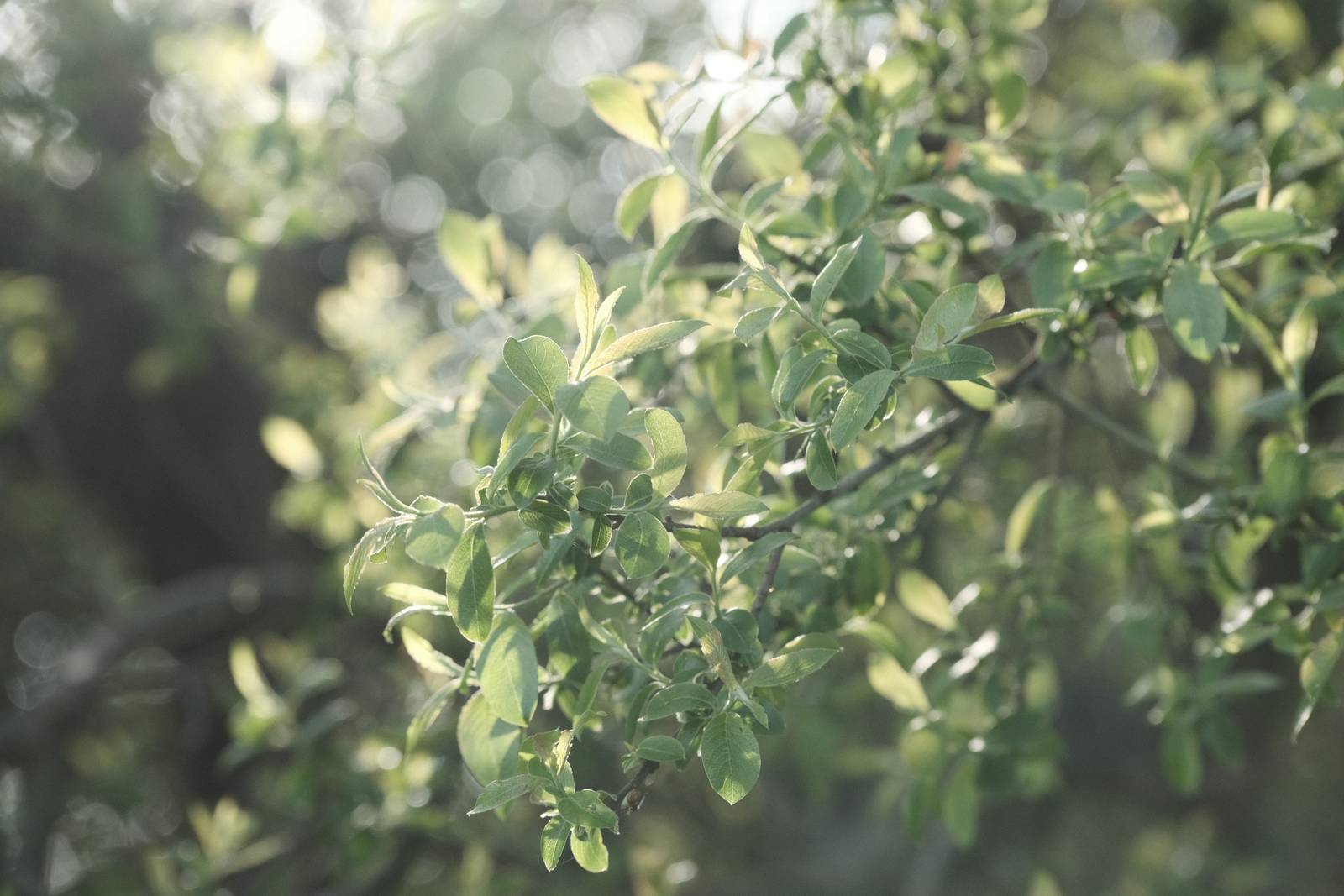
    Spring greens are faded and soft, with the Amber T200 film recipe
    Capturing green scenes with the soft look of Amber T200 film recipe
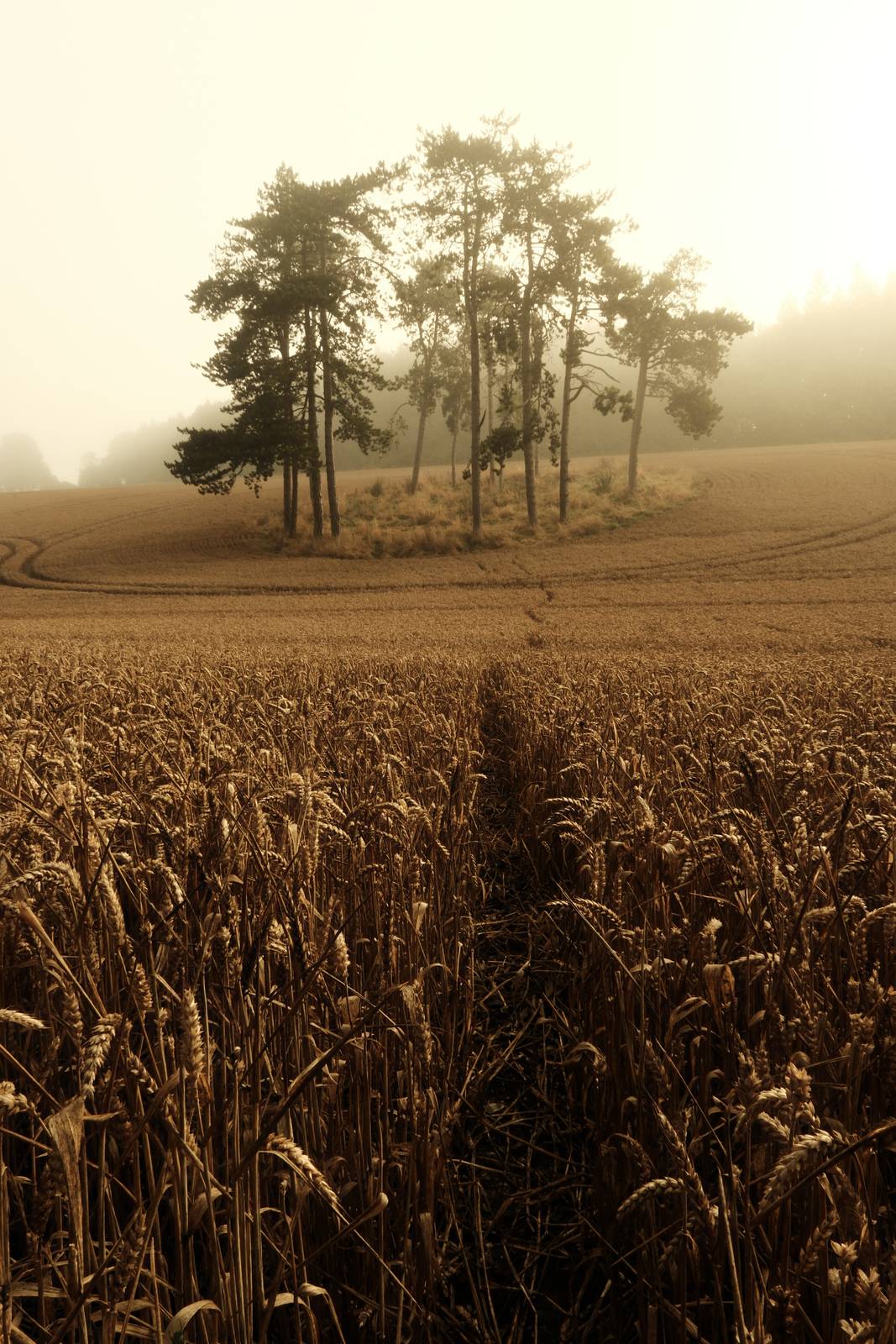
    A hazy morning in the wheatfields. Captured with Amber T200 film recipe
    Good for grey days, walking the lane with Amber T200 film recipe
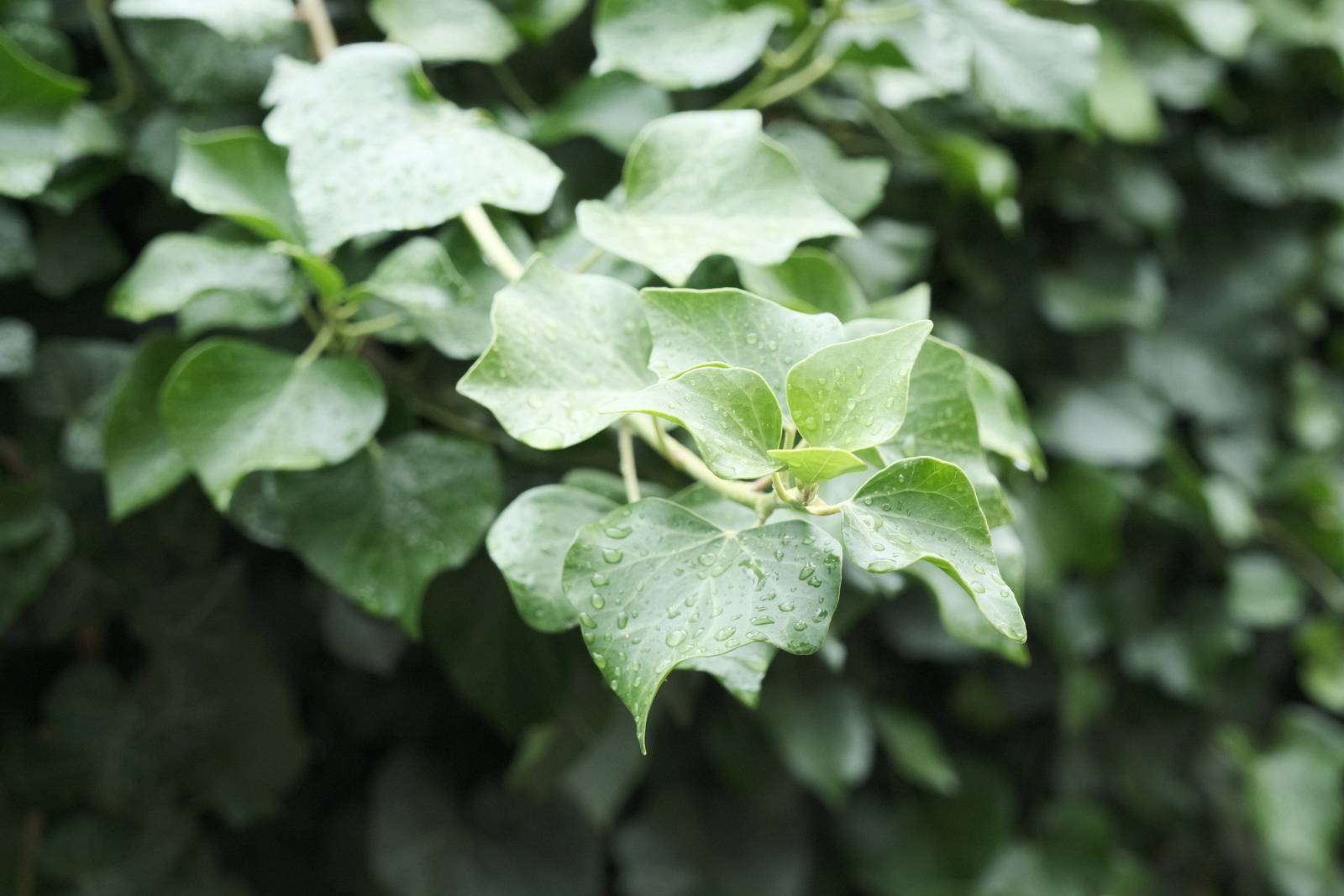
    Looking for leaves, with the Amber T200 film recipe
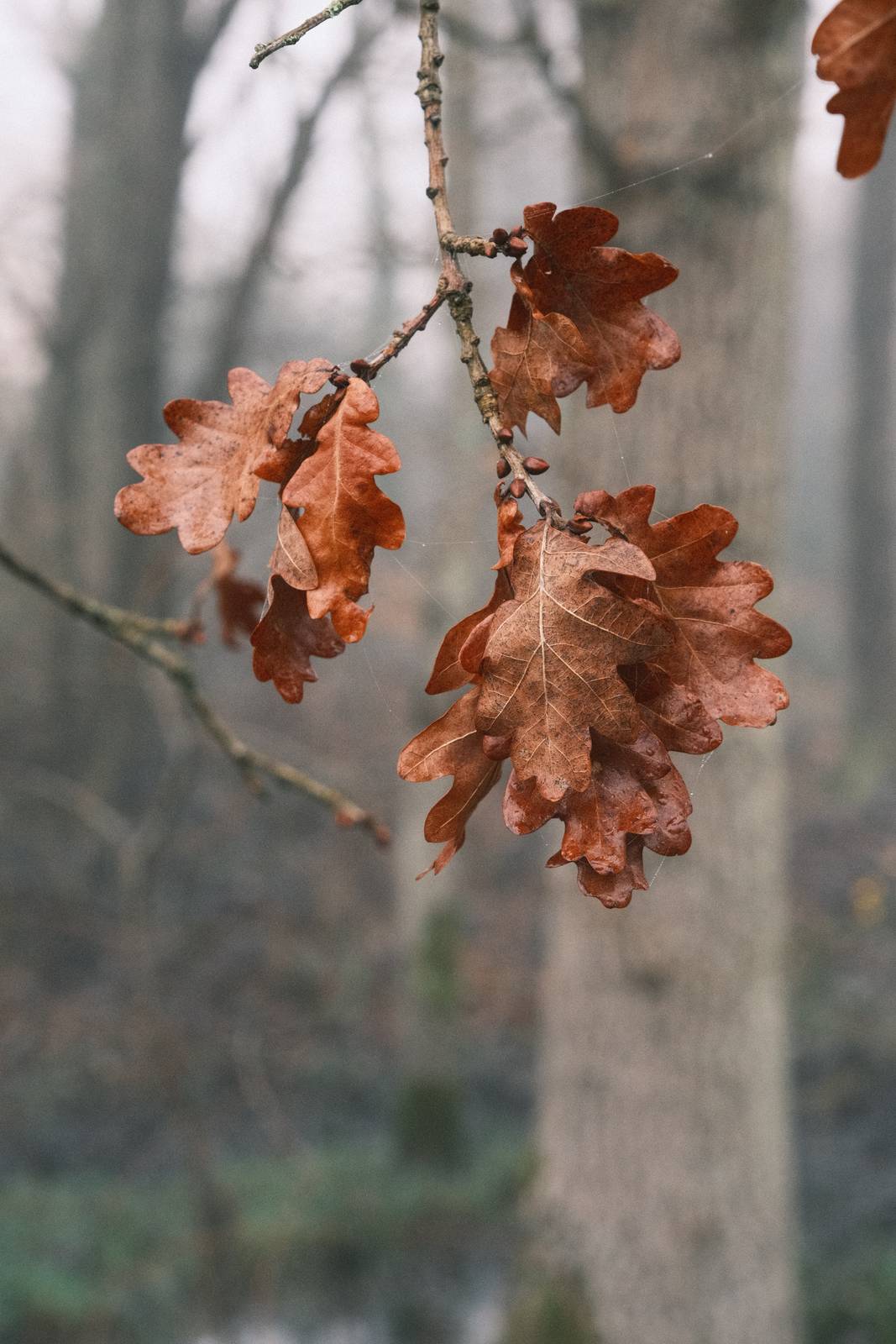
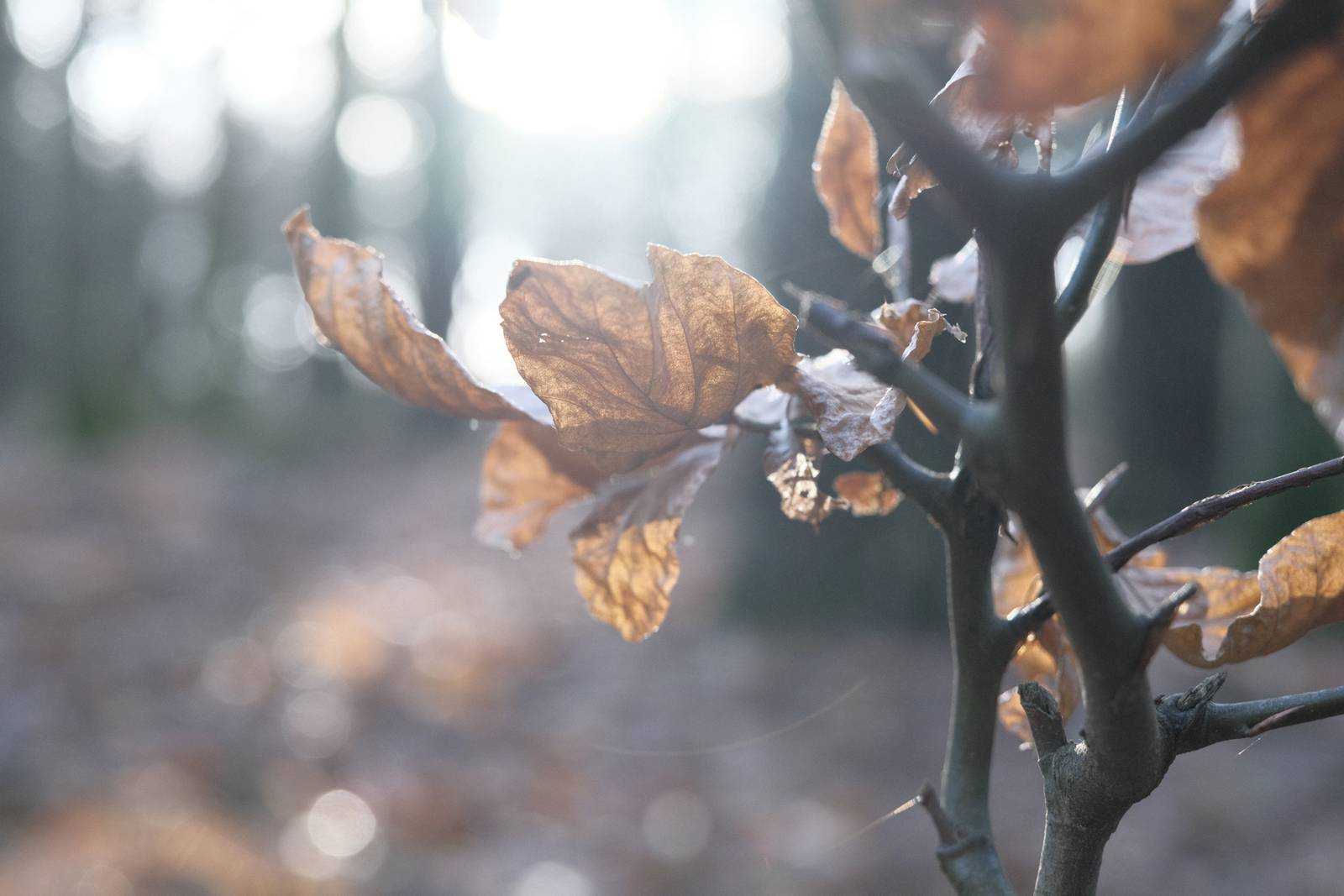
    The muted tones of the Amber T200 film recipe seem to suit a winter woodland.
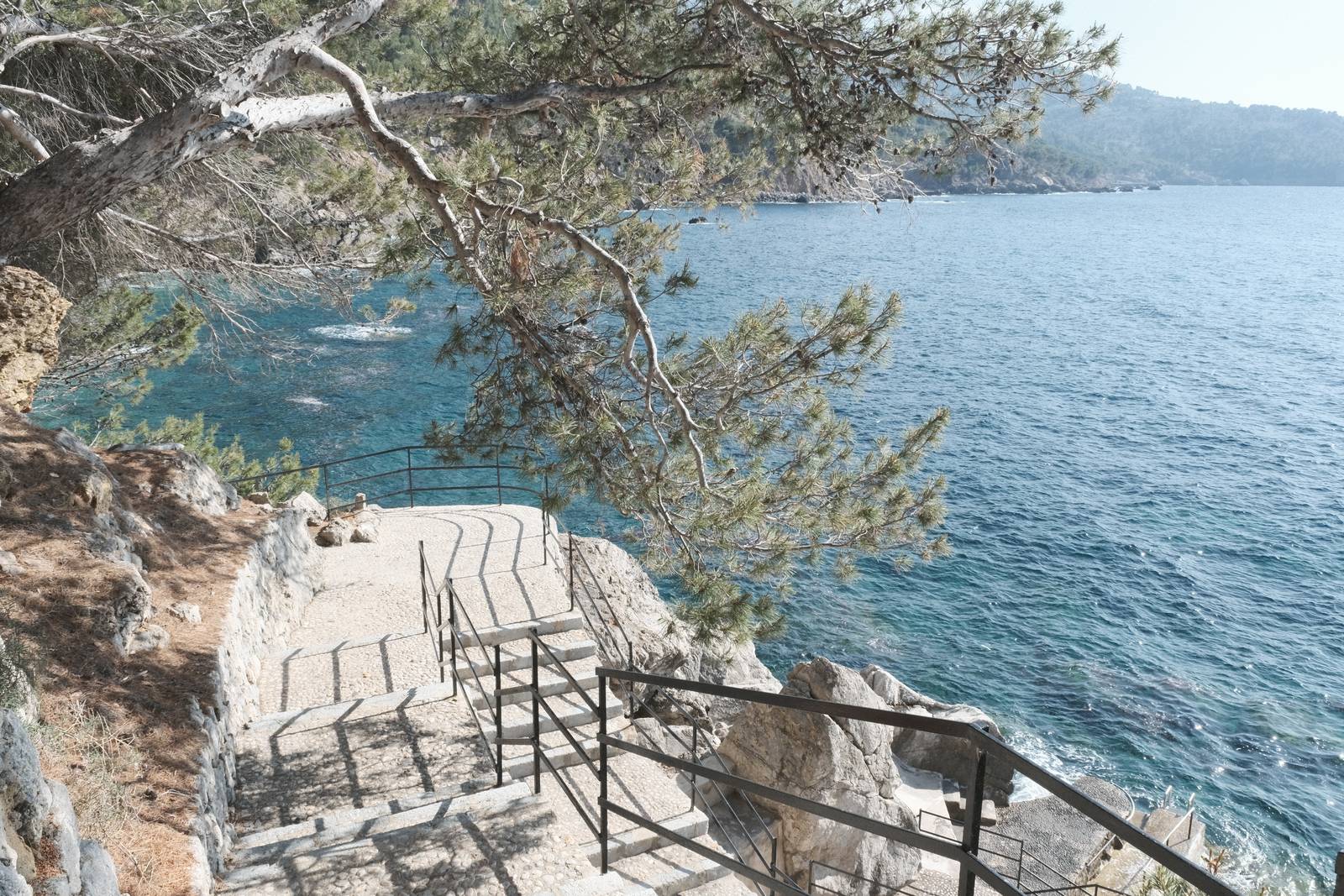
    A spring break on the coast of Mallorca, using the Amber T200 film recipe
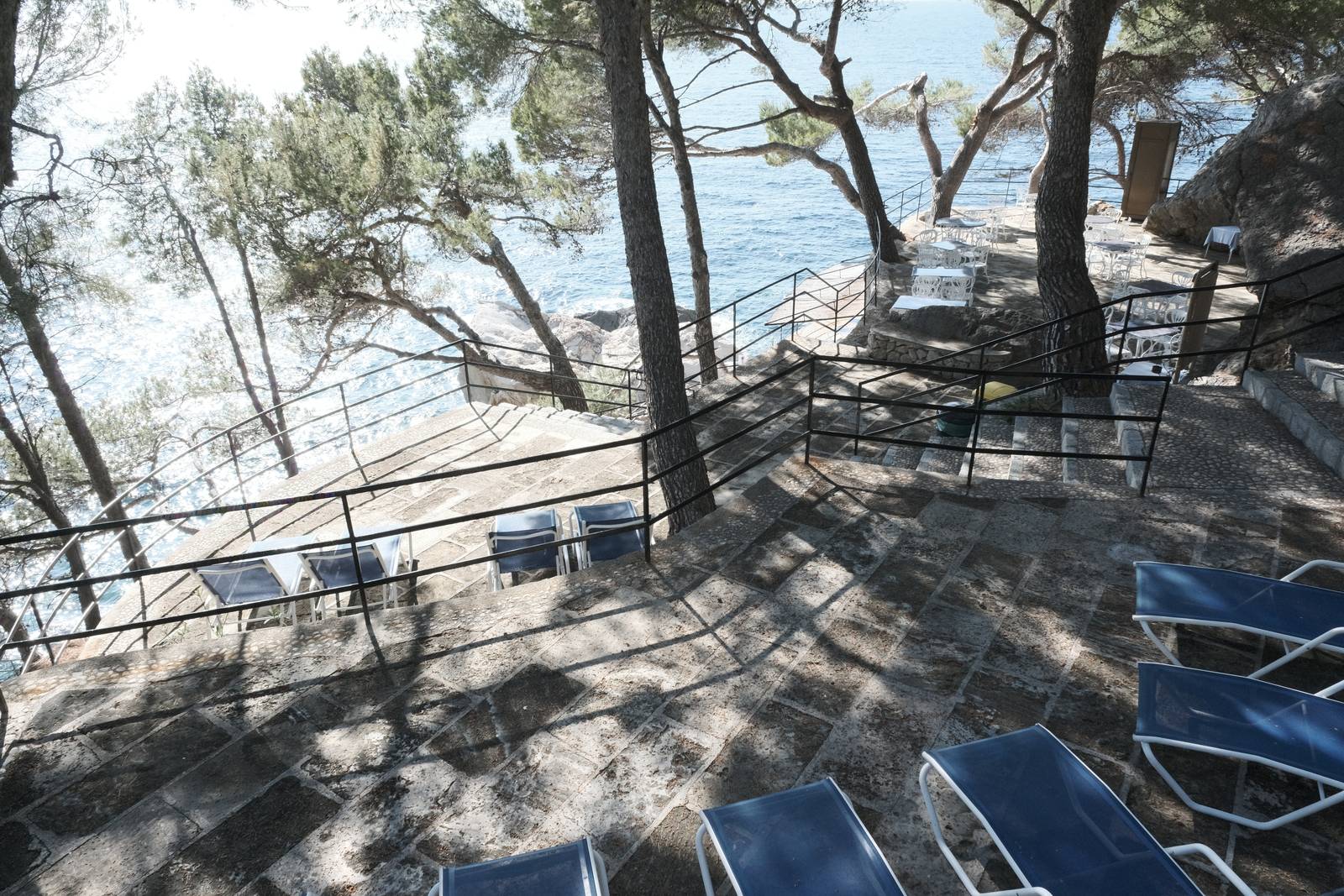
    Choose a shady spot, or sit in the sun. Amber T200 film recipe
    The rugged coast, captured (not quite on the level) with Amber T200 film recipe
    Capture a new tone with the 35mm inspired Amber T200 film recipe

    I had fun creating this film simulation recipe, which has a look that isn’t so often seen from a film recipe. I do have a few othes with similar vibes that you may also like;

  • Umbrella Film Recipe. Is this my best ever film recipe?

    Umbrella Film Recipe. Is this my best ever film recipe?

    Film like Classic Negative recipe, designed for rainy days but excellent in all conditions.

    Throughout the winter the weather was dull and wet and I was really starting to miss photography. So, I decided to try and embrace the conditions and create a number of film simulation recipes for gloomy and wet days. I’ve made a bunch of these, and added them into my new Film Recipes app.

    This film recipe is one of those creations, and I’ve been using it happily in grey and drizzly conditions for a few months now. I even featured it in my new Film.Recipes YouTube channel.

    For owners of my film recipes app, there are regular photo challenges to enter, and in one recent round, Umbrella was one of the challenge film recipes. I love these challenges, not only because it gives that little extra push to get out there and take some photos, but with other Fujifilm photographers taking part from around the world, I get to see the film recipes in all sorts of new situations. This was the case with Umbrella.

    Several of the photographers took this recipe and used it in bright sunny weather and in new locations and situations. Feedback began to come in explaining how much everyone was enjoying this recipe, and how it had a film like aesthetic that hadn’t really been seen too often before.

    NOW AVAILABLE – THE FILM RECIPES APP

    The Film Recipes App is available for iOS and Android devices, and is the best way to enjoy my growing library of film recipes. It has the largest selection, the best ways to explore them, and fresh challenges to join in with each month.

    1,000+ regular users, an active community, hundreds of exclusive recipes. Get it now!

    So here is Umbrella, which I am now making a free to all recipe. It was made for rainy days. but is a recipe that loves all weathers and brings a wonderfully toned film like feel to your photos. The more I use it, the more I love it, and I hope that you will too. It’s quite possibly my best ever film recipe!

    A film like mood on wet days, with the Umbrella film recipe

    Umbrella Film Recipe

    • Simulation: Classic Negative
    • Grain Effect: Weak, Large
    • Colour Chrome Effect: Weak
    • Colour Chrome Blue: Strong (IV) / Weak (V)
    • White Balance: Auto
    • WB Shift: +1 Red, -8 Blue
    • Dynamic Range: DR400
    • Highlights: -1.0
    • Shadows: +1.0
    • Color: -3
    • Sharpness: 0
    • ISO Noise Reduction: -4
    • Clarity: -3
    • EV compensation: 0

    There’s more in the app …

    The film.recipes app contains over 750 film recipes, including these similar to Umbrella …

    The app is available for iOS and Android, and your purchase supports this project and the creation of more film recipes for you to try.

    A walk in a local park on a winter morning, using the Umbrella film recipe in bright sunlight
    Let’s go walking in the rain, with the Umbrella film recipe
    A day by the sea, using the Umbrella film recipe in sunny conditions
    Green color shifts and a film like feel are marks of the Umbrella film recipe
    Whatever the weather, the Umbrella film recipe will give you photo options
    The changing seasons, captured with the Umbrella film recipe
    A vacation in Austria, captured with the Umbrella film recipe
    The passing storm, with the Umbrella film recipe
    Sunset over the sea, using the Umbrella film recipe
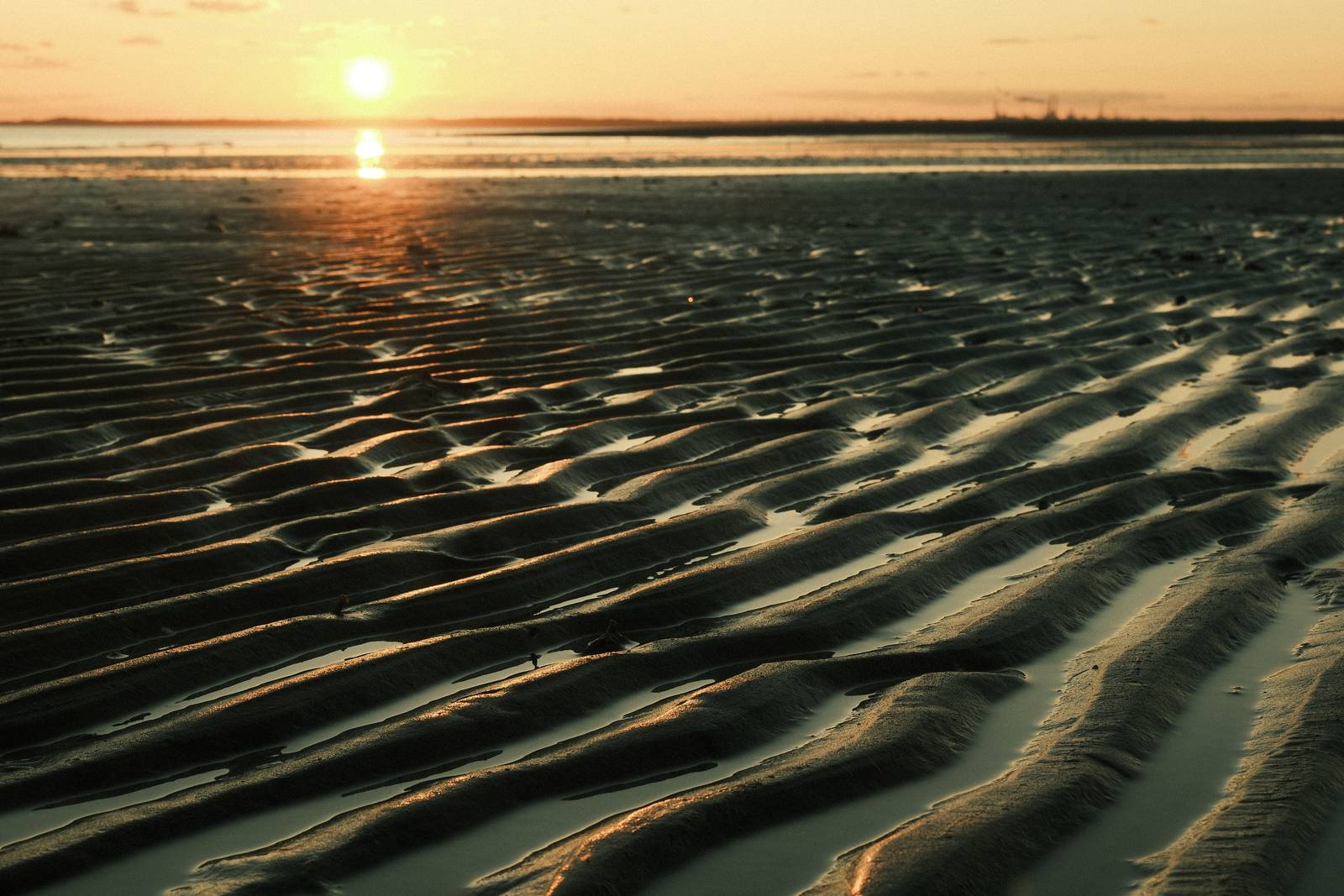
    Ripples in the sand at sunset, with the tones of the Umbrella film recipe
    An analog look in gloomy weather – the Umbrella film recipe
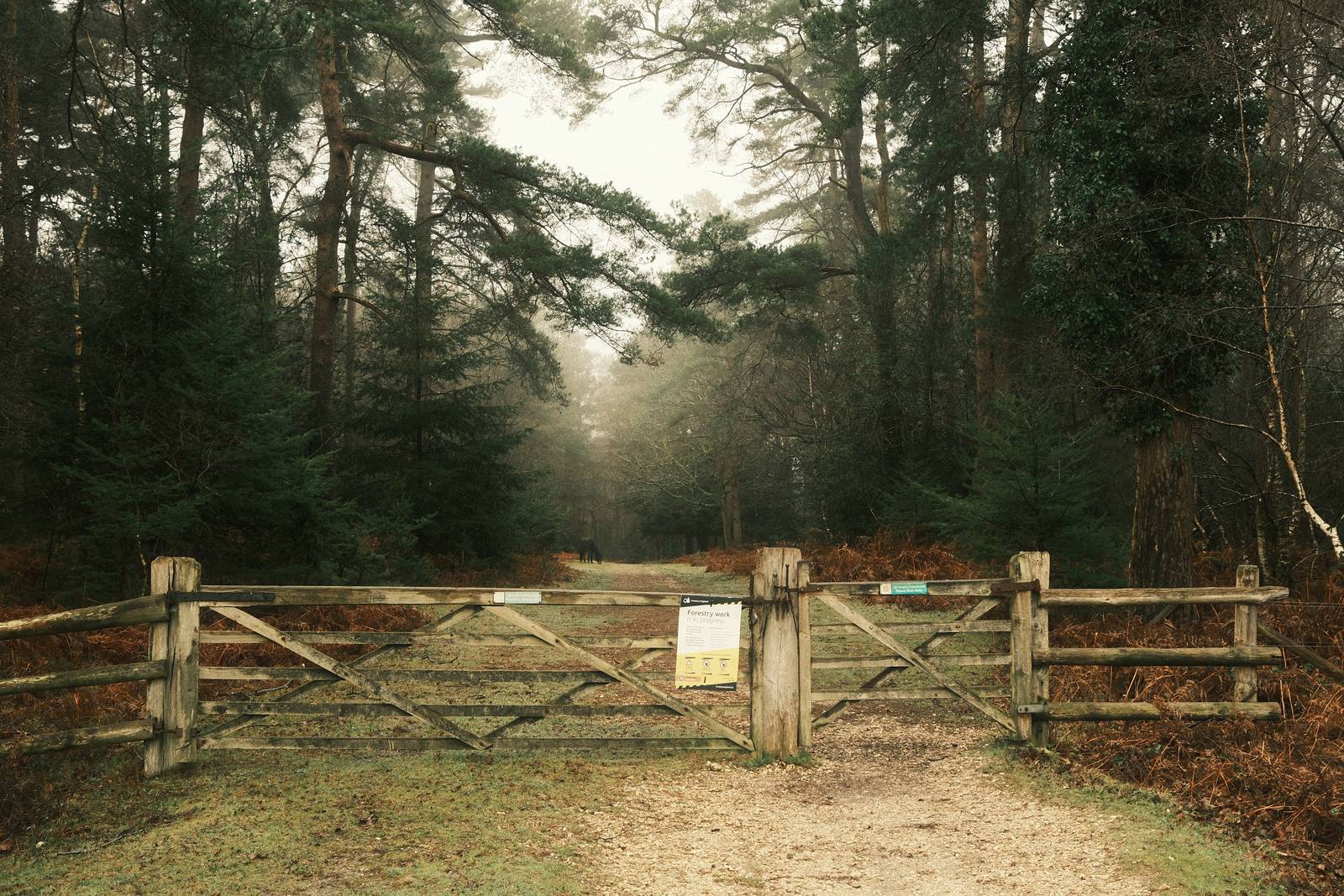
    The entrance to the forest trail. Umbrella film recipe
    Moods and feels. With the Umbrella film recipe, bad weather is now great weather for photos!

  • Brownout, Golden Brown in Golden Hour

    Brownout, Golden Brown in Golden Hour

    A strongly toned brown look film recipe to give a deep and rich warmth with a nostalgic vibe

    When I take photographs, I enjoy thinking about the mood and feel of the light and look to use film recipes to magnify this. So, if the light is soft, I use a soft look film recipe. If there is a dominant tone to a scene, I will often use a recipe that works with that, whether it’s green tones, blue tones or the cream tones of golden hour.

    In this film recipe, I wanted to work with two elements; the winter tones of the trees and leaves at this time of year, and the golden light that you can enjoy in the extended winter golden hour that those of us living at northern latitudes experience in Winter. This recipe goes all out for brown, orange and golden tones, and works well in these conditions.

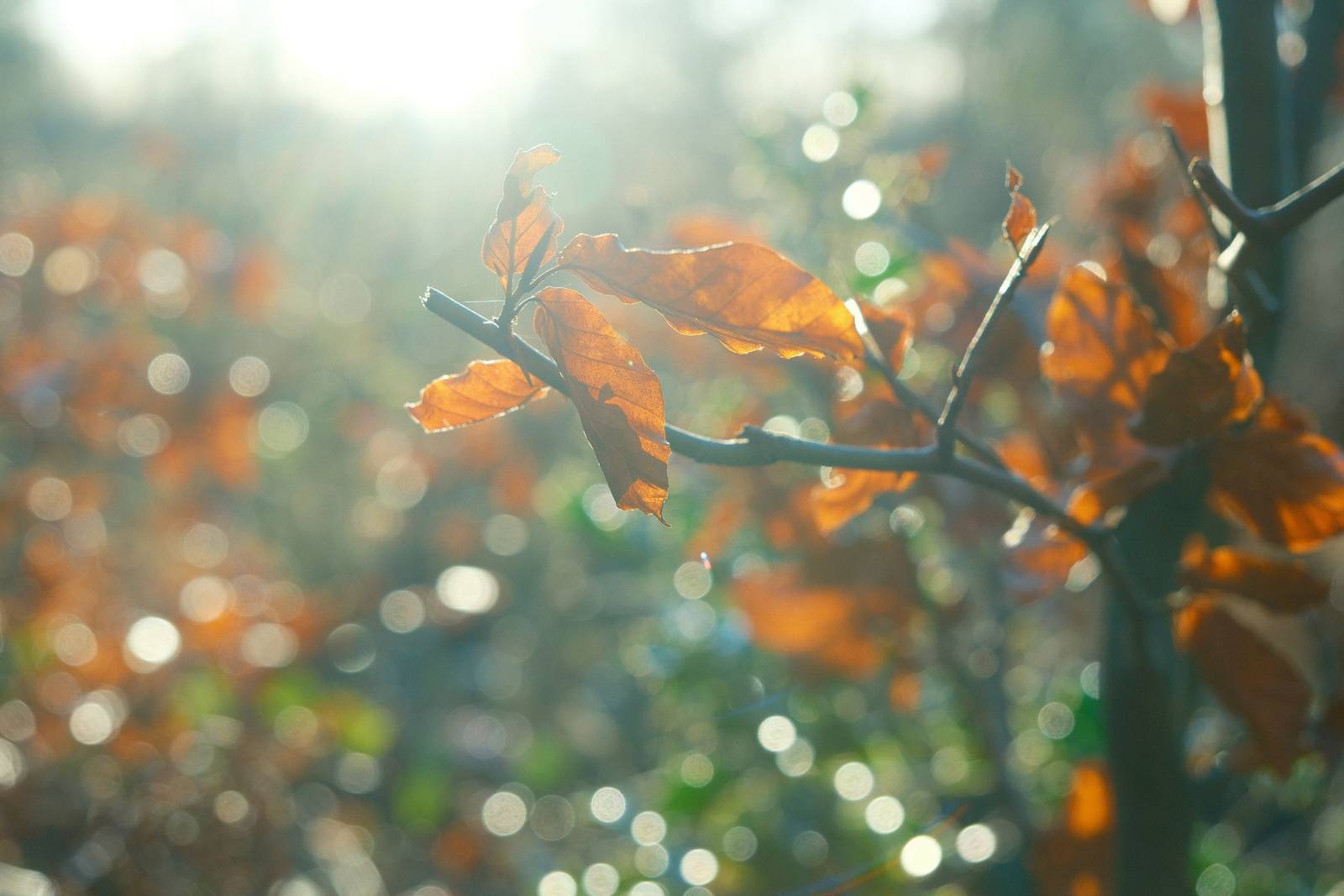
    My preference to maximise the impact is to shoot towards the sunlight, giving strong dark shadows and golden lens flare effects. Finding leaves backlit by the sun, or interesting shapes to silhouette can be great fun with this recipe.

    Golden browns are maximised, especially in the golden hour, with the Brownout film recipe

    Brownout Film Recipe

    • Simulation: Classic Chrome
    • Grain Effect: Off
    • Colour Chrome Effect: Weak
    • Colour Chrome Blue: Strong (IV) / Weak (V)
    • White Balance: Auto
    • WB Shift: +6 Red, -6 Blue
    • Dynamic Range: DR200
    • Highlights: +2.0
    • Shadows: +2.0
    • Color: -4
    • Sharpness: -2
    • ISO Noise Reduction: -4
    • Clarity: -2
    • EV compensation: -1/3

    This recipe uses Classic Chrome, a simulation that has additional contrast and reduced saturation built in. If you wanted an even richer colour, you could switch to Provia, and for further muting, go to Eterna Bleach Bypass. For that second option, change the Shadow setting to -1.

    Some similar recipes to review are: Yakisugi, Gilt Trip, Brontosaurus and Gold Leaf. Each works well with golden hour light and produces a creamy or golden look.

    At the beginning or end of the day, Brownout film recipe is a great choice for golden tones.
    Capturing golden hour light at the marina, using the Brownout film recipe
    Using the last moments of the winter sun, with the Brownout film recipe
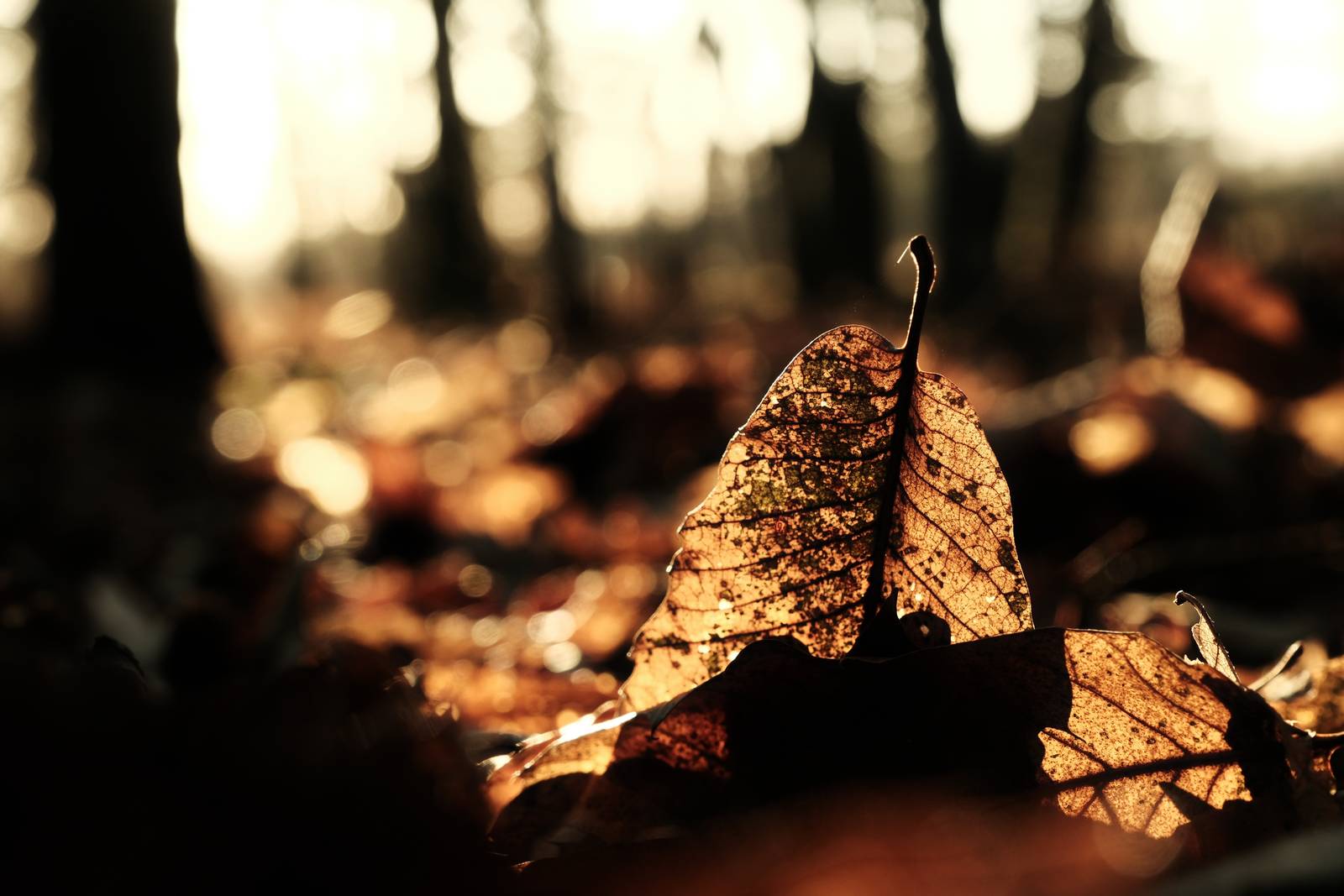
    Fallen leaves become golden highlights on the forest floor. Brownout film recipe
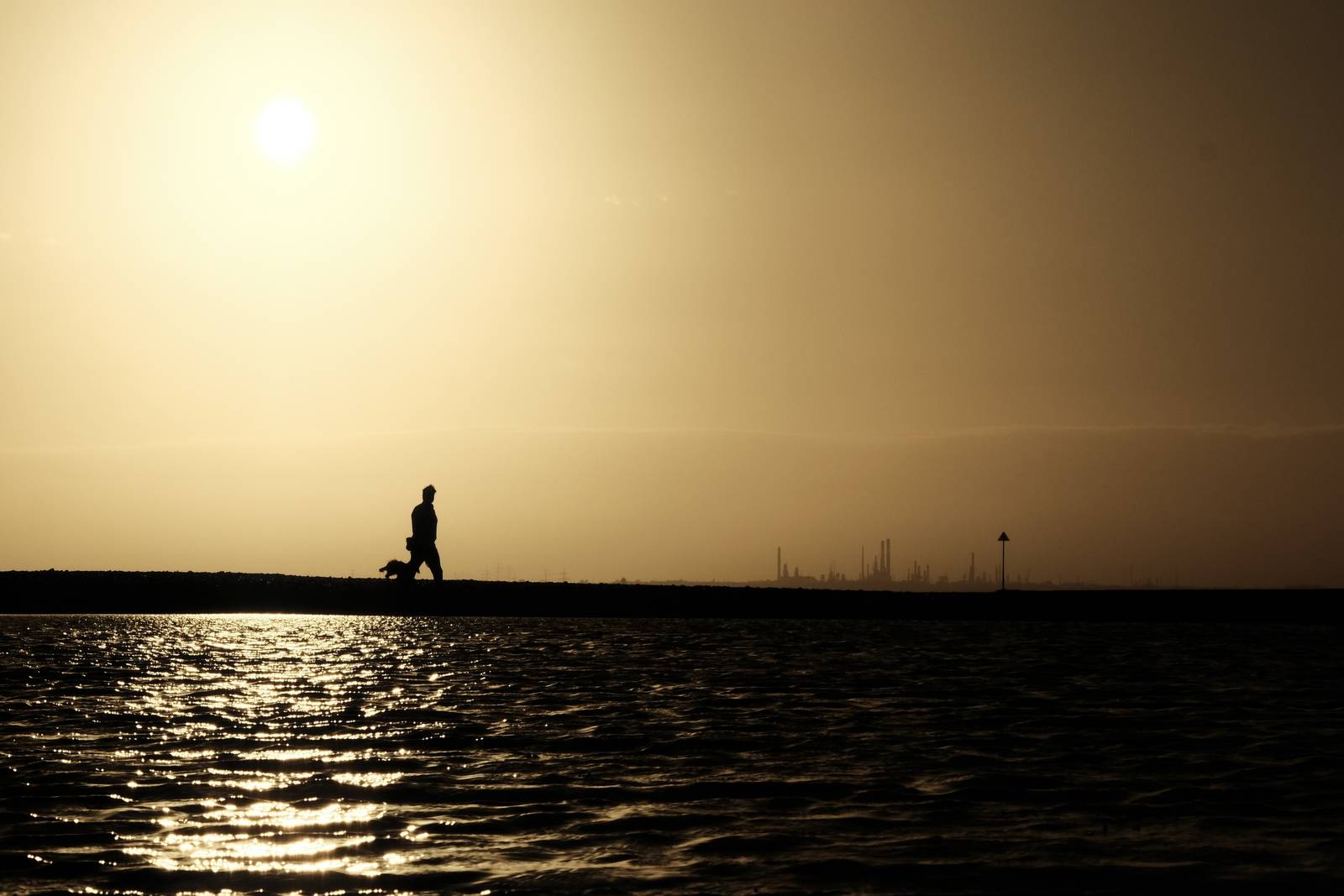
    A dog walk along the gravel spit exposed at low tide. Golden tones from the Brownout film recipe
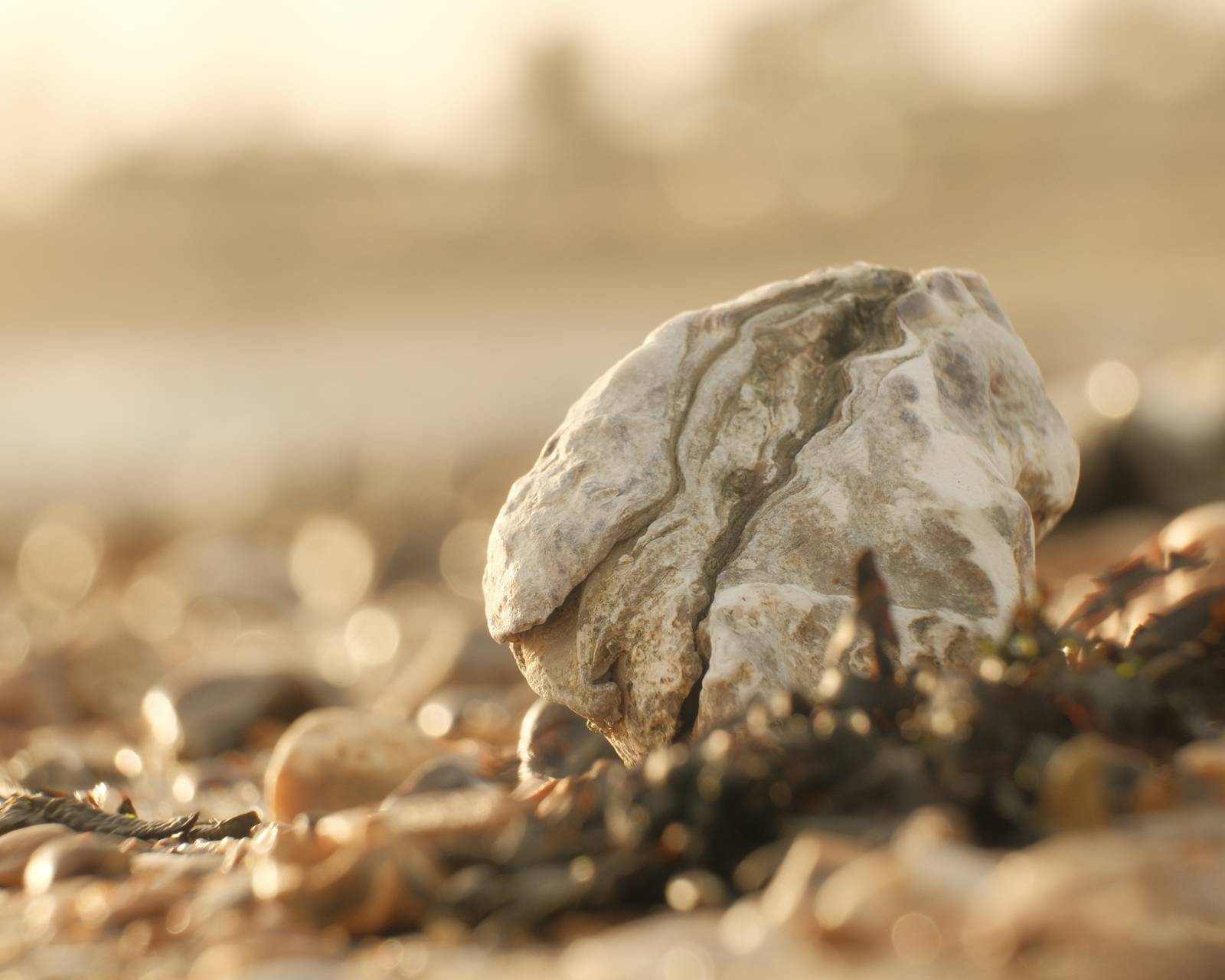
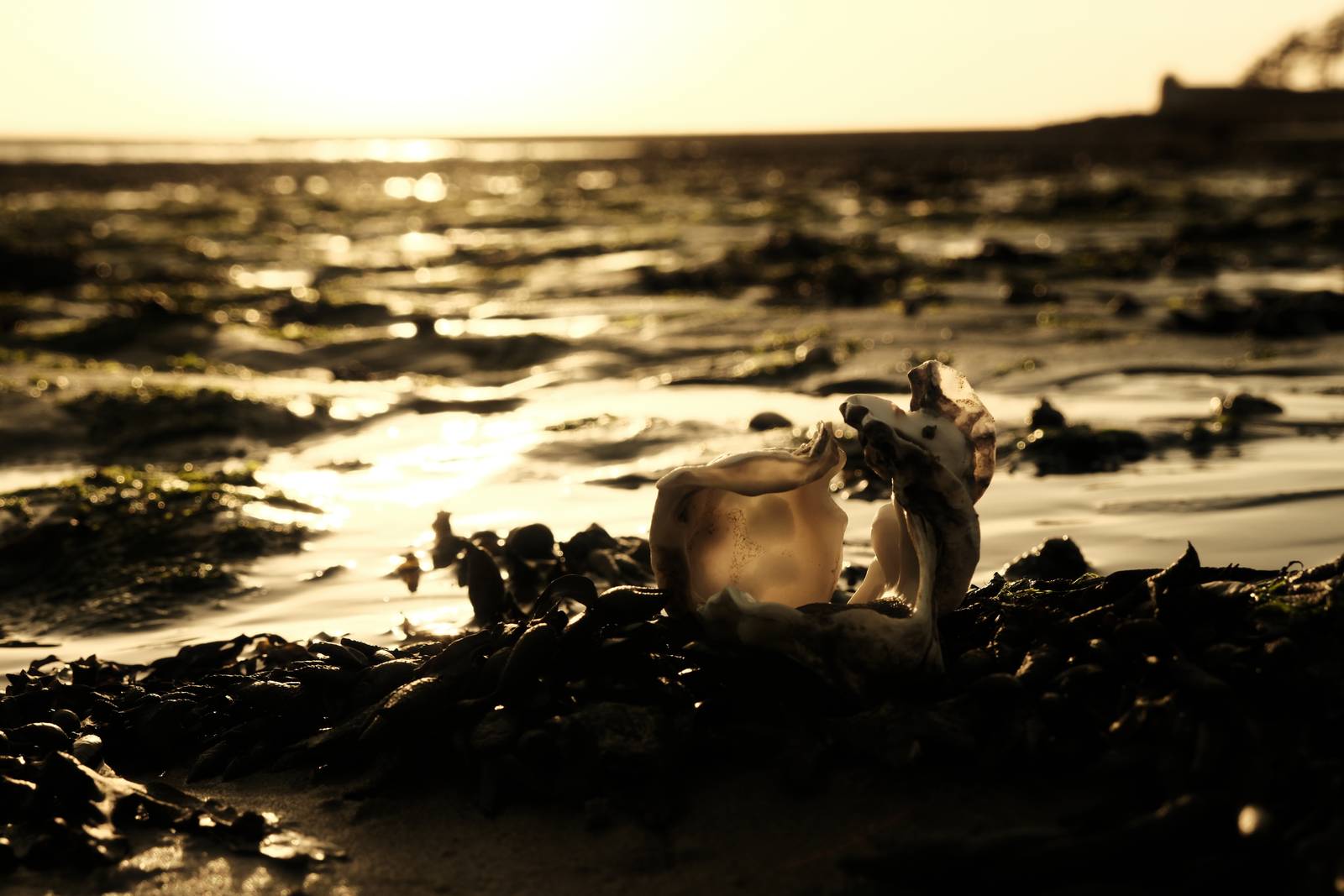
    Finding seashells on the beach, with the Brownout film recipe
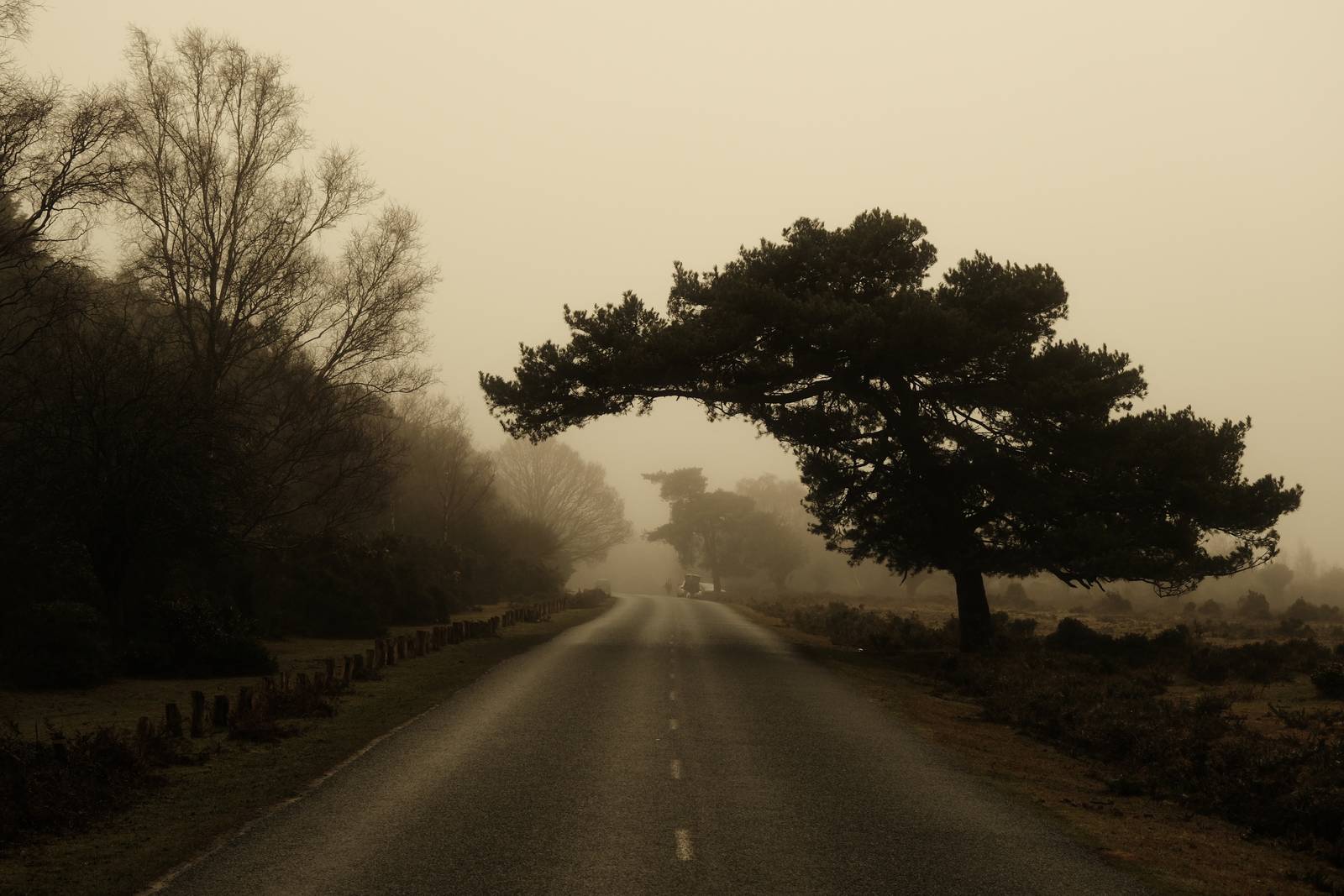
    It’s a misty morning on the country road. Brownout film recipe
    Misty morning scenes with golden tones from the Brownout film recipe
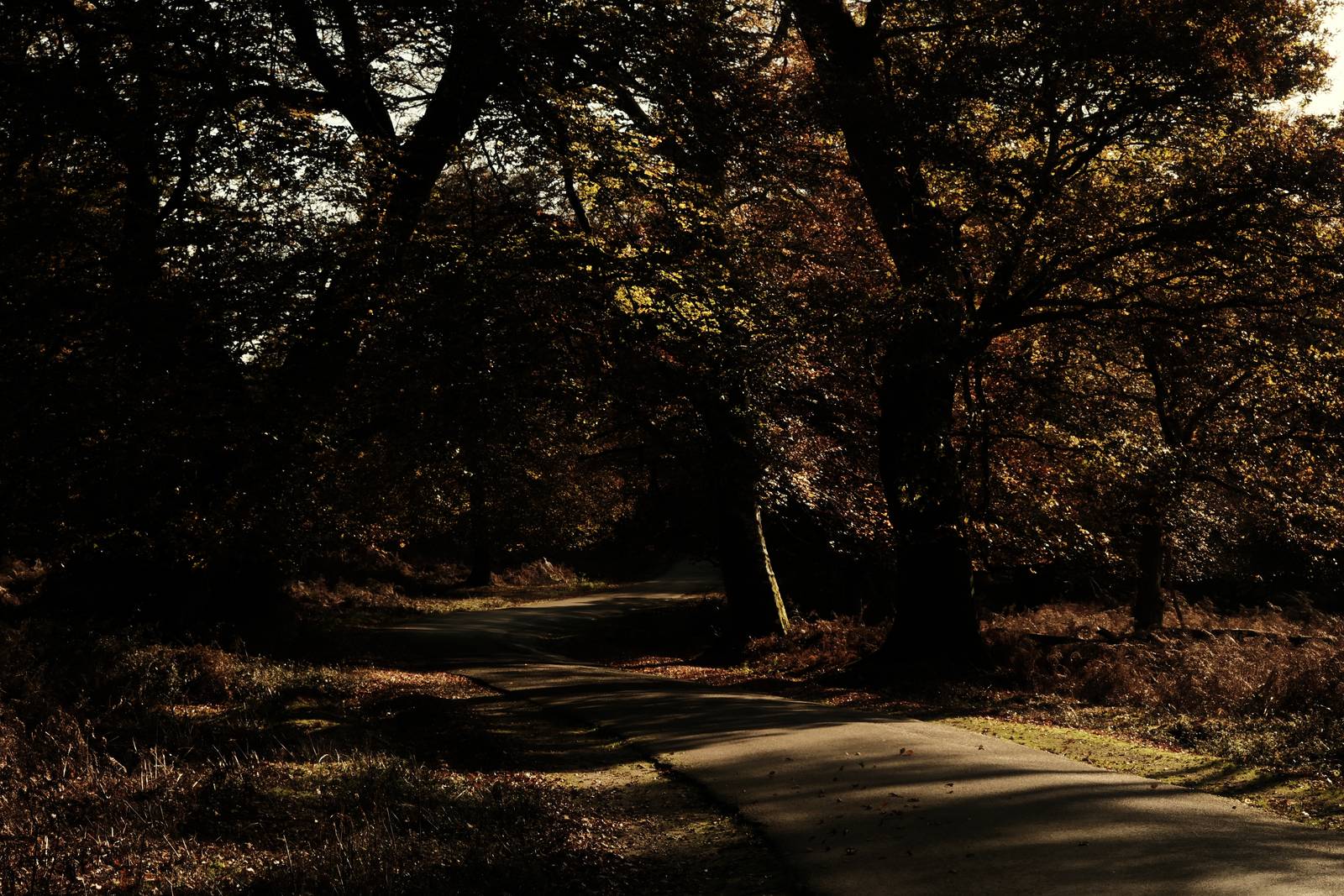
    Deep tones and dark shadows, on the forest road with the Brownout film recipe
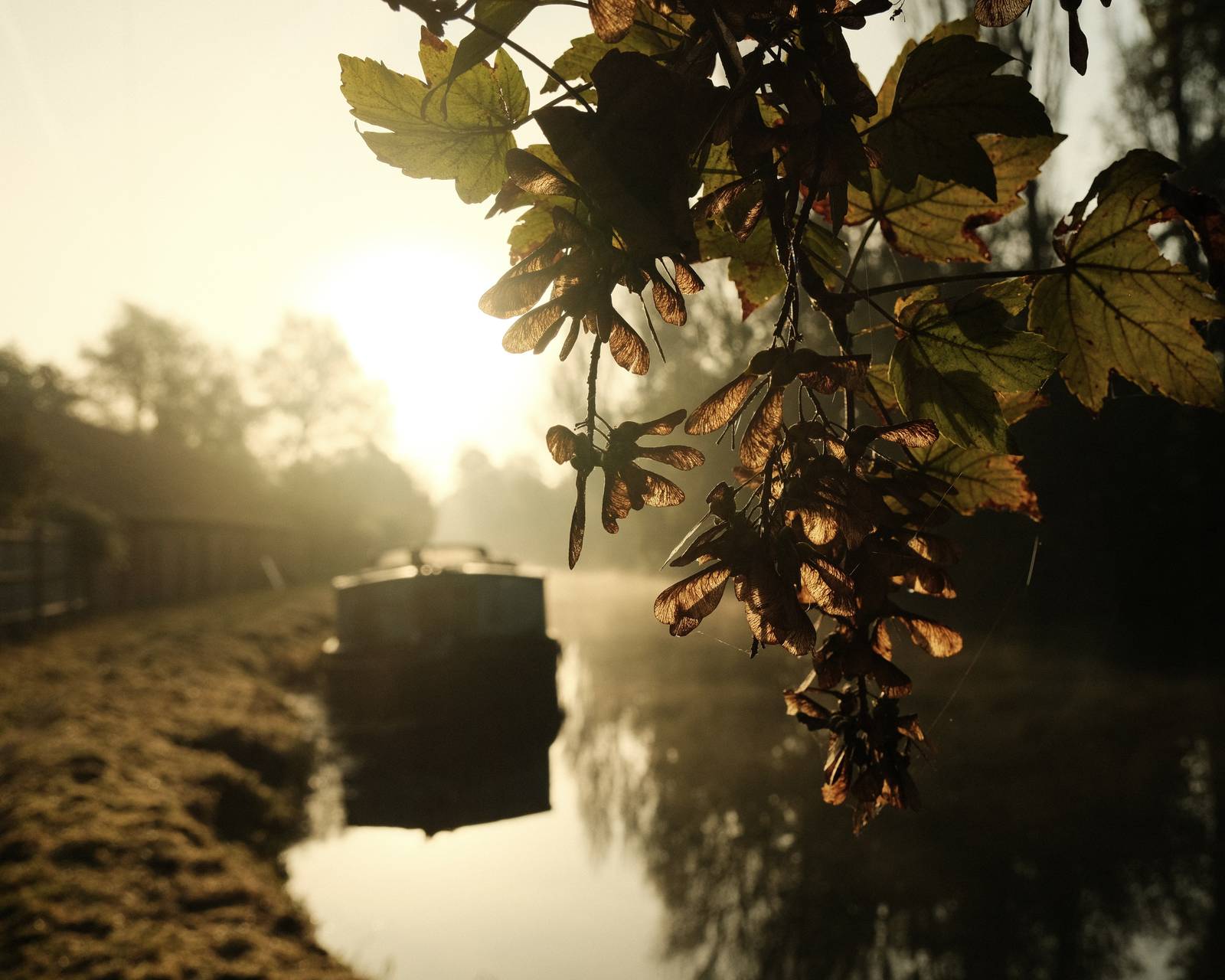
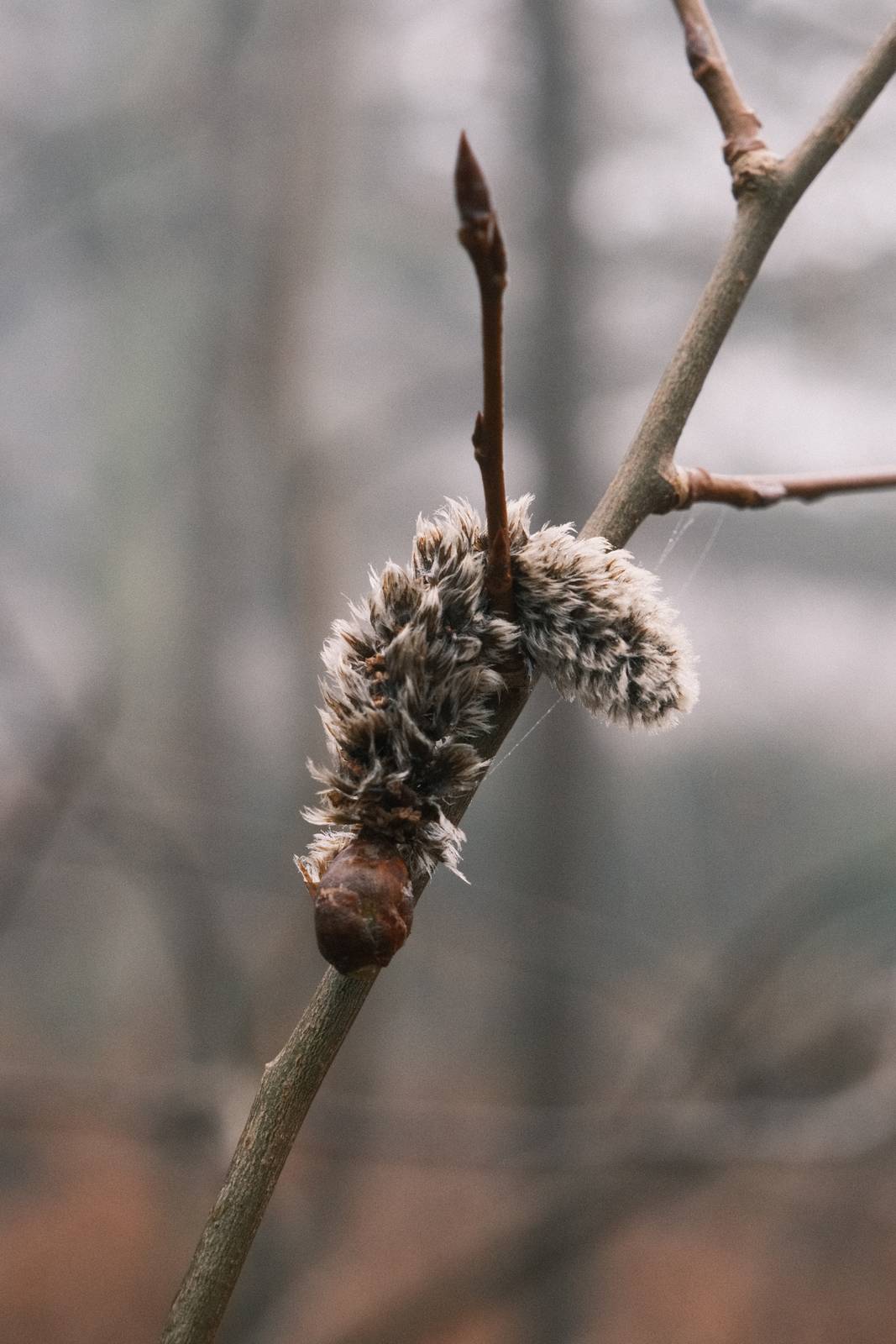
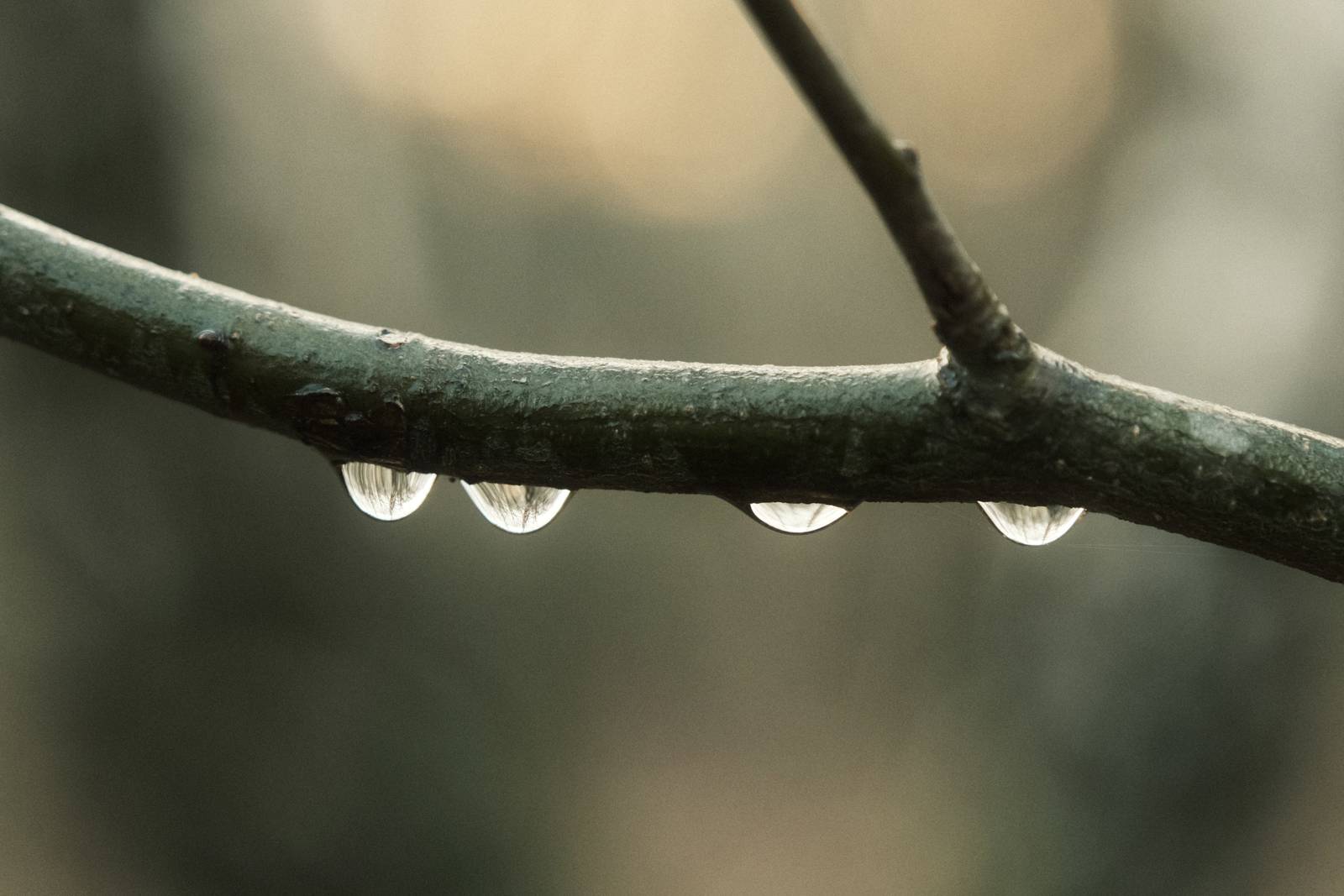
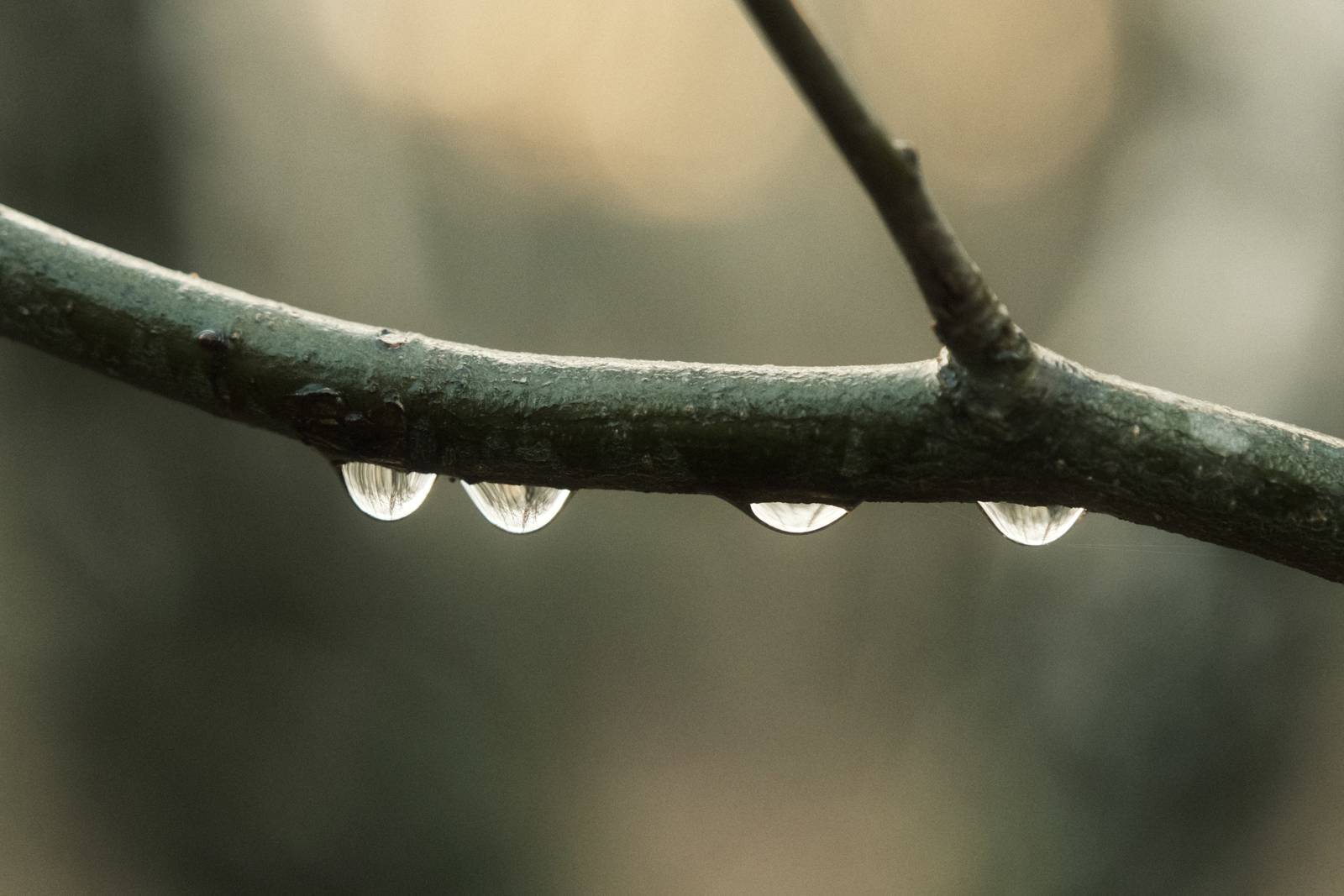
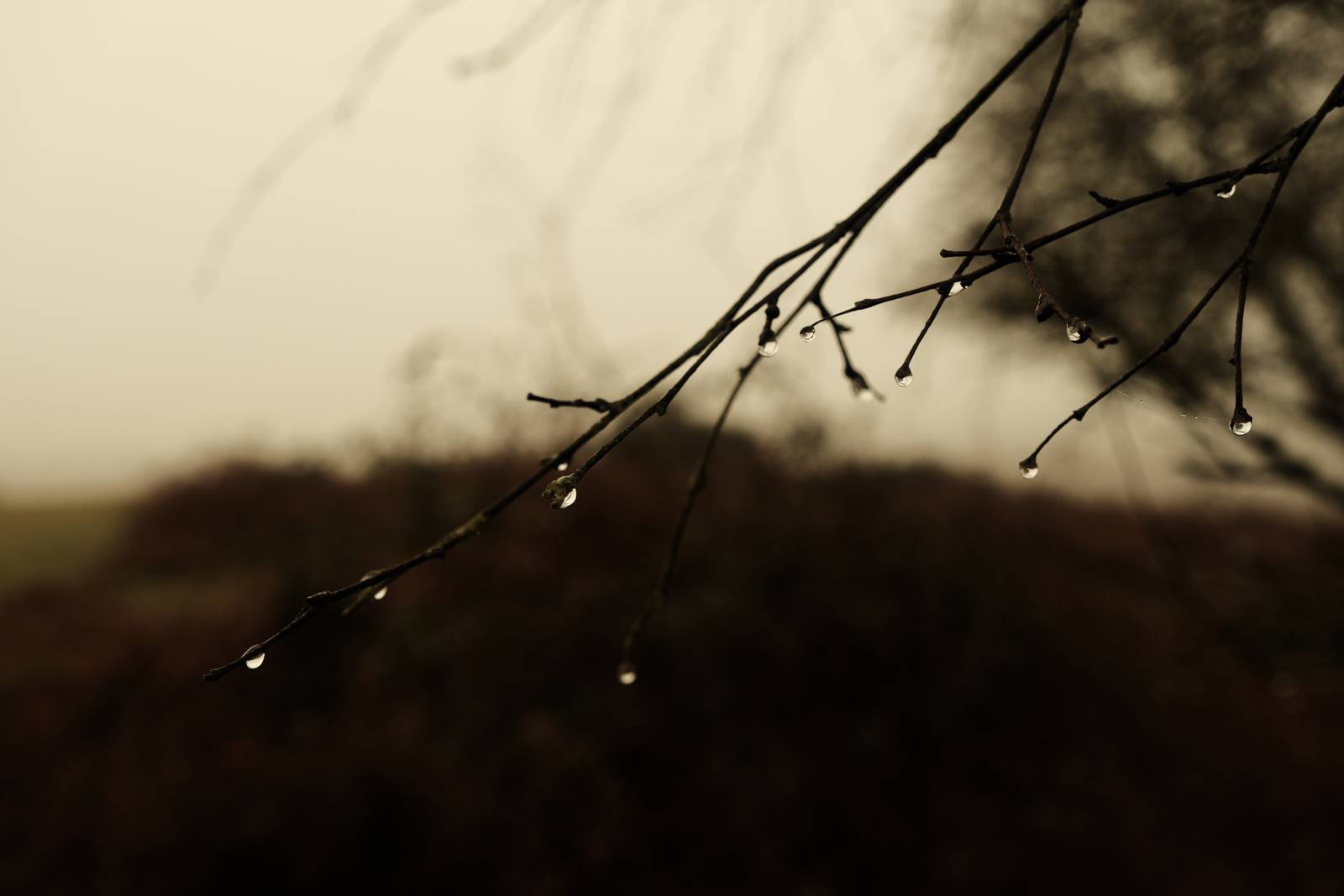
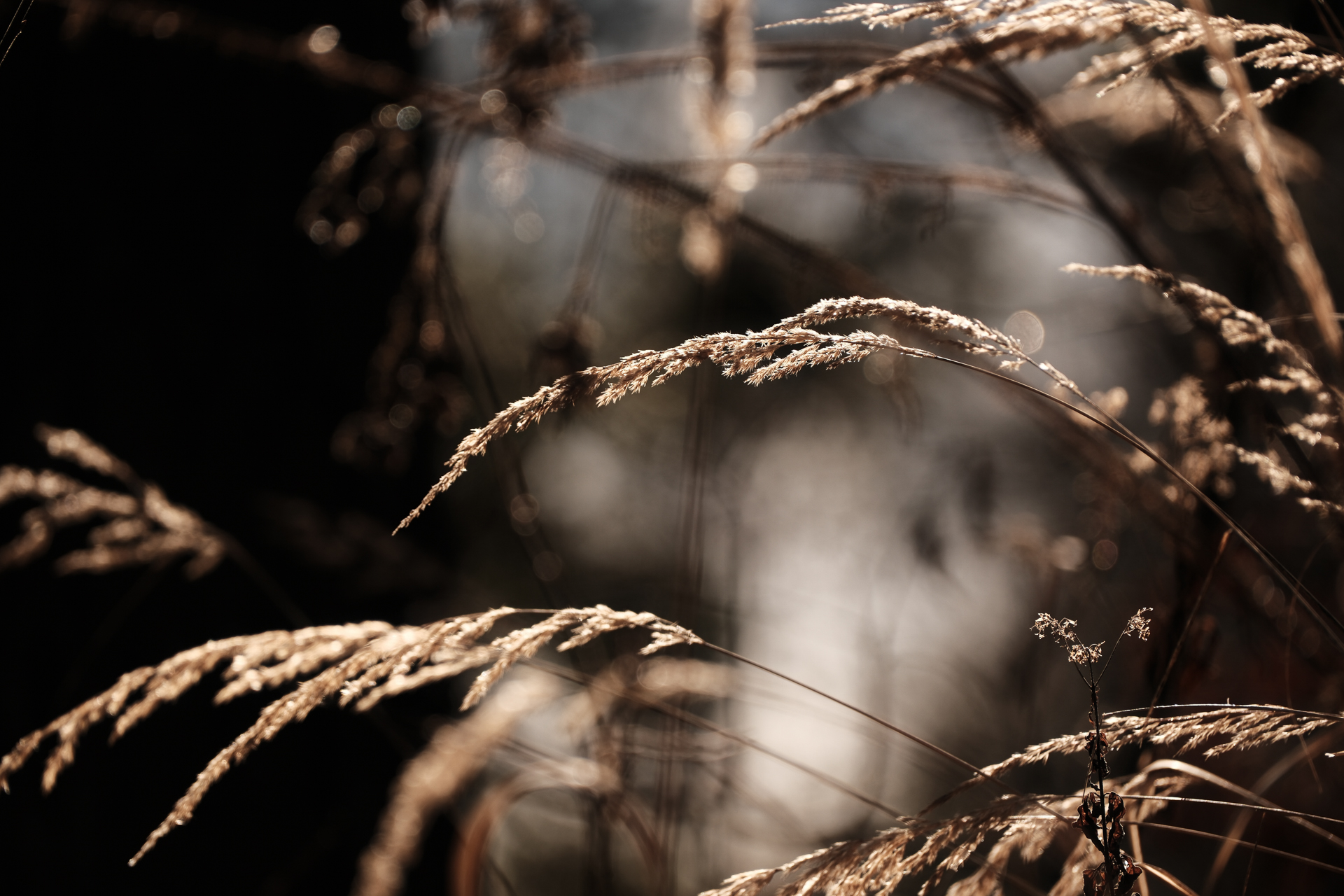
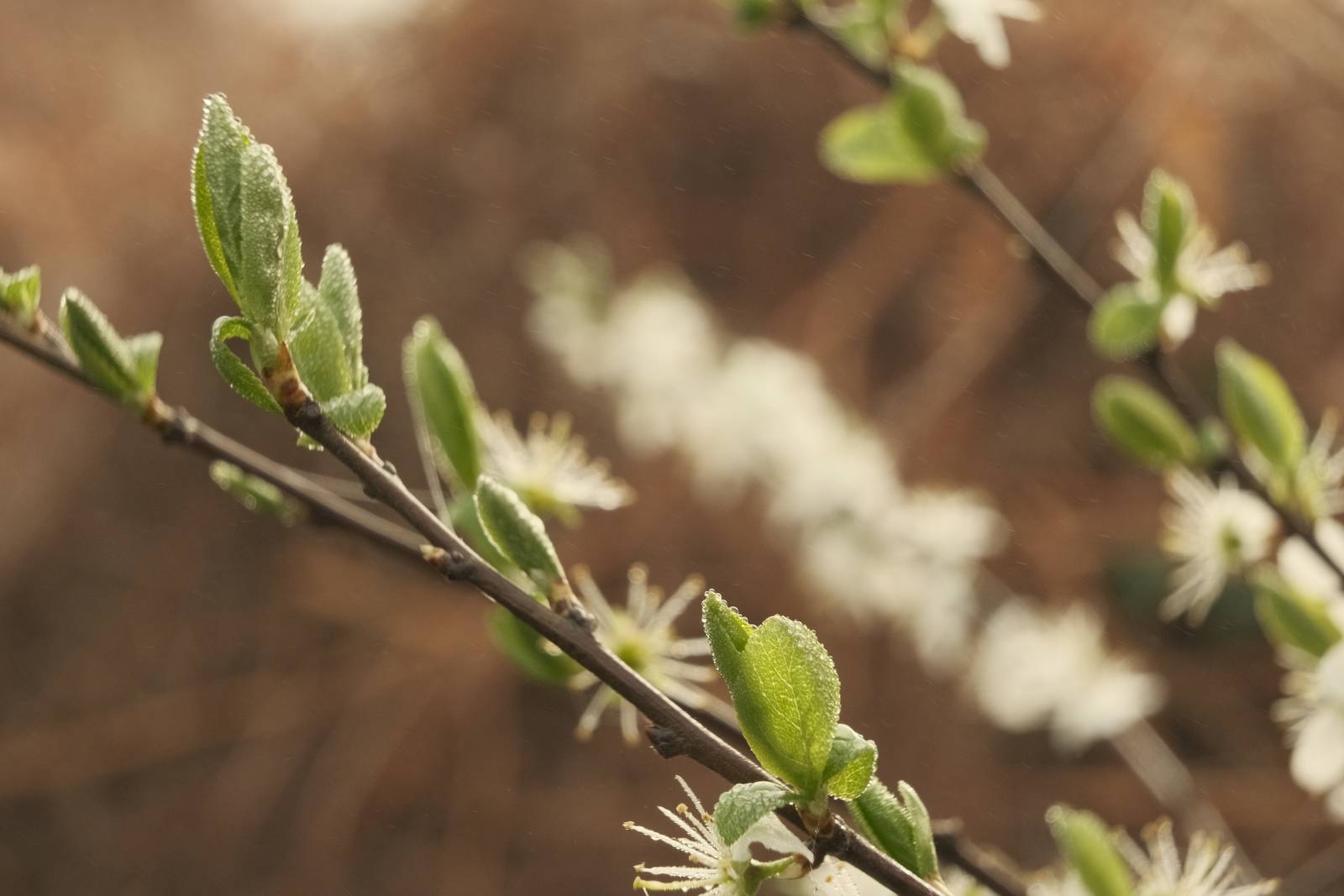
    Dew drops on the end of branches, using the Brownout film recipe
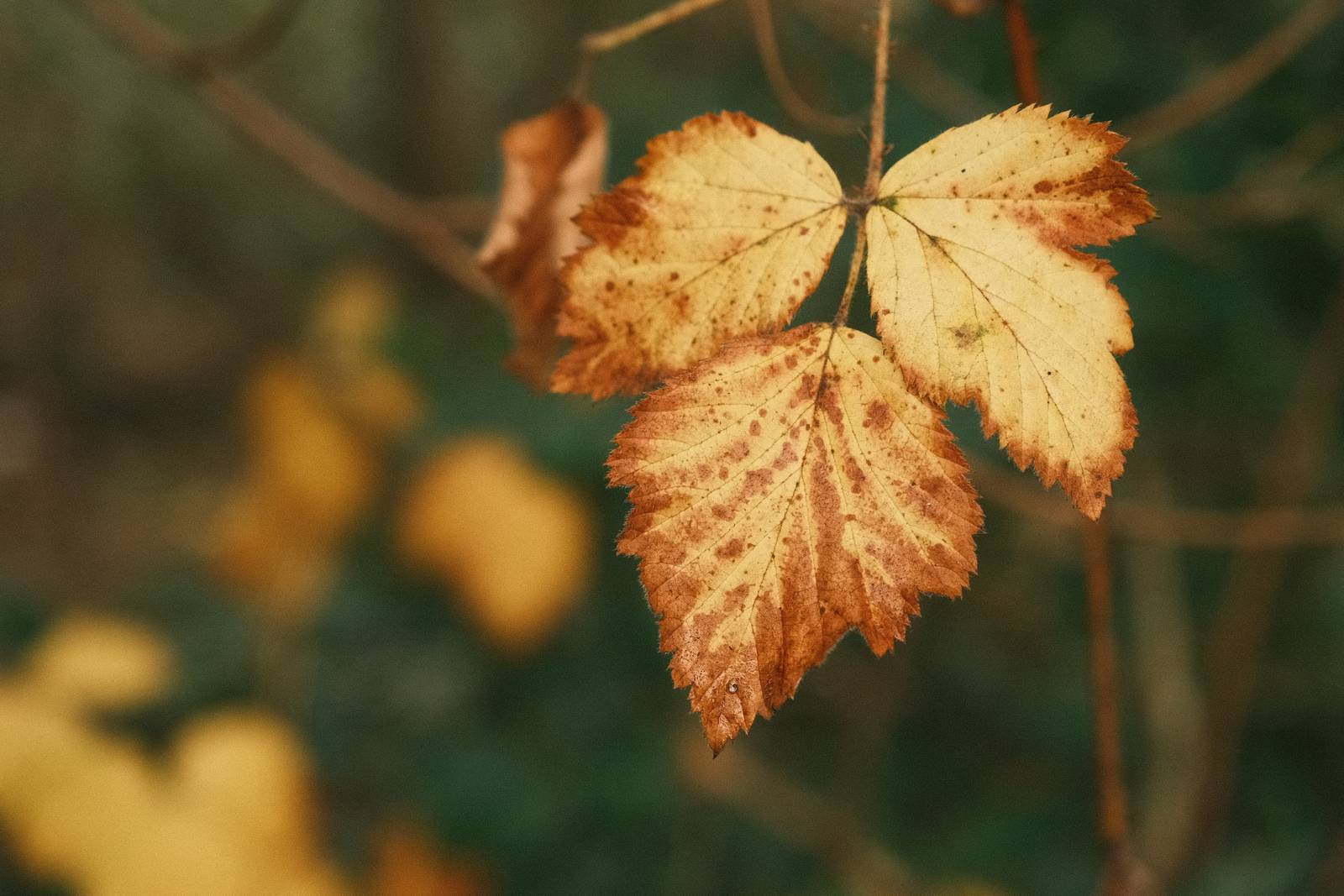
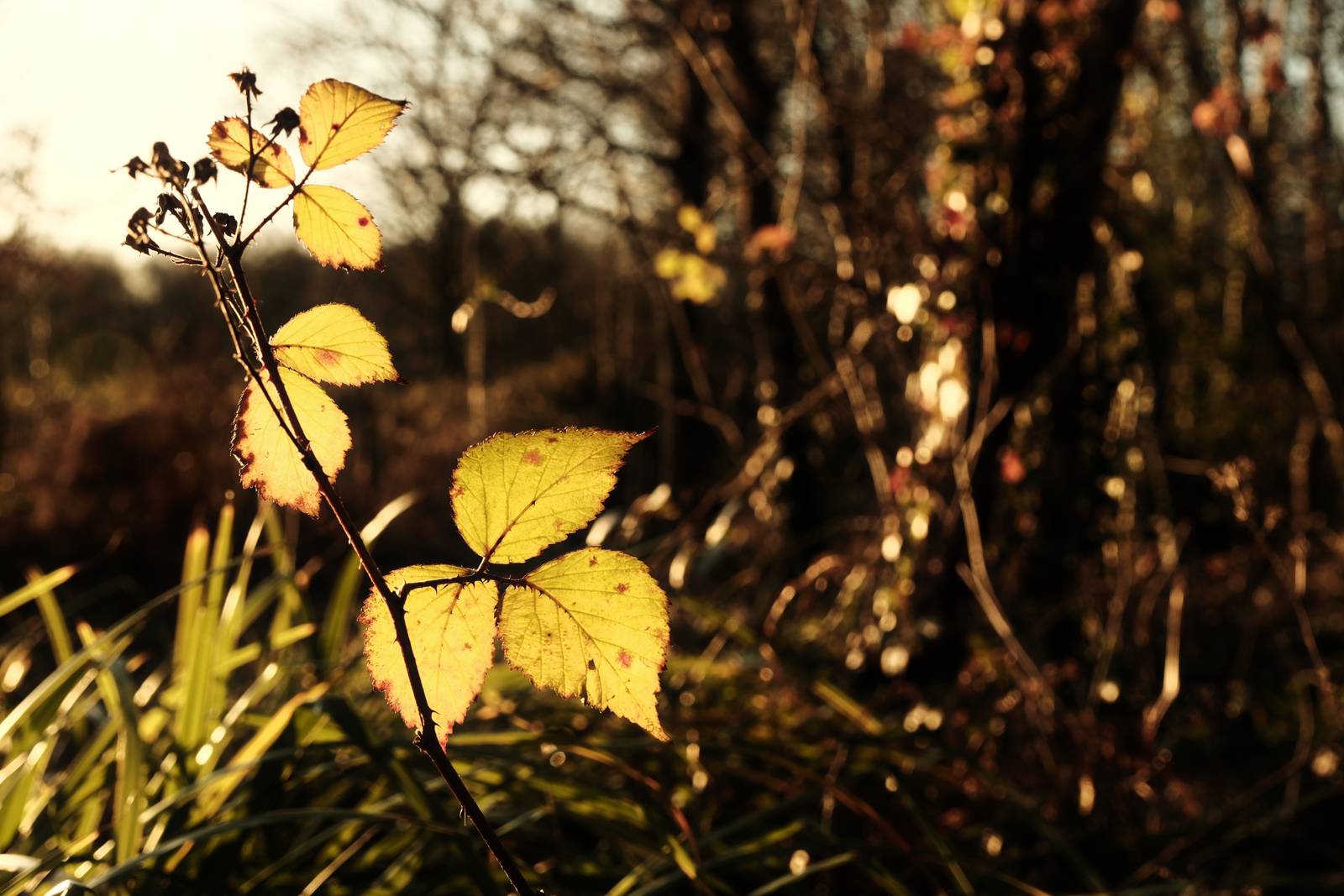
    Last to lose their leaves, the brambles are golden in the sunlight with Brownout film recipe
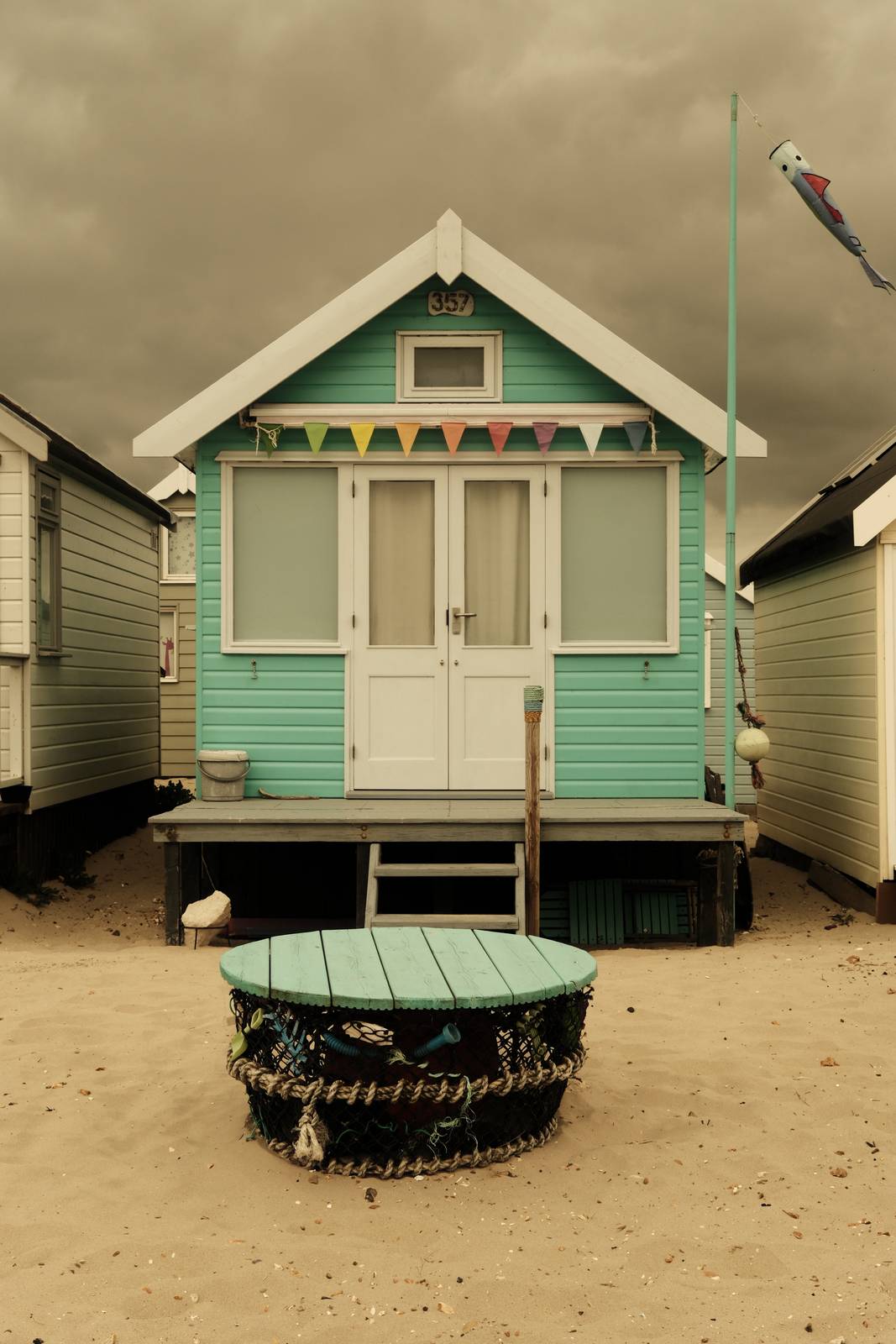
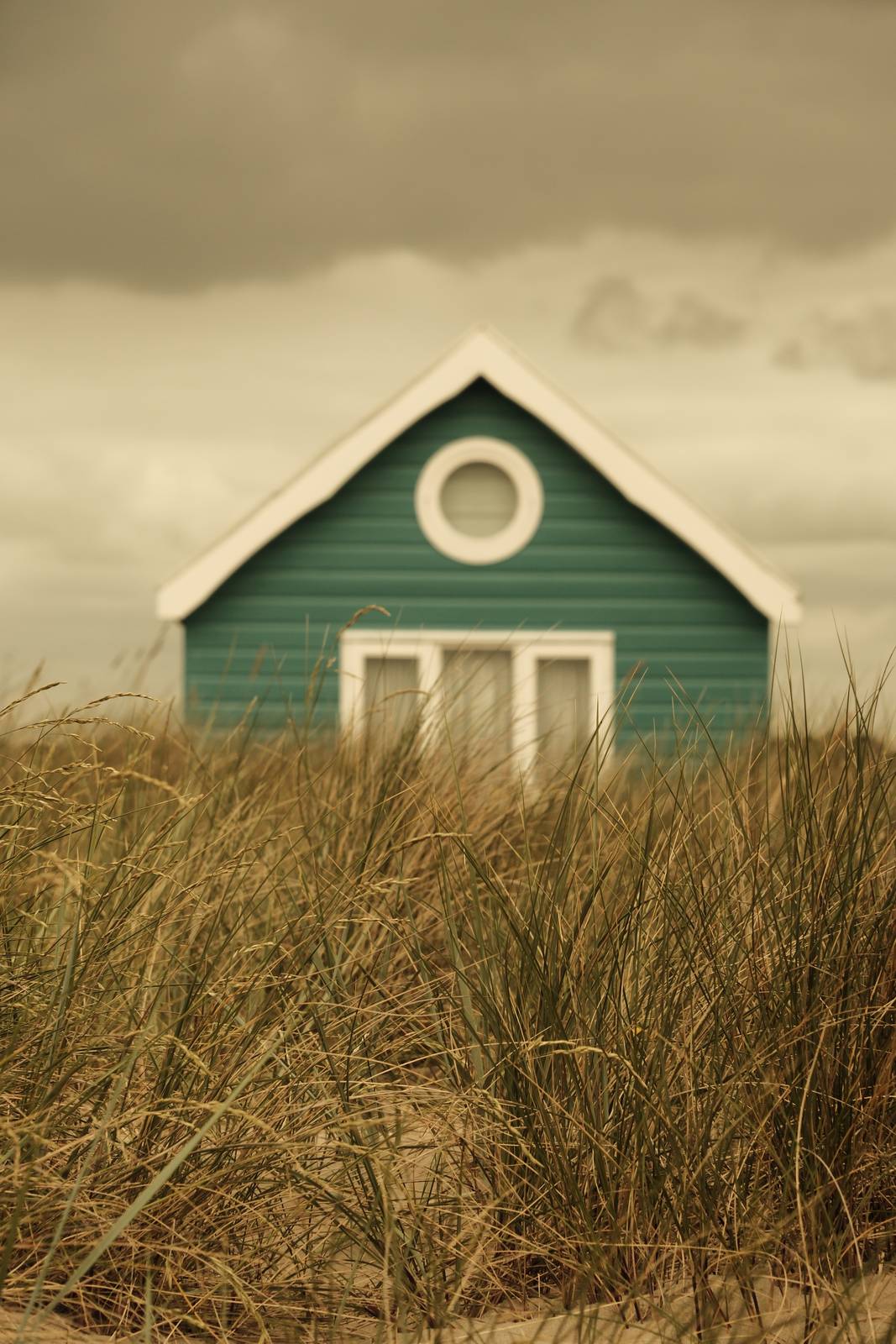
    Gloomy weather and beach huts along the shore. Brownout film recipe
    A film recipe for the golden hour … Brownout film recipe
  • Eastman Color, Early Kodak 35mm Film

    Eastman Color, Early Kodak 35mm Film

    Kodak Color Film inspired film simulation recipe, based on Classic Chrome

    The color prints that you see from early Kodak color film have a distinctive nostalgic quality that places them in their era. I love the aesthetic of these early photos, and hope that one day we will get a new film simulation that takes us back to these inspiring adventerous times.

    In prints from this time, you often see strong blues in particular, with vivid blue eyes, bold skies and a general striking richness. Things didn’t look perfectly natural, but instead had a unique vibe that was possibly futuristic at the time, but nowadays is much more retro and charming.

    In this film simulation recipe, I have tried to bring as much of this look as I can to a Classic Chrome set-up. It’s by no means a complete match, but I have very much enjoyed creating it, and testing it out on a variety of subjects. True to the plan, blues are vivid and striking, and the nostalgic feel is there, with an aged rendering of other colours. This means that it is better suited to more colourful scenes and might be fun when the subject is also from the 50s, 60s or 70s.

    Go wild with the blues, using the Eastman Color film recipe

    Eastman Color Film Recipe

    • Simulation: Classic Chrome
    • Grain Effect: Weak, Small
    • Colour Chrome Effect: Off
    • Colour Chrome Blue: Off (IV) / Off (V)
    • White Balance: Fluorescent 3
    • WB Shift: -5 Red, -7 Blue
    • Dynamic Range: DR100
    • Highlights: +1.0
    • Shadows: -1.0
    • Color: 0
    • Sharpness: 0
    • ISO Noise Reduction: -4
    • Clarity: -3
    • EV compensation: 0
    A great companion on Autumn walks, Eastman Color film recipe
    Cool tones and silhouettes after sunset, with the Eastman Color film recipe
    A calm and relaxing day at the mountain lake. Eastman Color film recipe
    A minimalist sunrise, with Eastman Color film recipe
    A 1960s feel to the colours, with the Eastman Color film recipe
    Summer scenes from an English hedgerow, using Eastman Color film recipe
    Looking across the bay. Captured in Mallorca with the Eastman Color film recipe
    The cool tone of Eastman Color film recipe shows during the golden hour
    Eastman Color film recipe is a great choice for capturing a mistly mood.
    Mushroom discoveries in the December forest, using Eastman Color film recipe
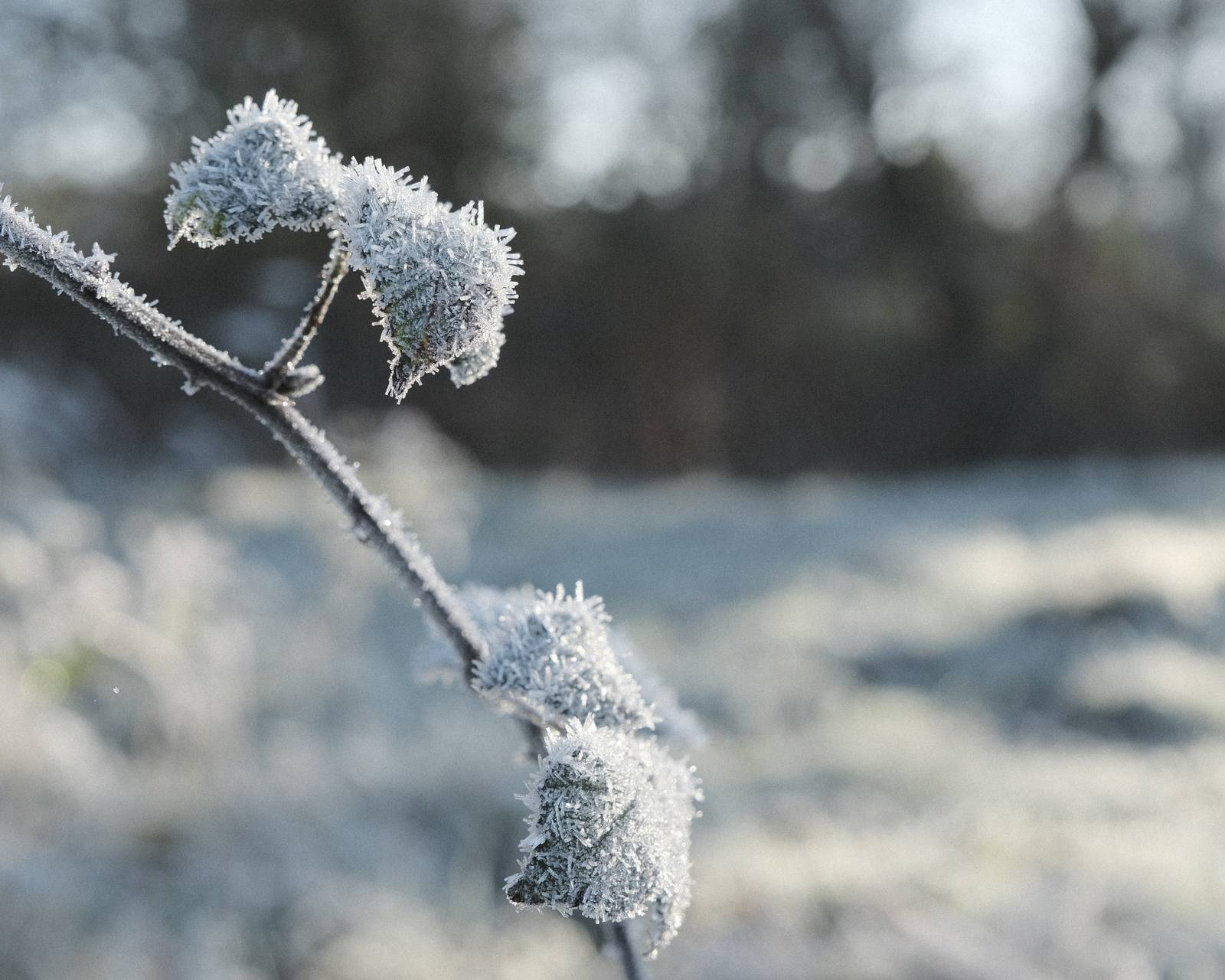
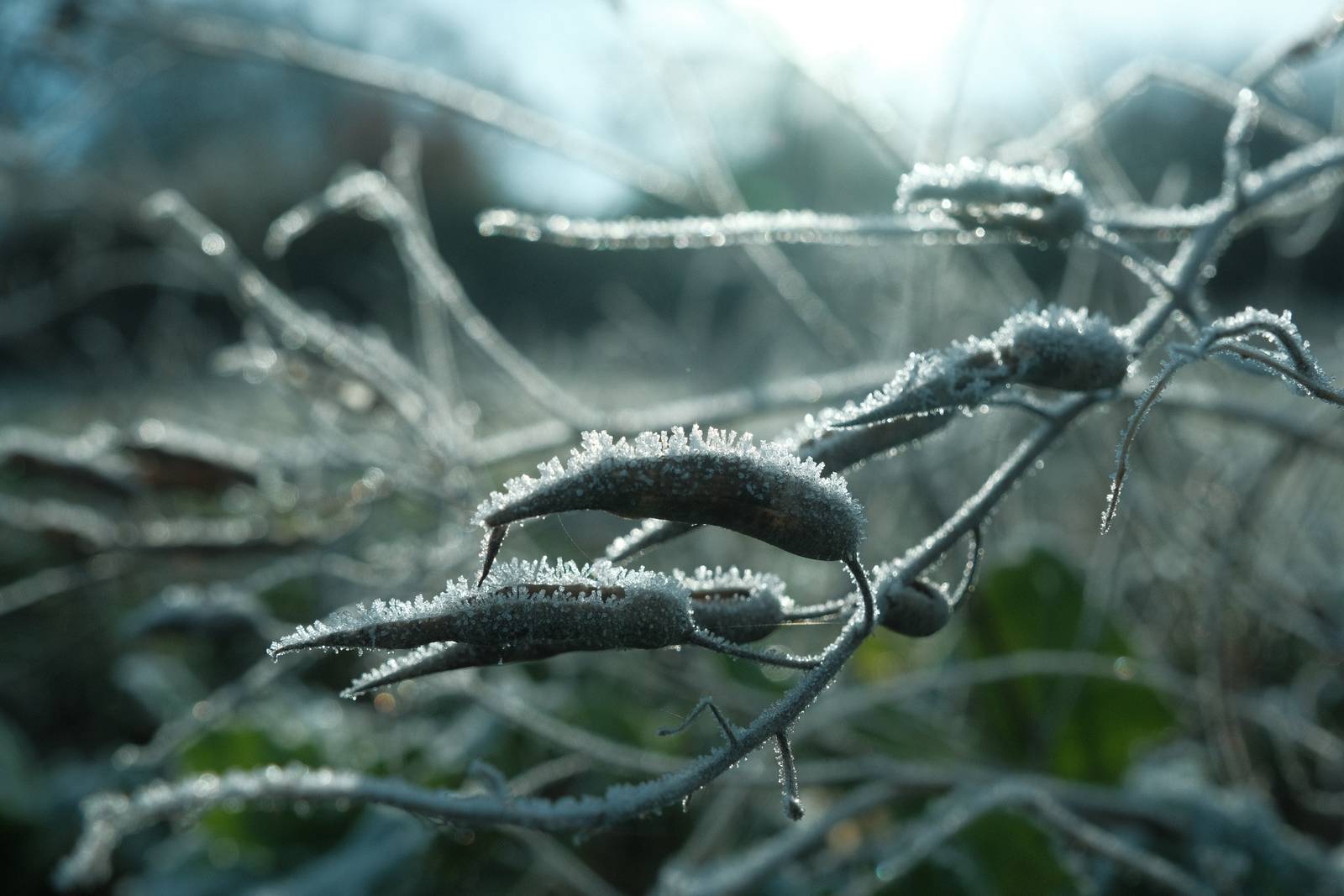
    Frosted seed pods on a January morning. Eastman Color film recipe
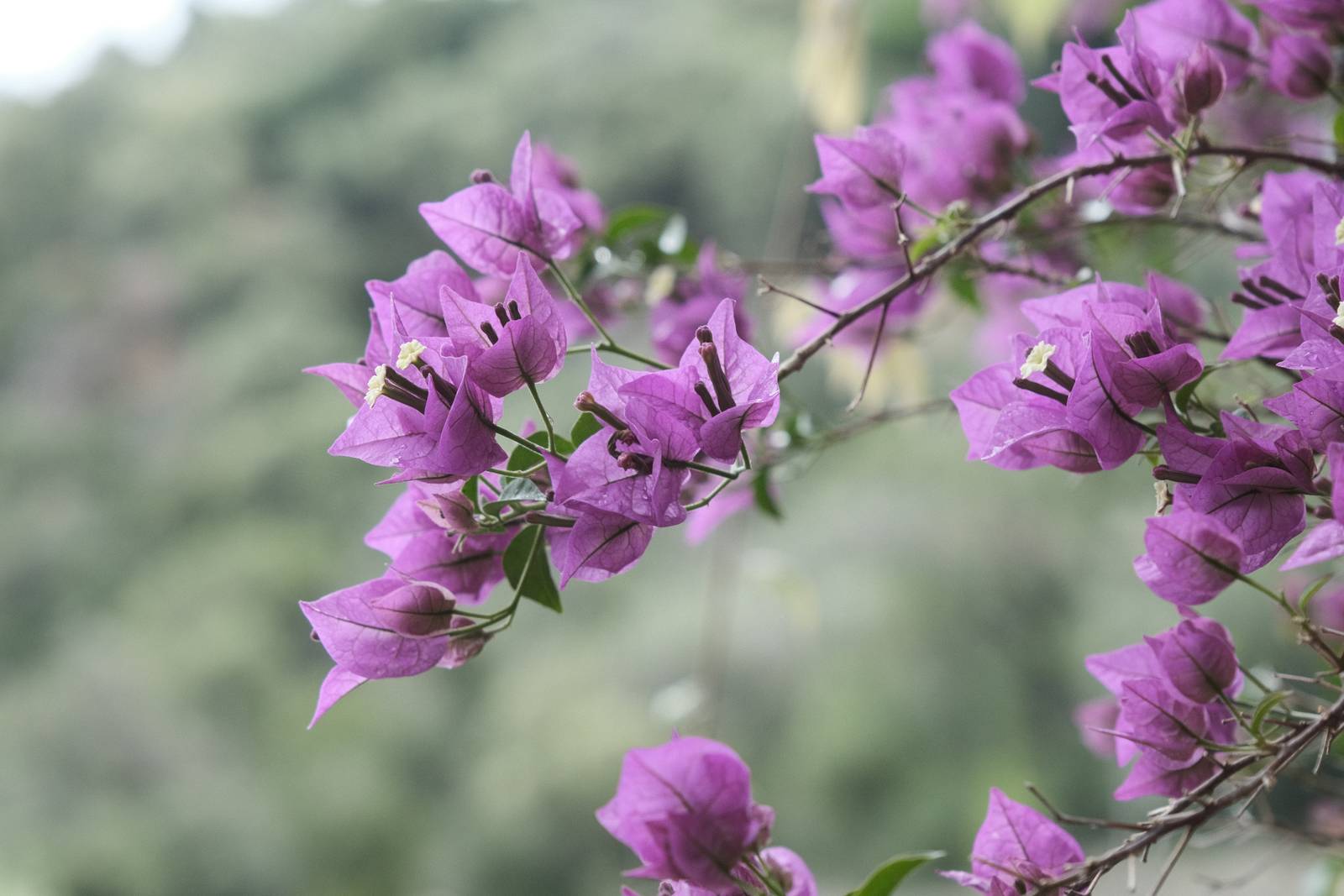
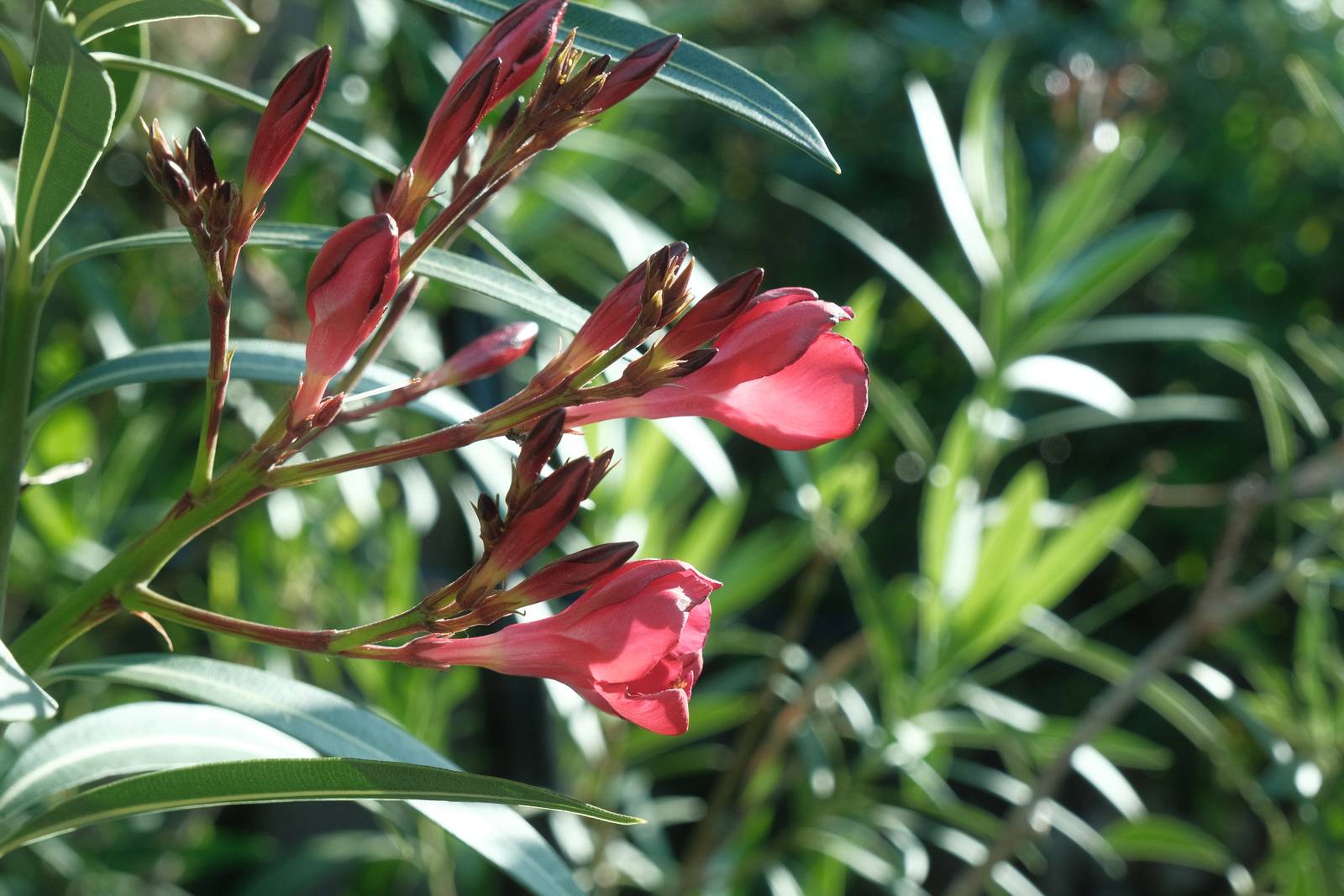
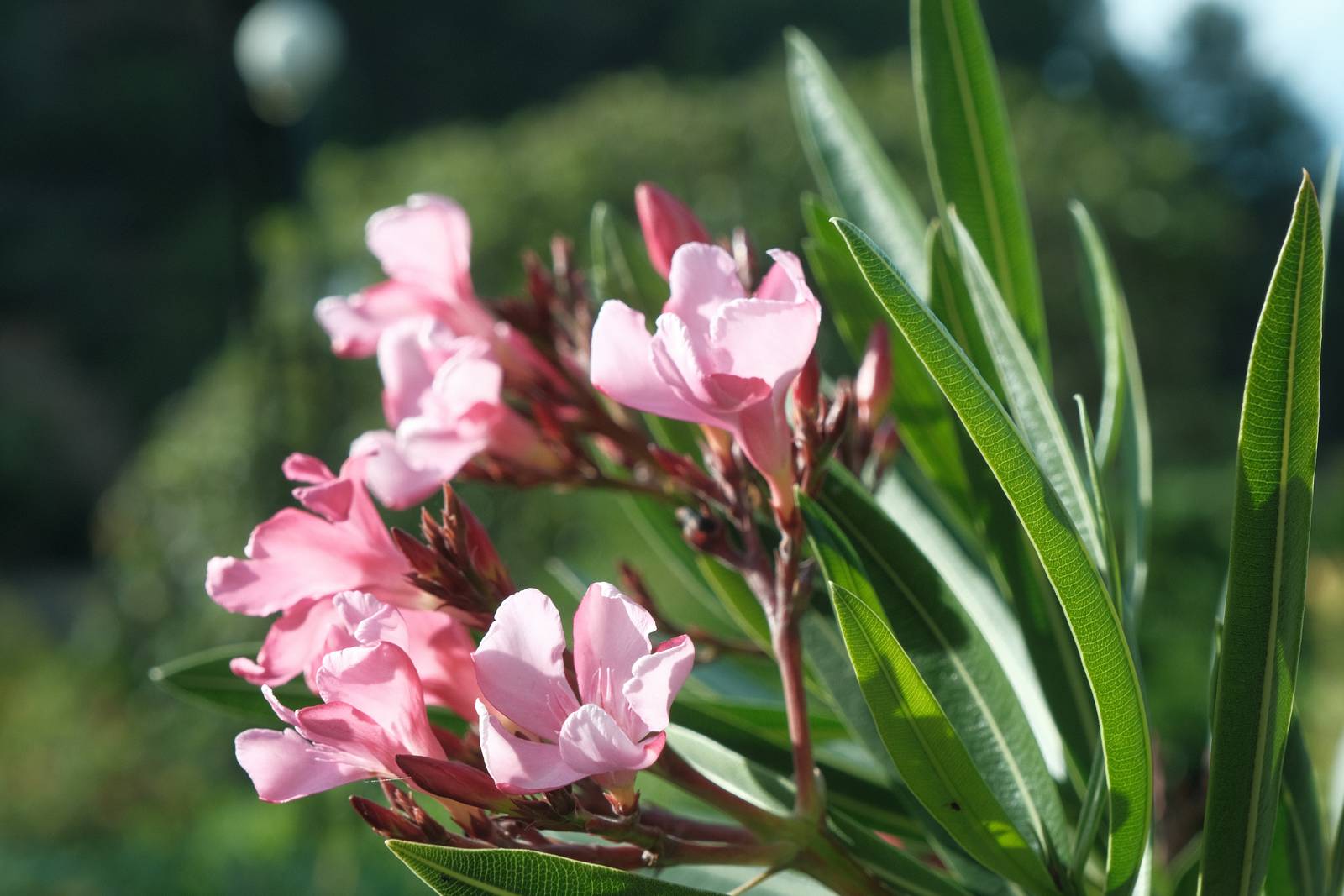
    Spring blooms in a Mallorca hotel garden, with the Eastman Color film recipe

    Film Recipes based on Early Color Film

    The early days of color film photography were an exciting period that opened up new possibilities for photographers. Here are a fwe film recipes inspired by the color films of yesteryear.

    If you have a favourite recipe that was inspired by old 35mm film, why not shre it in the comments below?

  • Birkenstock, Flat Tones for Photo Walks

    Birkenstock, Flat Tones for Photo Walks

    Nostalgic flat tones film recipe with a cinematic Fujifilm feel

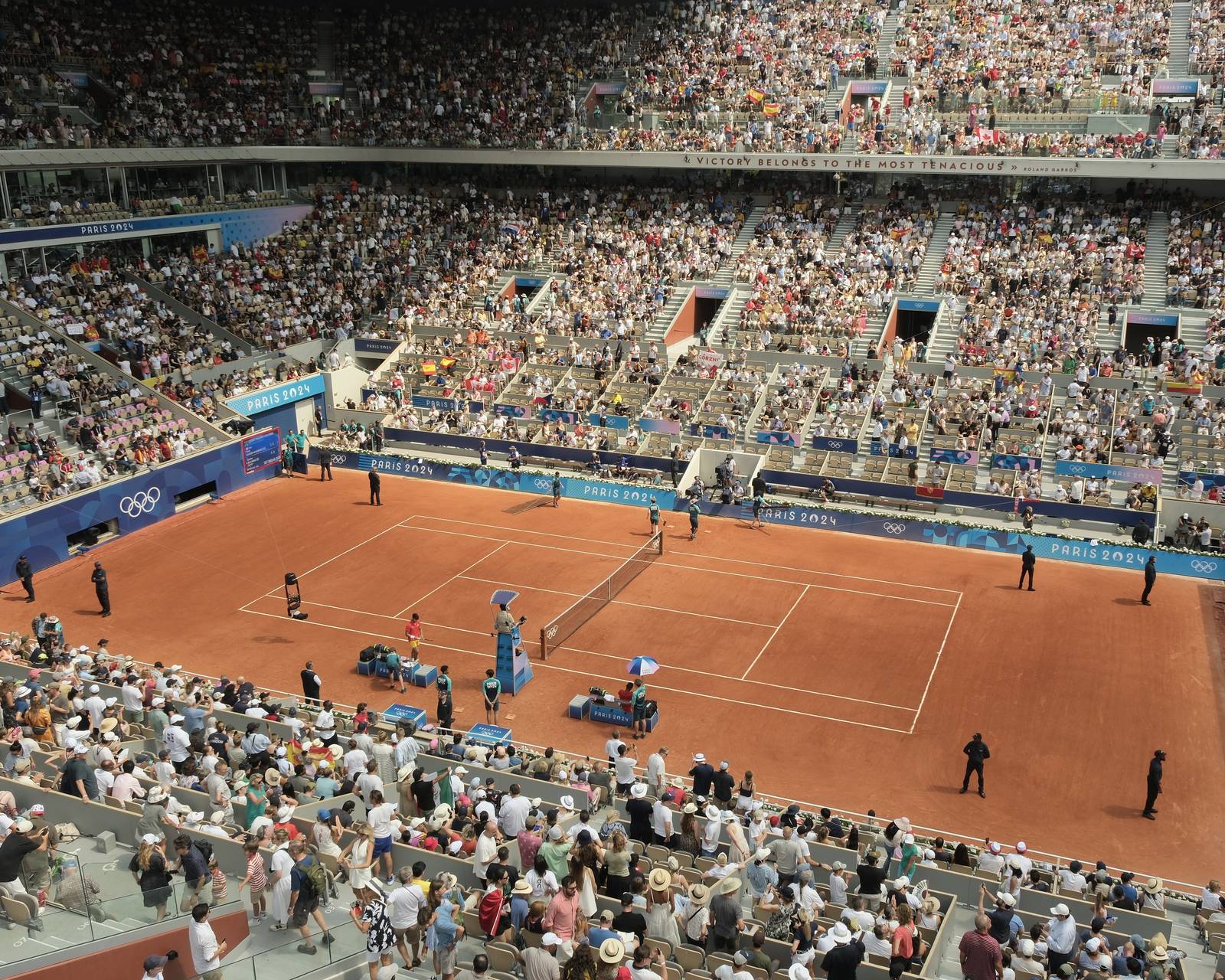
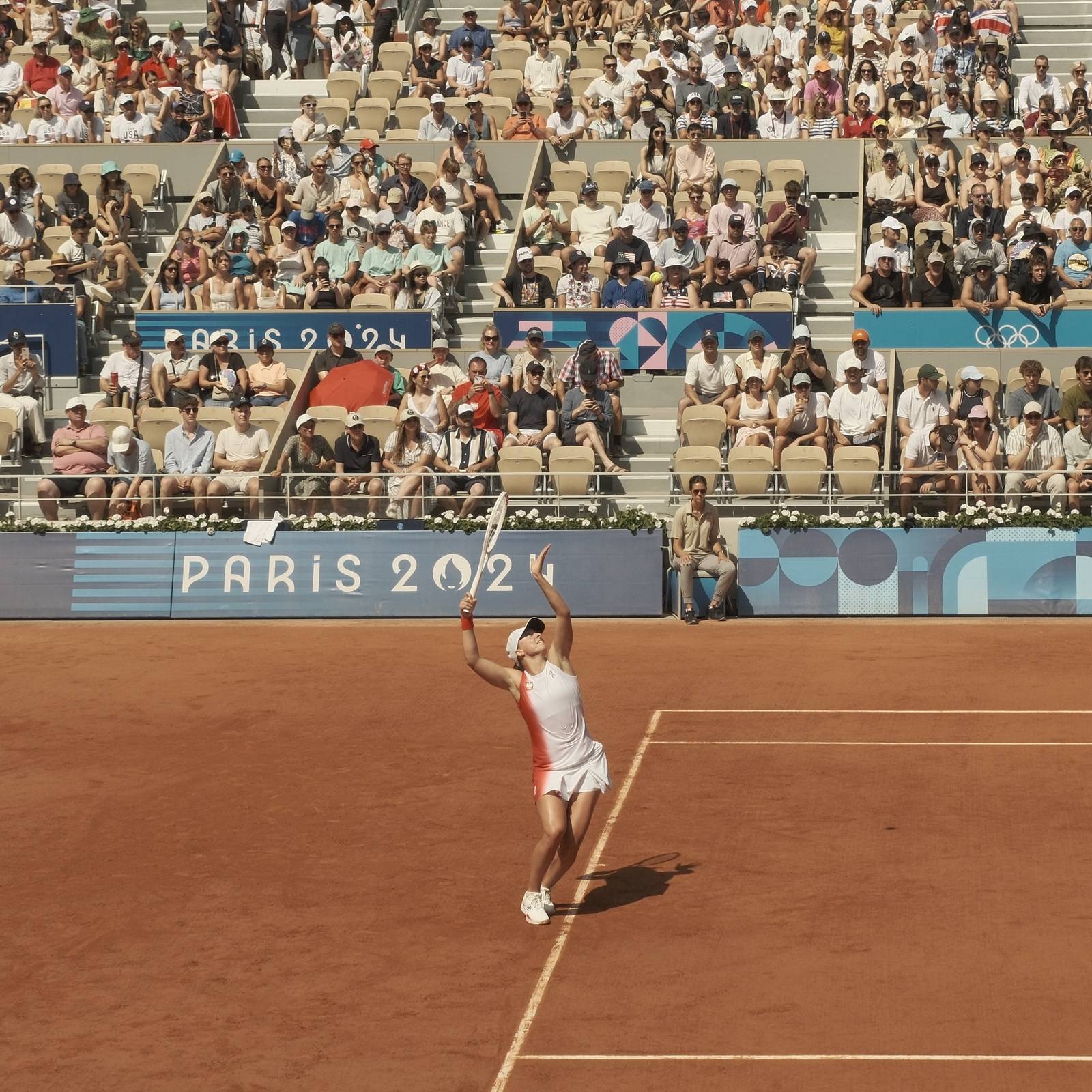
    You may have seen in some recent film recipes that I took a trip to Paris this Summer to watch the Olympic Games Tennis. I created a number of new recipes that would hopefully suit the hard light conditions, perhaps work well in the streets of Paris, and bring something uniquely Fujifilm to my images.

    Of all the recipes that I explored, this one is perhaps the most characterful, with a strongly nostgalgic vibe, very flat tones for a soft look, and warmth in a subtle way. It’s a cinematic look film recipe with a summer vibe. If you’re guessing ahead, you’ll know that the Eterna Cinema film simulation shares many of these features, and that is indeed the base for this recipe.

    The real magic though comes from the somewhat unusual colour balance based on a Fluorescent setting. There are three of these, which are intended to bring artificial light back to something more neutral, but I personally find that they can be a wonderful starting point for a film recipe. Matched to Eterna with its mellow undertones, we get a unique new look.

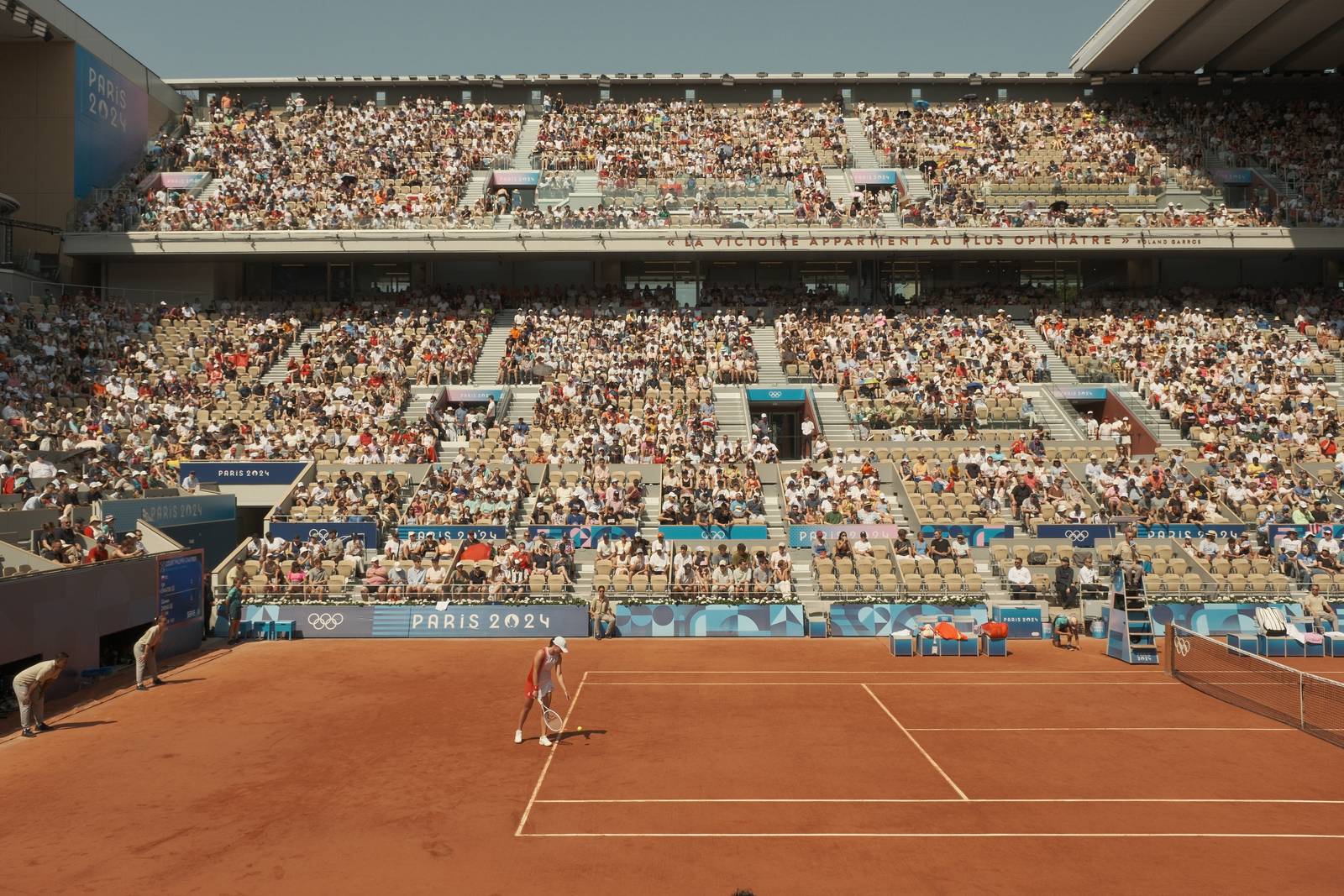
    I quickly became addicted to using this, and took all sorts of photos before my trip to Paris, and whilst there I took my personal favourite image from the tennis tourament. This shot of Iga Swiatek preparing to serve had such a retro feel to it that I just love, but it also shows me that tennis is an individual sport with the player alone in the arena battling for the win.

    Preparation. Iga is ready to serve. Birkenstock film recipe.

    Birkenstock Film Recipe

    • Simulation: Eterna/Cinema
    • Grain Effect: Off
    • Colour Chrome Effect: Weak
    • Colour Chrome Blue: Strong (IV) / Weak (V)
    • White Balance: Fluorescent 1
    • WB Shift: -3 Red, -4 Blue
    • Dynamic Range: DR400
    • Highlights: +1.0
    • Shadows: -1.0
    • Color: -2
    • Sharpness: -1
    • ISO Noise Reduction: -4
    • Clarity: 0
    • EV compensation: 0

    Similar cinematic looks: CineStill 400d, Wigan Pier, Flat Earth, Ultrasoft 77 and also Starfield which are all both soft and flat toned in their nature.

    A perfect partner for hazy golden hour light. Birkenstock film recipe
    Let’s take a walk around the marina, with the Birkenstock film recipe
    Faded colours and nautical looks, captured with the Birkenstock film recipe
    Wearing their national colours with pride, Birkenstock film recipe
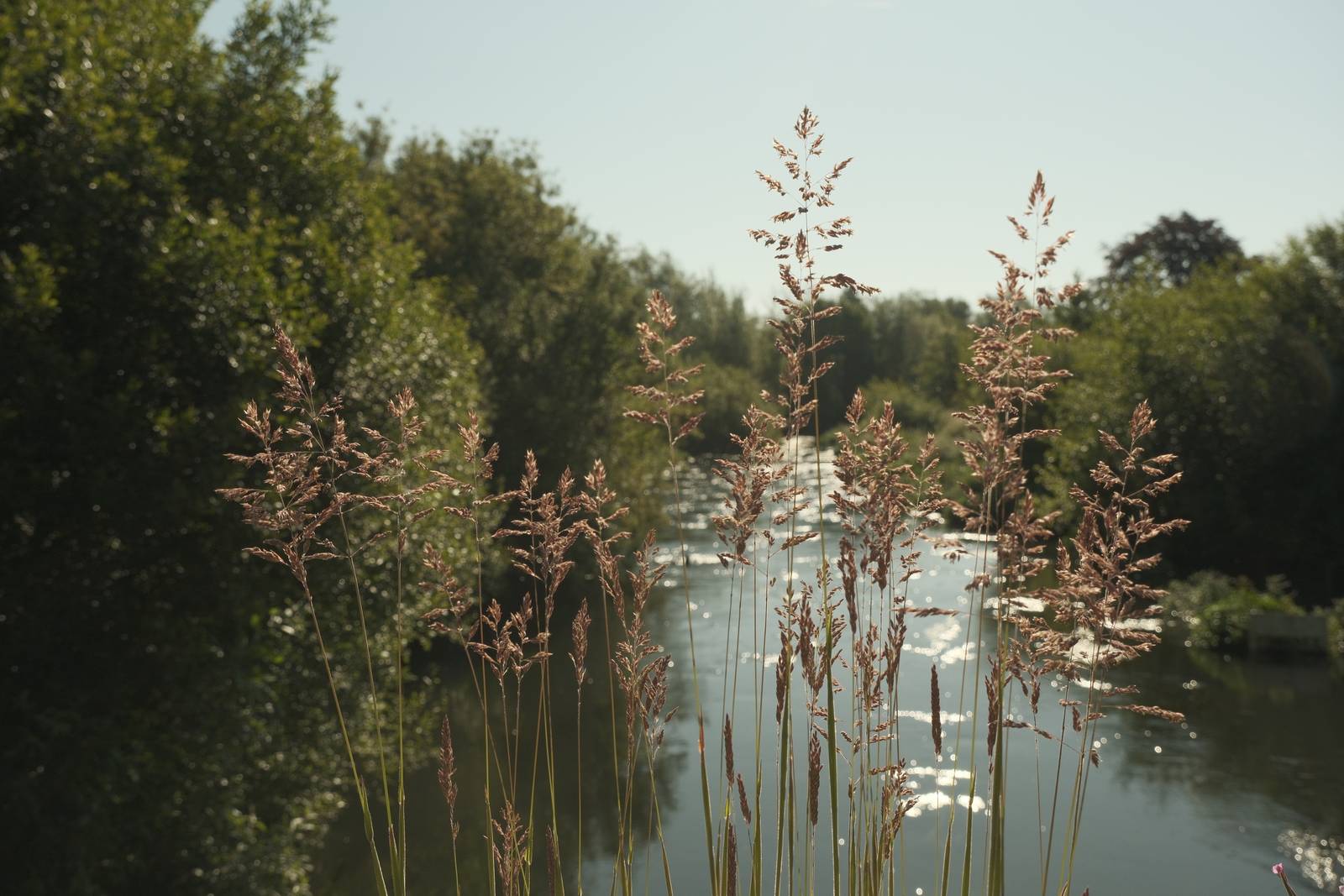
    Sunny days by the river, Birkenstock film recipe
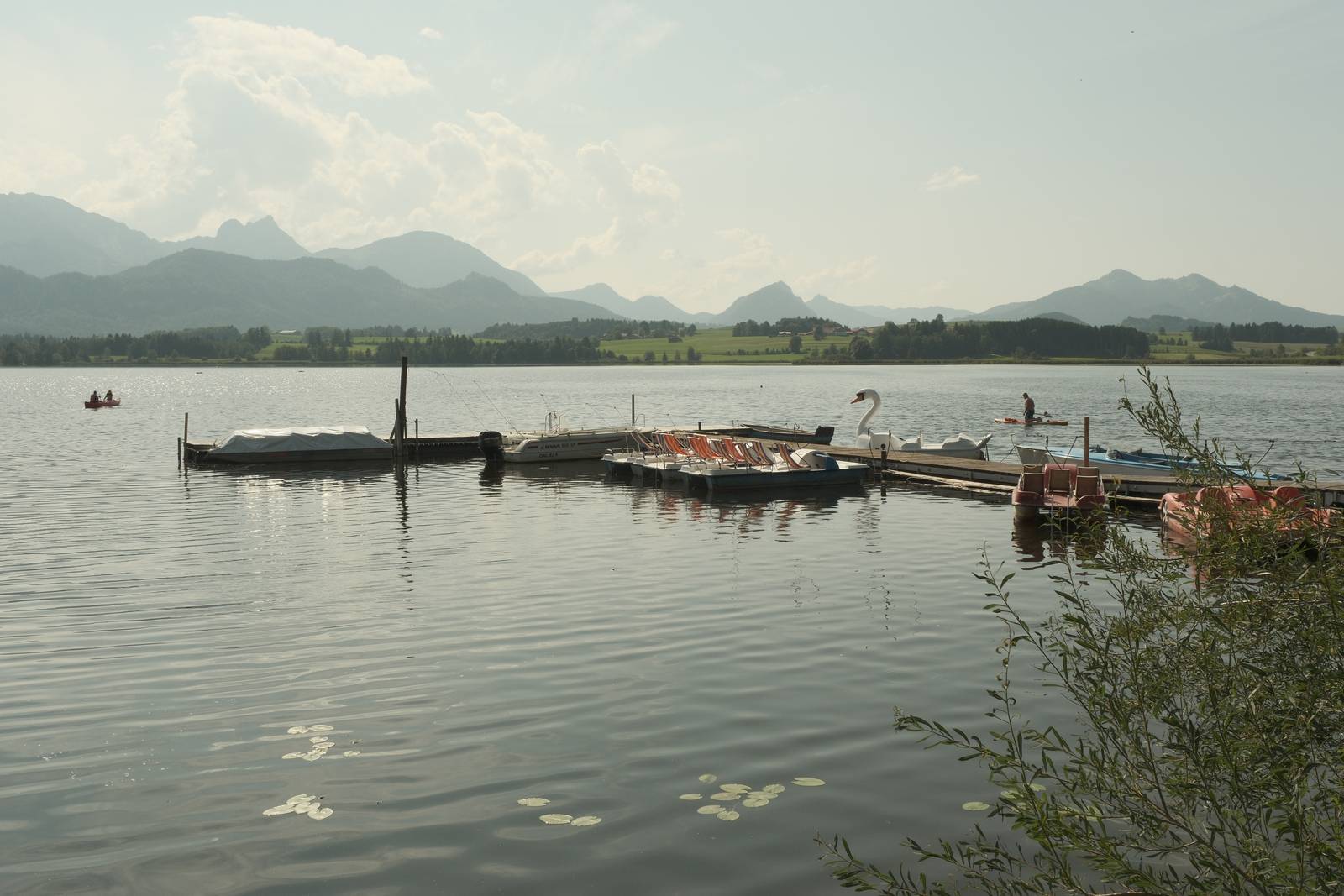
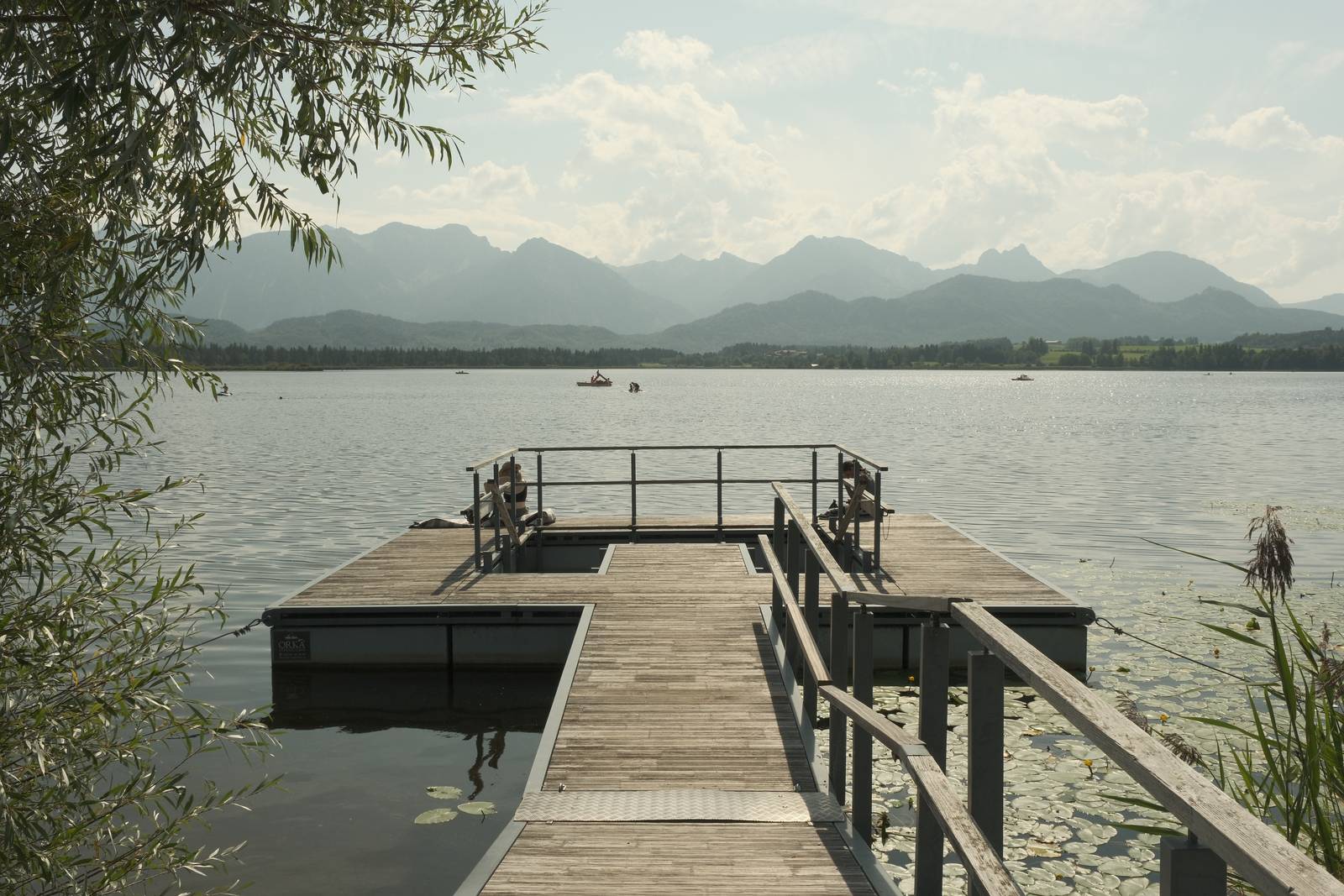
    Looking out across the lake, with the Birkenstock film recipe
    It’s a sunny day. Let’s rent the swan pedalo and go out on the water! Birkenstock film recipe
    Wandering with my camera, and the mellow tones of the Birkenstock film recipe
    Misty conditions are great with a flat tone recipe, like Birkenstock with its -1 shadow setting

  • Paris Gold, Warm Tones Medal Winner

    Paris Gold, Warm Tones Medal Winner

    A warm and creamy Nostalgic Negative film recipe for winning shots.

    I’m hyped with Olympic fever, and my current film recipe creations are themed around looks that I am hoping to use on my trip to the Summer Games. Take a look at Olympic Ace and Paris 24 for my other ideas.

    For this look, I wanted to work with the creamy tones of Paris buildings, the golden light of late afternoons and the rich orange of the clay tennis courts that await me at Roland Garros. I’d given this a try once already, when a trip to Barcelona in the Spring led to the Barcelona and Pale Barca film recipes.

    This time though, I’ve pushed even further into golden territory. This recipe is like a rich Kodak Portra, or perhaps a warmer Kodak Gold. It’s designed to magnify warm vibes and golden light. You might find it too strong in everyday conditions, when Kojak Gold or my Kodak Portra Daily might be more useable. Those also work on X-Trans IV cameras, where this recipe uses Nostlagic Negative which is only available on newer models.

    Glorious golden tones in the late afternoon sunlight. Paris Gold film recipe

    Paris Gold Film Recipe

    • Simulation: Nostalgic Negative
    • Grain Effect: Weak, Small
    • Colour Chrome Effect: Weak
    • Colour Chrome Blue: Weak
    • White Balance: Auto
    • WB Shift: +4 Red, -6 Blue
    • Dynamic Range: DR400
    • Highlights: -1.5
    • Shadows: +0.5
    • Color: +1
    • Sharpness: -1
    • ISO Noise Reduction: -4
    • Clarity: -2
    • EV compensation: +1/3

    Here are my sample images in a range of situations that allow this recipe to shine. At the bottom, I’ve added more images now that I am back from my Paris trip.

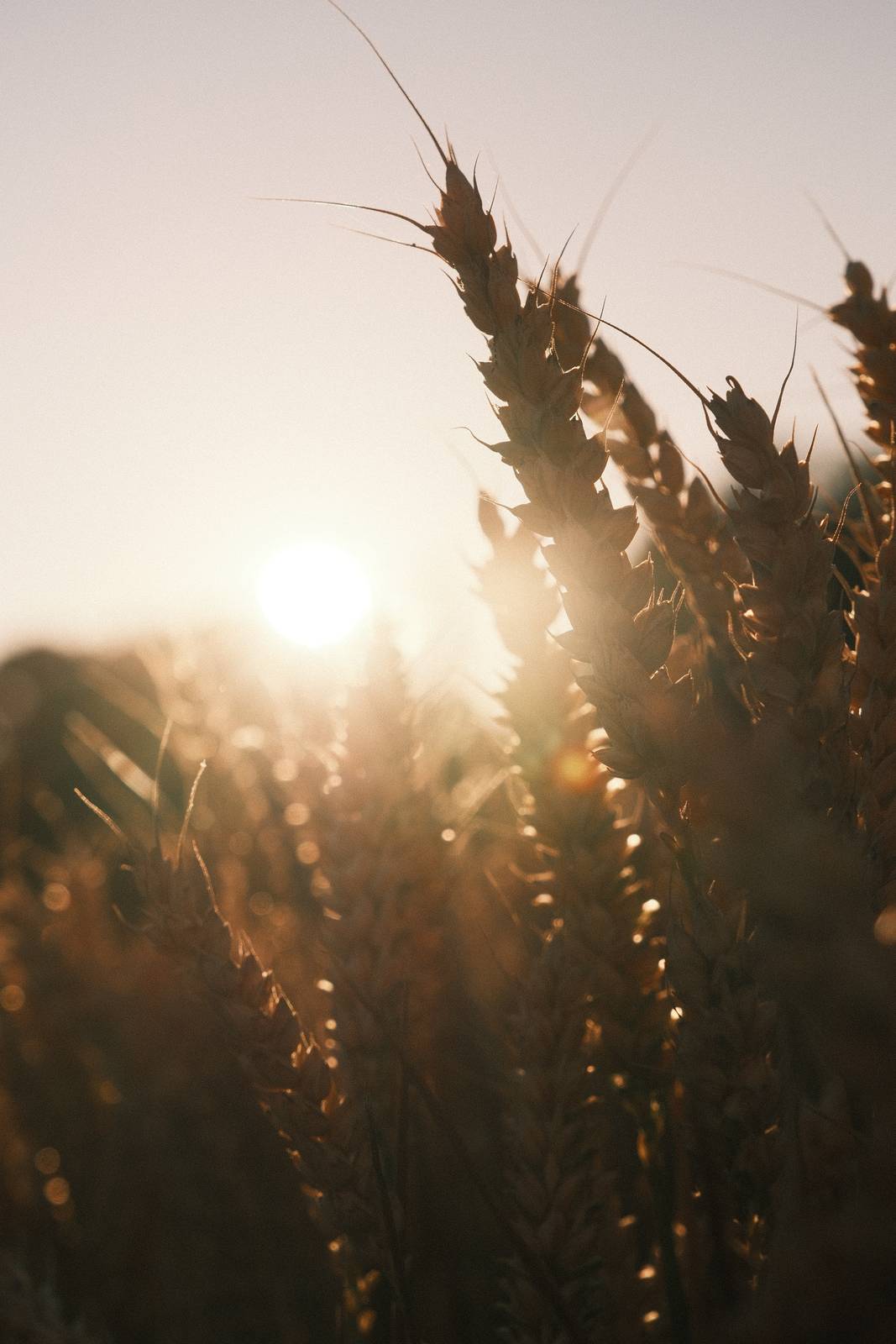
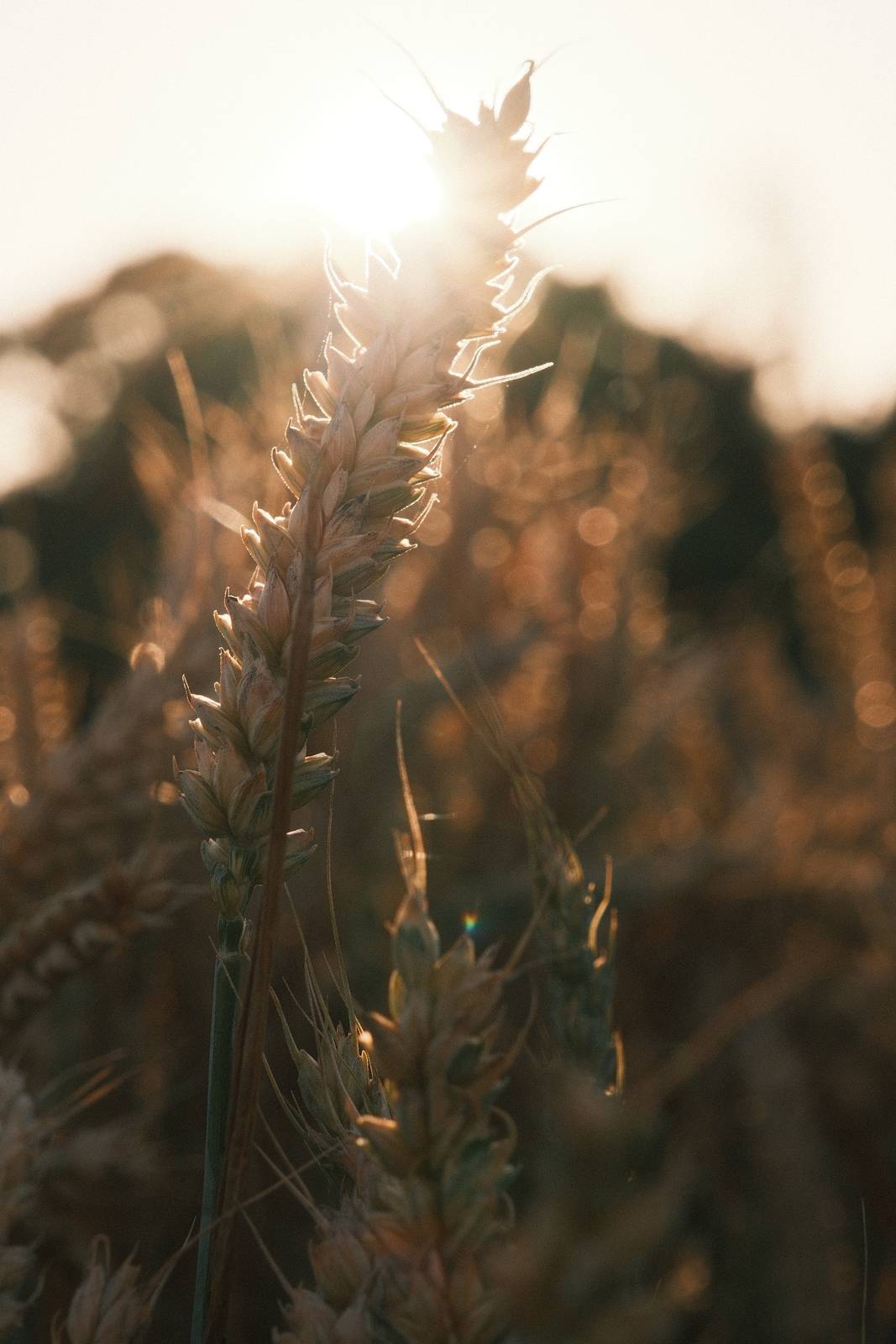
    Afternoon gold in the wheat fields, using the Paris Gold film recipe
    Early morning walk in the mist, captured with Paris Gold film recipe
    Wintery morning light, made to glow with the Paris Gold film recipe
    A walk in the woods with the Paris Gold film recipe
    Nostalgic Negative works so well with orange. Barcelona with Paris Gold film recipe
    A Springtime afternoon in Royal Victoria Country park. Paris Gold film recipe
    Working with reds and oranges and the Paris Gold film recipe
    Sunset on the ocean, using the Paris Gold film recipe to enhance the warm light
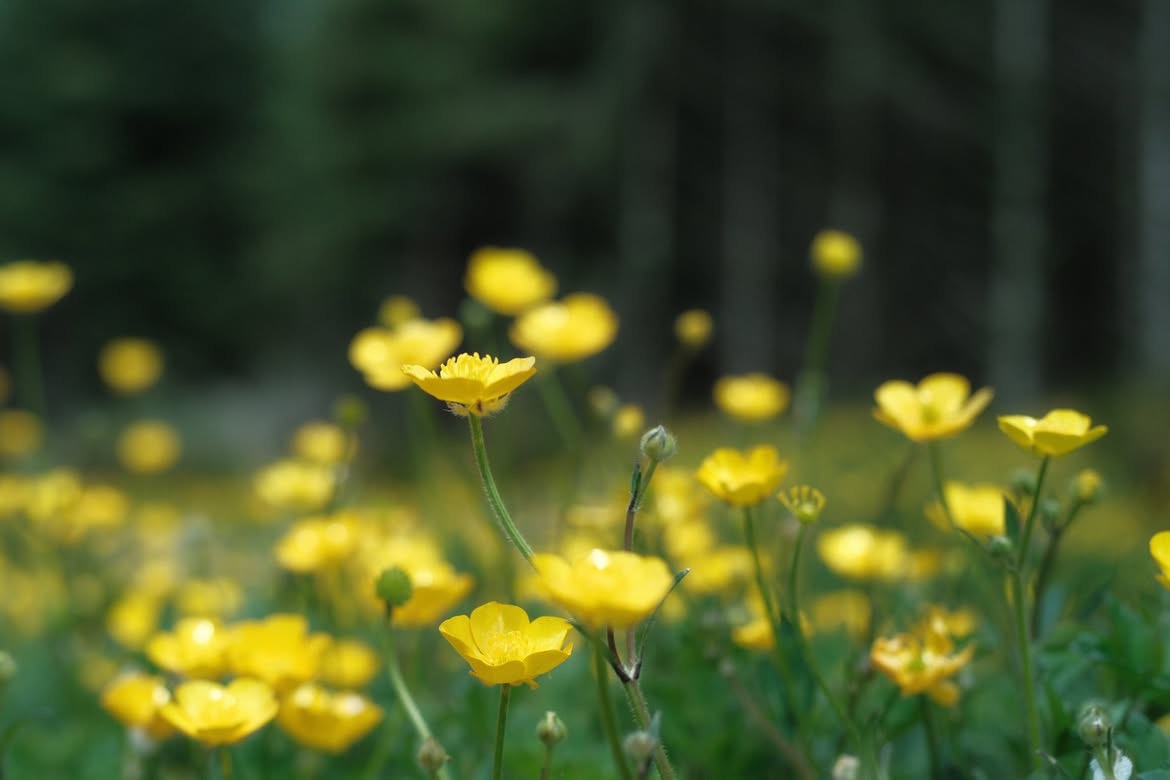
    Springtime yellows, toned with the Paris Gold film recipe
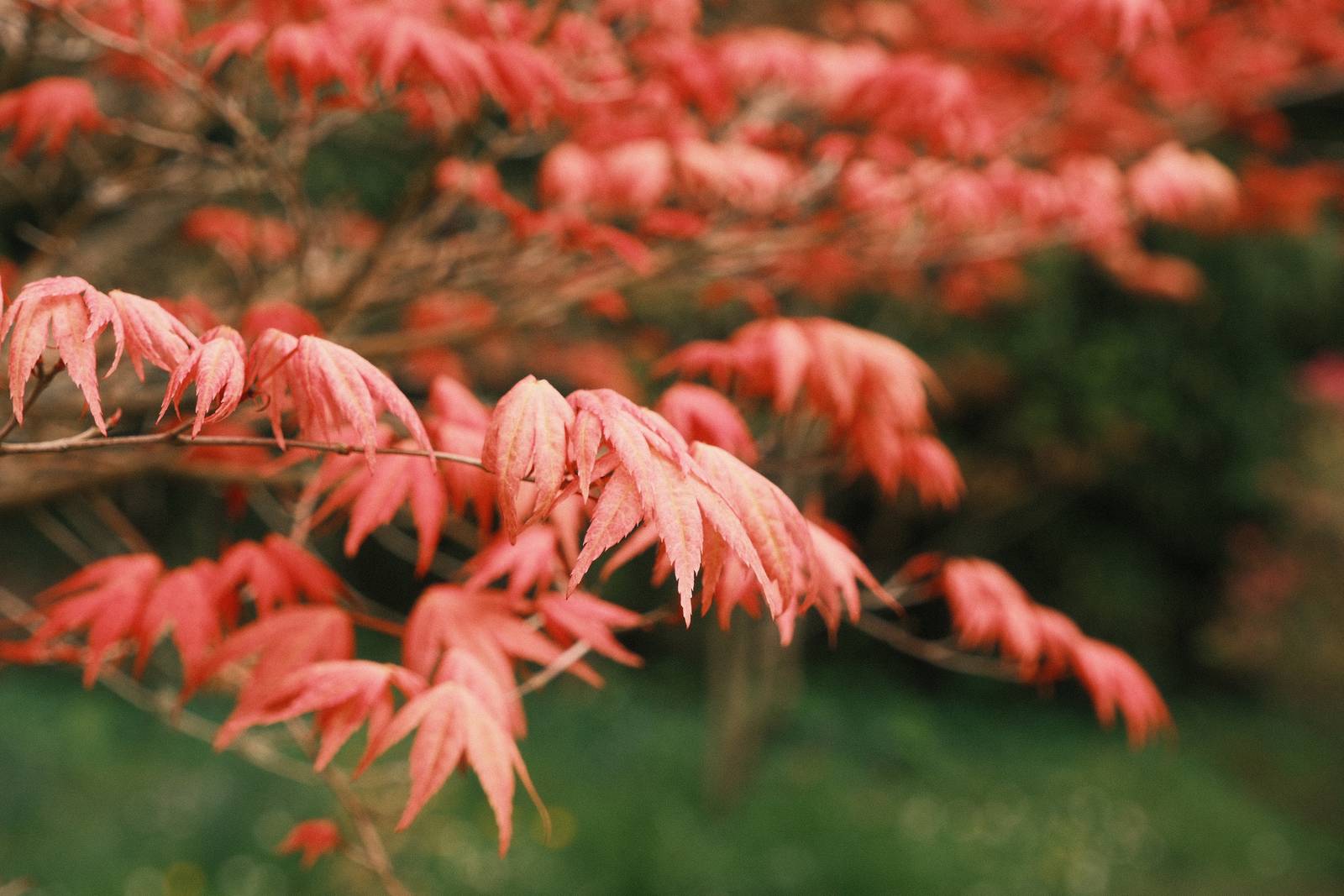
    Acer leaf reds at golden hour, with the Paris Gold film recipe
    Work with creams and golden light to get the best out of Paris Gold film recipe

    Paris Gold at the Olympics

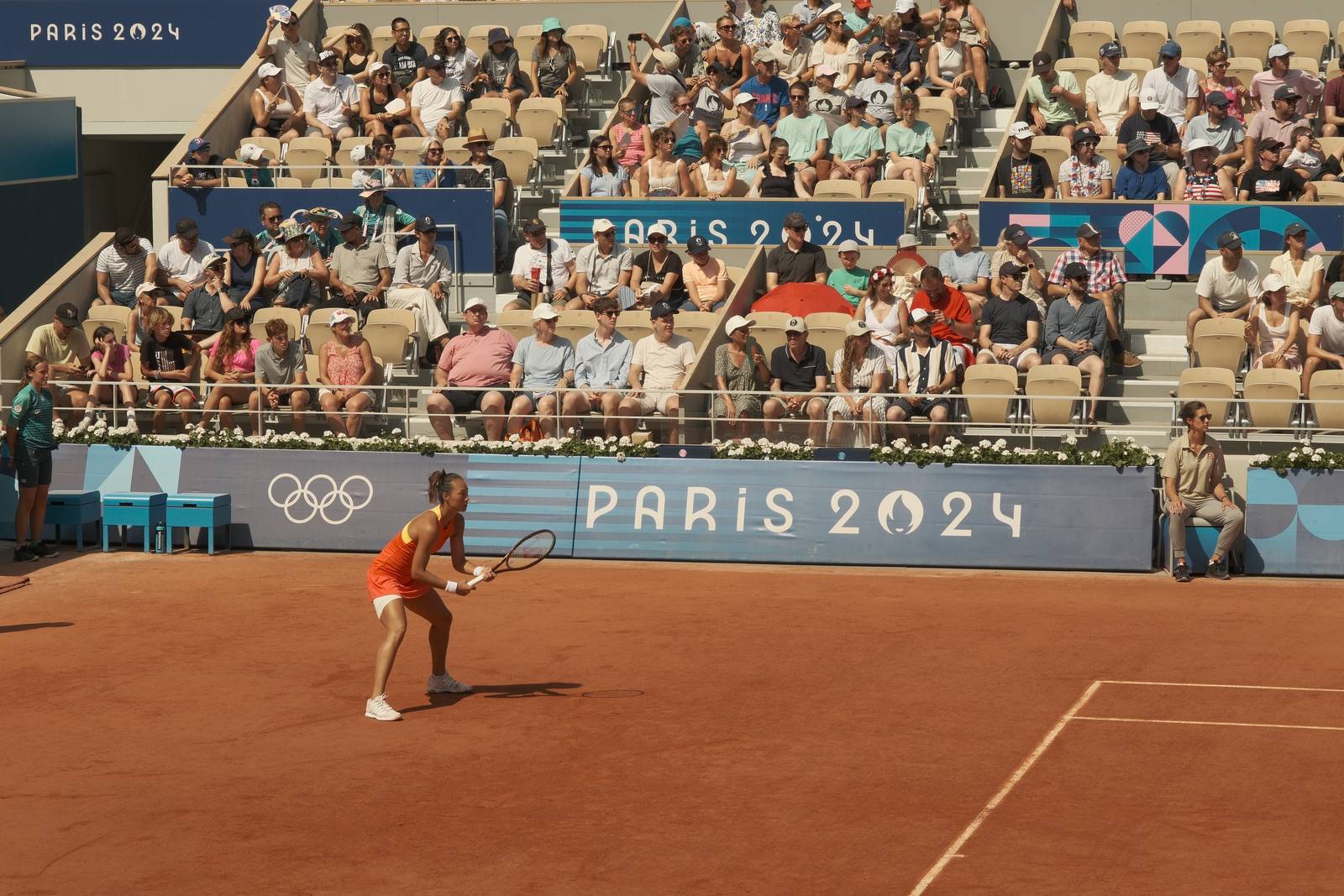
    Iga and Qinwen ready to play their match. Paris Gold film recipe.
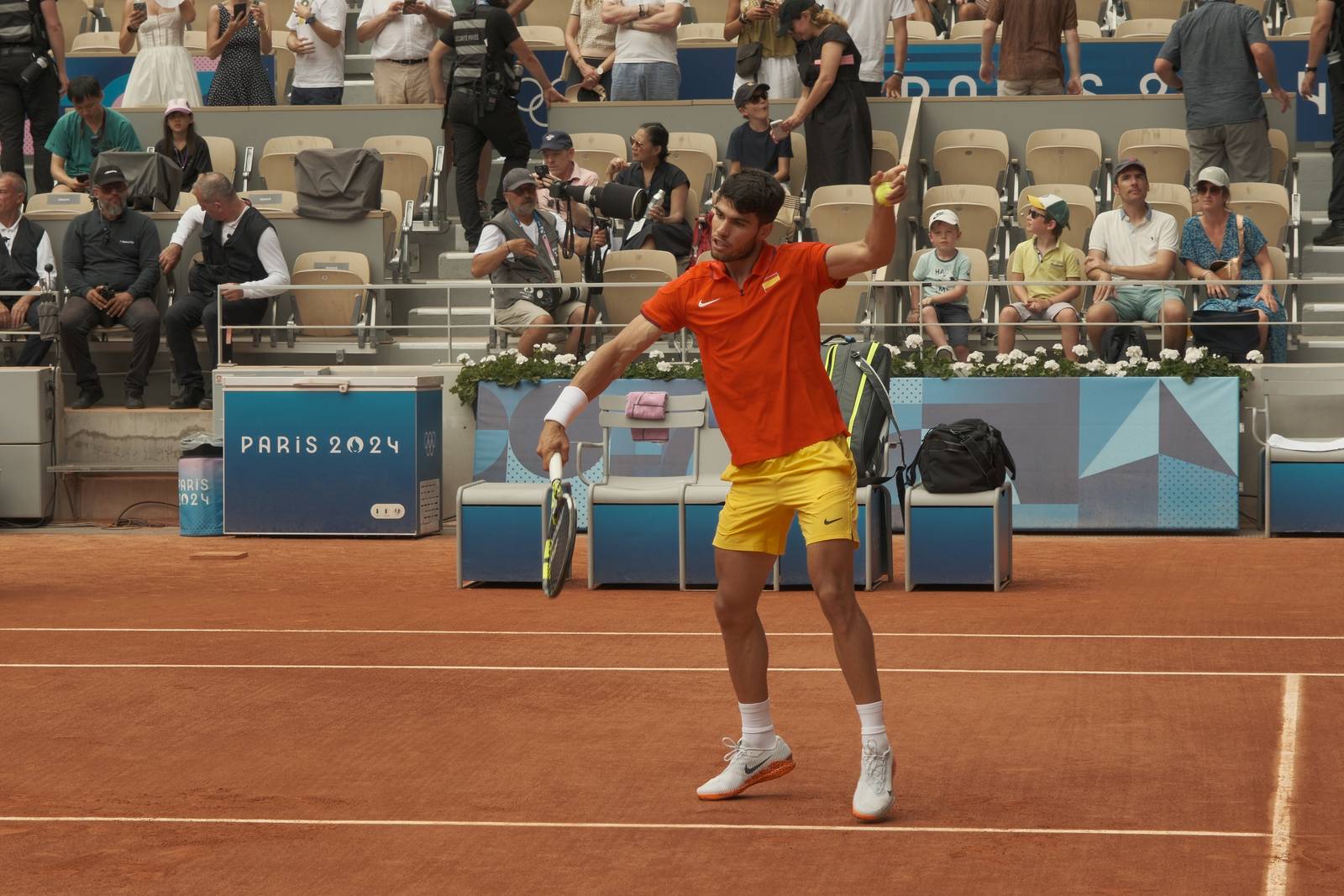
    Carlos running for the drop shot. Capturing the action with the Paris Gold film recipe
    He gets the win in the semi-final. Paris Gold film recipe
    Around the grounds at Roland Garros, with Paris Gold film recipe
    It’s time for the evening session. A sunset with Paris Gold film recipe
    Olympic Gold for Czechia in the mixed doubles. Paris Gold film recipe

  • Expired Superia, Fujifilm with Character

    Expired Superia, Fujifilm with Character

    X100VI Classic Negative film simuation recipe based on aged 35mm film

    For photographers that use real 35mm film, additional character can been explored by using film that has passed its intended life. These expired films will sometimes develop images with a colour cast or faded look. Sometimes though, the look is more subtle, closely resembling the original feel, but with just a little more character.

    Photographer Marcello de Vos has secured a supply of expired Fujicolor Superia film, which has a wonderfully nostalgic look.

    I was instantly drawn to a series around a small marina, captured on a misty and bright morning in the heart of the golden hour. You can see more of Marcello’s work on Threads.

    I decided to try and recreate the soft look of these images in a film recipe, and although I’m still waiting for a lovely misty sunlight morning at my local marina, I’ve managed to try out the recipe in a variety of conditions. It’s become a firm favourite of mine, and I’m sure that you will love it too.

    Did I get a good match? My Expired Superia film recipe.

    Expired Superia Film Recipe

    • Simulation: Classic Negative
    • Grain Effect: Weak, Large
    • Colour Chrome Effect: Weak
    • Colour Chrome Blue: Weak (IV) / Off (V)
    • White Balance: Auto
    • WB Shift: -1 Red, -5 Blue
    • Dynamic Range: DR400
    • Highlights: -1.5
    • Shadows: -0.5
    • Color: +1
    • Sharpness: -2
    • ISO Noise Reduction: -4
    • Clarity: -2
    • EV compensation: +1/3

    This film recipe works well on X-Trans IV or V cameras, such as the X100V and X100VI, X-T4 or X-T5 and the X-S10 and X-S20. If your camera doesn’t support -1.5 and -0.5 for the tone curve, use -1,-1.

    Similar looks to explore include Kojak Gold, 123-123, Summer Story, Thassos 22 and Point and Shoot 200.

    Exploring a nature resrve with the Expired Superia film recipe
    The moon at 300mm, captured with the Expired Superia film recipe
    A late afternoon wander, with Expired Superia film recipe
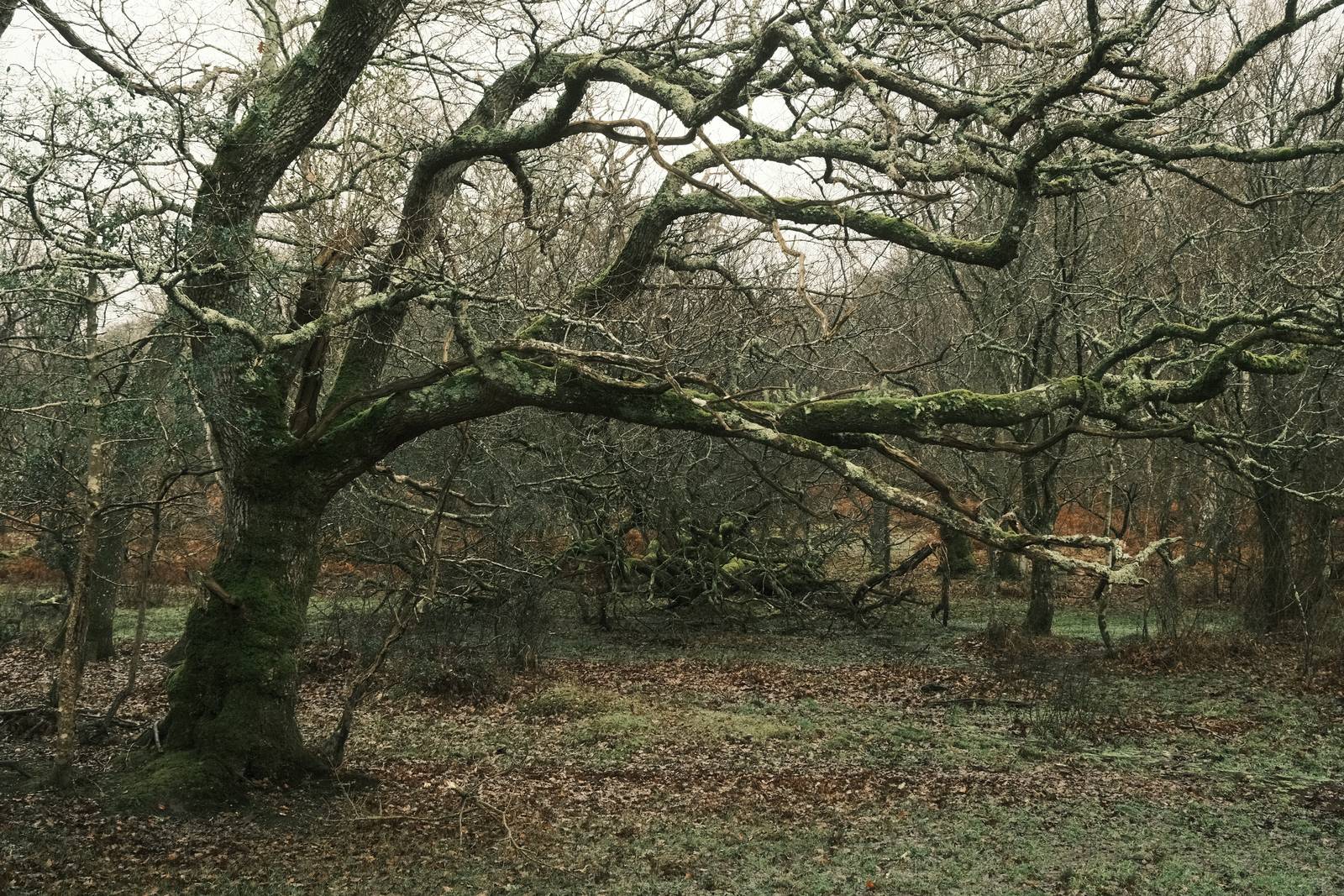
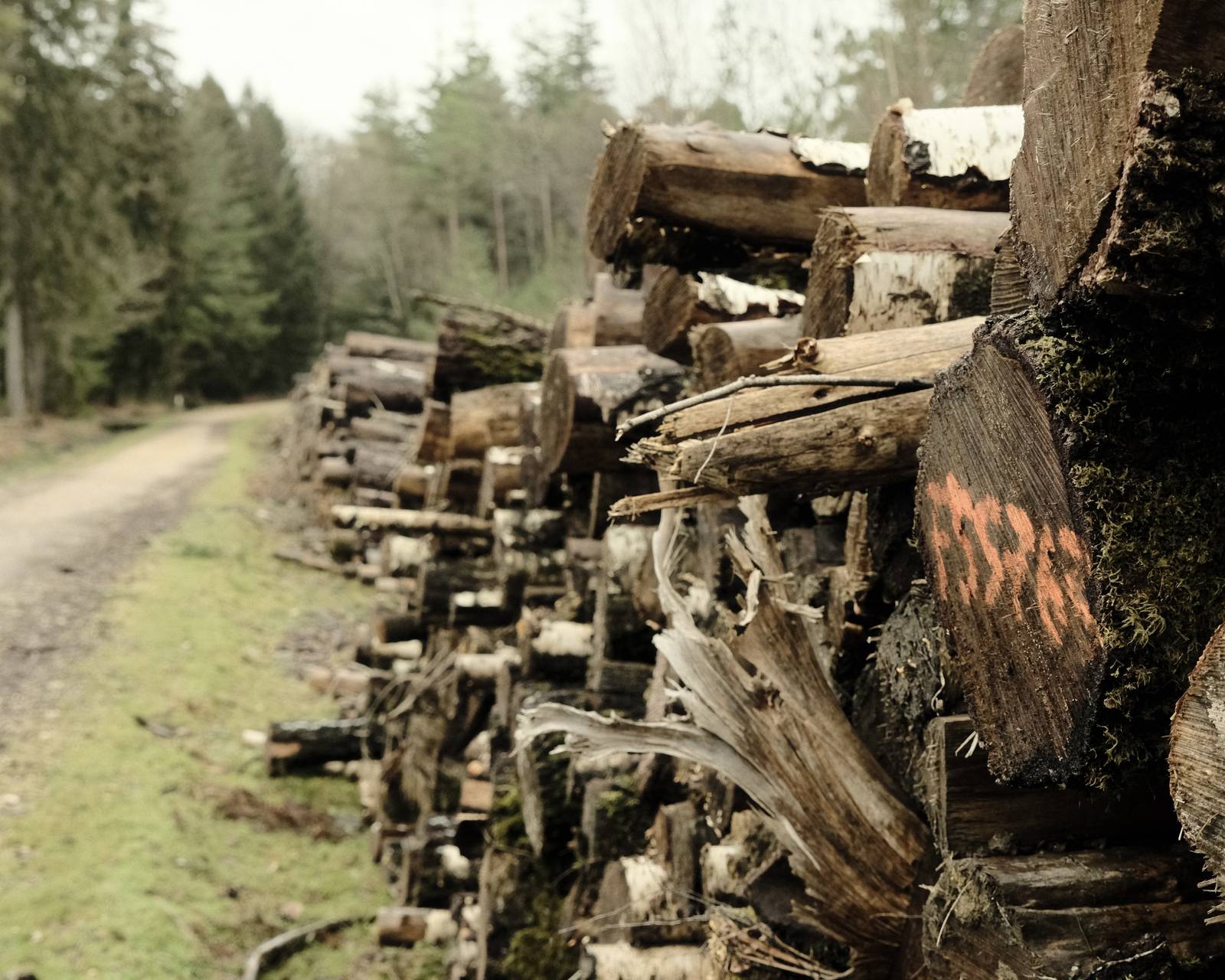
    Fallen bough, using Expired Superia film recipe
    Winter fog, captured with the Expired Superia film recipe
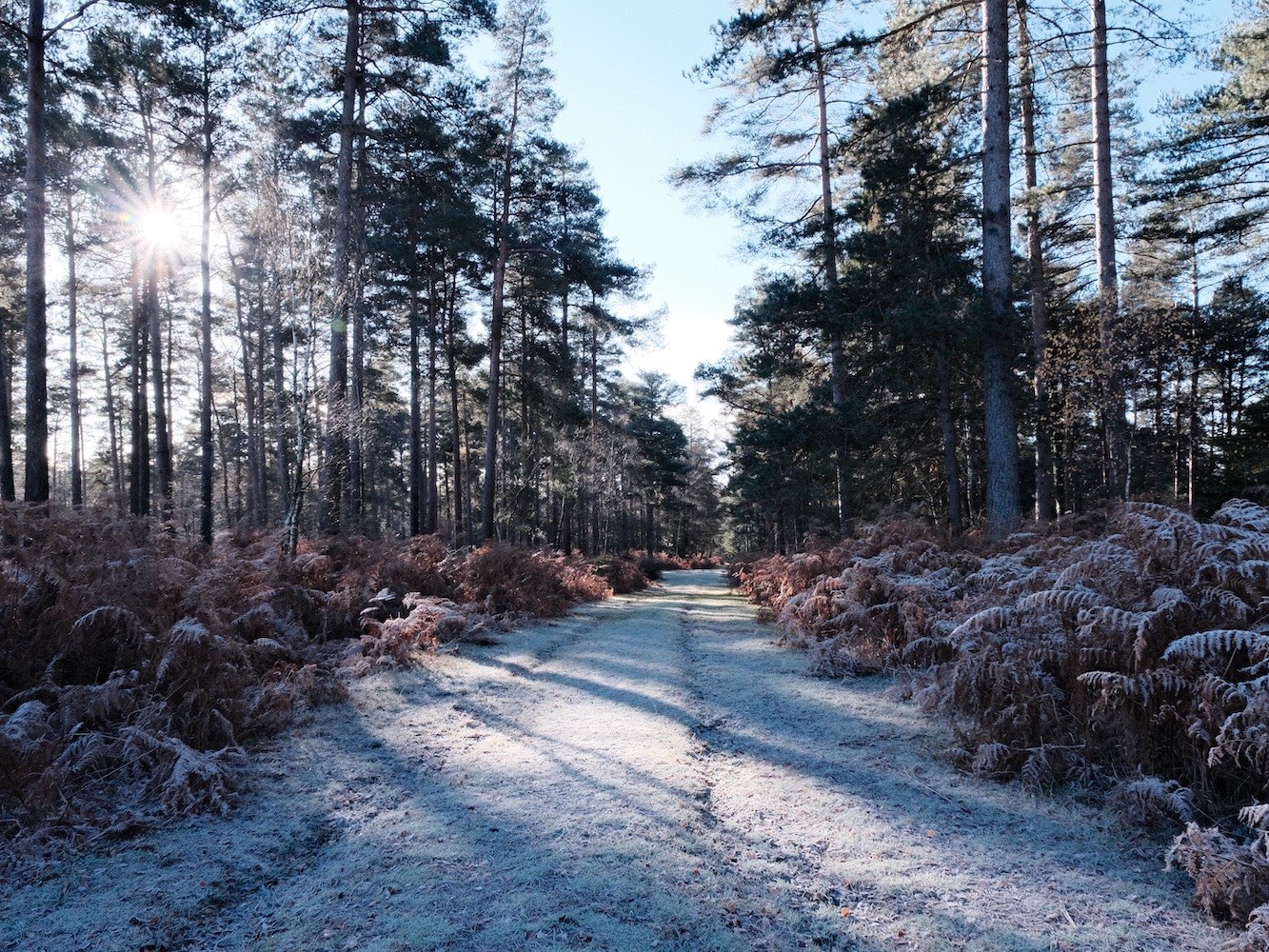
    A frosty walk in the New Forest, with Expired Superia film recipe
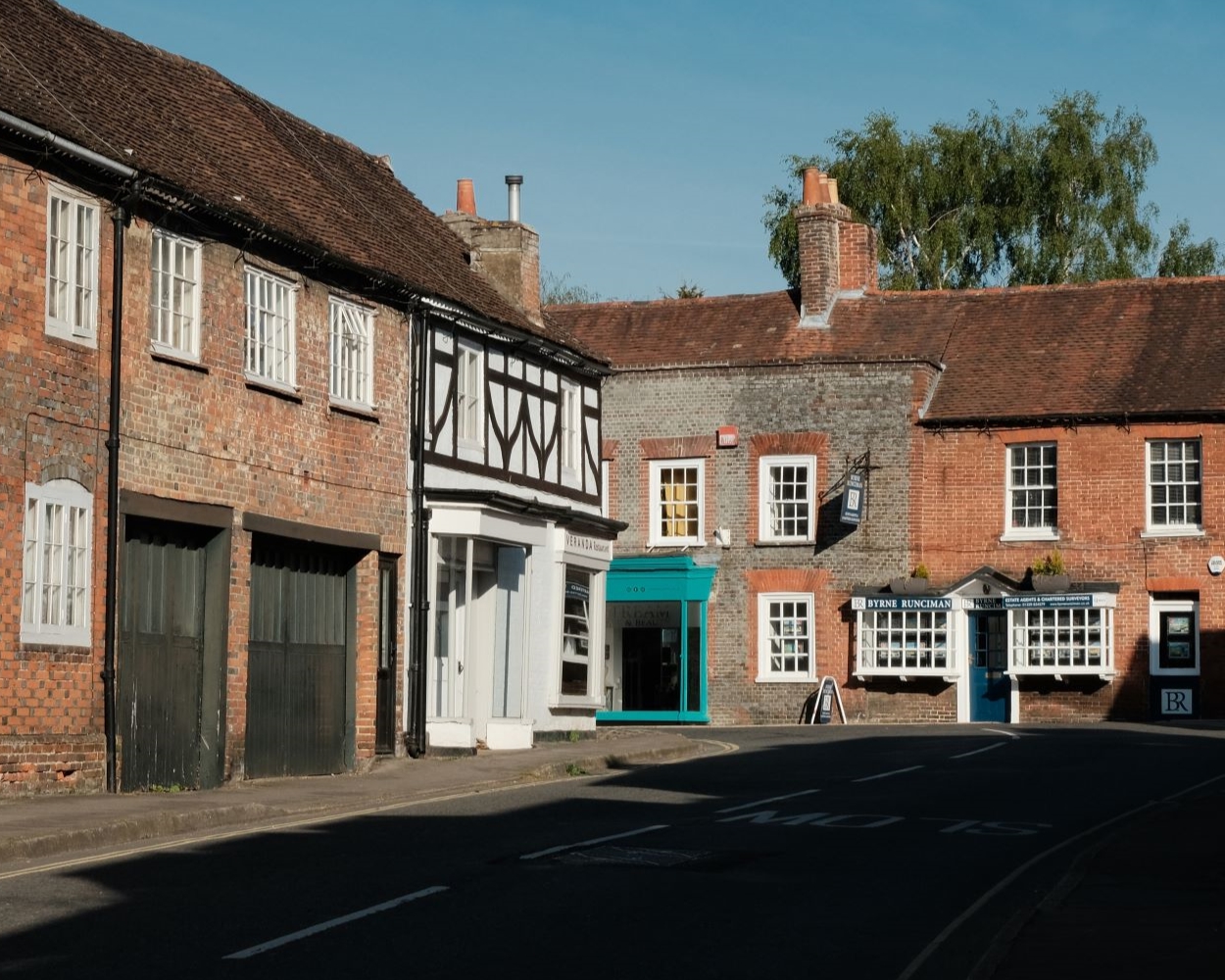
    A Winchester street, in full sun with Expired Superia film recipe
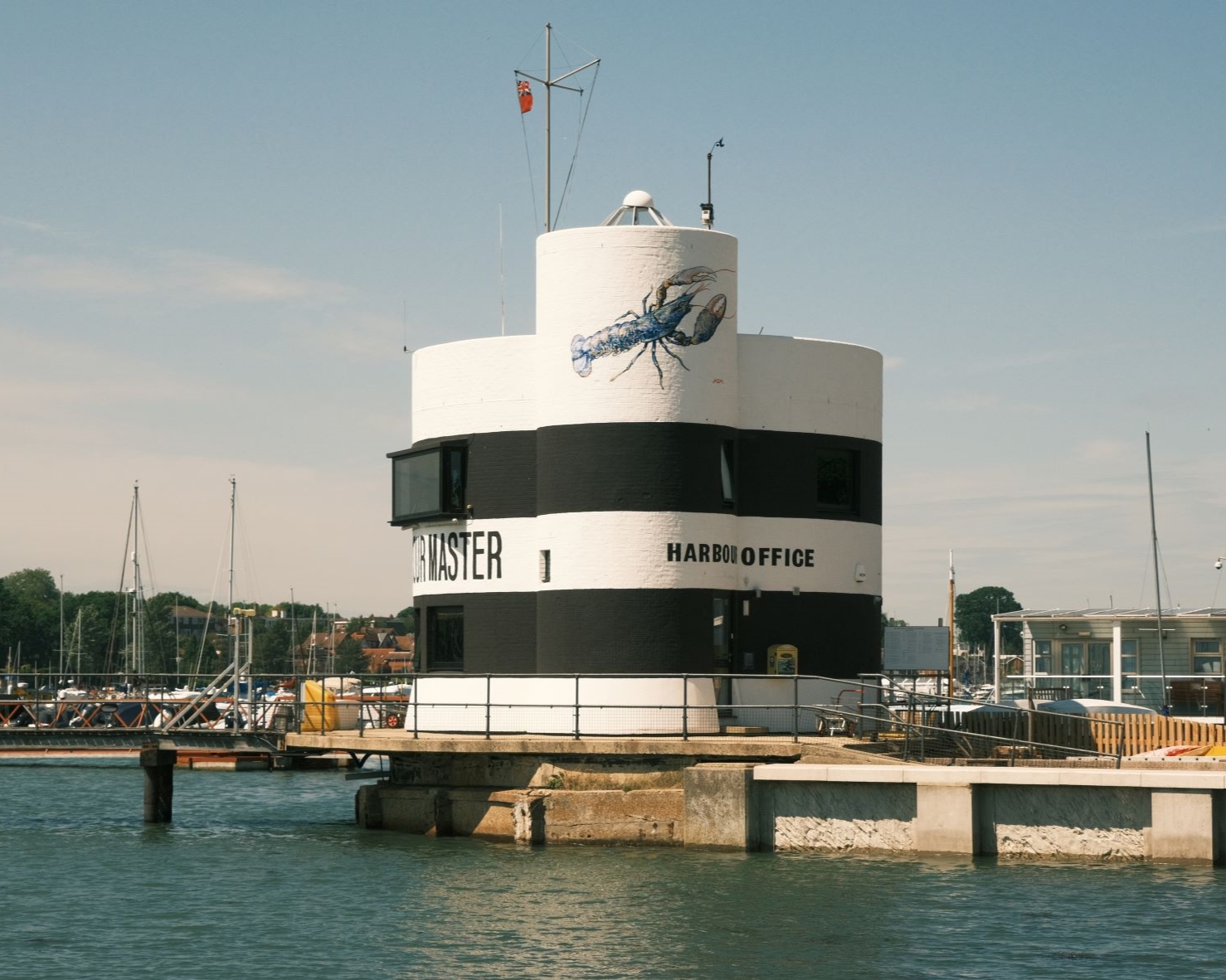
    Jetty ramp in the afternnon light, Expired Superia film recipe
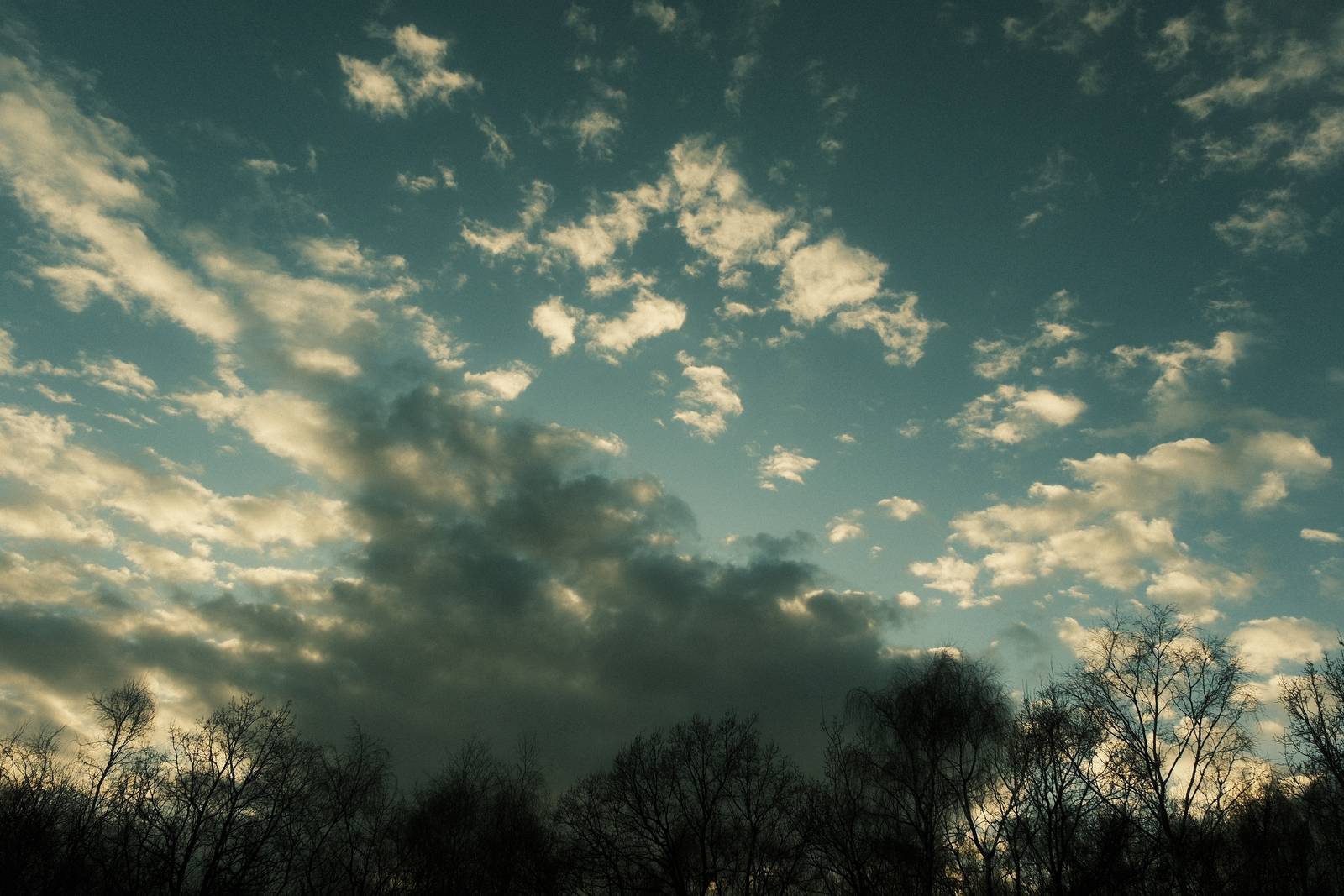
    High clouds in a blue sky, Expired Superia film recipe
    Fishing boats on the beach, and the Expired Superia film recipe
    A little boat made for one. Expired Superia film recipe
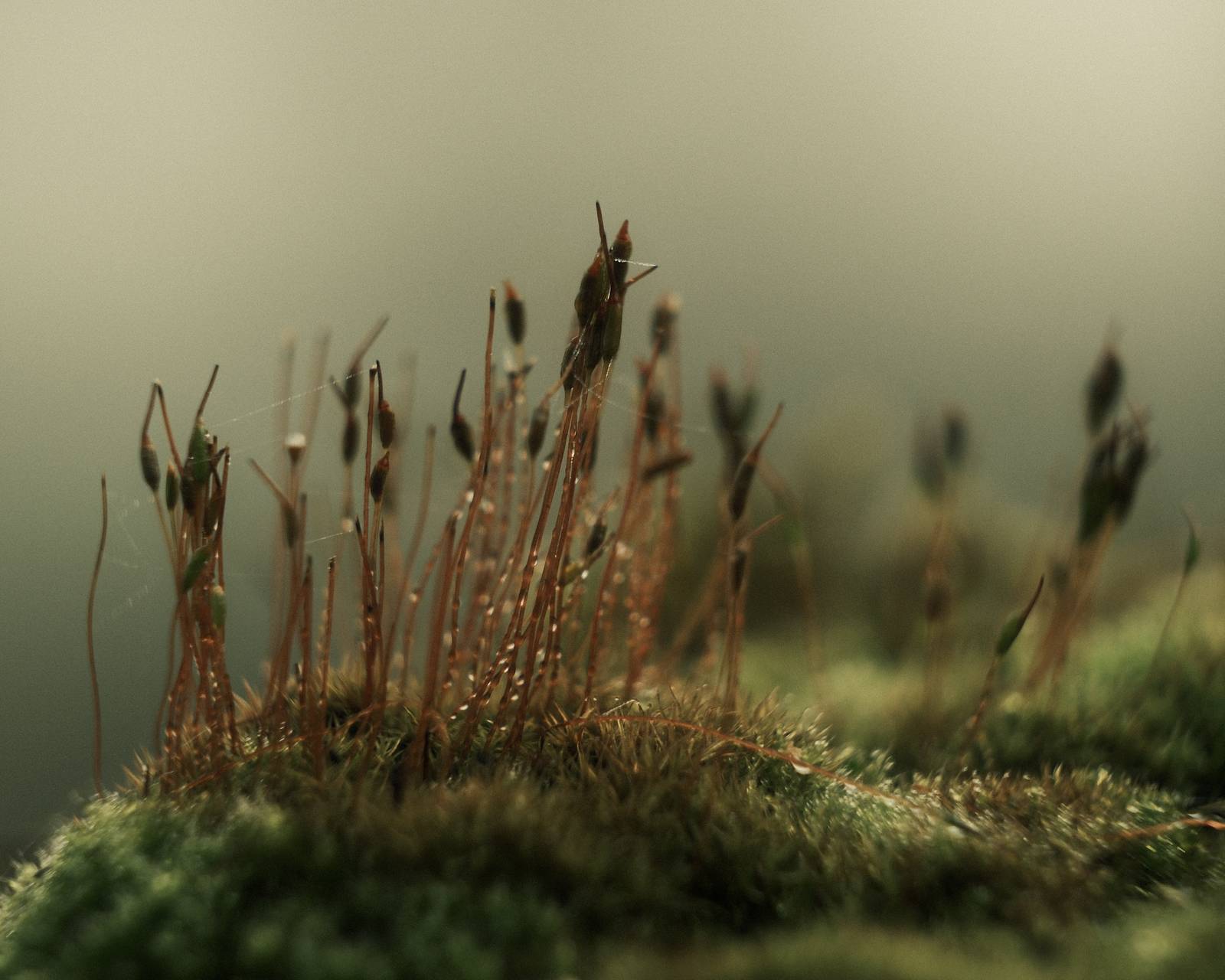
    Macro experiments at sunrise, with the Expired Superia film recipe
    It’s been raining again. Expired Superia film recipe
    Superior greens, with the Expired Superia film recipe
    The end of a winter’s day, with Expired Superia film recipe
  • Nostalgic Print, Creamy Nostalgic Negative

    Nostalgic Print, Creamy Nostalgic Negative

    Inspired by old magazine photos, capture an aged look with the Nostalgic Negative film simulation

    The Nostalgic Negative film simulation offers a wonderfully warm and mellow tone on standard settings, and brings a feel of an older printed image. For this film recipe using Nostalgic Negative, I wanted to lean into these characteristics to explore the nostalgic aesthetic.

    For me, the result reminds me of old magazine prints, perhaps like those forgotten periodicals that end up in waiting rooms or and the back of bookshelves.

    This recipe has a dominant warm tone and a nostaltic aged feel to the images. It’s cosy without being sickly, and as a result, is well suited to outdoor photography on sunny days and in the golden hour. I also tested it on a drizzly grey walk in the woods, and found that the mellow warm tones worked well in these conditions. The Nostalgic Negative simulation is actually quite contrasty and saturated by default, so there’s a small counter adjustment too, which rebalances this.

    The mood is similar to my Aged Kodak Portra recipe and Nostalgic Standard film recipes, which are both also compatible with X-Trans IV. This one however, needs Nostalgic Negative for the base look, so it’s a choice only for newer cameras, like X-H2S, X-T5, X100VI or X-S20.

    Along the seashore with Nostalgic Print film recipe

    Nostalgic Print Film Recipe

    • Simulation: Nostalgic Negative
    • Grain Effect: Weak, Small
    • Colour Chrome Effect: Weak
    • Colour Chrome Blue: Off
    • White Balance: Auto
    • WB Shift: -2 Red, -7 Blue
    • Dynamic Range: DR200
    • Highlights: -1.0
    • Shadows: -1.0
    • Color: -2
    • Sharpness: -2
    • ISO Noise Reduction: -4
    • Clarity: 0
    • EV compensation: +2/3
    Sunny wandering along the shore, with Nostalgic Print film recipe
    Warm and vibrant with an old tone look, Nostalgic Print film recipe
    An old stone barn in the Cotswolds, using Nostalgic Print film recipe
    Rural calm, captured with the Nostalgic Print film recipe
    A misty winter morning, using the Nostalgic Print film recipe
    Sunny reflections, captured with the Nostalgic Print film recipe
    A misty mood, warmed up with the Nostalgic Print film recipe
    Mellow tones at sunrise, with Nostalgic Print film recipe
    A bright winter day, taken with the Nostalgic Print film recipe
    Teal toned blue skies, with the Nostalgic Print film recipe
    Heavy with raindrops, taken with the Nostalgic Print film recipe
    Don’t let the rain stop you. Nostalgic Print film recipe
    Scenes from the rainy day in the woods, Nostalgic Print film recipe
    The end of the day, Nostalgic Print film recipe
    Creamy colour in the golden hour. Nostalgic Print film recipe
    Nautical details with a macro extender and the Nostalgic Print film recipe
    The beach is empty, taken with Nostalgic Print film recipe
  • Barcelona, Nostalgic Negative for Trips

    Barcelona, Nostalgic Negative for Trips

    A rich tones film simulation recipe designed for a trip to Spain, but useful everywhere

    In our Facebook Group, I often see posts asking about film recipes for travel to different cities and countries. There are so many factors to consider, such as the light, the type of photos and your personal style. However, I’ve just returned from a trip to Barcelona where I prepared a recipe to use. I think it might work well in all sorts of places, so maybe this will be good for your travels too?

    The Barcelona film recipe uses Nostalgic Negative, which is only available on X-Trans V series cameras. This simulation has a natural affinity for reds and oranges, with a warm feel and gently nostalgic look. My hope was that this would bring a versatile character to my travel photos, remaining close to natural in look, and for my specific trip to the Barcelona Open tennis tournament, rich oranges from the clay courts too.

    Now that I have returned, I cna share the recipe along with a selection of the images. I am very happy with the look, which feels warm without being dominated by a strong cast, and captured the mix of dominant colours well, whilst still working for street style shots and general snapping.

    Refelected building, captured with the Barcelona film recipe

    Barcelona Film Recipe

    • Simulation: Nostalgic Negative
    • Grain Effect: Weak, Small
    • Colour Chrome Effect: Off
    • Colour Chrome Blue: Off
    • White Balance: Auto Ambience Priority
    • WB Shift: 0 Red, -3 Blue
    • Dynamic Range: DR400
    • Highlights: 0.0
    • Shadows: -1.0
    • Color: +1
    • Sharpness: -2
    • ISO Noise Reduction: -4
    • Clarity: 0
    • EV compensation: 0
    Perhaps they are messaging eachother? Barcelona Film Recipe
    Signs at sunset in the Diagonal district. Barcelona Film Recipe
    Delivery rider, captured with the Barcelona Film Recipe
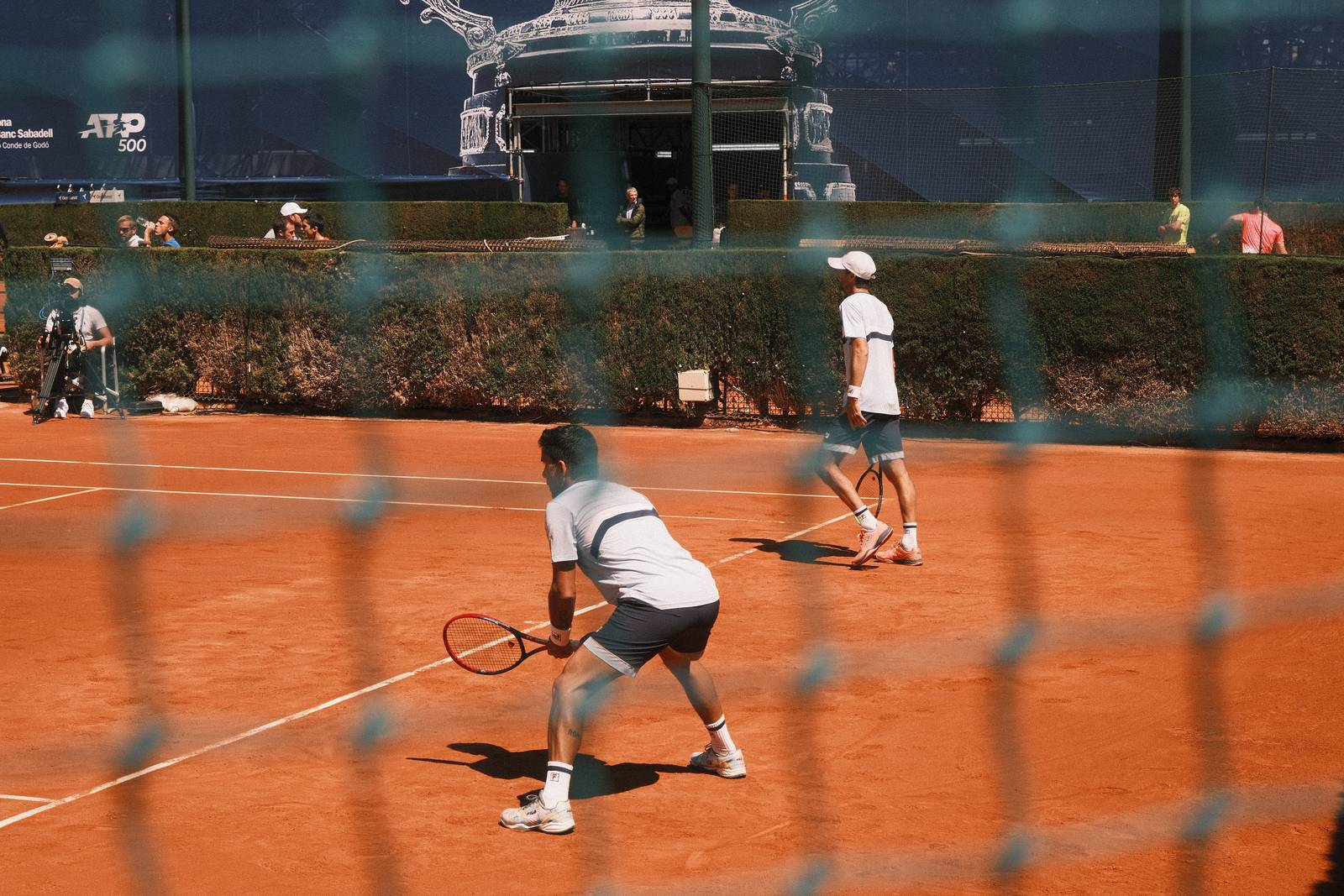
    Watching the stars play. Barcelona Film Recipe at the Barcelona Open
    Early evening street shadows, captured with the Barcelona Film Recipe
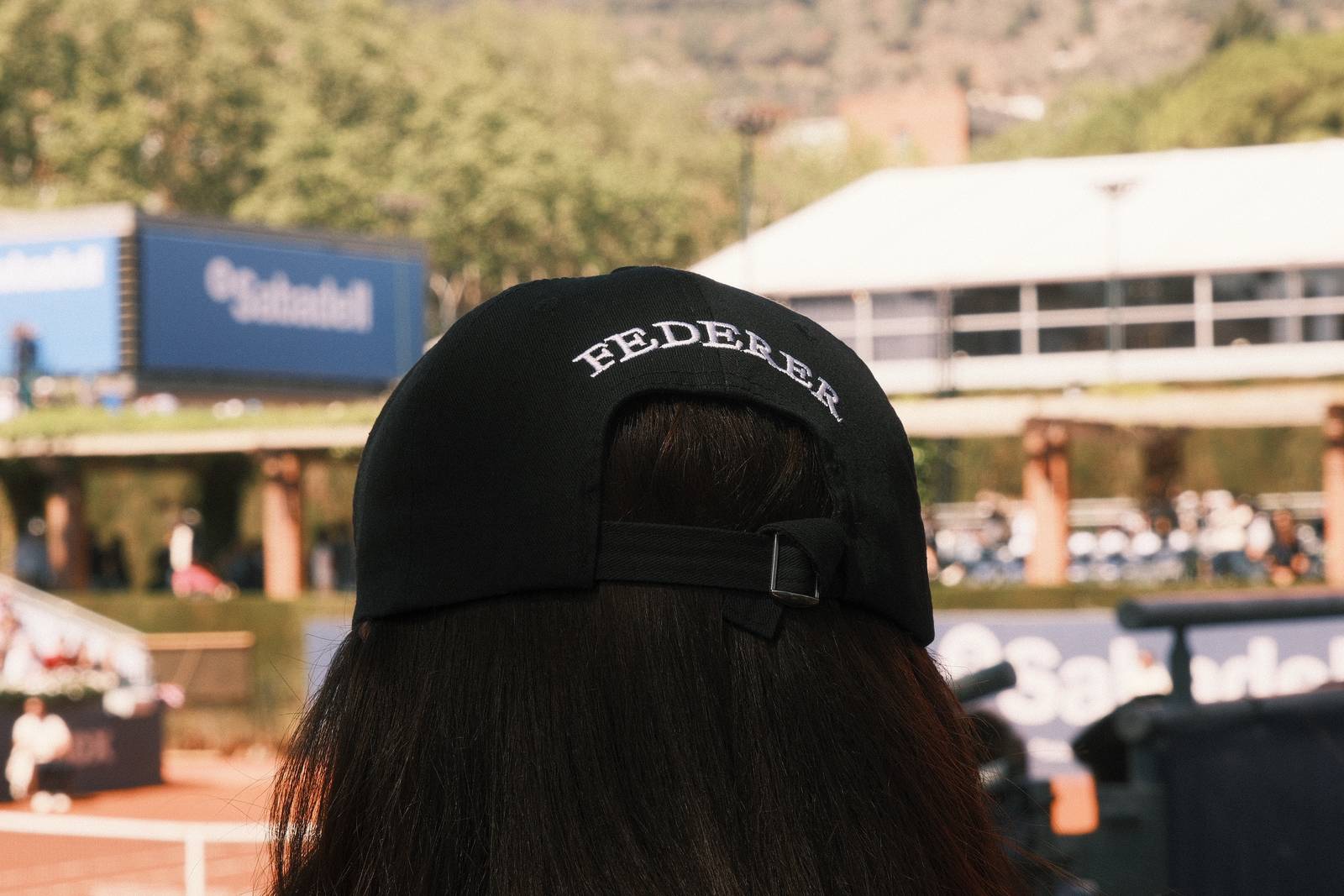
    Snaps of fans at the Barcelona tennis. Barcelona Film Recipe
    In the park with the Barcelona Film Recipe
    Stars of the game; Ruud, Tsitsipas and Nadal. Barcelona Film Recipe
    Heading home. Cloudy skies over London. Barcelona Film Recipe
    A sunny evening wander in the park. Barcelona Film Recipe
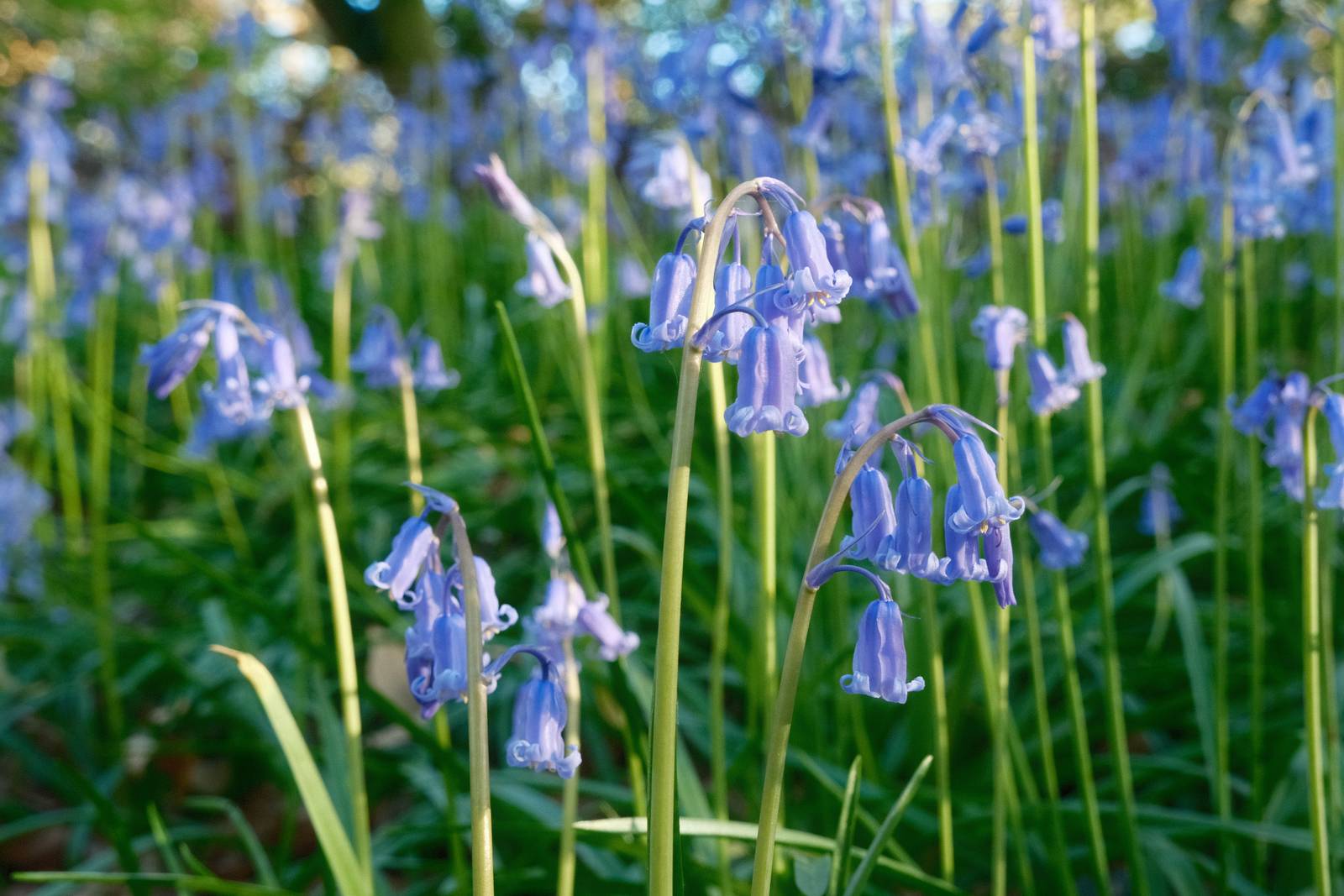
    It’s bluebell season in the UK. With the Barcelona Film Recipe
    Spring leaves at Golden Hour. Using the Barcelona Film Recipe
    Sunset over Southampton Water captured with the Barcelona Film Recipe
    Throwing stones. Barcelona Film Recipe