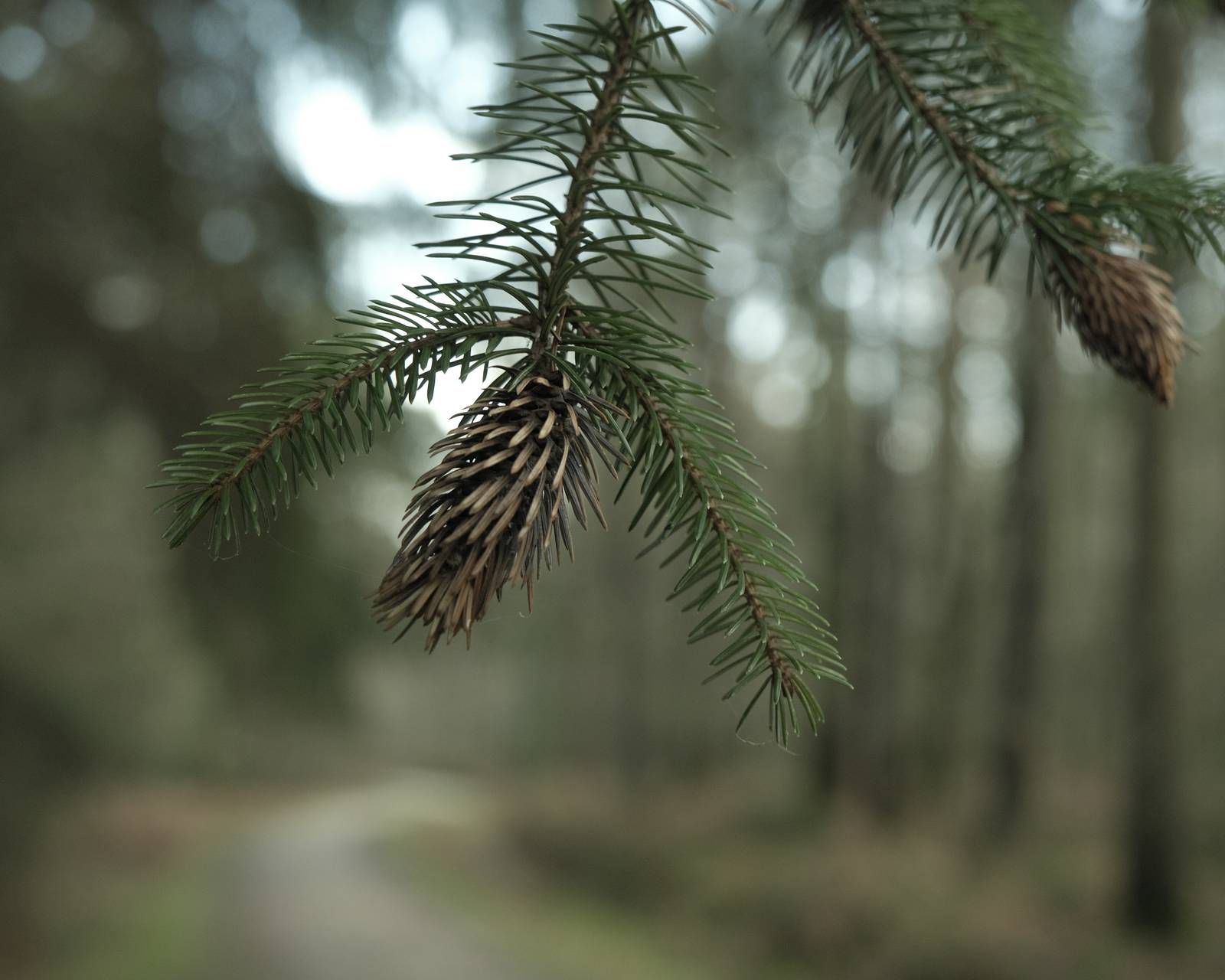
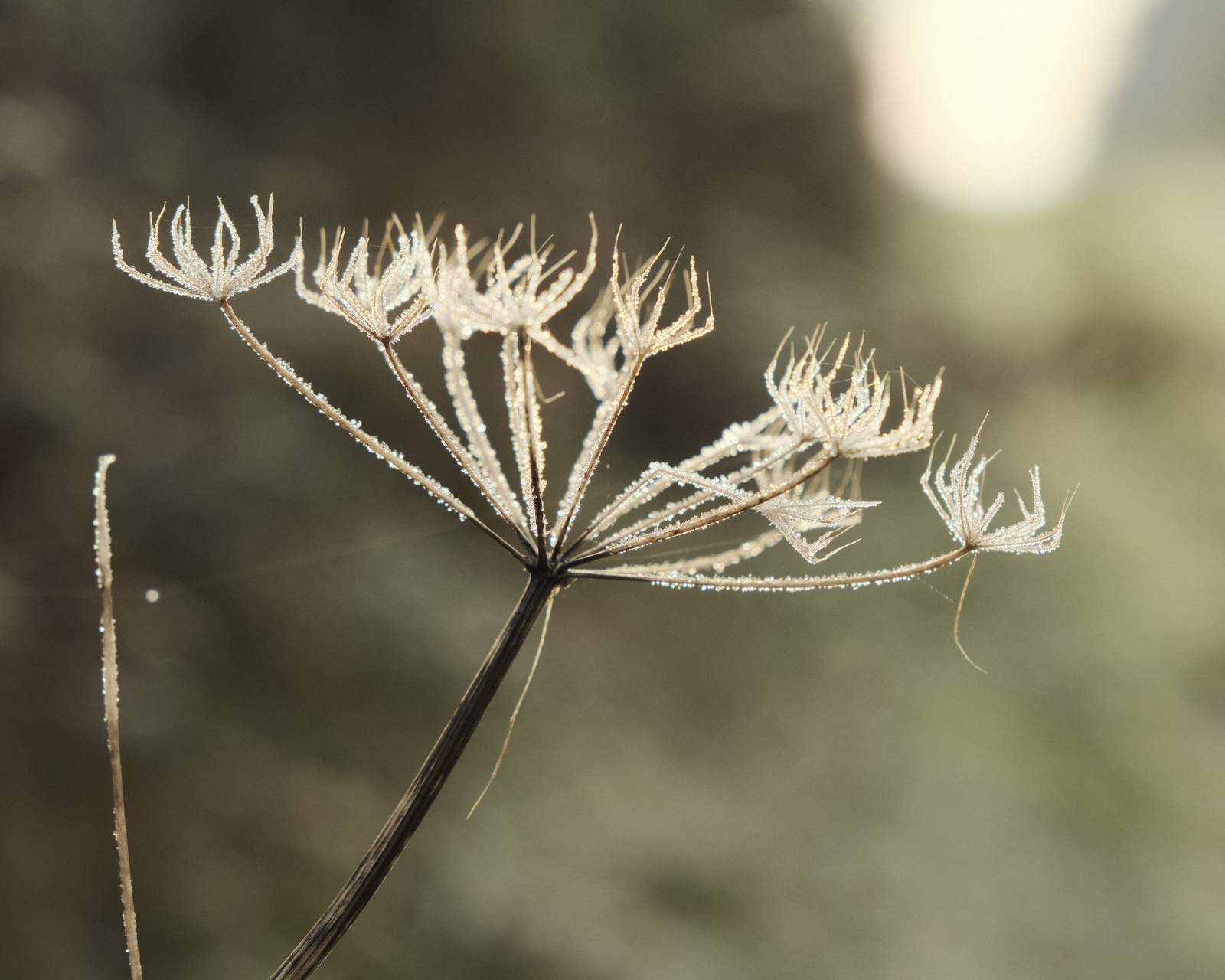
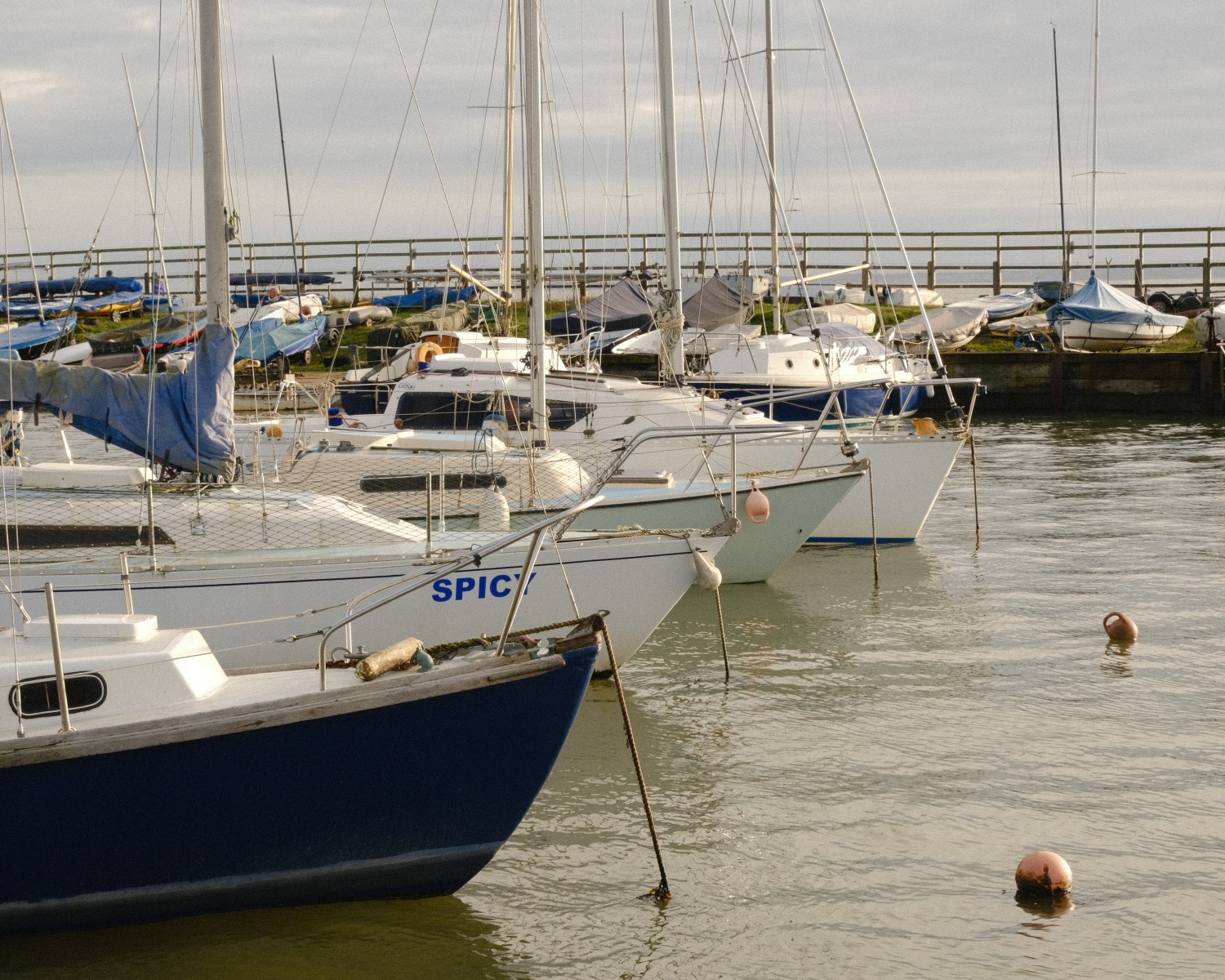
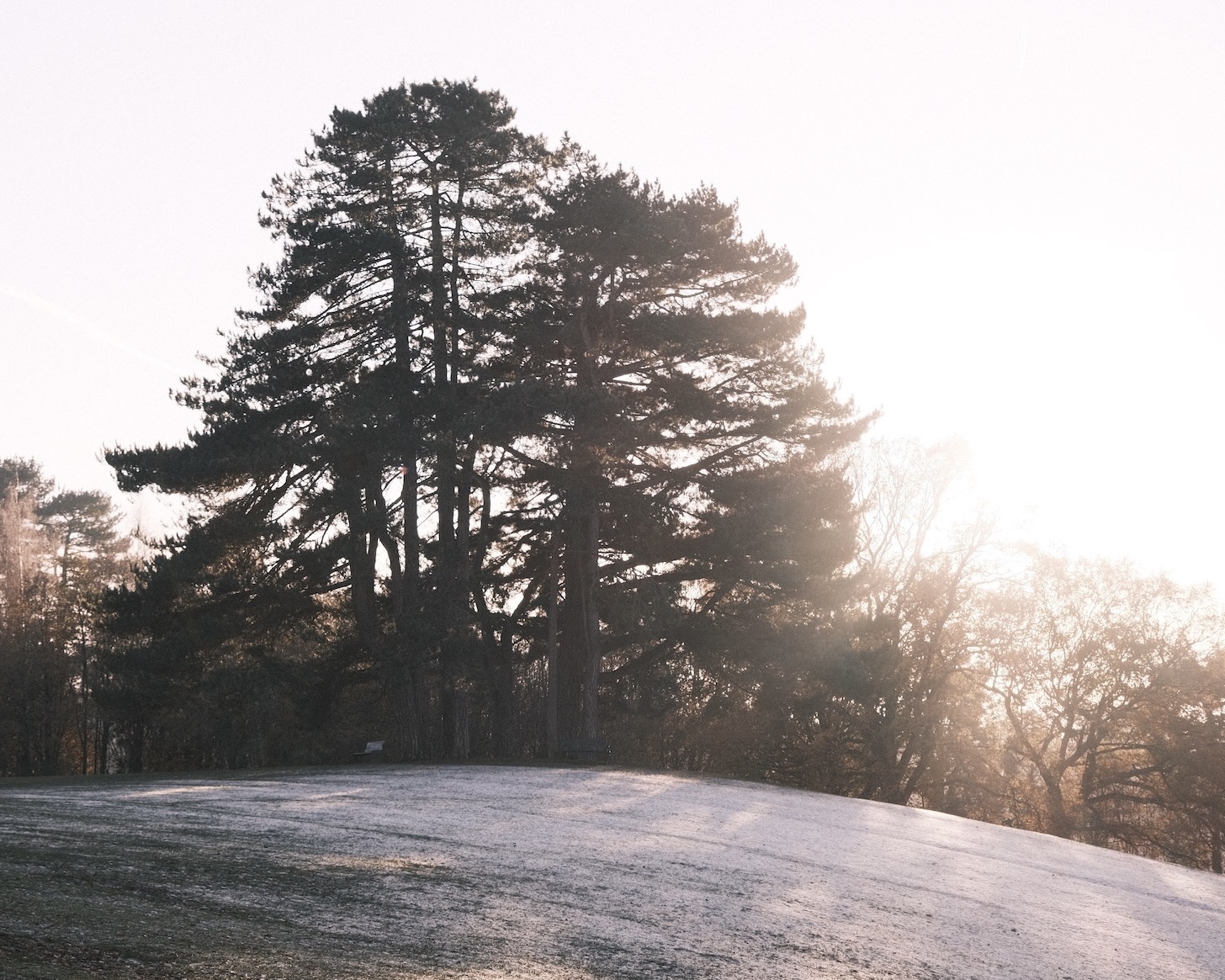
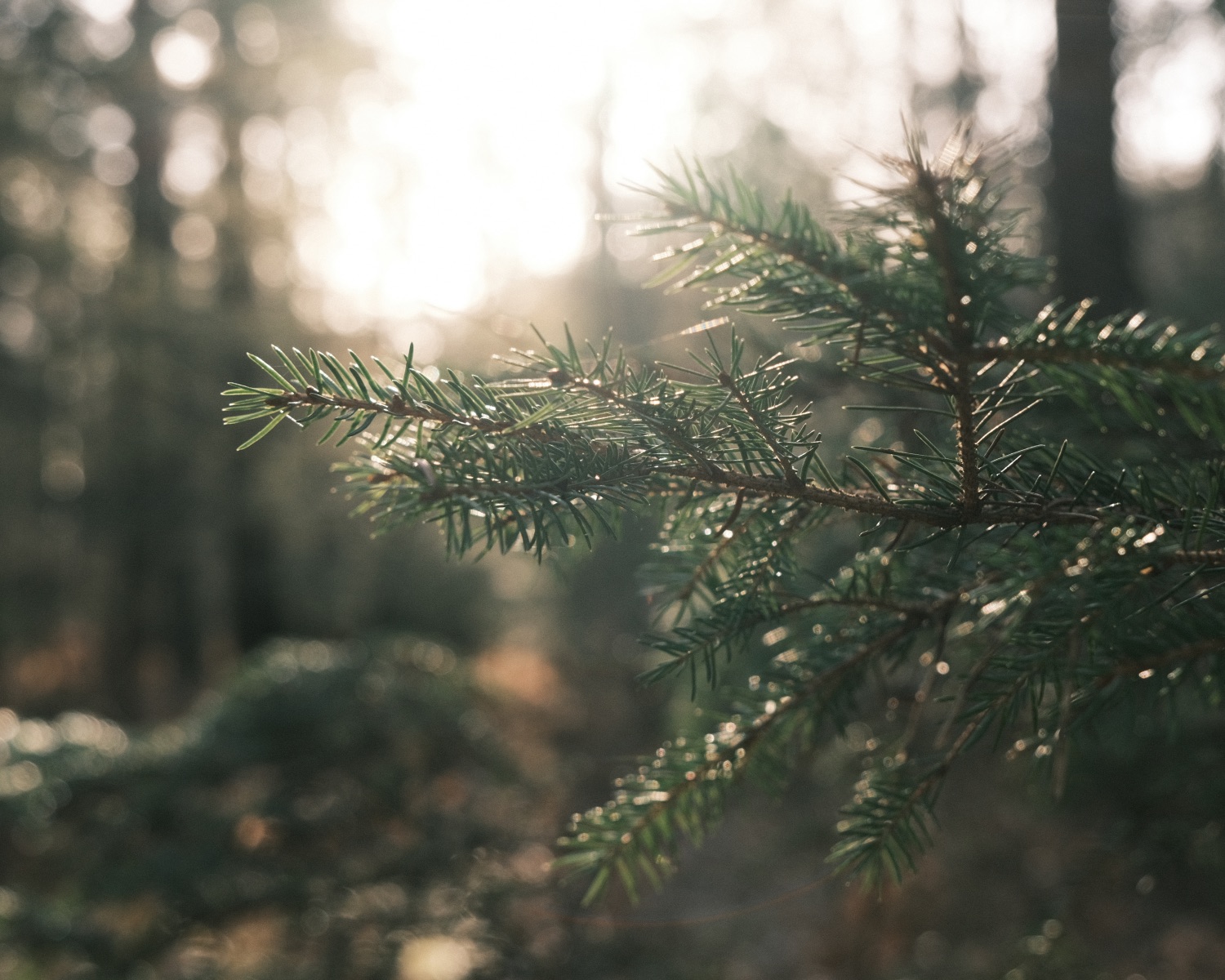
In my development of the Waldorf Astia film recipe, I started with a look that was warmer than the final recipe. This is that look. I has a mellow nostalgic feel, with a rich, caramel tone in some conditions. This comes from the combination of a warm color balance, at 8600K and the built in tone of the Astia film simulation.
For a while, this recipe was simply called Waldorf, but with the two versions, it has now split into Waldorf Astia, and this one, Waldorf Warm.
Cosy tones in the cosy sheep pen, with Walfrom Warm film recipe
Waldorf Warm Film Recipe
Simulation: Astia/Soft
Grain Effect: Weak, Small
Colour Chrome Effect: Weak
Colour Chrome Blue: Weak (IV) / Off (V)
White Balance: 8600K
WB Shift: -4 Red, +6 Blue
Dynamic Range: DR200
Highlights: +1.0
Shadows: -1.0
Color: -2
Sharpness: -1
ISO Noise Reduction: -4
Clarity: +2
EV compensation: 0
In the bright woodlands, with Waldorf Warm film recipe
Waldorf Warm film recipe works well in the morning or afternoon lightHello little guy, captured with the Waldorf Warm film recipeFallow deer buck in bright sunlight, with Waldorf Warm film recipeDown by the tumbling stream, with Waldorf Warm film recipeThe stream and road run along together, Waldorf Warm film recipe
Frost coated weeds in the morning, using Waldorf Warm film recipeA good choice for Autumn color, the Waldorf Warm film recipeRich, nostalgic tones, captured wtih Waldorf Warm film recipeSecrets hidden in the forest, Waldorf Warm film recipeThree early morning views alongside the tracks, Waldorf Warm film recipeWhat will you discover, shooting with Waldorf Warm film recipe?
Film simulation recipe using Pro Neg Standard for forest and woodland vibes
I love walking in forests and woodlands and take a lot of my photos in amongst the trees. I wanted to make a recipe that brought out the greens of the forest in a mellow and nostalgic look. I also wanted to recognise that it’s not always sunny, and when it’s a bit wet or gloomy, the forest is a great place to walk.
The base for this recipe is Pro Neg Standard, a simulation that Fujifilm suggest we use for portrait photography. That may well be a good use, but I have been drawn to the limestone grey green tone of neutrals and wanted to build on this for a forest look.
The resulting tone is soft and muted with a retro nostalgic feel, and there is a green character that runs throughout. It loves the woods in all seasons and all weathers, working well with pale creams, browns and oranges as well as its main feature, green tones.
Don’t worry about the weather, let’s go out with Forest Ranger film recipe
Forest Ranger Film Recipe
Simulation: PRO Neg. Std
Grain Effect: Off
Colour Chrome Effect: Weak
Colour Chrome Blue: Strong (IV) / Weak (V)
White Balance: Daylight
WB Shift: +2 Red, -7 Blue
Dynamic Range: DR100
Highlights: -1.0
Shadows: -1.0
Color: -4
Sharpness: +1
ISO Noise Reduction: -4
Clarity: 0
EV compensation: 0
Look out for the little things, with the Forest Ranger film recipe
Looking up at the canopy with Forest Ranger film recipeDeep in the forest, with the Forest Ranger film recipeSweet Chestnut leaves at the end of the season, Forest Ranger recipeNew Forest ponies enjoying a fall of acorns, Forest Ranger film recipeNibble, nibble, crunch, crunch … Forest Ranger film recipeA sunny day in the dunes, with Forest Ranger film recipe.
Green details captured with Forest Ranger film recipePine green and sky blue, using Forest Ranger film recipeIt’s raining again … but no matter with Forest Ranger film recipeA gloomy day on the trails, captured with Forest Ranger film recipeForest details, using the Forest Ranger film recipeMellowness in bright light, with the Forest Ranger film recipeAutumn’s gold is kept to a pale yellow, with Forest Ranger film recipeRetro tones for orange leaves and blue sky, Forest Ranger film recipeFrosty ferns in winter, with Forest Ranger film recipeIcy forms, captured in winter with Forest Ranger film recipeMellow winter leaves, with Forest Ranger film recipeSpring greens in the sunlight, with Forest Ranger film recipe
Fungi finds in the Autumn woodland, Forest Ranger film recipeLittle tree flowers, opening soon. Forest Ranger film recipeWith the blue sky behind. Forest Ranger film recipeDecember leaves, captured with Forest Ranger film recipeEnd of autumn beech leaves, using the Forest Ranger film recipeThe height of Summer, with greens of the Forest Ranger recipeSummer beech leaves, using the Forest Ranger film recipeA shady spot by the creek, in summer with Forest Ranger film recipeA woodland wander, with the Forest Ranger film recipeAutumn colours are mellowed by the Forest Ranger film recipeOak leaves take on a rainbow of colour, Forest Ranger film recipePine needles, wet with morning dew, Forest Ranger film recipeAnother autumn find, a dewy web, using Forest Ranger film recipe
The rich greens of a woodland, using Forest Ranger film recipe
More Pro Neg Film Recipes
The two Pro Neg film simulations are less well represented in the world of film recipes, but there are some interesting looks to be found. Here’s a handful for further investigation…
Easy Going – a versatile landscape recipe with Pro Neg Hi
Eterna cinematic film simulation recipe for a mellow nostalgic look to nature photos
This is a film simulation recipe that brings together several of my favourite elements into one place. There’s a cinematic feel, a mellow tone and a nostalgic look all rolled up into one.
The secret is of course the Fujifilm film simulation, which for this recipe is the Eterna/Cinema simulation. Eterna, with its movie origins, has a cinematic feel and a built in mellowness that adds emphasis to greens and browns. These mellow tones are maximised with the addition of the Color Chrome effect and a warm colour balance at 5800K color temperature.
The end result is a fabulous choice in woodlands and forests, or when you are shooting natural landscapes in the great outdoors. It’s a recipe for the explorer in us … something to take with us on adventures.
Cinematic vibes and nostalgic tone, the Explorer’s Cinematic film recipe
Woodland details, captured with the Explorer’s Cinematic film recipeLet’s follow the trail to Simonskall, with Explorer’s Cinematic film recipe
Scenes from the German town of Simonskall, Explorer’s Cinematic film recipeSpring won’t be too long now … Explorer’s Cinematic film recipe
Mellow tones on a greay day in Germany, Explorer’s Cinematic film recipeTake the road less travelled, with Explorer’s Cinematic film recipeOver the stile and away we go … with Explorer’s Cinematic film recipeA mellow film recipe that works with nature, Explorer’s Cinematic film recipeSunset rays on dead tree branches, Explorer’s Cinematic film recipeNatural mirror in the forest, with Explorer’s Cinematic film recipeLate in the afternoon in the forest, using Explorer’s Cinematic film recipe
Shooting into the light, with the Explorer’s Cinematic film recipeFrosty coatings, captured with Explorer’s Cinematic film recipe
Your friend on a photowalk, the Explorer’s Cinematic film recipe
Capturing winter plant forms, with the Explorer’s Cinematic film recipeGreen shoots are appearing everywhere now, Explorer’s Cinematic film recipeA drizzly morning, with the Explorer’s Cinematic film recipe
It’s misty and grey in Simonskall, captured with Explorer’s Cinematic recipe
Film Recipes for the Forest
Some film recipes have a tone and style that feels at home for a walk in the woods. Here are a few choices for your woodland explorations.
Astia film simulation recipe for X Trans IV cameras to create a New American Color look
Development of this Astia film simulation recipe for Fujifilm X Trans IV cameras, has passed through a several iterations, scrapping and restarting the look. I knew from the off that I wanted to capture the filmic palette of the New American Color style, with slightly rusty reds and a subtle pale cream-green wash to bright neutrals.
I’d also been inspired by the tremendous New American Color film recipe by Øyvind Nordhagen, and knew that working with Astia simulation was the likely route to success. Our recipes are different, bringing separate elements of the style to the fore. You may enjoy both for different situations, but I hope you’ll have fun trying them out.
As for the Waldorf name, I wanted something with an American ring to it, and ideally something to incorporate Astia in there too. So, inspired by the historic landmark Waldorf Astoria hotel in New York, I settled on Waldorf Astia for this New American look.
You can see many more samples with Waldorf Astia in the user gallery from the Film Recipes Challenge. Take a look.
A Devonshire herd, with the New American tones of Waldorf Astia recipe
Waldorf Astia Film Recipe
Simulation: Astia/Soft
Grain Effect: Weak, Small
Colour Chrome Effect: Strong
Colour Chrome Blue: Off (IV) / Off (V)
White Balance: 6750K
WB Shift: -4 Red, +4 Blue
Dynamic Range: DR200
Highlights: +1.0
Shadows: -1.0
Color: -2
Sharpness: -1
ISO Noise Reduction: -4
Clarity: +2
EV compensation: 0 or +1/3
NB: These details were updated on April 3rd, 2023. The earlier version of the recipe, which has a warmer, nostalgic Astia look, has been published separately as Waldorf Warm.
Scenes from the cattle shed, captured with Waldorf Astia film recipeA winter morning at the mill, using Waldorf Astia film recipeThe sun is rising on another day. Waldorf Astia film recipeBlue green tones of frosty grass, with Waldorf Astia film recipeRusty tones are beautiful with the Waldorf Astia film recipe
The Waldorf Astia film recipe loves the coats of New Forest poniesA sunset over sandbars, with the Waldorf Astia film recipeFly past, captured with the Waldorf Astia film recipeSanderlings feeding at sunset, 70-300mm and Waldorf Astia film recipeMaking the most of the changing tide, Waldorf Astia film recipe
Sunset on the heath …
… with Waldorf Astia film recipe
Winter snowdrops, captured with Waldorf Astia film recipeLow angle bokeh amongst the snowdrops, with Waldorf Astia film recipe
Winter on the canal path, using the Waldorf Astia film recipeThree cloudy day forest photos, taken with the Waldorf Astia film recipeSunsrise details, catpured with Waldorf Astia film recipe
Astia Film Simulation Recipes
I’ve been creating various recipes with Astia, working with it’s film like qualities and mellow colour tones. Here are a few others to take a look at…
A natural colour soft tones film recipe using Pro Neg Standard for X-Trans IV
Pro Neg Standard is a film simulation that provides good colour accuracy across the spectrum, and works well for shooting portraits. I’ve made a number of film recipes with it, and enjoy the easy going character it has.
For the Pale Ale film recipe, I explored a variety of colour balance shifts, in search of a warm, slightly nostalgic but natural look that worked well with landscape subjects. After considerable experimentation and adjustment, I have settled on this shift from the Fluorescent 2 white balance base.
The result is a soft tones look, which captures the retro vibe of Fujifilm simulation shooting. It presents natural scenes in a tastefully calm way, without too much saturation or contrast, and with a warm nostalgic tint for added atmosphere.
Natural soft tones, captured with the Pale Ale film recipe
Pale Ale Film Recipe
Simulation: PRO Neg. Std
Grain Effect: Off
Colour Chrome Effect: Weak
Colour Chrome Blue: Strong (IV) / Weak (V)
White Balance: Fluorescent 2
WB Shift: +3 Red, -7 Blue
Dynamic Range: DR200
Highlights: -1.0
Shadows: -1.0
Color: +3
Sharpness: +1
ISO Noise Reduction: -4
Clarity: 0
EV compensation: 0
A summer scene by the seaside, with Pale Ale film recipeThose boats again, this time with the Pale Ale film recipeA winter sunrise, captured with Pale Ale film recipe
Taken in the childrens ‘bee garden’, with Pale Ale film recipeA sunny afternoon and high tide, Pale Ale film recipeWaiting for the water to recede, Pale Ale film recipeThey’ve spotted ewe! Pale Ale film recipe
Walking in the summer barley field, with Pale Ale film recipeJust after sundown on the riverside, Pale Ale film recipe
Pale Ale film recipe is a good choice for blue hourWinter thicket, using Pale Ale film recipeWinter sunshine and a little snow, Pale Ale film recipeSnowy curve, captured with Pale Ale film recipeCotton fluff snow on the bushes, Pale Ale film recipeMemories from the summer, with Pale Ale film recipeThe summer green of Wimbledon, using Pale Ale film recipeTaking a snap before the crowds arrive, Pale Ale film recipeBeautiful red blooms, with the Pale Ale film recipeRed of a different kind, with Pale Ale film recipeSoft natural colours, captured with Pale Ale film recipeSunny autumn leaf, taken with Pale Ale film recipeTaken at ground level, with the Pale Ale film recipeA summer iris in afternoon light, Pale Ale film recipeAutumn discovery, captured with Pale Ale film recipe
Classic Chrome film simulation recipe that emulates a vintage lens style
Druring my film recipe creation process, I occasionally hit on a settings combination that produces a look that is completely different than I had expected. This experiment was just like that.
I was playing with X RAW Studio to make a Classic Chrome recipe with a downward scale of settings with 5, 4, 3 ,2 ,1 starting with a colour temperature of 5430K, a shift of 2, 1, and so on through the settings, until I added at the end of the scale, the strongest negative clarity setting, -5.
I normally avoid settings quite this strong, but on this occasion it added a softness that immediately reminded me of vintage lens photos that I had seen. The softness was like an imperfection, with a character that was decidely analog, especially in the out of focus areas of my images.
This vintage blur isn’t so visible at phone screen sizes, so I’ve provided a crop in the image below.
A vintage lens look with the Xylochrome film recipeA crop of the above image, showing the vintage lens softness effect
Xylochrome Vintage Lens Film Recipe
Simulation: Classic Chrome
Grain Effect: Off
Colour Chrome Effect: Strong
Colour Chrome Blue: Weak (IV) / Off (V)
White Balance: 5430K
WB Shift: +2 Red, +1 Blue
Dynamic Range: DR200
Highlights: 0.0
Shadows: -1.0
Color: -2
Sharpness: -3
ISO Noise Reduction: -4
Clarity: -5
EV compensation: 0
Winter morning teasels, with the Xylochrome film recipe
Xylochrome film recipe has a muted creamy tone with faded blue skiesA late summer day on the riverbank, using Xylochrome film recipeLate summer sees some early colour in the leaves, Xylochrome film recipeOak leaves with early colour, with the Xylochrome film recipe
Let’s go for a photo walk, and try out Xylochrome film recipeA bit of winter weather, captured with Xylochrome film recipeBetter to drive carefully on the icy roads, Xylochrome film recipeDown at the beach, on a breezy day. Xylochrome film recipeThere are lots of oysters in the water here. Xylochrome film recipeThe sun is about to disappear for the day, Xylochrome film recipe
Winter leaves have lost all their green, even if they’ve stayed on the treeA winter walk with the vintage lens look of Xylochrome film recipe
It’s a little bit frosty, making greens pale. Xylochrome film recipe
Other recipes using -5 Clarity
Whilst there is nothing stopping you from trying a strong negative clarity setting on any recipe, there are a few that have been designed with this setting in mind.
Cheers – creamy and soft with deep shadow, by Captn Look
Grizzly Ride – grungy Bleach Bypass, again by Captn Look
Melatonin – Grant Teng’s dreamy cool tones, here on Film.Recipes
CineStill 800T – Eterna for night shooting, on FujiXWeekly
Soft tones film simulation recipe for Fujifilm X-Trans IV with Eterna setting
This film recipe uses the Eterna / Cinema film simulation with a warm white balance and softened highlights. It brings a mellow warmth to your photos and when shooting outdoors, it works well at controlling bright conditions, and adding a warmer mood to cloudy days.
This has some of the softest contrast of my Eterna recipes, and with the 5, -5 WB shift, it features a retro tone, bringing out the brown green tint of Eterna in the images. In fact, only Ultrasoft 77 is softer.
In a twist, this recipe uses clarity and sharpness for crisp edges, so you get soft tones, but sharp images. I like this look and enjoy how it works with the low contrast. However, you may prefer to stay softer and more natural, so this is shown as optional in the details below.
Winchester Cathedral, taken with the Outdoor Cinema film recipe
Outdoor Cinema Film Recipe
Simulation: Eterna Cinema
Grain Effect: Weak, Small
Colour Chrome Effect: Off
Colour Chrome Blue: Strong (IV) / Weak (V)
White Balance: Auto
WB Shift: +5 Red, -5 Blue
Dynamic Range: DR400
Highlights: -1.5
Shadows: +0.5
Colour: -3
Sharpness: +2 (or leave at 0 for softness)
ISO Noise Reduction: -4
Clarity: +2 (set to 0 for softness)
EV compensation: +2/3
A fallen leaf on a misty winter morning. Outdoor Cinema film recipe
Scenes from a misty woodland walk, captured with Outdoor Cinema recipeFootpath through the oat field, with Outdoor Cinema recipeOats swishing in the wind, with Outdoor Cinema film recipeWhich way? Taken with Outdoor Cinema film recipeWinter ferns in soft tones, with the Outdoor Cinema recipe
Ferns behind ferns for a mono look, taken with Outdoor Cinema recipeDew drop in the morning light, with Outdoor Cinema recipeFly amantia mushrooms, low down with Outdoor Cinema recipe
Autumn mushroom hunting, with the Outdoor Cinema film recipeA first sign of Spring? Captured wtih Outdoor Cinema recipeAt the tennis club, with Outdoor Cinema film recipeLooking through, taken with Outdoor Cinema film recipeBirch trees, taken with the Outdoor Cinema film recipeA forest trail, taken with Outdoor Cinema film recipeWalking trail across the heath, captured with Outdoor Cinema recipeBoats in the marina, with Outdoor Cinema film recipeLow contrast on a dull day, Outdoor Cinema film recipe
Along a shady path, with the Outdoor Cinema film recipeBiking the trail, with Outdoor Cinema film recipeSoft and pale tones of Outdoor Cinema film recipe
For a similar look, try Eterna Nostalgia, which shares the same white balance, but has deeper contrast and increased saturation. Or, for super softness, the Ultrasoft 77 recipe is the one to try.
Astia film simulation recipe with a warm grainy retro look for X-Trans IV
So here’s a recipe that doesn’t replicate any film in particular, but has many of the qualities of a film. This is down to the use of Astia film simulation as the base to the recipe. It has a solid film-like feel, especially in the tone of the highlights, and is also a nice break from Classic Chrome and Classic Negative, which are quite distinctive in their styling.
The vintage part is an added mood, bringing warmth, grain and a gentle reduction in saturation. The result is a warm look, with the retro feel of images as they once were, but without being too much like any Kodachrome or Fujicolor style. I’ve become quite partial to it, using it as a general use recipe in all sorts of conditions.
This recipe also has a passing resemblence to Nostalgic Negative from the newest cameras, so if you want a recipe to fake it, this may be the one.
Vintage film-like tones in the winter forest, with Vintage Astia
Vintage Astia Film Recipe
Simulation: Astia/Soft
Grain Effect: Strong, Small
Colour Chrome Effect: Strong
Colour Chrome Blue: Weak (IV) / Off (V)
White Balance: Auto White Priority
WB Shift: +5 Red, -5 Blue
Dynamic Range: DR100
Highlights: -1.0
Shadows: -1.0
Color: -2
Sharpness: -2
ISO Noise Reduction: -4
Clarity: 0
EV compensation: 0
Inspiration for this recipe came from two sources, E. Fung’s Vintage Look Classic Chrome and Øyvind Nordhagen’s work with Astia, which opened my eyes to this simulation as a base.
Vintage tones at the marina, with Vintage Astia film recipeFor once, I got to see the boats with the tide high, Vintage Astia film recipeSo very British, captured with the Vintage Astia film recipeIt’s a misty morning in the woodland, with Vintage Astia film recipeDew highlights the spider web, taken with Vintage Astia film recipeLooking up and the canopy on a misty day. Vintage Astia film recipeVintage Astia on a frosty morning at the allotmentFrosty edges, captured with Vintage Astia film recipeSunlit yew tree, captured with Vintage Astia.Logpile in the woods, with the Vintage Astia film recipeThe long leaves of the Sweet Chestnut, Vintage Astia film recipeAutumn mornings are good for cobweb spotting, Vintage Astia recipeThis one is large, that one is far awayNibbling at hay on a frosty morning, Vintage Astia film recipe
Scenes at dusk, captured with the Vintage Astia film recipeLate afternoon thistle heads, with Vintage Astia film recipeRich golden hour colour, with the Vintage Astia film recipeBeach walks with the dogs, captured with Vintage Astia film recipeRed and white fly amantia, captured by Vintage Astia film recipeAn October forest scene, with Vintage Astia film recipeSt. Leonard’s Church, taken with the Vintage Astia film recipe.The village church, captured with Vintage Astia film recipe.It’s a grey day and the tide is out, with Vintage Astia film recipeThe sailing club building, Vintage Astia film recipeAt last, the sunshine is returning, taken with Vintage Astia film recipeVintage Astia film recipe, looking towards the afternoon sunNaturally coloured blue skies, with the Vintage Astia film recipeEarly summer on a country lane, with Vintage Astia film recipeLocal enterprise, captured with the Vintage Astia film recipeForest colours, captured with the Vintage Astia film recipeA parasol for your RDR2 horse, taken with Vintage Astia film recipeSummer evenings on the beach, with Vintage Astia film recipeCheers! I hope you enjoy the Vintage Astia film recipe
More Vintage Look Film Recipes
Our cameras don’t offer unlimited options in pursuit of a vintage look, but with the excellent film simulations, and shifts to white balance and other settings, we can generate looks that fit a vintage vibe or retro aesthetic.
I have a page of nostalgic film recipes, but here is a shorter list of some favourite vintage look recipes on this site and others.
Astia Mellow – a differnt vintage inspired look, also with Astia
An instant film recipe with an expired look, for X-Trans IV cameras
Here’s an interesting film recipe for exploring the instant film aesthetic that just goes to show what’s possible with film simulations in our Fujifilm cameras. This recipe brings together a quartz pink tinted analog look with the imperfections of low-cost instant photography. It reminds me of Instamatic or Polaroid films, or pocket cameras of decades past when prints were developed by a budget lab.
The recipe is based on Classic Negative, manipulated with colour balance shifts and minimal saturation. I love the look this produces especially when used in bright light, and shooting towards the light for a heavy blast of lens flare. I’d imagine it would be a fun recipe to sty for a stylised fashion shoot, or a 70s theme party, or whenever you want to try an expired instant film look.
Like an image from an instant pocket camera, Quartz 400 film recipe
Quartz 400 Film Recipe
Simulation: Classic Negative
Grain Effect: Weak, Large
Colour Chrome Effect: Weak
Colour Chrome Blue: Weak (IV) / Off (V)
White Balance: 7200K
WB Shift: +2 Red, +7 Blue
Dynamic Range: DR400
Highlights: 0.0
Shadows: -1.0
Color: -4
Sharpness: -1
ISO Noise Reduction: -4
Clarity: 0
EV compensation: +1/3
Dog walkers in the park, captured with Quartz 400 film recipe
Winter snow in pink tone
Quartz 400 film recipe
Ice bubbles in a frozen puddle, Quartz 400 film recipeQuartz 400 film recipe absolutely adores bright sunlightGet down low and capture backlit details, Quartz 400 film recipe
Blue skies with the expired pinks of Quartz 400 film recipeAutumn moods, captured with Quartz 400 film recipeMorning mist makes a mysterious mood, Quartz 400 film recipeIn the shadows with Quartz 400 film recipeWinter details, captured using Quartz 400 film recipe
Scenes of the winter forest, with Quartz 400 film recipeThis is the way, Quartz 400 film recipeA bright cold morning, with Quartz 400 film recipeLet’s take a walk, with the Quartz 400 film recipe
The colder the weather, the better it is for Quartz 400Last leaves, taken with Quartz 400 film recipeA winter detail, using Quartz 400 film recipe
Similar Styles
This film recipe has a distinct feel to it, with pinks and oranges brought into play in almost every shot. It reminds me of some other recipes, so here are some other links with a similar look and some of the same qualities.
Creamy Color – Moody with similar tones, by Captn Look
Nature Neon – Embrace the flare, again by Captn Look
Expired Film 66 – Prints from an old film found after decades
Polaroid 66 – Shoot like an old Polaroid instant camera
Classic Negative film simulation recipe for a mellow and uniquely Fujifilm look
I’ve been exploring mellow moods with film recipes recently, and wanted another recipe to compliment Mellow Magic and Vintage Mood, which both use Eterna. I think this image character is both unique to Fujifilm and also a beautiful tone in its own right.
For this relaxed recipe, I used Classic Negative, which has a built in nostalgic look. But, I also find it can be a bit too bold ‘as-is’ and benefits from a small amount of reining in. In this case, I trimmed highlights and reduced the saturation, and paired it with a warm colour balance based on 5000K temperature.
I kept the moody shadow tone at standard levels, which retains an impactful look. This also means that the recipe loves to work with sunlight, and is particularly pleasant when shooting towards the light. So, like it says in the Age of Aquarius song … Let the sunshine in ☀️
Caught in a spider’s web, with the Age of Aquarius film recipe
Age of Aquarius Film Recipe
Simulation: Classic Negative
Grain Effect: Weak, Small
Colour Chrome Effect: Off
Colour Chrome Blue: Strong (IV) / Weak (V)
White Balance: 5000K
WB Shift: +5 Red, -5 Blue
Dynamic Range: DR200
Highlights: -1.0
Shadows: 0.0
Color: -3
Sharpness: -1
ISO Noise Reduction: -4
Clarity: 0
EV compensation: 0 or +1/3 (all images on this page at 0)
For more samples of this recipe, visit the Age of Aquarius user gallery with a wide selection of images taken by the readers of this site.
Shooting towards the light with Age of Aquarius film recipe
Friendly pony wants to say ‘Hi’. Age of Aquarius film recipeSpring sunshine and green hedgerows, with Age of Aquarius film recipeFrost crystals on a fallen trunk, with Age of Aquarius film recipeFrosted ferns on a December morning, Age of Aquarius film recipeA frosty path for a winter walk, Age of Aquarius film recipeLooking up at the tall pines, Age of Aquarius film recipe
Let the sunshine in, with the Age of Aquarius film recipeI think they call it watery sunlight, Age of Aquarius film recipeDown at the water’s edge, with the Age of Aquarius film recipeThe sun broke through for a moment, Age of Aquarius film recipeSailing boats in the marina, Age of Aquarius film recipeAutumn finds, under the ferns, Age of Aquarius film recipeA handsome fly amantia, captured with Age of Aquarius film recipeMemories of summertime, with the Age of Aquarius film recipeSummer skies over the wheatfield, Age of Aquarius film recipe
Age of Aquarius film recipe, in the blue hour after sundownCalm reflections in the city, with Age of Aquarius film recipeWinter blue skies, captured with Age of Aquarius film recipeAutumn mellowness, with the Age of Aquarius film recipeThe leaves are turning, Age of Aquarius film recipeCobwebs on a moody weather morning, Age of Aquarius film recipeAge of Aquarius film recipe, really is a recipe for all seasonsThe sun has set on 2022, Age of Aquarius film recipe And, 2023 is here! It’s a dawn with Age of Aquarius film recipe
Classic Negative for Soft and Mellow Looks
I absolutely adore Classic Negative, and enjoy developing film recipes with it. A few others fall into the mellow or soft tones look shared by the Age of Aquarius film recipe. So, if you enjoyed this one, take a look at these as well …
Soft Negative – one of my first creations, and still a favourite