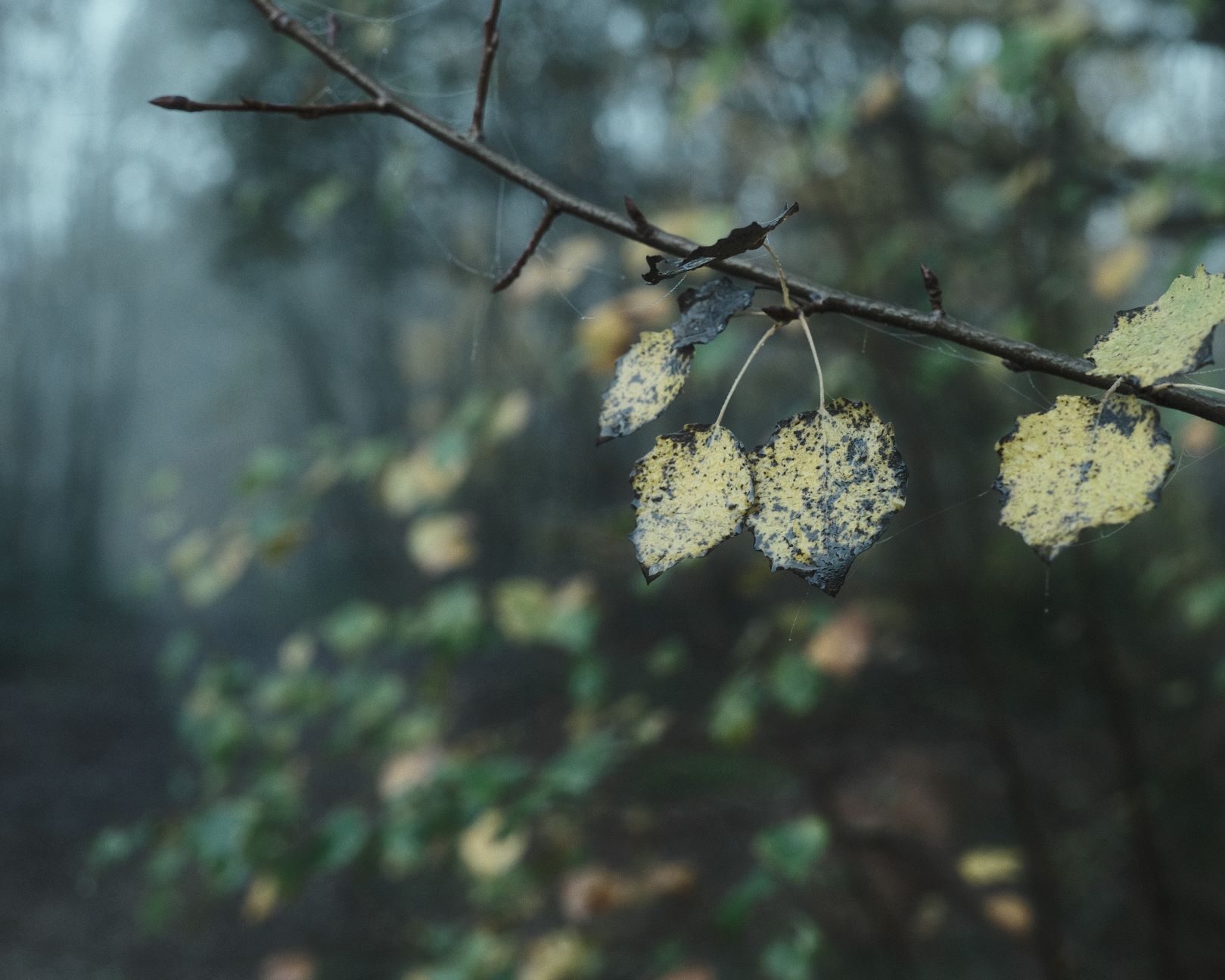
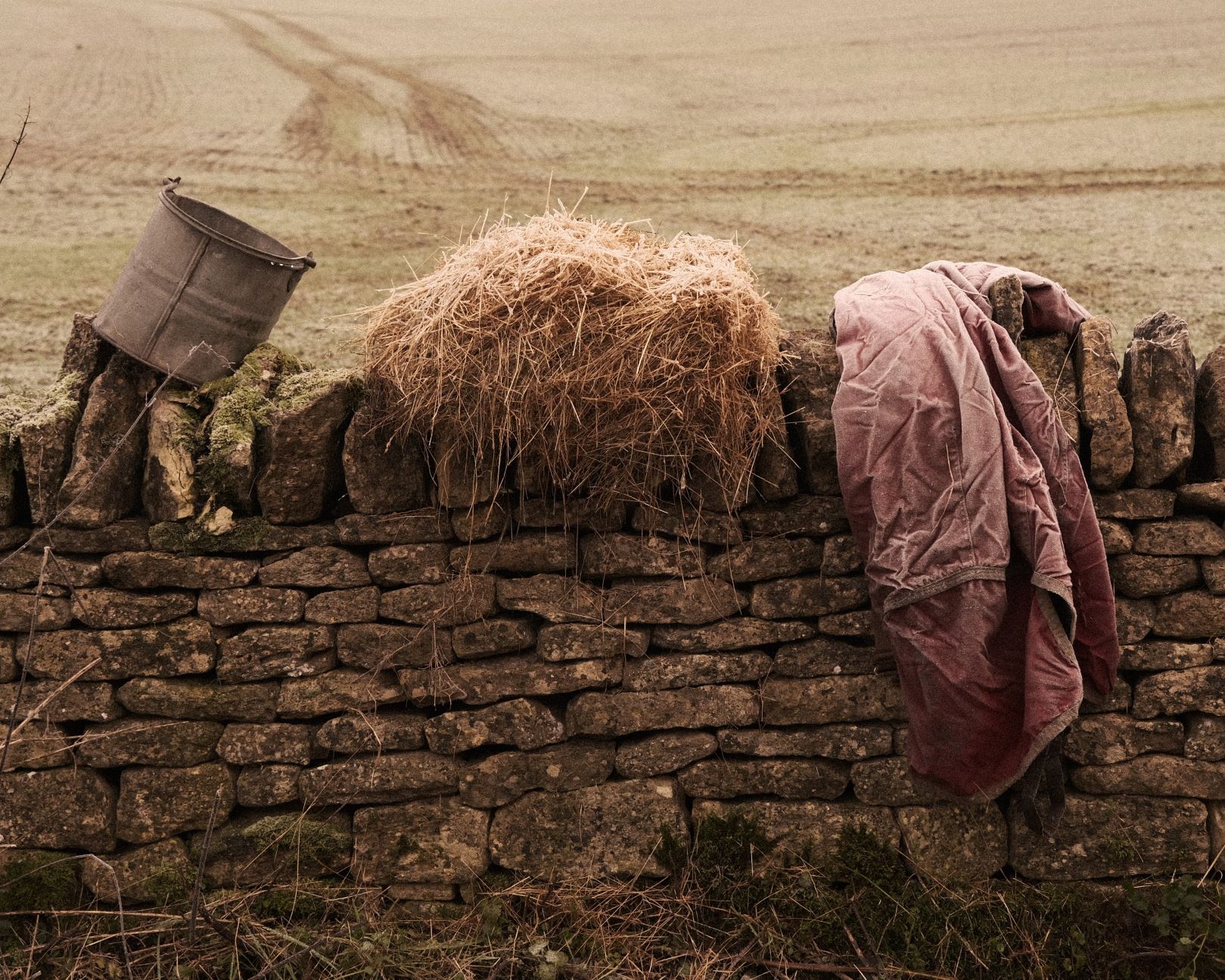
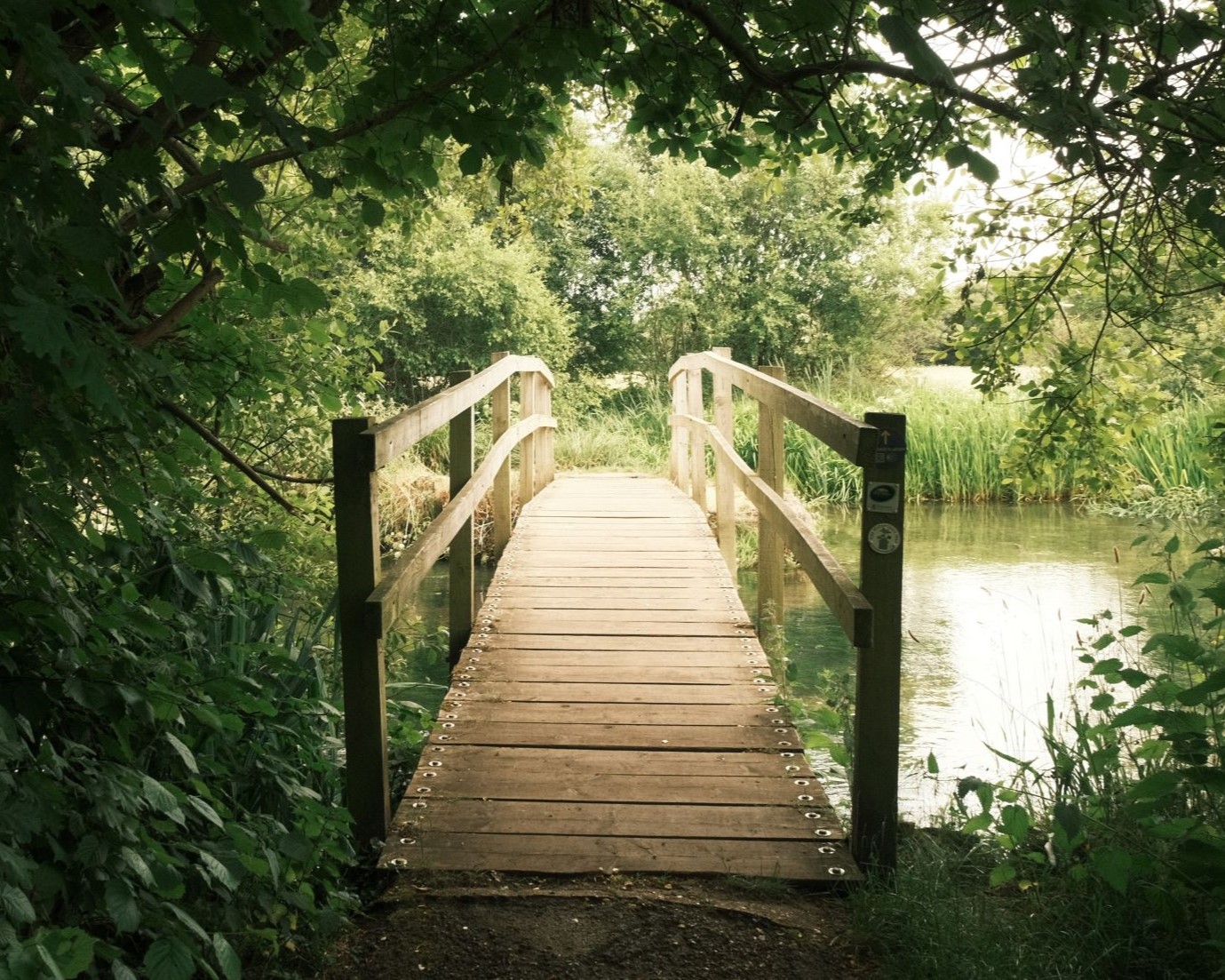
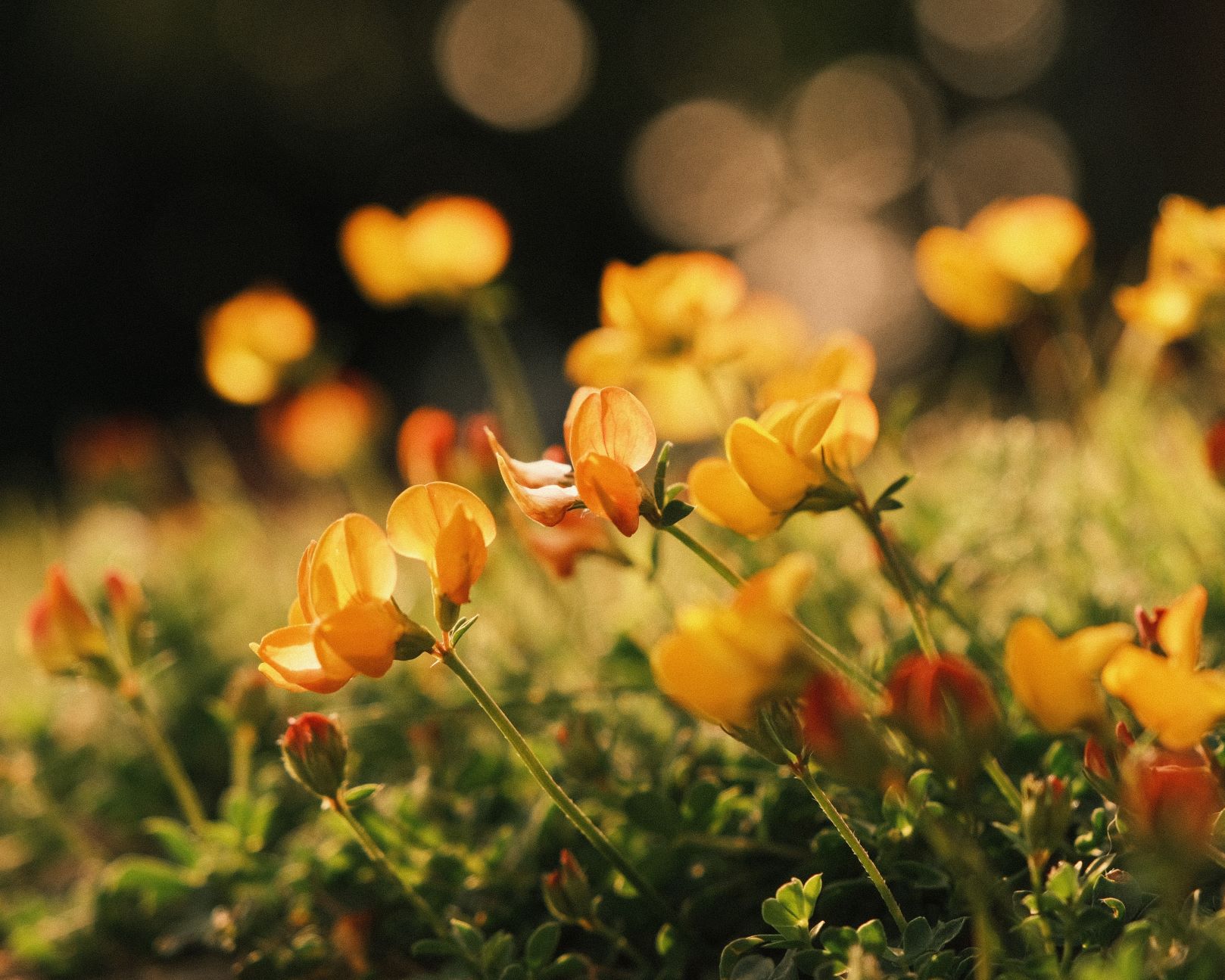
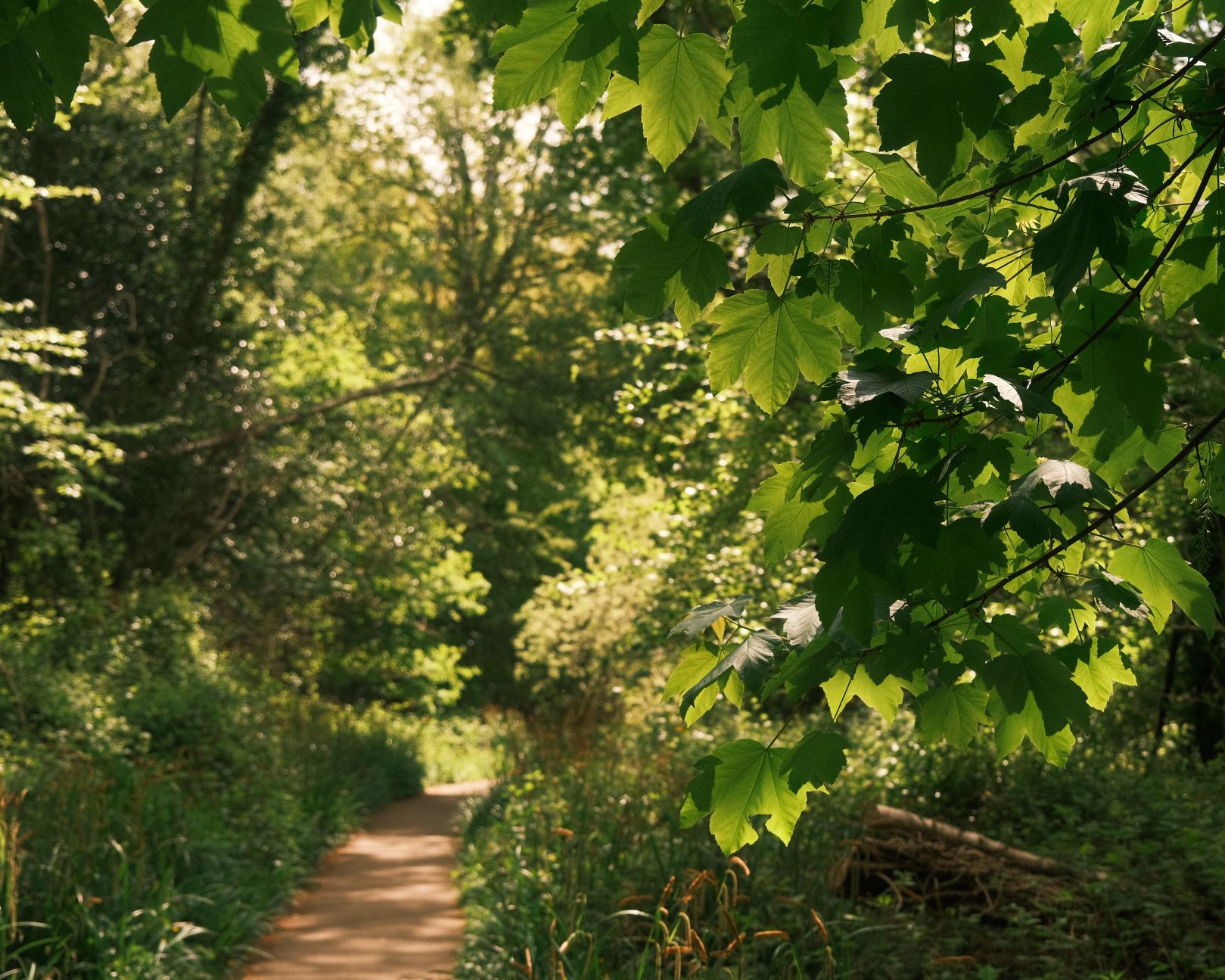
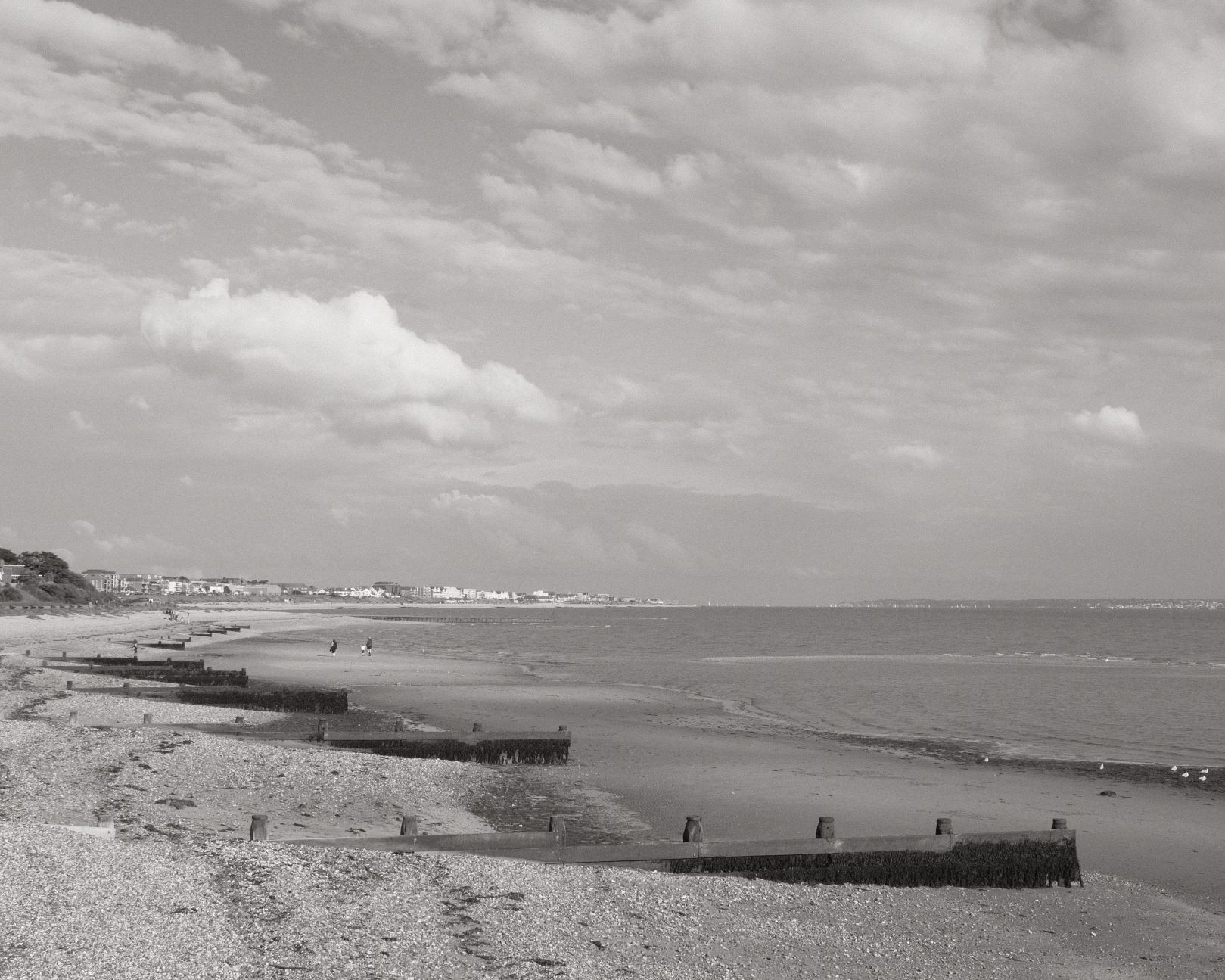
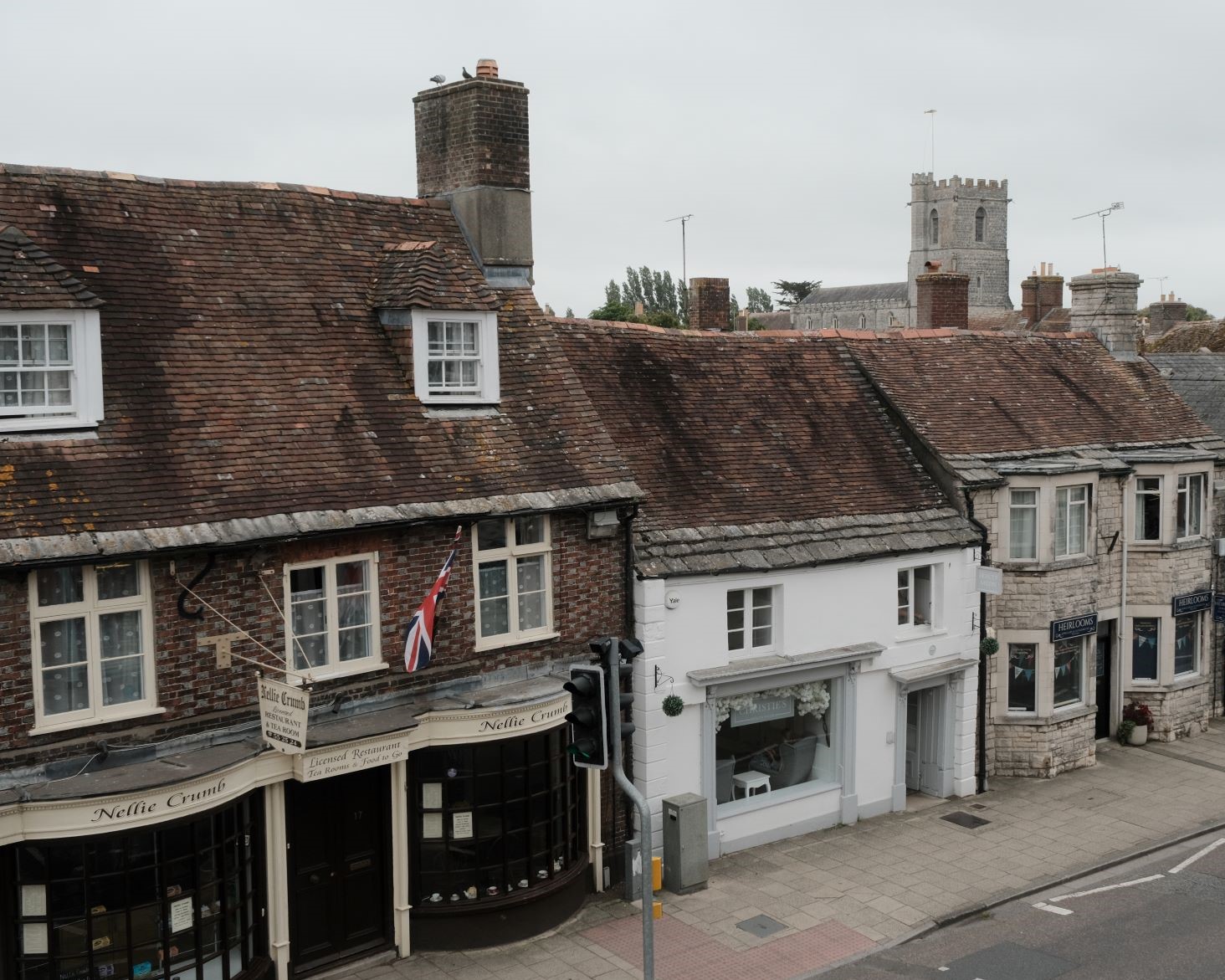
This last one was recently compared to a Polaroid look by Marcel Fraij, when sharing some images he took using it. This triggered me to revisit the recipe and think about how I could adapt it into an aged Polaroid style. This is the result, with a look that reminds me of rediscovered photos, like you might find in a stored shoebox or somewhere in the attic.
A riverside walk, with Polaroid 66
Polaroid 66 Film Recipe
Simulation: Eterna
Grain Effect: Weak, Large
Colour Chrome Effect: Weak
Colour Chrome Blue: Strong (IV) / Weak (V)
White Balance: Shade
WB Shift: +6 Red, +6 Blue
Dynamic Range: DR200
Highlights: -2.0
Shadows: +1.0
Color: -4
Sharpness: -1
ISO Noise Reduction: -4
Clarity: 0
EV compensation: +2/3
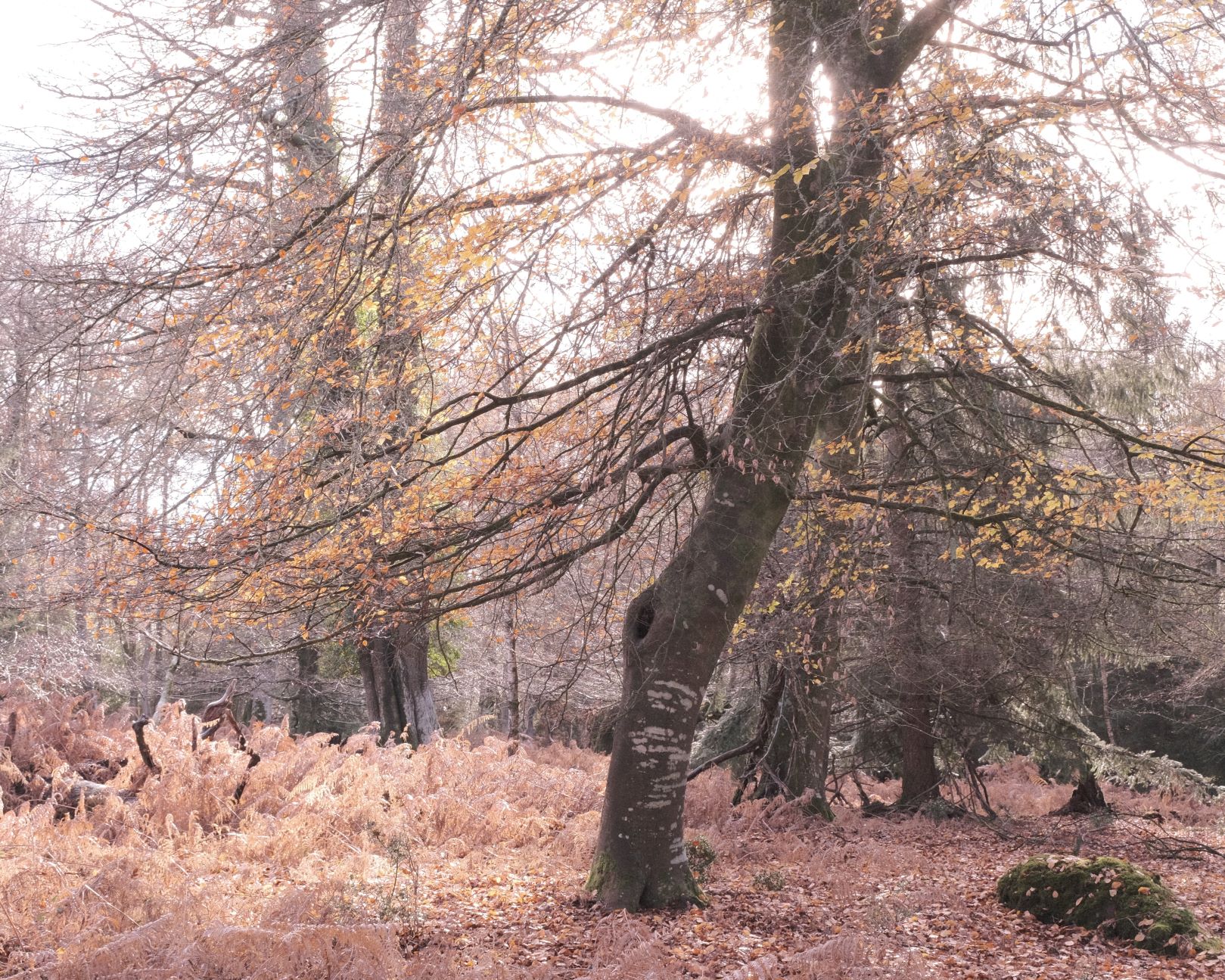
Autumn woodlands, captured with Polaroid 66 film recipe
Polaroid 66 film recipe
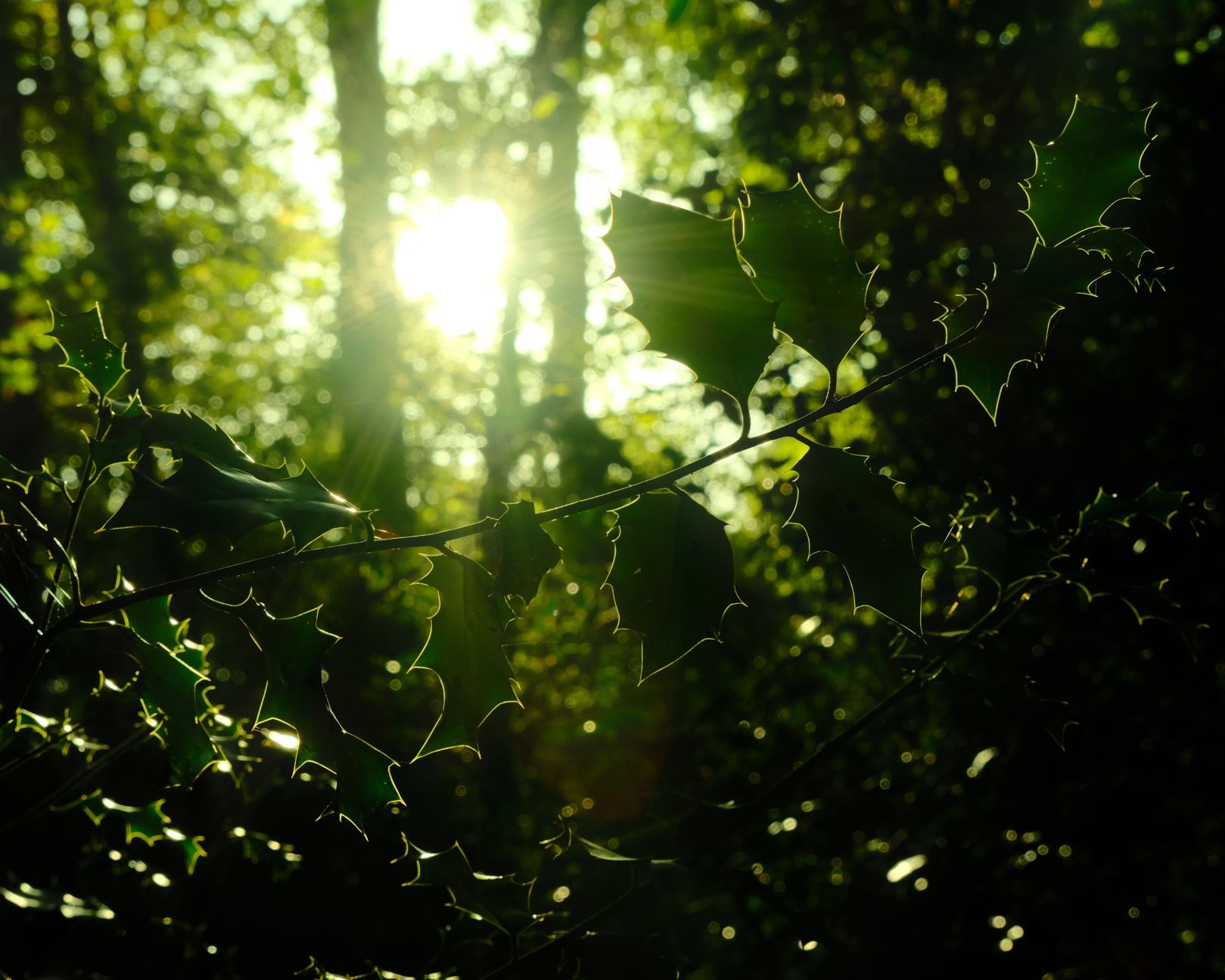
A blast of sunlight
Ivy leaves on a mossy branch, with Polaroid 66 film recipeSwans on eh riverbank, captured with Polaroid 66 film recipe
A winter sky in the afternoon, with Polaroid 66 film recipe
Down by the seashore
Sunset with Polaroid 66
A New Forest pony, nibbling on shoots, Polaroid 66 film recipeWashed out colours and expired tones = Polaroid 66 film recipeA farm track in the Winter snow, taken with Polaroid 66 film recipe
A selection of winter scenes, toned by the Polaroid 66 film recipeWalking the forest trails, with the Polaroid 66 film recipeIt’s a sunny afternoon. An aged look with Polaroid 66 film recipe
A big brown cow
Curious about the camera
In the blue hour, with Polaroid 66 film recipeA crisp cold morning, using the Polaroid 66 film recipeIce crystals on the chopped logs, with Polaroid 66 film recipe
A Clasic Negative film recipe for winter time, created by Tobias Gruber
Here’s a wonderful guest recipe, devised by Tobias Gruber, a member of our photographer community on the Film Recipes Facebook Group.
He took a trip into the snowy forests, with his X-S10 camera, equiped with a Fujinon 23mm f1.4 lens. The film recipe used was such a success, that Tobias shared the results in the group and named it Winter Magic.
I’m so pleased to be able to share this with you here, along with a selection of Tobias’ photos that show off the winter friendly aesthetic of his recipe. I love the balance of Classic Negative tones with a neutrality that doesn’t overpower the scene. I know that you’ll love it too.
A natural look in the snowy forest, Winter Magic film recipe
Winter Magic Film Recipe
Simulation: Classic Negative
Grain Effect: Off
Colour Chrome Effect: Strong
Colour Chrome Blue: Weak (IV) / Off (V)
White Balance: 6150K
WB Shift: -1 Red, -2 Blue
Dynamic Range: DR100
Highlights: -0.5
Shadows: +1.0
Color: +1
Sharpness: -2
ISO Noise Reduction: -4
Clarity: 0
EV compensation: 0
Coated with recent snowfall, with the Winter Magic film recipe
When was the last time you tried a see-saw? Winter Magic film recipeClassic Negative reds. All part of the Winter Magic film recipeDark rubber and white snow, captured with Winter Magic film recipe
A fixed colour temperature allows teh mood to change with the lightFrosted oak leaves, using the Winter Magic film recipeFrost details, captured with Winter Magic film recipe at 23mmA decaying log, captured with the Winter Magic film recipe
Yellow flowers, laden with snow. Winter Magic film recipe
It’s a great pleasure to host this recipe, and the other guest recipes on this site. If you have an idea for a new look that you’d like to share, then do stop by the Film Recipes Facebook Group and share your work with our enthusiastic community.
Extreme film simulation recipe for glowing irradiated green photos
I recently created the Copper film recipe with orange tones in golden hour. Shortly after, Marcel Fraij released Pale Platinum film recipe (scroll to no. 10) with muted cool muted tones. We got to chatting about which other metals should have a recipe, and somewhat jokingly, we decided the Uranium would be a fun challenge.
So, complete with bright green colour shift and a hazy glow around highlights, here is Uranium Glow. It’s a recipe for fun, for extreme styling and for making greens almost radioactive in their intensity. I’m sure it could be fun in unusual settings, like streets under artificial light, or just when you want something different. Have fun with it 💚
Green tones with hazy irradiated highlights. Uranium Glow film recipe
Uranium Glow Film Recipe
Simulation: PRO Neg. Hi
Grain Effect: Off
Colour Chrome Effect: Weak
Colour Chrome Blue: Weak (IV) / Off (V)
White Balance: Auto
WB Shift: 0 Red, -8 Blue
Dynamic Range: DR400
Highlights: -2.0
Shadows: +2.0
Color: +4
Sharpness: -2
ISO Noise Reduction: -4
Clarity: -4 or use a mist/bloom filter
EV compensation: -1/3 for apocalyptic deepness
In the forests with Uranium Glow film recipeShoot into the light for the glow effect of Uranium Glow film recipeA sunset on an alien world, using Uranium Glow film recipe
Flying away (to the evacuation zone), with Uranium Glow film recipeGreens come to life with the Uranium Glow film recipeHiding from the invasion, with Uranium Glow film recipeOn the shoreline after sunset, Uranium Glow film recipe
Everything has a green cast with Uranium Glow film recipe
Colourful leaves against a blue sky, modified by Uranium GlowAn autumn morning, captured with Uranium Glow film recipeLeaves in the (green) sunlight, with Uranium Glow film recipeUranium Glow film recipe is unique. What will you capture with it?
A Skyrim inspired film simulation recipe using Pro Neg Std as a base
Sometimes when inspiration strikes me, I start work on a film recipe with a particular result in mind. This was one of those occasions.
I was looking through my old PS4 games, and had a nostalgic wander around the forests and valleys of Skyrim. There’s a specific tone to the imagery and graphics, and as a long time fan, I started to think about recreating it as a film recipe.
Skyrim scenery
In the game, (here’s a clip if you’ve never seen it), there is a mix of forest, tundra and mountains with much of the area covered in snow.
For my recipe, I found that Pro Neg Standard was the closest match to the tone of the game graphics, but needed a little warming and shadow adjustment. Obviously, this is somethng of a novelty idea, but I found that the end result was really well suited to photography of natural scenes, and this included wintry images like the frosted ferns you see below the recipe info.
An autumn forest, captured with the Jorrvaskr film recipe
Jorrvaskr Film Recipe
Simulation: PRO Neg. Std
Grain Effect: Weak, Small
Colour Chrome Effect: Weak
Colour Chrome Blue: Weak (IV) / Off (V)
White Balance: Daylight
WB Shift: +3 Red, -4 Blue
Dynamic Range: DR-Auto
Highlights: -1.0
Shadows: +2.0
Color: -3
Sharpness: -1
ISO Noise Reduction: -4
Clarity: 0
EV compensation: +2/3
Info: Jorrvaskr is a location in the Bethesda game, Skyrim. It is the home of the Companions, a Nordic warrior brother/sisterhood with a dark secret.
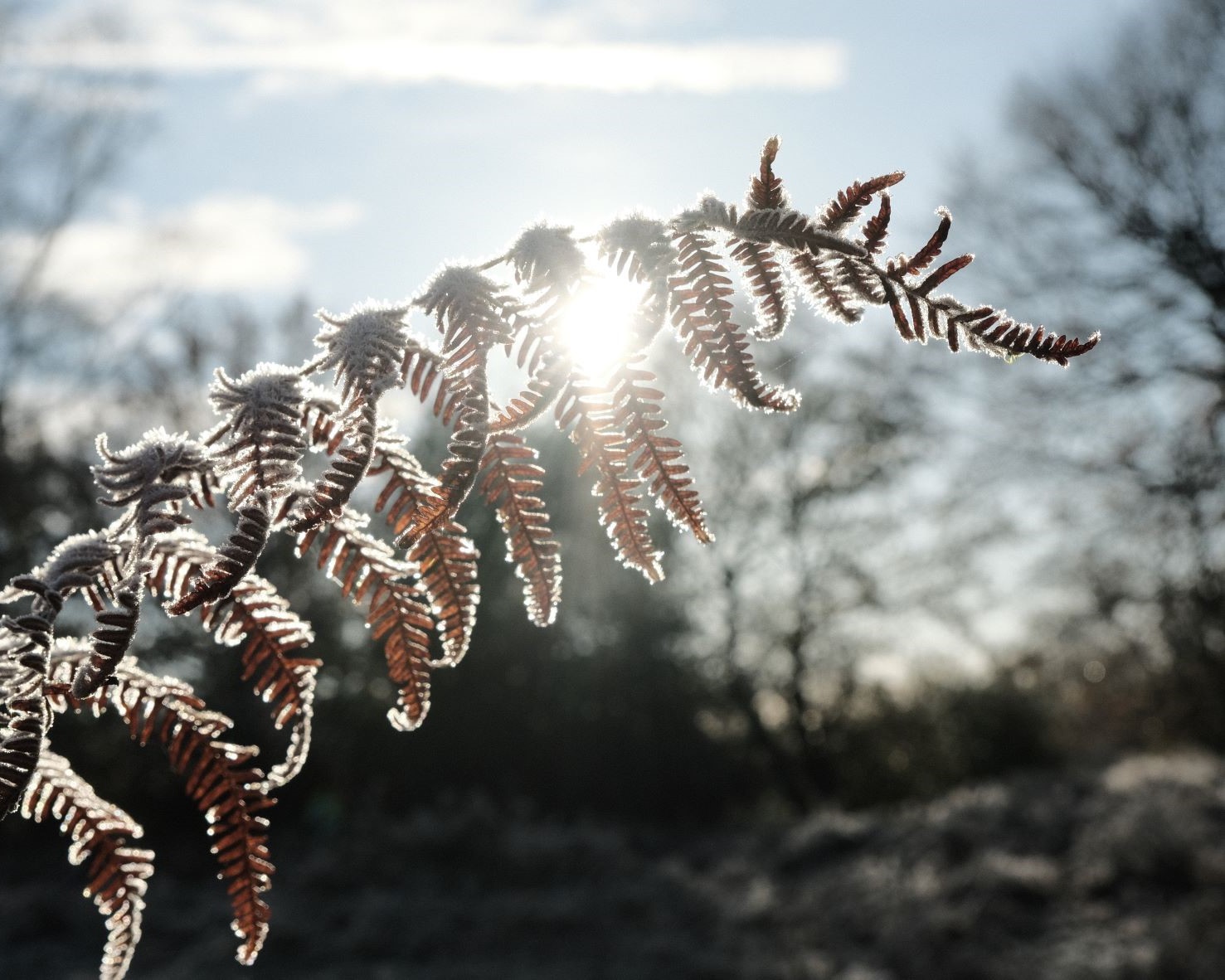
Frozen ferns, captured with the Jorrvaskr Film Recipe
A sunset at low tide, taken with Jorrvaskr Film RecipeWatch out for mudcrabs, Jorrvaskr Film RecipeNordic barnacles on the shore, using the Jorrvaskr Film RecipeIn the forest near Riverwood, Jorrvaskr Film RecipeAn autumn morning in the Pale, with the Jorrvaskr Film RecipeSomewhere north of Falkreath, captured with Jorrvaskr Film RecipeNow entering Winterhold, with the Jorrvaskr Film RecipeEverything is frozen in Skyrim’s far north. Jorrvaskr Film RecipeIt’s always Autumn in The Rift. Jorrvaskr Film RecipeAutumn colours, captured with the Jorrvaskr Film RecipeSunny skies near Whiterun, using Jorrvaskr Film RecipeNamira’s Rot. Useful for alchemy. Jorrvaskr Film Recipe
Winter film recipe based on Classic Chrome for cinematic cool on the X100V
A few days ago, I published the Vinterskog film recipe, bringing moody cinematic teal blue tones to winter and autumn scenes. I’m super excited about how the recipe came out, and just love shooting with it.
However, Vinterskog is based upon Eterna Bleach Bypass, which is not available on many popular Fujifilm cameras, including the all star X100V. So, I wanted to see if I could get close to the same look using a more widely available film simulation.
Vinterskog (left) with Bleach Bypass, Vinterkrom (right) with Classic Chrome
Classic Chrome to the rescue. Here’s my adaptation of the cool cinematic tones of the misty winter forests, rebuilt using this favourite film simulation.
Wintry coolness with teal shadow tone, Vinterkrom film recipe
Vinterkrom Film Recipe
Simulation: Classic Chrome
Grain Effect: Weak, Small
Colour Chrome Effect: Strong
Colour Chrome Blue: Strong (IV) / Weak (V)
White Balance: Auto
WB Shift: -3 Red, -2 Blue
Dynamic Range: DR400
Highlights: 0.0
Shadows: +1.0
Color: -1
Sharpness: 0
ISO Noise Reduction: -4
Clarity: -4 (this will slow down saving, but it’s important 🙂
❄️️ Take a look at the amazing Vinter Challenge Gallery, featuring reader photos using the Vinterskog and Vinterkrom recipes. ❄️️
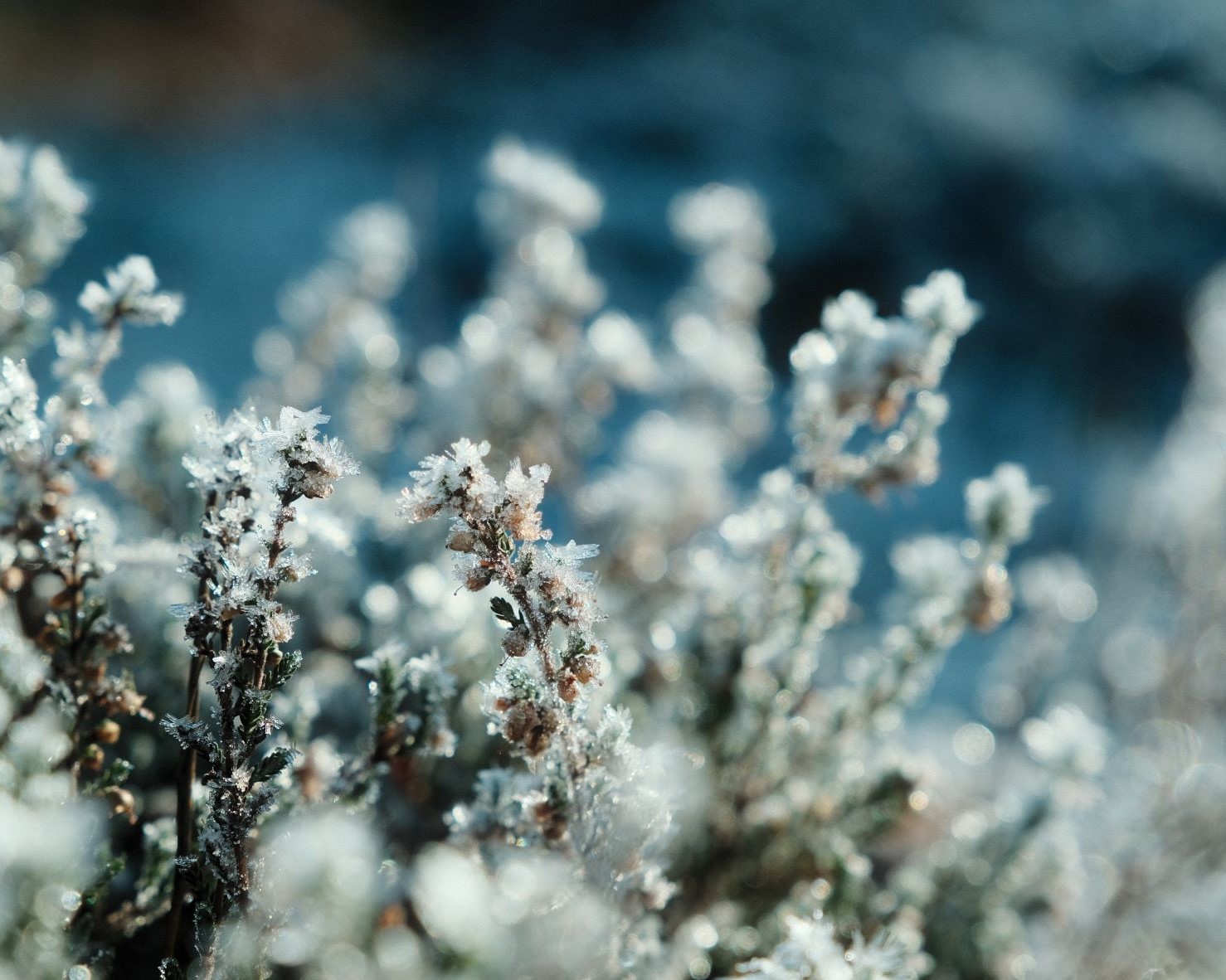
Frosted heather, captured with the Vinterkrom film recipeMade for gloomy conditions, Vinterkrom film recipeA pre-dawn sky, captured with the Vinterkrom film recipeTrees appearing from the mist, captured by Vinterkrom film recipeIn the misty woods, using Vinterkrom film recipeThe last autumn leaves in early December, Vinterkrom film recipeA late autumn sunrise, captured with Vinterkrom film recipeVinterkrom film recipe brings out a teal blue tone in frosty shadows
Frosty coatings, captured using Vinterkrom film recipeWet weather is no barrier for the Vinterkrom film recipeMellow autumn colour, with the Vinterkrom film recipeIn the damp winter woodlands, Vinterkrom film recipeEnjoy taking photos, but don’t get run over! Vinterkrom film recipeSnow and ice arrived in the UK in December, Vinterkrom film recipeDrive slowly on the smaller roads … Vinterkrom film recipe
Scenes from a winter field, taken with Vinterkrom film recipeCatkins in the hedgerow, with Vinterkrom film recipeA cold morning with frost on the grass, Vinterkrom film recipeThe New Forest ponies are out in the sunshine, Vinterkrom film recipeThere is still grass to be found, Vinterkrom film recipe
Sunlit winter leaves, copper and teal with Vinterkrom film recipeThe teal blue tones of Vinterkrom film recipe using Classic Chrome
More Teal Toned Film Recipes
The Vinterkrom film recipe has a teal tone in the neutrals, and especially the sky. This is thanks to the Classic Chrome simulation and adjusted colour balance. Here are a few other recipes that share this feature.
Bleach bypass film recipe inspired by the Swedish forest photos of Catrine Sandberg
I really love misty moody photography, and would probably be happy if there was fog almost every morning. I love how scenery fades away and colours are obscured by the pale mist.
A photographer who make the most of these conditions is Catrine Sandberg whose magically moody images from Swedish forests I follow on Instagram.
She shoots and edits in a variety of atmospheric styles, but her blue-green toned deep images are my favourites.
This is just one example, and it is the look that I have sought to recreate with the Vinterskog film recipe.
To achieve this look, I have used Eterna Bleach Bypass, which is a truly amazing base simulation with lots of flexibility to create styles that just can’t be achieved with Classic Chrome or Negative. So, unfortunately, this recipe will be limited to those of you with the newer generations of cameras.
But … and this is a good ‘but’ … if you have an older camera, without Bleach Bypass, I have also made Vinterkrom, where I have tried to recreate this look using Classic Chrome.
My take on Catrine Sandberg’s style, the Vinterskog Film Recipe
Vinterskog Film Recipe
Simulation: Eterna Bleach Bypass
Grain Effect: Weak, Small
Colour Chrome Effect: Strong
Colour Chrome Blue: Strong (IV) / Weak (V)
White Balance: 4400K
WB Shift: 0 Red, -4 Blue
Dynamic Range: DR400
Highlights: -2.0
Shadows: +2.0
Color: +4
Sharpness: 0
ISO Noise Reduction: -4
Clarity: -4 (you may be tempted to zero this, but it is important)
EV compensation: +1/3
❄️️ Take a look at the amazing Vinter Challenge Gallery, featuring reader photos using the Vinterskog and Vinterkrom recipes. ❄️️
A moody forest style, using the Vinterskog Film RecipeAutumn fern colours are muted, with the Vinterskog Film RecipeA little mist helps get the look, using Vinterskog Film RecipeCould be Sweden, could be Wiltshire. Vinterskog Film RecipeWinter berries, captured with Vinterskog Film RecipeNew season catkins, waiting for the thaw, Vinterskog Film Recipe
I really, really love soft flare like this! Vinterskog Film RecipeTwo views of an old stone wall, with Vinterskog Film RecipeIn the blue hour, using the Vinterskog Film RecipeIt’s foggy and nearly dark, Vinterskog Film RecipeThe mellowness of autumn, with Vinterskog Film RecipeIt’s damp and moody, when you use Vinterskog Film RecipeA gorse bush with spiderwebs, and the Vinterskog Film RecipeSnowy fencepost in pale sunlight, with Vinterskog Film RecipeSnowy accumulations, captured with VinterskogVinterskog Film Recipe is a top choice on a gloomy dayDramatic skies become deep and powerful, with Vinterskog RecipeTwo oysters having a chat? Vinterskog Film RecipeWintertime on the beach, perfect for Vinterskog Film RecipeFrosty mornings are well suited to the Vinterskog Film RecipeSunrise below zero, with the Vinterskog Film RecipeToo cold to sit and watch the veggies grow, Vinterskog Film RecipeFrost on the chair top, with the Vinterskog Film RecipeVinterskog Film Recipe at night, and a red car under streetlightVinterskog Film Recipe uses -4 clarity, giving a halo to this lamp.
X-Trans IV Eterna film recipe for a cinematic style look like the Old West
I used to travel to the Western USA for work, and thinking back, there were so many amazing landscapes and scenes I would have enjoyed photographing with my Fujifilm camera. So, although I’m not there in person nowadays, I’ve made this recipe with the Old West in mind.
The recipe is based on Eterna for a cinematic feel, and uses a nostalgic warm colour shift to evoke the dusty Western feel. Heavy grain is in use too for another layer of ageing, giving a soft toned grainy image, a bit like older images from the American West.
Perfect for far reaching prairie views, Old West film recipe
Old West Film Recipe
Simulation: Eterna/Cinema
Grain Effect: Strong, Large
Colour Chrome Effect: Strong
Colour Chrome Blue: Strong (IV) / Weak (V)
White Balance: Auto
WB Shift: +8 Red, -8 Blue
Dynamic Range: DR200
Highlights: +2.0
Shadows: +2.0
Color: -4
Sharpness: 0
ISO Noise Reduction: -4
Clarity: 0
EV compensation: +1/3
New Forest ponies, captured in sunlight with Old West film recipe
Bucket, hay and blanket on a frosty morning, Old West recipeNostagic tones on a foggy morning, with Old West film recipeA road to nowhere, toned with the Old West film recipeSummer barley, made golden with Old West film recipe
Barley has such an interesting shape. Old West film recipePoppy makes interesting shapes too! Old West film recipeShooting into the light for soft mood, Old West film recipeOld West film recipe, on a sunny but icy December morningWinter ferns with frosty coating, Old West film recipeAn autumn woodland, captured with Old West film recipeWoodland trail disappearing into mist, Old West film recipeCoastal vegetation. I call it sea cabbage! Using Old West film recipeA dewdrop at dawn, captured using Old West film recipe
Flying along
Golden sunset
Evenings on the beach, captured with Old West film recipe
Sweet pea flowers in golden hour, Old West film recipeLet’s explore the forest, with the Old West film recipeSummer bracken is taking over, Old West film recipe
Old West film recipe on a partly cloudy dayDog walking at low tide, with the Old West film recipeOne of my favourite shots from the summer, with Old West film recipe
Everything’s a little clearer in the light of day, an afternoon film recipe
Afternoon Delight
I was rewatching Anchorman for the umpteenth time, and I was reminded that I’d not yet written up my recipe page for Afternoon Delight. I’d made this Classic Negative recipe back in the early summer, looking for a great partner in the long afternoons and evenings.
I have several warm Classic Negative film recipes already, and for this one, I wanted a natural balance for maximum flexibility. Something unique, but not as warm as Goldeneye or as rich as Grizzly Bear.
It’s a very usable recipe, working well in sunny or cloudy conditions, and in the golden hour. So, despite it’s summer origins, it’s an all-year recipe.
It’s also the fourth in my occasional series of recipes named like song titles, joining Ruby Tuesday, Parklife and Karmachroma.
What if Kodak had a black and white film as part of the Kodachrome family?
In my experiments with monotone film recipes, I thought to myself … what if Kodak had stuck with early plans for Kodachrome to be a mono film? It would have a different look to Tri-X and would capture the full range of tones, being versatile, and a specific interest for me, excellent for landscape photography.
So, after a late night editing session in X RAW Studio, I settled on this film recipe to give us a this Kodachrome Mono option.
The main feature of this recipe is the soft tone curve, with a generally brighter overall image, preserving lots of shadow detail. This makes it versatile for everyday photography, without the deep impactful shadows that can sometimes limit a mono recipe for day to day use.
Versatile tonal range, it’s the Kodachrome Mono film recipe
Kodachrome Mono Film Recipe
Simulation: Monochrome
Grain Effect: Strong, Small
Colour Chrome Effect: Off
Colour Chrome Blue: Strong (IV) / Weak (V)
White Balance: Auto
WB Shift: +2 Red, -5 Blue
Dynamic Range: DR200
Highlights: +1.0
Shadows: -1.0
Mono Shift: WC 1, MG 0 (ignore for pure mono)
Sharpness: -1
ISO Noise Reduction: -4
Clarity: 0
EV compensation: +1/3
Mono recipes do love skies with clouds. Kodachrome Mono film recipeBarley field in summer, capture with Kodachrome Mono film recipe
Woodland captures with the Kodachrome Mono film recipeA small feather found in the woods, Kodachrome Mono film recipeUnder the road bridge, using Kodachrome Mono film recipe
Down by the riverbank, on a sunny day. Kodachrome Mono recipeEnjoying breakfast, captured using Kodachrome Mono film recipe
Billowing clouds, taken with the Kodachrome Mono film recipeSummer heather in sunshine, using Kodachrome Mono film recipeA cobweb in the heather, taken with Kodachrome Mono film recipeFancy hotel (we had cream tea), with Kodachrome Mono film recipeRhinefield House Hotel, with Kodachrome Mono film recipe
Whilst our recipes are unrelated, having been created entirely separately, Fuji X Weekly has a Mono Kodachrome recipe too. Take a look.
A film simulation recipe with Classic Chrome on X-Trans IV cameras
Sometimes, what you need is a simple Classic Chrome recipe that isn’t overstyled, and doesn’t shout for attention because of the tone or hue. An everyday film recipe that just looks good.
That was what was in my mind when creating Chromium 44. It’s based on the Classic Chrome film simulation, and has a medium warm tone from a Daylight balance with a 4, -4 shift. Other than that, there are slightly softer highlights and reduced saturation to produce soft and smooth images.
The tone is warm, but still natural, and is particularly suited to the paler light in the winter, or when you don’t want an overly vibrant result.
A slight nostalgic haze has been added with a -2 clarity setting, which softens things a touch more. You can always skip that setting of course, but I hope that you’ll enjoy the results. This soft tone recipe doesn’t demand attention, letting your photos do the talking.
The mellow tones of autumn, captured with Chromium 44 film recipe
Film Recipe for Chromium 44
Simulation: Classic Chrome
Grain Effect: Off
Colour Chrome Effect: Weak
Colour Chrome Blue: Strong (IV) / Weak (V)
White Balance: Daylight
WB Shift: +4 Red, -4 Blue
Dynamic Range: DR400
Highlights: -1
Shadows: 0
Colour: -3
Sharpness: -1
ISO Noise Reduction: -4
Clarity: -2
EV compensation: +1/3
Chromium 44 film recipe has mellow muted tones
The two giants, captured with the Chromium 44 film recipeWareham street view, with Chromium 44 film recipeSailing boats at rest on a dull day, with Chromium 44A golden morning, tamed with the Chromium 44 film recipeLate afternoon light in the forest, with Chromium 44Swan takeoff, captured with Chromium 44 film recipeA young family, with the Chromium 44 film recipeWaterfront machinery, taken with Chromium 44 film recipeIt’s low tide, captured with Chromium 44A winter sunset at low tide, with Chromium 44 film recipeBetween the beach huts, Chromium 44 film recipeStorm casualty, taken with Chromium 44 film recipeForest road emerges from shadow, taken with Chromium 44 recipeMale model, taken with Chromium 44 film recipeMoonrise over the dead tree, taken with the Chromium 44 film recipeBright, clear day, reproduced with Chromium 44Ships passing on the horizon, taken with Chromium 44Spring woodland, taken with the Chromium 44 film recipeBright sunny conditions, with the Chromium 44 film recipe
Muted Colour Film Recipes
Muted tone film recipe feature a reduced saturation, bringing a softer look to your photography. Bold colours are controlled and the overal result is calm and sophisticated. Here are a few other muted tone options to consider…