Film Recipes for Fujifilm Cameras

Blog

  • Kodak Gold, Classic Kodak Chrome Style

    Kodak Gold, Classic Kodak Chrome Style

    Fujifilm classic chrome Kodak Gold film recipe for X-Trans IV cameras

    My first film camera was an Olympus OM-10 and I remember shooting roll after roll of Kodak Gold film with it. I wanted this recipe to not only capture the general feel of this classic film, but also to remind me of shooting film back in the day.

    So I landed on Classic Chrome settings give that give a warm cast with a fairly strong +4, -5 adjustment to daylight balance. The other settings are more subtle, keeping it simple with a small adjustment to highlights and shadows, and a little extra softness. Grain is set to strong for a filmic texture, but you can of course tone this down if you find it distracting.

    Also try: Kojak Gold, a nostaligc Gold 200 recipe, Gold Standard, a fresh recipe for Kodak Gold with Pro Neg Std, and for an aged look with desaturated warm tones, Classic Gold is also available.

    Kodak Gold is a recipe for all seasons, like here in early Spring

    Kodak Gold Film Recipe

    • Simulation: Classic Chrome
    • Grain Effect: Strong, Small
    • Colour Chrome Effect: Weak
    • Colour Chrome Blue: Off (IV / V)
    • White Balance: Daylight
    • WB Shift: +4 Red, -5 Blue
    • Dynamic Range: DR200
    • Highlights: -1
    • Shadows: +1
    • Colour: 0
    • Sharpness: -2
    • ISO Noise Reduction: -4
    • Clarity: 0
    • EV compensation: +1/3
    Sunrise through the hedgerow, Kodak Gold film recipe
    ‘Elephant Boatyard’, captured with Kodak Gold film recipe
    Boats in the afternoon sun, with Kodak Gold film recipe
    Exploring the yellow fields of Hampshire, with Kodak Gold film recipe
    Evening walk, captured with Kodak Gold film recipe
    Getting arty with grasses and the Kodak Gold film recipe
    Deep in the forest, captured with Kodak Gold film recipe
    The characteristic red and white of fly amantia. Kodak Gold film recipe
    Warehouses in the afternoon light, Kodak Gold
    Bold reds and a warm color balance, Kodak Gold film recipe
    Autumn colours in the leaves, with Kodak Gold film recipe
    Falling into disrepair, taken with Kodak Gold recipe
    Reflections at sunrise, taken with the Kodak Gold film recipe
    Empty beach, captured with Kodak Gold recipe
    The rocks have fossils in them, Kodak Gold film recipe
    Smoothed rocks and pebbles, with Kodak Gold film recipe
    Tennis hall reflections, with the Kodak Gold film recipe
    Down at the shore, with the Kodak Gold film recipe
    On the horizon, taken with the Kodak Gold film recipe
    Sunset colour & contrast, with the Kodak Gold film recipe
    Allotments with a sea view, with Kodak Gold film recipe
    Pink blooms on the cliffside, with Kodak Gold film recipe
    Where will Kodak Gold film recipe take you?

    There’s now a Kodak Film Recipes page bringing together all my Kodak inspired recipes.

  • Fujicolor Superia for Classic Fujifilm Greens

    Fujicolor Superia for Classic Fujifilm Greens

    Fujifilm simulation Fujicolor Superia film recipe for X-Trans IV cameras

    Fujifilm’s Fujicolor Superia negative film was a mainstay of analogue 35mm photography for many years. Looking back at prints from that time, we find a look that includes a very typical tone to the greens, present in grass, trees and other plants. The Classic Negative film simulation captures the essence of this really well, and with a few extra tweaks, brings the spirit of Superia to life.

    As with other recipes based upon real films, there are a number of other sources with tried and tested Fujicolor recipes, and as usual, Fuji X Weekly has the most comprehensive set, with Superia 100 and Scanned Superia being two that I really like.

    This recipe isn’t based directly on those, but instead looks to work as an enhancement to Classic Negative, with a slight nudge toward blue green in the colour balance, and as is my preference, softer shadows and reduced saturation.

    Also see, Mother Superia, a Fujicolor Superia recipe with soft tones.

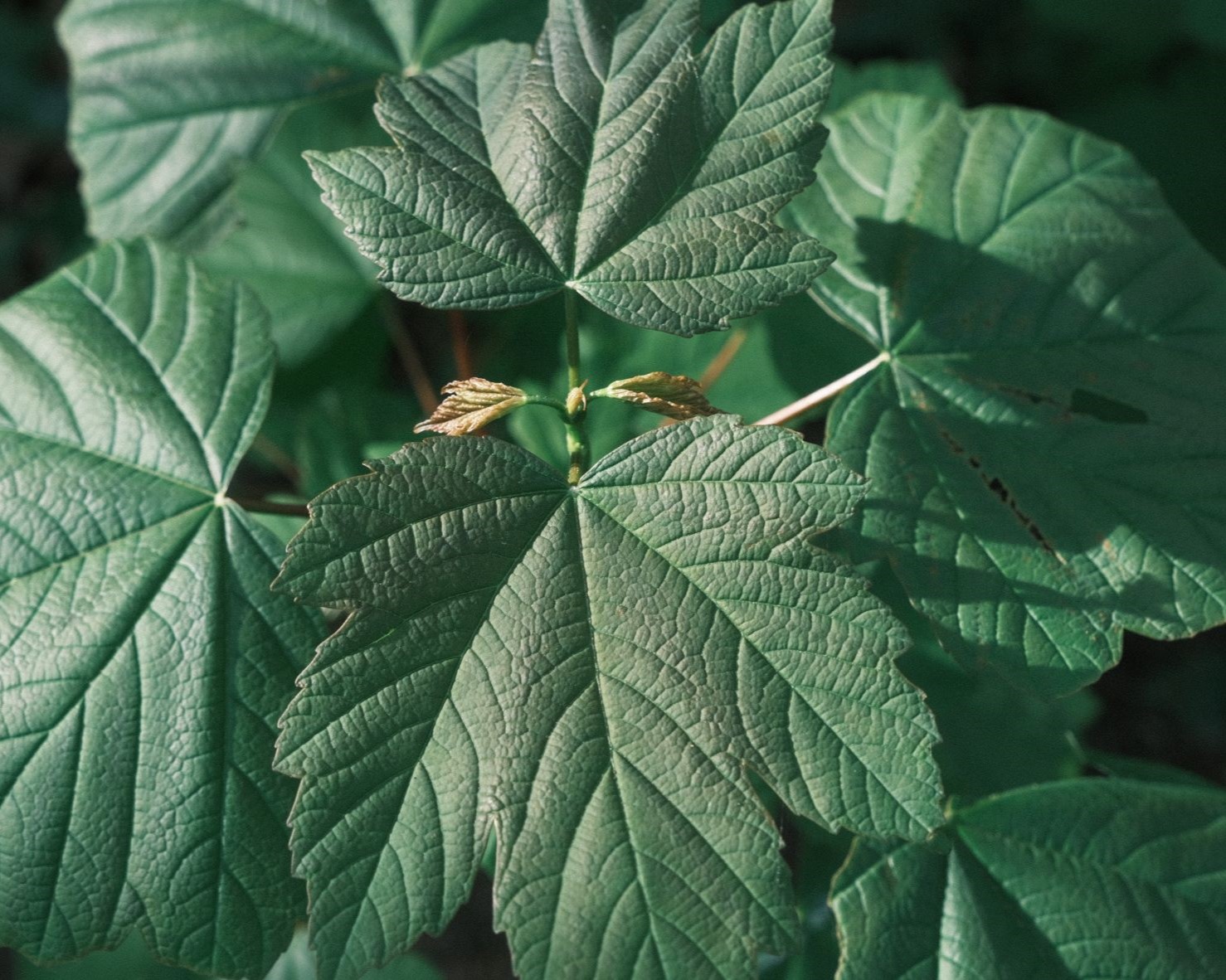
    Sycamore leaves, and the classic Fujicolor green of Superia

    Fujicolor Superia Film Recipe

    • Simulation: Classic Negative
    • Grain Effect: Strong, Small
    • Colour Chrome Effect: Weak
    • Colour Chrome Blue: Off (IV / V)
    • White Balance: Auto
    • WB Shift: -1 Red, -3 Blue
    • Dynamic Range: DR100
    • Highlights: 0
    • Shadows: -1
    • Colour: -2
    • Sharpness: -2
    • ISO Noise Reduction: -4
    • Clarity: -2
    • EV compensation: +1/3
    Bright Spring day, taken with Fujicolor Superia film recipe
    Woodland walk, taken with the Fujicolor Superia film recipe

    An evening on the beach

    Collecting the little boat, with Fujicolor Superia film recipe
    Capturing sand patterns at low tide, with Fujicolor Superia film recipe

    Exploring the woodland, with Fujicolor Superia

    Let’s follow this trail and take some photos, Fujicolor Superia film recipe
    Fly agaric / fly amantia, a pretty October sight
    Like an emoticon, captured with Fujicolor Superia film recipe

    At the tennis club, with Fujicolor Superia film recipe

    A little tour of the ‘outside courts’. This one is acrylic and plays slow.
    The astro courts, taken with Fujicolor Superia film recipe
    Centrepoint, taken with the Fujicolor Superia film recipe
    We call these ‘the hard courts’. Do you see the puddle …
    Let’s use it as a mirror. Taken with Fujicolor Superia film recipe
    Fujicolor Superia film recipe on court 12, looking to the indoor hall.

    A grey day in the seafront town

    Clevedon Pier in the distance, Fujicolor Superia film recipe
    A small garden, packed with plants. Fujicolor Superia film recipe
    Depth of field, using Fujicolor Superia film recipe
    If it isn’t raining, it’s ice cream weather. Fujicolor Superia film recipe

    Alongside the river in the city

    Framed by a tree, Fujicolor Superia film recipe
    Classic Negative produces print like images, Fujicolor Superia film recipe
    Ripples of light on the underpass, using Fujicolor Superia film recipe
  • Kodak Ektar film recipe with Classic Chrome

    Kodak Ektar film recipe with Classic Chrome

    Fujifilm simulation Kodak Ektar film recipe for X-Trans IV cameras

    We’re almost spoiled for choice as far as Kodak Ektar film recipes are concerned. There are at least four that I have seen, which of course, all produce different results (scroll to bottom for some links).

    For my tastes, each of these had something I liked, but share a +4 colour setting, which I personally find too strong, and outside my preference for softer tones. So, another Kodak film recipe is born, which is still a colourful look, but is a little less saturated than others.

    I enjoy shooting with it in bright conditions, bringing a punchy style that is still natural in appearance, just like Ektar photos of the past.

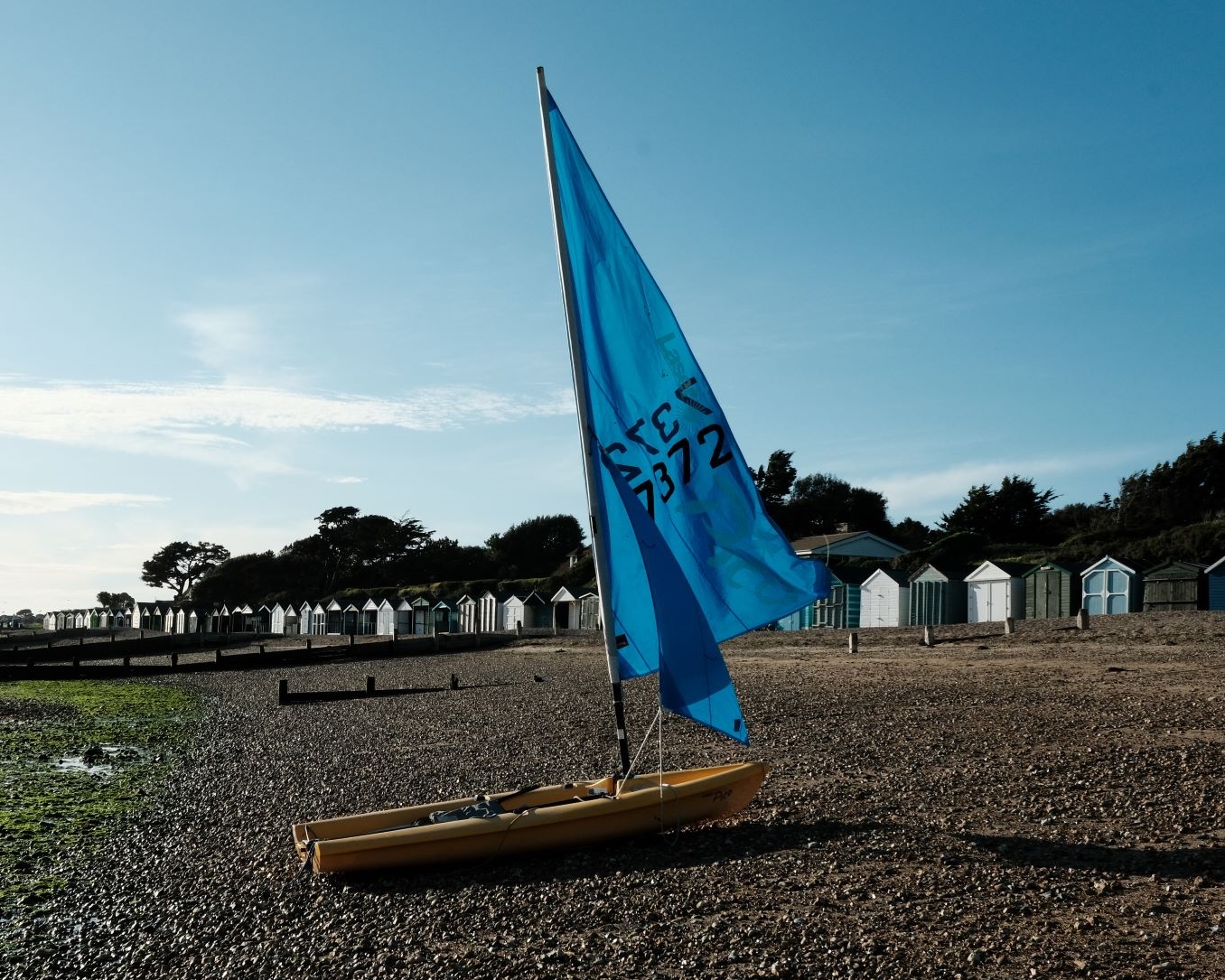
    Backlit sailing boat, with Kodak Ektar film recipe

    Kodak Ektar Film Recipe

    • Simulation: Classic Chrome
    • Grain Effect: Off
    • Colour Chrome Effect: Off
    • Colour Chrome Blue: Off (IV / V)
    • White Balance: Auto
    • WB Shift: +1 Red, -2 Blue
    • Dynamic Range: DR200
    • Highlights: +1
    • Shadows: +1
    • Colour: +2
    • Sharpness: +1
    • ISO Noise Reduction: -4
    • Clarity:0
    • EV compensation: -1/3 to +1/3
    The sailing club, with Kodak Ektar film recipe
    Sunset over sea ripples, with Kodak Ektar film recipe
    Sailing club putting boats in the water, with Kodak Ektar
    Spring blossoms in the sunlight, with Kodak Ektar film recipe
    Springtime in a German forest, captured with Kodak Ektar film recipe
    Golden hour flower, captured with Kodak Ektar film recipe
    Later afternoon with my cat, and Kodak Ektar film recipe
    Parkland greens, with the Kodak Ektar recipe
    Backlit leaves, looking bright with Kodak Ektar film recipe
    Shooting towards the light to give a soft flare look, Kodak Ektar film recipe
    Lifeboat, taken with the Kodak Ektar film recipe
    Wisteria Cottage, with the Kodak Ektar recipe
    Chestnut leaves, Kodak Ektar
    An Ektar sunset
    Coastal grasses and weathered post, with Kodak Ektar
    Rapeseed field, taken with the Kodak Ektar film recipe
    Picnic table, with the Kodak Ektar film recipe
    Kodak Ektar film recipe
    Boats moored on the river, Kodak Ektar film recipe

    Kodak Ektar from Other Creators

  • Summer Bleach film recipe for Faded Warmth

    Summer Bleach film recipe for Faded Warmth

    Fujifilm Eterna Bleach Bypass recipe for X-Trans IV cameras

    The Eterna Bleach Bypass film simulation is something of a Marmite setting, and I am definitely on the ‘love it’ side of the argument. I have a long history shooting with iPhone and the Hipstamatic app, and I love the washed out bleached styles that creates. I’m also a bit of a fan of the Fallout 4 colour palette, that the bypass sim produces.

    Summer Bleach is a warm film recipe, building upon the green brown aesthetic of the simulation. It uses a 7000K colour temperature, with faded tones style from reduced highlights, shadows and saturation. Shoot this one as metered, or with a -1/3 compensation.

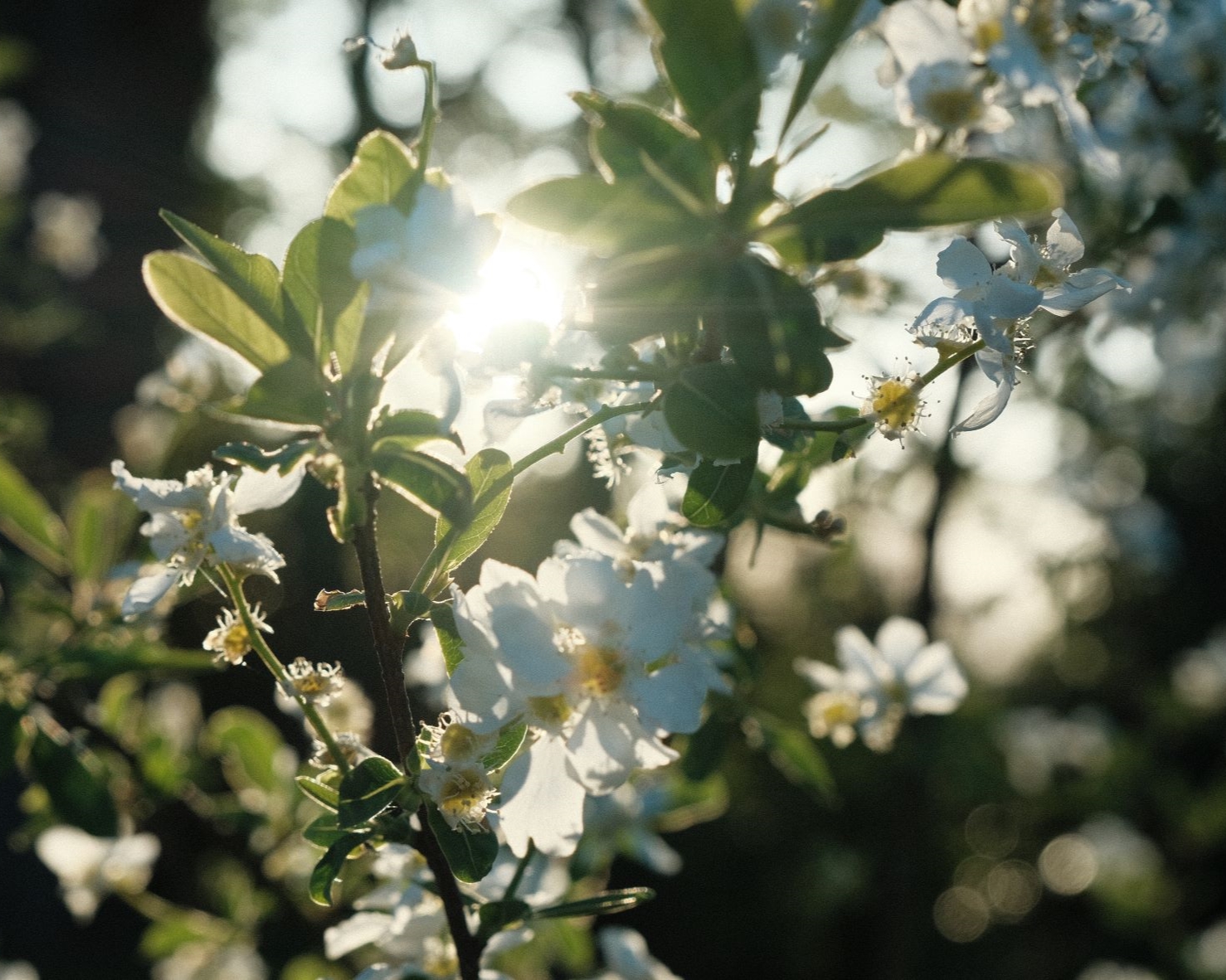
    Pear blossom, with the Summer Bleach film recipe

    Film Recipe for Summer Bleach

    • Simulation: Eterna Bleach Bypass
    • Grain Effect: Weak, Small
    • Colour Chrome Effect: Weak
    • Colour Chrome Blue: Strong (IV) / Weak (V)
    • White Balance: 7000K
    • WB Shift: +2 Red, -5 Blue
    • Dynamic Range: DR100
    • Highlights: -1
    • Shadows: -1
    • Colour: -2
    • Sharpness: -1
    • ISO Noise Reduction: -4
    • Clarity: 0
    • EV compensation: -1/3
    The Orangery, taken with the Summer Bleach film recipe
    Summer evening light
    Summer Bleach film recipe
    Shortly after sunrise at the marina, Summer Bleach film recipe
    This swan was sleeping on the water, Summer Bleach film recipe
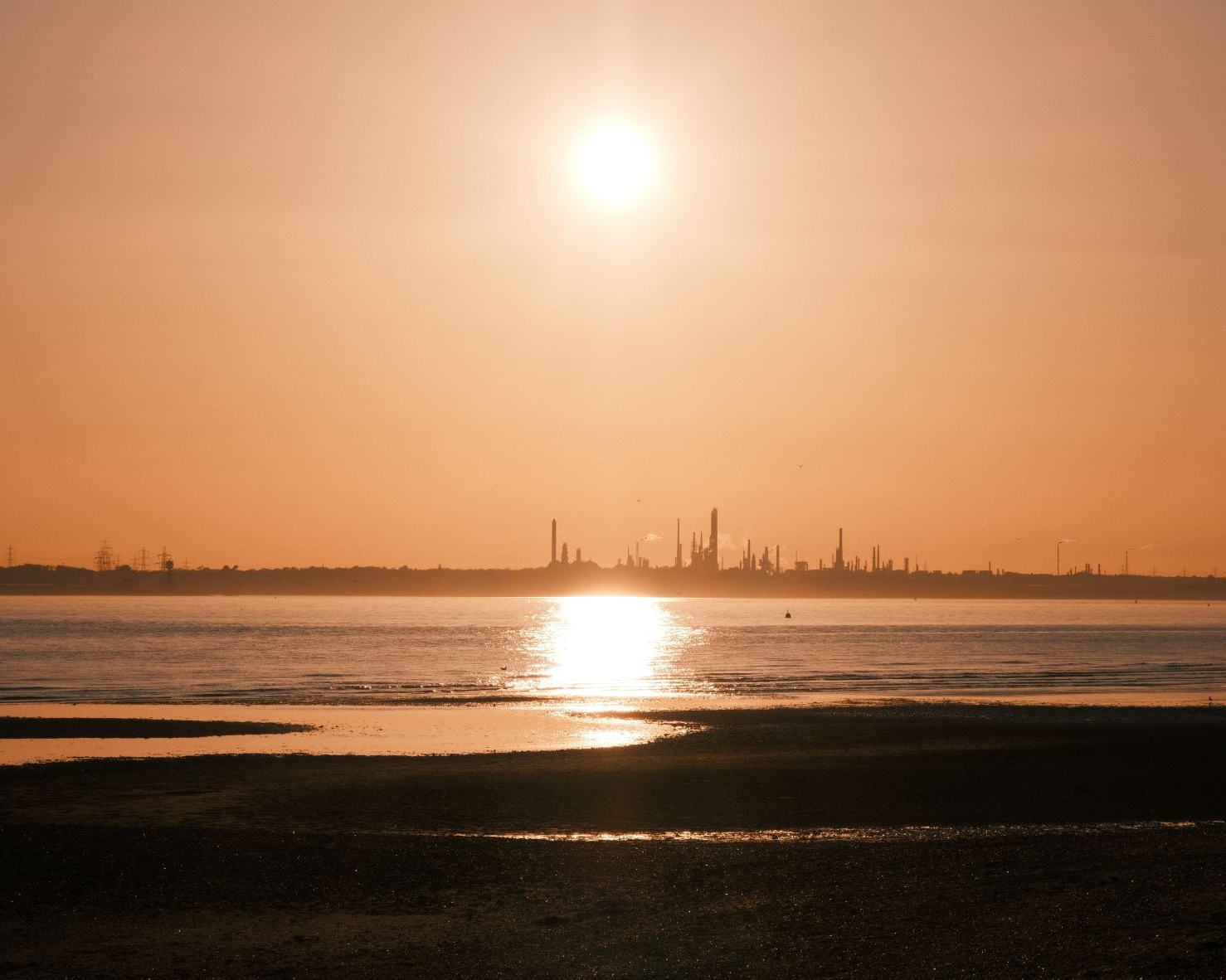
    Industrial sunset, with the Summer Bleach film recipe
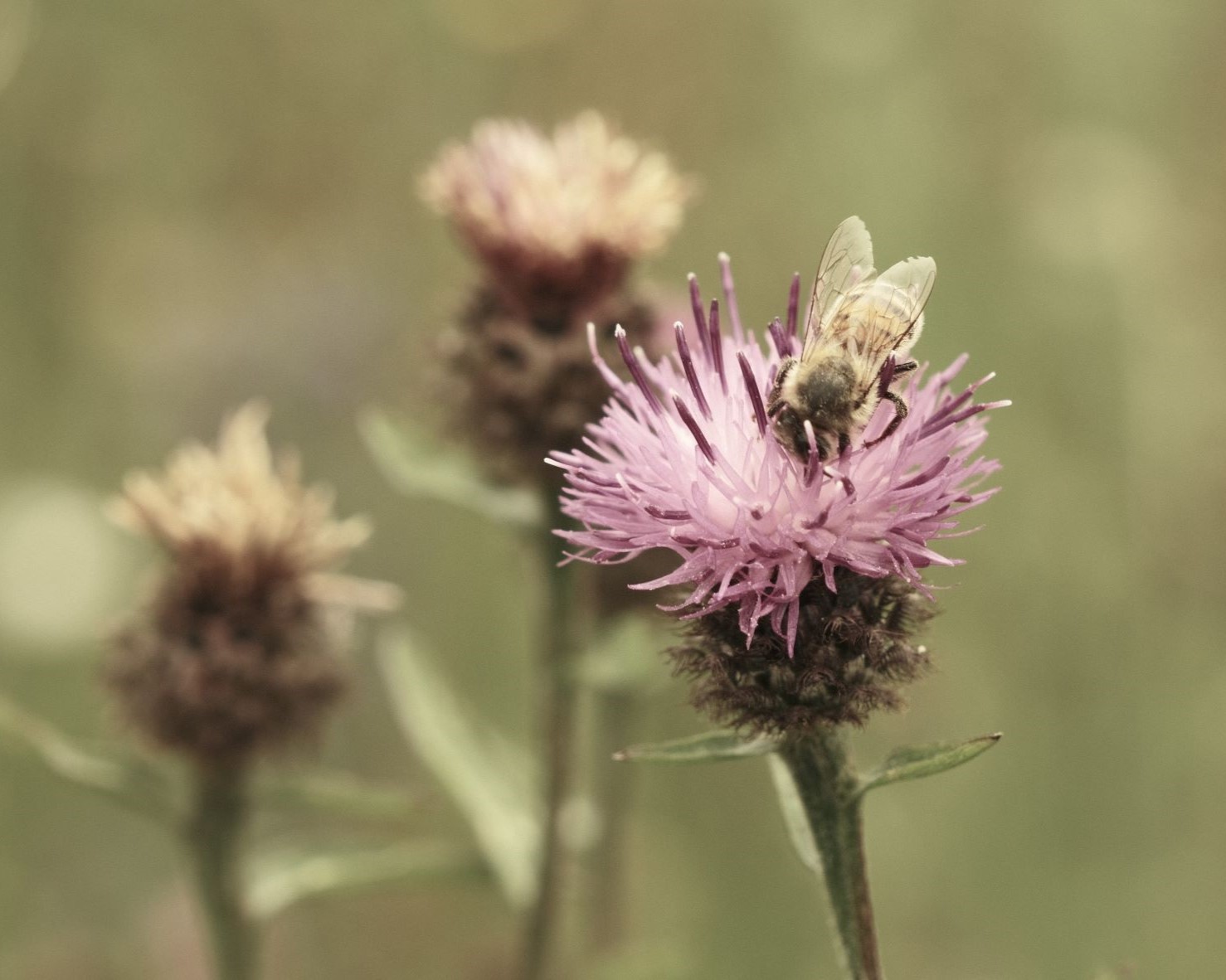
    Busy bee, taken with Summer Bleach film recipe
    Macro style, with 16-80mm f4 and Summer Bleach film recipe
    Woodland pond, with bleach bypass vibes
    Blues are washed out with the Summer Bleach recipe
    Let’s see where this takes us … Summer Bleach film recipe
    Wandering the Watercress Way, with Summer Bleach film recipe
    Beach huts, in a Summer Bleach style
    Pear tree branches, with the Summer Bleach film recipe
    Enjoying the nectar, with the Summer Bleach film recipe
    Shooting towards the light, with Summer Bleach film recipe
    Bleach Bypass contrast and soft colour, Summer Bleach film recipe

    Ready for another similar look? Try Expired Geographic for expired green tones, and Fading Memory for more Bleach Bypass with a warm tone. For nostalgic softness, there’s Eterna Nostalgia too.

    To take Bleach Bypass into another direction, try Titanium or Silver Slate.

  • Candy Skies film recipe for a Peachy Glow

    Candy Skies film recipe for a Peachy Glow

    Warm toned fujifilm simulation recipe for X-Trans IV cameras

    Do you ever wish that your sunset photos looked more like your imagination? Sometimes I ‘see’ the evening sky as a peachy orange, but my photos are washed out and pale in comparison. Time for a new recipe!

    I wanted to find a way to keep a softer tone vibe, but still capture rich warmth. The undisputed expert of rich warmth is Captn Look, and his use of strong colour balance shifts were the inspiration for this recipe. It’s based on Classic Negative, and uses a ‘+6, -2’ colour shift. Oversaturation is kept in check with no further boost to colour, but you can go all the way to +4 if you want to maximise the effect.

    Peachy pink skies, with the Candy Skies film recipe

    Candy Skies Film Recipe

    • Simulation: Classic Negative
    • Grain Effect: Weak, Small
    • Colour Chrome Effect: Weak
    • Colour Chrome Blue: Weak (IV) / Off (V)
    • White Balance: Auto
    • WB Shift: +6 Red, -2 Blue
    • Dynamic Range: DR200
    • Highlights: -2
    • Shadows: -1
    • Colour: 0
    • Sharpness: -2
    • ISO Noise Reduction: -4
    • Clarity: -2
    • EV compensation: 0
    Fishermen at sunset, taken with the Candy Skies film recipe
    Peachy pink tinted golden hour
    Add gentle peachy pink tones to any sunny scene
    Beach huts, with Candy Skies film recipe vibes
    Candy Skies film recipe, with the sun behind the camera
  • Agfachrome Cool for Agfa Style Tones

    Agfachrome Cool for Agfa Style Tones

    Fujifilm simulation recipe for a cool tone Agfa style for X-Trans IV cameras

    On clear blue sky sunny days, adding warmth with a mellow recipe can sometimes alter the mood of a scene to a point where the spirit of the capture is lost. For days like this, especially with big skies or the sea in the picture, I find a cooler blue tone look to give a more effective result.

    This film recipe started life inspired by the Agfa recipes at Fuji X Weekly. I wanted to capture some of the blue tint, but adapt the tones and saturation to better suit my peronal style of a softer tone look.

    The style is useful throughout the year, but especially effective in the frosty conditions of winter. The tone compliments the natural light and emphasises the colder weather feeling.

    Beach textures, with the Agfachrome film recipe

    Agfachrome Cool Film Recipe

    • Simulation: Classic Chrome
    • Grain Effect: Strong, Small
    • Colour Chrome Effect: Off
    • Colour Chrome Blue: Weak (IV) / Off (V)
    • White Balance: Auto
    • WB Shift: -3 Red, +1 Blue
    • Dynamic Range: DR400
    • Highlights: +1
    • Shadows: -1
    • Colour: -2
    • Sharpness: 0
    • ISO Noise Reduction: -4
    • Clarity: 0
    • EV compensation: +1/3

    I have also published a recipe, Agfacolor, which really brings out the greens in an image.

    Any bread in that camera bag? Agfachrome Cool film recipe
    Golden hour, but with an Agfachrome Cool cooler feel
    Frosty details on a February morning, with Agfachrome Cool film recipe
    Teasel heads are one of my favourite winter finds. Agfachrome Cool recipe
    Agfachrome Cool film recipe works well with winter morning light
    Spiky teasel head with a frosty coating, Agfachrome Cool film recipe
    Navigation marker, taken with the Agfachrome Cool recipe
    Agfachrome Cool sunset, with pale tones and preserved blues
    Softly lit leaves, with the Agfachrome Cool film recipe
    Agfachrome Cool film recipe is a good choice on gloomy days
    Boats on the water, with cool tones of the Agfachrome Cool recipe
    After sunset, with the Agfachrome Cool film recipe for Fujifilm cameras
    Backlit trees and blue sky, with the Agfachrome Cool film recipe
    A misty morning in Autumn, with the Agfachrome Cool film recipe
    Dewdrop at dawn, captured with Agfachrome Cool film recipe
  • Soft Negative film recipe with Classic Negative

    Soft Negative film recipe with Classic Negative

    Fujifilm simulation Soft Negative recipe for X-Trans IV cameras

    This film recipe is intended to be a versatile all rounder which can be used in a wide variety of conditions. It is based on the excellent classic negative simulation, adapted with color balance amd tone curve for softer, nostalgic tone.

    These changes add softness and warmth to the classic negative look, giving a gentle mood a bit loke old negative prints. I call it Soft Negative, because of this characteristic, although I did initially call it Aged Negative when I first created it.

    It works espcially well in the golden hour around sunrise or sunset, and renders lovely skies around this time of day. Even in twilight, the tones have a cosy, but not overpowering style. That doesn’t mean it’s not suitable at other times of course, and I find it works well on cloudy and dull days too.

    For me, this is the soft and nostalgic style I was looking to achieve with my Fujifilm X-Series, and I take more shots with this and other soft tones recipes than anything else.

    You might also like: Pale Negative, which has a similar look and feel, or Nostalgic Fujicolor with a retro feel from similar settings.

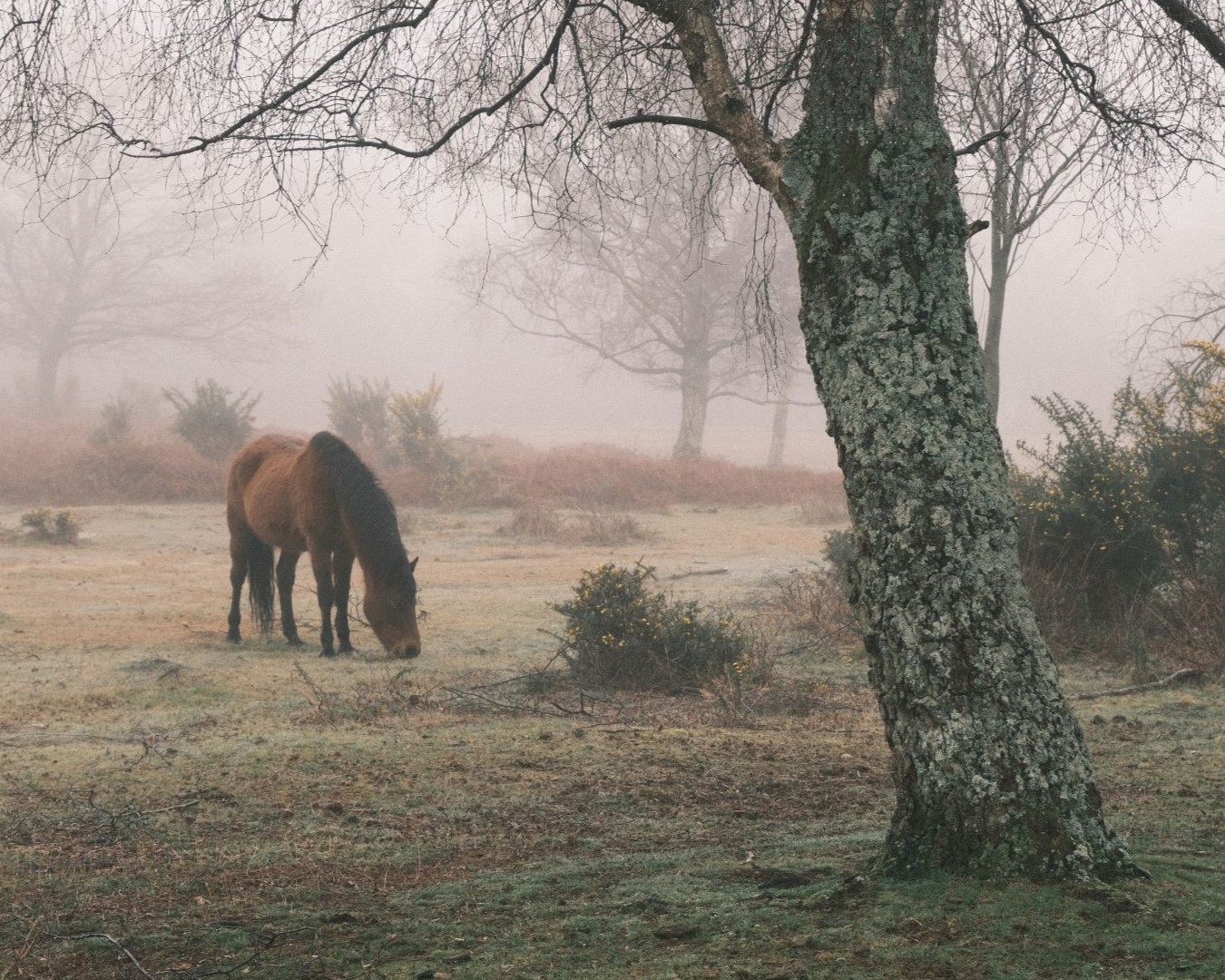
    New Forest Pony, taken with Soft Negative film recipe

    Film Recipe for Soft Negative / Aged Negative

    • Simulation: Classic Negative
    • Grain Effect: Strong, Small
    • Colour Chrome Effect: Off
    • Colour Chrome Blue: Strong (IV) / Weak (V)
    • White Balance: 4800K
    • WB Shift: +5 Red, -5 Blue
    • Dynamic Range: DR200
    • Highlights: -1
    • Shadows: -1
    • Colour: -3
    • Sharpness: -1
    • ISO Noise Reduction: -4
    • Clarity: 0
    • EV compensation: 0 or +1/3
    Spring Bluebells, taken with Soft Negative film recipe
    Chilling on the beach
    Post-sunset SUP
    The ultimate bug hotel?
    Dartington Trust, taken with Soft Negative film recipe
    Shrub in bloom
    Inquisitive donkey
    Pine tree detail, taken with Soft Negative film recipe
    Winter is wonderful for photos in a softer style. Soft Negative recipe
    Autumn in the woodland, using Soft Negative film recipe
    Forest mushroom (fly agaric), with Soft Negative film recipe
    Scenic route, taken with the Soft Negative film recipe
    Winter Sunset, taken with Soft Negative film recipe for Fujifilm cameras
    Floral display, using the Soft Negative film recipe
    Sunrise over the pond, with the Soft Negative film recipe
    Frosted teasels are one of my favourite things. Soft Negative film recipe
    Ivy in full sunlight, taken with the Soft Negative film recipe
    Woodland view, with the Soft Negative film recipe
    Summer greens, captured with Soft Negative film recipe
    Wintertime captures using the Soft Negative film recipe
  • Kodachrome film recipe using Classic Chrome

    Kodachrome film recipe using Classic Chrome

    Fujifilm simulation Kodachrome recipe for X-Trans IV cameras

    Kodachrome film recipes are very popular amongst Fujifilm users, offering a clean nostalgic look that recreates the mood and tones of the classic Kodachrome films. In this recipe, I’ve looked to present a look that is true to that spirit, whilst not specifically trying to recreate Kodachrome II, 25 or 64.

    The inspiration for this recipe comes from testing and tweaking the excellent recipes from Fuji X Weekly, where you can find Kodachrome recipes for each specific Kodachrome film, and for older generation sensors.

    If you prefer a characterful retro look to your Kodachrome, then take a look at Kodachrome Classic, or for a classic look that’s great every day, try Kodachrome Daily.

    Pop-up coffee spot, taken with the Kodachrome film recipe

    Film Recipe for Kodachrome

    • Simulation: Classic Chrome
    • Grain Effect: Weak, Small
    • Colour Chrome Effect: Strong
    • Colour Chrome Blue: Weak (IV) / Off (V)
    • White Balance: Auto
    • WB Shift: +2 Red, -5 Blue
    • Dynamic Range: DR200
    • Highlights: +1
    • Shadows: 0
    • Colour: +1
    • Sharpness: +2
    • ISO Noise Reduction: -4
    • Clarity: +2
    • EV compensation: +1/3
    Springtime in West Dean Gardens, taken with the Kodachrome film recipe
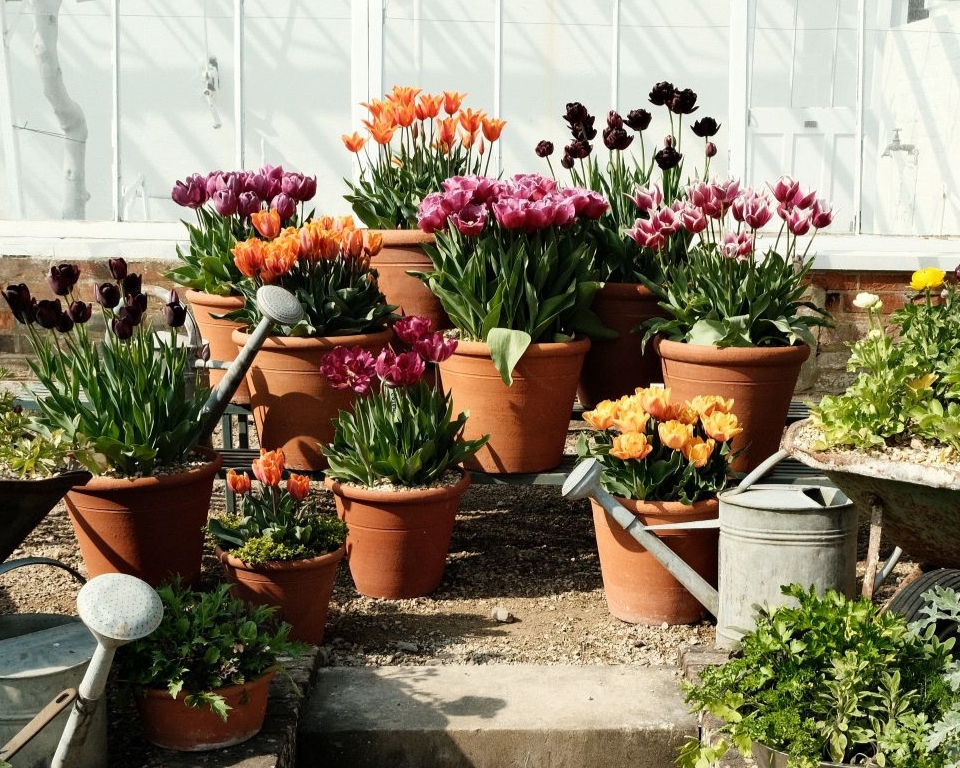
    Tulip display in full sunlight, taken with the Kodachrome recipe
    Charming cottages, with the Kodachrome film recipe
    A soft sunset on the seafront, with Kodachrome film recipe
    The moon is up, the sun is setting. Kodachrome recipe.
    A dramatic sky, captured with the Kodachrome film recipe
    Yellow gorse flowers – Kodachrome recipe on X-S10 camera
    Bright and hazy at the river, Kodachrome film recipe
    Sycamore leaves in the local woodland, taken with Kodachrome recipe.
    Autumn moods in the forest, with Kodachrome film recipe
    Attractive, but poisonous. Using the Kodachrome film recipe
    Morning sky, captured with Kodachrome film recipe
    The seaweed is taking over, Kodachrome film recipe
    Autumn colour, with Kodachrome film recipe
    Sunny morning in the woods, with Kodachrome film recipe
    Kodachrome film recipe, made from Classic Chrome
    Out for a morning run, with the Kodachrome film recipe
    Teasel duet, imaged with the Kodachrome film recipe
    Living right on the beach, with the Kodachrome film recipe

    Skin Tones with Kodachrome Film Recipe

    Full sun selfie, with Kodachrome film recipe
    Overcast weather skin tones, with Kodachrome film recipe