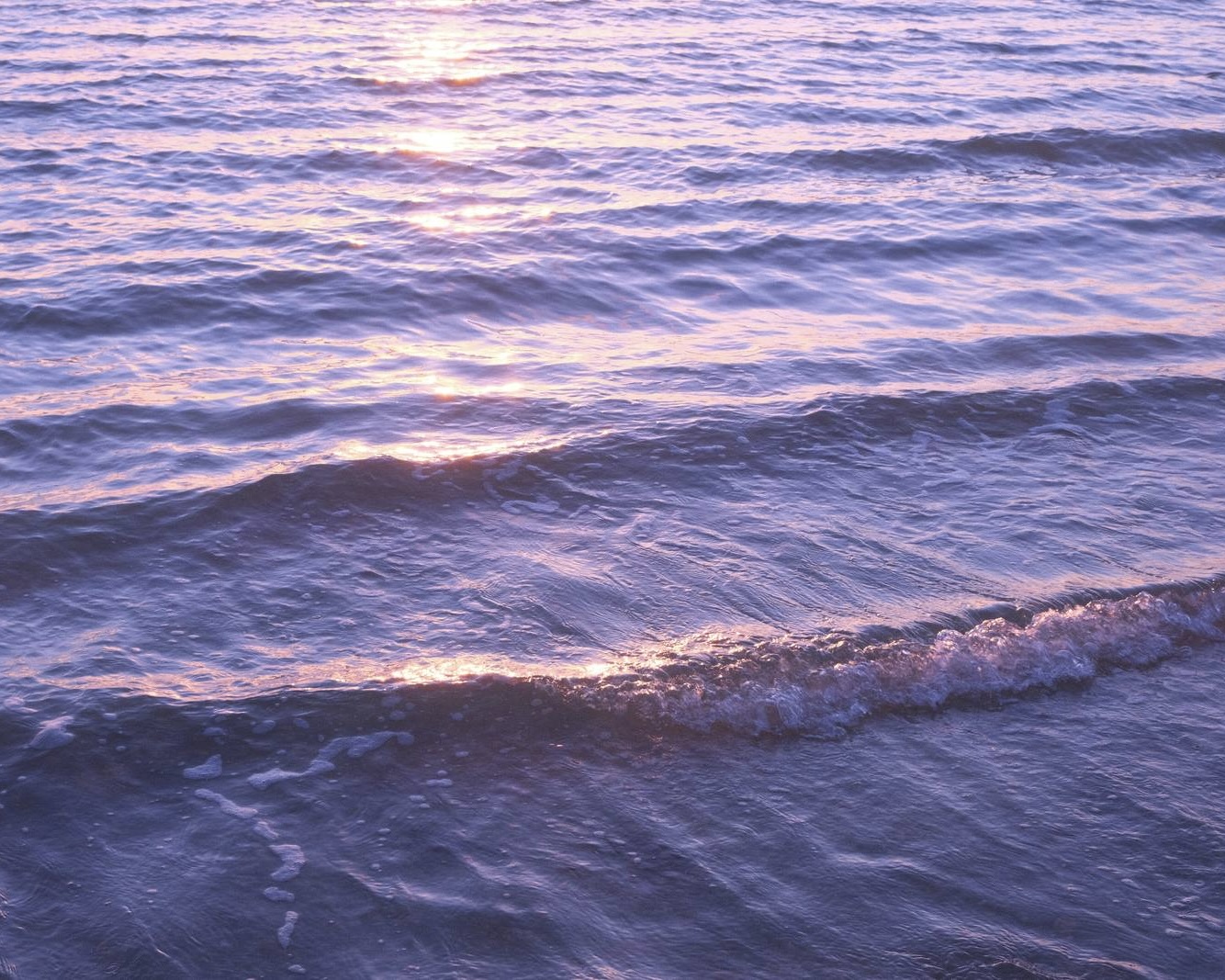
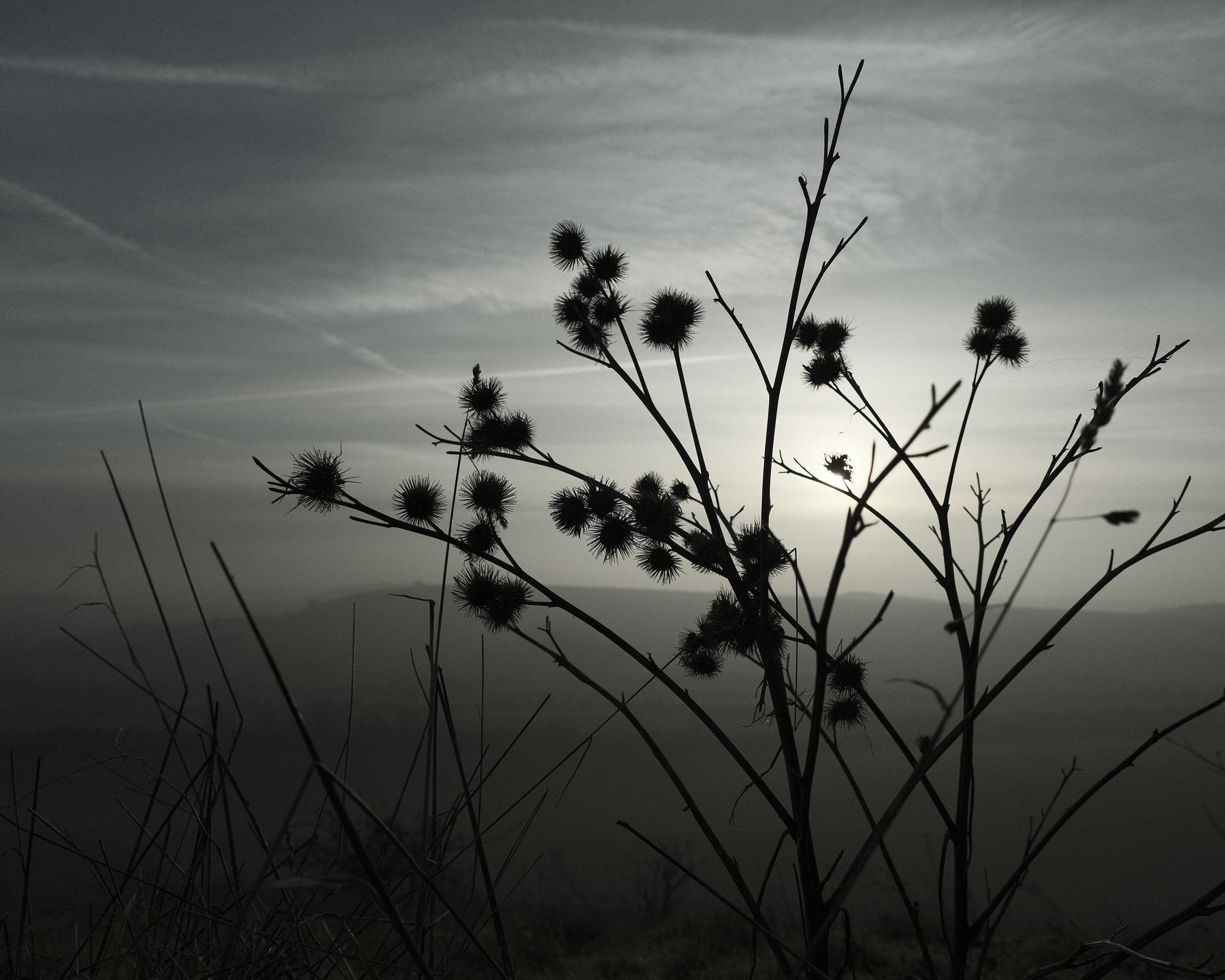
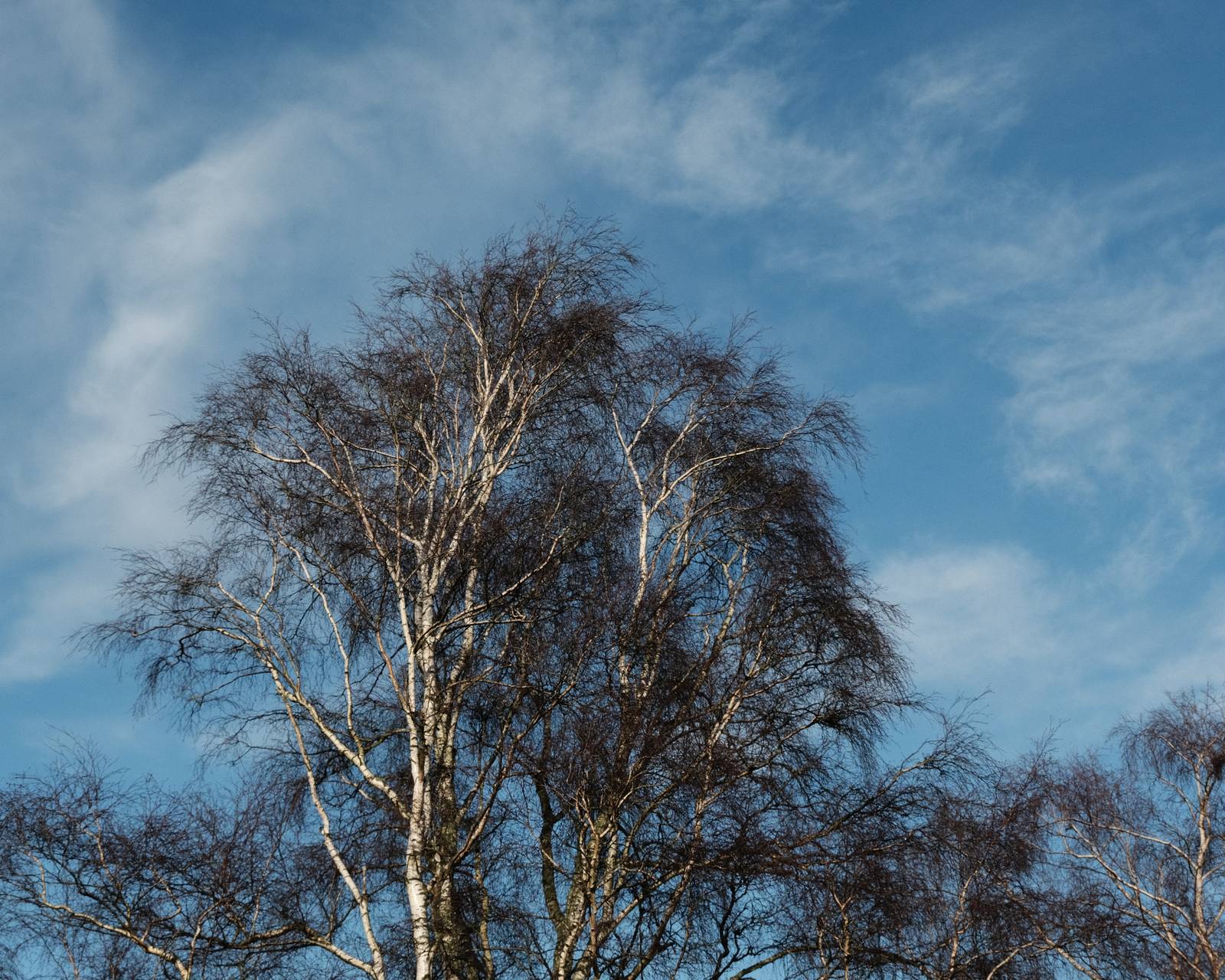
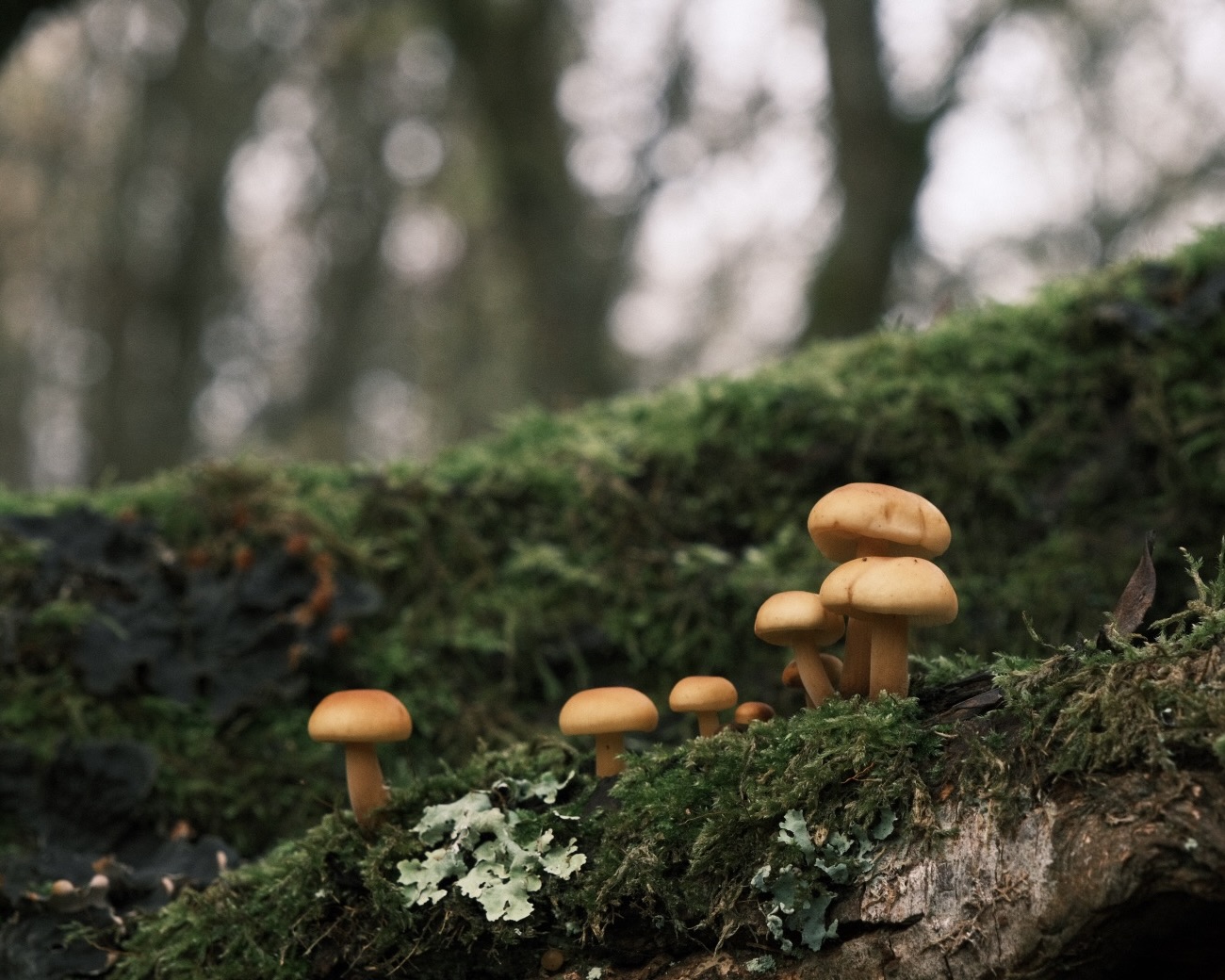
Film simulation recipe with a colourful purple tone and hazy softness
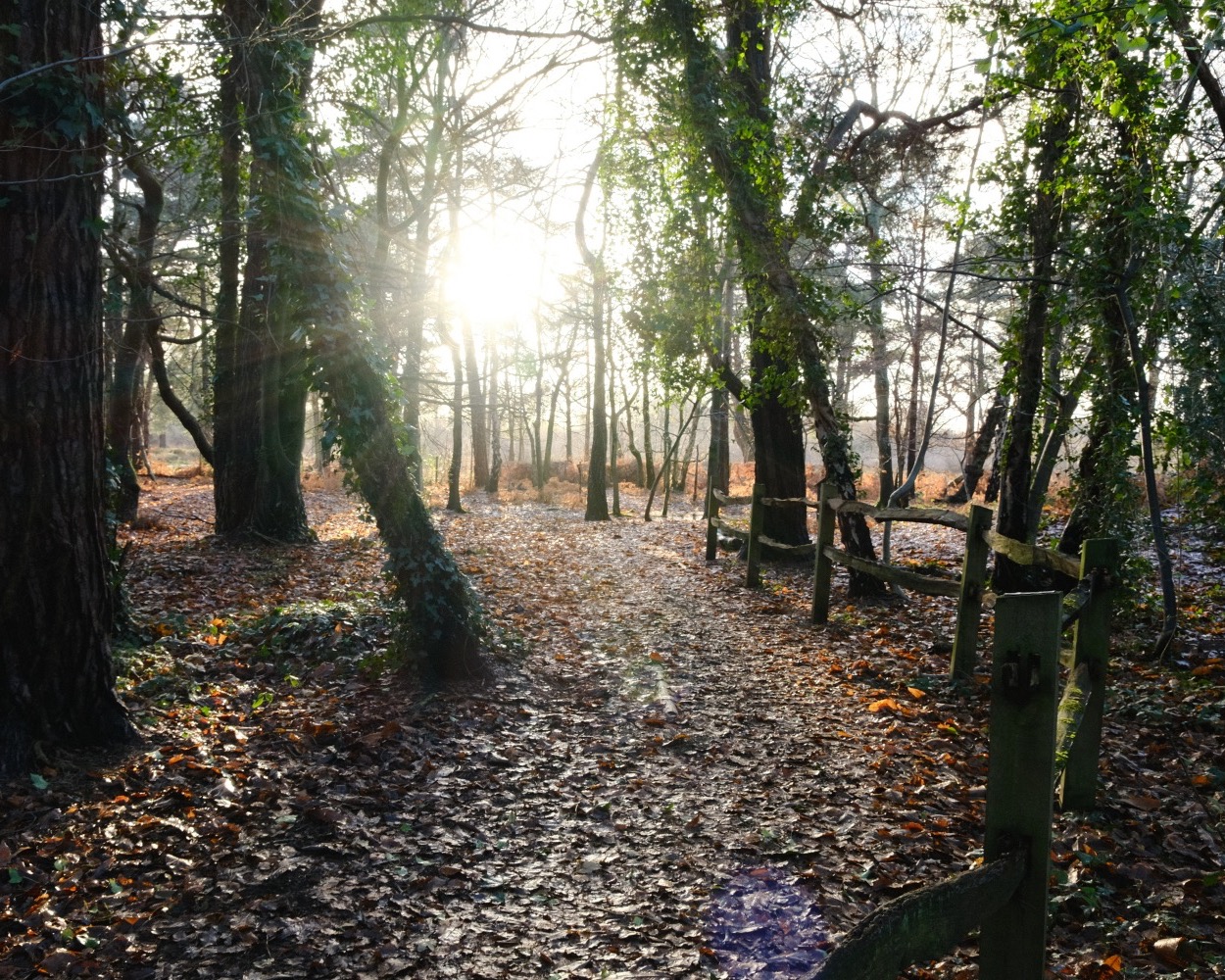
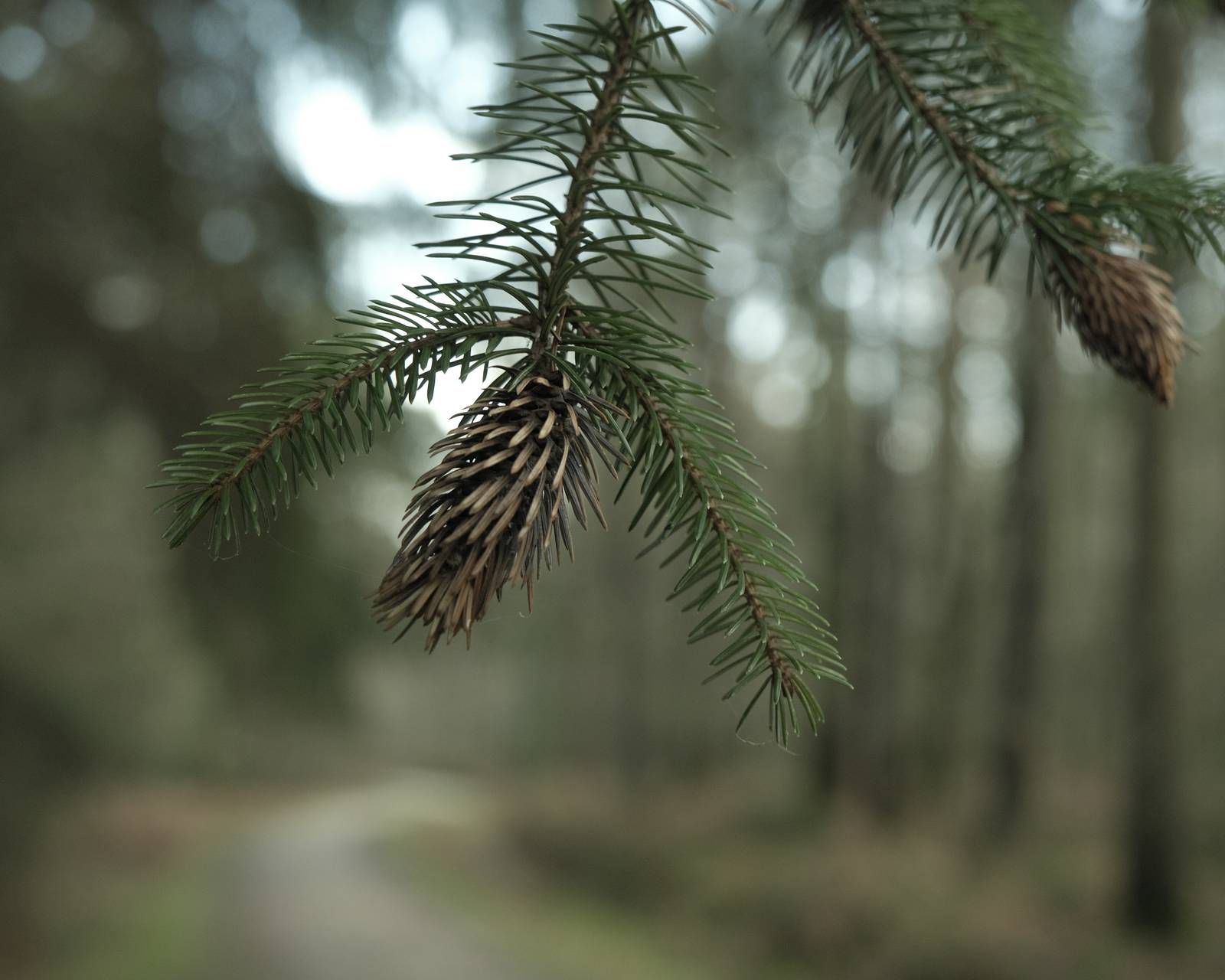
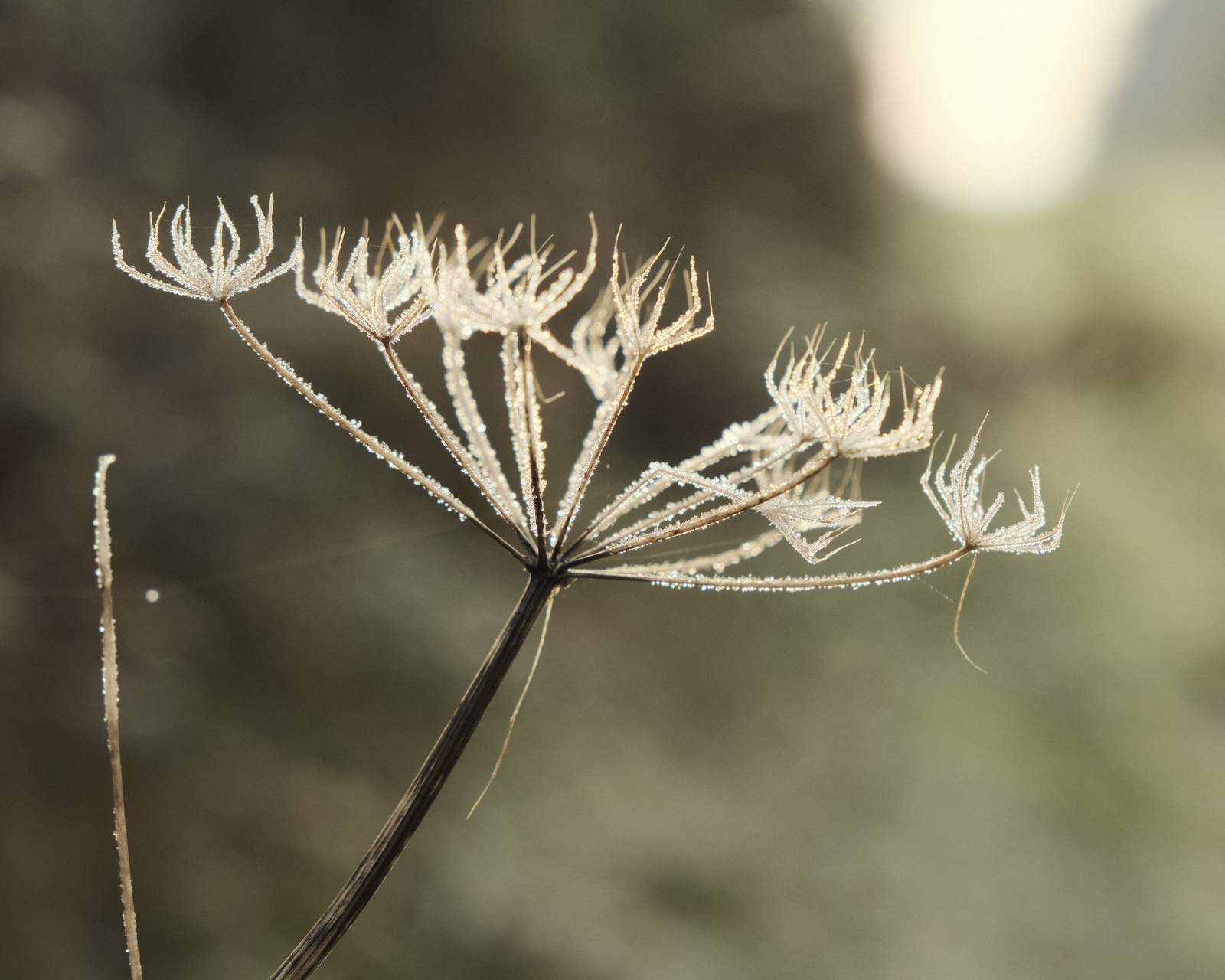
Here’s a trippy film recipe with a bright and colourful look that’s beautiful at sunset and a blast of crazy purple haze at other times. It’s vibrant and fun, and could be a great choice for capturing a party atmosphere.
In my testing, I found that the effect on natural scenes was certainly fun to see, giving a soft purple cast to some images. It really came to life when shooting towards the light, and as the day moved into the golden hour. For scens around this time, a striking and rich tone was captured.
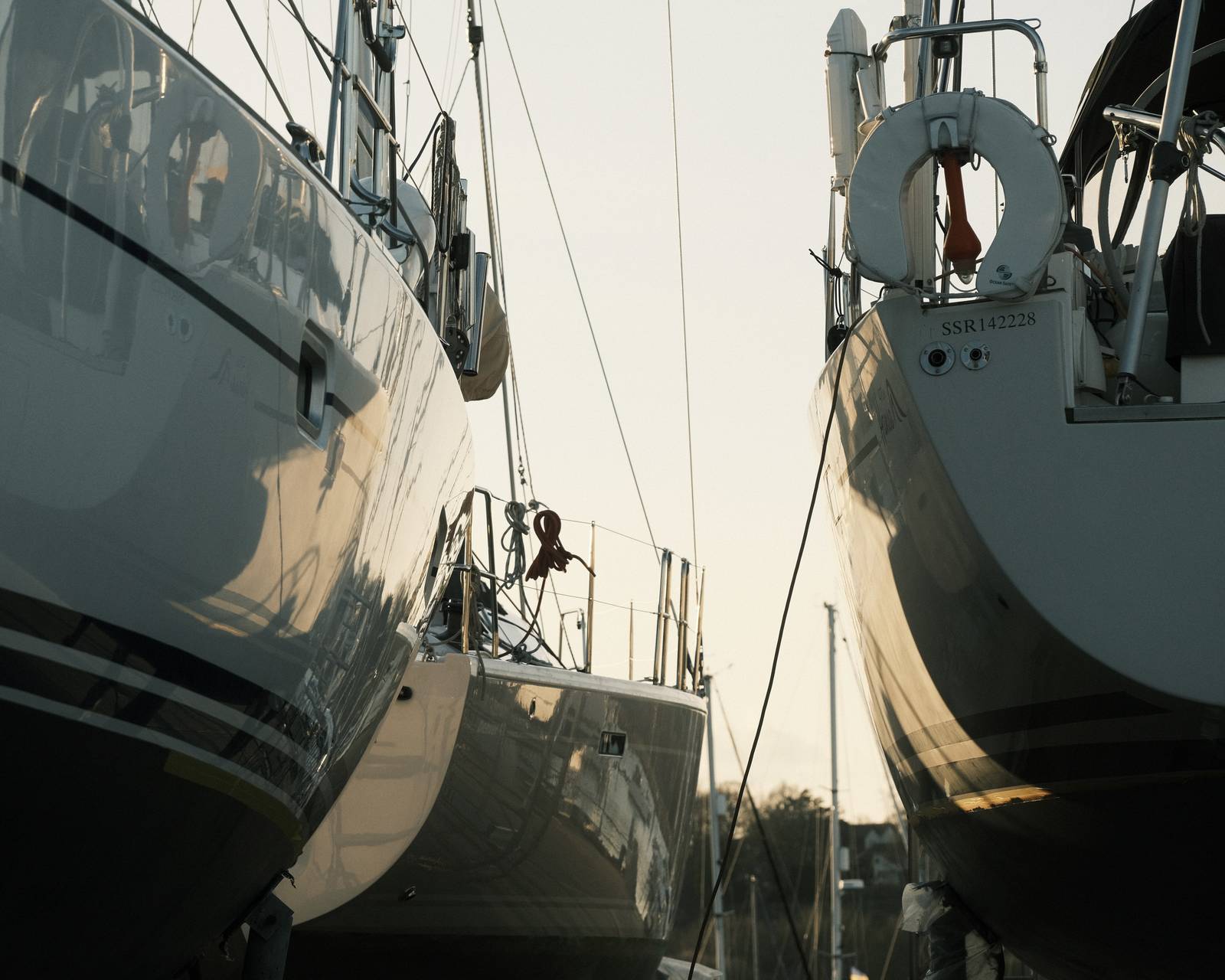
Late afternoon in the marina, shooting with Technicolor Dream film recipe
Technicolor Dream Film Recipe
Simulation: PRO Neg. Std
Grain Effect: Strong, Small
Colour Chrome Effect: Strong
Colour Chrome Blue: Off (IV) / Off (V)
White Balance: Fluorescent 2
WB Shift: +3 Red, +3 Blue
Dynamic Range: DR200
Highlights: -1.0
Shadows: -1.0
Color: +4
Sharpness: -1
ISO Noise Reduction: -4
Clarity: -4
EV compensation: +1/3
Purple and orange sunsets are easy to capture with Technicolor DreamExploring the woodlands, with the Technicolor Dream film recipeWinter heather, with the purple tones of Technicolor Dream film recipe
Frosty sunrise scenes, captured with the Technicolor Dream film recipeVibrant tones at sunset, using Technicolor Dream film recipeA purple haze on the water, with Technicolor Dream film recipe
Captures from a sunny afternoon wander, Technicolor Dream film recipeMisty sunrise, made purple with the Technicolor Dream film recipeColourful and trippy, the Technicolor Dream film recipe
Film Recipes with Pink and Purple Tones
Which many of my film recipe creations work well with earthy tones like creams, greens and browns, I have now made a handful of recipes that include a pink or purple hue in their look. Here are a few others to try …
Eterna Bleach Bypass film recipe with minimised saturation for a metal tone look
One of the great things about the Eterna Bleach Bypass fim simulation is the muted low saturation tone. This adds a drama to images, and with adjustments to the colour balance, can be tuned to give a wide variety of moods.
In this recipe, the mood is a cool blue one, with a metallic tone that is almost grey in some situations, and a faded blue in others. The effect is an extreme one, changing the original scene dramatically, but it’s a powerful effect and makes for a really interesting image style.
I find it works best with bright light, or with light on the subject. It tames even the most extreme full sunlight, and has a metallic tone that removes almost all warm tones for that titanium look.
Golden hour made metal, with the Titanium film recipe
Titanium Film Recipe
Simulation: Eterna Bleach Bypass
Grain Effect: Weak, Small
Colour Chrome Effect: Off
Colour Chrome Blue: Strong (IV) / Weak (V)
White Balance: Shade
WB Shift: -3 Red, +3 Blue
Dynamic Range: DR400
Highlights: -0.5
Shadows: -1.5
Color: -4
Sharpness: +1
ISO Noise Reduction: -4
Clarity: 0
EV compensation: -1/3
A bright sunny day at the Rursee, with Titanium film recipePine branches on the lake shore, using Titanium film recipeEnjoying the breeze on the Rursee, Titanium film recipeWinter birch trees, captured with Titanium film recipeIt’s the middle of winter, using Titanium film recipe
A walk on the wetlands boardwalk, Titanium film recipeA grey day in the city, with the Titanium film recipeStart a trend by shooting odd angles, Titanium film recipe
A winding road through the forest, with Titanium film recipe
Woodland details, captured with Titanium film recipe
Bird of prey display, using 70-300mm and Titanium film recipe
Leaves in different lights, captured with the Titanium film recipe
A classic chrome film recipe for a Kodachrome look for Fujifilm X-Trans IV
This film simulation recipe is one of set of three that I created with a specific aim in mind. I wanted to embrace the qualities of the Kodak look in a pure form, and bring the character of the Classic Chrome film simulation out into the open.
In this recipe, you get a strongly Kodachrome look, but without it being specifically Kodachrome 64 or Kodachrome 25. It has somthing of the character of both of these, but is also definitely Fujifillm Classic Chrome at the same time.
Colours are rich, shadows and deep and luxurious, and the blues are full of nostalgic character. This simple recipe is Kodacolor in a pure form.
If one color says ‘Kodachrome’, it’s the blue. Kodacolor Ambience film recipe
Summer greens on a country lane, with Kodacolor Ambience film recipeAn oak tree silhouette, using Kodacolor Ambience film recipeSome leaves survive the whole winter, Kodacolor Ambience film recipeIt’s a misty morning, captured with Kodacolor Ambience film recipe
A frost morning walk, using Kodacolor Ambience film recipeSun dappled woodlands, captured with the Kodacolor Ambience film recipe
Blues and boats, captured with the Kodacolor Ambience film recipe
Take a moment to enjoy the sunlight, Kodacolor Ambience film recipe
Winter scenes, captured with Kodacolor Ambience film recipeA steely sea on a winter afternoon, Kodacolor Ambience film recipeA few moments before sunset, with Kodacolor Ambience film recipeAnd a third sunset from teh same beach, Kodacolor Ambience film recipe
Winter woodlands, captured with the Kodacolor Ambience film recipeLate summer gold, using Kodacolor Ambience film recipe
More Kodak Color Film Recipes
It might annoy Fujifilm that the most sought after film recipes are those of the Kodak family of film stocks. I see more photos posted with Portra, Kodachrome and Tri-X looks than I do with any of the Fujicolor counter parts. This of course is due to the deep heritage that Kodak has, and with the abiliaty of our cameras to so readily produce Kodak style looks.
Here’s a small selection of some other Kodak film recipes, with the top row of three from this site, the middle coming from Fuji X Weekly, and the bottom row from this site again, with some of the more specialist Kodak looks.
Film simulation recipe with classic negative for a Fujifilm negative look
Here’s a simple film simulation recipe with an easy to use Fujifilm negative look. The base is the Classic Negative simulation, with simple adjustments which make the recipe compatible with all sorts of lighting and weathers. It’s a go anywhere Fujicolor negative recipe in a way.
This recipe is also part of a set of three that take the same approach. It tries to produce a pure feel of the Fuicolor look, and is paired with Kodacolor Ambience and Natural Ambience to make up the set of three.
Woodland wandering with the Fujicolor Ambience film recipe
Fujicolor Ambience Film Recipe
Simulation: Classic Negative
Grain Effect: Weak, Small
Colour Chrome Effect: Weak
Colour Chrome Blue: Off (IV) / Off (V)
White Balance: Auto Ambience Priority
WB Shift: 0 Red, -1 Blue
Dynamic Range: DR200
Highlights: +0.5
Shadows: -0.5
Color: +1
Sharpness: -1
ISO Noise Reduction: -4
Clarity: 0
EV compensation: 0
Winter oak leaf at sunrise, using Fujicolor Ambience film recipe
Misty day moods, captured with the Fujicolor Ambience film recipeLate autumn is a good time for mushrooms, Fujicolor Ambience film recipe
Like prints from 35mm in years past, greens are a bit blue and reds vividA calm sunset by the sea, using Fujicolor Ambience film recipeA stormier day with dramatic skies, Fujicolor Ambience film recipeThe wind is great for kite surfing. Fujicolor Ambience film recipe
Vivid blues and greens with the Fujicolor Ambience film recipeFujicolor Ambience film recipe is punchy and impactful
Forest moods with the Fujicolor Ambience film recipeLichen from a tree branch is a snack for the giraffesThey’ve got their eye on you. Fujicolor Ambience film recipe
Capturing moods in the forest, with Fujicolor Ambience film recipeWinter is upon us, with Fujicolor Ambience film recipeSigns of life … snow footprints with the Fujicolor Ambience film recipe
More Fujicolor Film Recipes
There is a good selection of film simulation recipes that recreate Fujicolor film stlye looks. Some aim to reproduce the look of a specific film, whilst others work more in the spirit of the style. Here’s a few to explore. The first row of three are on this site, the second are on Fuji X Weekly.
The base for this recipe is the Astia film simulation, which has a film like look and works well with skin tones and earthy or creamy tones. The settings of the recipe make minor adjustments, alowing the pure Astia look show through.
These images are actually more saturated than my usual taste, and I’d often opt for somethiing more muted or nostalgic. But on bright days, and for natural scenes, this recipe is a great way to capture memories in a natural style.
Spring is on the way. Shooting with Natural Ambience film recipe
Natural Ambience Film Recipe
Simulation: Astia/Soft
Grain Effect: Weak, Small
Colour Chrome Effect: Weak
Colour Chrome Blue: Off (IV) / Off (V)
White Balance: Auto Ambience Priority
WB Shift: +1 Red, -2 Blue
Dynamic Range: DR200
Highlights: 0.0
Shadows: +1.0
Color: +1
Sharpness: -1
ISO Noise Reduction: -4
Clarity: 0
EV compensation: 0
A sunny morning wander up the forest road, with Natural Ambience recipeNatural Ambience preserves the contrast and colour of a scene.
Sunlit leaves, captured with the Natural Ambience film recipeSpring blossoms with a lake behind, Natural Ambience film recipe.
A covering of snow, using Natural Ambience film recipeColors maintain their saturation with Natural Ambience film recipeBold reds are no problem for the Natural Ambience film recipeBlack and white, in the New Forest, with Natural Ambience film recipe
At the end of the day …
… with Natural Ambience recipe
The tones of Autumn, captured with Natural Ambience film recipeA sunny winter morning, with Natural Ambience film recipeThe views of fly agaric mushrooms, with Natural Ambience film recipeSunlight in the forest, taken with Natural Ambience film recipeRich but natural colour and deep contrast. Natural Ambience film recipeA single leaf at sunset, with Natural Ambience film recipe
Natural Colour Film Recipes
Many film simulation recipes include a warm color balance shift, or a look that presents a mood and feel that changes the natural look of your photos. When you want to see more of what is really there, a natural colour film recipe is helpful. Here are three more from this site that you might enjoy.
The Fujicolor Gold recipe brings together the Classic Negative base, that suits a Fujicolor film look so well, with the warmth and soft tone of a Kodak Gold look for X-Trans IV cameras.
The warmth isn’t overpowering, and in part this is kept in check by my intention for this recipe to be shot one or two stops overexposed, +1/3 or +2/3.
With all of this coming together, the soft tones and mid amount of warmth, means that this recipe can be used anytime. It will deliver for you in a wide range of conditions.
However, the golden hour is when this recipe really comes to life, so do try it when the sun is low in the sky, either in the mornings or evenings, to enjoy the ‘gold’ of Fujicolor Gold as it was intended.
Looking between the yachts at sunset, with Fujicolor Gold film recipe
Fujicolor Gold Film Recipe
Simulation: Classic Negative
Grain Effect: Weak, Small
Colour Chrome Effect: Weak
Colour Chrome Blue: Weak (IV) / Off (V)
White Balance: 7700K
WB Shift: -4 Red, +4 Blue
Dynamic Range: DR400
Highlights: -1.0
Shadows: 0.0
Color: -1
Sharpness: -2
ISO Noise Reduction: -4
Clarity: -2
EV compensation: +1/3 or +2/3
Reflections of golden hour, using the Fujicolor Gold film recipeLiquid gold, taken at sunset along the riverside, with Fujicolor Gold film recipeWinter reeds in the afternoon light, make golden with Fujicolor GoldRed brick bridge iver the canal, Fujicolor Gold film recipe
Looking along the canal from the bridge, Fujicolor Gold film recipe
Later summer in the woods, captured with Fujicolor Gold film recipeYoung pony standing amongst the trees, Fujicolor Gold film recipeA dew laden cobweb, captured with Fujicolor Gold film recipeDamp mornings are a good time to find webs, Fujicolor Gold film recipeA sunny winter day on the beach, using Fujicolor Gold film recipeIt’s a windy one, good for kite surfing. Fujicolor Gold film recipeFallen leaves on teh forest floor, with Fujicolor Gold film recipeThings look mysterious in the fog. Fujicolor Gold film recipeThe sun is starting to break through, Fujicolor Gold film recipeEarly morning fenceposts, using Fujicolor Gold film recipeBird on a wire, taken with Fujicolor Gold film recipeA nice day for a bit of cycling, with Fujicolor Gold film recipeDisappearing into the distance, Fujicolor Gold film recipe
More ‘Gold’ Film Recipes
Kodak Gold was one of the most popular 35mm films ever made, and had great versatility, with a slightly warm look that made all sorts of scenes look good. Here are a few Kodak Gold inspired film recipes for you to consider.
In my development of the Waldorf Astia film recipe, I started with a look that was warmer than the final recipe. This is that look. I has a mellow nostalgic feel, with a rich, caramel tone in some conditions. This comes from the combination of a warm color balance, at 8600K and the built in tone of the Astia film simulation.
For a while, this recipe was simply called Waldorf, but with the two versions, it has now split into Waldorf Astia, and this one, Waldorf Warm.
Cosy tones in the cosy sheep pen, with Walfrom Warm film recipe
Waldorf Warm Film Recipe
Simulation: Astia/Soft
Grain Effect: Weak, Small
Colour Chrome Effect: Weak
Colour Chrome Blue: Weak (IV) / Off (V)
White Balance: 8600K
WB Shift: -4 Red, +6 Blue
Dynamic Range: DR200
Highlights: +1.0
Shadows: -1.0
Color: -2
Sharpness: -1
ISO Noise Reduction: -4
Clarity: +2
EV compensation: 0
In the bright woodlands, with Waldorf Warm film recipe
Waldorf Warm film recipe works well in the morning or afternoon lightHello little guy, captured with the Waldorf Warm film recipeFallow deer buck in bright sunlight, with Waldorf Warm film recipeDown by the tumbling stream, with Waldorf Warm film recipeThe stream and road run along together, Waldorf Warm film recipe
Frost coated weeds in the morning, using Waldorf Warm film recipeA good choice for Autumn color, the Waldorf Warm film recipeRich, nostalgic tones, captured wtih Waldorf Warm film recipeSecrets hidden in the forest, Waldorf Warm film recipeThree early morning views alongside the tracks, Waldorf Warm film recipeWhat will you discover, shooting with Waldorf Warm film recipe?
Film simulation recipe using Pro Neg Standard for forest and woodland vibes
I love walking in forests and woodlands and take a lot of my photos in amongst the trees. I wanted to make a recipe that brought out the greens of the forest in a mellow and nostalgic look. I also wanted to recognise that it’s not always sunny, and when it’s a bit wet or gloomy, the forest is a great place to walk.
The base for this recipe is Pro Neg Standard, a simulation that Fujifilm suggest we use for portrait photography. That may well be a good use, but I have been drawn to the limestone grey green tone of neutrals and wanted to build on this for a forest look.
The resulting tone is soft and muted with a retro nostalgic feel, and there is a green character that runs throughout. It loves the woods in all seasons and all weathers, working well with pale creams, browns and oranges as well as its main feature, green tones.
Don’t worry about the weather, let’s go out with Forest Ranger film recipe
Forest Ranger Film Recipe
Simulation: PRO Neg. Std
Grain Effect: Off
Colour Chrome Effect: Weak
Colour Chrome Blue: Strong (IV) / Weak (V)
White Balance: Daylight
WB Shift: +2 Red, -7 Blue
Dynamic Range: DR100
Highlights: -1.0
Shadows: -1.0
Color: -4
Sharpness: +1
ISO Noise Reduction: -4
Clarity: 0
EV compensation: 0
Look out for the little things, with the Forest Ranger film recipe
Looking up at the canopy with Forest Ranger film recipeDeep in the forest, with the Forest Ranger film recipeSweet Chestnut leaves at the end of the season, Forest Ranger recipeNew Forest ponies enjoying a fall of acorns, Forest Ranger film recipeNibble, nibble, crunch, crunch … Forest Ranger film recipeA sunny day in the dunes, with Forest Ranger film recipe.
Green details captured with Forest Ranger film recipePine green and sky blue, using Forest Ranger film recipeIt’s raining again … but no matter with Forest Ranger film recipeA gloomy day on the trails, captured with Forest Ranger film recipeForest details, using the Forest Ranger film recipeMellowness in bright light, with the Forest Ranger film recipeAutumn’s gold is kept to a pale yellow, with Forest Ranger film recipeRetro tones for orange leaves and blue sky, Forest Ranger film recipeFrosty ferns in winter, with Forest Ranger film recipeIcy forms, captured in winter with Forest Ranger film recipeMellow winter leaves, with Forest Ranger film recipeSpring greens in the sunlight, with Forest Ranger film recipe
Fungi finds in the Autumn woodland, Forest Ranger film recipeLittle tree flowers, opening soon. Forest Ranger film recipeWith the blue sky behind. Forest Ranger film recipeDecember leaves, captured with Forest Ranger film recipeEnd of autumn beech leaves, using the Forest Ranger film recipeThe height of Summer, with greens of the Forest Ranger recipeSummer beech leaves, using the Forest Ranger film recipeA shady spot by the creek, in summer with Forest Ranger film recipeA woodland wander, with the Forest Ranger film recipeAutumn colours are mellowed by the Forest Ranger film recipeOak leaves take on a rainbow of colour, Forest Ranger film recipePine needles, wet with morning dew, Forest Ranger film recipeAnother autumn find, a dewy web, using Forest Ranger film recipe
The rich greens of a woodland, using Forest Ranger film recipe
More Pro Neg Film Recipes
The two Pro Neg film simulations are less well represented in the world of film recipes, but there are some interesting looks to be found. Here’s a handful for further investigation…
Easy Going – a versatile landscape recipe with Pro Neg Hi
A Classic Chrome film silmulation recipe with a 10,000K colour temperature base
It doesn’t seem long ago that I was feeling happy that 100 people had joined the Film Recipes Facebook Group and wondering if that was about as far as it would go. Well, we just passed through 10,000 members, and it’s still growing.
I started the group as a way to share the new film recipes that I added to this site, and as a place for film recipe fans to come together and ask questions and show their sample images. Bringing people together, the group is also the main place that people join in the Film Recipes challenge, that runs every couple of weeks. Details for this are in the panel below.
To see more photos taken with film recipes, and to share your photos with others, why not join our Film Recipes Facebook Group 📷
SITE UPDATES
If you think things are looking different, you’re right. A site refresh is underway which will bring new features and new film recipes in the coming weeks.
For this recipe, I thought it would be a fun challenge to see if I could make an everyday film recipe from the extreme 10,000K color temperature at the top of the scale in my camera. This is a very warm setting, and is almost tangerine orange without some taming, so it’s paired with heavy a correctional shift that brings it back to something more normal.
The result is a Classic Chrome with a warm toned mellow look, that is in part nostalgic and part film like. I think the look sits somewhere on the Kodak spectrum, sitting between Kodachrome and Kodak Portra. I’m really pleased with how it came out and happy to share it as a little celebration recipe as we pass the milestone of 10k members.
It’s a new dawn, it’s a new day. Here’s to you with the Milestone film recipe
Milestone Film Recipe
Simulation: Classic Chrome
Grain Effect: Off
Colour Chrome Effect: Weak
Colour Chrome Blue: Off (IV) / Off (V)
White Balance: 10000K
WB Shift: -5 Red, +8 Blue
Dynamic Range: DR100
Highlights: +1.0
Shadows: -1.0
Color: -2
Sharpness: 0
ISO Noise Reduction: -4
Clarity: +2
EV compensation: +1/3
A golden sunrise over the misty waters, with Milestone film recipeOrange boats moored on the shoreline, using Milestone film recipe
I love the weeds at the edge of fields and moss on old walls. Milestone recipeJetting off somewhere warmer, with 70-300mm and Milestone film recipe
That day I chased the sunset along the city river. Milestone film recipeA robin perched on a branch, captured with the Milestone film recipeI think a nest is being prepared in this convenient hole. Milestone recipeA New Forest pony in, you guessed it, the New Forest. Milestone film recipeClassic Chrome blues in the sky, with Milestone film recipeThere’s a Kodachrome feel to the Milestone film recipe
Milestone film recipe is a good choice for the golden hourPaddleboarding at sunset, captured with the Milestone film recipe
Sanderlings feeding along the water line, using Milestone film recipeThe woolly ladies in the farm yard, captured with Milestone film recipeSuch interesting faces, taken with Milestone film recipeA frosty morning walk, captured with Milestone film recipeI love a fern, especially a frosty fern. Milestone film recipeAt the end of the day, captured with Milestone film recipe
Nautical bits and bob at sunset, with the Milestone film recipe
More Film Recipes with Milestone Numbers
Whilst we are marking a milestone of 10,000 Facebook Group members, here are some of the recipes published at other milestone points in the life of this site.
Eterna cinematic film simulation recipe for a mellow nostalgic look to nature photos
This is a film simulation recipe that brings together several of my favourite elements into one place. There’s a cinematic feel, a mellow tone and a nostalgic look all rolled up into one.
The secret is of course the Fujifilm film simulation, which for this recipe is the Eterna/Cinema simulation. Eterna, with its movie origins, has a cinematic feel and a built in mellowness that adds emphasis to greens and browns. These mellow tones are maximised with the addition of the Color Chrome effect and a warm colour balance at 5800K color temperature.
The end result is a fabulous choice in woodlands and forests, or when you are shooting natural landscapes in the great outdoors. It’s a recipe for the explorer in us … something to take with us on adventures.
Cinematic vibes and nostalgic tone, the Explorer’s Cinematic film recipe
Woodland details, captured with the Explorer’s Cinematic film recipeLet’s follow the trail to Simonskall, with Explorer’s Cinematic film recipe
Scenes from the German town of Simonskall, Explorer’s Cinematic film recipeSpring won’t be too long now … Explorer’s Cinematic film recipe
Mellow tones on a greay day in Germany, Explorer’s Cinematic film recipeTake the road less travelled, with Explorer’s Cinematic film recipeOver the stile and away we go … with Explorer’s Cinematic film recipeA mellow film recipe that works with nature, Explorer’s Cinematic film recipeSunset rays on dead tree branches, Explorer’s Cinematic film recipeNatural mirror in the forest, with Explorer’s Cinematic film recipeLate in the afternoon in the forest, using Explorer’s Cinematic film recipe
Shooting into the light, with the Explorer’s Cinematic film recipeFrosty coatings, captured with Explorer’s Cinematic film recipe
Your friend on a photowalk, the Explorer’s Cinematic film recipe
Capturing winter plant forms, with the Explorer’s Cinematic film recipeGreen shoots are appearing everywhere now, Explorer’s Cinematic film recipeA drizzly morning, with the Explorer’s Cinematic film recipe
It’s misty and grey in Simonskall, captured with Explorer’s Cinematic recipe
Film Recipes for the Forest
Some film recipes have a tone and style that feels at home for a walk in the woods. Here are a few choices for your woodland explorations.