Softened tone curve film recipe using Acros for sophisticated mono shots
If you enjoy soft tones in your colour photography and want to continue your style into mono, then Soft Acros is for you. With a forgiving tone curve and gentle grain, this is a soft and sophisticated mono recipe for a calm style of monochrome photography.
In this recipe, shadows are lifted to keep the overall quality of the image soft, and to preserve shadow details. You’ll also notice the hint of a tone to the images, with the WC setting used to give a subtle newsprint look.
Sweet chestnuts fallen after a storm, Soft Acros film recipe
Soft Acros Film Recipe
Simulation: Acros
Grain Effect: Weak, Small
Colour Chrome Effect: Weak
Colour Chrome Blue: Weak (IV) / Off (V)
White Balance: Auto
WB Shift: 0 Red, 0 Blue
Dynamic Range: DR400
Highlights: +2.0
Shadows: -2.0
Mono Shift: WC 1, MG 0
Sharpness: -2
ISO Noise Reduction: -4
Clarity: 0
EV compensation: 0
A New Forest pony snuffling for acorns, Soft Acros film recipe
So calm and characterful, New Forest ponies with Soft AcrosYou can tell it’s red, right? Soft Acros film recipe
It’s all about soft tones with the Soft Acros film recipe
Sunlit forest trail, using Soft Acros film recipeIt’s a fine weather day, captured with Soft Acros film recipeDown amongst the frens, with Soft Acros film recipe
Textures from a woodland walk, using Soft Acros film recipeDigging for dinner, with Soft Acros film recipeTwo little sanderlings at sunset, Soft Acros film recipeSpooky season is here, with the Soft Acros film recipeAn evening walk on the beach, using Soft Acros film recipeWhat will you discover, when you go shooting with Soft Acros?
Astia film simulation recipe for X Trans IV cameras to create a New American Color look
Development of this Astia film simulation recipe for Fujifilm X Trans IV cameras, has passed through a several iterations, scrapping and restarting the look. I knew from the off that I wanted to capture the filmic palette of the New American Color style, with slightly rusty reds and a subtle pale cream-green wash to bright neutrals.
I’d also been inspired by the tremendous New American Color film recipe by Øyvind Nordhagen, and knew that working with Astia simulation was the likely route to success. Our recipes are different, bringing separate elements of the style to the fore. You may enjoy both for different situations, but I hope you’ll have fun trying them out.
As for the Waldorf name, I wanted something with an American ring to it, and ideally something to incorporate Astia in there too. So, inspired by the historic landmark Waldorf Astoria hotel in New York, I settled on Waldorf Astia for this New American look.
You can see many more samples with Waldorf Astia in the user gallery from the Film Recipes Challenge. Take a look.
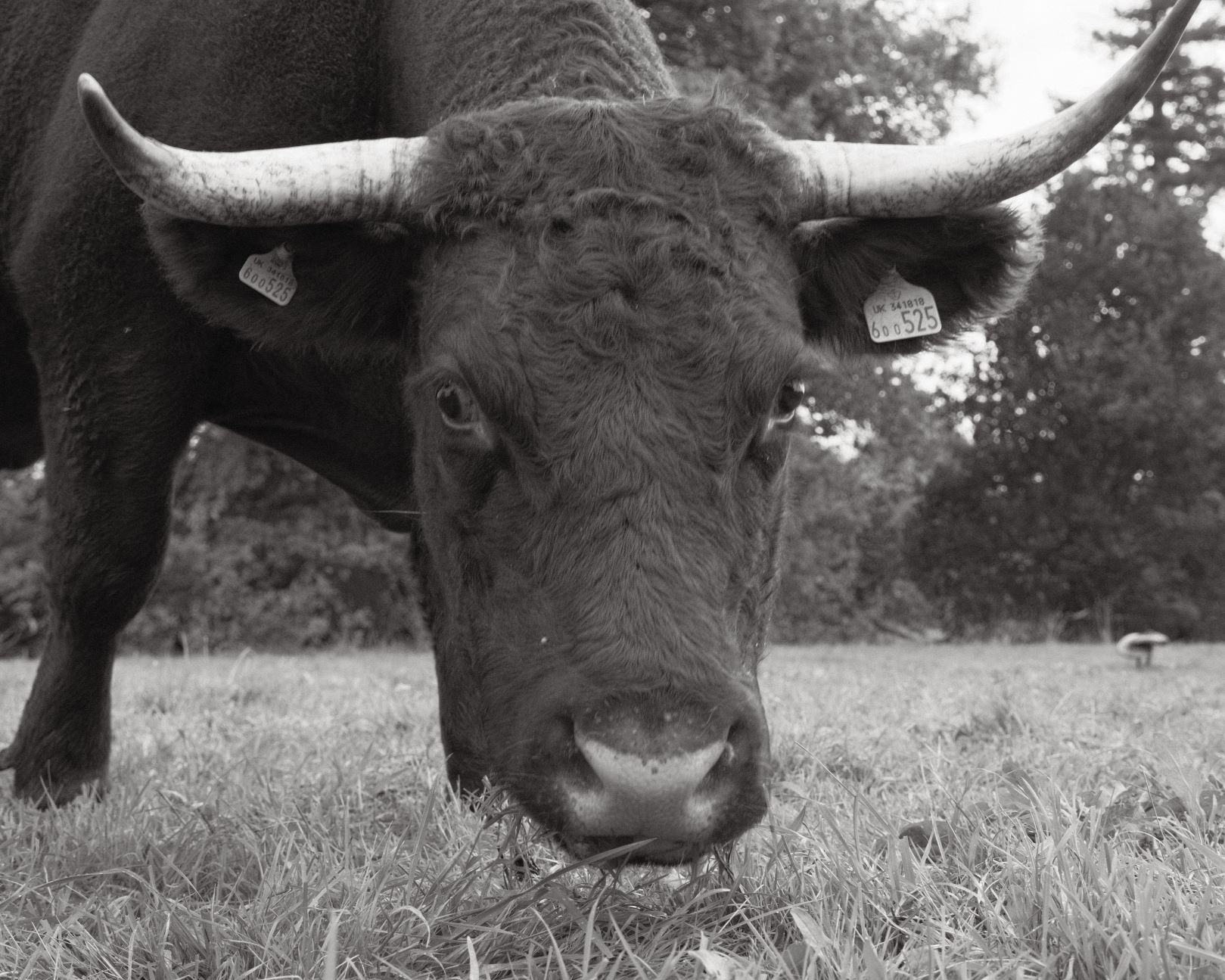
A Devonshire herd, with the New American tones of Waldorf Astia recipe
Waldorf Astia Film Recipe
Simulation: Astia/Soft
Grain Effect: Weak, Small
Colour Chrome Effect: Strong
Colour Chrome Blue: Off (IV) / Off (V)
White Balance: 6750K
WB Shift: -4 Red, +4 Blue
Dynamic Range: DR200
Highlights: +1.0
Shadows: -1.0
Color: -2
Sharpness: -1
ISO Noise Reduction: -4
Clarity: +2
EV compensation: 0 or +1/3
NB: These details were updated on April 3rd, 2023. The earlier version of the recipe, which has a warmer, nostalgic Astia look, has been published separately as Waldorf Warm.
Scenes from the cattle shed, captured with Waldorf Astia film recipeA winter morning at the mill, using Waldorf Astia film recipeThe sun is rising on another day. Waldorf Astia film recipeBlue green tones of frosty grass, with Waldorf Astia film recipeRusty tones are beautiful with the Waldorf Astia film recipe
The Waldorf Astia film recipe loves the coats of New Forest poniesA sunset over sandbars, with the Waldorf Astia film recipeFly past, captured with the Waldorf Astia film recipeSanderlings feeding at sunset, 70-300mm and Waldorf Astia film recipeMaking the most of the changing tide, Waldorf Astia film recipe
Sunset on the heath …
… with Waldorf Astia film recipe
Winter snowdrops, captured with Waldorf Astia film recipeLow angle bokeh amongst the snowdrops, with Waldorf Astia film recipe
Winter on the canal path, using the Waldorf Astia film recipeThree cloudy day forest photos, taken with the Waldorf Astia film recipeSunsrise details, catpured with Waldorf Astia film recipe
Astia Film Simulation Recipes
I’ve been creating various recipes with Astia, working with it’s film like qualities and mellow colour tones. Here are a few others to take a look at…
Cinematic Eterna film recipe with a warm soft tone for outdoor photography
As a landscape photographer with a passion for softer tones and atmospheric looks, I am a firm fan of the Eterna/Cinema film simulation. For this film recipe, I wanted to take everything that I enjoyed about Eterna and max it out.
This Eterna recipe is a celebration of the warm soft look and cinematic feel of Eterna, that lovels going on photowalks, especially in woodlands and forests, and when light is warmer at the beginning and end of the day.
Warm natural tones for photo walks, the Eternal Love film recipe
Eternal Love Film Recipe
Simulation: Eterna/Cinema
Grain Effect: Weak, Small
Colour Chrome Effect: Off
Colour Chrome Blue: Strong (IV) / Weak (V)
White Balance: Auto
WB Shift: +5 Red, -5 Blue
Dynamic Range: DR400
Highlights: +1.0
Shadows: +1.0
Color: +3
Sharpness: 0
ISO Noise Reduction: -4
Clarity: +2
EV compensation: +1/3
A woodland walk on a misty morning, with Eternal Love film recipeThere’s a cinematic softness to Eternal Love film recipe
Scenes from a winter morning, with Eternal Love film recipeEternal Love is a year round film recipeSummer on the coast path, captured with Eternal Love film recipe
Summer walks with Eternal Love film recipe
It’s late summer on the riverbank, with Eternal Love film recipeMellow tones, even with bold colours, Eternal Love film recipeBlue skies, captured with the Eternal Love film recipeFeel the heat of summer haze, Eternal Love film recipeWarm tones in the afternoon sun, Eternal Love film recipe
Trying out Eternal Love film recipe after sunsetMossy greens with the Eternal Love film recipeLooking for details in the forest, with Eternal Love film recipe
Cinematic Film Recipes with Eterna Simulation
The Eterna film simulation has two wonderful qualities. It is softly cinematic and it is mellow in tone. This makes it a perfect choice for photography or movie making in the softer light of magic hour, and a great choice for shooting natural subjects and landscapes. It’s a firm favourite of mine, so here are a few more cinematic choices with the Eterna film simulation.
Classic Negative film simulation recipe with boosted colour saturation
Here’s a Fujifilm simulation recipe that I made for cloudy and dull days, with punchy colour and deep blacks. It works in all sorts of conditions, but with a Classic Negative base and +4 colour, it’s especially great on gloomy days where the punchy colour and dark shadows deliver powerful pictures from the unremarkable light.
Whilst this film recipe brings some vivid colurs to life, it’s not an unatural look, such as you could get from Vlevia with a similar setting. Instead, this look preserves the nostalgic character of Classic Negative, and provides a style that is still very definitely Fujifilm.
I’ve also increased shadow depth in this recipe, meaning that images made with Ultra Color 200 have more impact that standard Classic Negative. This is balanced out with a stop or two of over-exposure so the resulting image isn’t too dark. I find it is a great choice for natural subjects like leaves and textures that you might discover on a dull day.
I tried it on a few evening city shots too, and the results were impactful and rich, reminding me a lot of photo prints from max style 35mm films. A few golden hour tests brought out vivid colours, especially in plants, such as the golden ferns further down in the image samples below.
For bold colours on a dull day, try the Ultra Color 200 film recipe
Ultra Color 200 Film Recipe
Simulation: Classic Negative
Grain Effect: Weak, Small
Colour Chrome Effect: Weak
Colour Chrome Blue: Weak (IV) / Off (V)
White Balance: Underwater
WB Shift: -1 Red, -3 Blue
Dynamic Range: DR200
Highlights: -2.0
Shadows: +4.0
Color: +4
Sharpness: 0
ISO Noise Reduction: -4
Clarity: -4
EV compensation: +2/3
Bringing out the colour details on a greay day, Ultra Color 200 film recipeA spiderweb coated in morning dew, with the Ultra Color 200 film recipeDeep tones enhance an autumnal mood, using Ultra Color 200 film recipe
Deep shadows in the sunny woodland, with Ultra Color 200 film recipeCapturing a winter sunset, with Ultra Color 200 film recipe
Shoreline textures and details, with the Ultra Color 200 film recipeWinter sunlight and a fallen leaf, captured with Ultra Color 200 film recipe
Make the most of watery sunlight, with the Ultra Color 200 film recipeGolden hour is starting and the gorse is in bloom. Ultra Color 200Max out the colours at sunset, with Ultra Color 200 film recipeFading fern in the golden light of sunset, with Ultra Color 200 film recipeA different type of sunset, over the Thames this time. Ultra Color 200Winter in Covent Garden, captured with Ultra Color 200 film recipeDeep shadows high distracting details, with Ultra Color 200 film recipeLate night crossing the river again, Ultra Color 200 film recipeWoolly friends on the farm, with Ultra Color 200 film recipeLooking out from the barn, shot with Ultra Color 200 film recipeLime leaves in Autumn, using Ultra Color 200 film recipeI’m pretty sure this was late October 😊 Ultra Color 200 film recipeDeep and colourful on a gloomy day. That’s Ultra Color 200 film recipe
Film Recipes for Cloudy Days
For most of us, the sun isn’t shining every day, and there are cloudy conditions that might mean we need a little help getting great images. That’s when a film recipe for cloudy days can help. These can add atmosphere or impact to images when the sun has refused to brighten up the day.
Fujifilm simulation film recipe for a flat tone matte look like Kodak 35mm prints
This film recipe began life as an attempt to match a look I had seen with 35mm film photos taken on Kodak film. I had really liked the low contrast matte look, and wanted to be able to shoot with something similar on my Fujifilm camera.
Whilst this recipe does capture the flat look and colour tones I had seen, it was very specific to a single set of samples I had seen. So, rather than name it after the Kodak film stock, I decided to tweak it some more and embrace the flat matte look.
What we have then, is a general Kodak film-like look, reminiscent of some 35mm photography, with a muted tone and soft, matte like feel.
The base simulation is Classic Chrome, with a color chrome effect and small shift from the shade/cloudy colour balance. Shadows and highlights are both compressed to the -2 setting.
Like all the film recipes on this site, it was designed for recent X-Trans IV cameras, but with the exception of color chrome blue, this recipe is widely compatible with easy adaptation for older cameras too.
A flat tone style with film-like colours, the Flatpack film recipe
Flatpack Film Recipe
Simulation: Classic Chrome
Grain Effect: Weak, Small
Colour Chrome Effect: Weak
Colour Chrome Blue: Strong (IV) / Weak (V)
White Balance: Shade / Cloud
WB Shift: -2 Red, -2 Blue
Dynamic Range: DR200
Highlights: -2.0
Shadows: -2.0
Color: -2
Sharpness: -2
ISO Noise Reduction: -4
Clarity: 0
EV compensation: +2/3
There’s a lot more to see with the Flatpack recipe. It was a feature in our Film Recipe Challenge, and the user photos are now available.
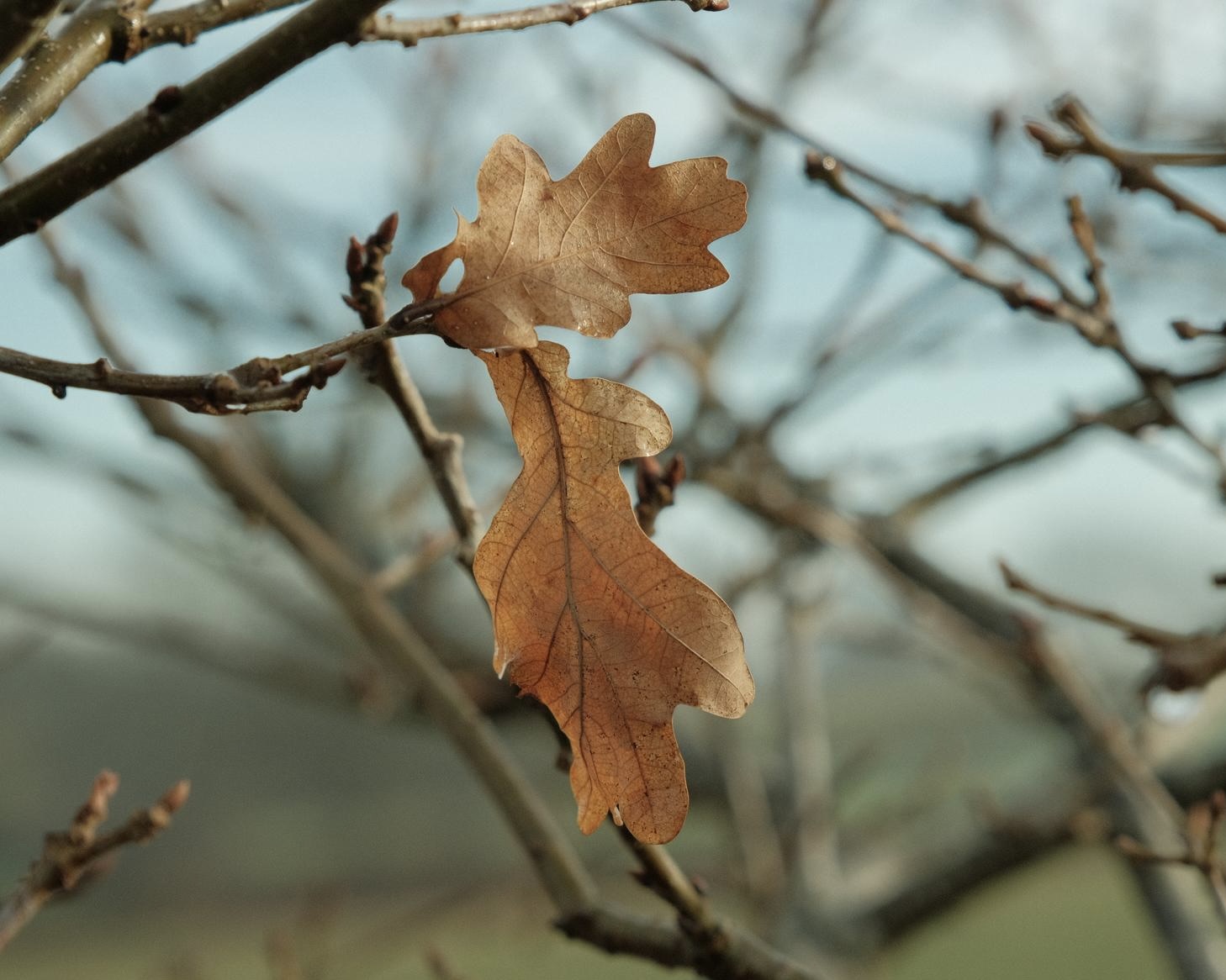
Winter oak leaves, with the film-like tone of Flatpack film recipeAn iconc view on a grey day, taken with Flatpack film recipe
There’s always someone taking photos in London, Flatpack film recipeFilmic tones with classic chrome and the Flatpack film recipeThe sun is rising, captured with Flatpack film recipe
For a mellow take on Autumn, try the Flatpack film recipeBold colours in golden hour have a pastel look, Flatpack film recipe
Sunset at the marina, captured with the Flatpack film recipePeople often wait for many years to own one. Flatpack film recipeThe sea is calm, and the light is flat. Let’s use Flatpack film recipe
Sunset moments by the river
Taken with Flatpack film recipe
A perfect choice for Winter, the Flatpack film recipe
A misty woodland in summer, with the Flatpack film recipe
Classic Negative film recipe with golden orange tones in the golden hour
Here’s a film recipe that loves the golden hour so much, that it brings the glorious golden tones to any time of day. The base film simulation is Classic Negative, and much like the Xylochrome film recipe, this one was created as an experiment that uses a sliding scale of settings, starting from a 6540K colour balance.
Depending on the conditions, this recipes brings a subtle peach tone to neutrals, or a vivid tangerine hue, which shows most often at sunset. Which you get isn’t quite as unexpected as the infinite improbablility drive, so you can relax and enjoy a relaxing warmth to any image set taken with this recipe.
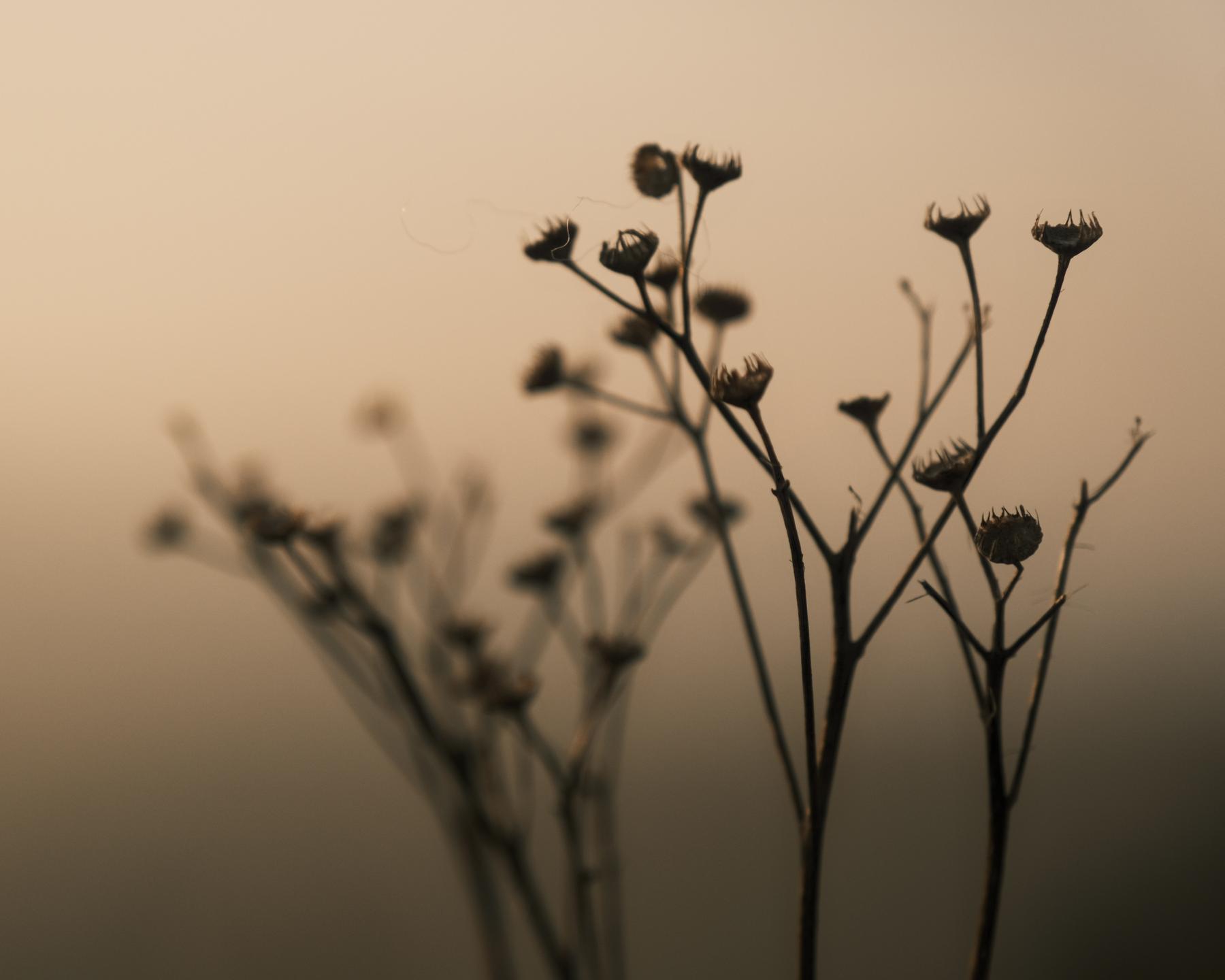
Weed silhouettes on a misty morning, with Heart of Gold film recipe
Heart of Gold Film Recipe
Simulation: Classic Negative
Grain Effect: Off
Colour Chrome Effect: Weak
Colour Chrome Blue: Weak (IV) / Off (V)
White Balance: 6540K
WB Shift: +3 Red, -2 Blue
Dynamic Range: DR200
Highlights: +1.0
Shadows: 0.0
Color: -1
Sharpness: -2
ISO Noise Reduction: -4
Clarity: -3
EV compensation: 0
For even more images, taken all around the world, the Heart of Gold user gallery is a great place to get inspiration! Take a look 😊
Sunset is a tangerine dream, with the Heart of Gold film recipe
Rich sunset colours
Heart of Gold film recipe
After sunset, colours are creamy, with Heart of Gold film recipeSunset silhouette, captured with Heart of Gold film recipe
Winter ferns in the New Forest, using Heart of Gold film recipeLate summer wheatfield, taken with Heart of Gold film recipeLow down and looking up, with Heart of Gold film recipe
Early morning on a suburban lawn, with Heart of Gold film recipeThe end of a sailing session, with Heart of Gold film recipeBringing in the boats, taken with Heart of Gold film recipeA sunset over the water, captured with Heart of Gold film recipeA tiny wave on calm waters, using Heart of Gold film recipeJust after sunset, captured with Heart of Gold film recipeAutumn in the woodland, using Heart of Gold film recipeSweet chestnut leaves in Autumn, with Heart of Gold film recipeA Hampshire sunrise, using Heart of Gold film recipeGlorious golden light, made more so with Heart of Gold film recipeA jumble of branches, captured with the Heart of Gold film recipe
Film Recipes for the Golden Hour
Choosing to shoot in the first and last hours of sunlight is a common photographic technique that brings great results. The light is softer, shadows less harsh and light is golden in colour. I have a page of golden hour film recipes, but here I share a few favourites with a softer style for shooting during the golden hour.
A natural colour soft tones film recipe using Pro Neg Standard for X-Trans IV
Pro Neg Standard is a film simulation that provides good colour accuracy across the spectrum, and works well for shooting portraits. I’ve made a number of film recipes with it, and enjoy the easy going character it has.
For the Pale Ale film recipe, I explored a variety of colour balance shifts, in search of a warm, slightly nostalgic but natural look that worked well with landscape subjects. After considerable experimentation and adjustment, I have settled on this shift from the Fluorescent 2 white balance base.
The result is a soft tones look, which captures the retro vibe of Fujifilm simulation shooting. It presents natural scenes in a tastefully calm way, without too much saturation or contrast, and with a warm nostalgic tint for added atmosphere.
Natural soft tones, captured with the Pale Ale film recipe
Pale Ale Film Recipe
Simulation: PRO Neg. Std
Grain Effect: Off
Colour Chrome Effect: Weak
Colour Chrome Blue: Strong (IV) / Weak (V)
White Balance: Fluorescent 2
WB Shift: +3 Red, -7 Blue
Dynamic Range: DR200
Highlights: -1.0
Shadows: -1.0
Color: +3
Sharpness: +1
ISO Noise Reduction: -4
Clarity: 0
EV compensation: 0
A summer scene by the seaside, with Pale Ale film recipeThose boats again, this time with the Pale Ale film recipeA winter sunrise, captured with Pale Ale film recipe
Taken in the childrens ‘bee garden’, with Pale Ale film recipeA sunny afternoon and high tide, Pale Ale film recipeWaiting for the water to recede, Pale Ale film recipeThey’ve spotted ewe! Pale Ale film recipe
Walking in the summer barley field, with Pale Ale film recipeJust after sundown on the riverside, Pale Ale film recipe
Pale Ale film recipe is a good choice for blue hourWinter thicket, using Pale Ale film recipeWinter sunshine and a little snow, Pale Ale film recipeSnowy curve, captured with Pale Ale film recipeCotton fluff snow on the bushes, Pale Ale film recipeMemories from the summer, with Pale Ale film recipeThe summer green of Wimbledon, using Pale Ale film recipeTaking a snap before the crowds arrive, Pale Ale film recipeBeautiful red blooms, with the Pale Ale film recipeRed of a different kind, with Pale Ale film recipeSoft natural colours, captured with Pale Ale film recipeSunny autumn leaf, taken with Pale Ale film recipeTaken at ground level, with the Pale Ale film recipeA summer iris in afternoon light, Pale Ale film recipeAutumn discovery, captured with Pale Ale film recipe
Classic Chrome film simulation recipe that emulates a vintage lens style
Druring my film recipe creation process, I occasionally hit on a settings combination that produces a look that is completely different than I had expected. This experiment was just like that.
I was playing with X RAW Studio to make a Classic Chrome recipe with a downward scale of settings with 5, 4, 3 ,2 ,1 starting with a colour temperature of 5430K, a shift of 2, 1, and so on through the settings, until I added at the end of the scale, the strongest negative clarity setting, -5.
I normally avoid settings quite this strong, but on this occasion it added a softness that immediately reminded me of vintage lens photos that I had seen. The softness was like an imperfection, with a character that was decidely analog, especially in the out of focus areas of my images.
This vintage blur isn’t so visible at phone screen sizes, so I’ve provided a crop in the image below.
A vintage lens look with the Xylochrome film recipeA crop of the above image, showing the vintage lens softness effect
Xylochrome Vintage Lens Film Recipe
Simulation: Classic Chrome
Grain Effect: Off
Colour Chrome Effect: Strong
Colour Chrome Blue: Weak (IV) / Off (V)
White Balance: 5430K
WB Shift: +2 Red, +1 Blue
Dynamic Range: DR200
Highlights: 0.0
Shadows: -1.0
Color: -2
Sharpness: -3
ISO Noise Reduction: -4
Clarity: -5
EV compensation: 0
Winter morning teasels, with the Xylochrome film recipe
Xylochrome film recipe has a muted creamy tone with faded blue skiesA late summer day on the riverbank, using Xylochrome film recipeLate summer sees some early colour in the leaves, Xylochrome film recipeOak leaves with early colour, with the Xylochrome film recipe
Let’s go for a photo walk, and try out Xylochrome film recipeA bit of winter weather, captured with Xylochrome film recipeBetter to drive carefully on the icy roads, Xylochrome film recipeDown at the beach, on a breezy day. Xylochrome film recipeThere are lots of oysters in the water here. Xylochrome film recipeThe sun is about to disappear for the day, Xylochrome film recipe
Winter leaves have lost all their green, even if they’ve stayed on the treeA winter walk with the vintage lens look of Xylochrome film recipe
It’s a little bit frosty, making greens pale. Xylochrome film recipe
Other recipes using -5 Clarity
Whilst there is nothing stopping you from trying a strong negative clarity setting on any recipe, there are a few that have been designed with this setting in mind.
Cheers – creamy and soft with deep shadow, by Captn Look
Grizzly Ride – grungy Bleach Bypass, again by Captn Look
Melatonin – Grant Teng’s dreamy cool tones, here on Film.Recipes
CineStill 800T – Eterna for night shooting, on FujiXWeekly
Soft tones film simulation recipe for Fujifilm X-Trans IV with Eterna setting
This film recipe uses the Eterna / Cinema film simulation with a warm white balance and softened highlights. It brings a mellow warmth to your photos and when shooting outdoors, it works well at controlling bright conditions, and adding a warmer mood to cloudy days.
This has some of the softest contrast of my Eterna recipes, and with the 5, -5 WB shift, it features a retro tone, bringing out the brown green tint of Eterna in the images. In fact, only Ultrasoft 77 is softer.
In a twist, this recipe uses clarity and sharpness for crisp edges, so you get soft tones, but sharp images. I like this look and enjoy how it works with the low contrast. However, you may prefer to stay softer and more natural, so this is shown as optional in the details below.
Winchester Cathedral, taken with the Outdoor Cinema film recipe
Outdoor Cinema Film Recipe
Simulation: Eterna Cinema
Grain Effect: Weak, Small
Colour Chrome Effect: Off
Colour Chrome Blue: Strong (IV) / Weak (V)
White Balance: Auto
WB Shift: +5 Red, -5 Blue
Dynamic Range: DR400
Highlights: -1.5
Shadows: +0.5
Colour: -3
Sharpness: +2 (or leave at 0 for softness)
ISO Noise Reduction: -4
Clarity: +2 (set to 0 for softness)
EV compensation: +2/3
A fallen leaf on a misty winter morning. Outdoor Cinema film recipe
Scenes from a misty woodland walk, captured with Outdoor Cinema recipeFootpath through the oat field, with Outdoor Cinema recipeOats swishing in the wind, with Outdoor Cinema film recipeWhich way? Taken with Outdoor Cinema film recipeWinter ferns in soft tones, with the Outdoor Cinema recipe
Ferns behind ferns for a mono look, taken with Outdoor Cinema recipeDew drop in the morning light, with Outdoor Cinema recipeFly amantia mushrooms, low down with Outdoor Cinema recipe
Autumn mushroom hunting, with the Outdoor Cinema film recipeA first sign of Spring? Captured wtih Outdoor Cinema recipeAt the tennis club, with Outdoor Cinema film recipeLooking through, taken with Outdoor Cinema film recipeBirch trees, taken with the Outdoor Cinema film recipeA forest trail, taken with Outdoor Cinema film recipeWalking trail across the heath, captured with Outdoor Cinema recipeBoats in the marina, with Outdoor Cinema film recipeLow contrast on a dull day, Outdoor Cinema film recipe
Along a shady path, with the Outdoor Cinema film recipeBiking the trail, with Outdoor Cinema film recipeSoft and pale tones of Outdoor Cinema film recipe
For a similar look, try Eterna Nostalgia, which shares the same white balance, but has deeper contrast and increased saturation. Or, for super softness, the Ultrasoft 77 recipe is the one to try.
Astia film simulation recipe with a warm grainy retro look for X-Trans IV
So here’s a recipe that doesn’t replicate any film in particular, but has many of the qualities of a film. This is down to the use of Astia film simulation as the base to the recipe. It has a solid film-like feel, especially in the tone of the highlights, and is also a nice break from Classic Chrome and Classic Negative, which are quite distinctive in their styling.
The vintage part is an added mood, bringing warmth, grain and a gentle reduction in saturation. The result is a warm look, with the retro feel of images as they once were, but without being too much like any Kodachrome or Fujicolor style. I’ve become quite partial to it, using it as a general use recipe in all sorts of conditions.
This recipe also has a passing resemblence to Nostalgic Negative from the newest cameras, so if you want a recipe to fake it, this may be the one.
Vintage film-like tones in the winter forest, with Vintage Astia
Vintage Astia Film Recipe
Simulation: Astia/Soft
Grain Effect: Strong, Small
Colour Chrome Effect: Strong
Colour Chrome Blue: Weak (IV) / Off (V)
White Balance: Auto White Priority
WB Shift: +5 Red, -5 Blue
Dynamic Range: DR100
Highlights: -1.0
Shadows: -1.0
Color: -2
Sharpness: -2
ISO Noise Reduction: -4
Clarity: 0
EV compensation: 0
Inspiration for this recipe came from two sources, E. Fung’s Vintage Look Classic Chrome and Øyvind Nordhagen’s work with Astia, which opened my eyes to this simulation as a base.
Vintage tones at the marina, with Vintage Astia film recipeFor once, I got to see the boats with the tide high, Vintage Astia film recipeSo very British, captured with the Vintage Astia film recipeIt’s a misty morning in the woodland, with Vintage Astia film recipeDew highlights the spider web, taken with Vintage Astia film recipeLooking up and the canopy on a misty day. Vintage Astia film recipeVintage Astia on a frosty morning at the allotmentFrosty edges, captured with Vintage Astia film recipeSunlit yew tree, captured with Vintage Astia.Logpile in the woods, with the Vintage Astia film recipeThe long leaves of the Sweet Chestnut, Vintage Astia film recipeAutumn mornings are good for cobweb spotting, Vintage Astia recipeThis one is large, that one is far awayNibbling at hay on a frosty morning, Vintage Astia film recipe
Scenes at dusk, captured with the Vintage Astia film recipeLate afternoon thistle heads, with Vintage Astia film recipeRich golden hour colour, with the Vintage Astia film recipeBeach walks with the dogs, captured with Vintage Astia film recipeRed and white fly amantia, captured by Vintage Astia film recipeAn October forest scene, with Vintage Astia film recipeSt. Leonard’s Church, taken with the Vintage Astia film recipe.The village church, captured with Vintage Astia film recipe.It’s a grey day and the tide is out, with Vintage Astia film recipeThe sailing club building, Vintage Astia film recipeAt last, the sunshine is returning, taken with Vintage Astia film recipeVintage Astia film recipe, looking towards the afternoon sunNaturally coloured blue skies, with the Vintage Astia film recipeEarly summer on a country lane, with Vintage Astia film recipeLocal enterprise, captured with the Vintage Astia film recipeForest colours, captured with the Vintage Astia film recipeA parasol for your RDR2 horse, taken with Vintage Astia film recipeSummer evenings on the beach, with Vintage Astia film recipeCheers! I hope you enjoy the Vintage Astia film recipe
More Vintage Look Film Recipes
Our cameras don’t offer unlimited options in pursuit of a vintage look, but with the excellent film simulations, and shifts to white balance and other settings, we can generate looks that fit a vintage vibe or retro aesthetic.
I have a page of nostalgic film recipes, but here is a shorter list of some favourite vintage look recipes on this site and others.
Astia Mellow – a differnt vintage inspired look, also with Astia