Film Recipes for Fujifilm Cameras

Blog

  • America Sharpie, Crisp New American Color

    America Sharpie, Crisp New American Color

    I’ve been revisiting previous film recipes and creations that I’ve not yet published. This time, I was comparing this crisp new take on my Waldorf Astia film recipe, inspired by the tremendous New American Color film recipe by Øyvind Nordhagen.

    I’ve always loved the playful bright colours of the Astia film simulation, and enjoy using it when there are clear blue skies or other bright colours, like the rich greens of summer or first signs of autumn. In this recipe, I wanted to capture this with some additional sharpness to make images that felt characterful, rich and lively, but without looking too false, or too similar to HDR phone photography.

    Several elements come together in this recipe to produce the look. Firstly the sharpness which comes from the clarity setting at +2. This does cause a processing delay after shooting, so if this is annoying to you, swap to sharpness +2 instead. Secondly, is the color balance and shifts, which mimic the tones of the New American color samples, but with Astia being so vibrant, a -2 color setting. This keeps things rich without being too bold, but again, if personal preference is for more ‘pop’, set color to 0 or even +2 for real zing!

    Adapting film recipes to your preference is very much in my thoughts when I publish them. All of them are ideas that I hope will inspire your creativity. Use them as published, or fiddle and adapt as you see fit. The important thing is to have fun and take lots of photos 🙂

    Characterful color and crisp clarity, using the American Sharpie film recipe

    American Sharpie Film Recipe

    • Simulation: Astia/Soft
    • Grain Effect: Weak, Small
    • Colour Chrome Effect: Weak
    • Colour Chrome Blue: Weak (IV) / Off (V)
    • White Balance: 7500K
    • WB Shift: -5 Red, +7 Blue
    • Dynamic Range: DR400
    • Highlights: -0.5
    • Shadows: -1.5
    • Color: -2
    • Sharpness: 0
    • ISO Noise Reduction: -4
    • Clarity: +2
    • EV compensation: 0
    Late summer greens and browns, with the American Sharpie film recipe
    Hking in Austria with the American Sharpie film recipe
    Scenes from a Tirolean meadow, captured with the American Sharpie film recipe
    A discovered oyster, late on a Winter afternoon with American Sharpie film recipe
    A winter sunset over the ocean, using American Sharpie film recipe
    Playing with hazy light and the American Sharpie film recipe
    Winter heather retains the bell like flowers, but has lost its purple color. American Sharpie film recipe
    Spring greens, captured with the American Sharpie film recipe
    The forest is coming back to life, American Sharpie film recipe
    Captuing the morning sun through the mist. American Sharpie film recipe
    Places look so different in the mist and fog. American Sharpie film recipe
    The same area on a sunny Summer morning, American Sharpie film recipe
    And lastly, a visit close to harvest time, American Sharpie film recipe

    Film Recipes for a Colourful Look

    Here are a few other film recipes that work well in colourful scenes, or when you want to show the rich colours of nature without too much muting or colour shifting.

    • Nordic Soft – lovely with forest greens and landscape scenes
    • Provia Natura – embrace natural colours with this Provia recipe
    • Olympic Ace – a Reala Ace film recipe for use in all conditions
    • Organic Analog – Classic Negative with boost colour
    • Positive Film – Classic Negative for a slide like look, from Fuji X Weekly
    • Realistic Pro – a Pro Neg for rich natural colours, by Mark Adams

    If you have a favourite recipe for colourful scenes, you can always share it below in the comments.

  • Olympic Acros, Versatile Black & White

    Olympic Acros, Versatile Black & White

    Fujifilm film simulation recipe for black and white photography in bright light

    In my preparation of film recipes to try at the Paris Olympics, I explored a number of colour looks that were highly usable in bright light, mostly neutral in colour tone, but had a nod to the creamy tones of Parisien buildings and streets. My trip was to the tennis event, but I had hoped to maybe try some street photography in the neighbourhoods too. As it played out, the evenings saw torrential rain and thunderstorms, so I didn’t get to fully explore the looks I had prepared.

    One other look that I had designed in advance, was a mono recipe based on the Acros film simulation. Here, the overriding thought was that the sunlight was going to be very strong, with images taken in the middle of the day rather than the softer light of late afternoon or golden hour.

    My approach therefore was to look to preserve highlights with DR400, and then to force some deeper contrast into the scene with the maximum +4 for shadows. I toyed with a sharpened result, but in the end looked more to the hazy heat for inspiration and went for a -3 sharpening and -3 clarity to bring out a a little extra character. This was a little awkward when shooting action, as the delay when saving meant I couldn’t rapid fire, but with a bit of attention to my timing, I was happy enough to leave the clarity active.

    Using it at the tennis event left me very happy with the result. I feel that the images produced have a lovely feel to them, with the additional shadow depth working well. I also found that, whilst scenes were often very busy, the subject really stood out and the images had a timeless quality.

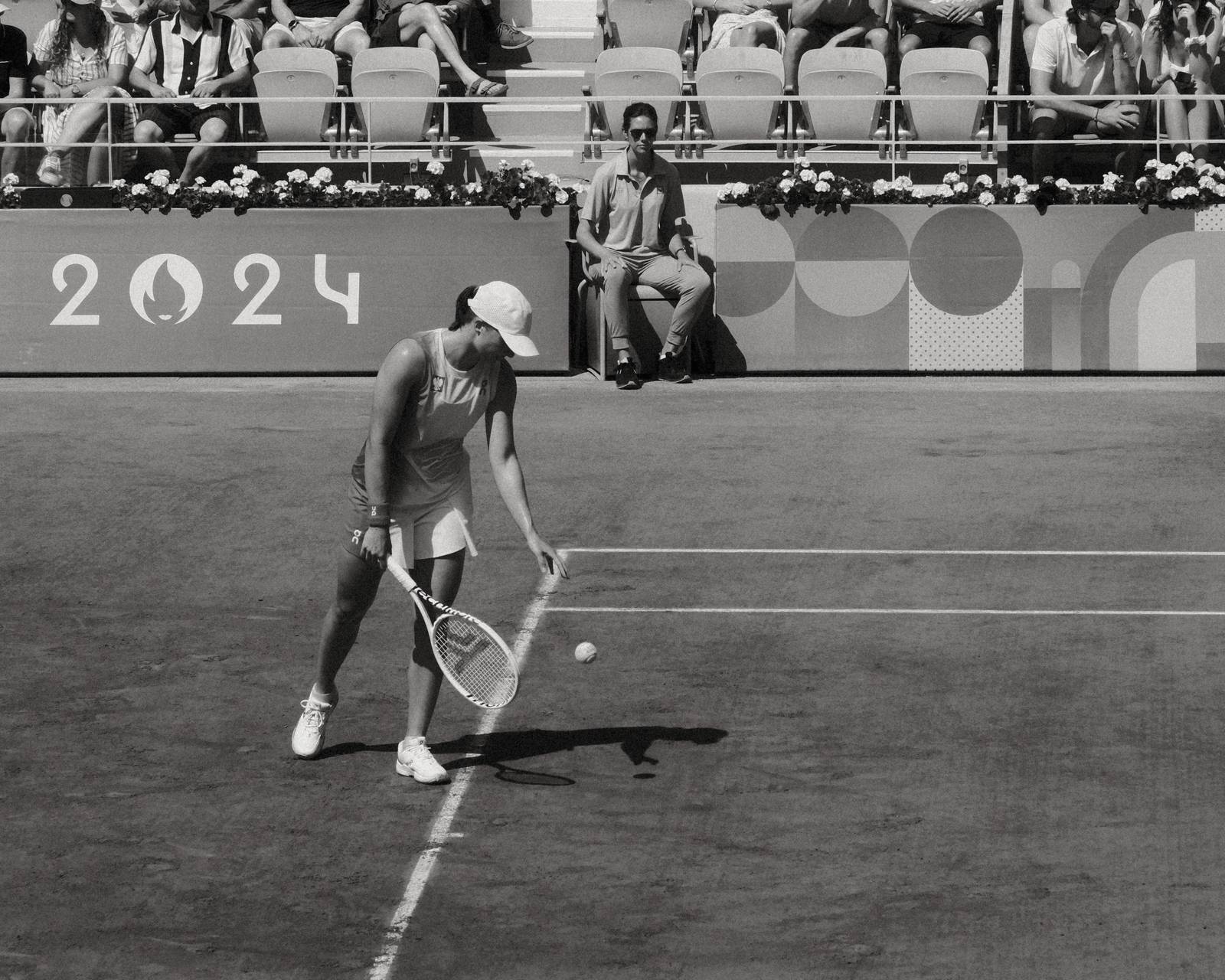
    Iga is preparing to serve, captured with the Olympic Acros film recipe.

    Olympic Acros Film Recipe

    • Simulation: Acros
    • Grain Effect: Off
    • Colour Chrome Effect: Off
    • Colour Chrome Blue: Weak (IV) / Off (V)
    • White Balance: Auto
    • WB Shift: 0 Red, 0 Blue
    • Dynamic Range: DR400
    • Highlights: -0.5
    • Shadows: +4.0
    • Mono Shift: WC +1, MG +0
    • Sharpness: -3
    • ISO Noise Reduction: +4
    • Clarity: -3
    • EV compensation: 0
    Carlos is warming up for his semi-final. Taken with the Olympic Acros film recipe
    Spring wheatfields with the impactful shadows of the Olympic Acros film recipe
    The deep shadow setting adds impact and mystery. Olympic Acros film recipe
    Sunlit dandelion clocks, captured with the Olympic Acros film recipe
    Lining up for the winner, with Olympic Acros film recipe
    Discussing tactics, taken with the Olympic Acros film recipe
    In the ready position, captured with the Olympic Acros film recipe
    Exploring the walled garden, with the Olympic Acros film recipe
    Wandering around Brixham harbour in the late afternoon, Olympic Acros film recipe
    Extremes of contrast in the beech avenue, Olympic Acros film recipe
    Beach huts on a cloudy day, testing out Olympic Acros film recipe
    Partly hidden from view, with the Olympic Acros film recipe
    Walking the parkland on a sunny day, Olympic Acros film recipe
    Looking back towards the house, with Olympic Acros film recipe
    The deer herd are having lunch. Olympic Acros film recipe

  • Albariño, Soft Fresh Film Recipe

    Albariño, Soft Fresh Film Recipe

    A soft and cinematic film simulation look for Summer days and sunshine

    Here’s a film recipe creation that started life as a glass of wine. The Albariño wine hails from Northwest Spain and Portugal and is a crisp and fresh tasting wine that I enjoy on occasion. As well as a lovely taste, it has a pale colour that is atonce cream and pale green in subtle ways. Now you begin to see where the film recipe idea is coming from, a look that in part, captures the character of this flavour and look.

    At the heart of the recipe is the Eterna Cinema film simulation, which produces a lower contrast look that can be cinematic and soft look at the same time. But for this look, it’s the character of greens that with Eterna have a green brown tone which I am particularly fond of.

    For this film recipe, I wanted to build on these characteristics to produce a look that I could use in a range of weather and light conditions, with warmth and nostalgia to the resulting pictures. The white balance, boosted highlights and shadows, and the use of a -2 setting for clarity, all work together towards this goal.

    The result is comforting and calm, which works well for outdoor shots and my tendency to use the golden hour. It’s compatible will all X-Trans IV and V cameras, so you can give it a go on X100V or VI, X-T4 or 5 and X-T30II or 50 and many other cameras in the Fujifilm range.

    Summer buttercups, captured at sunset with the Albarino film recipe

    Albariño Film Recipe

    • Simulation: Eterna/Cinema
    • Grain Effect: Weak, Large
    • Colour Chrome Effect: Off
    • Colour Chrome Blue: Strong (IV) / Weak (V)
    • White Balance: 5500K
    • WB Shift: +1 Red, -3 Blue
    • Dynamic Range: DR200
    • Highlights: +2.0
    • Shadows: +2.0
    • Color: +2
    • Sharpness: -2
    • ISO Noise Reduction: -4
    • Clarity: -2
    • EV compensation: 0

    More Eterna looks for soft natural images; Explorer’s Cinematic, Kodak Portra 160, CineStill 400D and Arthouse Cinema.

    A trip to the Devon coast at Brixham, with the Albarino film recipe
    Wheatfield spiderweb on a misty morning, using the Albarino film recipe
    High f-stop for full focus, in the wheatfield with the Albarino film recipe
    Summer greens and a blue sky, made soft and cinematic with Albarino film recipe
    Sunset in an unmown field, with Albarino film recipe for soft creamy greens
    Green scenes from a drive along country lanes. Albarino film recipe
    Signs of spring, using the Albarino film recipe
    And in the winter, we can find the last of the golden leaves. Albarino film recipe
    Summer returns once again. Taken with the Albarino film recipe
  • Valenwood, Film Recipe for Explorers

    Valenwood, Film Recipe for Explorers

    Get outdoors with your Fujifilm camera and this warm Astia film simulation recipe

    My personal style of photography is outdoor based, often taken in the woods and forests of the South of England. You’ll have seen many samples across this site, as I test film simulation recipes on my walks and explorations.

    Some of my recipes were created with these forests and woodlands in mind, and are especially suited for photowalks in landscape and nature.

    The characteristics of these recipes mean that they work well in a wide range of situations, including any outdoor imaging, such as street photography, urban exploration or snaps on vacations and trips.

    But where is Valenwood? Well, it’s not a real woodland, but a region in the Elder Scrolls series of video games. Other recipes inspired at least in name in this series include Dawnstar and Jorrvaskr.

    Bright sunlight illuminating spring leaves, with the Valenwood film recipe

    Valenwood Film Recipe

    • Simulation: Astia/Soft
    • Grain Effect: Weak, Large
    • Colour Chrome Effect: Weak
    • Colour Chrome Blue: Weak (IV) / Off (V)
    • White Balance: Fluorescent 3
    • WB Shift: +3 Red, -8 Blue
    • Dynamic Range: DR400
    • Highlights: -1.0
    • Shadows: -1.0
    • Color: -2
    • Sharpness: 0
    • ISO Noise Reduction: -4
    • Clarity: 0
    • EV compensation: -1/3
    The wamrth of a Summer evening, captured with Valenwood film recipe
    A pale poppy, bracken fern and June foxgloves. All toned with the Valenwood film recipe
    Winter moods in Southern England, captured with the Valenwood film recipe
    Exploring Mottisfont House and gardens, with the Valenwood film recipe
    The grand view across the lawn, using the Valenwood film recipe
    Spring bluebells in the golden hour. Valenwood film recipe
    The fanciful shapes of emerging spring growth. Astia tones from Valenwood film recipe
    Red, blue, green and yellow. All captured with the Valenwood film recipe
    Where will you go exploring with the Valenwood film recipe?

    Three more Astia film recipes to try

  • Olympic Pro, Versatile Pro Recipe

    Olympic Pro, Versatile Pro Recipe

    Pro Neg film simulation recipe with a versatile ‘go everywhere’ set-up for travel and trips

    Earlier in the summer I took a trip to Paris to watch tennis at the Olympic Games. Regular readers will know that I’m a big fan of the sport, perhaps almost as much as I am of making film recipes. So, of course, I put the two together and took a number of new recipes with me to try out.

    I’ve already shared a few of these, such as my all round high achiever, Olympic Ace for X-Trans V sensors, my Classic Negative for travel, Paris 24, and the creamy warmth of Paris Gold.

    For this recipe, I wanted to compliment the others with a sophisticated and controlled look that brought a slightly flat, film like look to images. The results you’ll get are wonderfully analog and comforting, with a warm colour balance that adds just enough tone without heading into sickly territory.

    Take a look at the sample images below, and then why not load up Olympic Pro into your camera and test it out on your next photo session?

    Carlos Alcaraz on his way to victory, captured with the Olympic Pro film recipe

    Olympic Pro Film Recipe

    • Simulation: PRO Neg. Std
    • Grain Effect: Off
    • Colour Chrome Effect: Weak
    • Colour Chrome Blue: Strong (IV) / Weak (V)
    • White Balance: Daylight
    • WB Shift: +2 Red, -5 Blue
    • Dynamic Range: DR200
    • Highlights: -1.0
    • Shadows: 0.0
    • Color: +2
    • Sharpness: +1
    • ISO Noise Reduction: -4
    • Clarity: 0
    • EV compensation: 0

    Pro Neg Standard and Pro Neg High are two film simulations that have a more subtle Fujifilm look, and can make the base for recipes with a natural colour balance and everyday shooting. Take a look also at Au Naturel film recipe, Easy Going film recipe and Gold Standard based on Kodak Gold.

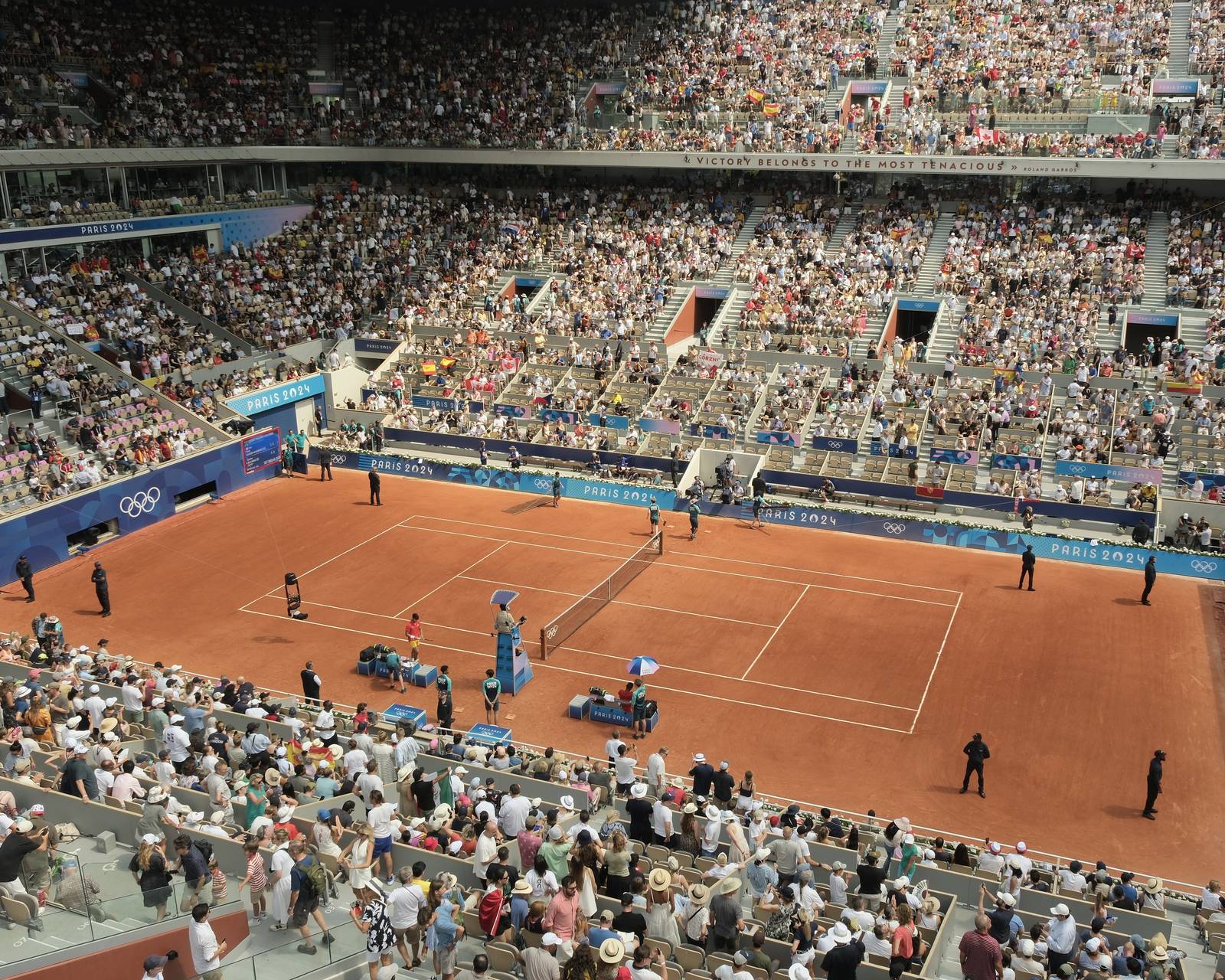
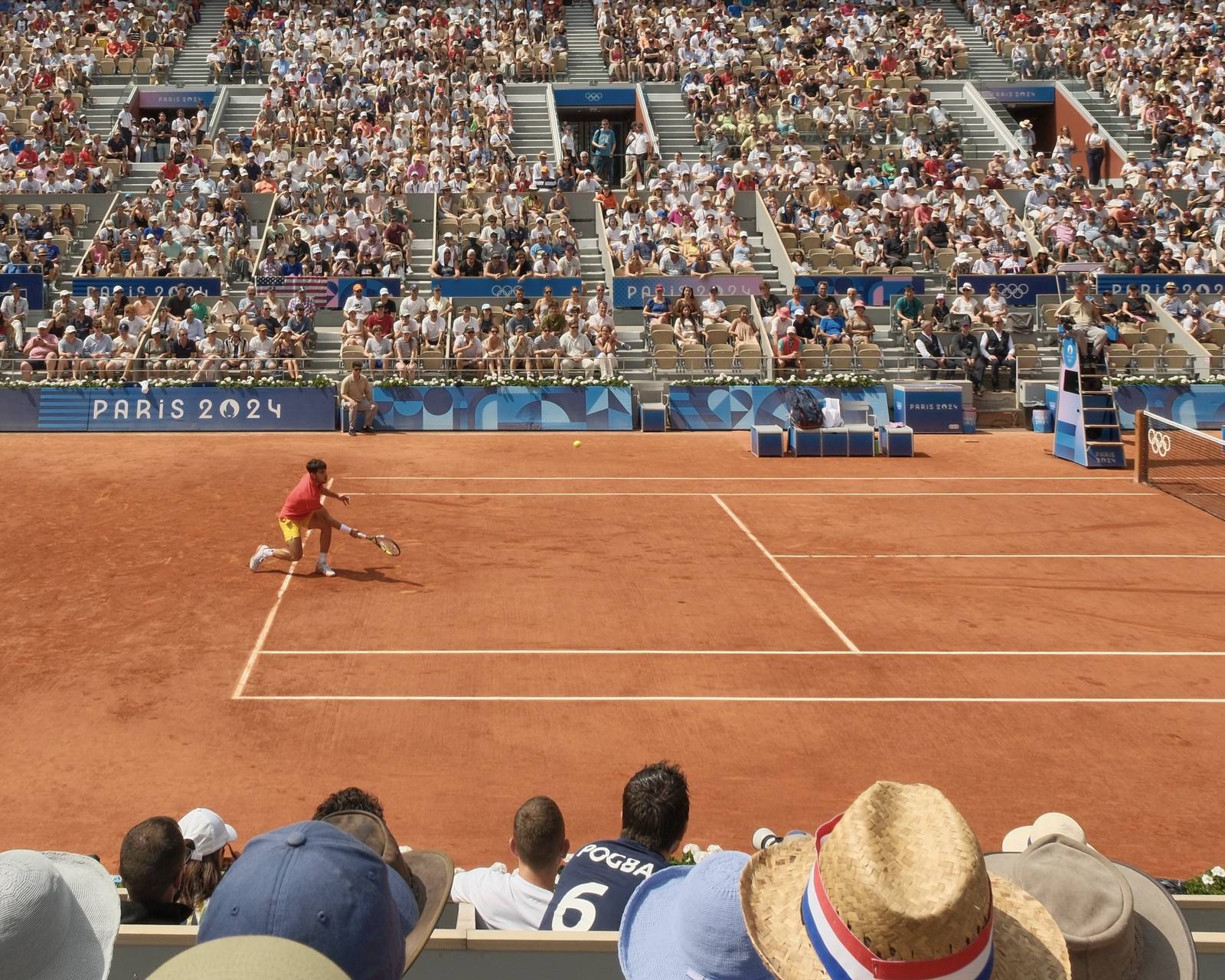
    Look down in to Court Philippe Chatrier, with the Olympic Pro film recipe
    Olynmpic tennis action, captured with the Olympic Pro film recipe
    Spring colour, with the tones of Olympic Pro film recipe
    Natural subjects captured in bright sunshine with the Olympic Pro film recipe
    Warm tones in gloomy weather, with the Olympic Pro film recipe
    Wandering along the shore with the Olympic Pro film recipe
    Creamy Cotswold stone, and creamy pro neg tones, with Olympic Pro film recipe
    Whites and pinks on a sunny day, using the Olympic Pro film recipe
    Around the grounds, with the Olympic Pro film recipe
    A win for Novak, captured from up high using the Olympic Pro film recipe
  • Daydream Believer, Summer Dream Film Recipe

    Daydream Believer, Summer Dream Film Recipe

    Summer vibes film recipe with a warm and cosy feel

    Summer days can spark creativity, and at the least, get you out and about with your camera in the sunny weather. This is a film recipe for these warm days, with a cosy look that is dreamy and soft and set to make the most of golden sunny light.

    There are already several takes on this concept that are available on this and other sites. You may already know of Vibrant Arizona and Bright Summer from Fuji X Weekly, or perhaps Classic Cuban Negative by Osan Bilgi. On this site, Summer Story and Kodak Portra 66 are also good choices.

    But, as we all know, there are a huge range of styles possible with our excellent Fujifilm cameras, so there’s always room for one more. So here we have another contender. Daydream Believer looks to capture the summer vibe with hazy softness from -4 clarity and sunny colour from (ironically perhaps) the Shady colour balance.

    Note that if the -4 clarity makes you uncomfortable (as I know it can for some photographers), then this recipe will also be just as happy with a mist filter to give a similar dreamy feel.

    Glorious Summer colours, and a dreamy softness. That’s the Daydream Believer film recipe.

    Daydream Believer Film Recipe

    • Simulation: Eterna/Cinema
    • Grain Effect: Off
    • Colour Chrome Effect: Weak
    • Colour Chrome Blue: Weak (IV) / Off (V)
    • White Balance: Shade
    • WB Shift: +2 Red, -2 Blue
    • Dynamic Range: DR400
    • Highlights: -1.0
    • Shadows: -1.0
    • Color: +4
    • Sharpness: -2
    • ISO Noise Reduction: -4
    • Clarity: -4 (or mist filter)
    • EV compensation: +1/3
    Cosy summer vibes are brought out with the Daydream Believer film recipe
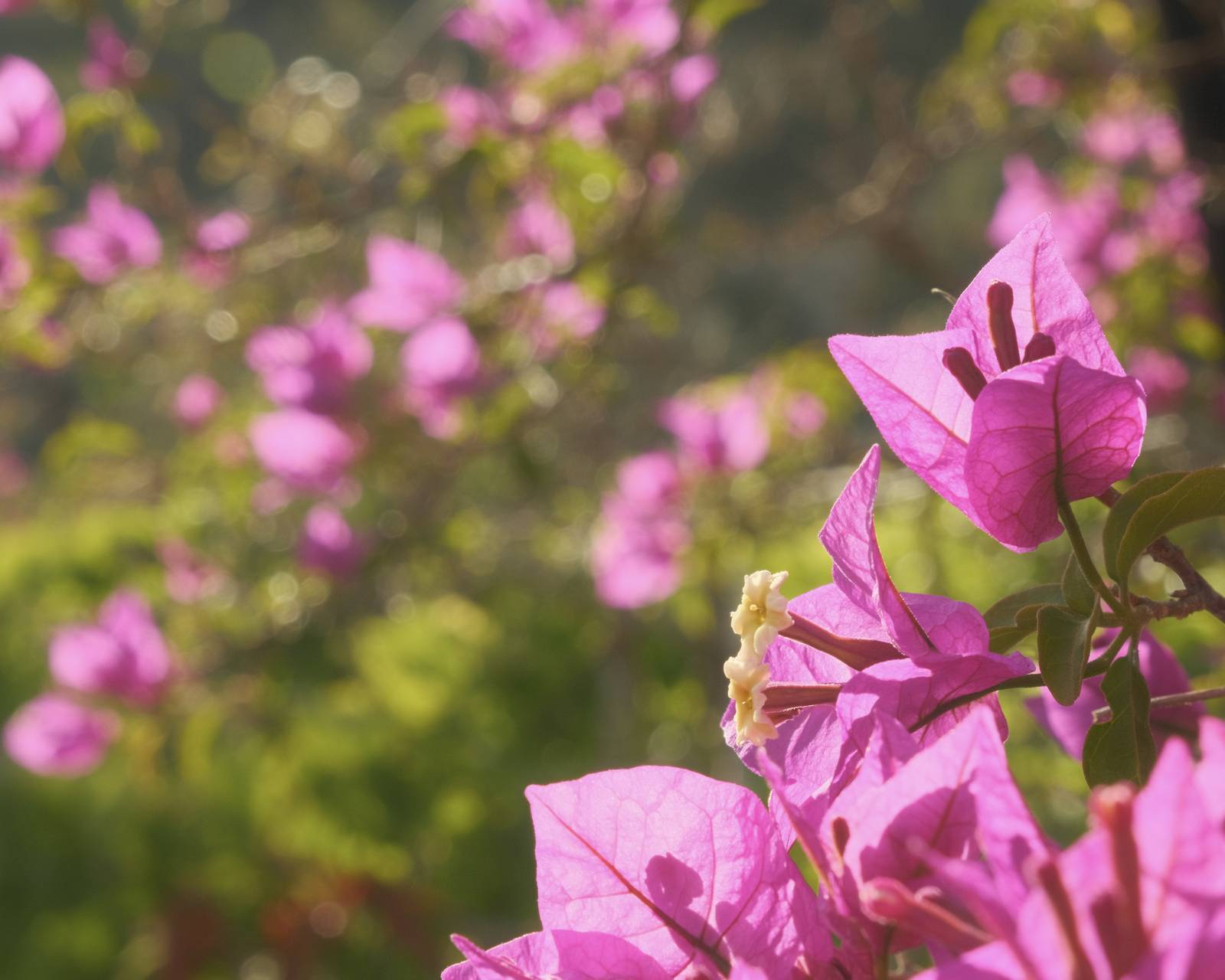
    Warm spring sunshine on the bourganvillea. Daydream Believer film recipe
    Warm tones and lots of colour. Capturing flowers with the Daydream Believer film recipe
    A winter morning wander, with the Daydream Believer film recipe
    Natural vibrant greens and soft blues are captured with the Daydream Believer film recipe
    Winter beech leaves in the sunlight, with the Daydream Believer film recipe
    Cinematic nature, with the Eterna simulation and Daydream Believer film recipe
    An Easter time vacation in Mallorca was the perfect time to try the Daydream Believer film recipe
    Mallorcan character, captured with the Daydream Believer film recipe

  • Acroscape, Landscape Acros Recipe

    Acroscape, Landscape Acros Recipe

    Mono film recipe tuned for landscape photography using Acros simulation

    I shoot almost entirely landscape and natural scenes, and really love soft tones and muted colours. As a result, I find that I don’t use many mono recipes. Personally, I find it harder to ‘see’ scenes that will work well in mono, and I think that some of this is how most mono recipes have shadows that appear deeper than I expect, and this puts me off using them.

    So, I have made a couple of landscape friendly recipes that are great for all around outdoor shooting. These have tone profiles that feel more natural to me, when shooting landscapes, forests and so on. Firstly, I made Monographic, then Kodachrome Mono, and now a third take on a landscape mono, which I call Acroscape. Of the three, this one has the deepest shadows, but is still a highly usable recipe in everyday outdoor conditions.

    The main element for this look is a single step of over-exposure, with the dial set to +1/3. HIghlights are preserved with a DR400 setting and a -1 setting for highlights. In my test, I enjoyed a little hazy softness with a -2 clarity setting, but this does cause a short saving delay, so do leave this off if that bothers you.

    A tumbling forest river, captured with the Acroscape film recipe

    Acroscape Film Recipe

    • Simulation: Acros Green Filter
    • Grain Effect: Weak, Small
    • Colour Chrome Effect: Off
    • Colour Chrome Blue: Off
    • White Balance: Auto
    • WB Shift: -4 Red, -9 Blue
    • Dynamic Range: DR400
    • Highlights: -1.0
    • Shadows: 0.0
    • Mono Shift: WC +1, MG +0
    • Sharpness: 0
    • ISO Noise Reduction: -4
    • Clarity: -2
    • EV compensation: +1/3
    Let’s go exploring, with the Acroscape film recipe
    A sunlit afternoon in the New Forest, with Acroscape
    Summer ferns inthe afternoon light, using Acroscape film recipe
    The sunlight is streaming through, with Acroscape film recipe
    We start by following the mountain road … Acroscape film recipe
    Textures, including a mossy old roof, Acroscape film recipe
    There are always things to photograph in the forest, Acroscape film recipe
    Here’s another trail around a lake, Acroscape film recipe
    A view across the water, with Acroscape film recipe
    The water is spakling in the sunlight, using Acroscape film recipe
    The trees are full of catkins. Acroscape film recipe
    The tip of a fern at wide aperture, Acroscape film recipe
    Zooming inon the details, with Acroscape film recipe
    A stormy day by the sea, with Acroscape film recipe
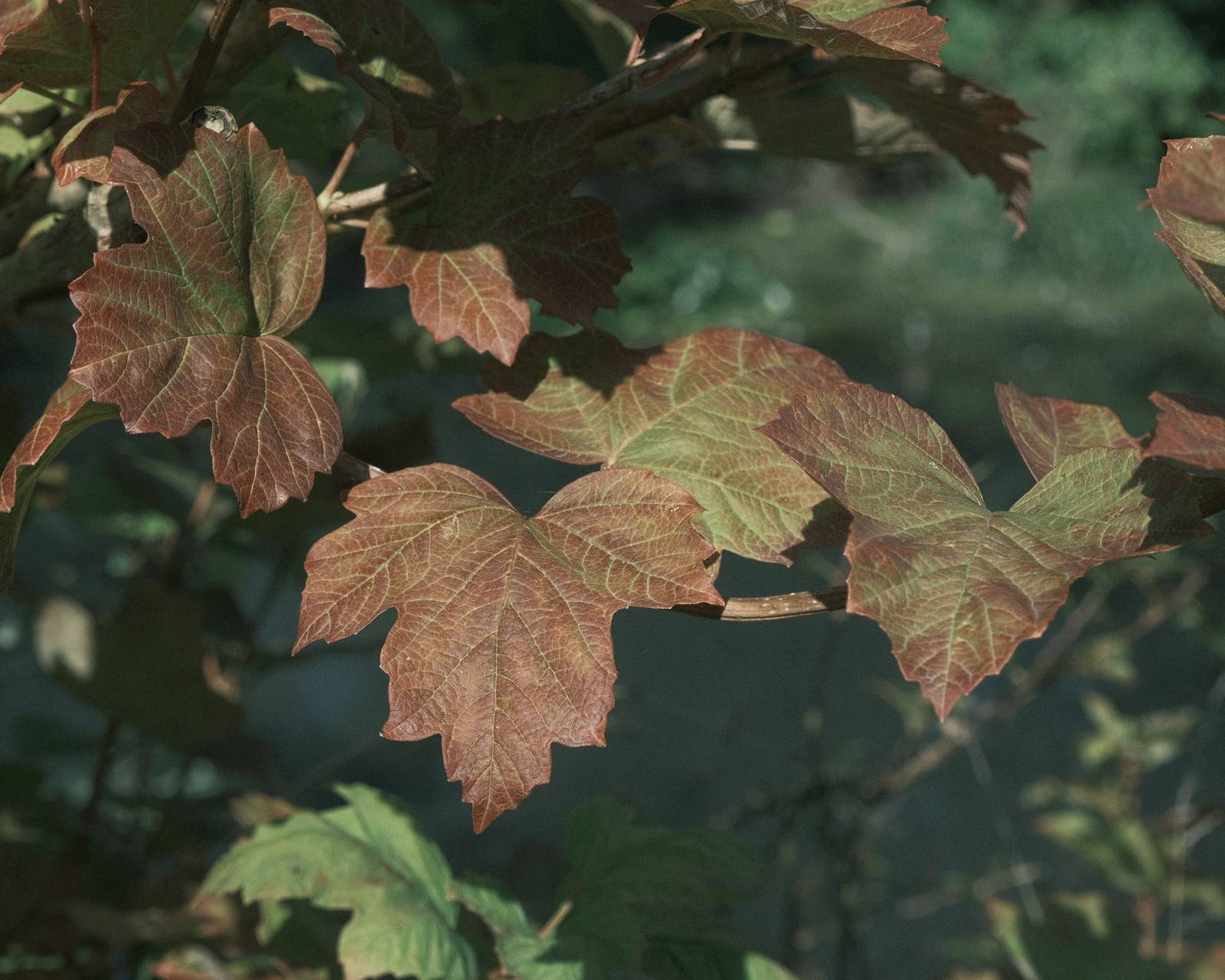
    Winter beech leaves, captured with Acroscape film recipe
    It’s a misty day, using Acroscape film recipe
    The patterns of a dead cow parsley plant, with Acroscape film recipe
    Spring buds along the footpath, with Acroscape film recipe
    The last leaves left over from the winter, Acroscape film recipe
    The spring shoots are now well on the way, Acroscape film recipe
  • Old Fujicolor, Aged Color Negative Recipe

    Old Fujicolor, Aged Color Negative Recipe

    Classic Negative film simulation recipe inspired by old Fujicolor prints

    Our advanced digital cameras product clear clean images with astonishing detail and colour. But, when you look back at prints from decades past you find a different look, often with colours that are beginning to fade or shift and a feel that is much less like most digital camera shots.

    Of course, our powerful Fujifilm cameras are not most cameras, and we can use Fujifilm film simulations to bring us closer to these nostalgic looks from the past.

    For many Fujcolor print inspired looks, the wonderful Classic Negative simulation is the place to start, and to embrace the aged look, the slightly blue tone to green subjects can be played with to deliver a distinctive style. Furthermore, one stop of underexposure is used, which helps to emphasise the colour effect. Classic Negative is perhaps unique amongst the film simulations in how it changes based on exposure.

    All of that is at work here, resulting in something eye catching and creative that works well with natural subjects, and especially greens. You wonder see too much natural colour from this recipe, but instead, you might unlock a new seam of creativity as you explore the look of Old Fujicolor

    Chestnut leaves at the end of summer, with the Old Fujicolor film recipe

    Old Fujicolor Film Recipe

    • Simulation: Classic Negative
    • Grain Effect: Weak, Large
    • Colour Chrome Effect: Weak
    • Colour Chrome Blue: Weak (IV) / Off (V)
    • White Balance: Fluorescent 2
    • WB Shift: -5 Red, -4 Blue
    • Dynamic Range: DR400
    • Highlights: -1.0
    • Shadows: -2.0
    • Color: -3
    • Sharpness: 0
    • ISO Noise Reduction: -4
    • Clarity: -2
    • EV compensation: -1/3 (this small underexposure is important)
    Embrace the greens in nature with the Old Fujicolor film recipe
    Sunset, somewhere in the fields of Hampshire. Old Fujicolor film recipe
    Exploring a cinemtatic feel in golden hour, with the Old Fujicolor film recipe
    Quick snaps along a stone wall on my way to work. Old Fujicolor film recipe
    Captures from a late season hiking trip in Germany, using Old Fujicolor film recipe
    Baby cones in the New Forest with the tones of the Old Fujicolor film recipe
    Down by the sea in Devon, with Old Fujicolor.
    It doesn’t need to be sunny to use Old Fujicolor film recipe
    Winter teasels at sunrise, using the Old Fujicolor film recipe
    The boats of Brixham, captured with Old Fujicolor film recipe.
    Mindful details, captured with the Old Fujicolor film recipe
    A recipe for all seasons … winter captures with the Old Fujicolor film recipe

  • Paris Gold, Warm Tones Medal Winner

    Paris Gold, Warm Tones Medal Winner

    A warm and creamy Nostalgic Negative film recipe for winning shots.

    I’m hyped with Olympic fever, and my current film recipe creations are themed around looks that I am hoping to use on my trip to the Summer Games. Take a look at Olympic Ace and Paris 24 for my other ideas.

    For this look, I wanted to work with the creamy tones of Paris buildings, the golden light of late afternoons and the rich orange of the clay tennis courts that await me at Roland Garros. I’d given this a try once already, when a trip to Barcelona in the Spring led to the Barcelona and Pale Barca film recipes.

    This time though, I’ve pushed even further into golden territory. This recipe is like a rich Kodak Portra, or perhaps a warmer Kodak Gold. It’s designed to magnify warm vibes and golden light. You might find it too strong in everyday conditions, when Kojak Gold or my Kodak Portra Daily might be more useable. Those also work on X-Trans IV cameras, where this recipe uses Nostlagic Negative which is only available on newer models.

    Glorious golden tones in the late afternoon sunlight. Paris Gold film recipe

    Paris Gold Film Recipe

    • Simulation: Nostalgic Negative
    • Grain Effect: Weak, Small
    • Colour Chrome Effect: Weak
    • Colour Chrome Blue: Weak
    • White Balance: Auto
    • WB Shift: +4 Red, -6 Blue
    • Dynamic Range: DR400
    • Highlights: -1.5
    • Shadows: +0.5
    • Color: +1
    • Sharpness: -1
    • ISO Noise Reduction: -4
    • Clarity: -2
    • EV compensation: +1/3

    Here are my sample images in a range of situations that allow this recipe to shine. At the bottom, I’ve added more images now that I am back from my Paris trip.

    Afternoon gold in the wheat fields, using the Paris Gold film recipe
    Early morning walk in the mist, captured with Paris Gold film recipe
    Wintery morning light, made to glow with the Paris Gold film recipe
    A walk in the woods with the Paris Gold film recipe
    Nostalgic Negative works so well with orange. Barcelona with Paris Gold film recipe
    A Springtime afternoon in Royal Victoria Country park. Paris Gold film recipe
    Working with reds and oranges and the Paris Gold film recipe
    Sunset on the ocean, using the Paris Gold film recipe to enhance the warm light
    Springtime yellows, toned with the Paris Gold film recipe
    Acer leaf reds at golden hour, with the Paris Gold film recipe
    Work with creams and golden light to get the best out of Paris Gold film recipe

    Paris Gold at the Olympics

    Iga and Qinwen ready to play their match. Paris Gold film recipe.
    Carlos running for the drop shot. Capturing the action with the Paris Gold film recipe
    He gets the win in the semi-final. Paris Gold film recipe
    Around the grounds at Roland Garros, with Paris Gold film recipe
    It’s time for the evening session. A sunset with Paris Gold film recipe
    Olympic Gold for Czechia in the mixed doubles. Paris Gold film recipe

  • Olympic Ace, All Round Reala Recipe

    Olympic Ace, All Round Reala Recipe

    Reala Ace film simulation recipe. Designed for trips, ready for anything

    The Summer Olympics are upon us, and a trip to watch the tennis event has got me inspired to prepare film recipes for capturing scenes at the event. I’ve got a number of these in the works, including the first to be added to this site, Paris 24, based on Classic Negative.

    For this look, I wanted to do two things; make a great looking film recipe with the Reala Ace film simulation, and also create one that I could use just about everywhere under whatever weather and lighting situation that might arise. Reala Ace is a good choice for this because, like Provia, is has a good all round performance without a strong style of its own.

    The adjustments from standard Reala Ace include a softening of the tone curve to be kinder to shadow detail and strong highlights, a DR400 setting to futher enhance this tonal flexibility, and a reduction in saturation to give a more natural overall feel. The white balance is warmed, but still retains a natural colour look.

    I’ve added plenty of samples below to show the versatility of this recipe, including sunny and grey days. I will add further images from my trip to the Olympic Games in the coming weeks.

    Anyone for tennis? Capturing the crowd with the Olympic Ace film recipe

    Olympic Ace Film Recipe

    • Simulation: Reala Ace (try with Pro Neg Hi on older cameras)
    • Grain Effect: Off
    • Colour Chrome Effect: Weak
    • Colour Chrome Blue: Weak
    • White Balance: Daylight
    • WB Shift: +2 Red, -4 Blue
    • Dynamic Range: DR400
    • Highlights: -1.0
    • Shadows: -1.0
    • Color: -1
    • Sharpness: -1
    • ISO Noise Reduction: -4
    • Clarity: 0
    • EV compensation: 0
    Taking a walk around and English country garden. Olympic Ace film recipe
    Blue scenes from around the tournament, using the Olympic Ace film recipe
    White Spring blossom, with the soft tones of the Olympic Ace film recipe
    Superstars of tennis at the Paris Olympics, taken with the Olympic Ace film recipe
    Beach huts on a grey day, using the Olympic Ace film recipe
    You wouldn’t believe how much these sell for! Olympic Ace film recipe
    Scenes and characters at Roland Garros. Olympic Ace film recipe
    Bright day pine scenes, with the gently warmed tones of Olympic Ace Film recipe
    Country egg store, on a misty grey day. Olympic Ace Film recipe
    Wandering along the Warsash waterfront, with Olympic Ace Film recipe
    Tennis fans enjoying their day at the match. Olympic Ace Film recipe
    A watery winter sunset, captured with the Olympic Ace Film recipe