Film Recipes for Fujifilm Cameras

Blog

  • Polaroid SX70 Film Recipe

    Polaroid SX70 Film Recipe

    Capture the spirit of instant printing based on the classic Polaroid SX70

    In pursuit of an analog film like look for my Fujifilm camera, I’m often inspired by photographs taken with older cameras using real film. These nostalgic styles are sometimes the classics, using Kodak, Ilford or Fujicolor film stock, but I am also a big fan of the Polaroid vibe. Here, the combination of lens, camera and instant printing deliver a photo with imperfections that are all part of the feel of this type of photography.

    In this film recipe, I have taken inspiration from the Polaroid Gallery Facebook group, and in particular, two image by Giulio Berti posted in late January.

    In these simple landscape photos, there is an aged look, with a result that is over-exposed, including a retro tone from red dominance in the neutrals. It’s transportive, taking us right back to decades gone by, and it was these combinations of elements and feelings that I’m trying to replicate in my Polaroid SX70 film recipe below.

    Of course, our modern cameras are too sharp and precise to capture all of the informal and imperfect character in a real Polaroid image. But in the absence of vignette and blurry edges, we can still have fun in the spirit of shooting form the hip in a casual way.

    A summer evening, captured using the Polaroid SX70 film recipe

    Polaroid SX70 Film Recipe

    • Simulation: Classic Negative
    • Grain Effect: Off
    • Colour Chrome Effect: Weak
    • Colour Chrome Blue: Strong (IV) / Weak (V)
    • White Balance: Auto
    • WB Shift: +3 Red, +1 Blue
    • Dynamic Range: DR100
    • Highlights: -1.0
    • Shadows: -2.0
    • Color: -4
    • Sharpness: -4
    • ISO Noise Reduction: -4
    • Clarity: 0
    • EV compensation: +2/3

    Also take a look at the Polaroid 66 film recipe, for an expired film Polaroid look.

    The Polaroid SX70 film recipe is a great match for summer days
    … but also works well in Winter and Spring.
    Embrace imperfect images with the Polaroid SX70 film recipe
    Summer wandering, with the Polaroid SX70 film recipe
    Winter golden hour at low tide, Polaroid SX70 film recipe
    Shooting squares at golden hour, with the Polaroid SX70 film recipe
    Forest details, on a summer walk with Polaroid SX70 film recipe
    Coming soon … a crocus emerges. Polaroid SX70 film recipe
    Looking out for seasonal details, using the Polaroid SX70 film recipe
  • Portrovia, Fuji Provia meets Kodak Portra

    Portrovia, Fuji Provia meets Kodak Portra

    A versatile film recipe with the softness of Portra and magic of Provia

    Here’s a film recipe that spans the divide between the film styles of Fujifilm and Kodak. It blends the all round versatility of Fujicolor Provia with it’s magical colours, and the softness and film like feel of Kodak Portra. It’s a mash-up of sorts.

    I’ve already made a pair of perfectly serviceable recipes, Fujicolor Daily and Kodak Portra Daily, which present the two film house styles for everyday use. But recently, I’ve been experimenting with the Provia film simulation, and enjoying the results. It has a less pronounced style than other simulations, but still has something of the famous Fujifilm colours about it.

    So, I was excited to see how a blend of the two styles might work out. I’ve applied the characteristic warm colour balance shift of Portra (although in a gentle way), the softness of DR400 and lifted shadows, plus a stop of over exposure, which you can push to 2 stops if you prefer.

    So here we have it, Portrovia, an in betweener hybrid of the Fujicolor and Kodak styles, with a look that is versatile and flexible for all round shooting.

    Hanging on through the winter, Portrovia film recipe

    Portrovia Film Recipe

    • Simulation: Provia/Standard
    • Grain Effect: Weak, Small
    • Colour Chrome Effect: Weak
    • Colour Chrome Blue: Weak (IV) / Off (V)
    • White Balance: Auto
    • WB Shift: +2 Red, -4 Blue
    • Dynamic Range: DR400
    • Highlights: -1.0
    • Shadows: -1.0
    • Color: -2
    • Sharpness: -1
    • ISO Noise Reduction: -4
    • Clarity: -3 (for analog softness, can use a filter if you prefer)
    • EV compensation: +1/3 for the lighter tone Portra vibe
    Autumn moods, captured using the Portrovia film recipe
    Later afternoon with blue skies one way, gold the other. Portrovia film recipe
    There is still some colour in the winter. Portrovia film recipe
    Summer blues, captured using the Portrovia film recipe
    Down by the sea, exploring with Portrovia film recipe
    A sunset in the reeds, using Portrovia film recipe
    A winter golden hour, with the Fuji / Kodak feel of Portrovia film recipe
    Sunrise dew drops, with the Portrovia film recipe
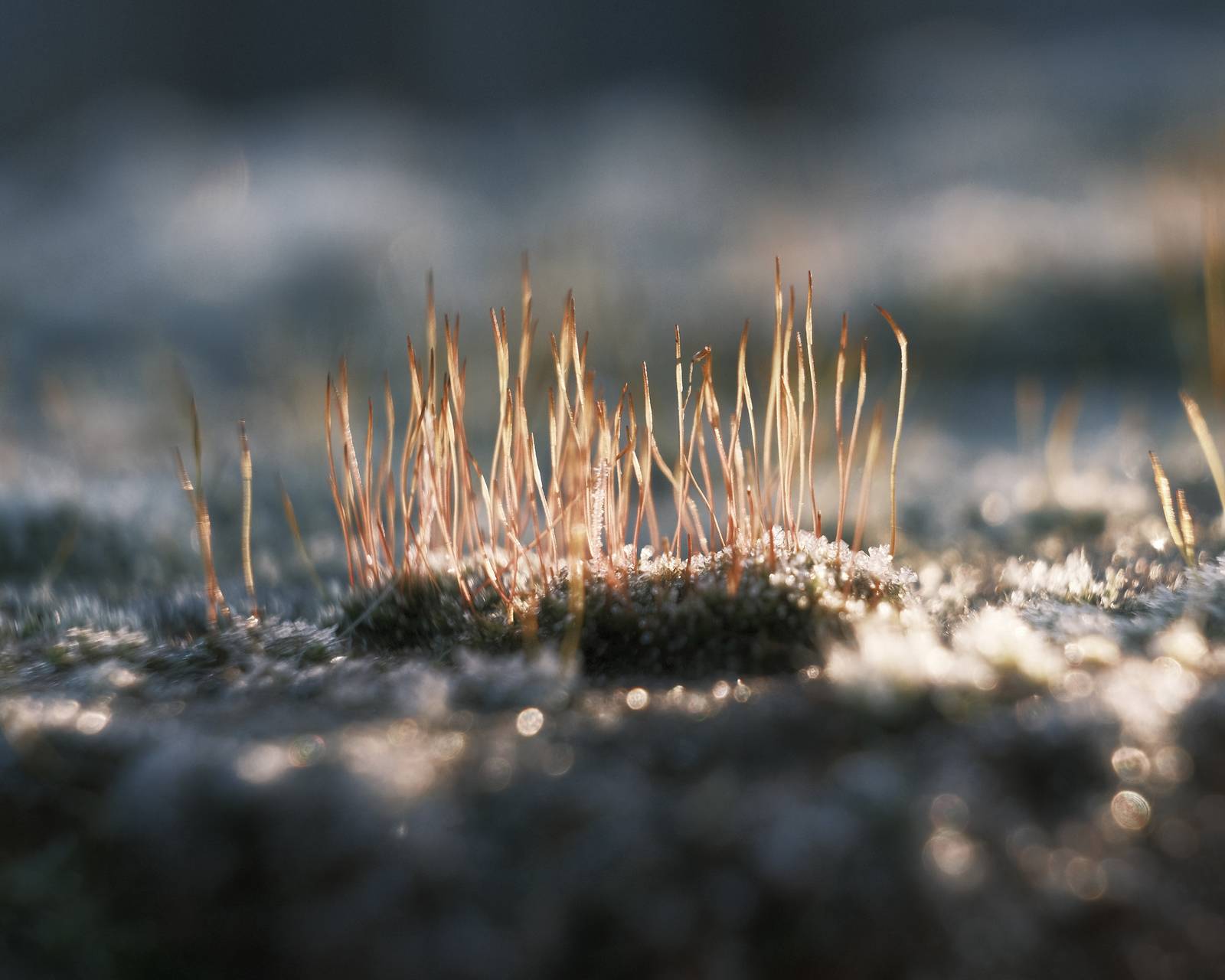
    Moss on the wall, taken with Portrovia film recipe
    Summer greens, captured using the Portrovia film recipe
    Golden hour is a perfect match for the Portrovia film recipe
  • Gilt Trip, Antique Gold Tone Mono

    Gilt Trip, Antique Gold Tone Mono

    Acros film simulation recipe with a nostalgic pale tone for golden hour

    As a photographer that enjoys the atmosphere of an image as much as the composition, I enjoy film recipes that enhance or set a mood. In this toned mono film recipe, I wanted to captured something beyond the brown of a tyipcal sepia look, and get closer to the soft look of a hazy winter morning.

    I chose this pale golden look, rather than a more saturated image because I found it a lot less distracting, and having tried a variety of hues, I also felt that it found a happy spot between too sickly, and too subtle that it might not feel intentional.

    With its spirit in the softness of golden hour, I find that this recipe works best with soft light and silhouettes. There’s a deep shadow tone, which will deliver good results if you also capture some brightness in the scene as well. A more flat scene may end up looking drab, so for this one, the lower the angle of the sun, the better.

    A bonus creative exercise you can play with, is to pair some images taken with Gilt Trip with a recipe with a complimentary colour. I’ve added a selection at the bottom of the page, showing how this golden look can work well alongside a blue toned colour recipe for contrast.

    Sunset and silhouettes – the perfect match for Gilt Trip film recipe

    Gilt Trip Film Recipe

    • Simulation: Acros
    • Grain Effect: Weak, Large
    • Colour Chrome Effect: Weak
    • Colour Chrome Blue: Weak
    • White Balance: Auto
    • WB Shift: 0 Red, 0 Blue
    • Dynamic Range: DR200
    • Highlights: -1.0
    • Shadows: +3.0
    • Mono Shift: WC +12, MG +4
    • Sharpness: -4
    • ISO Noise Reduction: -4
    • Clarity: -4
    • EV compensation: 0
    Shooting towards the sun, with the Gilt Trip film recipe
    Winter berries, captured at dawn with the Gilt Trip film recipe
    Early evening along the Pine Walk in Mallorca, with Gilt Trip film recipe
    Found in the forest, and toned gold with Gilt Trip film recipe
    Different angles for a different look, using the Gilt Trip film recipe
    Sunburst through a fallen leaf, with Gilt Trip film recipe
    Close ups at ground level, taken with Gilt Trip film recipe
    A day at the beach with the Gilt Trip film recipe
    Frost coated teasel head in the winter sun, Gilt Trip film recipe
    Experiements with macro adapters, and the Gilt Trip film recipe
    Small details and deep shadow, Gilt Trip film recipe
    A dewy web at dawn, captured with Gilt Trip film recipe
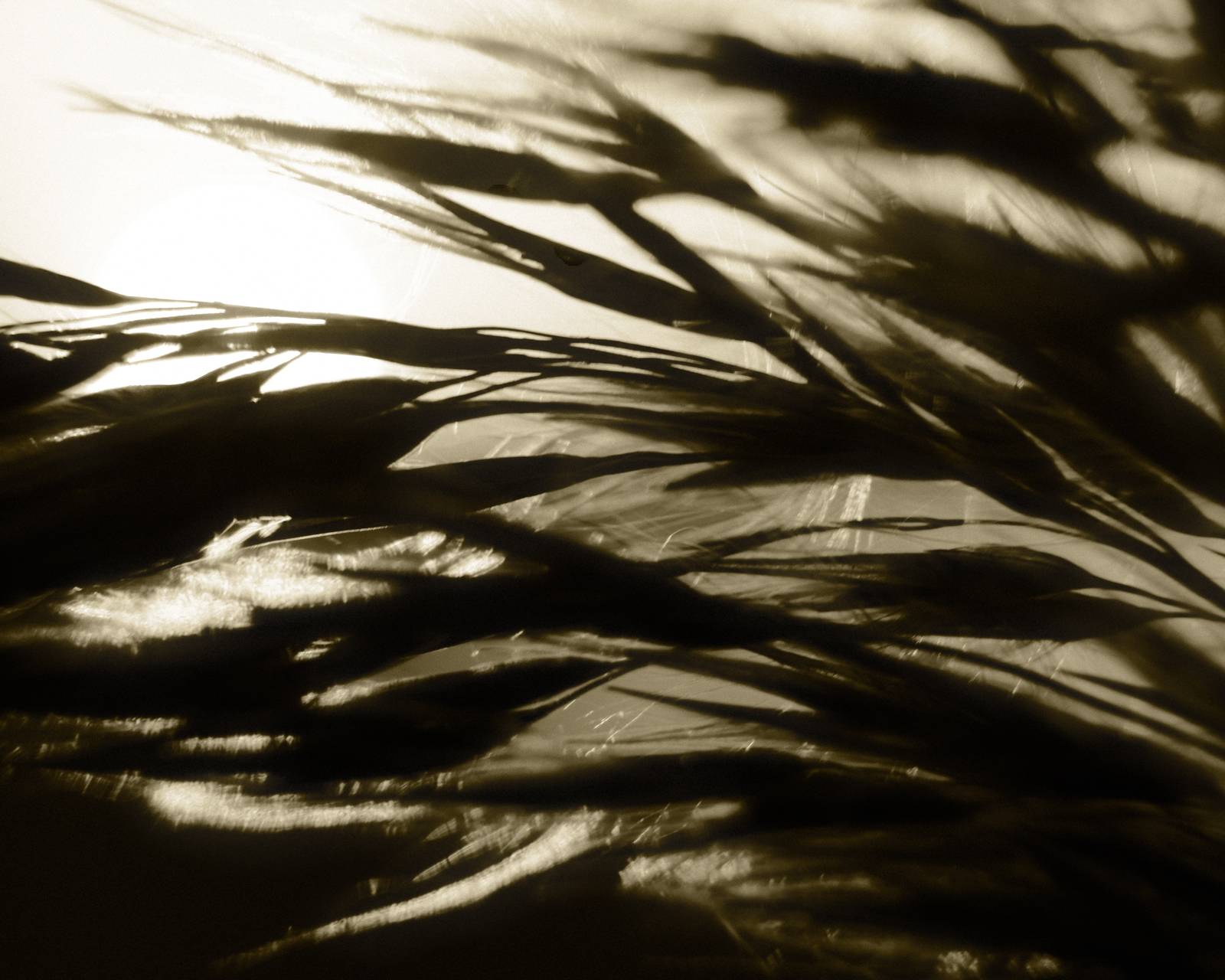
    Wind blown reeds, using the Gilt Trip film recipe

    Working with colour contrast

    I accidentally mixed up the sample images of two of my new film recipes, and seeing the images together added a new dimension. These blue tone shots are samples for the recent recipe Blue Monday, added to the site in January.

  • Land Rover, for Outdoor Adventures

    Land Rover, for Outdoor Adventures

    Muted tones Pro Neg Standard film simulation recipe for outdoor photography

    Here’s a hard working film recipe that is flexible and natural, responding well in bright, shady and golden hour conditions. It has a soft muted tone character, which produces a sophisticated image with a film like feel.

    The base for this film recipe is the Pro Neg Standard film simulation, which despite its portrait origins, is a versatile choice for a softer look in natural settings. I’ve used it a lot in outdoor themed film recipes, and with this look, I’ve found another new way to present it.

    The contrast is soft with similarities to Eterna, but there is a different character to the greens and creams with this recipe. I found the colours felt similar to those you might find in English country fashions, such as you might come across at a county show or horse riding meet-up. Or, perhaps, think of agricultural greens, like you’d find on an old style Land Rover, rather than the shiny new ones.

    Regardless of all that, this recipe is right at home in the countryside, in woodlands and all manner of outdoor settings. It’s a cousin to other nature friendly film recipes such as Aged Kodak Portra, Wigan Pier, Explorer’s Cinematic, or Natural Standard.

    Soft rural greens and muted tones are all part of the Land Rover film recipe

    Land Rover Film Recipe

    • Simulation: PRO Neg. Std
    • Grain Effect: Off
    • Colour Chrome Effect: Weak
    • Colour Chrome Blue: Strong (IV) / Weak (V)
    • White Balance: Daylight
    • WB Shift: +4 Red, -4 Blue
    • Dynamic Range: DR200
    • Highlights: -1.0
    • Shadows: 0.0
    • Color: -4
    • Sharpness: -1
    • ISO Noise Reduction: -4
    • Clarity: -2
    • EV compensation: +1/3
    4pm winter sunset at the marina, with Land Rover film recipe
    Your perfect partner on a misty morning … the Land Rover film recipe
    Forst in the forest, captured using Land Rover film recipe
    A sunny November afternoon, captured with Land Rover film recipe
    An autumn woodland view, using the Land Rover film recipe
    Lens ball fun at sunset, with the Land Rover film recipe
    December discoveries in a rainy German forest. Land Rover film recipe
    A hazy day wandering at Durlston Country Park, with Land Rover film recipe
    Experiments with macro, and the Land Rover film recipe
    January leaves in the winter sunlight, Land Rover film recipe
    Photowalking in the New Forest, with Land Rover film recipe
    Where will the Land Rover film recipe take you?
  • Collodion Negative, Inspired by Early Photography

    Collodion Negative, Inspired by Early Photography

    Classic Negative film simulation recipe inspired by early Collodion photography processes

    This nostalgic film recipe is a sister to the Collodion Color film recipe, in that it is inspired by the same early photographic processes. It captures a muted tone look with extreme softness, in a nod to the earliest equipment and results from experiemental color photo processing.

    The main reason for this second recipe is to give users without Eterna Bleach Bypass a chance to experiement with the same vibe. This recipe uses Classic Negative simulation, which if you don’t have, you could swap for Pro Neg Standard instead.

    The main element here remains the strong -5 clarity setting, which adds a dreamy softness to images, and is especially impactful in out of focus areas, adding a hazy bokeh feel. This setting is one that many people dislike because of the processing delay, but it is a key element in the look, so do keep it if you can be patient between shots.

    The resulting images are nostalgic, soft and have a muted tone. The recipe works well in soft light and the golden hour, and with the softness in out of focus areas, is a great one to try with macro subjects or abrstrat or detail shots. The look is simiar to Collodion Color, which inspired this recipe, so feel free to use either, and have some fun.

    Inspired by early photography, the Collodion Negative film recipe

    Collodion Negative Film Recipe

    • Simulation: Classic Negative
    • Grain Effect: Off
    • Colour Chrome Effect: Strong
    • Colour Chrome Blue: Strong (IV) / Weak (V)
    • White Balance: 6400K
    • WB Shift: 0 Red, +3 Blue
    • Dynamic Range: DR200
    • Highlights: +1.0
    • Shadows: -2.0
    • Color: -4
    • Sharpness: 0
    • ISO Noise Reduction: -4
    • Clarity: -5
    • EV compensation: -1/3

    Compare this to the Collodion Color film recipe, and use the one you like the best.

    A January sunrise, captured with the Collodion Negative film recipe
    Soft and creamy tones on winter teasels, with Collodion Negative film recipe
    A sunny day with early buds beginning to form. Collodion Negative film recipe
    Tiny bud against the blue winter sky. Collodion Negative film recipe
    A muted vintage look for summer daisies, with Collodion Negative film recipe
    Full sunset mood on a winter fern, Collodion Negative film recipe
    Up close with a winter fern, using Collodion Negative film recipe
    A summer poppy in bright sunlight, Collodion Negative film recipe
    Scenes from Crab Wood in mid summer, using Collodion Negative film recipe
    Forest details with a macro adapter, Collodion Negative film recipe
    Try it at sunrise or sunset. Collodion Negative film recipe
    Collodion Negative is a great choice for golden hour
  • Collodion Color, Early Film Process

    Collodion Color, Early Film Process

    Soft and muted film recipe with an antique look inspired by pioneering early print development

    Here’s a film recipe concept that is inspired the the pioneering photographers of the past. It looks to repreduce colours and softness seen in some of the first experiemental colour photography. It doesn’t precisely mimic any specific process, but is reminiscent of early colour through the collodion process.

    To achieve the look, two divisive settings are in use. Firstly, this recipe uses a -5 clarity setting, which softens out of focus areas dramatically, but does also slow down photo saving. Secondly, the film simulation used is Eterna Bleach Bypass, which many popular Fujifillm cameras do not have, notably the X100V. If you’re in that group, you can try the alternative Collodion Negative film recipe.

    On to the results, which have something of a vintage and highly analog feel to them. The saturation is low and has a shift to a warm, brownish tone, but without any sickly orange. Personally, I love how distinctive this looks, and happily use it for a wide range of images. It’s a bit like a trip back to the early days of photography, which also being modern and fun.

    Vingate softness and washed out colour, with the Collodion Color film recipe

    Collodion Color Film Recipe

    • Simulation: Eterna Bleach Bypass
    • Grain Effect: Off
    • Colour Chrome Effect: Strong
    • Colour Chrome Blue: Strong (IV) / Weak (V)
    • White Balance: 6400K
    • WB Shift: 0 Red, +3 Blue
    • Dynamic Range: DR200
    • Highlights: +1.0
    • Shadows: -2.0
    • Color: +4
    • Sharpness: 0
    • ISO Noise Reduction: -4
    • Clarity: -5

    For a similar look based on Classic Negative, try Collodion Negative with a similar feel but deeper saturation.

    Three different sunrises, captured with Collodion Color film recipe
    A history told in windows, using Collodion Color film recipe
    Tiny red flowers, captured with Collodion Color film recipe
    Summer sights in the English countryside, Collodion Color film recipe
    Frosted leaves in November, using the Collodion Color film recipe
    Macro impressions, with the Collodion Color film recipe
    Tiny details on the garden wall, with Collodion Color film recipe
    A moss forest, with soft bokeh from the Collodion Color film recipe
    Green captures on a summer walk, using Collodion Color film recipe
    A little bit of winter, captured with the Collodion Color film recipe

  • Blue Monday, Experimental Blue Tones

    Blue Monday, Experimental Blue Tones

    Classic Negative film simulation recipe with a strong blue tone colour shift and cool colour balance

    When designing film simulation recipes, my processes are sometime inspired by images I see, or a mood I wish to capture. Other times, I play idly in X RAW Studio, testing different settings on RAW files I have taken on recent outings. This was how I came upon the wild and crazy blue tones of this recipe.

    I was testing different colour temperatures on the image of the cows in the frosty field you see below. Most film recipes with a natural or warm look have a temperature of 5500K or higher, but my experimentation led me deep into the blue zone and I settled at 4000K. Curiously, the image still had a soft of reality about it, although the grass was now very blue.

    I started testing it on other images, and adjusting the other settings. The second magic power I discovered, was that this recipe was a sort of Golden Hour undo, allowing you to capture a scene in the soft hazy light of the time near sunrise or sunset, but strip away the golden tones, like it was the middle of a clear blue sky day.

    I’m filing this film recipe under Extreme Styles and Recipes for Blue Tones, and although it is a novelty discoverd by idle experimentation, I quite like it, especially in bright golden light, such as with the shots below of sunlit leaves, or sunrise teasels. I hope you’ll give it a try, perhaps when you’re also feeling experiemental and want something completely different to explore.

    Wildly experimental with cows eating blue grass. Blue Monday film recipe

    Blue Monday Film Recipe

    • Simulation: Classic Negative
    • Grain Effect: Off
    • Colour Chrome Effect: Off
    • Colour Chrome Blue: Strong (IV) / Weak (V)
    • White Balance: 4000K
    • WB Shift: -4 Red, +4 Blue
    • Dynamic Range: DR200
    • Highlights: -2.0
    • Shadows: +1.0
    • Color: -3
    • Sharpness: 0
    • ISO Noise Reduction: -4
    • Clarity: -3
    • EV compensation: +1/3
    Winter leaves, vivid orange in reality, but creamy with Blue Monday film recipe
    Winter frost enhanced with the blue tones of Blue Monday film recipe
    Frosty and below zero, captured with Blue Monday film recipe
    Sunset through the lens ball, and the Blue Monday film recipe
    Early morning in a Wiltshire field. Teasels and Blue Monday film recipe
    Up close with macro tubes, using the Blue Monday film recipe
    New Forest bracken, given a green & gold look with Blue Monday film recipe
    Sunrise has a whole new look, with the Blue Monday film recipe
    A hazy summer sunset, with the Blue Monday film recipe
    4pm in January, and the sun is almost gone. Blue Monday film recipe
    A forgotten shoe, captured with the Blue Monday film recipe
    Wood anemones in springtime, Blue Monday film recipe
    A summer afternoon, golden tones removed by Blue Monday film recipe
    Sunset along the riverbank, toned by the Blue Monday film recipe
    Embrace something new … try the Blue Monday film recipe
  • Heartland, Nostalgic Provia Recipe

    Heartland, Nostalgic Provia Recipe

    Nostalgic Provia film recipe with a natural colour tone for everyday photography

    Here’s an interesting film recipe, based on the natural and neutral Provia simulation, but with a unique look which is nostalgic and characterful. It could almost pass a a more colourful Pro Neg, and it’s natural enough to be used in a wide range of conditions.

    Much of this gently retro character comes from the use of the Fluorescent 2 colour balance option. This compensates for artificial lighting, which in turn is ‘reset’ to a more natural balance with a colour shift of +4 red and -5 blue. These in combination give a look that has a hint of warmth and red in the balance, but is still natural in appearance in daylight conditions.

    The hint of red makes this vaguely reminiscent of some Kodachrome photos from the 1960s and 1970s, but it is subtle, and to me is just a welcome dose of extra character, in a way that our Fujifilm cameras do so well.

    Heartland Film Recipe

    • Simulation: Provia/Standard
    • Grain Effect: Weak, Small
    • Colour Chrome Effect: Weak
    • Colour Chrome Blue: Strong (IV) / Weak (V)
    • White Balance: Fluorescent 2
    • WB Shift: +4 Red, -5 Blue
    • Dynamic Range: DR200
    • Highlights: -1.0
    • Shadows: -1.0
    • Color: -1
    • Sharpness: 0
    • ISO Noise Reduction: -4
    • Clarity: -1 (or 0 if you need rapid shooting)
    • EV compensation: +1/3
    A bright day along a country lane, with Heartland film recipe
    End of season vegetation, using the Heartland film recipe
    The rusty orange of winter leaves, captured with Heartland film recipe
    A day at the beach, using the Heartland film recipe
    The seasons are changing, Heartland film recipe
    The leaves are starting their golden show, Heartland film recipe
    Late summer on the river bank, using Heartland film recipe
    A sunny afternoon on the forest trails, taken with Heartland film recipe
    Winter frosted oak leaves, captured with Heartland film recipe
    Crisp and cold winter morning, using Heartland film recipe
    Natrual greens with retro reds, that’s the Heartland film recipe
    Photowalk discoveries, captured with the Heartland film recipe
  • Agfa APX 400, Grainy Mono Film Recipe

    Agfa APX 400, Grainy Mono Film Recipe

    Agfa APX 400 Film Recipe

    Agfa APX 400

    A grainy black and white film recipe, based upon Agfa APX 400 film

    Exciting news for recipe fans … this is film recipe 250 to be added to the site!

    I’m constantly amazed by the variety and range of film recipes that I’ve discovered during this project, and I continue to learn from my experiments, and from talented photographers in our Facebook group. I’m going to keep trying to find new styles to share with you.

    For film recipe 250, I have decided to publish a recipe that is based upon a real world 35mm film. In this case, I’ve been inspired to mimic Agfa’s grainy and characterful APX 400 monochrome film.

    Whenever I see images taken with this, I am impressed, and I especially love the grainy mood. So, I set to trying to reproduce it for our Fujifilm cameras. I do really hope that you enjoy the result, and will continue to enjoy the wide selection of film recipes here on the site.

    Agfa APX 400 Film Recipe Settings

    Film SimulationAcros Red Filter
    Grain EffectStrong, Large
    White BalanceFluorescent 2 0 Red, 0 Blue
    Dynamic RangeDR400
    Highlights+2
    Shadows+2
    Sharpness‑2
    ISO Noise Reduction‑4
    Clarity0
    Monochrome ColourWC -1, MG +0
    EV Compensation0

    Similar Recipes

    More similar recipes, and hundreds more exclusive looks, are available in the Film Recipes App.

    Agfa APX 400 Film Recipe: Sample Photos

    Agfa APX 400 film recipe sample photo
    Agfa APX 400 film recipe sample photo
    Agfa APX 400 film recipe sample photo
    Agfa APX 400 film recipe sample photo
    Agfa APX 400 film recipe sample photo

    Community Photos

    Photos taken with the Agfa APX 400 film recipe by members of the Film Recipes community.

    Photos by Andrea Braun

    Agfa APX 400 film recipe photo by Andrea Braun

    Photos by Alex Tenhave

    Agfa APX 400 film recipe photo by Alex Tenhave

    Photos by Darren Urda

    Agfa APX 400 film recipe photo by Darren Urda
    Agfa APX 400 film recipe photo by Darren Urda

    Photos by Sacha Maillot

    Agfa APX 400 film recipe photo by Sacha Maillot
  • Nordic Soft, Beautiful Colour Film Recipe

    Nordic Soft, Beautiful Colour Film Recipe

    Natural colour film simulation recipe with rich colour and smooth tone

    The Eterna Cinema film simulation is possibly my favourite, giving a soft low contrast and cinematic feel. I love the smoothness of the tones it produces, and I’ve used it make a number of cinematic film recipes.

    I often pair this with muted colours and warm colour shifts, but in this recipe, I’ve taken a different approach. I’ve chosen a natural colour balance that works well in a wide range of outdoor situations. This makes it versatile thoughout the day including golden hour, bright daylight and moody weather, such as fog or rain.

    The second break with tradition is to boost the saturation, pushing this all the way to +4. The result delivers some wonderful results, with some of the nicest greens of any recipe and beautiful blues as well.

    As for the name, I felt that this recipe would be a perfect parter for a trip to Norway, capturing both the moody forests and pretty red houses that dot the stunning coastline. I’ve not been of course, but for an inspirational theme, it felt like a good fit.

    Natural rich greens and a soft feel, that’s the Nordic Soft film recipe

    Nordic Soft Film Recipe

    • Simulation: Eterna/Cinema
    • Grain Effect: Off
    • Colour Chrome Effect: Strong
    • Colour Chrome Blue: Weak (IV) / Off (V)
    • White Balance: 4400K
    • WB Shift: 0 Red, -4 Blue
    • Dynamic Range: DR400
    • Highlights: -2.0
    • Shadows: +1.0
    • Color: +4
    • Sharpness: 0
    • ISO Noise Reduction: -4
    • Clarity: 0
    • EV compensation: +1/3
    Pretty blue tones on weathered old boats, with the Nordic Soft film recipe
    A good partner in moody weather, the Nordic Soft film recipe
    Don’t let the weather stop you, with Nordic Soft film recipe
    Autumnal ferns in afternoon sun, Nordic Soft film recipe
    Having fun with my macro extension tubes, and the Nordic Soft film recipe
    The shingle bar appears at low tide, Nordic Soft film recipe
    Misty damp weather sets the perfect mood for Nordic Soft film recipe
    Photographing natural details on a dewy morning, Nordic Soft film recipe
    Glorious greens on an overcast day, with Nordic Soft film recipe
    You prefer blue to green? All sorted with the Nordic Soft film recipe
    A morning spent by the sea is always a good morning. Nordic Soft recipe
    An October morning in the woods, Nordic Soft film recipe
    Afternoons by the sea are also good. Nordic Soft film recipe
    An autumn discovery, taken with Nordic Soft film recipe
    Heather pinks, captured in afternoon sun with Nordic Soft film recipe
    That’s a wrap for the cinematic softness of the Nordic Soft film recipe