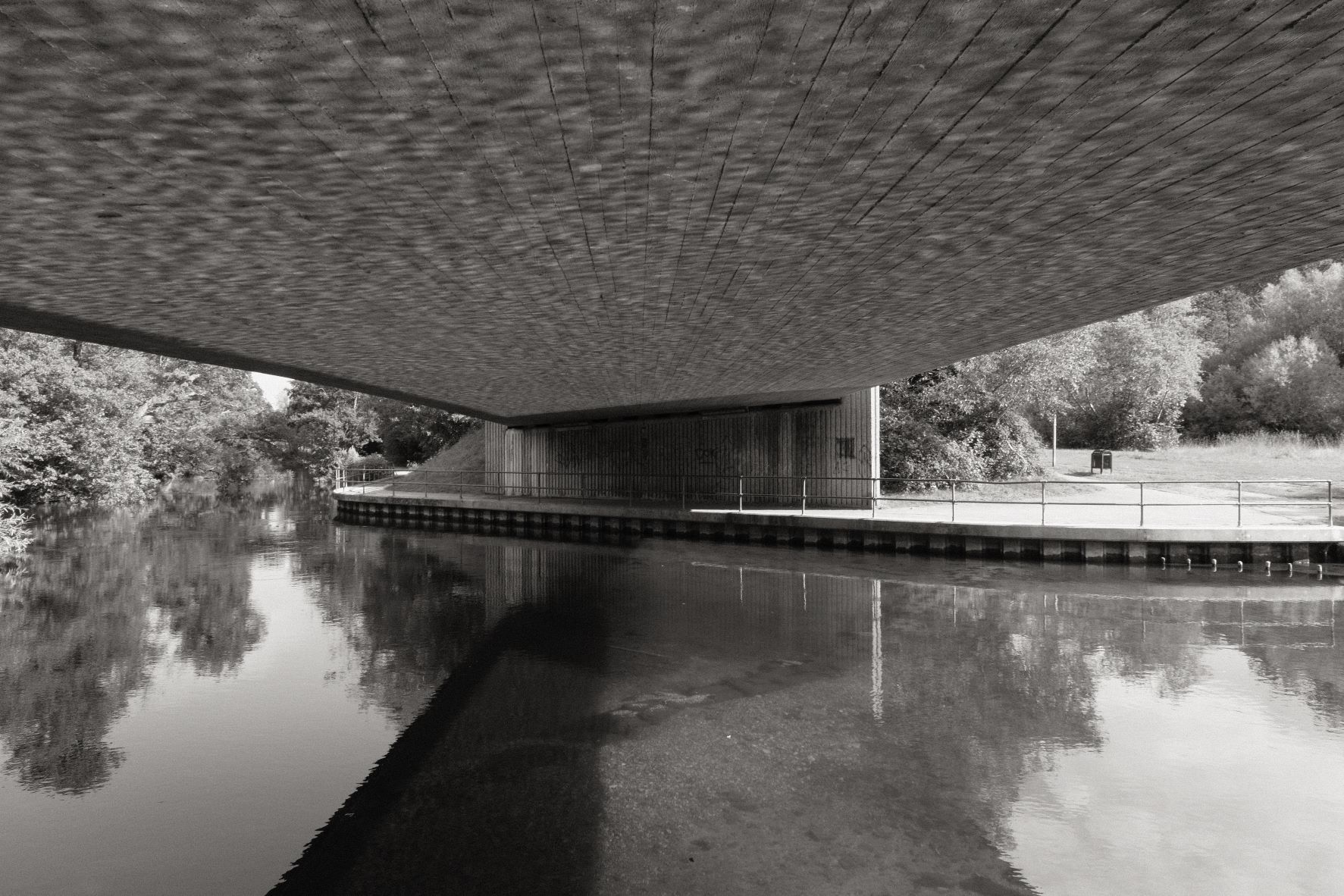
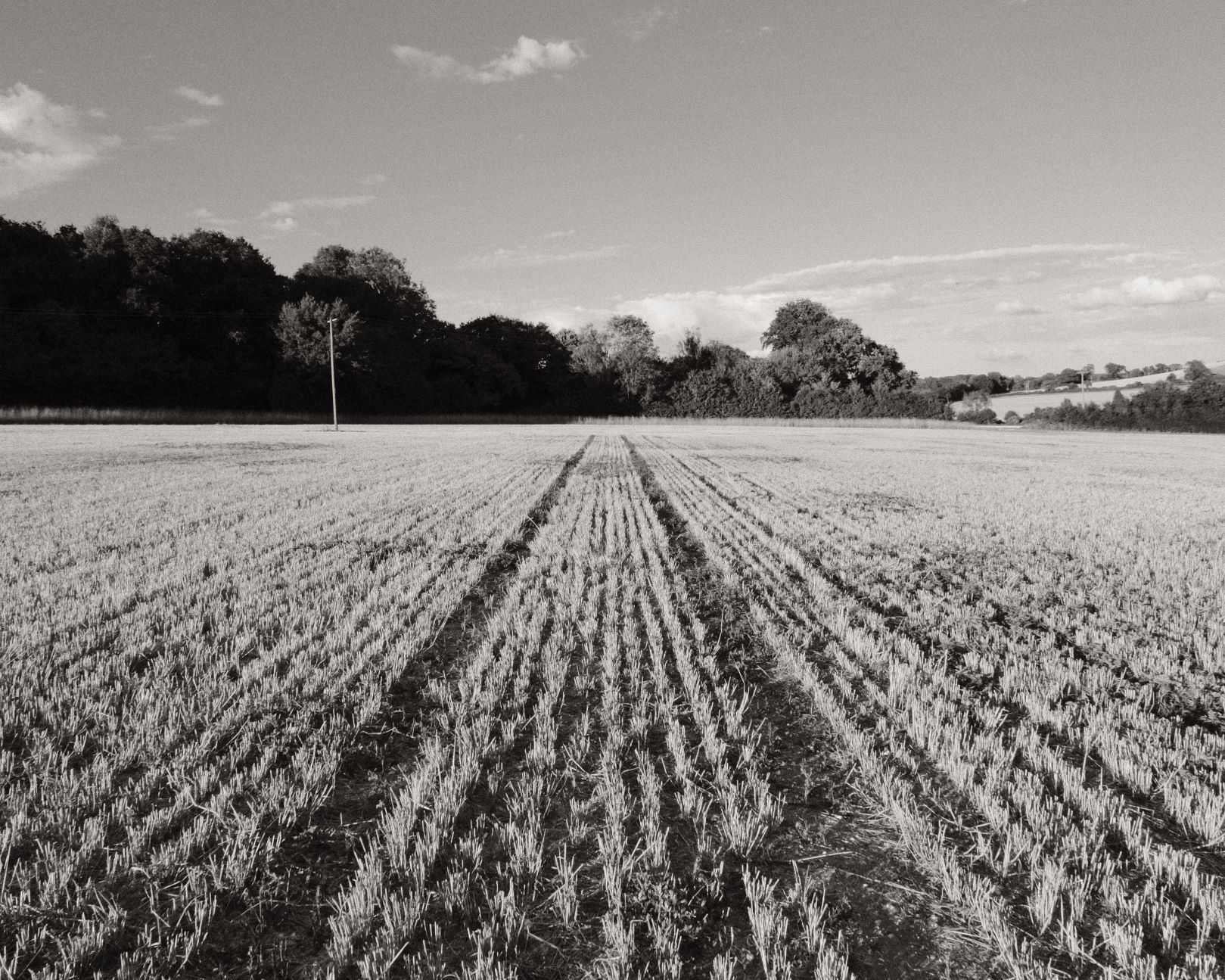
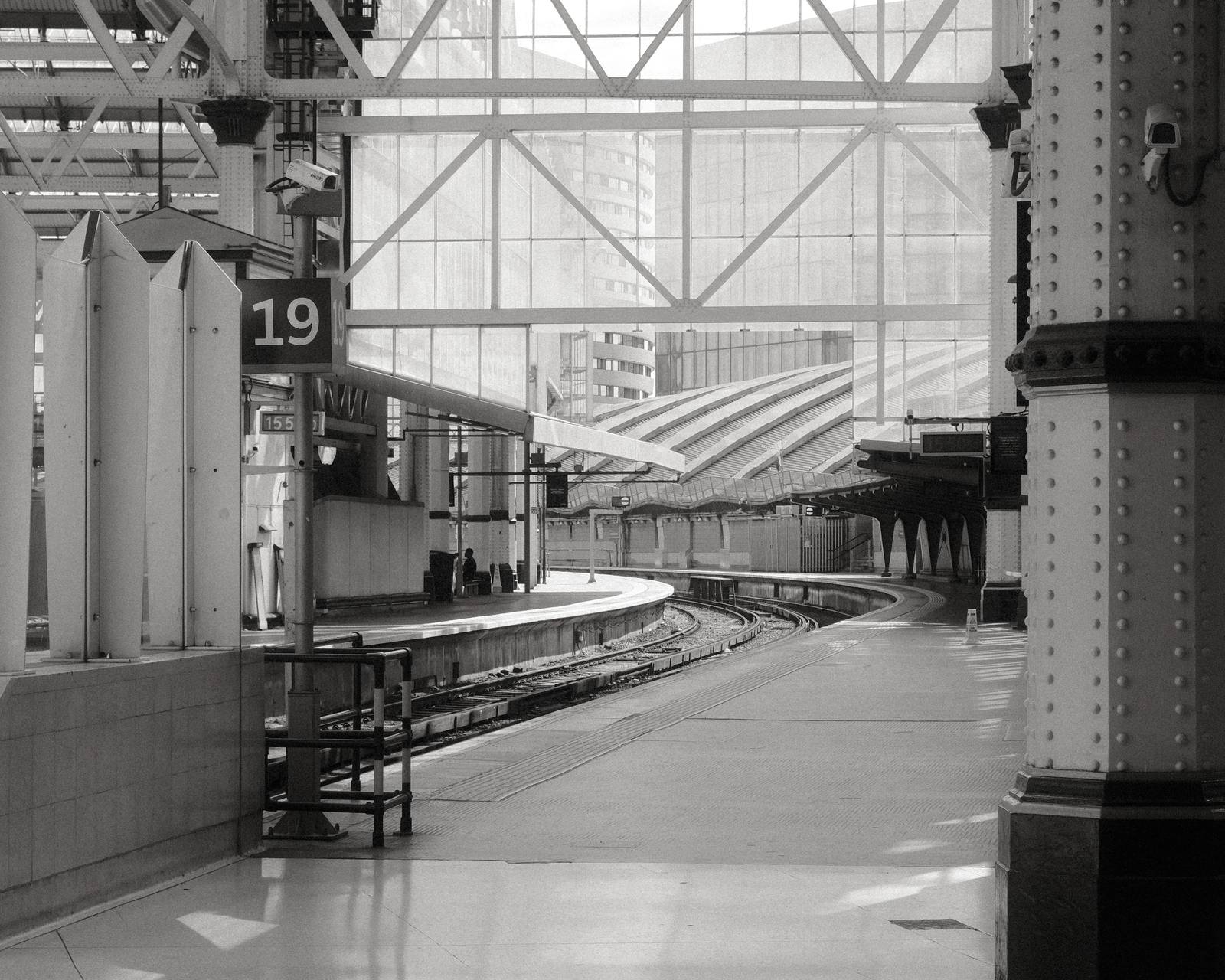
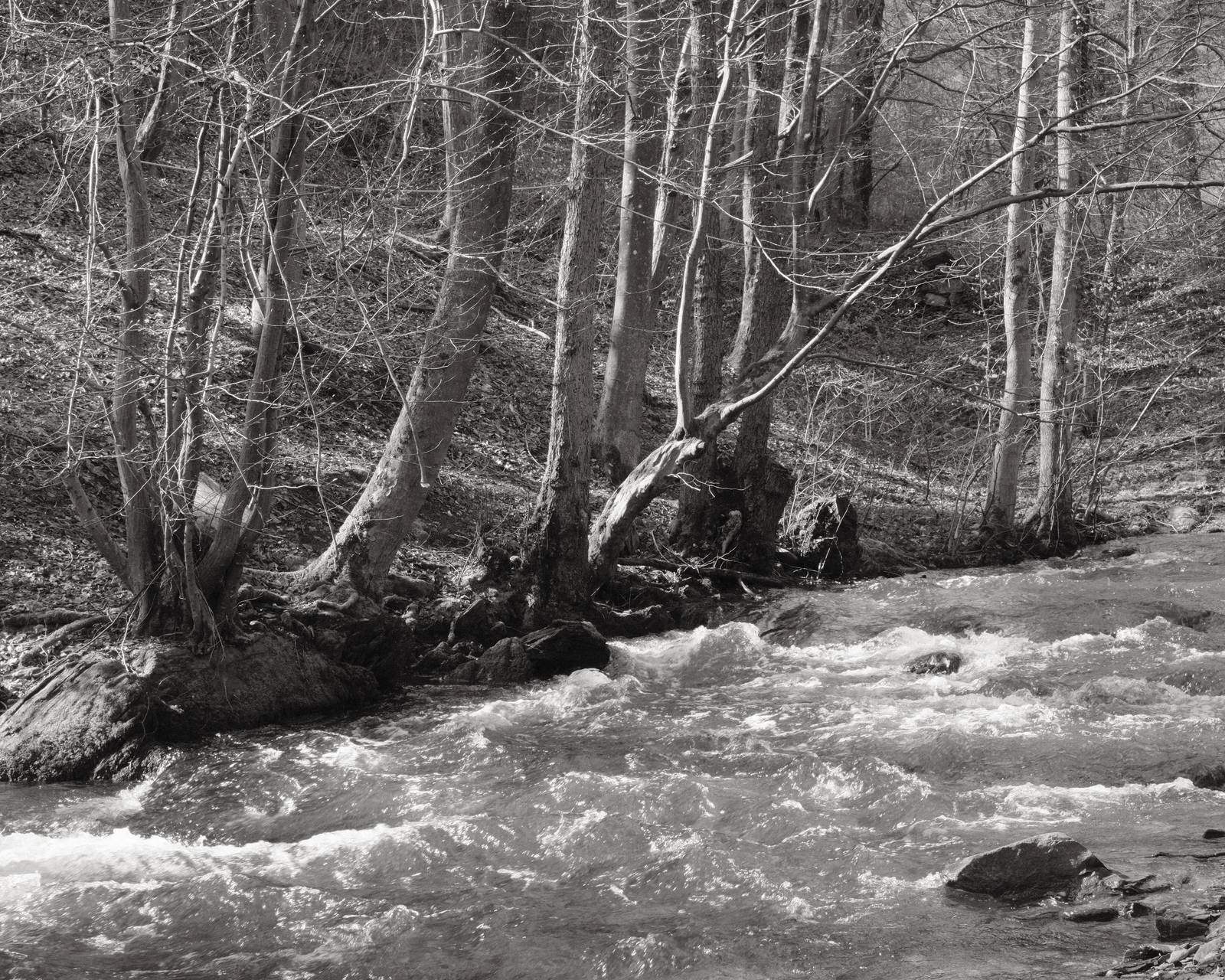
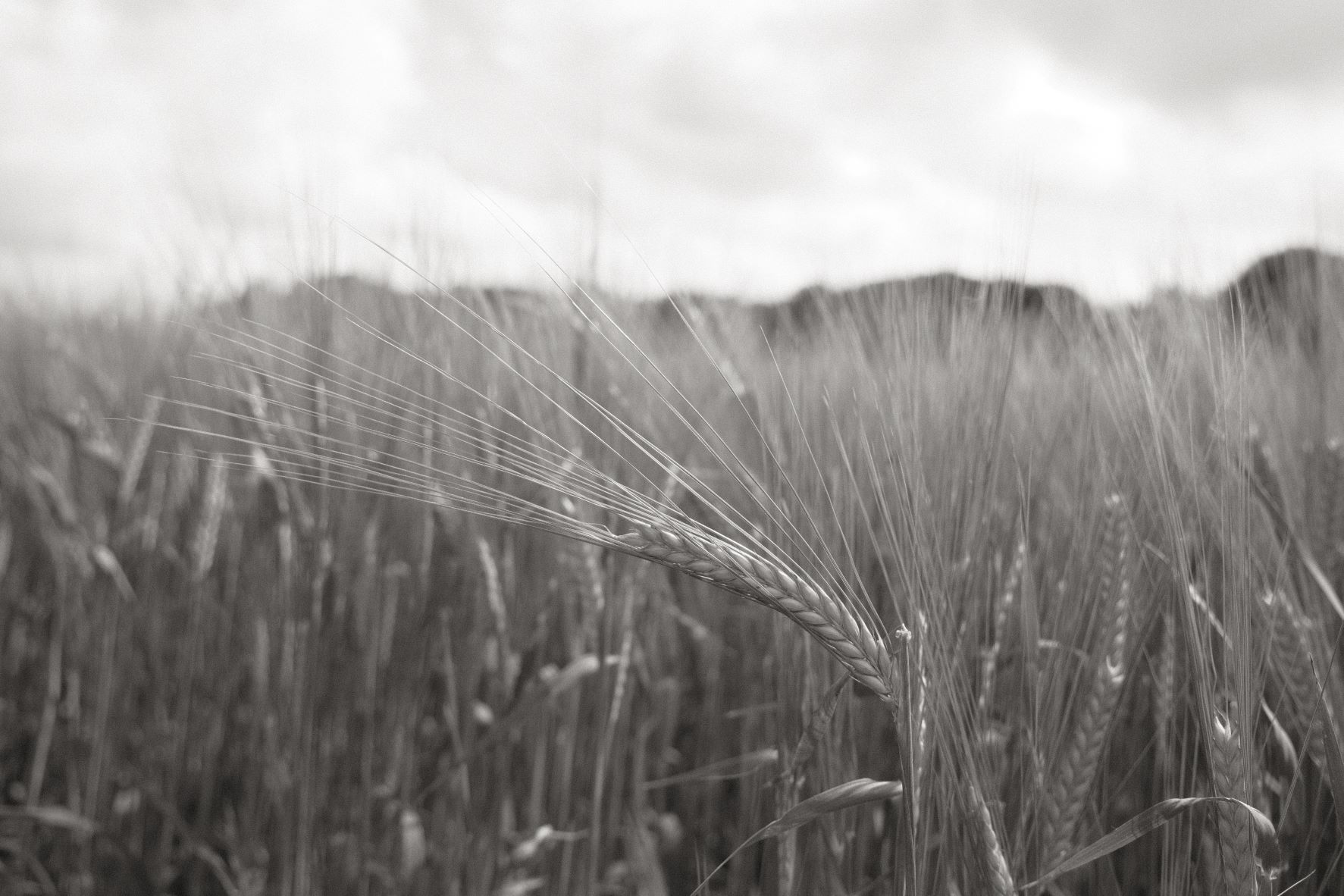
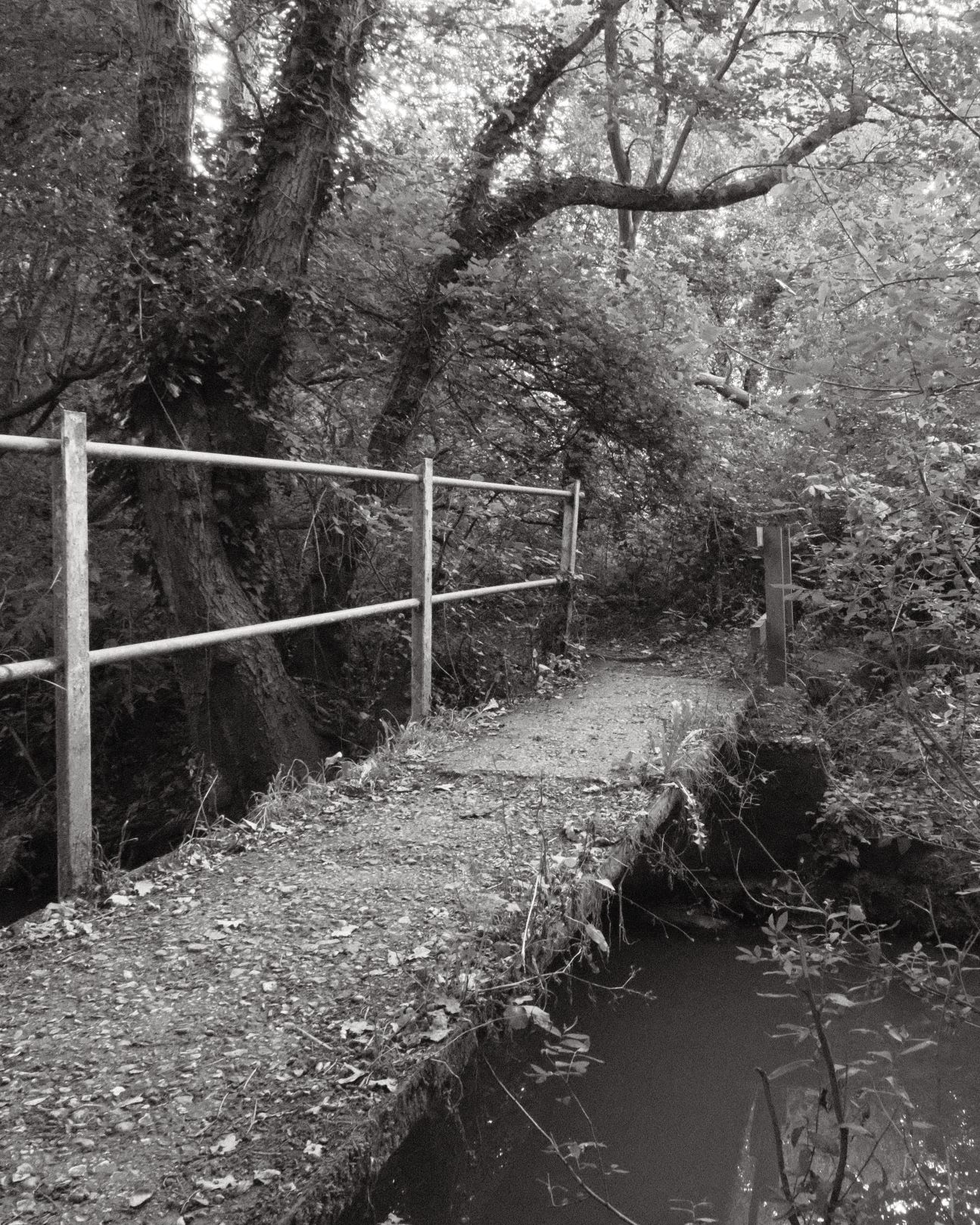
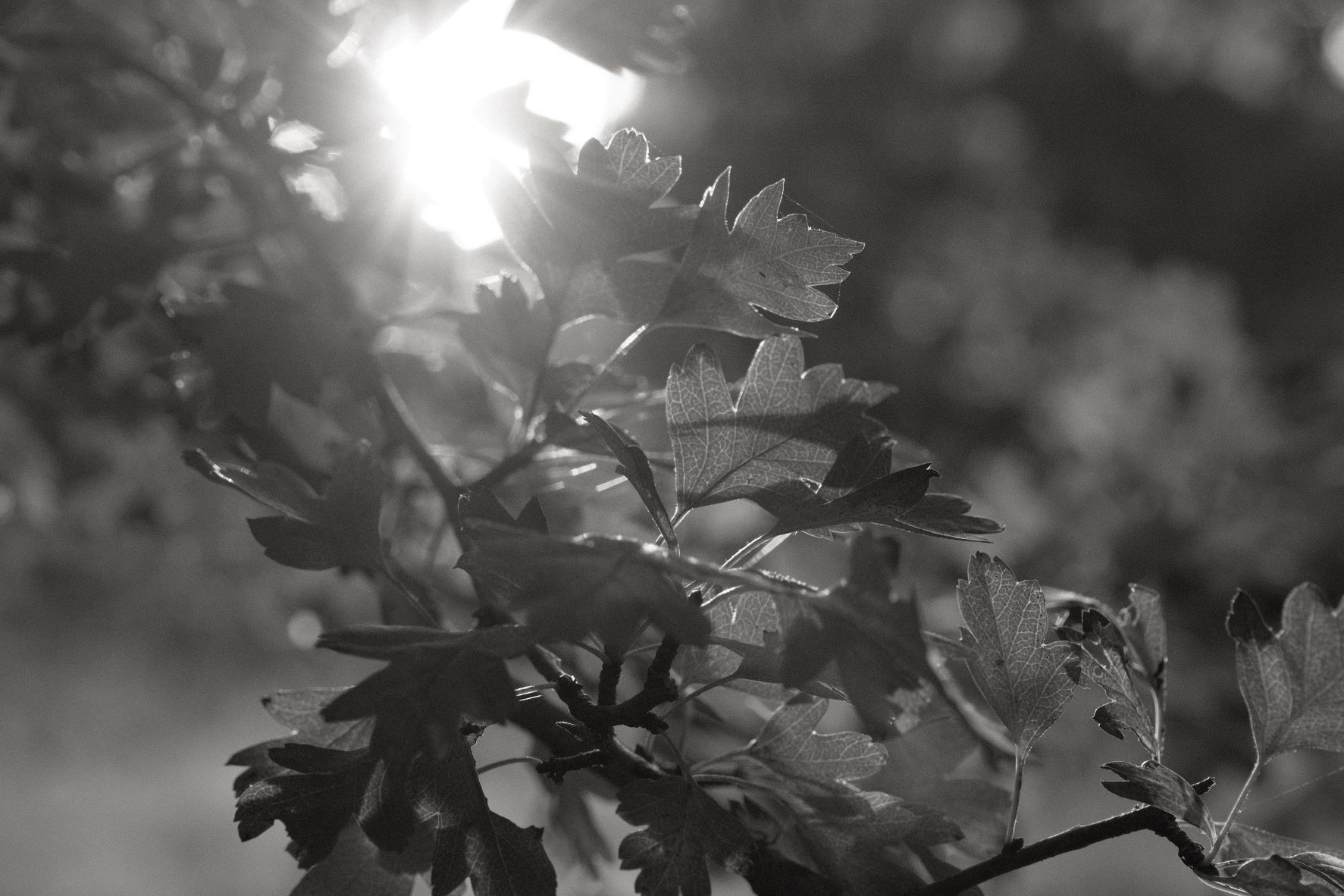
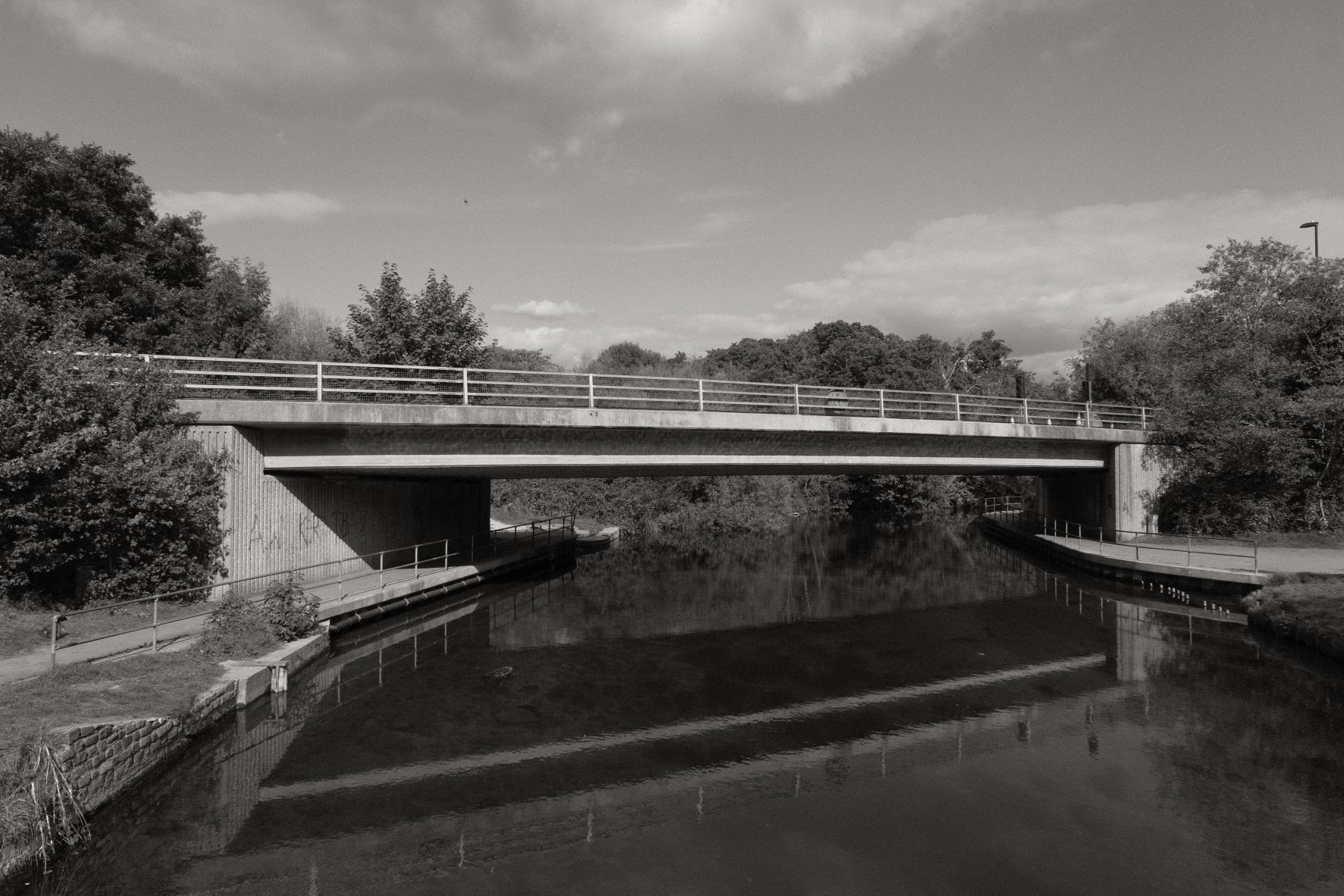
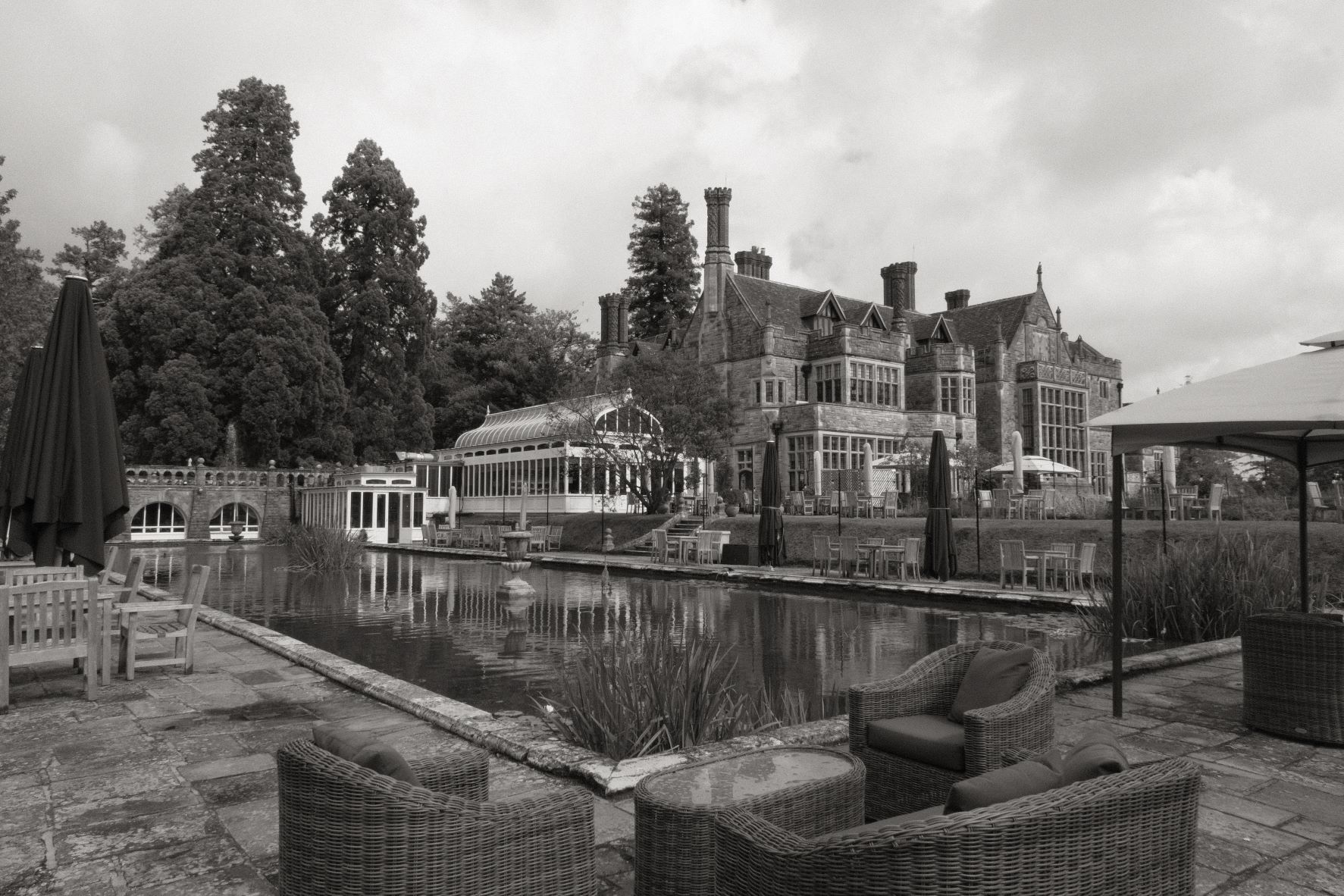
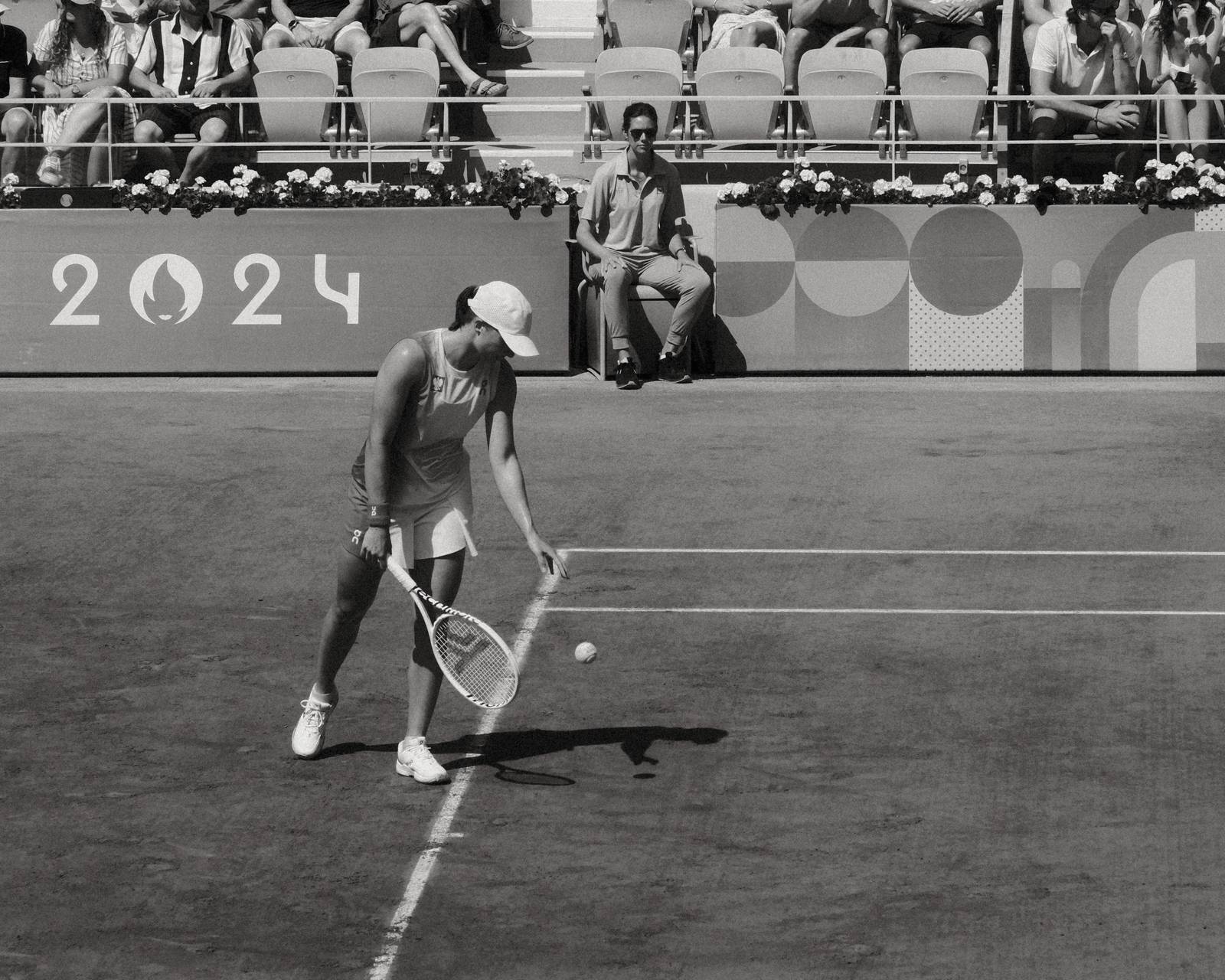
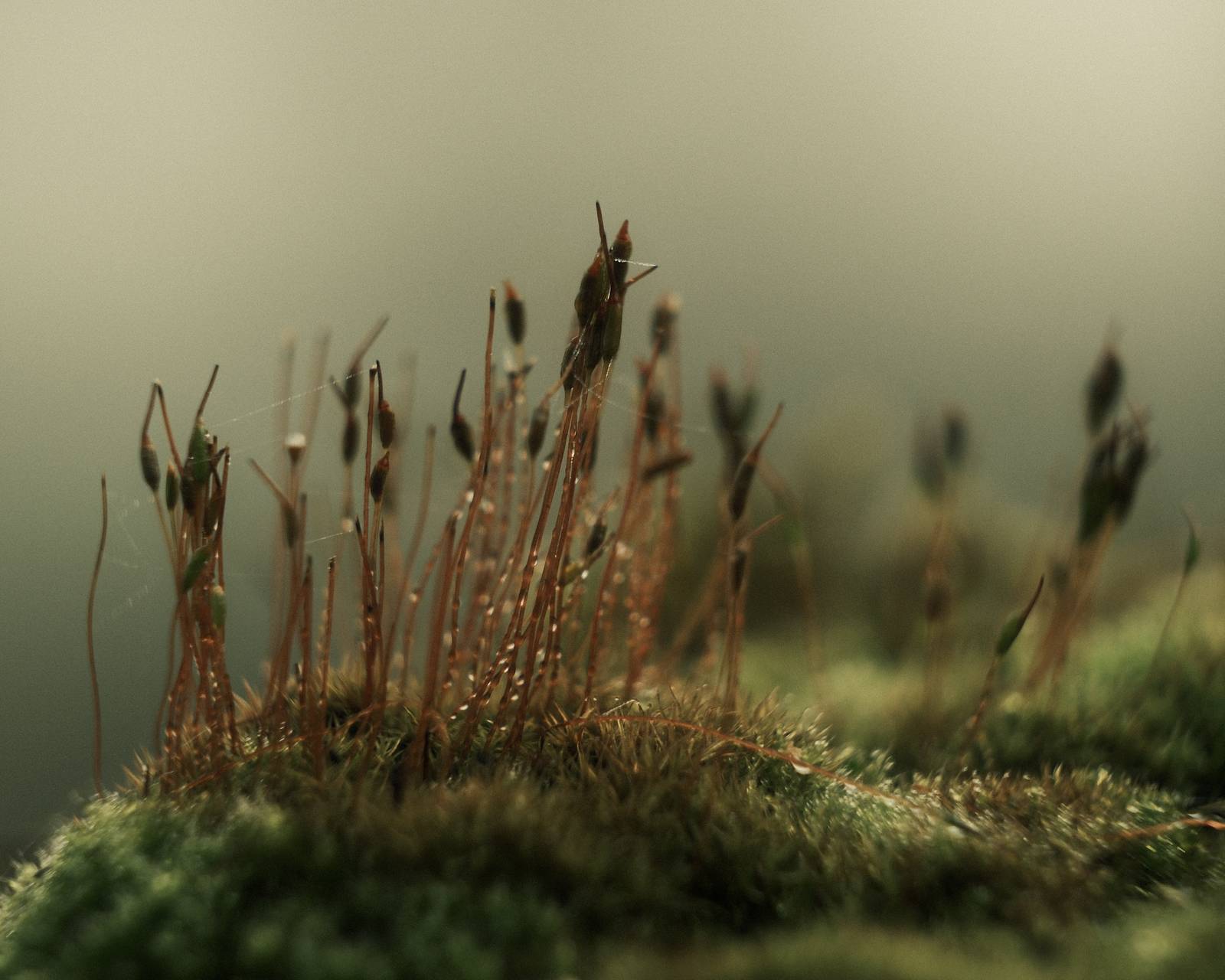
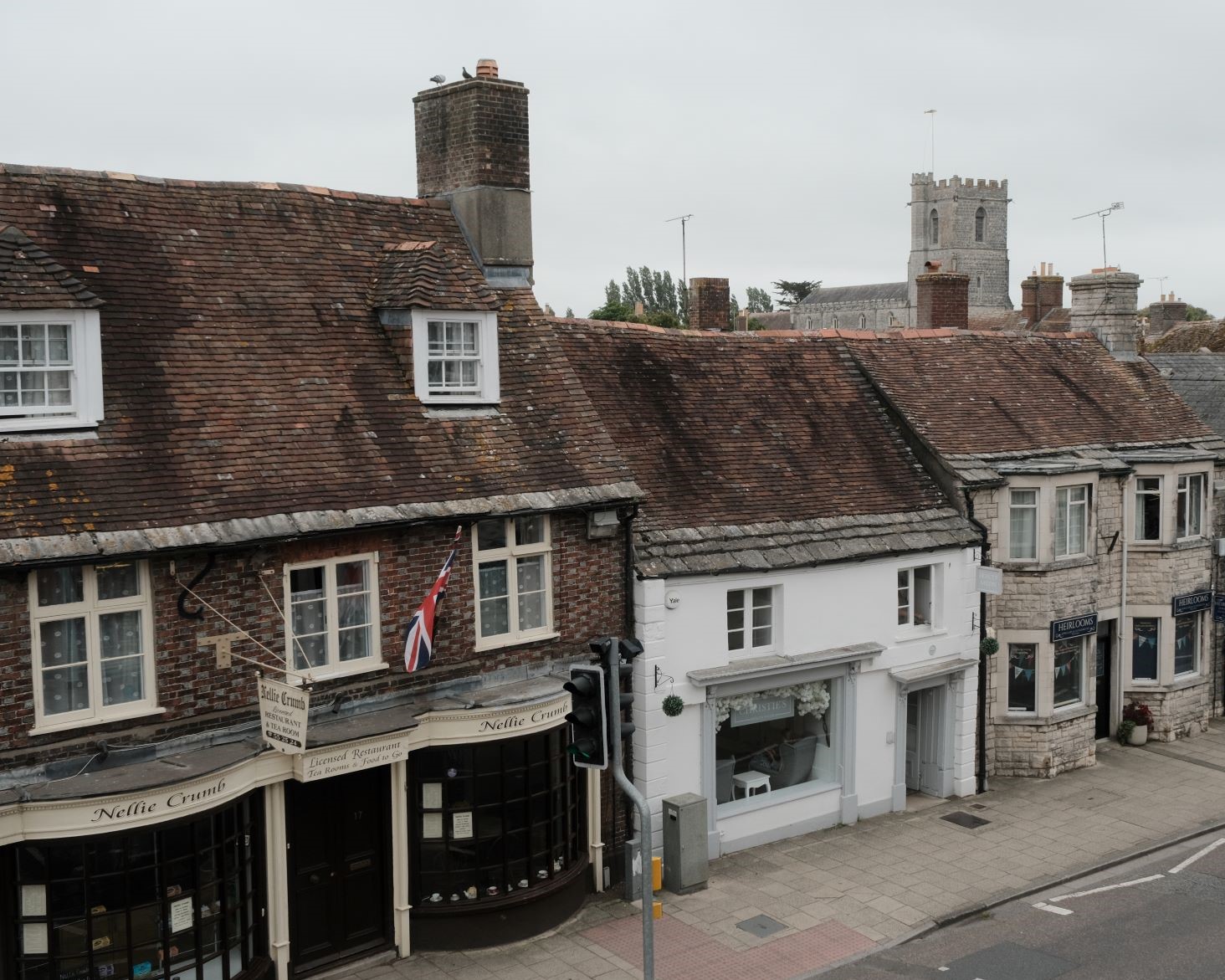
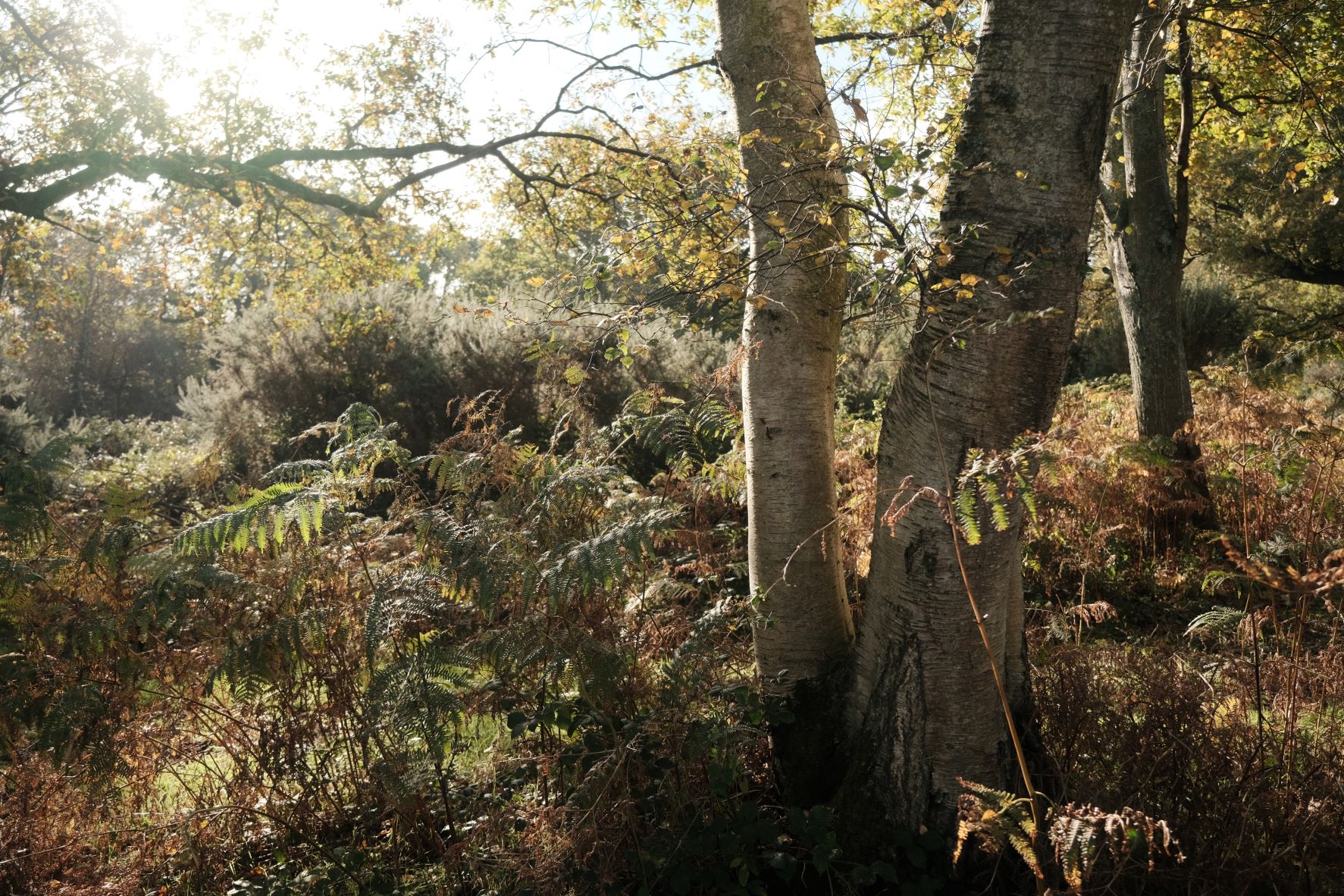
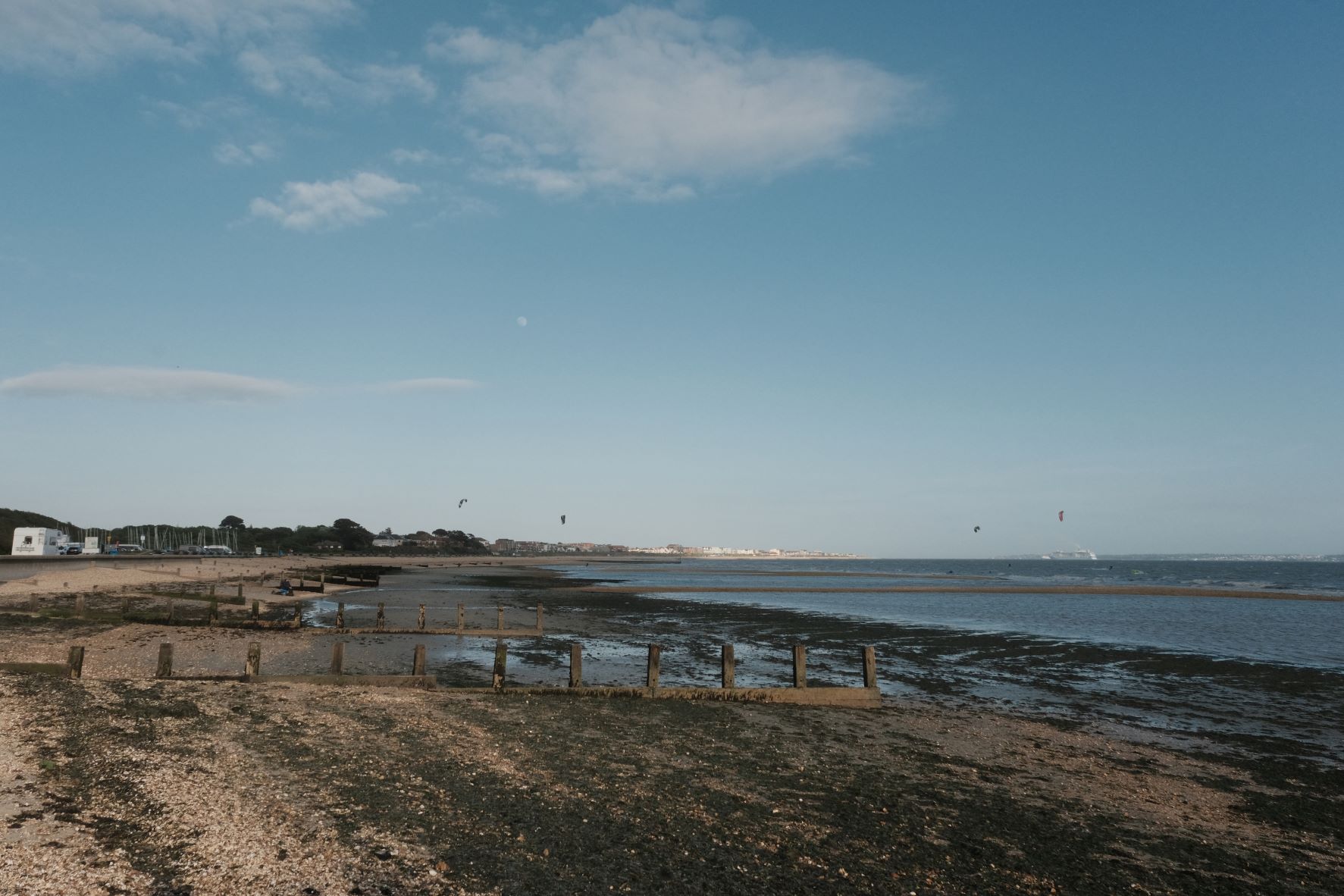
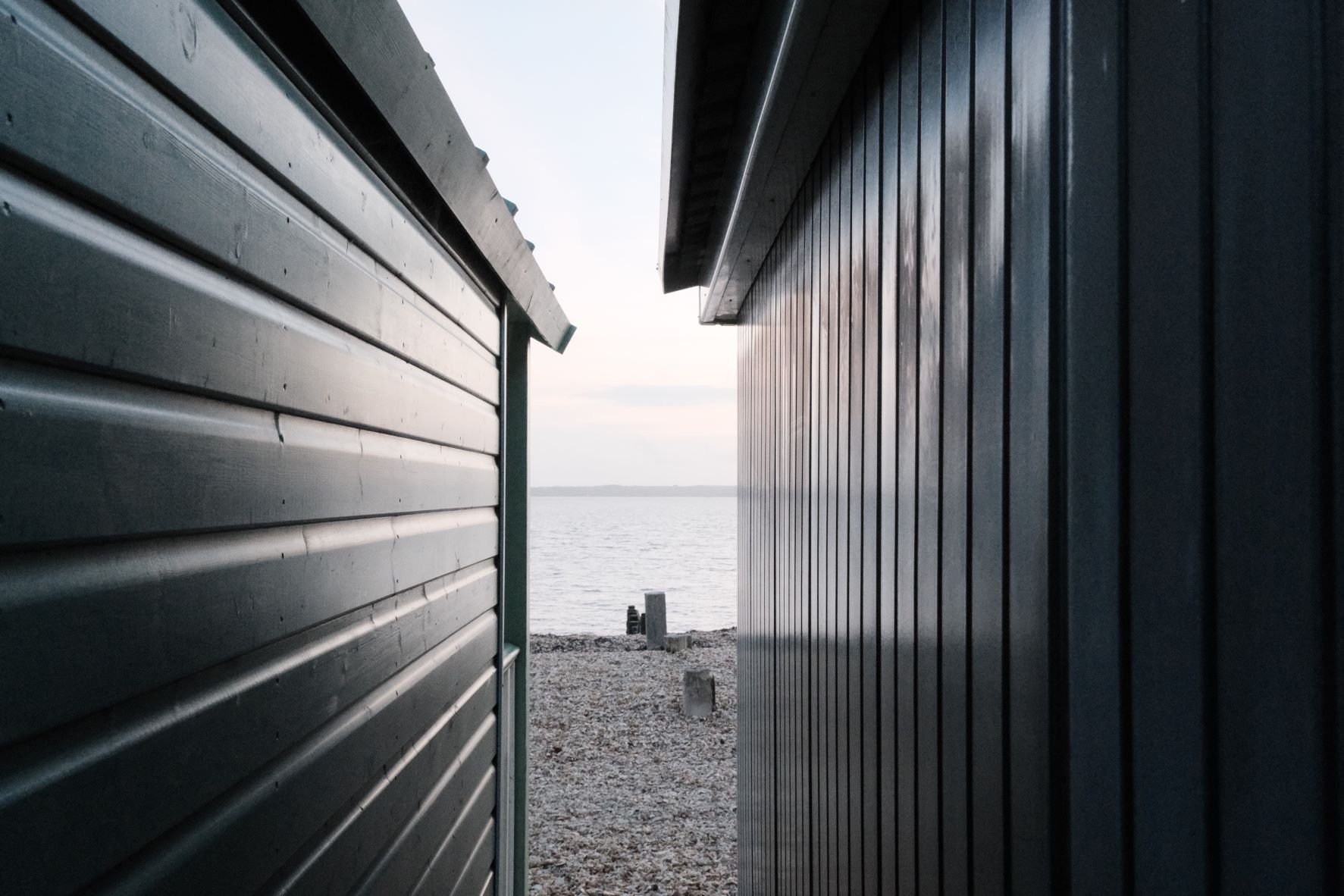
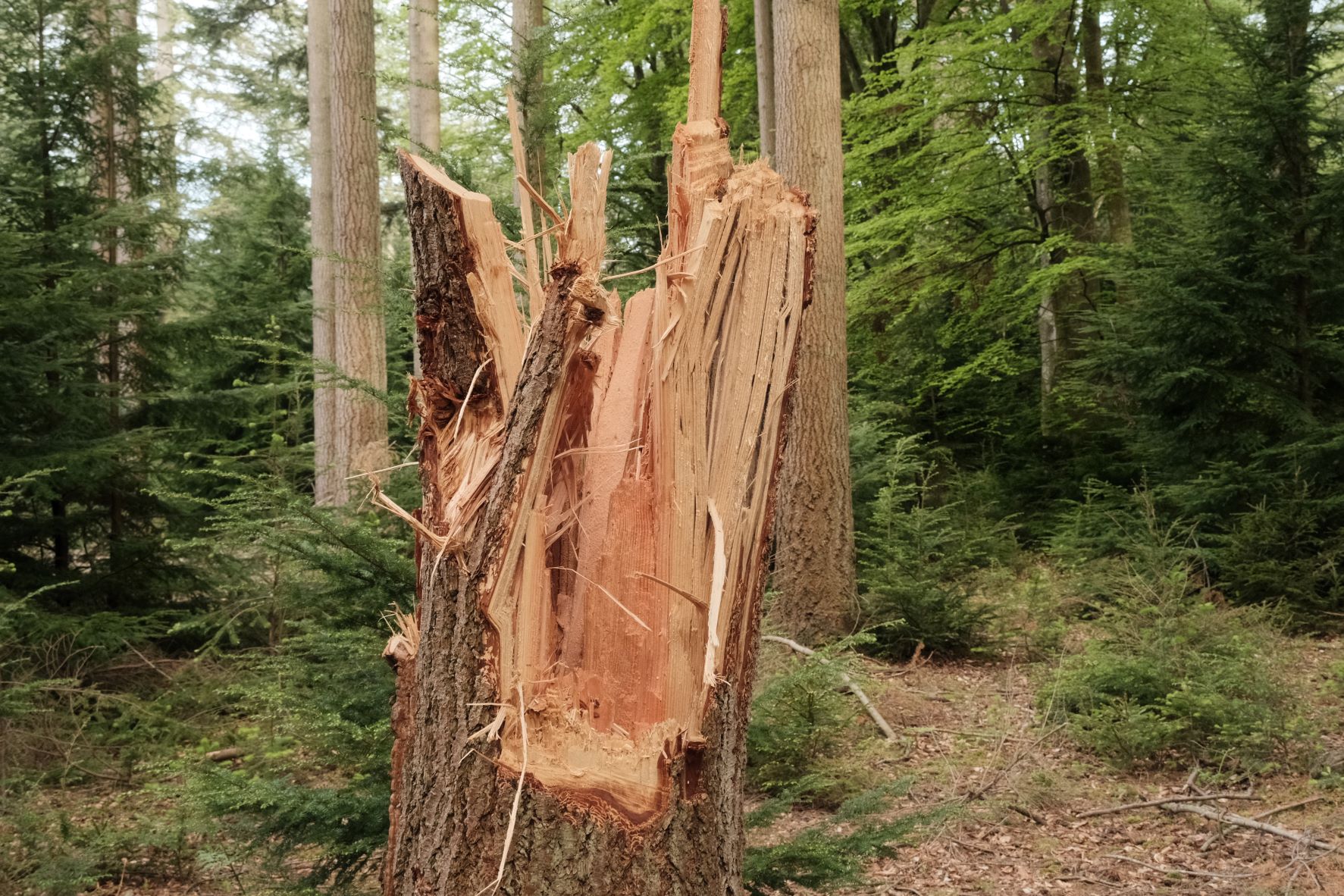
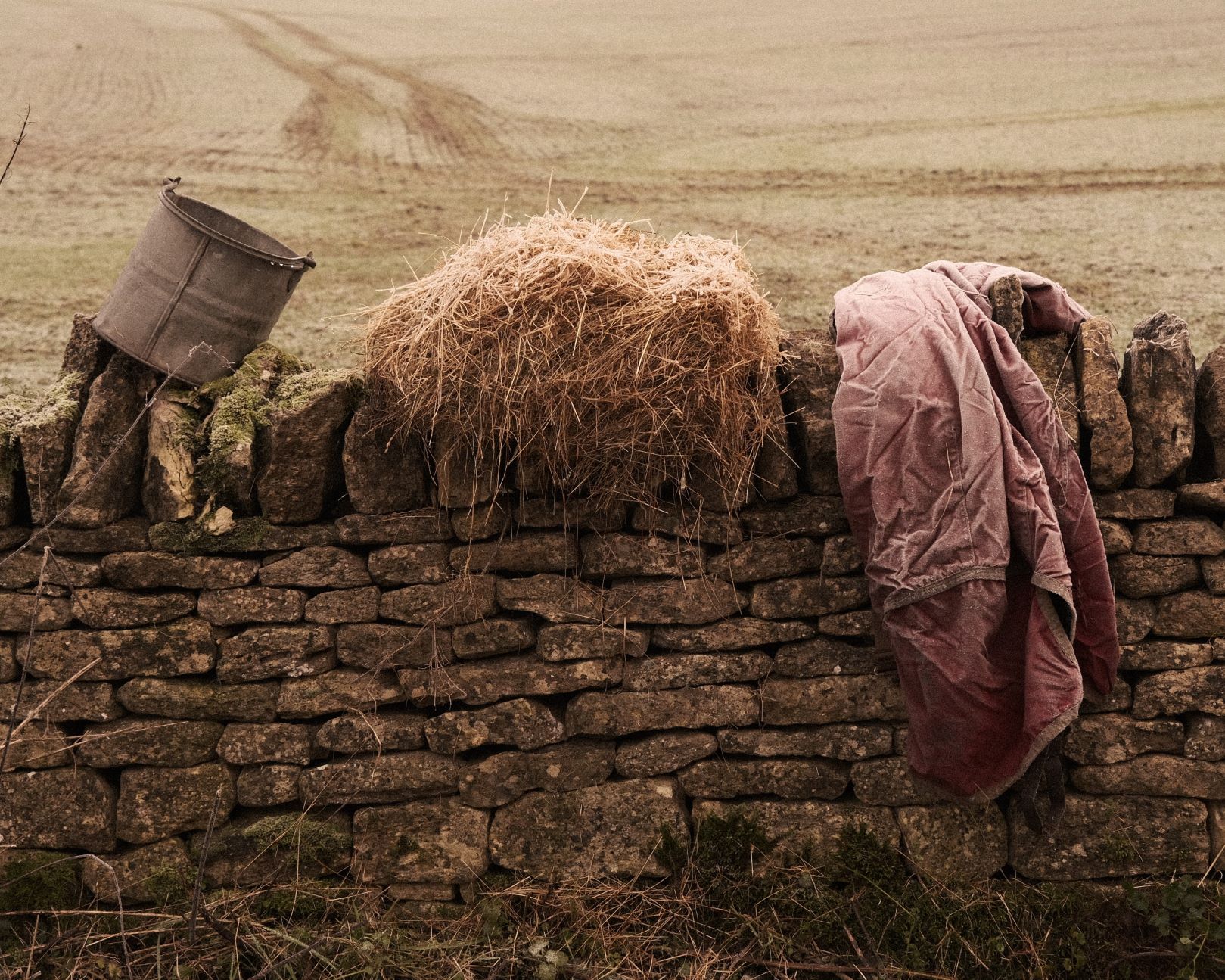
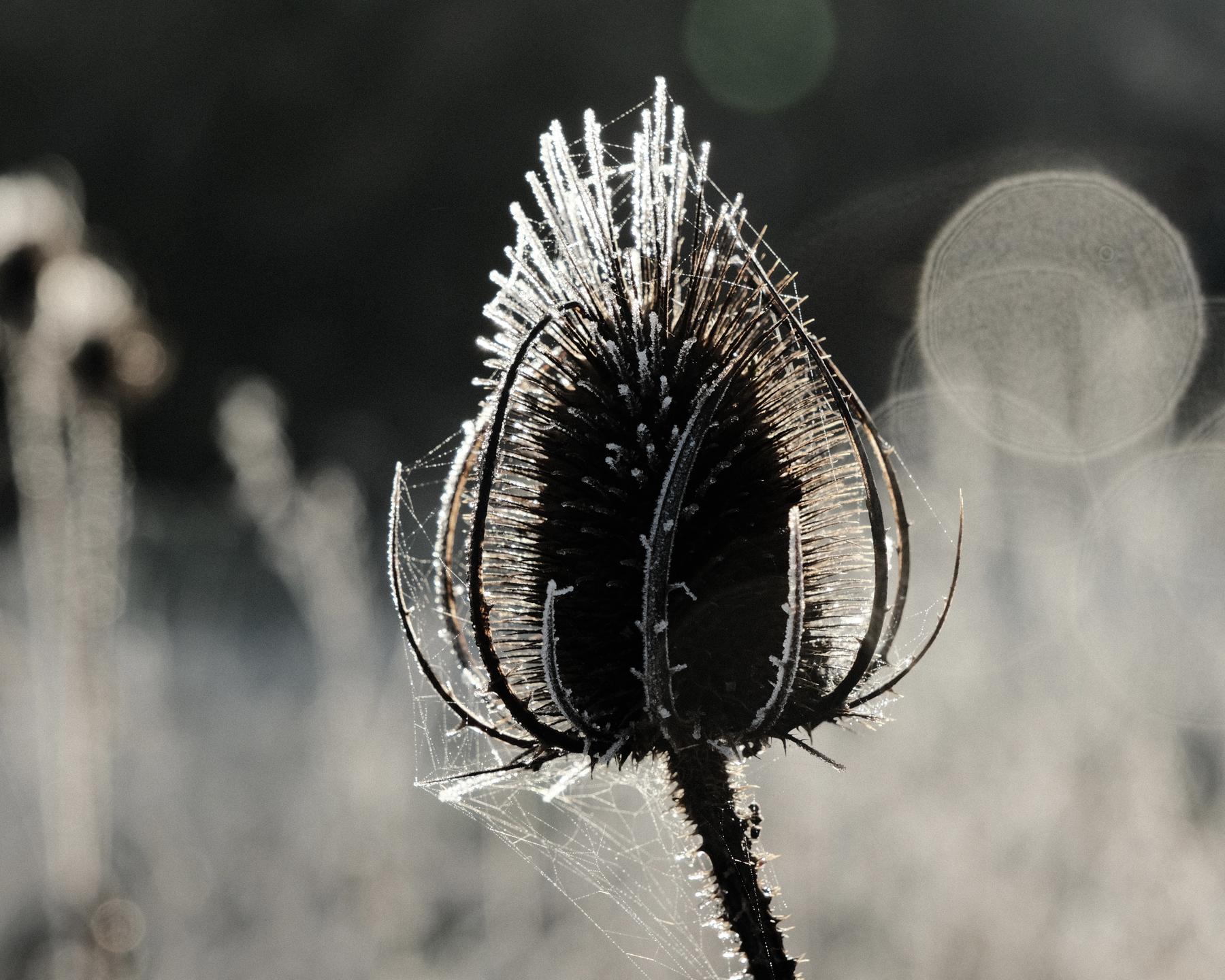
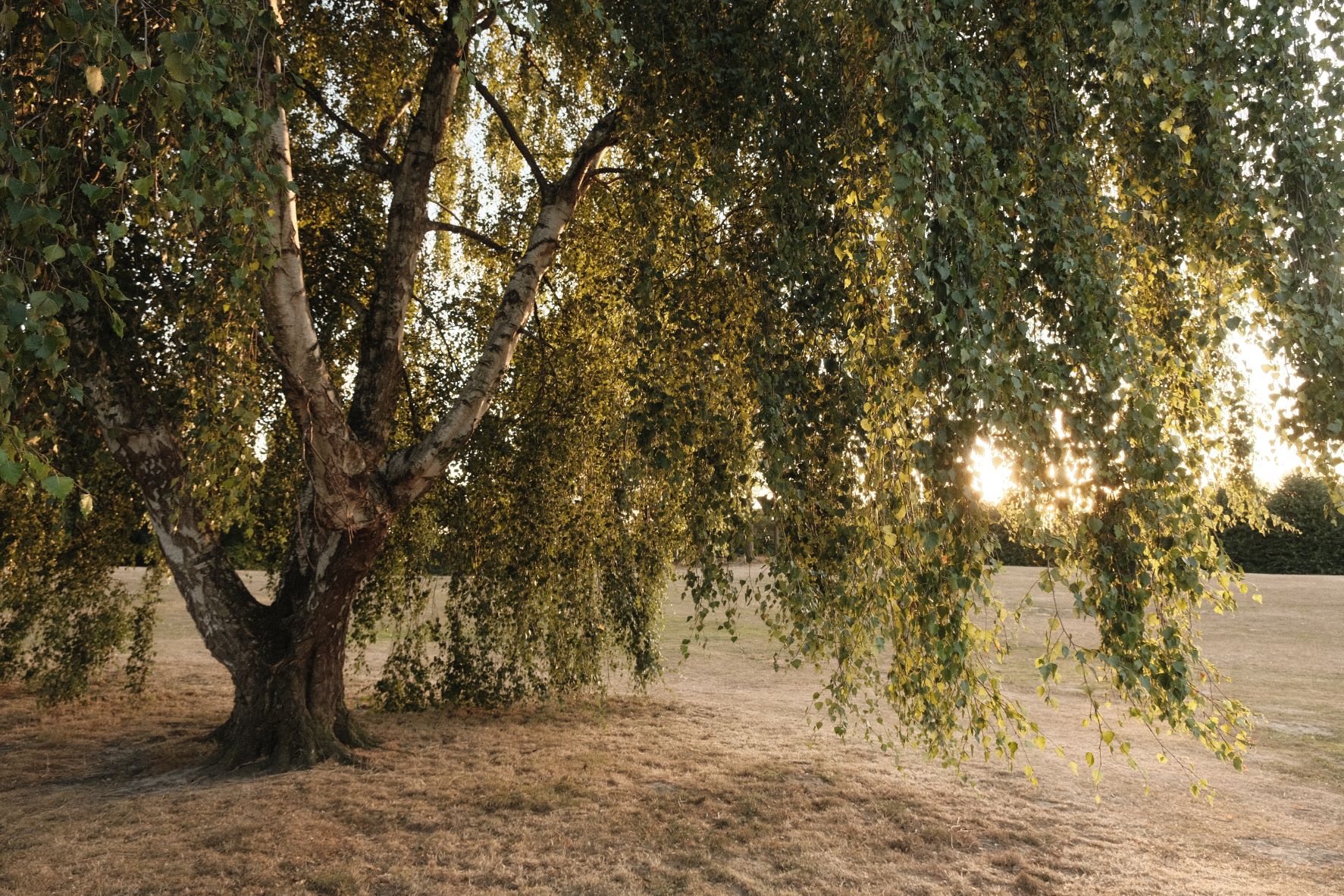
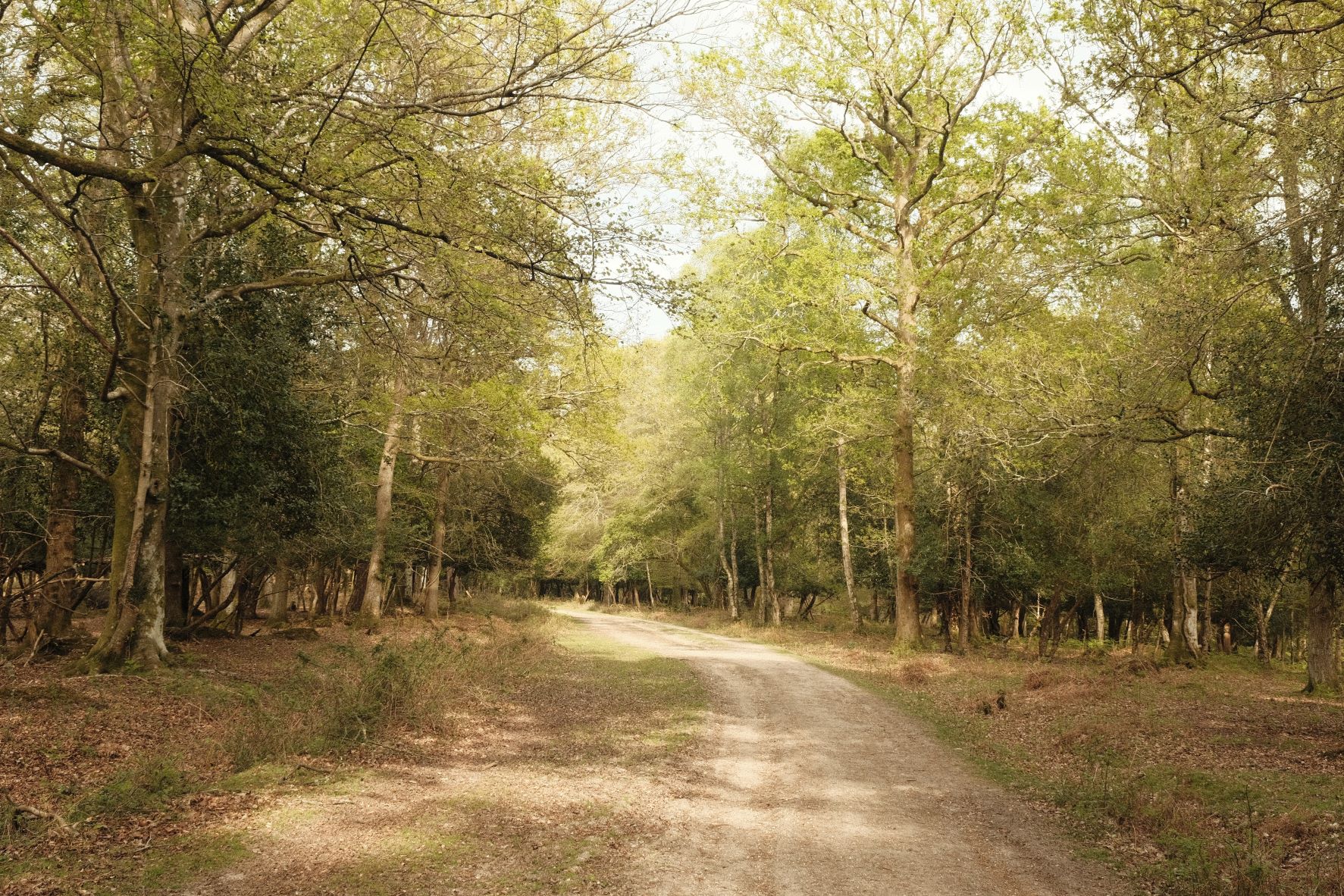
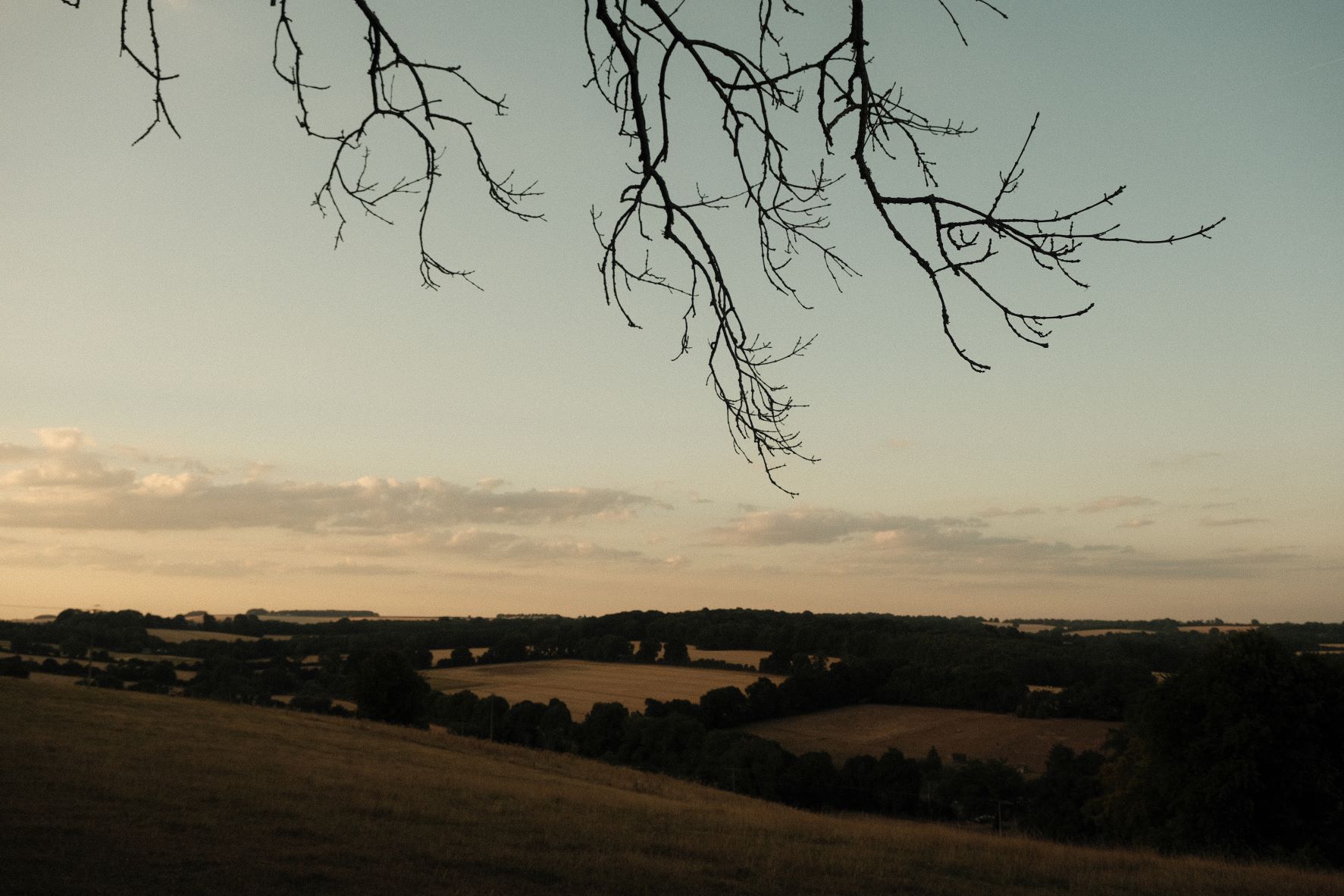
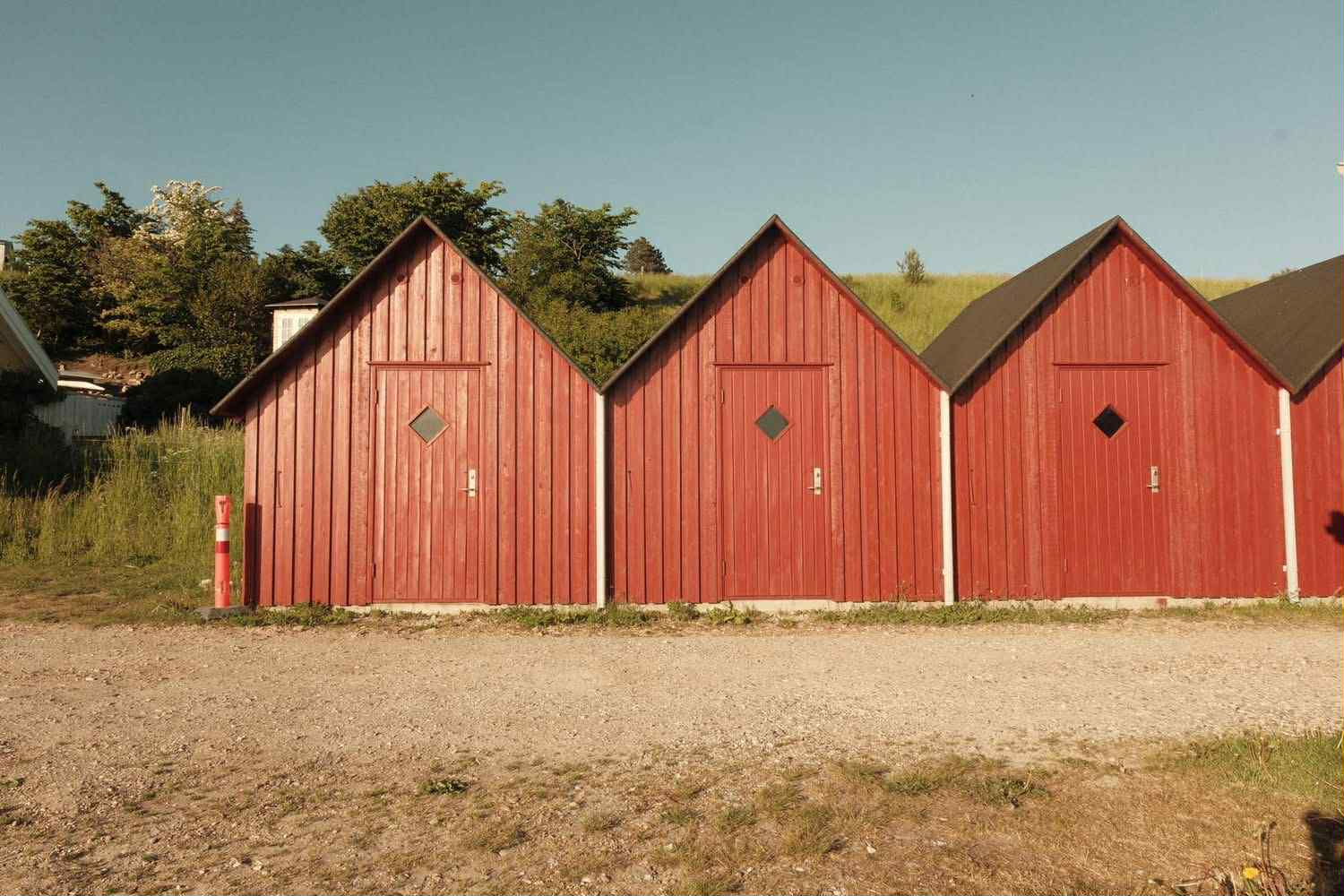
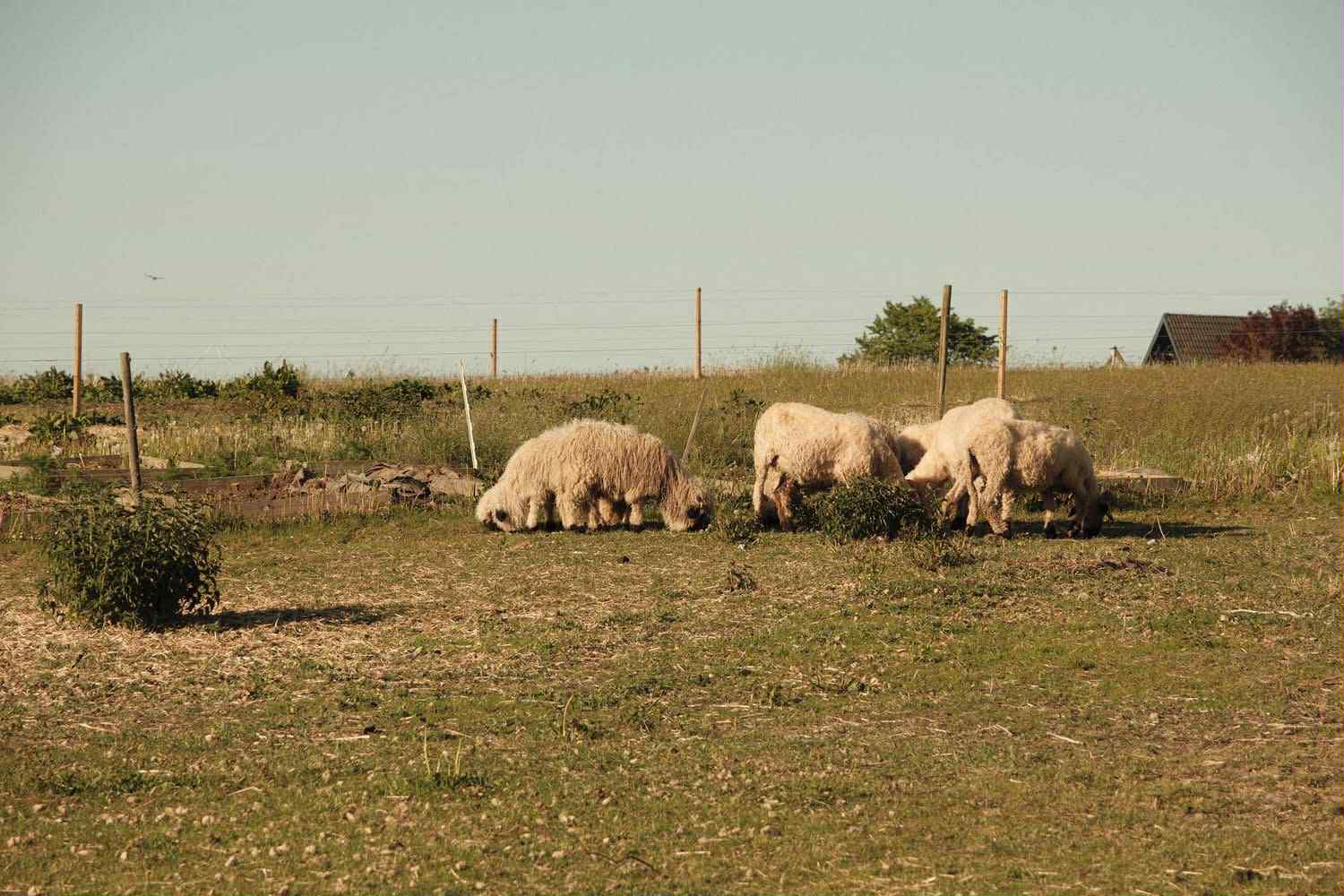
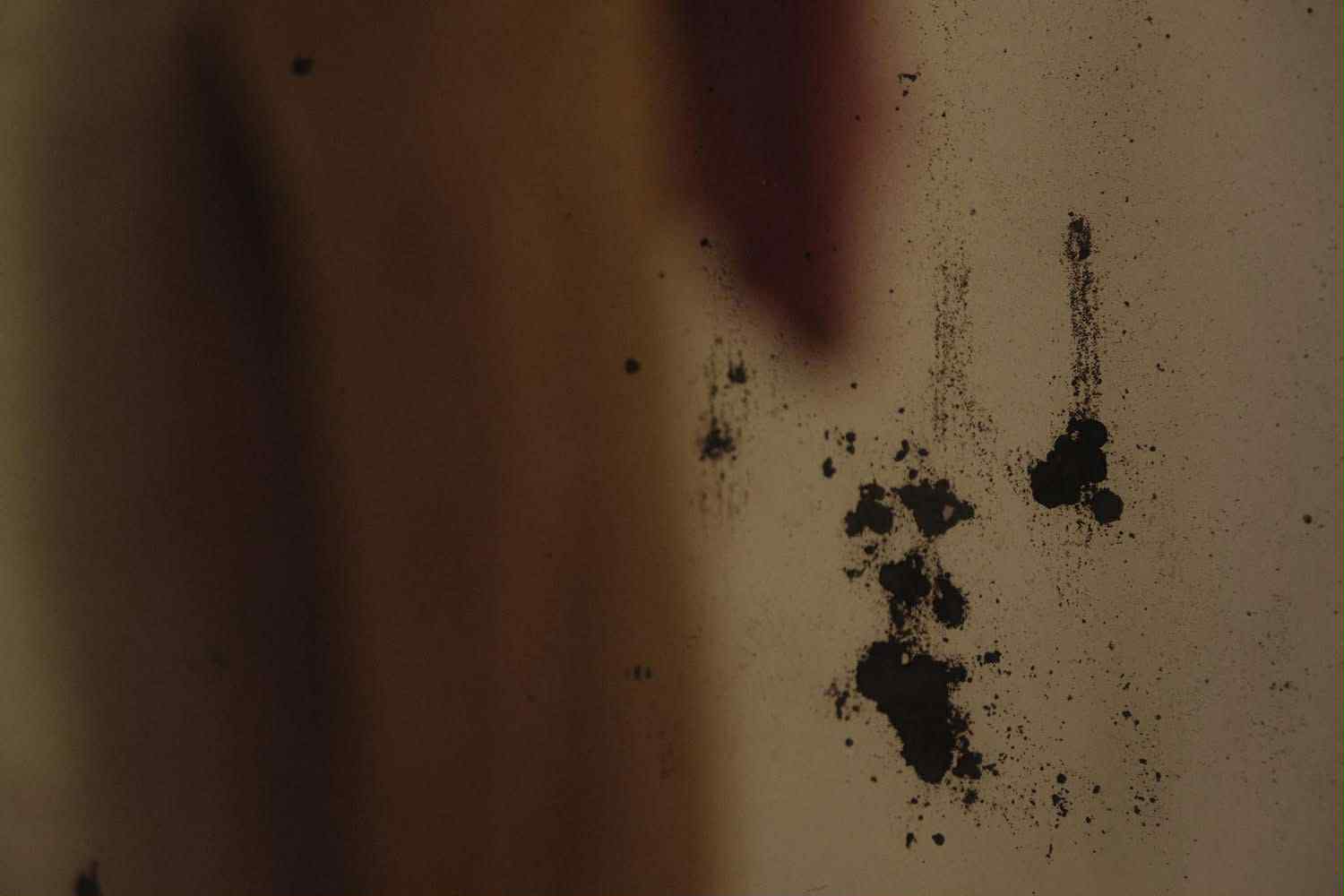
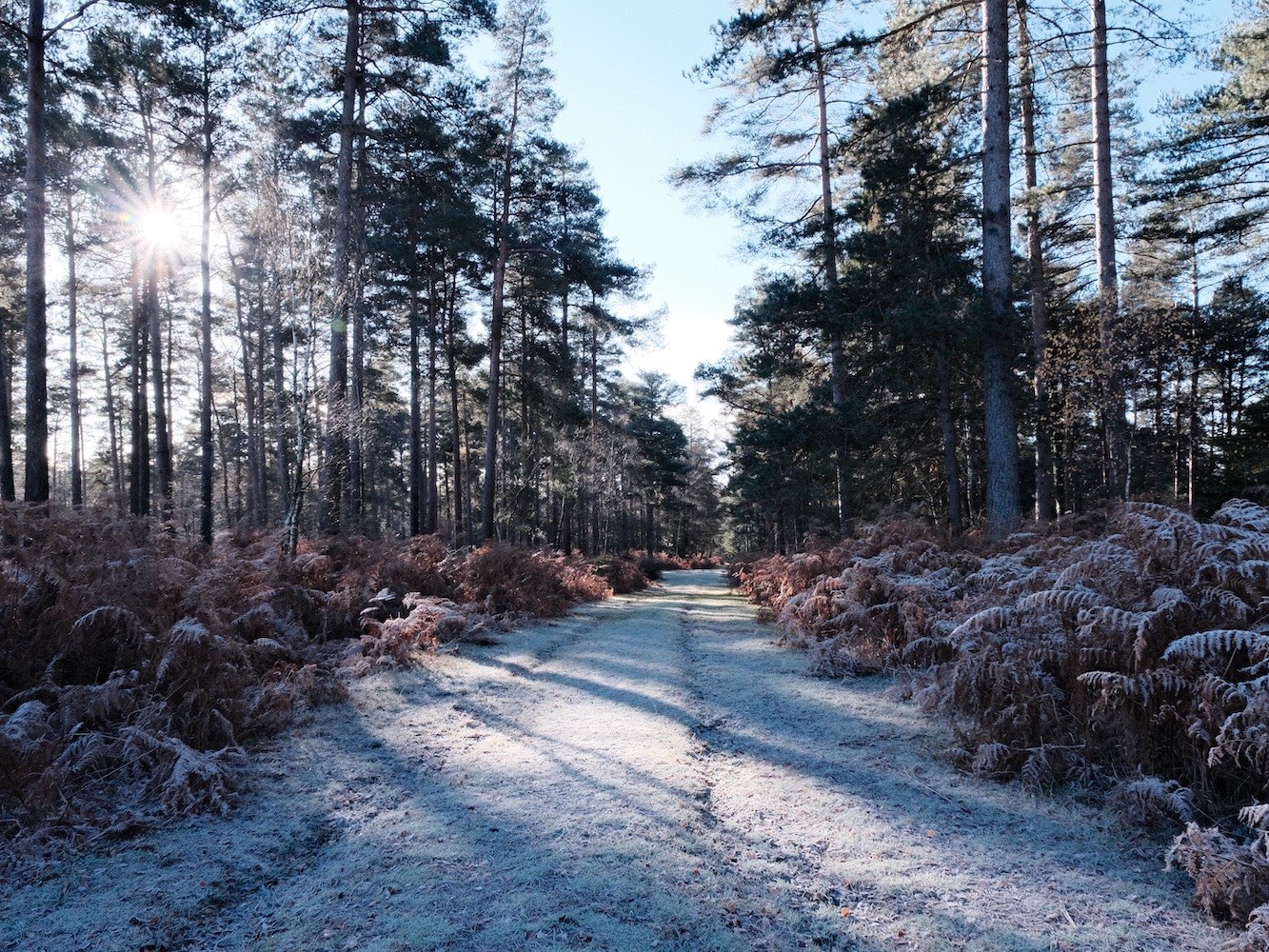
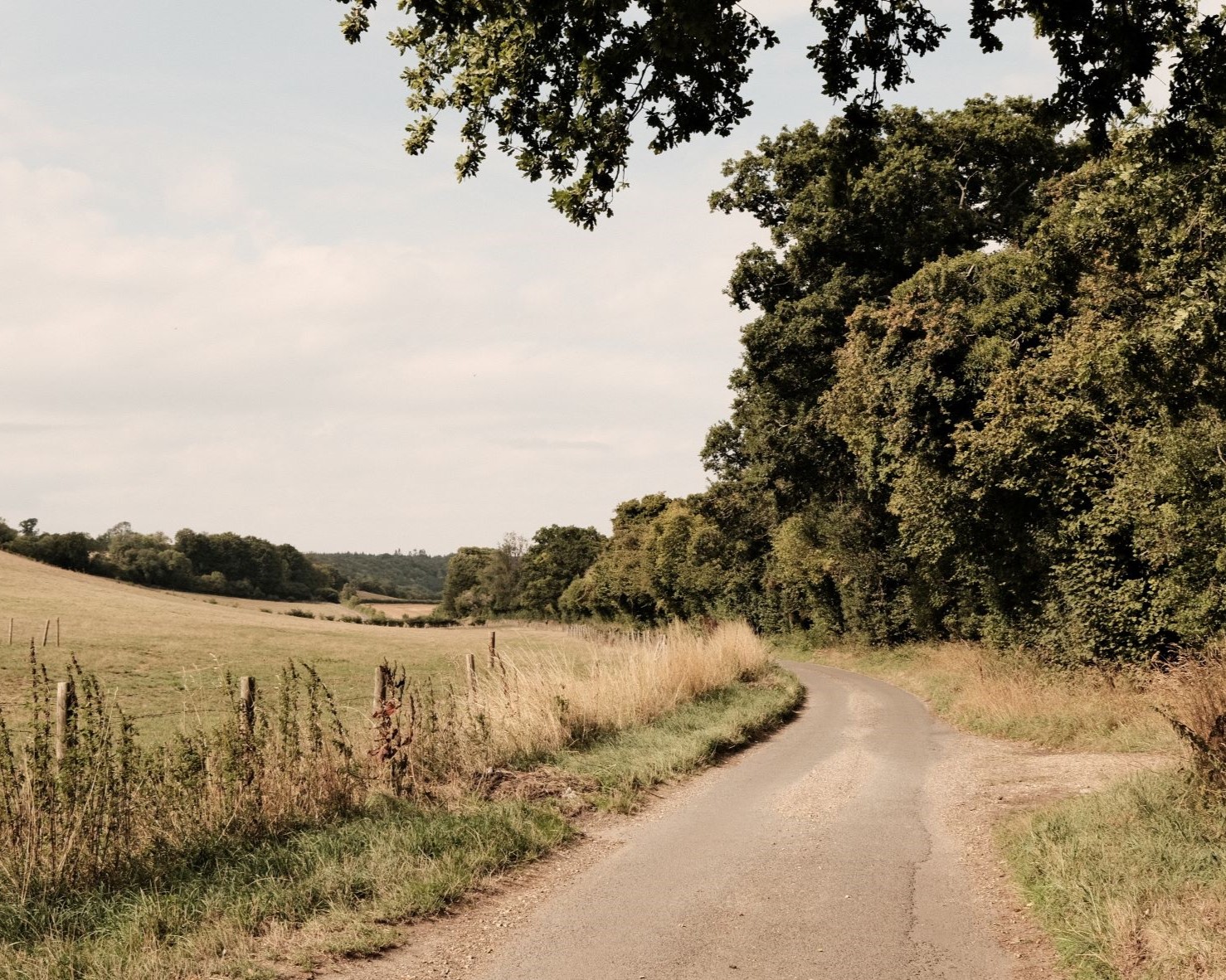
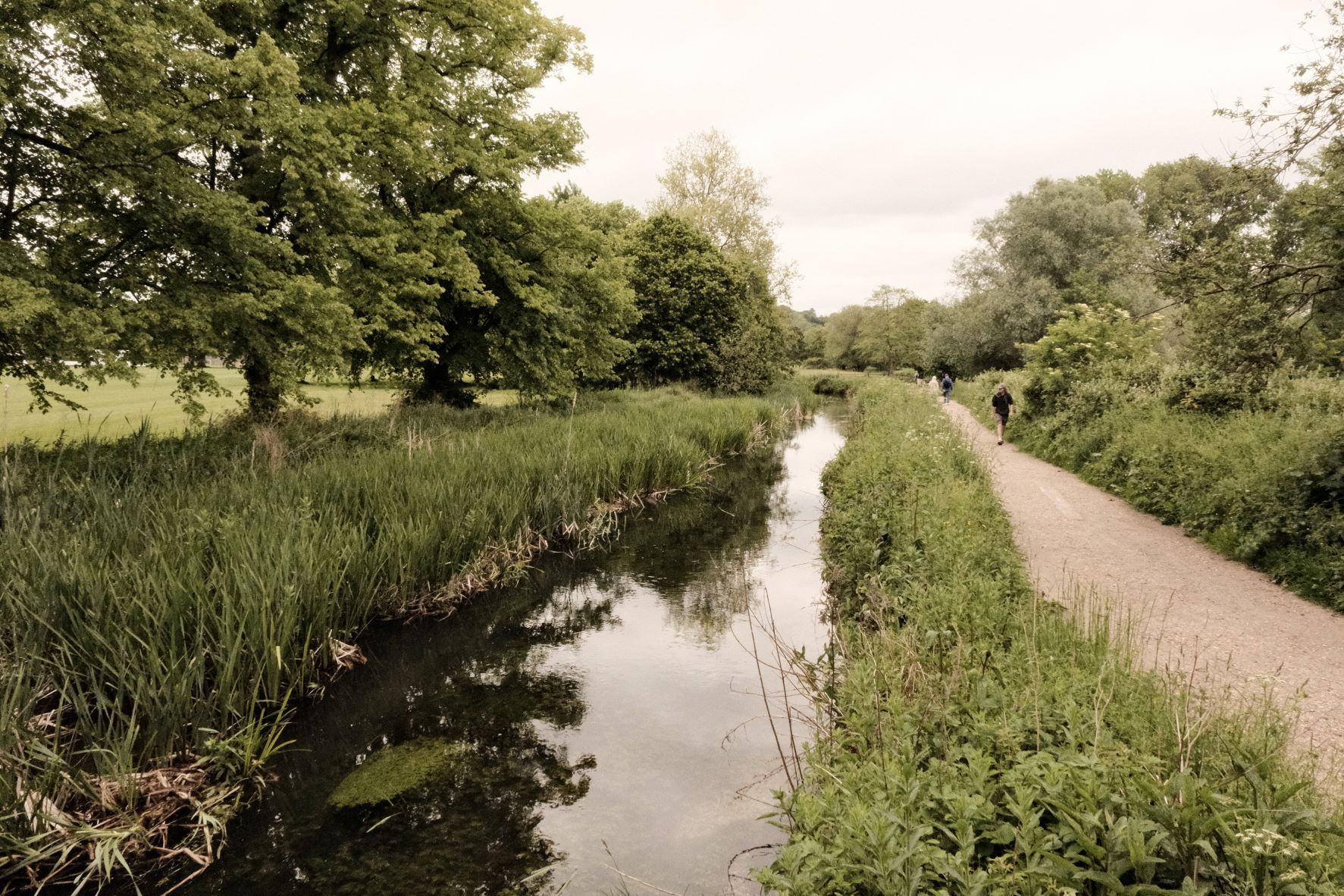
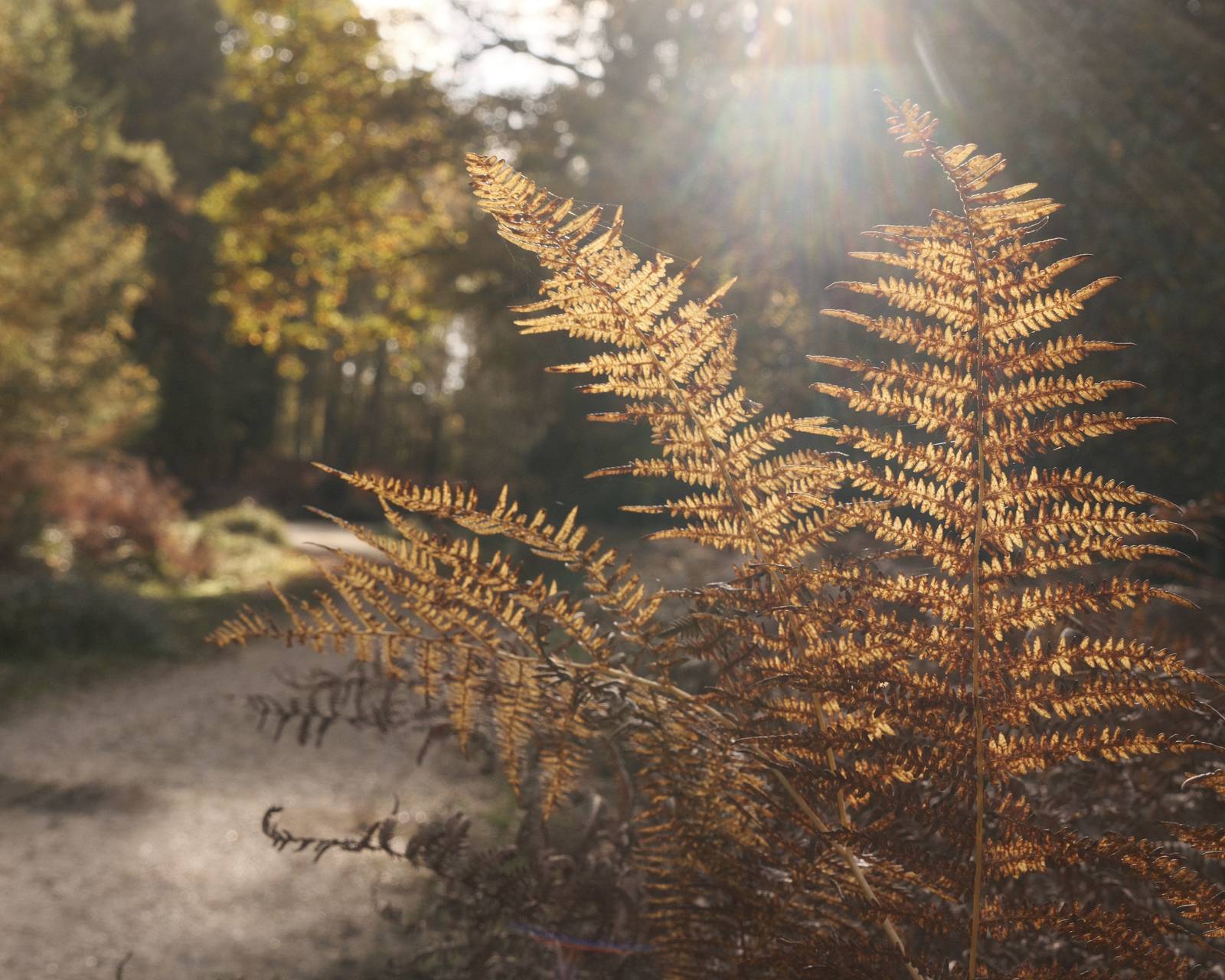
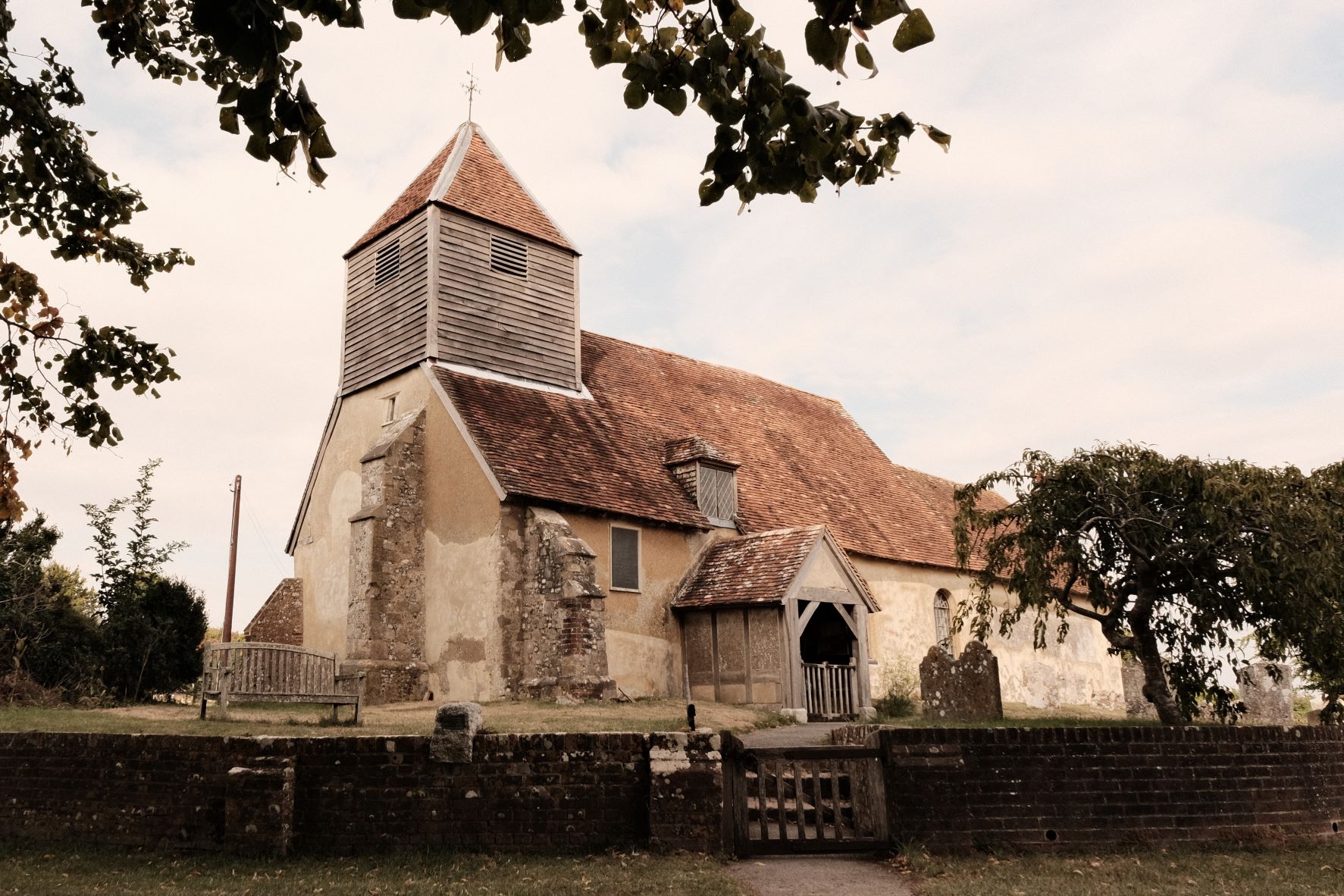
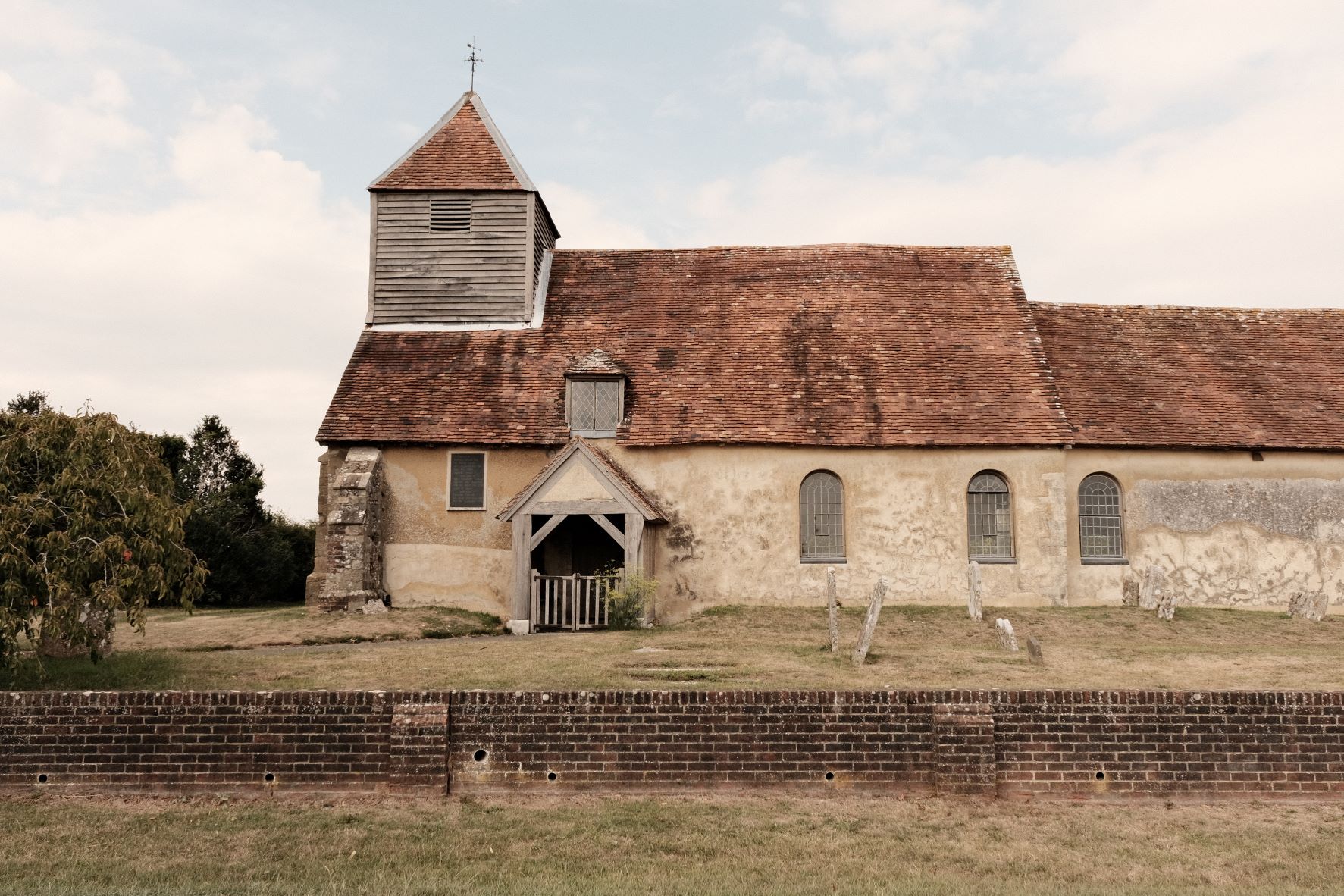
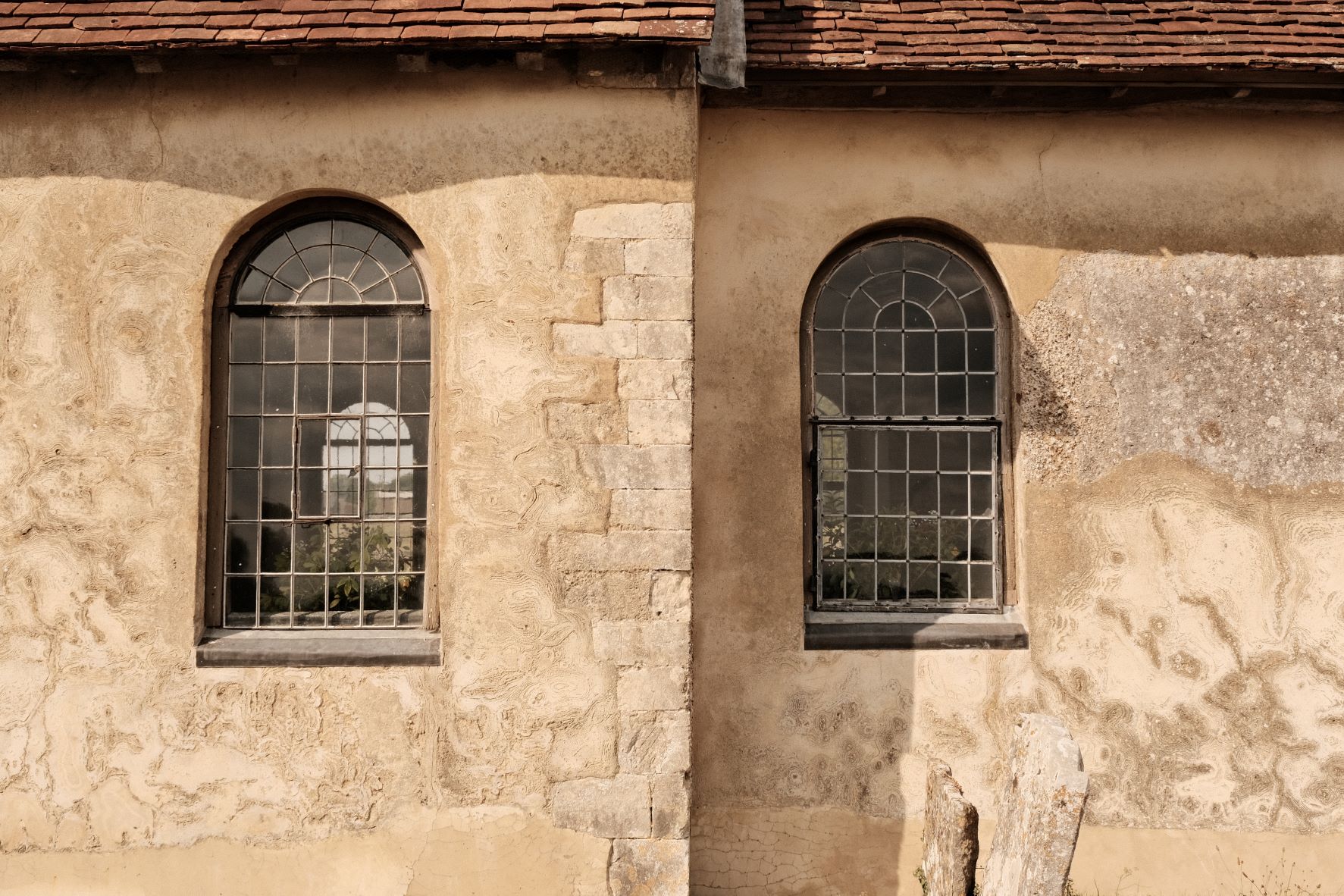
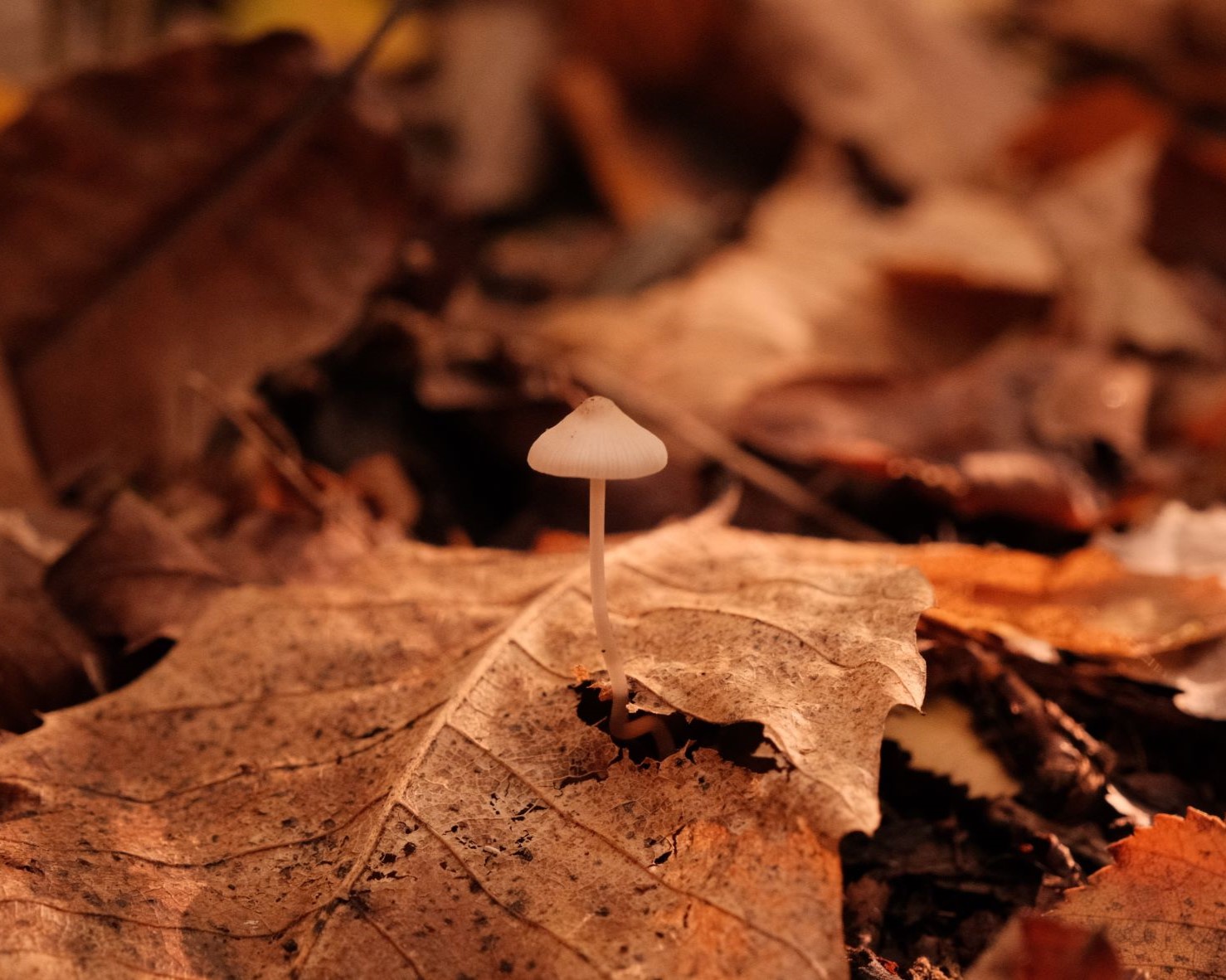
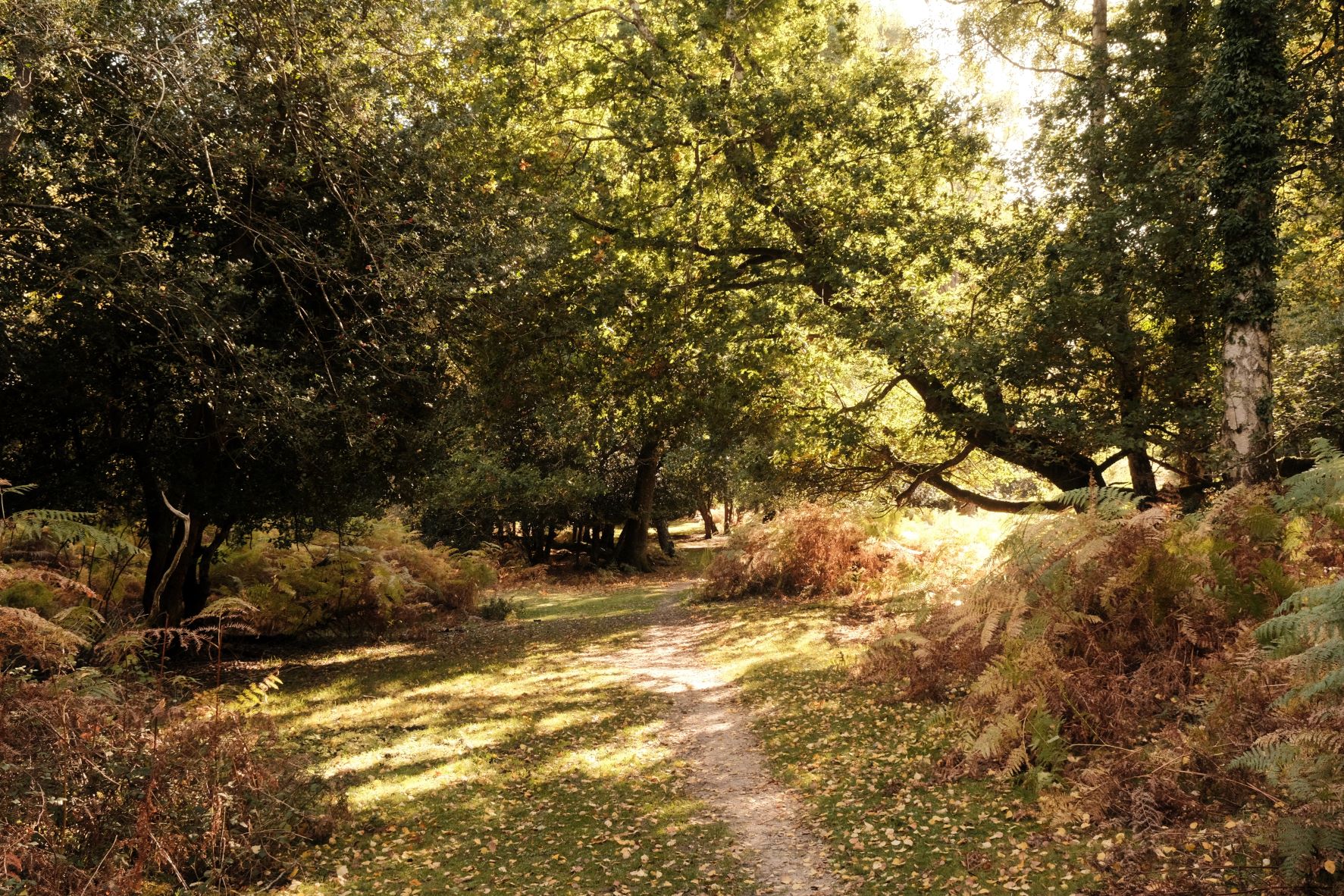
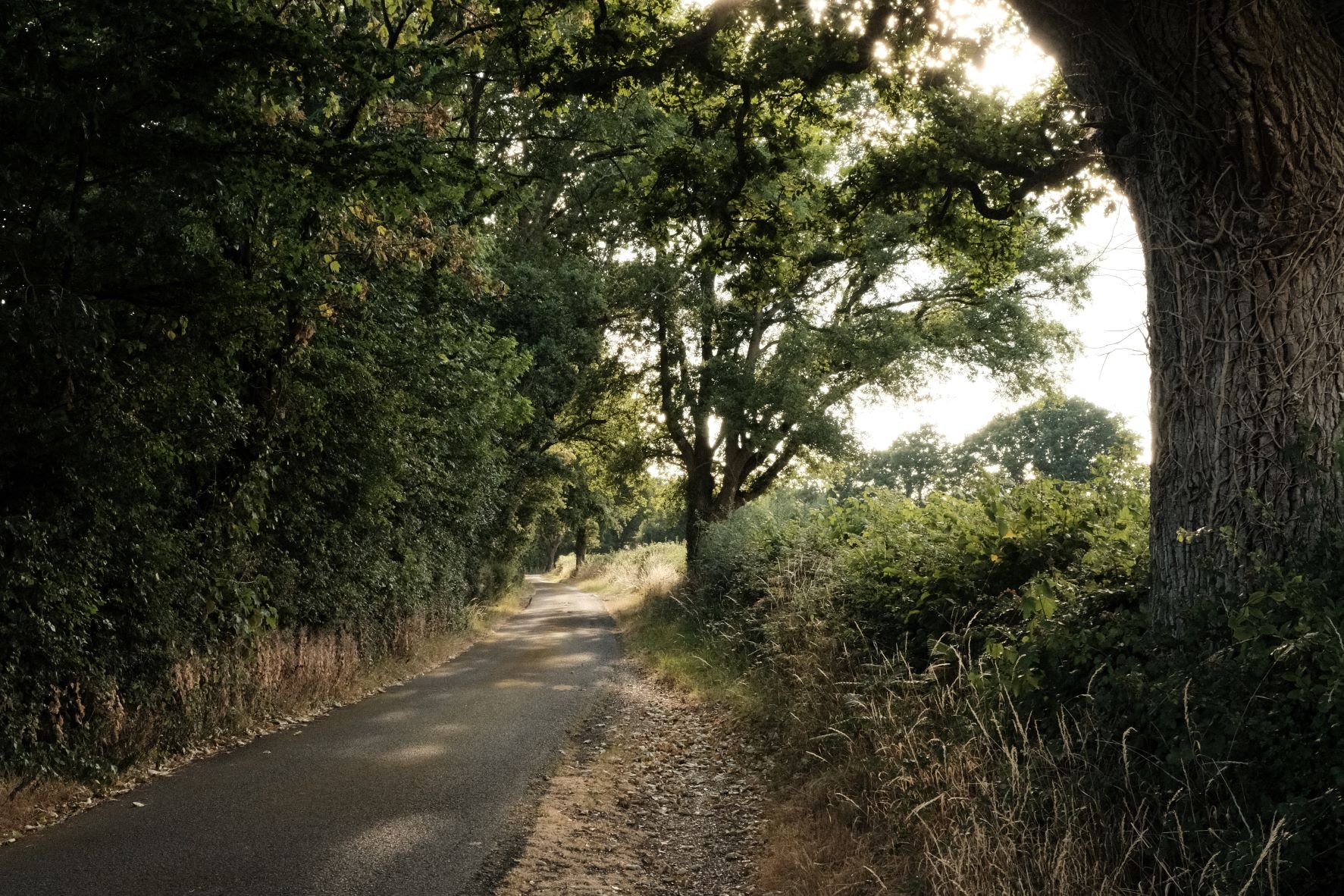
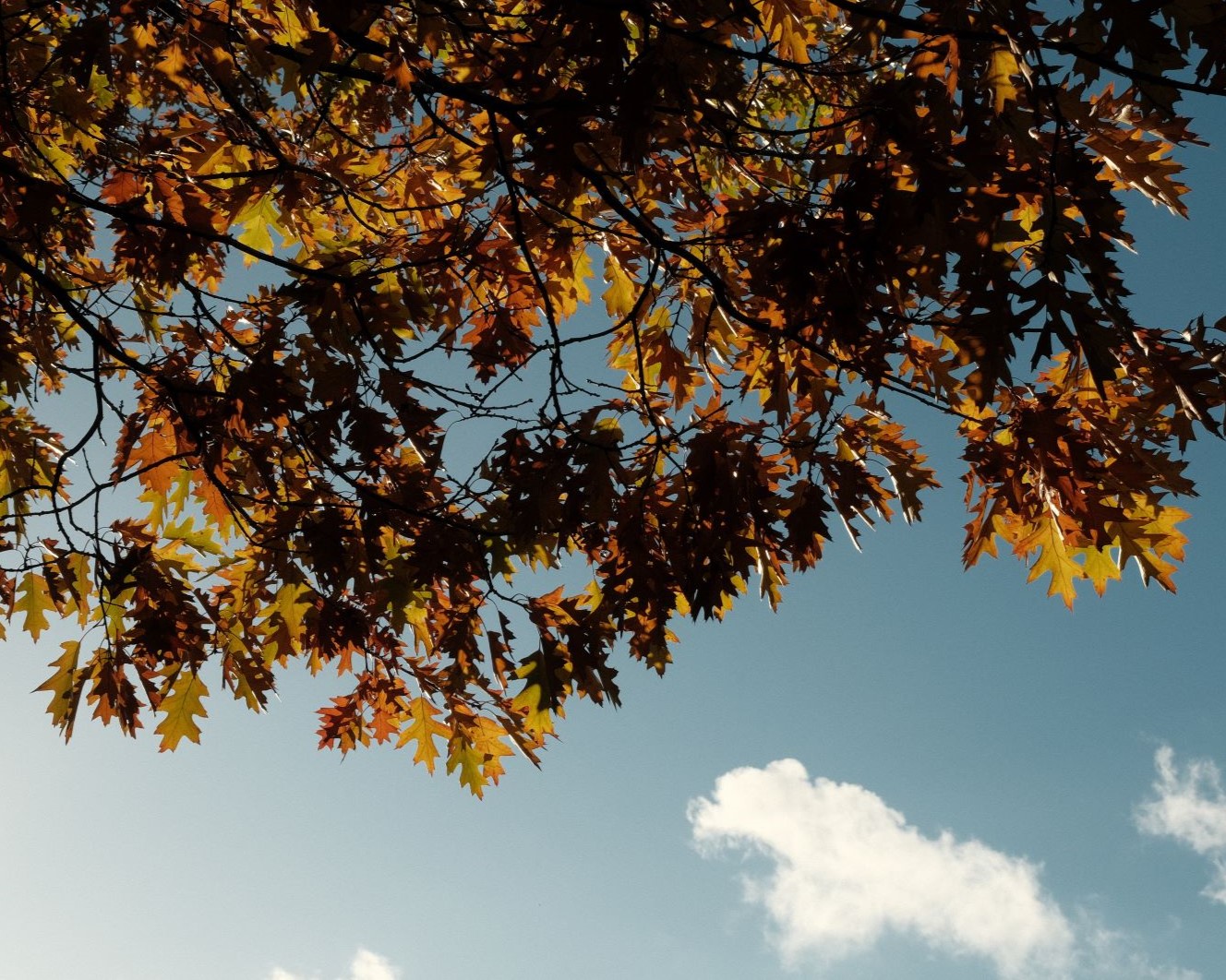
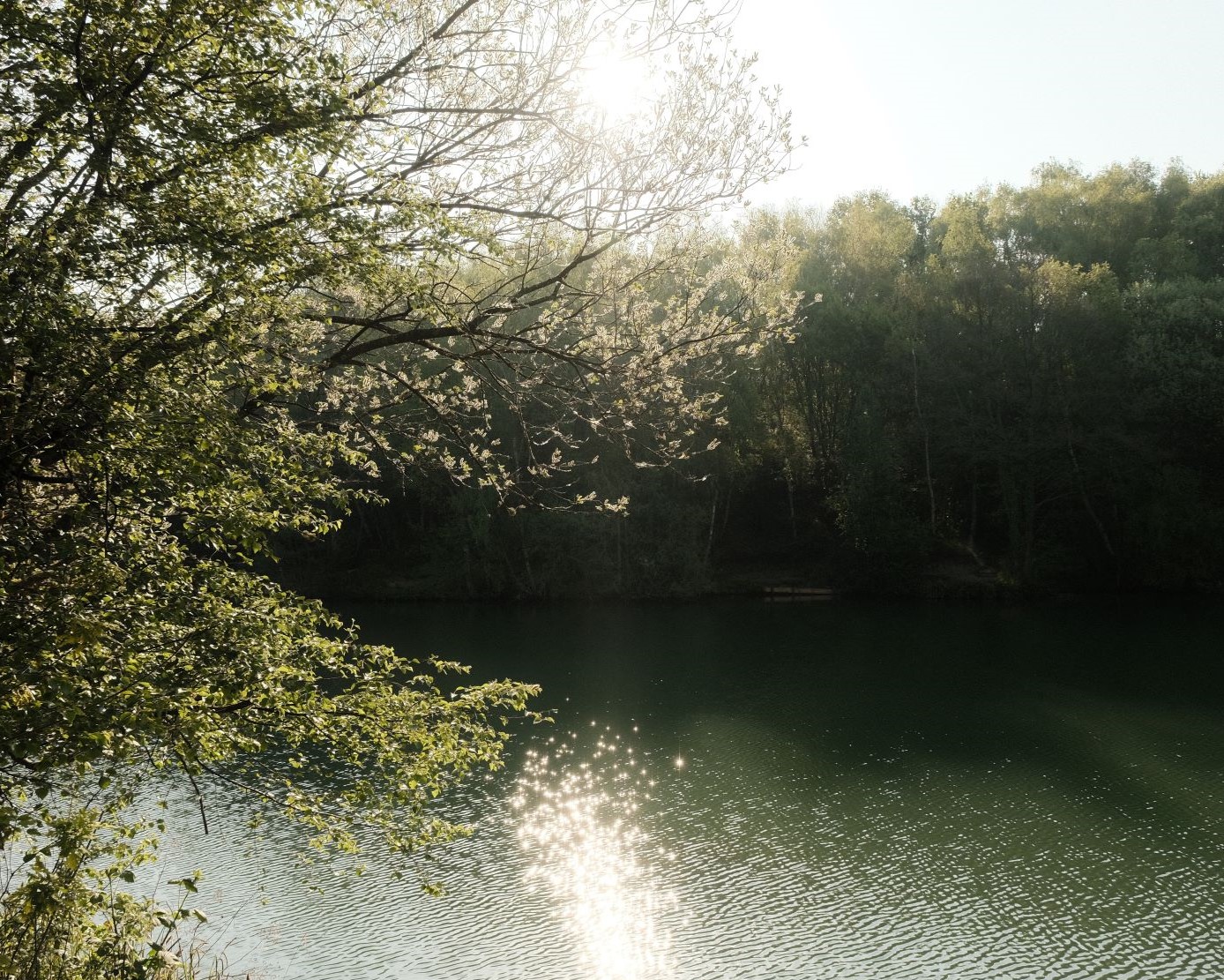
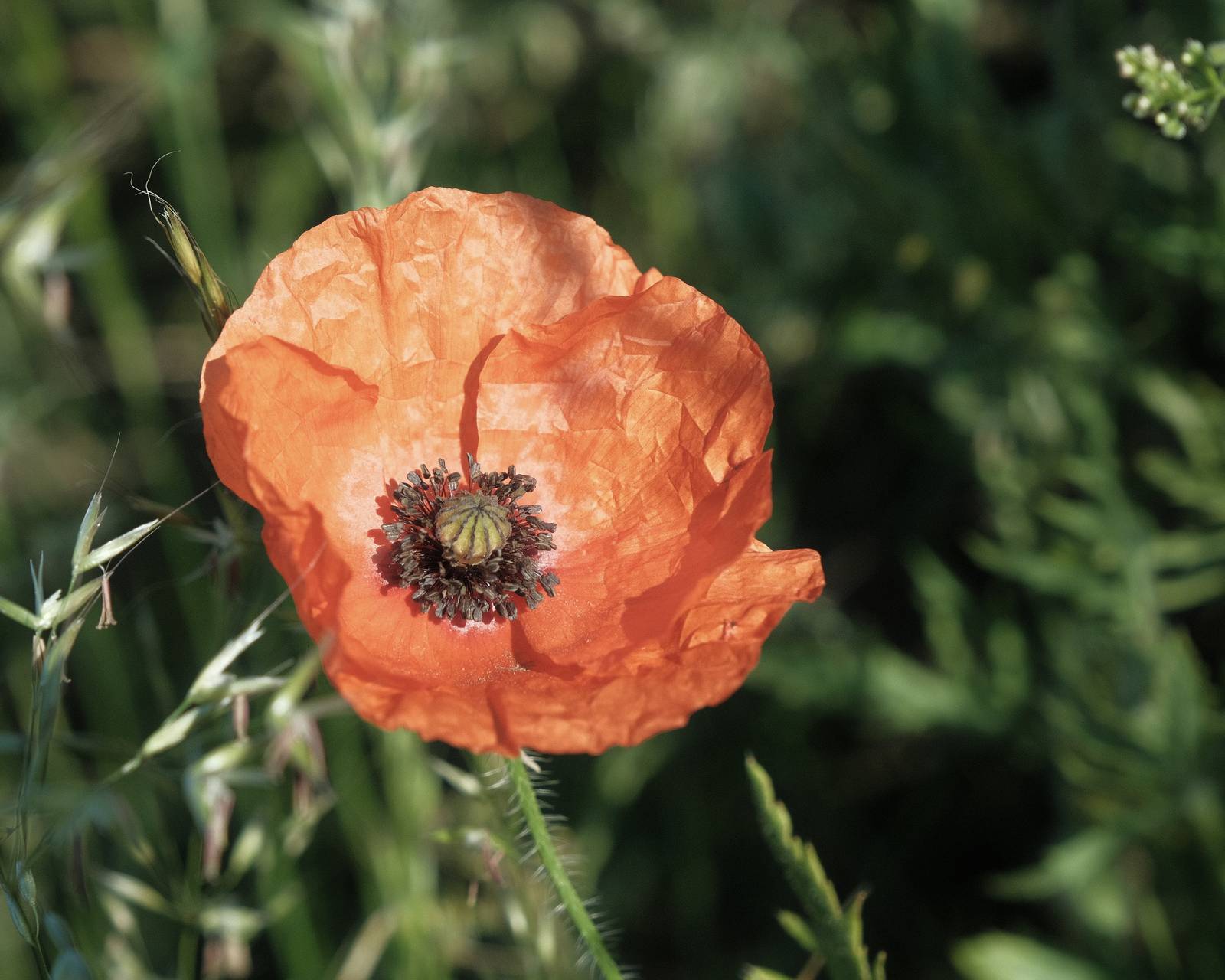
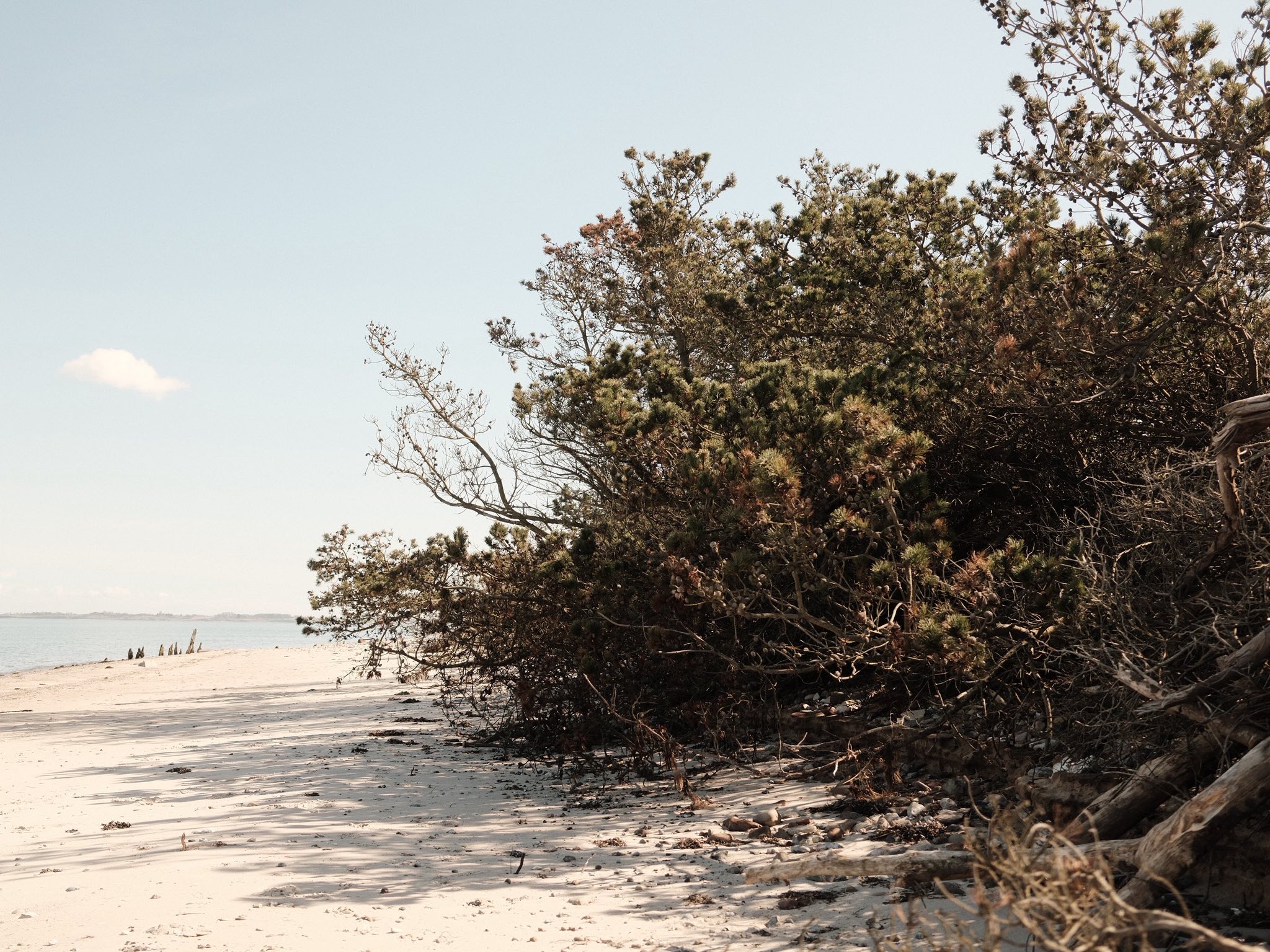
What if Kodak had a black and white film as part of the Kodachrome family?
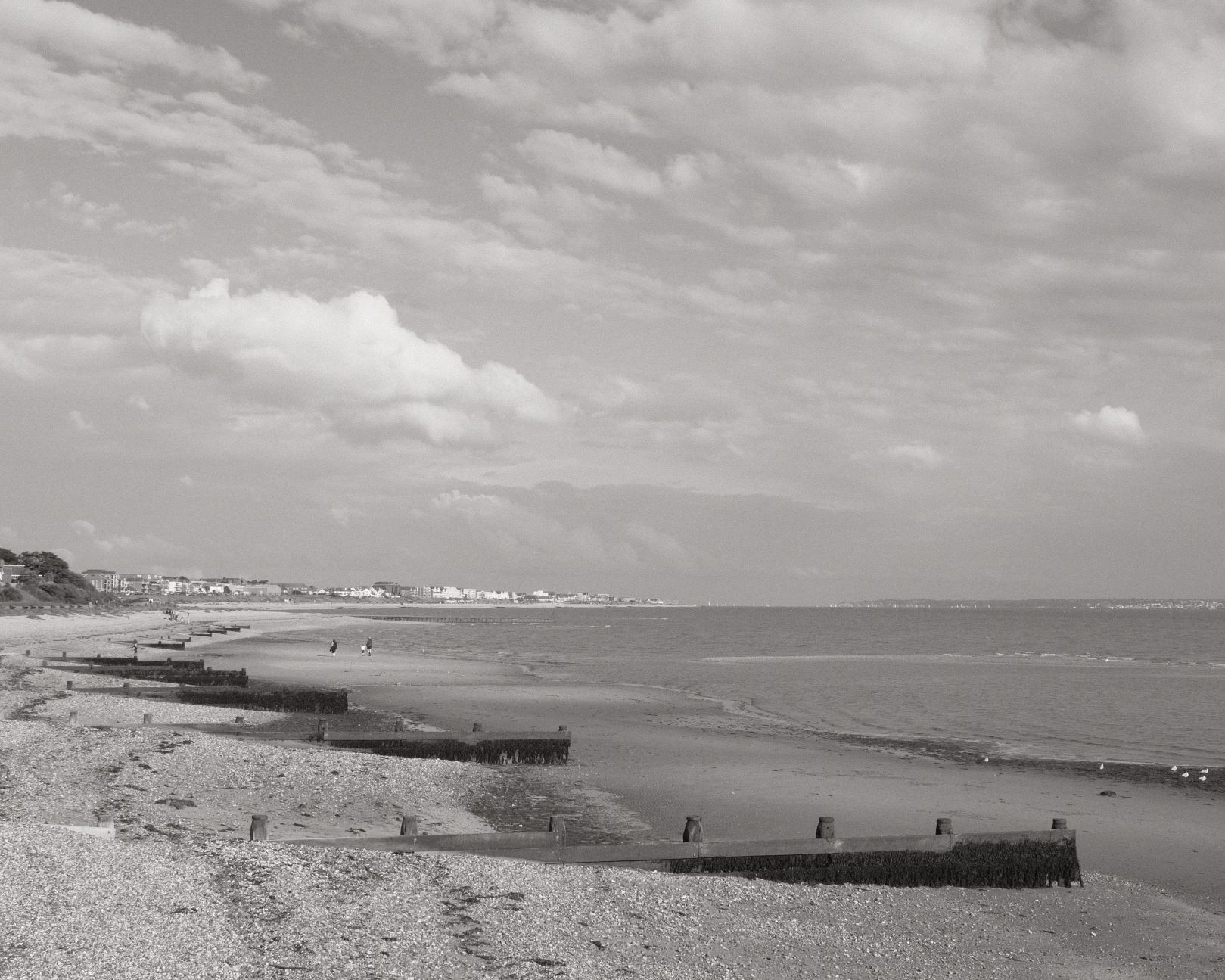
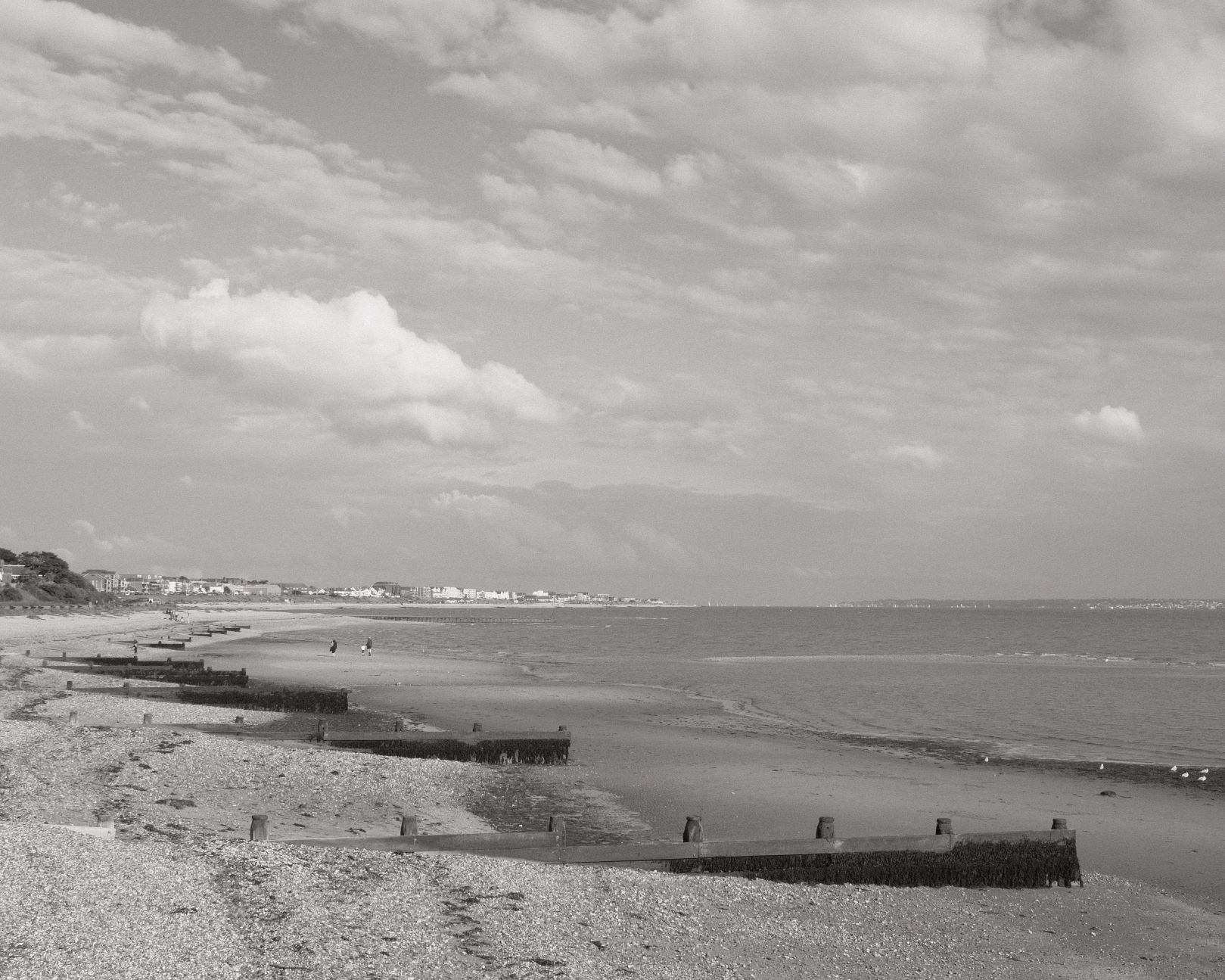
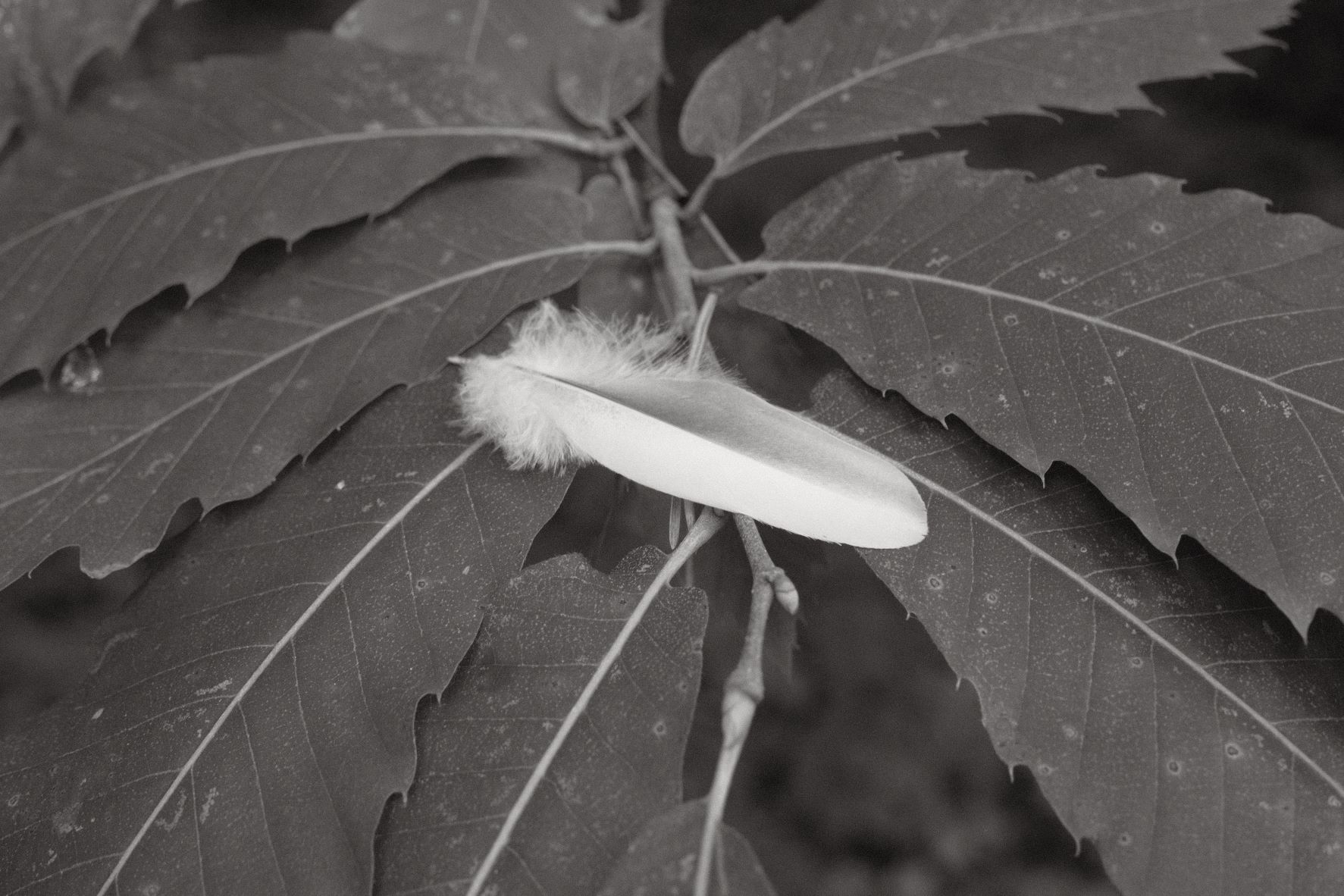
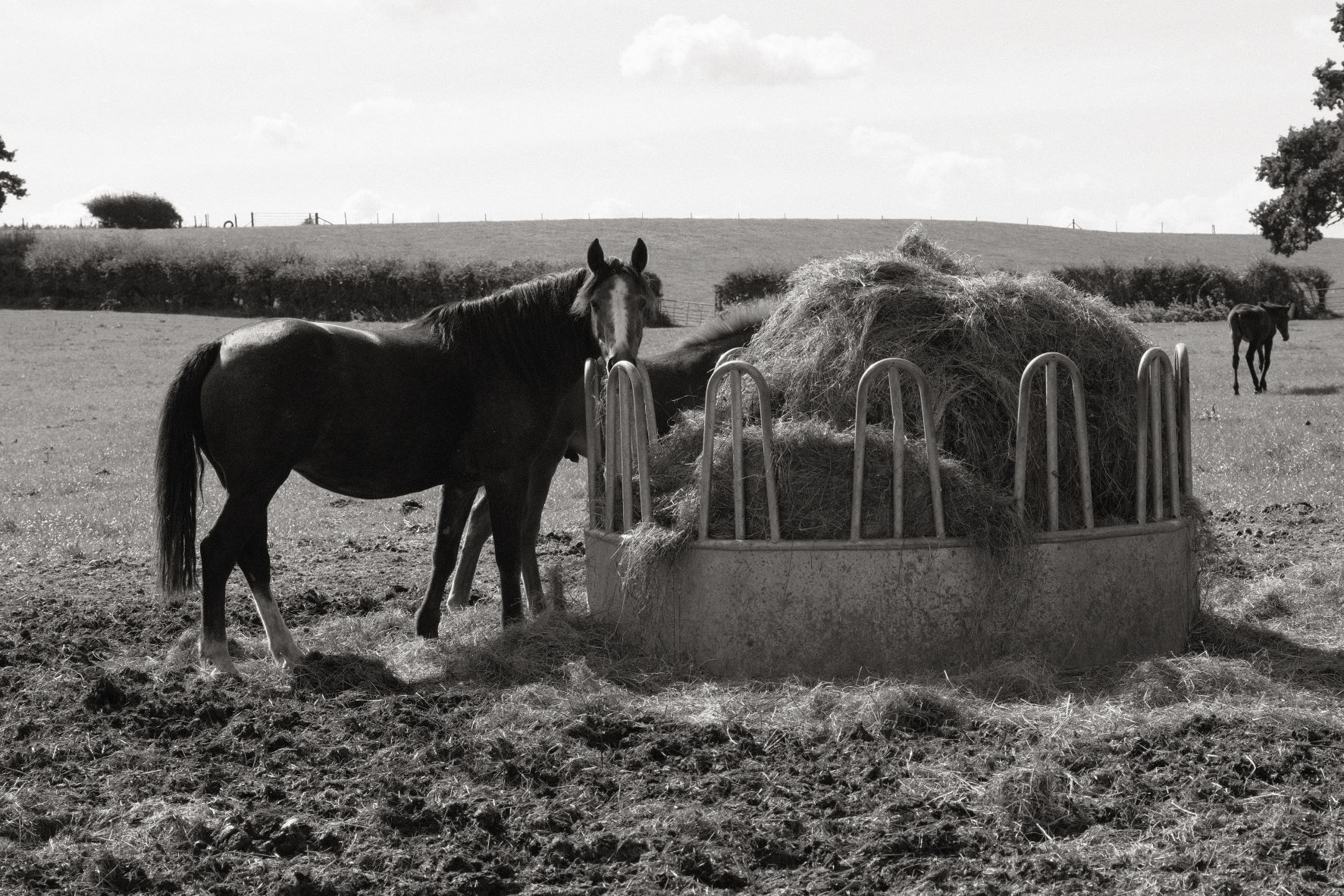
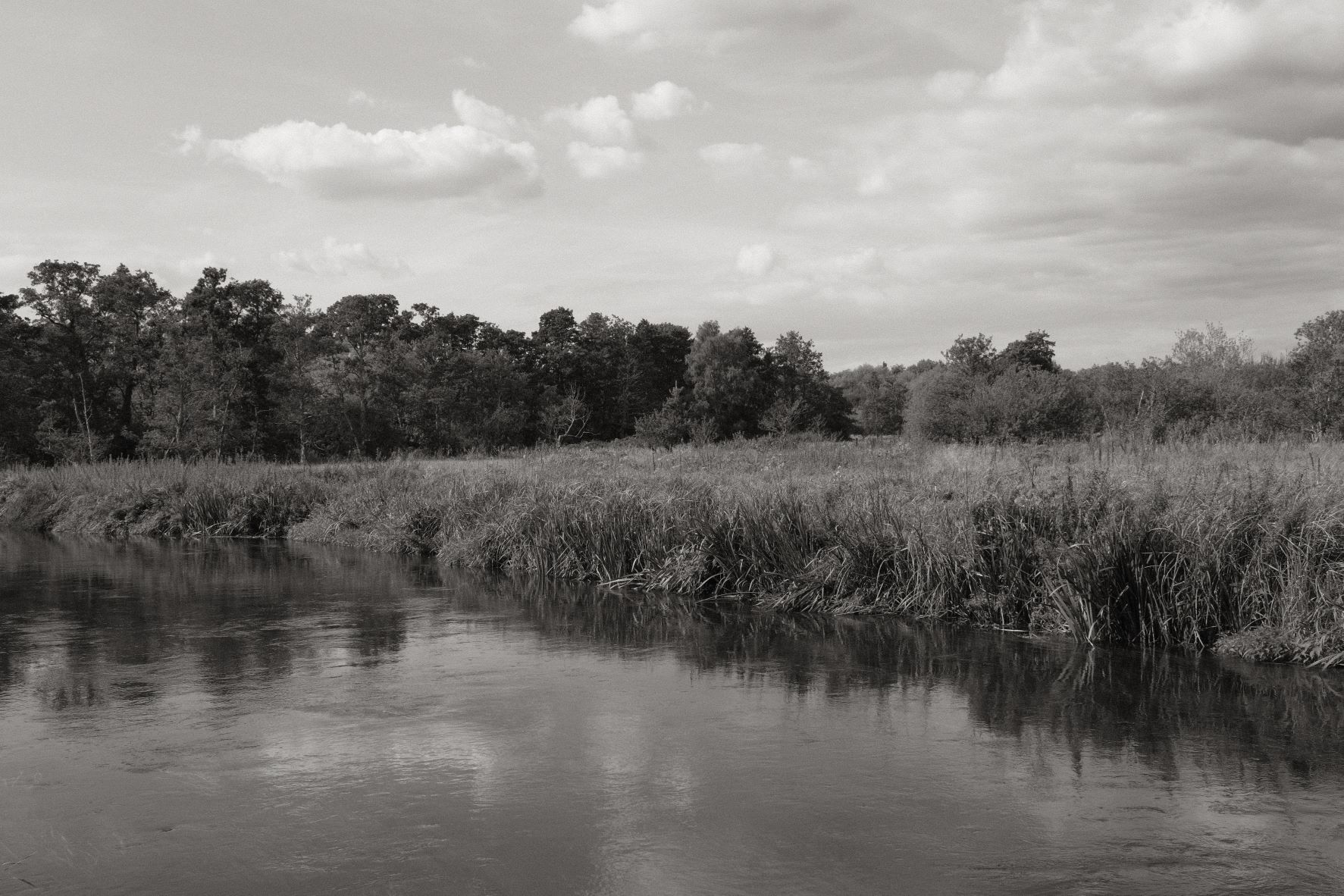
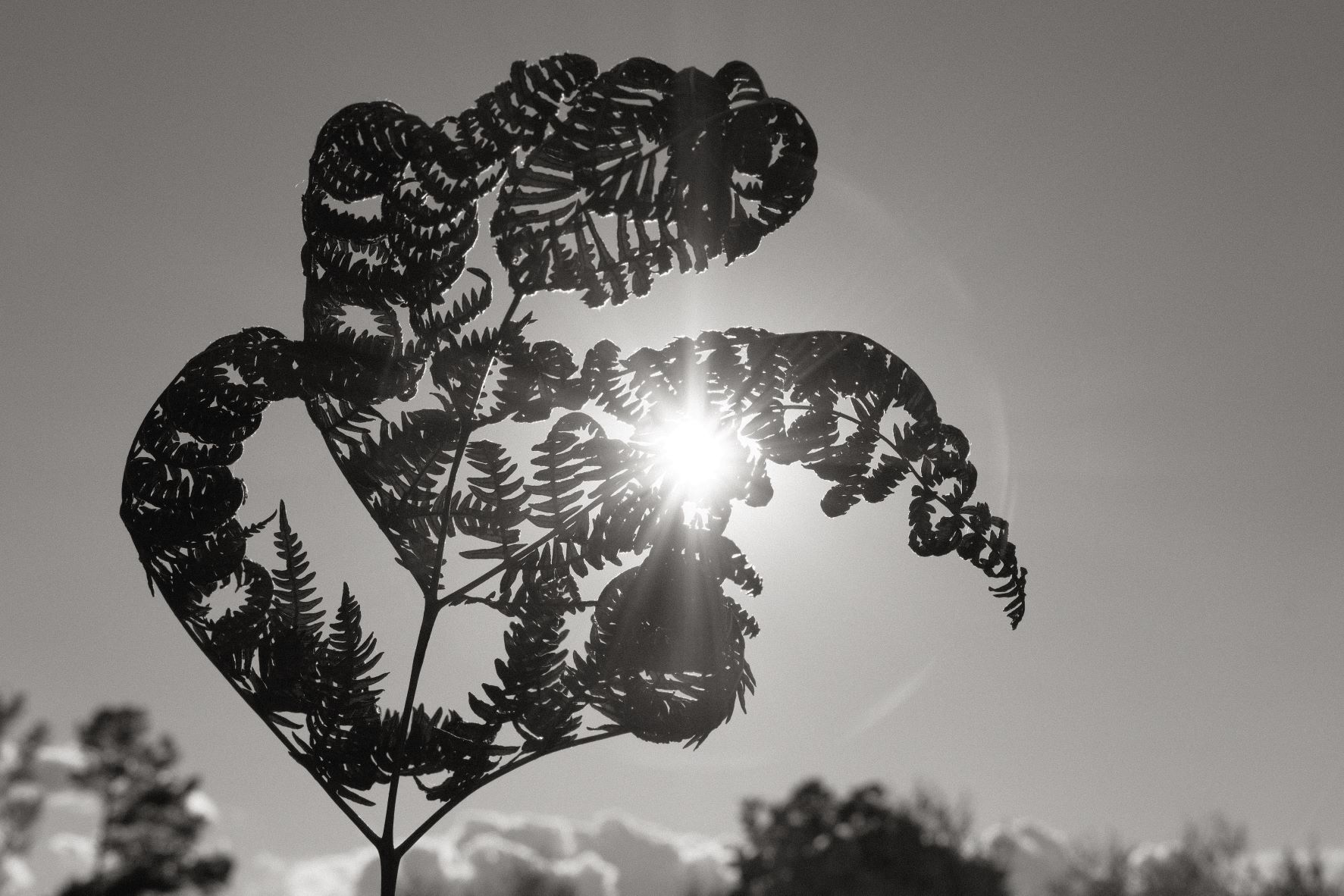
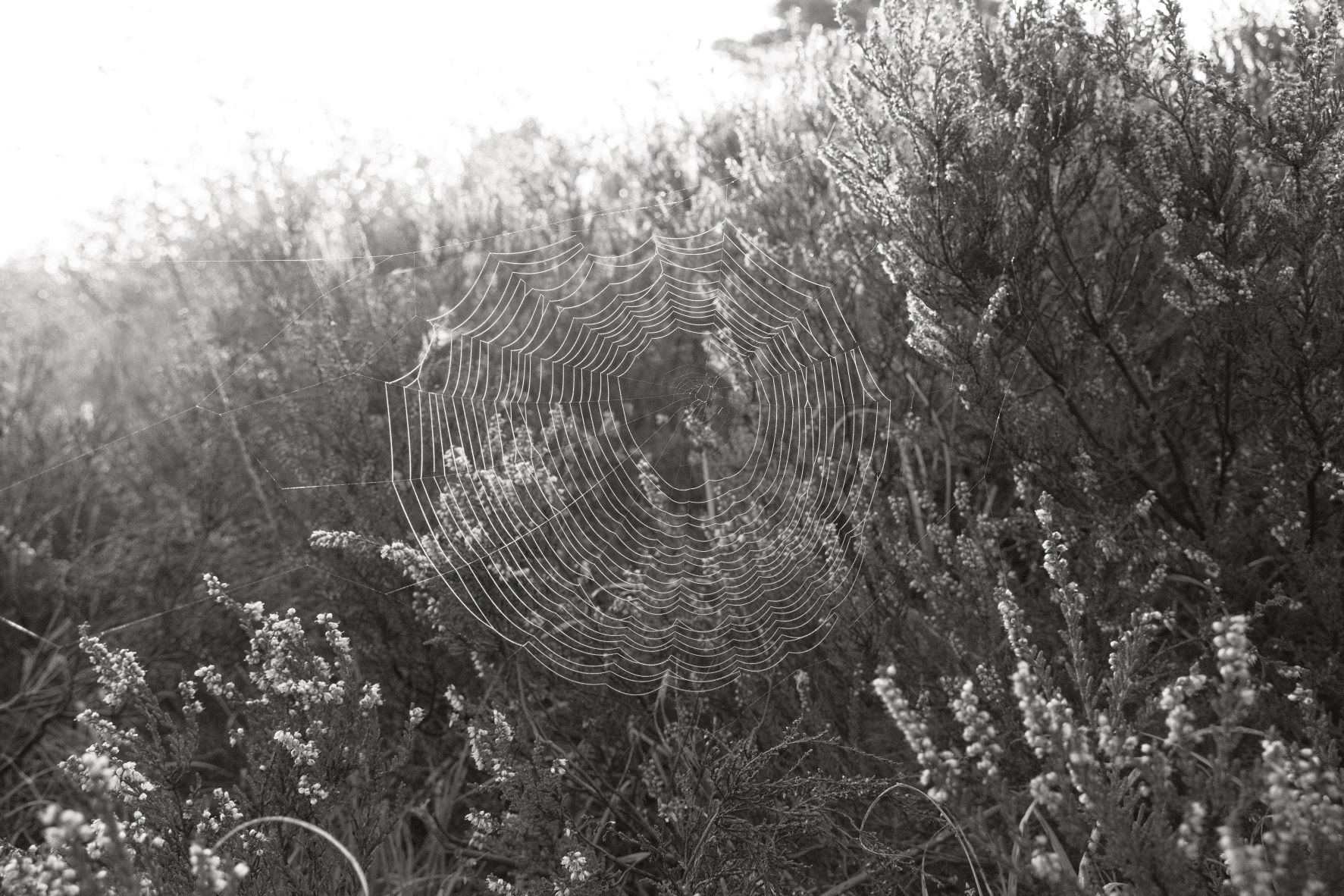
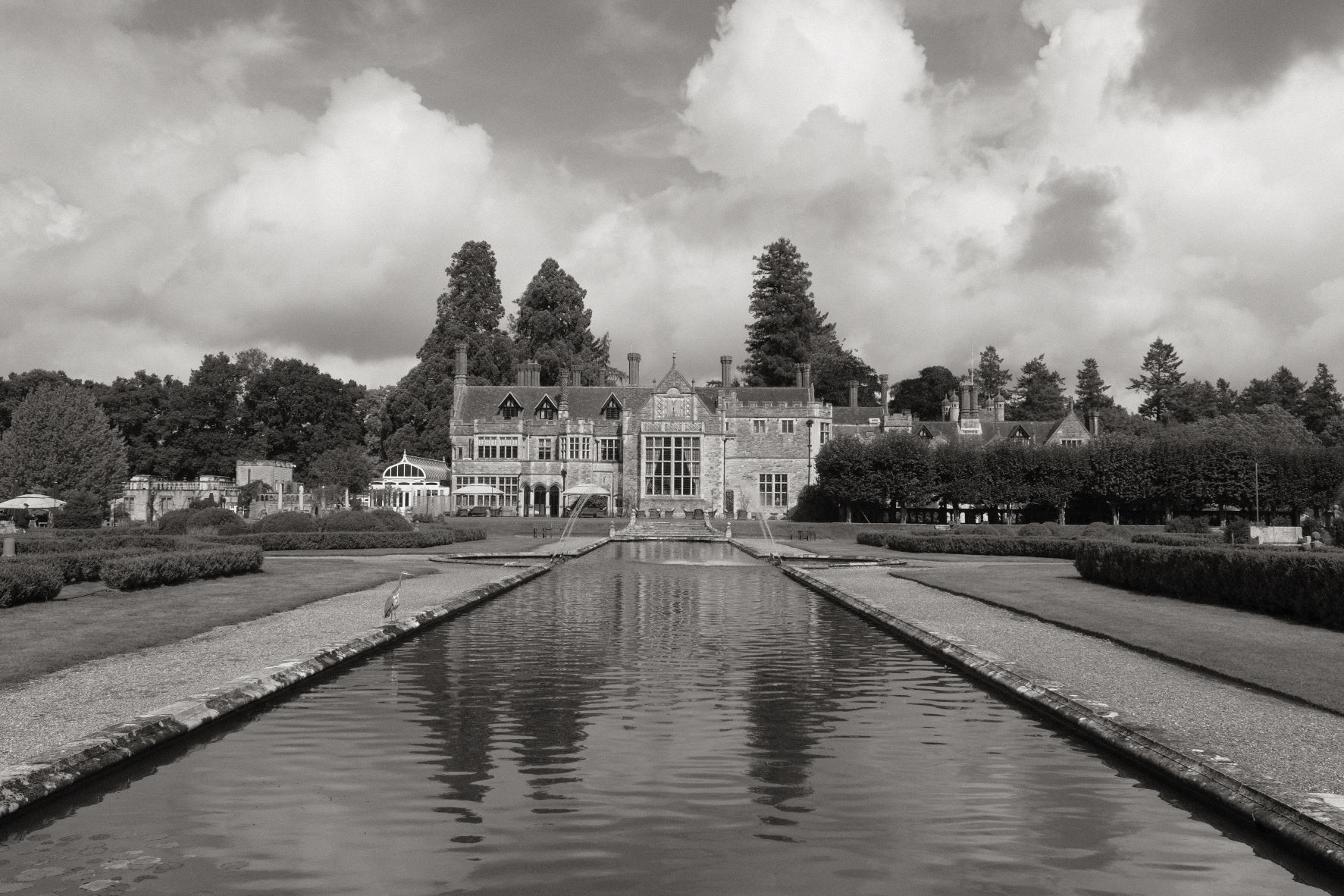
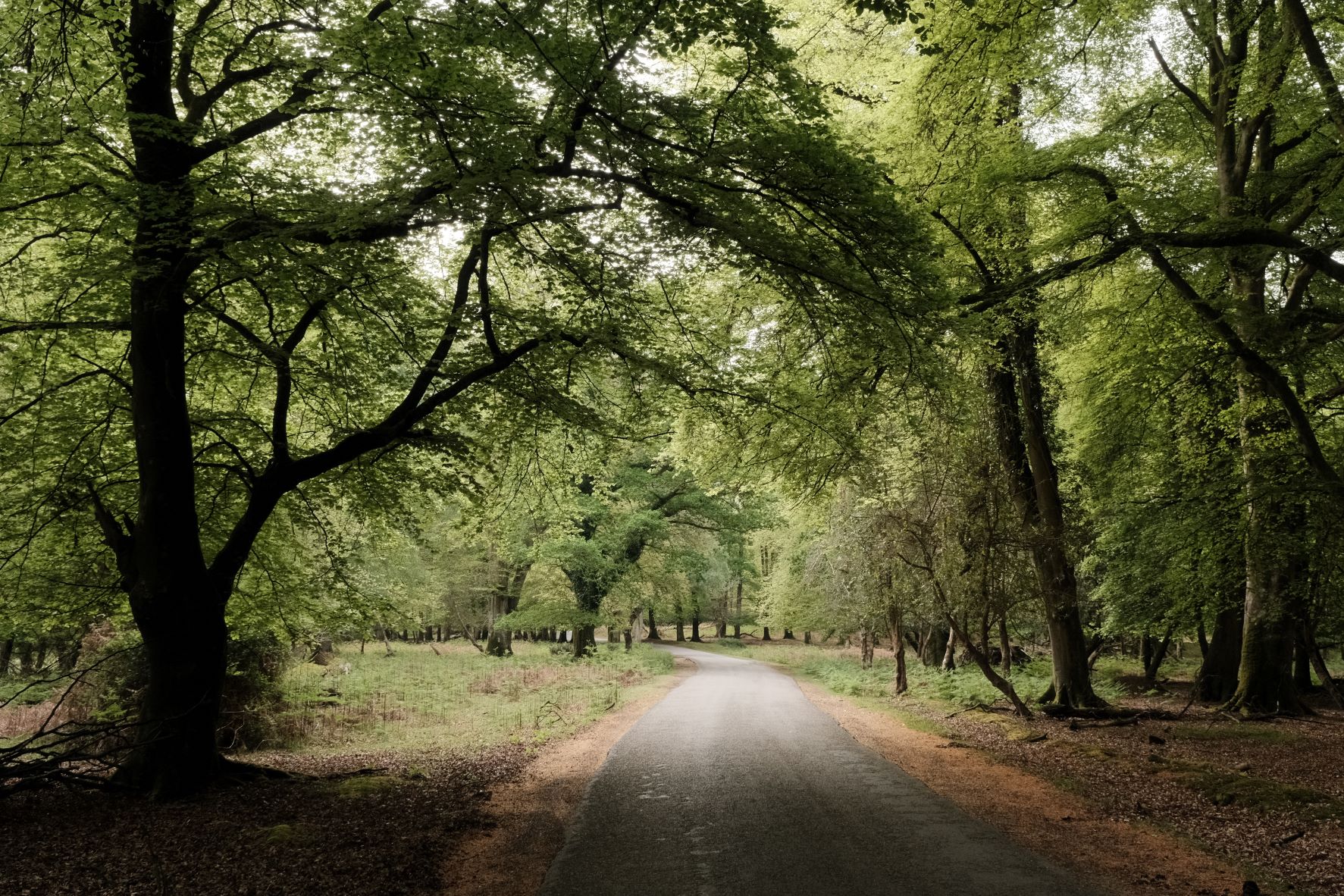
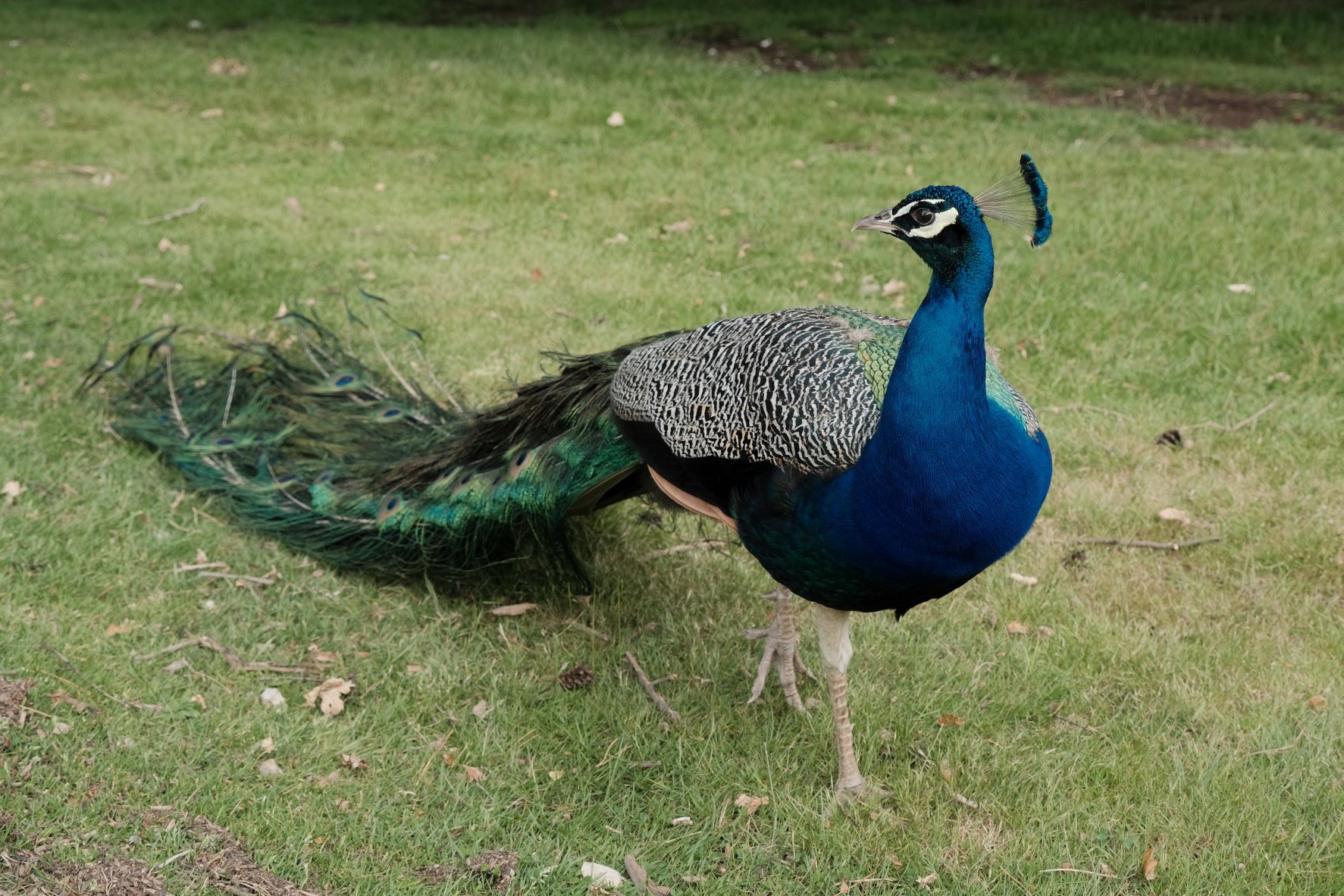
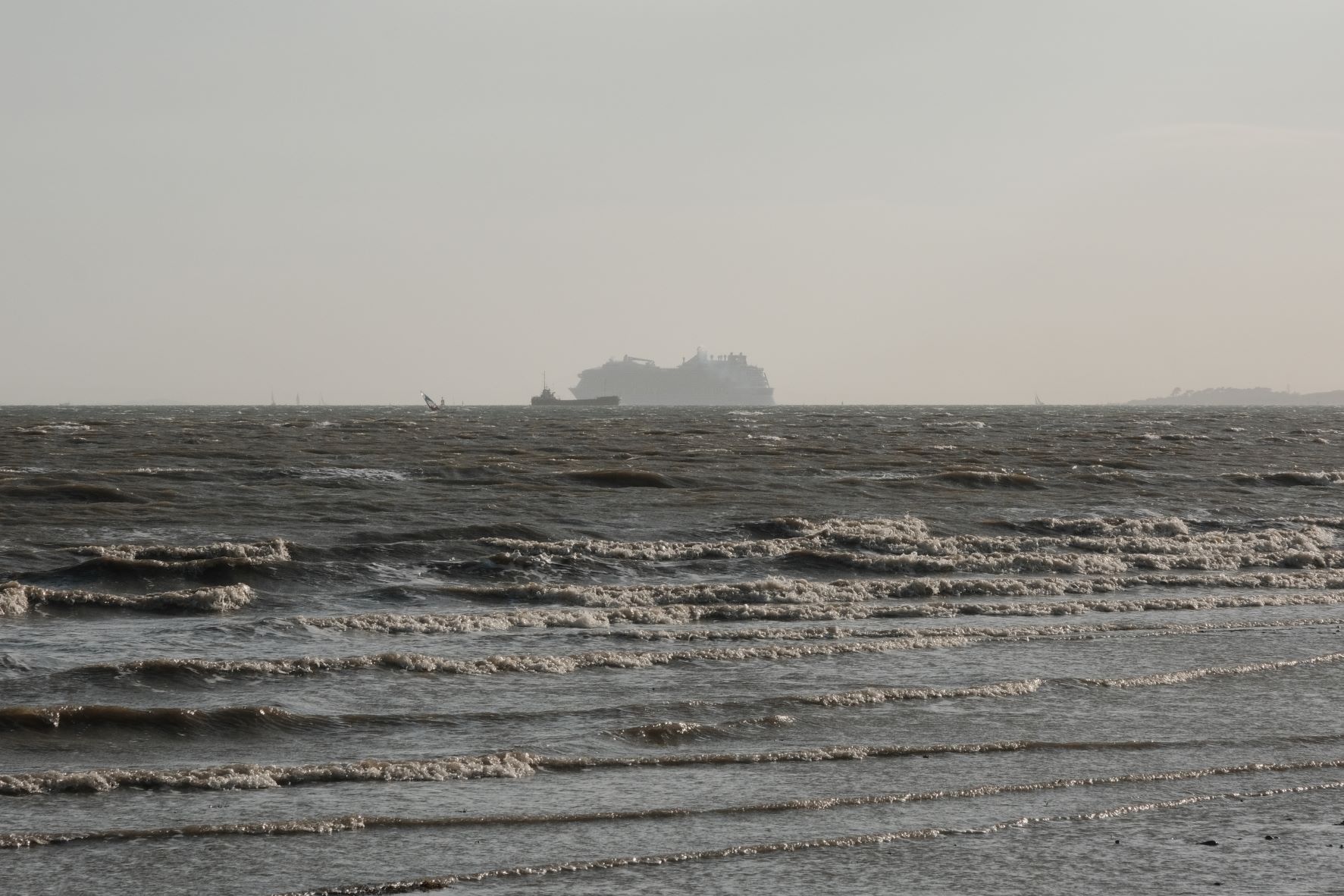
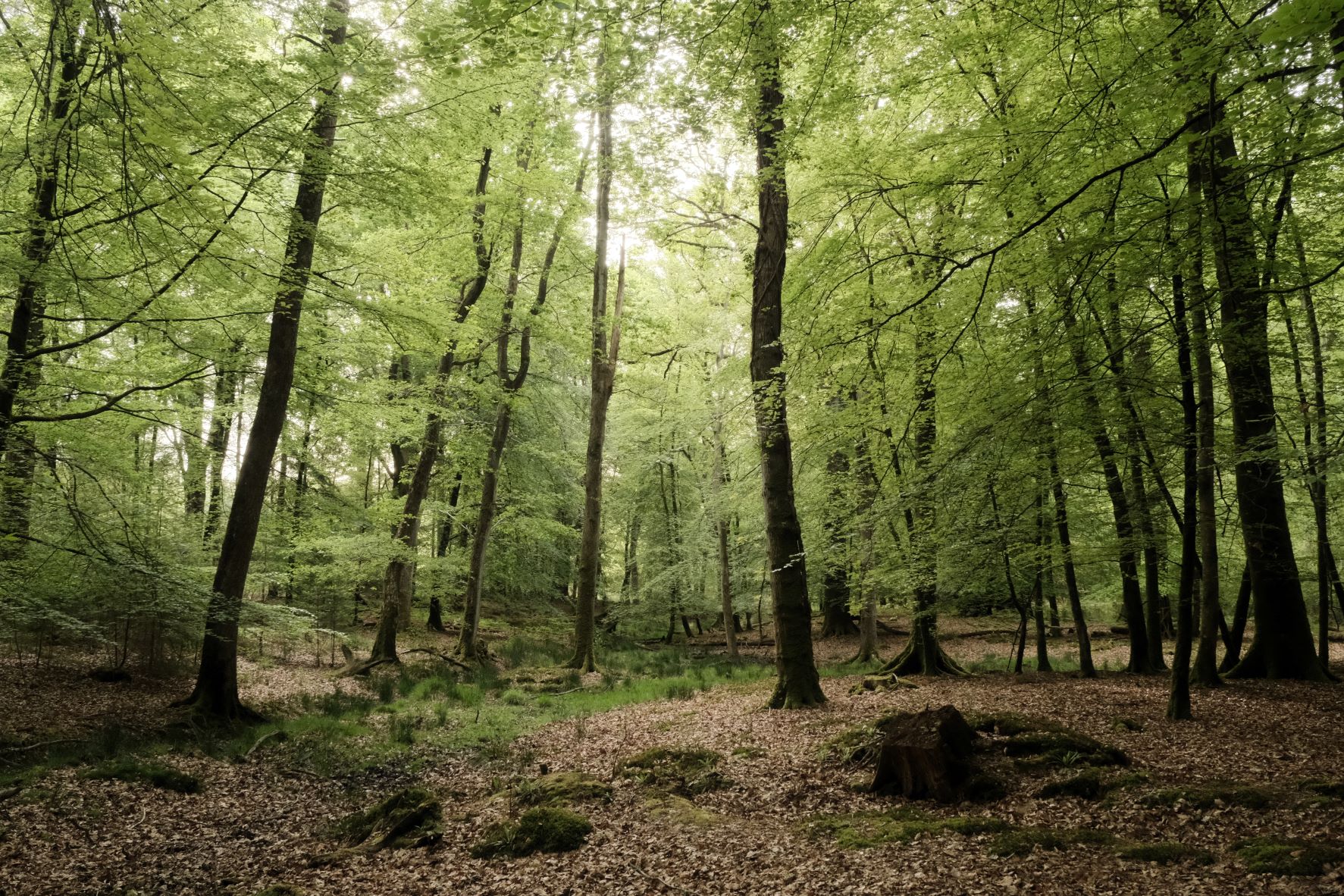
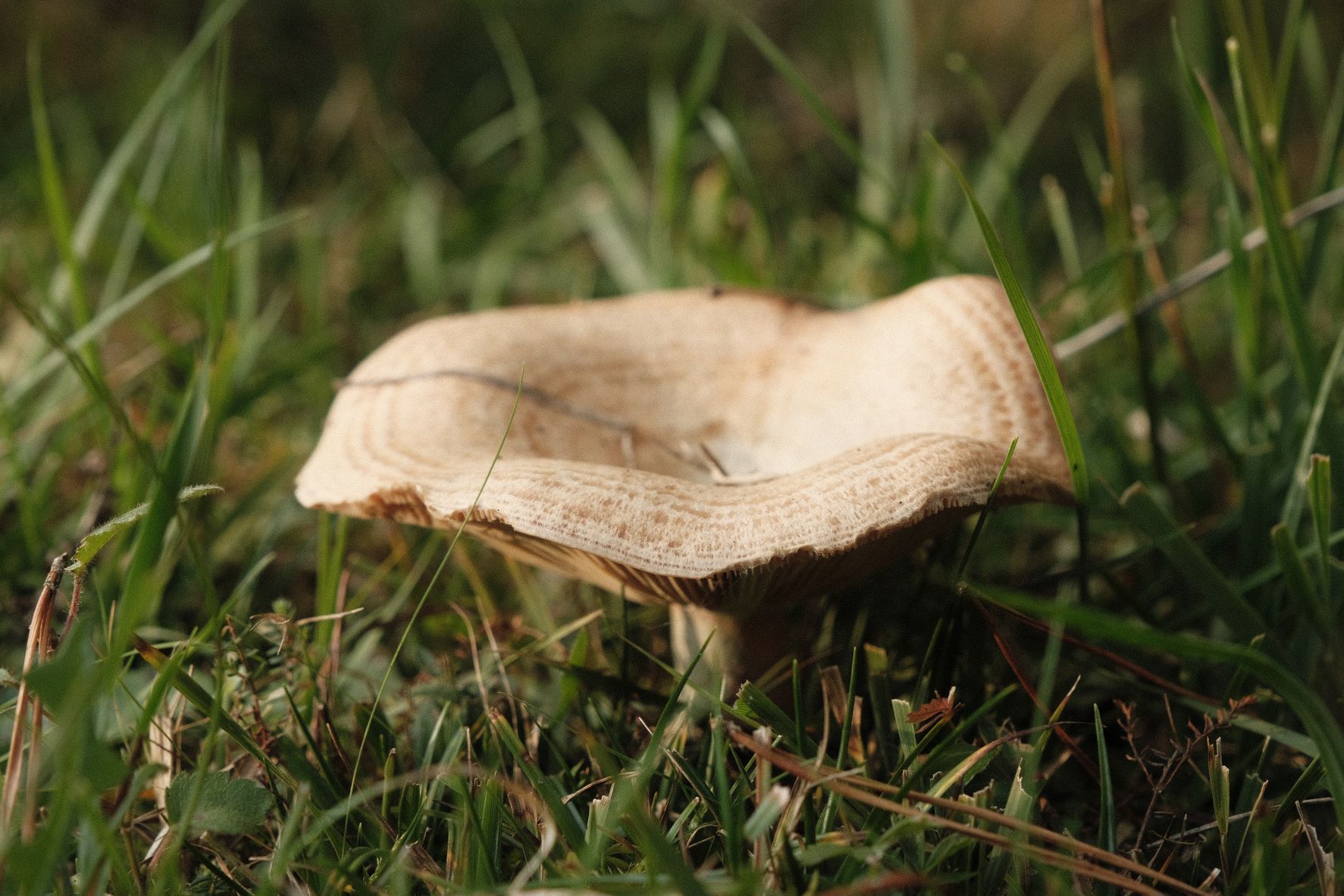
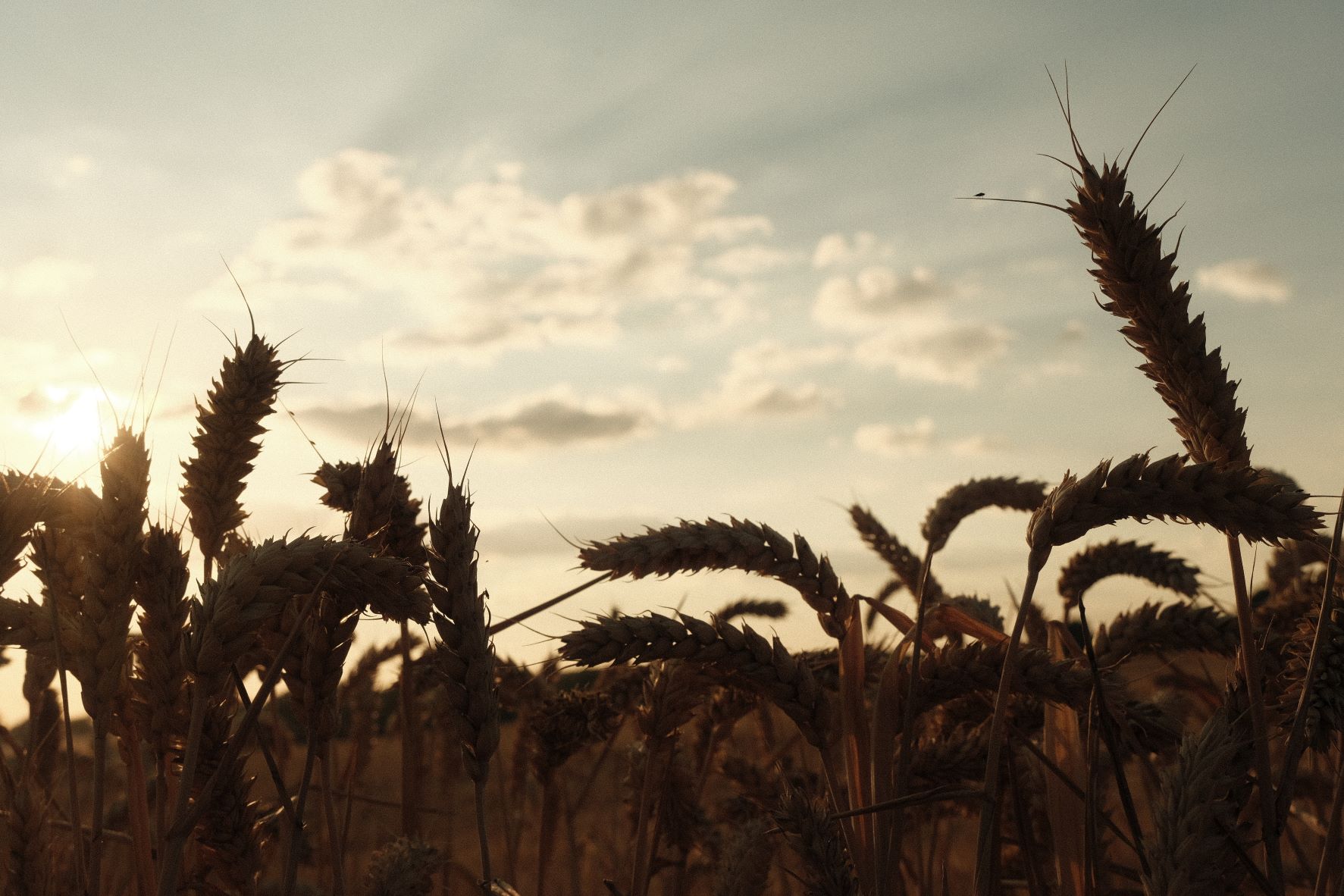
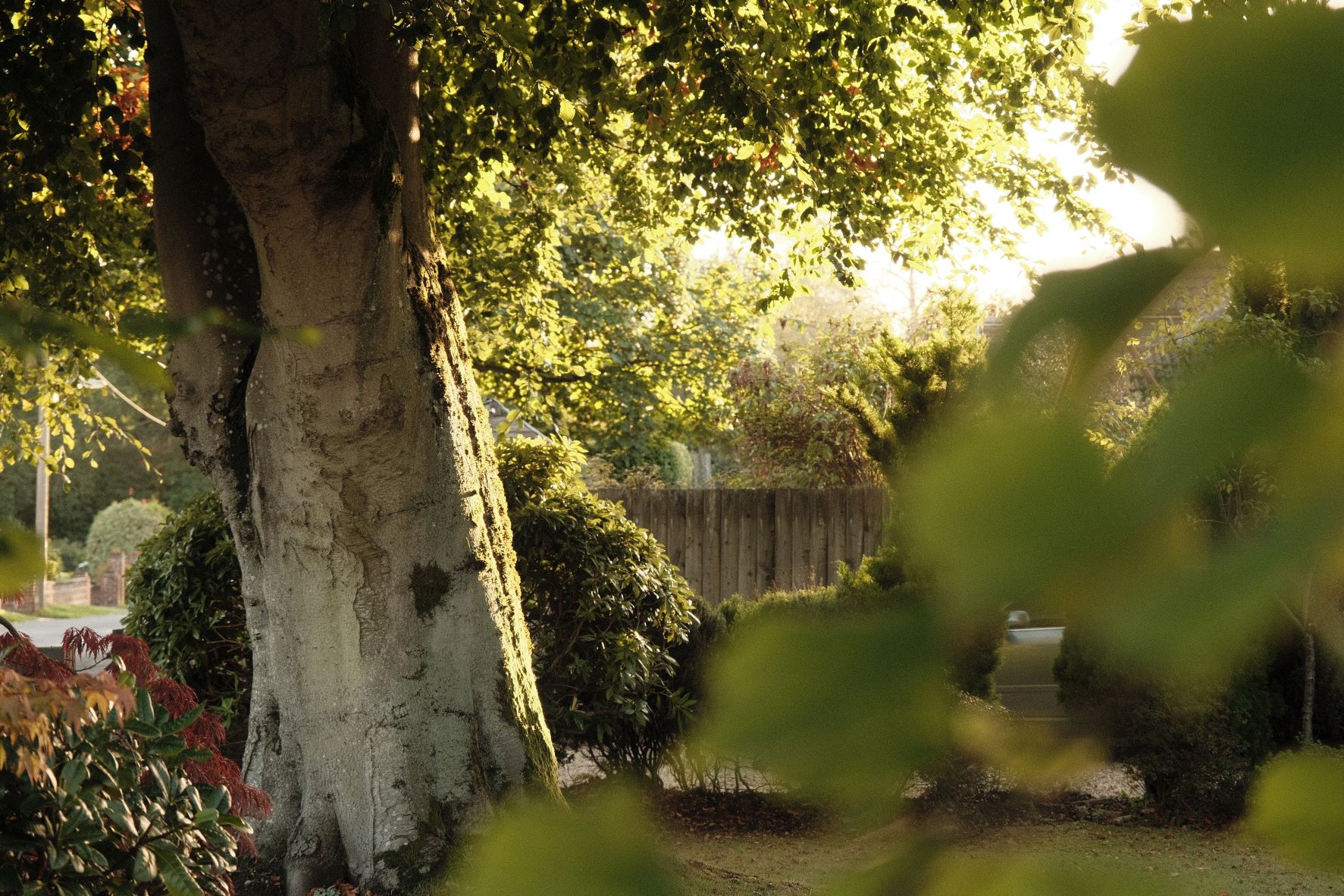
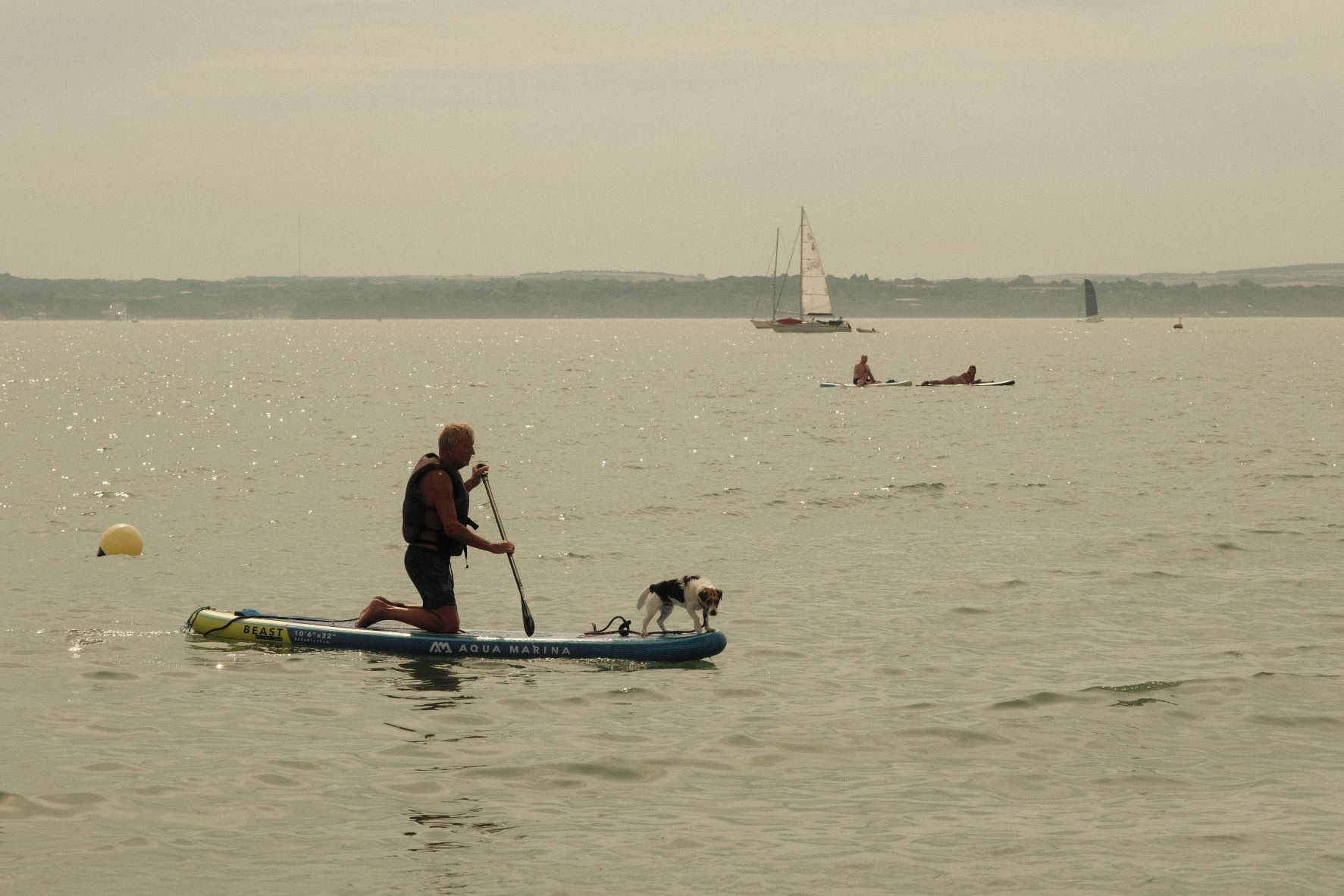
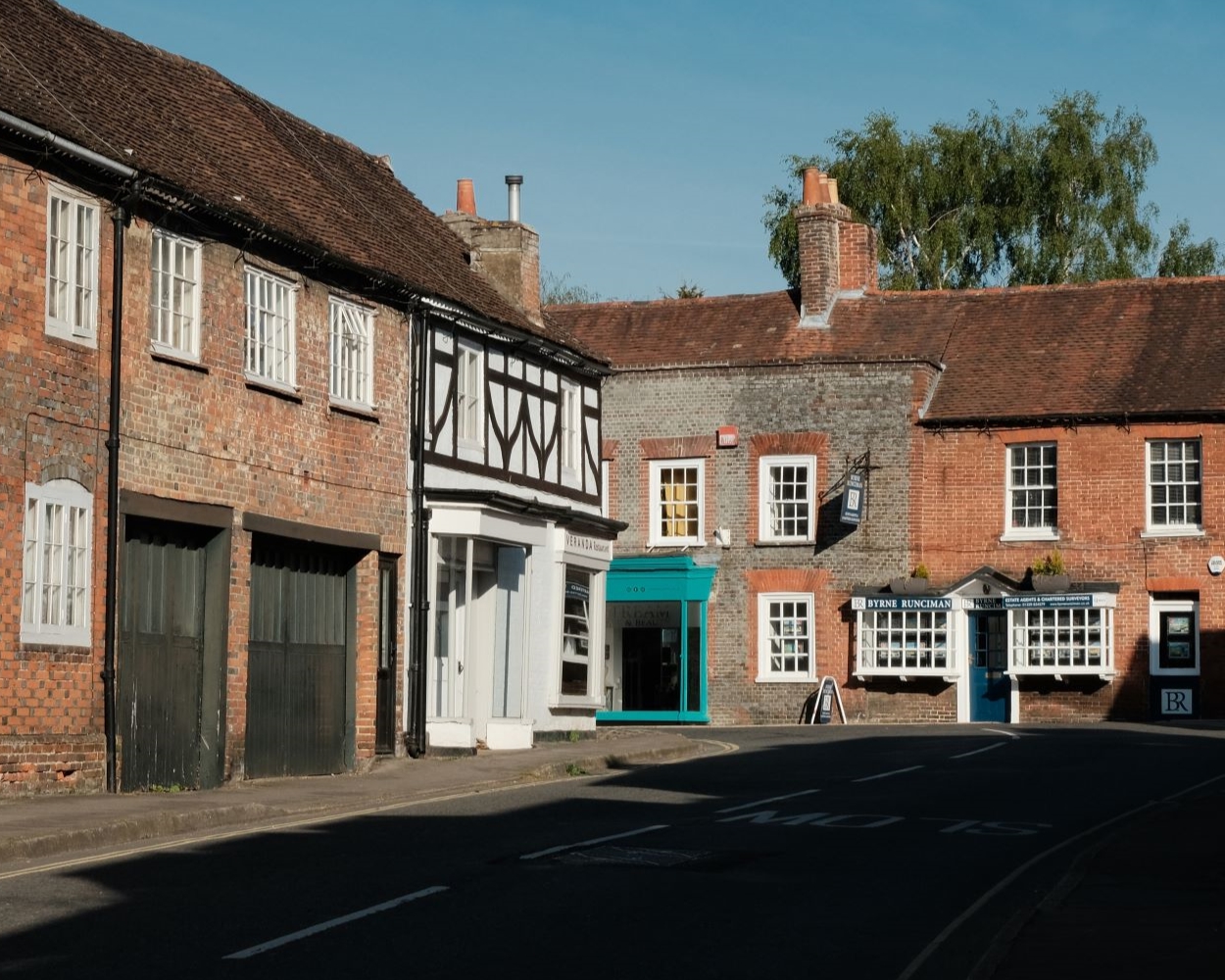
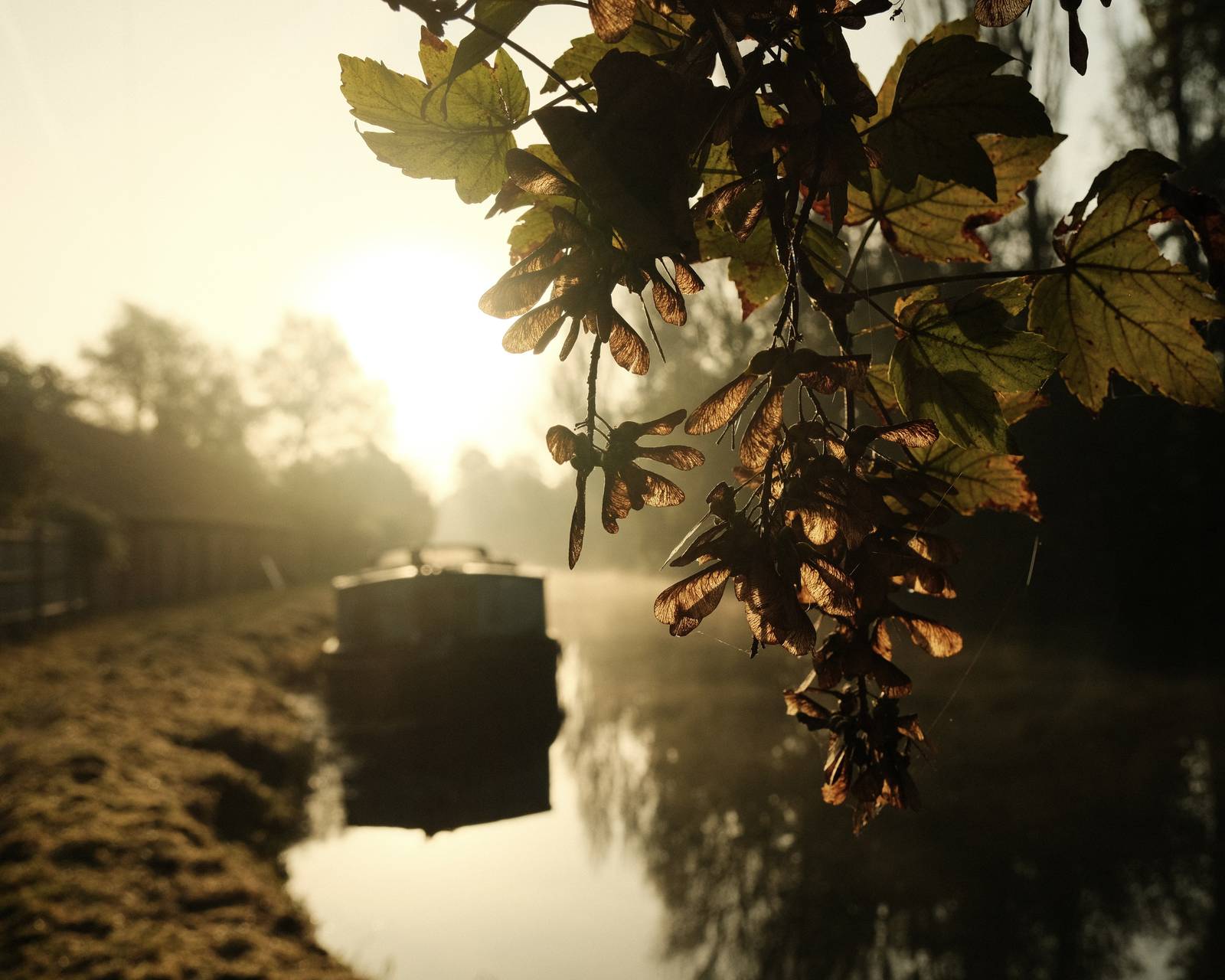
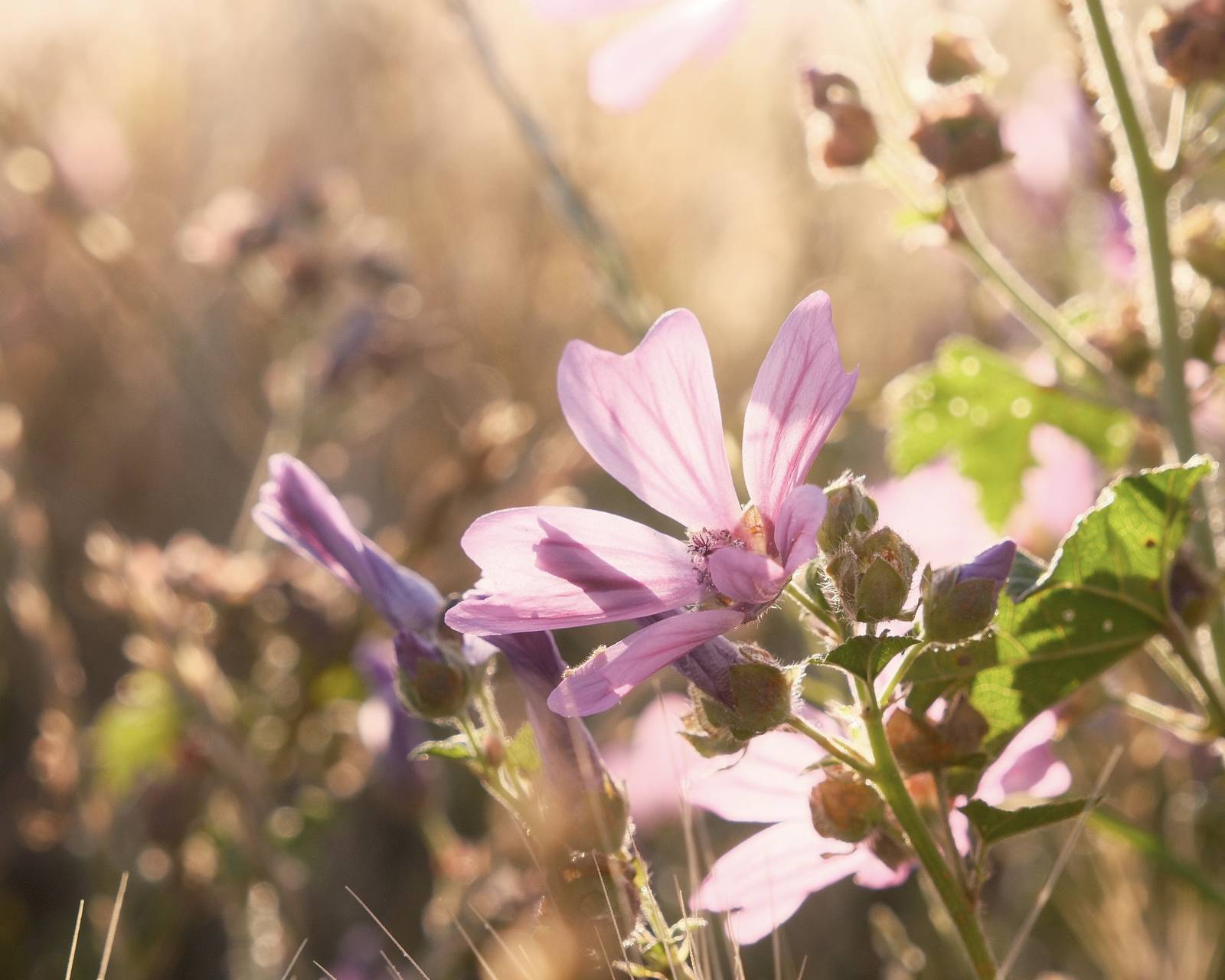
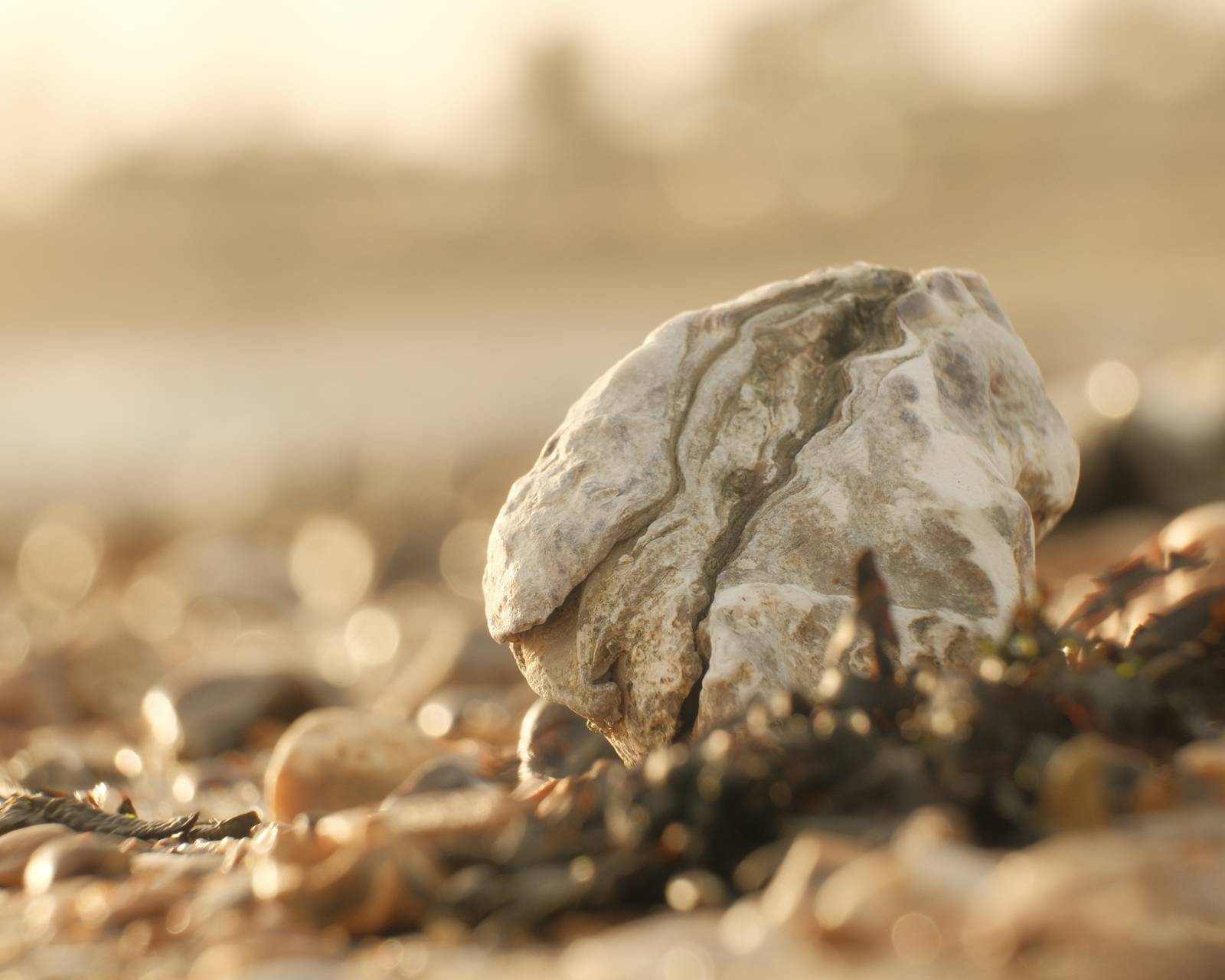
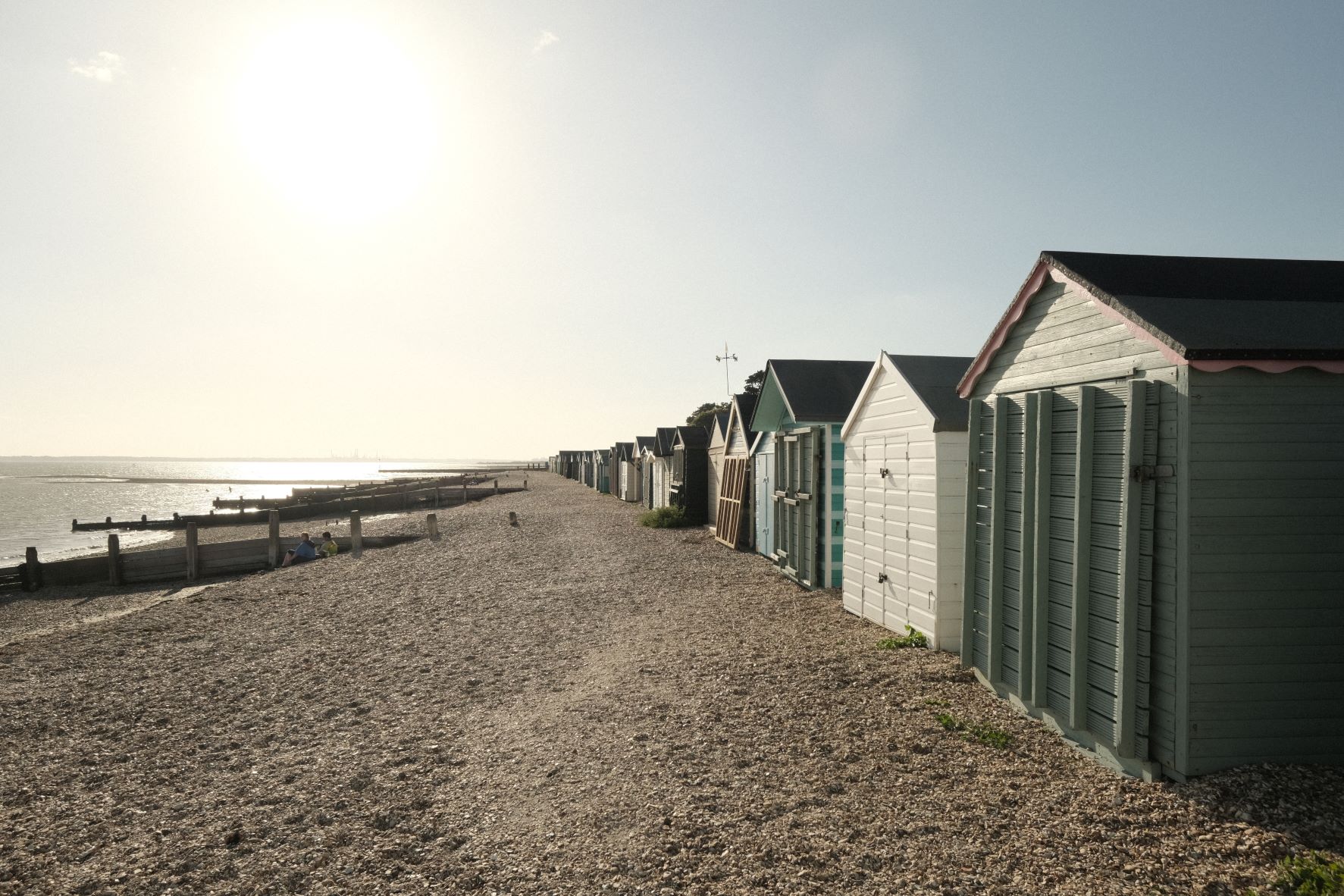
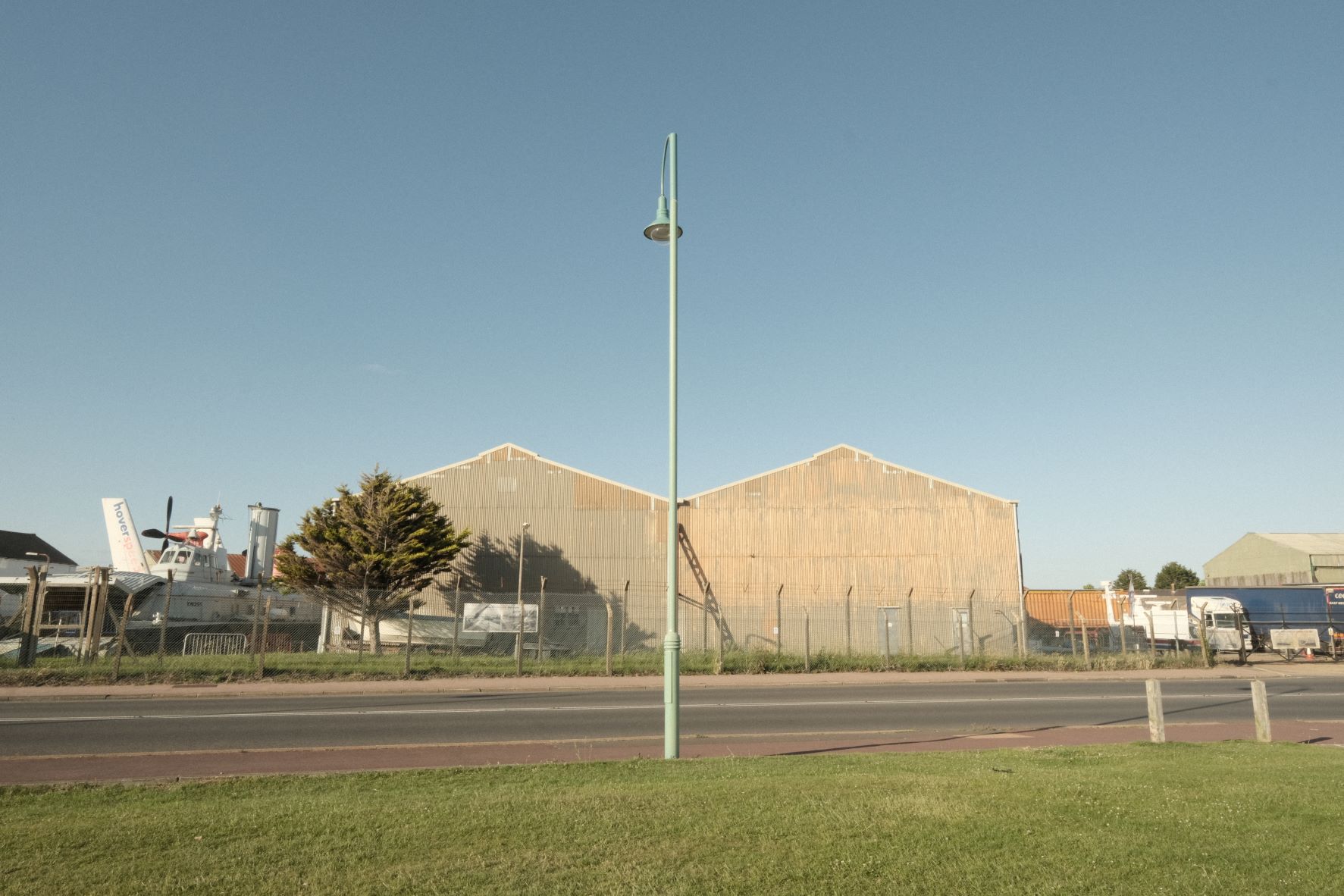
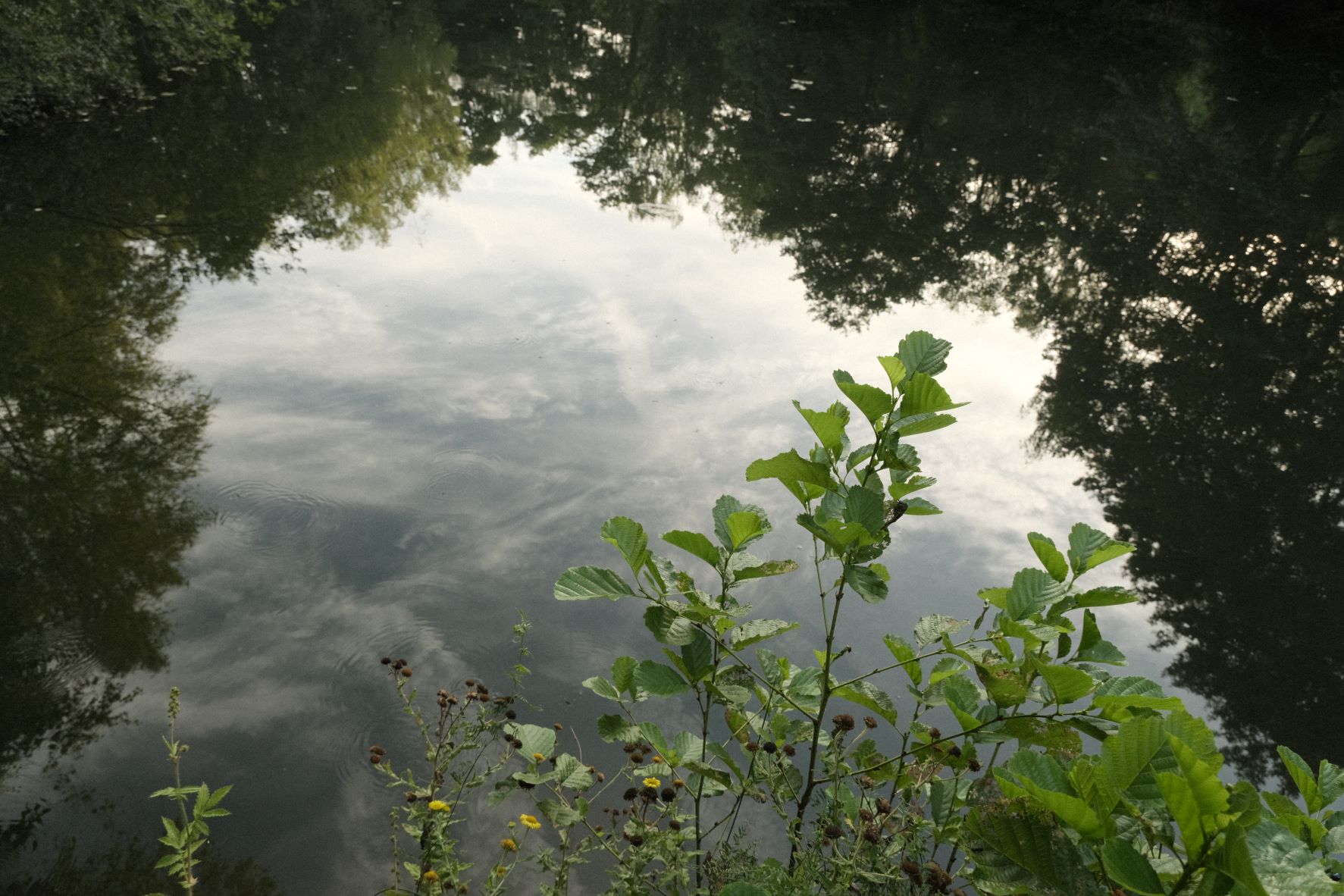
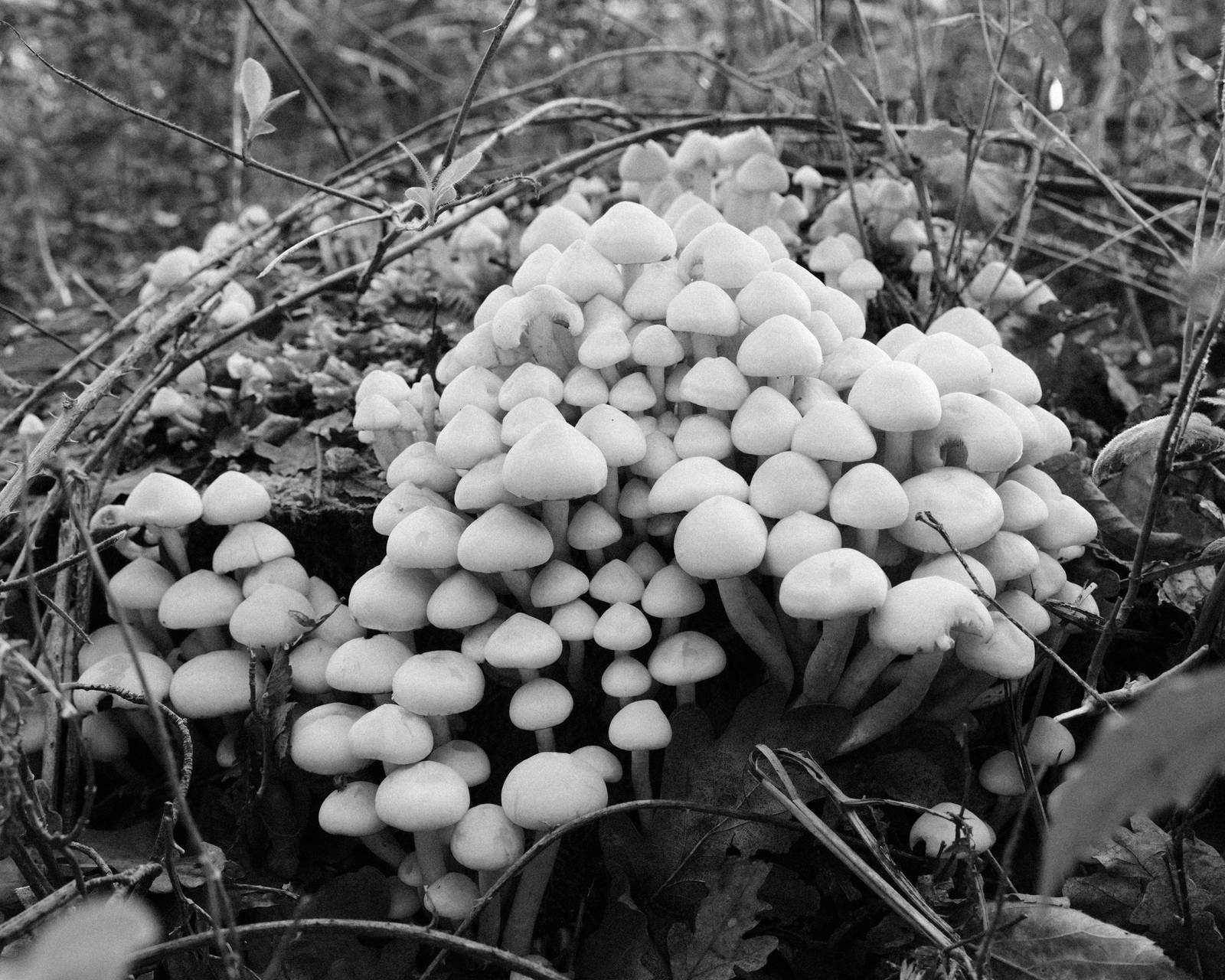
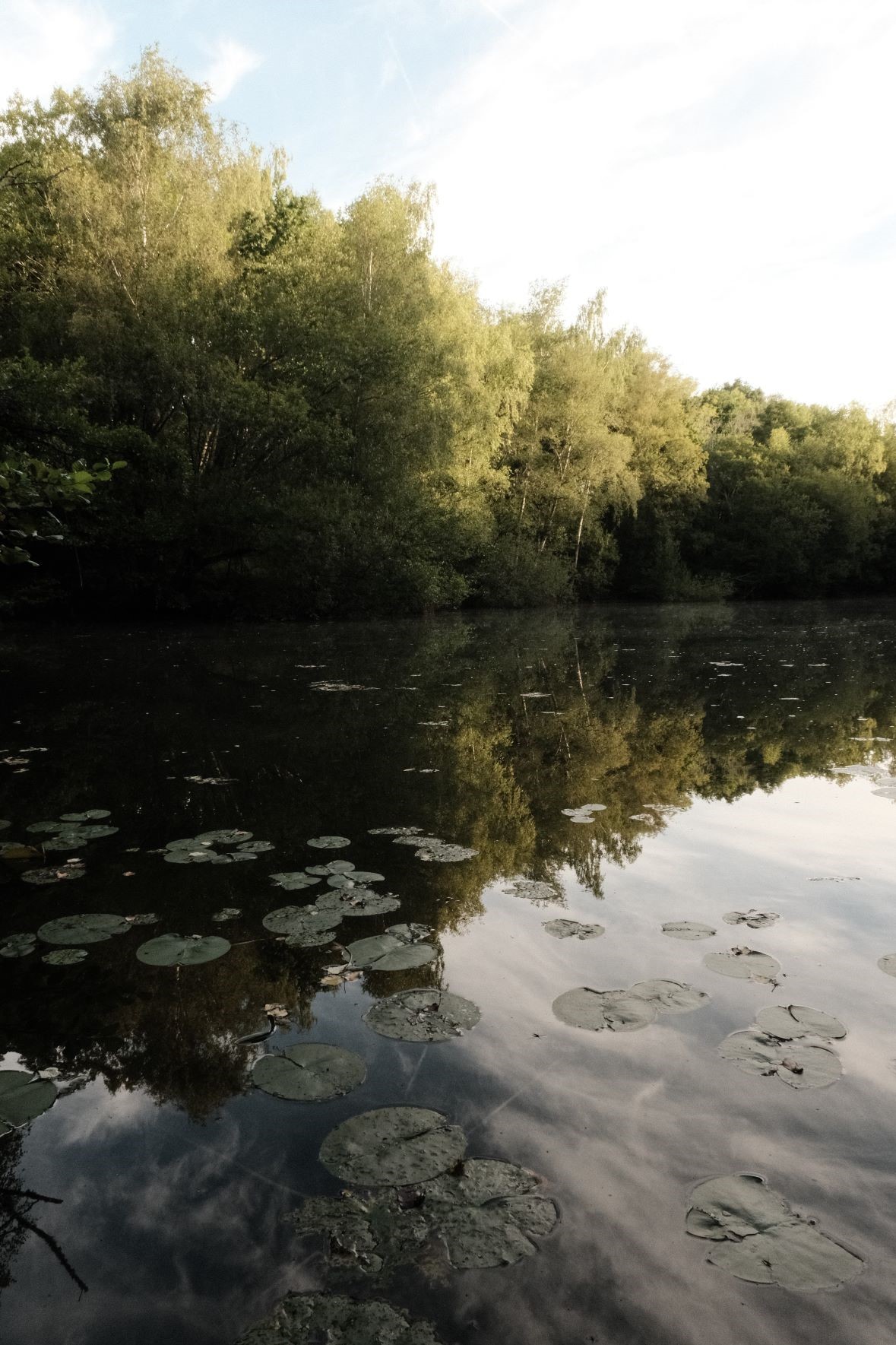
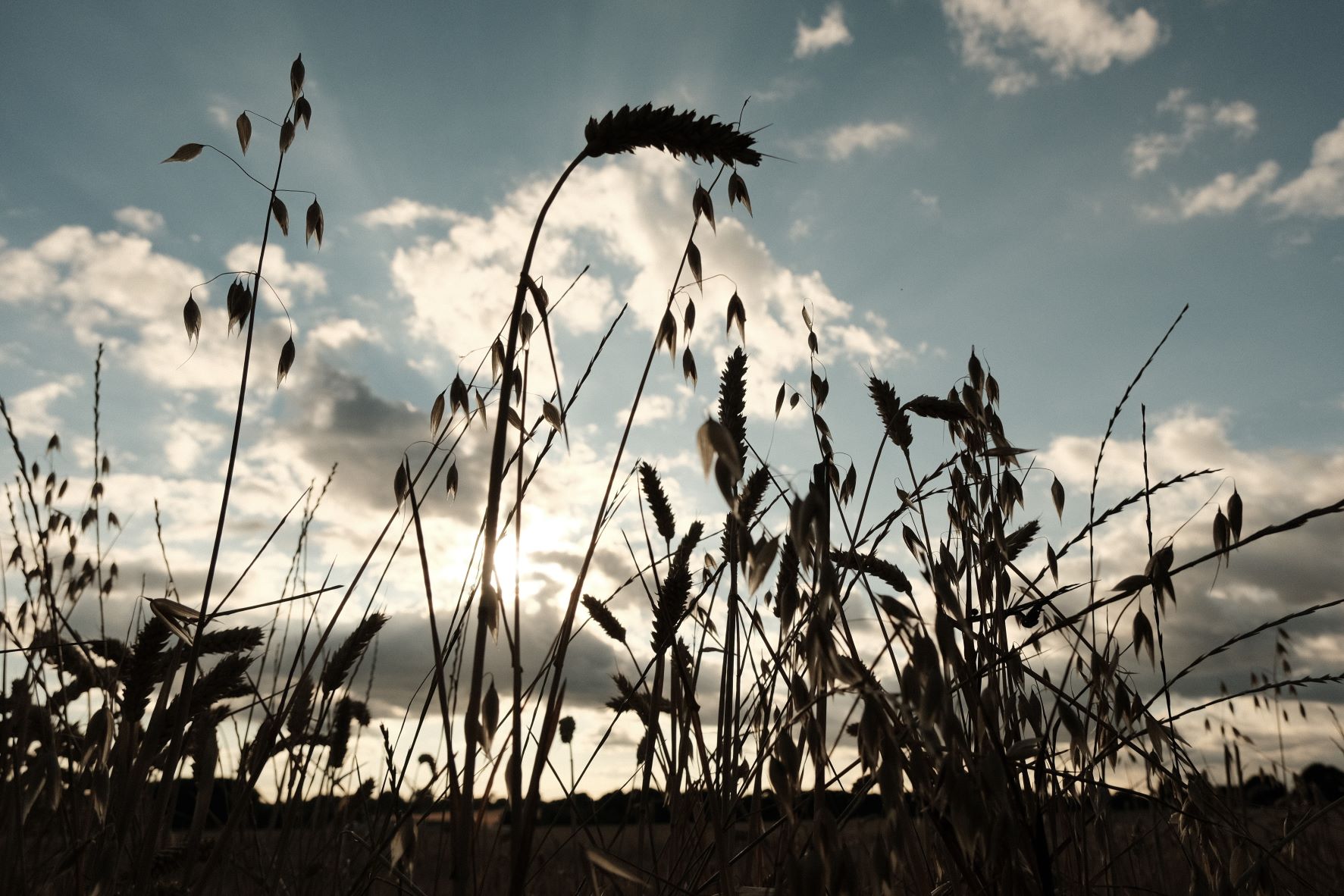
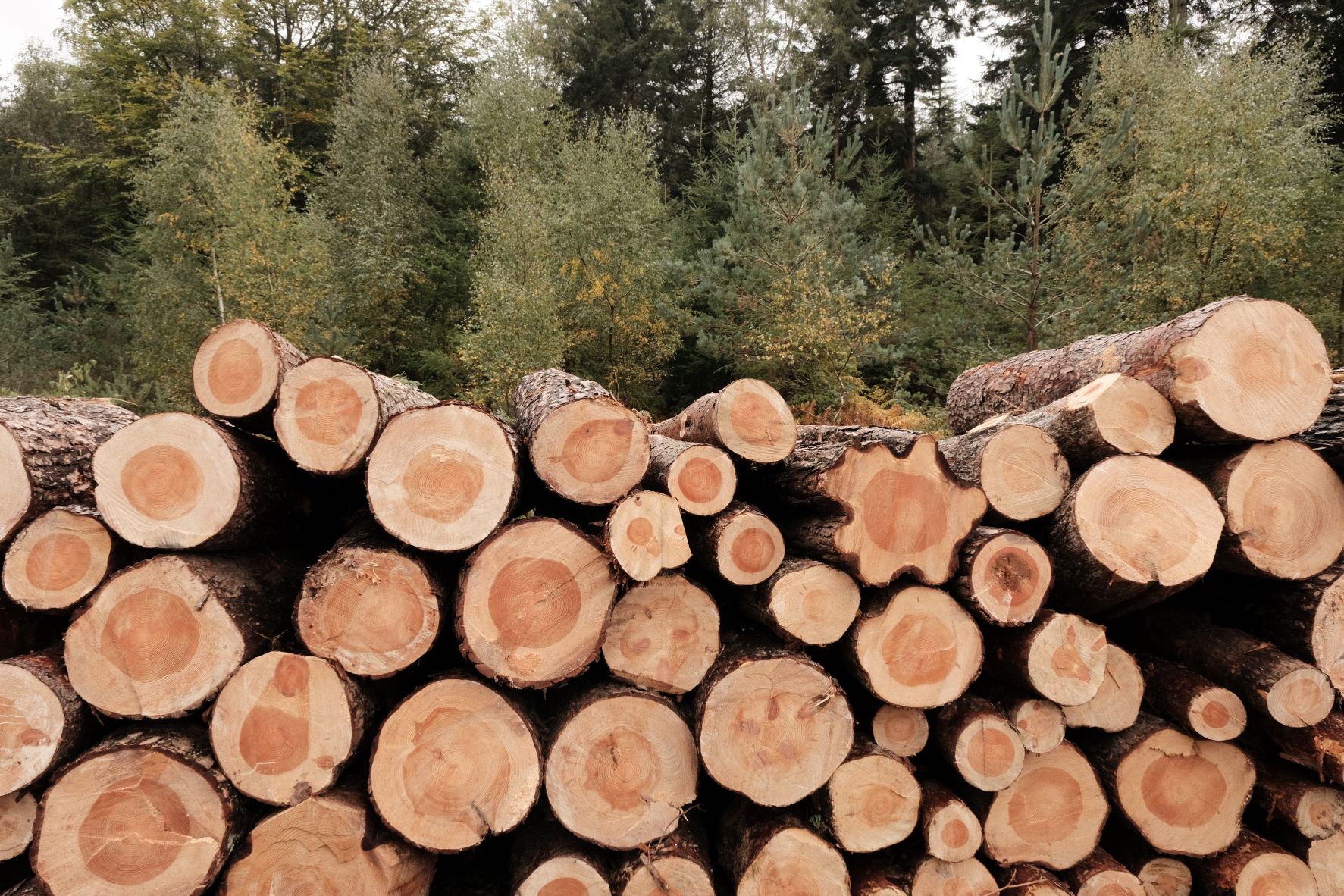
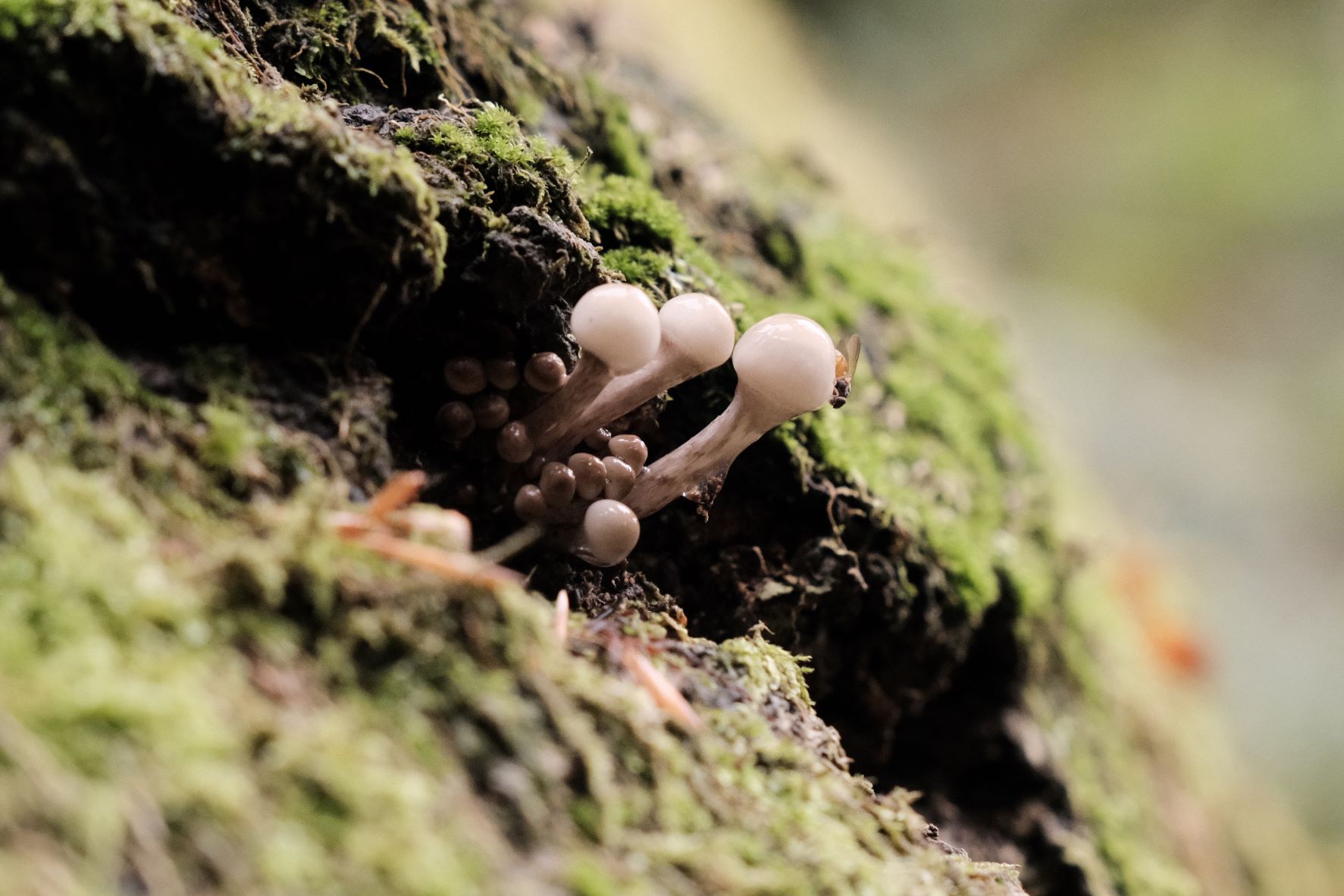
In my experiments with monotone film recipes, I thought to myself … what if Kodak had stuck with early plans for Kodachrome to be a mono film? It would have a different look to Tri-X and would capture the full range of tones, being versatile, and a specific interest for me, excellent for landscape photography.
So, after a late night editing session in X RAW Studio, I settled on this film recipe to give us a this Kodachrome Mono option.
The main feature of this recipe is the soft tone curve, with a generally brighter overall image, preserving lots of shadow detail. This makes it versatile for everyday photography, without the deep impactful shadows that can sometimes limit a mono recipe for day to day use.
More similar recipes, and hundreds more exclusive looks, are available in the Film Recipes App.
Get the Film Recipes App
Monthly challenges to push your photography further
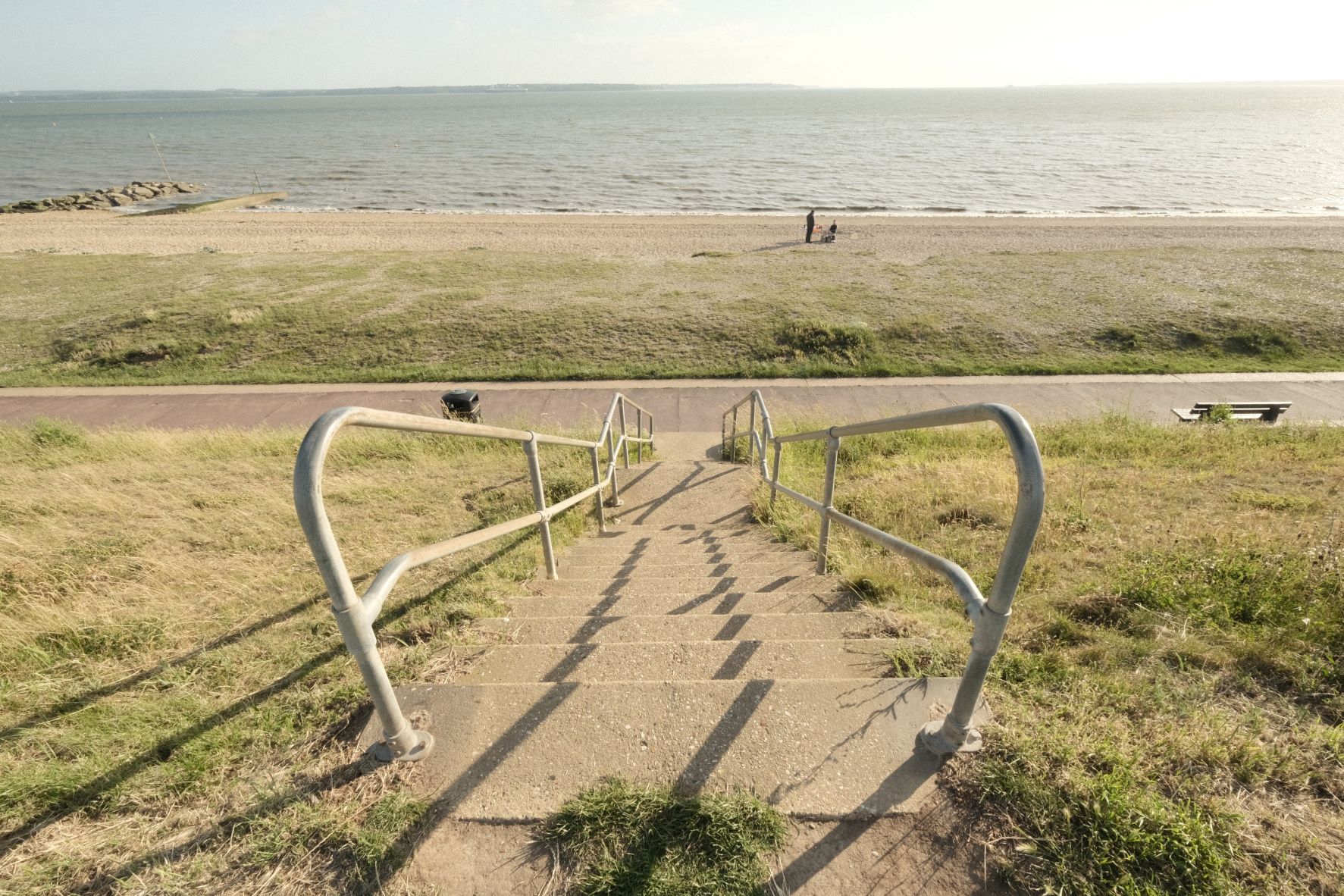
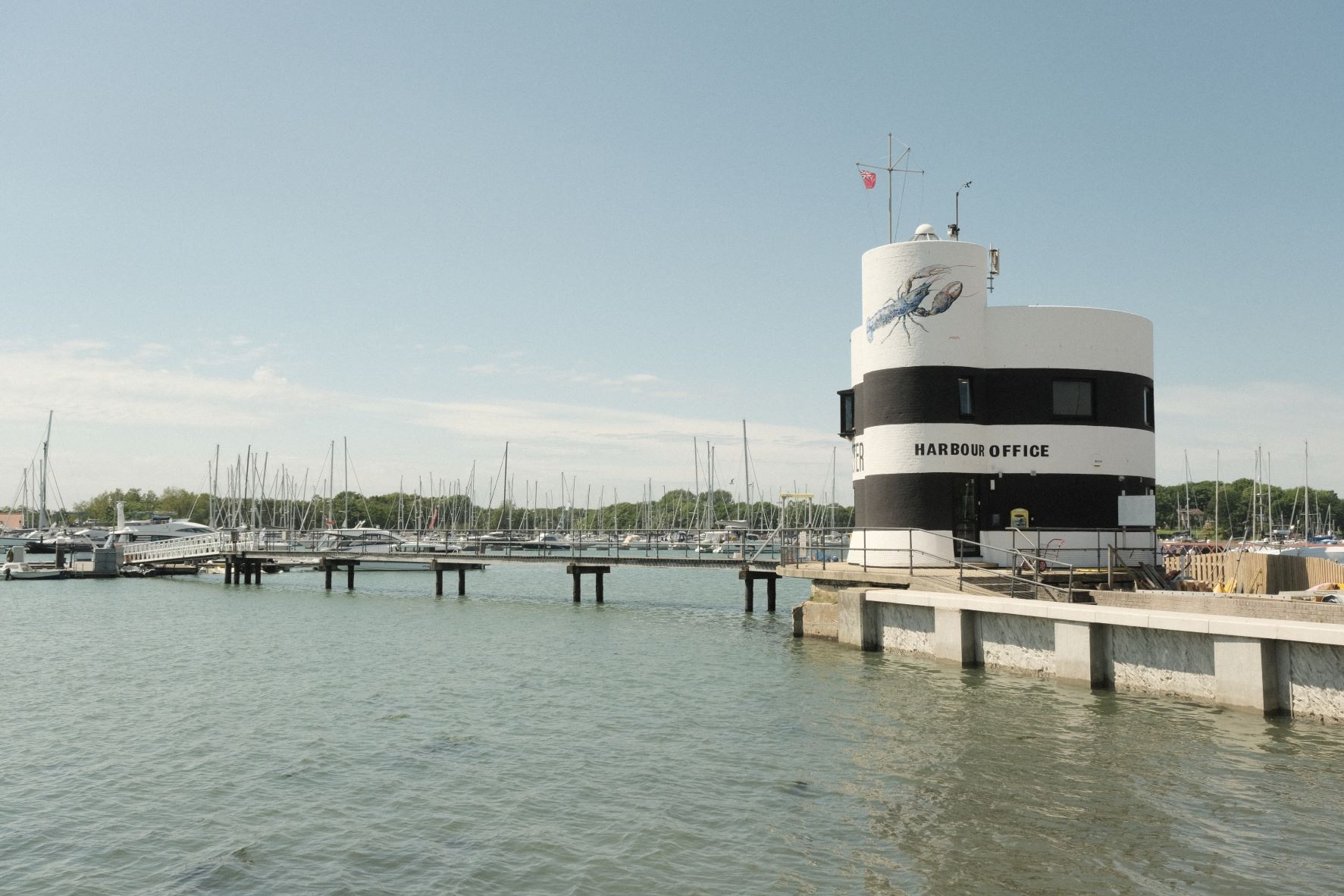
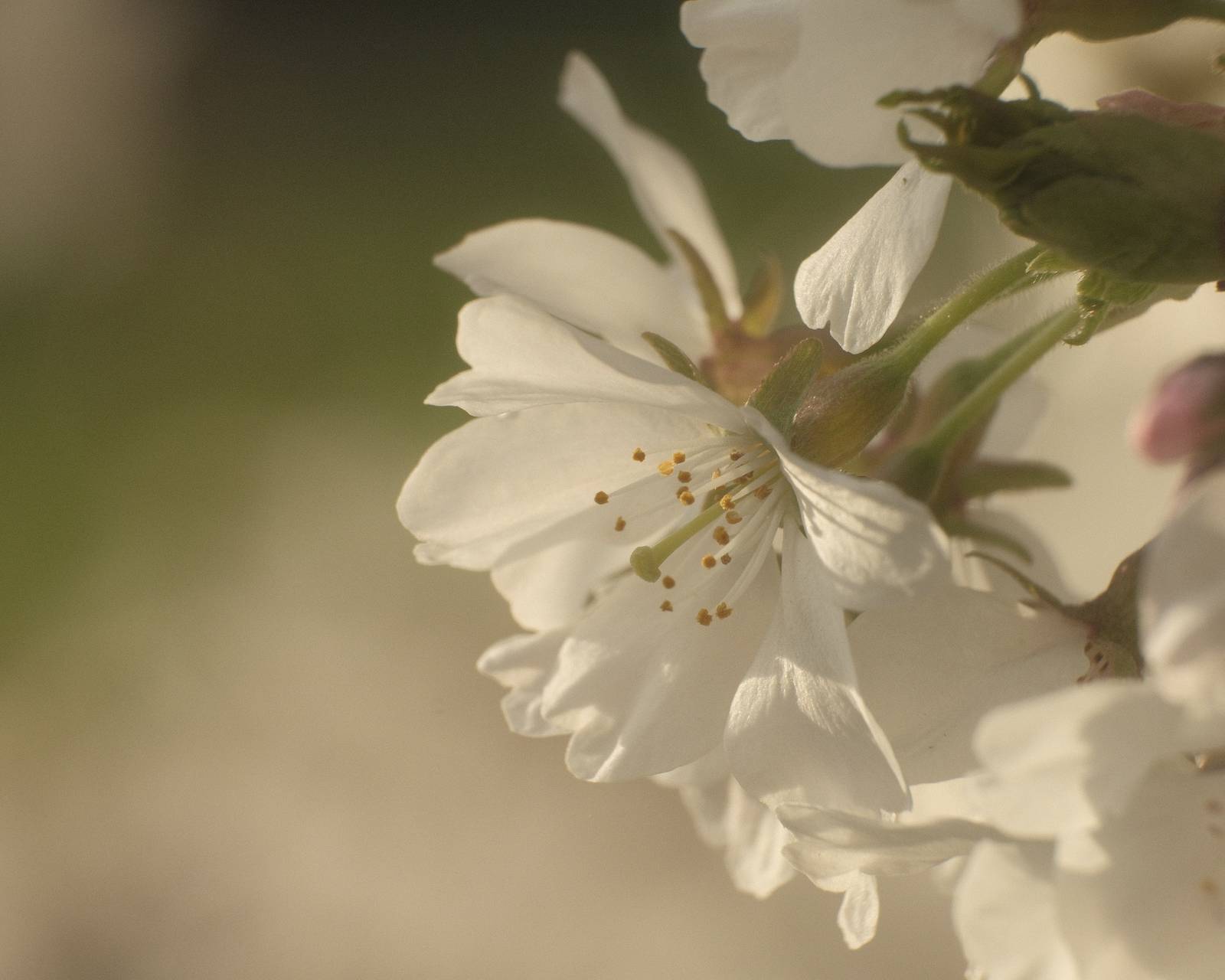
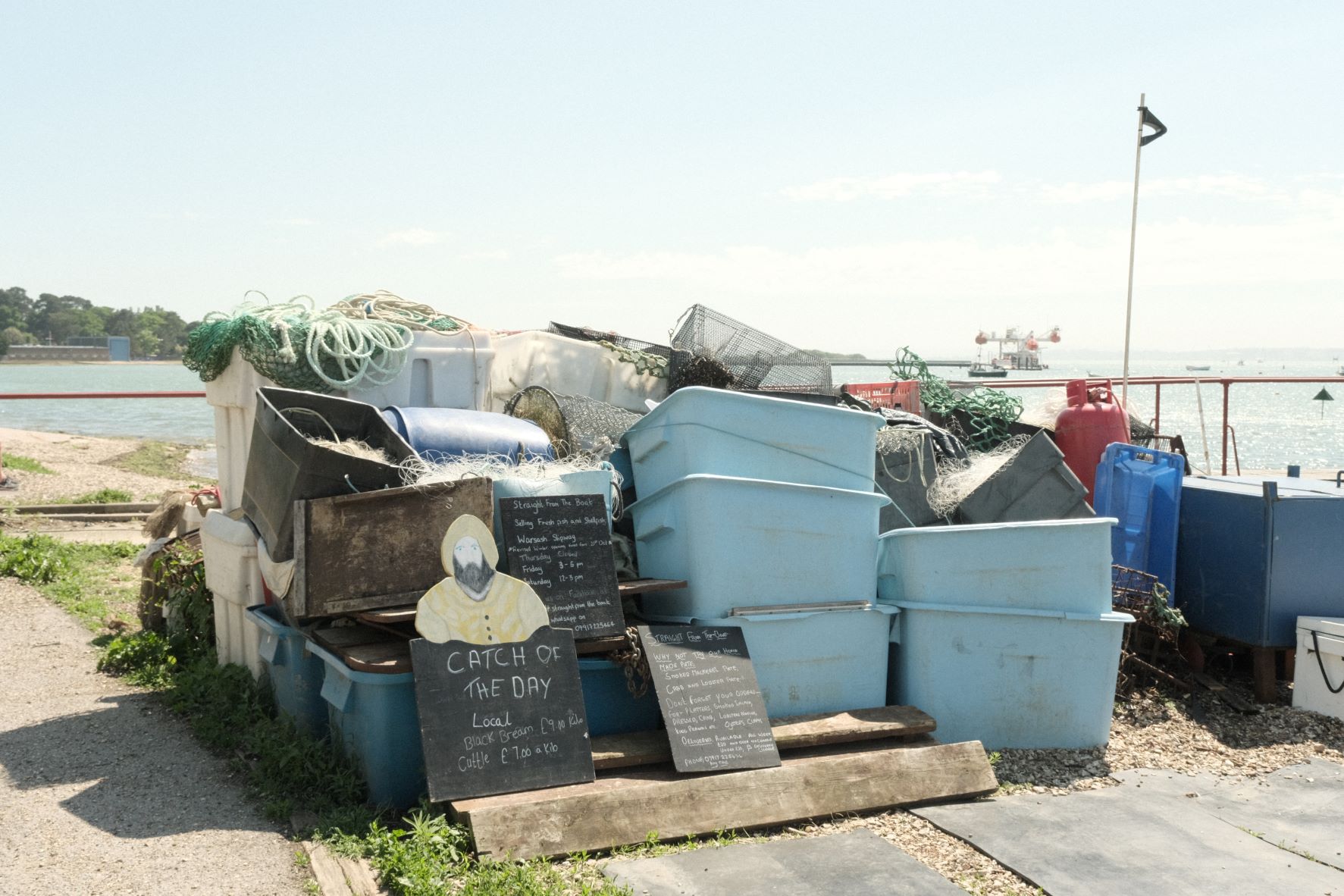
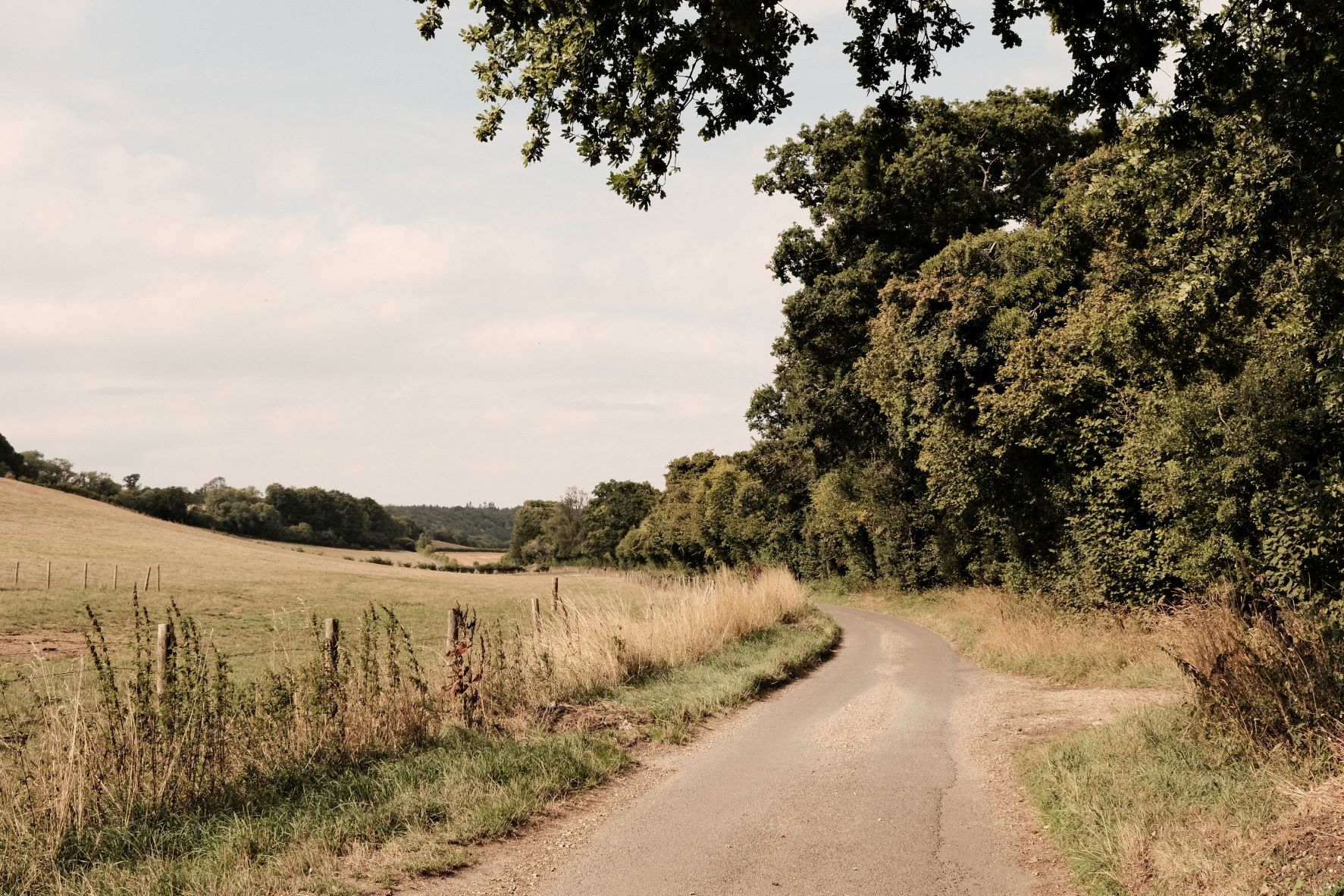
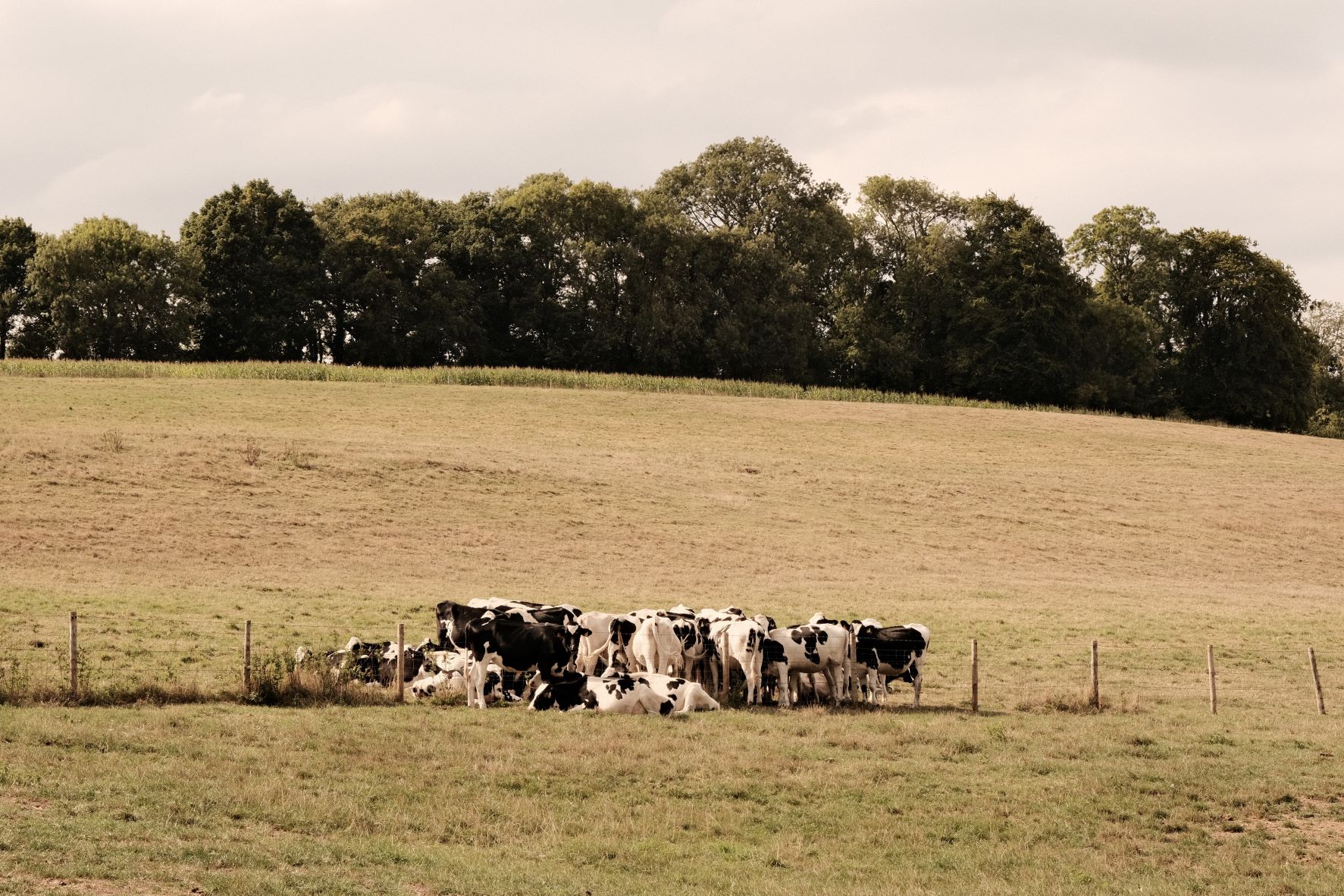
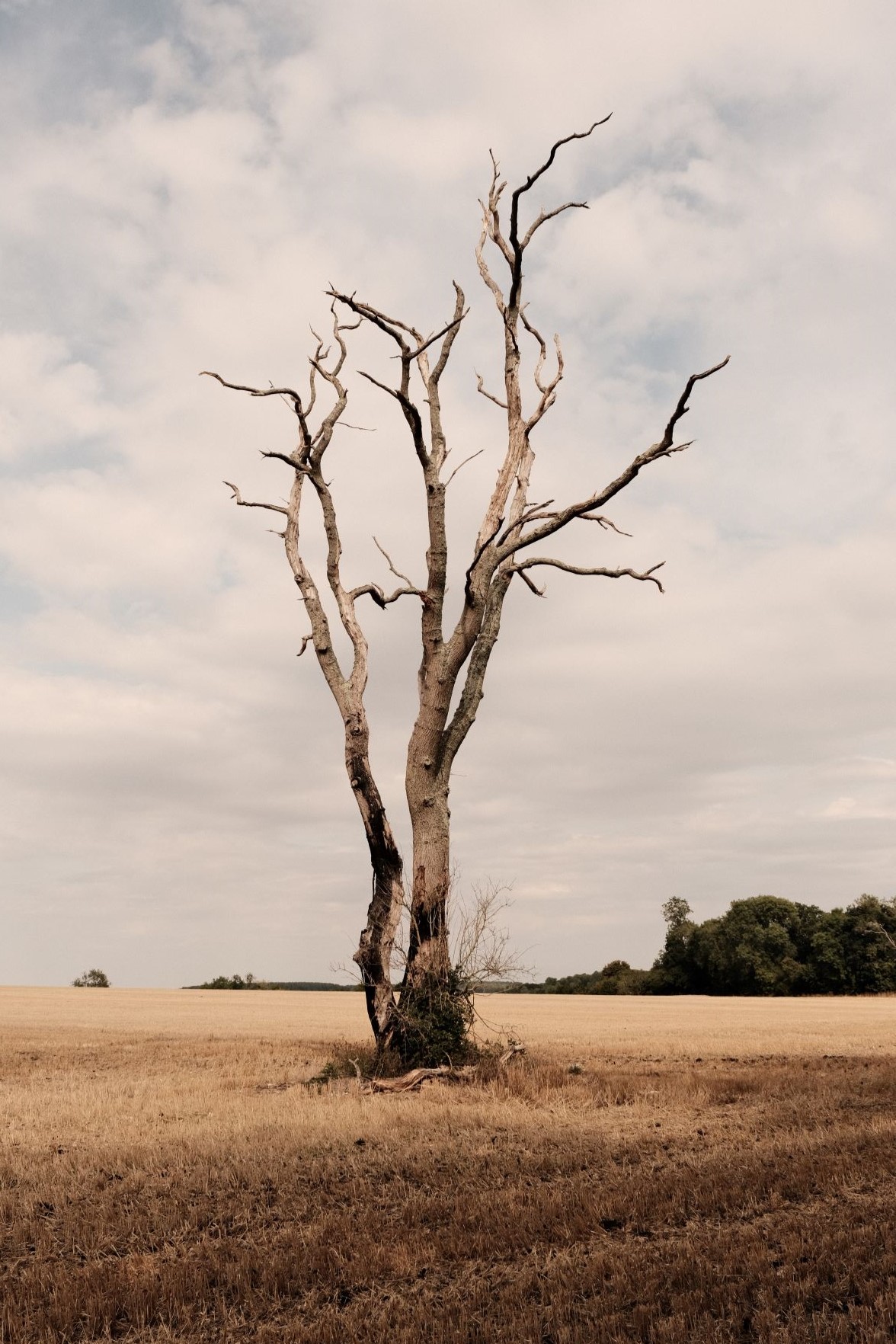
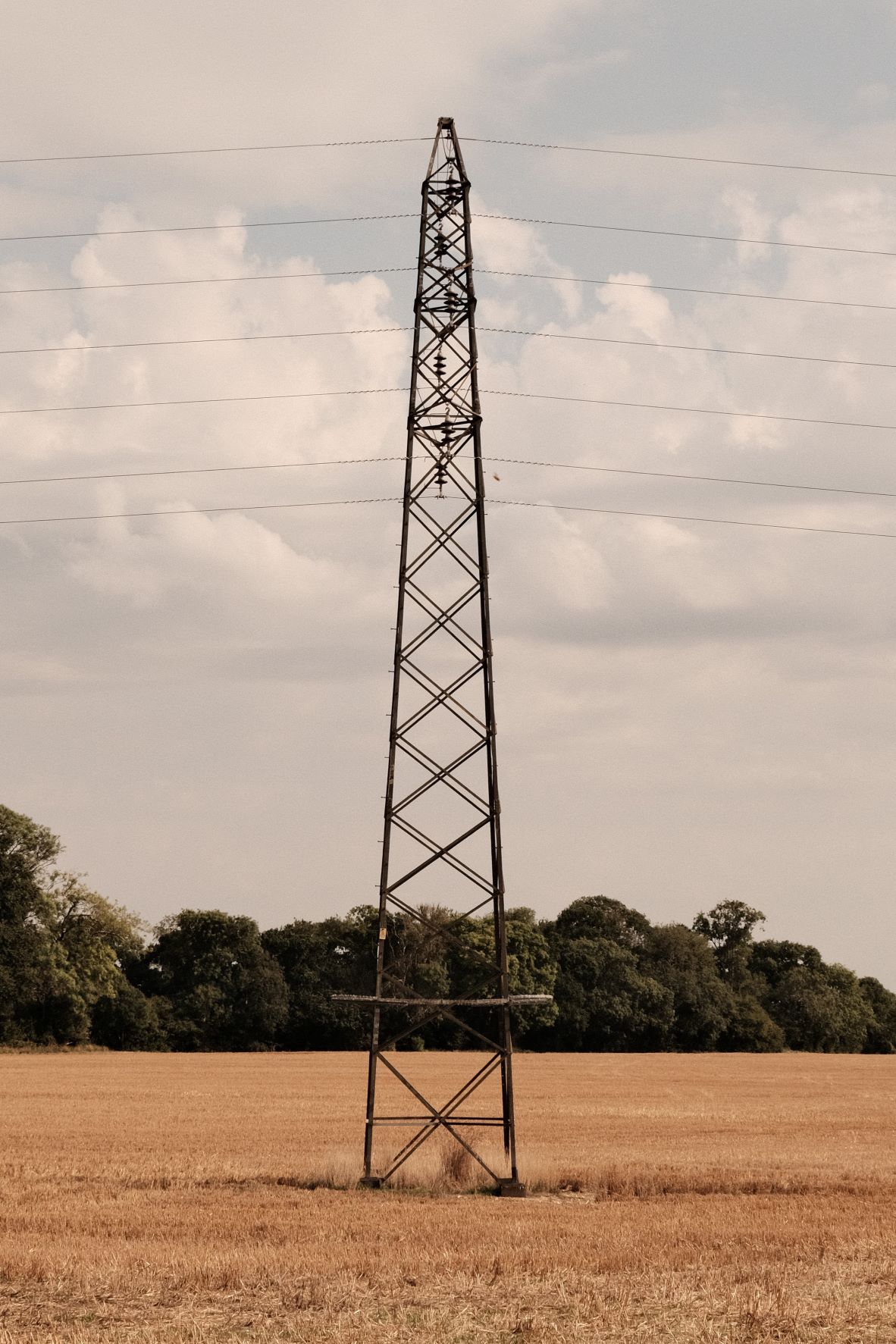
Kodachrome Mono Film Recipe: Sample Photos
Using the Kodachrome Mono Film Recipe
Each film simulation recipe has its own character and style. These features mean recipes are more suited to certain situations, or when seeking a particular look. Here are the categories that Kodachrome Mono has been tagged with.
A film simulation recipe with Classic Chrome on X-Trans IV cameras
Sometimes, what you need is a simple Classic Chrome recipe that isn’t overstyled, and doesn’t shout for attention because of the tone or hue. An everyday film recipe that just looks good.
That was what was in my mind when creating Chromium 44. It’s based on the Classic Chrome film simulation, and has a medium warm tone from a Daylight balance with a 4, -4 shift. Other than that, there are slightly softer highlights and reduced saturation to produce soft and smooth images.
The tone is warm, but still natural, and is particularly suited to the paler light in the winter, or when you don’t want an overly vibrant result.
A slight nostalgic haze has been added with a -2 clarity setting, which softens things a touch more. You can always skip that setting of course, but I hope that you’ll enjoy the results. This soft tone recipe doesn’t demand attention, letting your photos do the talking.
More similar recipes, and hundreds more exclusive looks, are available in the Film Recipes App.
Get the Film Recipes App
Filter by film simulation, mood, shooting condition and more
Chromium 44 Film Recipe: Sample Photos
Using the Chromium 44 Film Recipe
Each film simulation recipe has its own character and style. These features mean recipes are more suited to certain situations, or when seeking a particular look. Here are the categories that Chromium 44 has been tagged with.
Warm shifted film recipe for nostalgic retro images with Classic Chrome
The word whakamuri is a Maori word that translates loosely as ‘looking back’ or ‘counting backwards’, so I’ve adopted it as the name of this retro toned recipe for styling images with a golden aged tone.
The base film simulation is Classic Chrome which is pushed far far into the warm tones zone with a +6, -8 colour balance shift. This gives a strong yellow creamy styling to most images and is the heart of the look.
In keeping with the nostalgic retro theme, shadows are softened and colour is muted. There’s a dose of grain in here too, along with negative clarity adding to the slightly hazy analog feel.
More similar recipes, and hundreds more exclusive looks, are available in the Film Recipes App.
Get the Film Recipes App
Settings laid out clearly, with sample photos and similar recipes
Whakamuri Film Recipe: Sample Photos
Community Photos
Photos taken with the Whakamuri film recipe by members of the Film Recipes community.
Photos by Sabrina Magnusson
Using the Whakamuri Film Recipe
Each film simulation recipe has its own character and style. These features mean recipes are more suited to certain situations, or when seeking a particular look. Here are the categories that Whakamuri has been tagged with.
Fujifilm film recipe for soft tones using Pro Neg Hi on X-Trans IV cameras
I really love the softer tones and natural look of the Pro Neg film simulations, and find that they make for a great day-to-day choice. For this recipe, I took Pro Neg Hi simulation as a base, giving a natural, standard contrast look, and brightened and warmed it for a happy, welcoming feel.
It’s the sort of recipe that can be used to brighten up just about anything, so I decided to simply call it ‘Easy Going’, because it’s so happy to be used whenever you want. One note of caution though, is that the highlights are lifted, and may burn out. It’s all part of the look, but it might surprise you if you aren’t expecting it.
So there we have it, an Easy Going film recipe, with a nice balance and tone that can be used day-to-day, especially to capture brightness in sunny conditions.
More similar recipes, and hundreds more exclusive looks, are available in the Film Recipes App.
Get the Film Recipes App
Rolling activity feed — see what’s trending in the app
Easy Going Film Recipe: Sample Photos
Using the Easy Going Film Recipe
Each film simulation recipe has its own character and style. These features mean recipes are more suited to certain situations, or when seeking a particular look. Here are the categories that Easy Going has been tagged with.
Creamy pastel toned film recipe for a retro look on X-Trans IV sensors
One of the great things about the Fujifilm film recipe community is how ideas bounce between photographers and recipes get fine tuned and updated. This is one of those situations.
Manila based photographer, Grant Teng, has adapted the creamy retro looks of Craig Bergonzoni’s excellent 1979 film simulation for X-T1, adding settings and tweaks for X-Trans IV sensors. The result is guest recipe, 1996.
The new recipe shares the slightly aqua toned soft and creamy look of 1979, and has a distinctly retro edge to it. The flattened tone curve and pastel tones make it feel like something from the nineties.
Originally 1979 by Craig Bergonzoni, adapted by Grant Teng.
1996 Film Recipe Settings
Film Simulation
Astia/Soft
Grain Effect
Weak, Large
Col. Chr. Effect
Strong
Col. Chr. Blue
Weak
White Balance
6300K, ‑1 Red, ‑2 Blue
Dynamic Range
DR400
Highlights
‑2
Shadows
‑2
Colour
‑3
Sharpness
‑4
ISO N.R.
‑4
Clarity
‑2
EV Comp.
+1 2/3
Get the Film Recipes App
Browse, filter and search the full recipe library in seconds
1996 Film Recipe: Sample Photos
Community Photos
Photos taken with the 1996 film recipe by members of the Film Recipes community.
Photos by Gary Copland Powell
More Photos by Gary Copland Powell
Using the 1996 Film Recipe
Each film simulation recipe has its own character and style. These features mean recipes are more suited to certain situations, or when seeking a particular look. Here are the categories that 1996 has been tagged with.
Yet another Kodak Portra 400 film recipe, this time based on PRO Neg Standard
There are a good number of Kodak Portra recipes to consider when choosing one to shoot your photos with. Each recipe site seems to have at least one, and I certainly have a few interpretations as well. So why this recipe when there are already several others?
The short answer was that I became inspired. I was looking at the excellent images of expiredbren who shoots with Portra 400, Kodak Gold and Tri-X. In his Portra images, I was taken with the tone of the images and felt that even though I had made one previous attempt to mimic them with my Aged Kodak Portra film recipe, there was something different about his latest work.
In a break from tradition, I started with the PRO Neg Standard film simulation, and tweaked the white balance and colour shifts until I was happy that the tone was a close match. As is common for Portra recipes, overexposure is part of the look too, so make sure to do this when you use it. Oh, and for some softness, there is negative sharpening and a small amount of negative clarity too. It’s not a deal breaker to skip this last feature, if you get bugged out by the delay in saving images.
More similar recipes, and hundreds more exclusive looks, are available in the Film Recipes App.
Get the Film Recipes App
Save your favourites and build your personal shortlist
Kodak Portra Pro Film Recipe: Sample Photos
Using the Kodak Portra Pro Film Recipe
Each film simulation recipe has its own character and style. These features mean recipes are more suited to certain situations, or when seeking a particular look. Here are the categories that Kodak Portra Pro has been tagged with.
Muted colour film simulation recipe, with Classic Chrome and low saturation
The idea of Lomography has always appealed to me. Reminiscent of simple old cameras, lomo photos are back to basics, with all sorts of distortions and retro touches. Not a lot of this is possible to recreate with our advanced Fujifilm cameras, especially with the crisp and sharp lenses of today. However, it’s a fun idea, and it’s made it into the name of this and my Aerocolor Lomo film recipes.
For this film recipe, I have pushed far from the centre with a warm colour cast, but with weak saturation for muted tones. And, rather than hazy softness, a subtle crispness is present from positive clarity. These are features of another recipe, Ultrasoft 77, sharing the same colour shift and the Eterna simulation, but the results of the two are noticably different.
More similar recipes, and hundreds more exclusive looks, are available in the Film Recipes App.
Get the Film Recipes App
Monthly challenges to push your photography further
Lomochrome 77 Film Recipe: Sample Photos
Community Photos
Photos taken with the Lomochrome 77 film recipe by members of the Film Recipes community.
Photos by Gunther Geeraerts
Using the Lomochrome 77 Film Recipe
Each film simulation recipe has its own character and style. These features mean recipes are more suited to certain situations, or when seeking a particular look. Here are the categories that Lomochrome 77 has been tagged with.
Seasonal film recipe with pumpkin orange colour and a mellow autumn tone
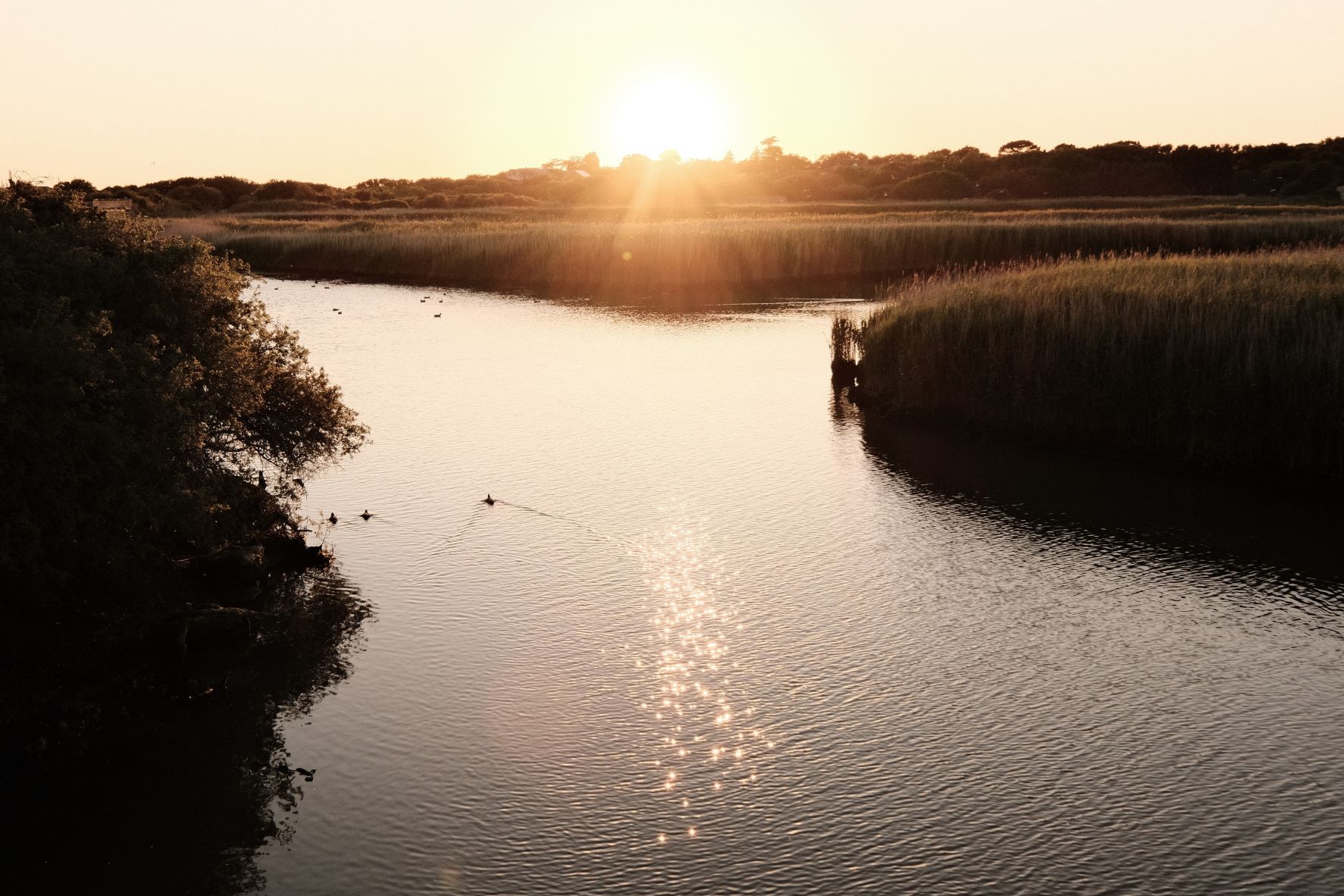
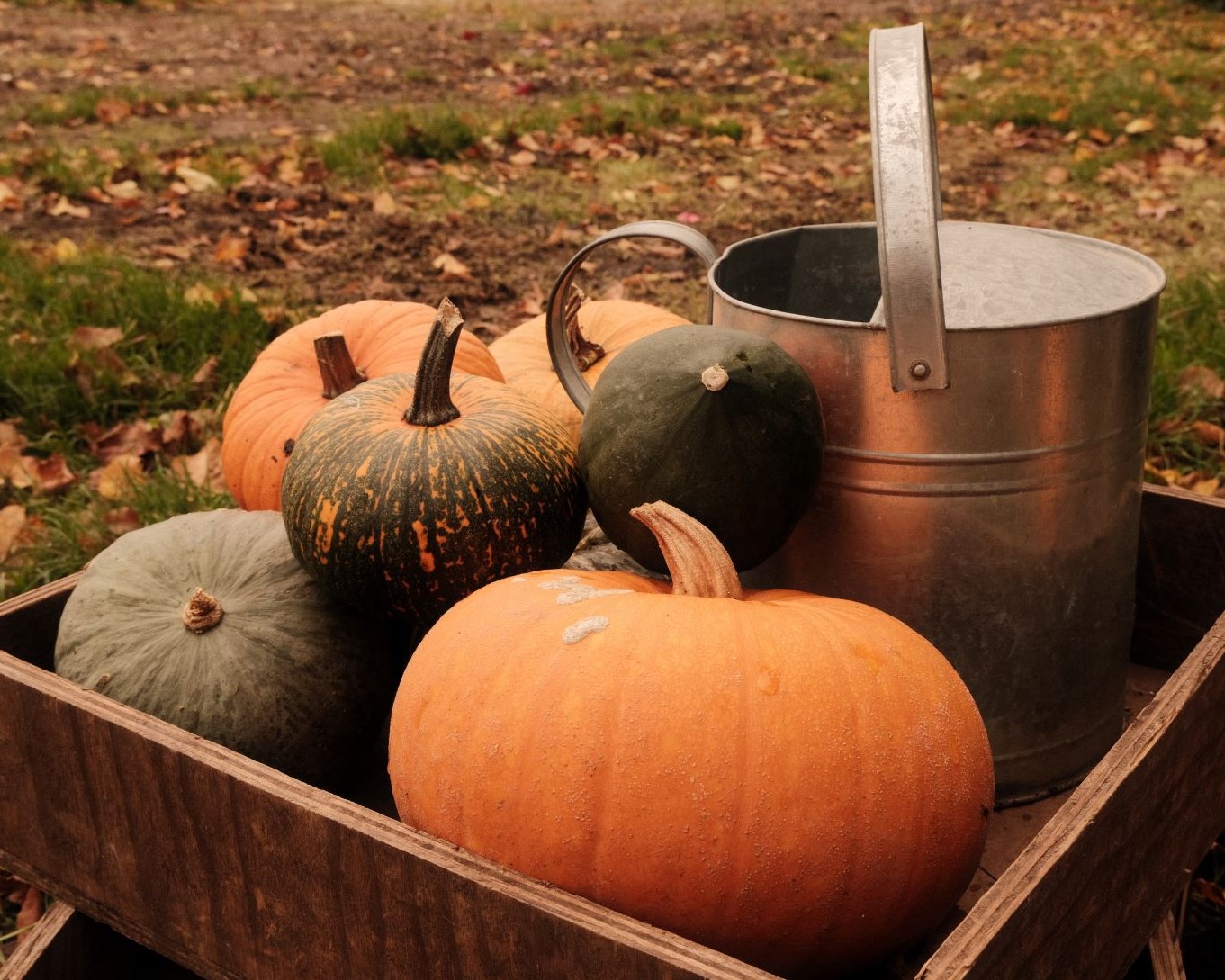
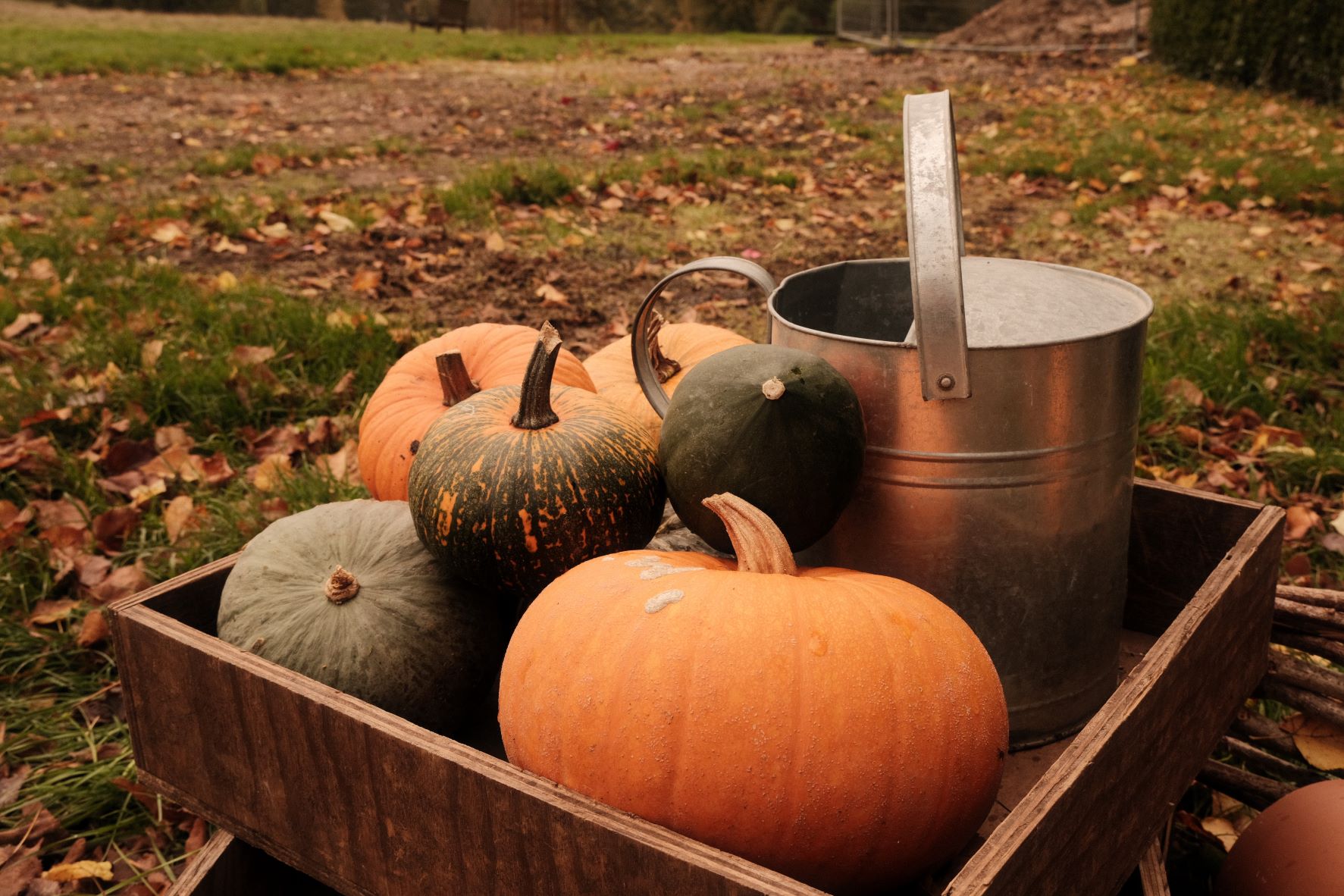
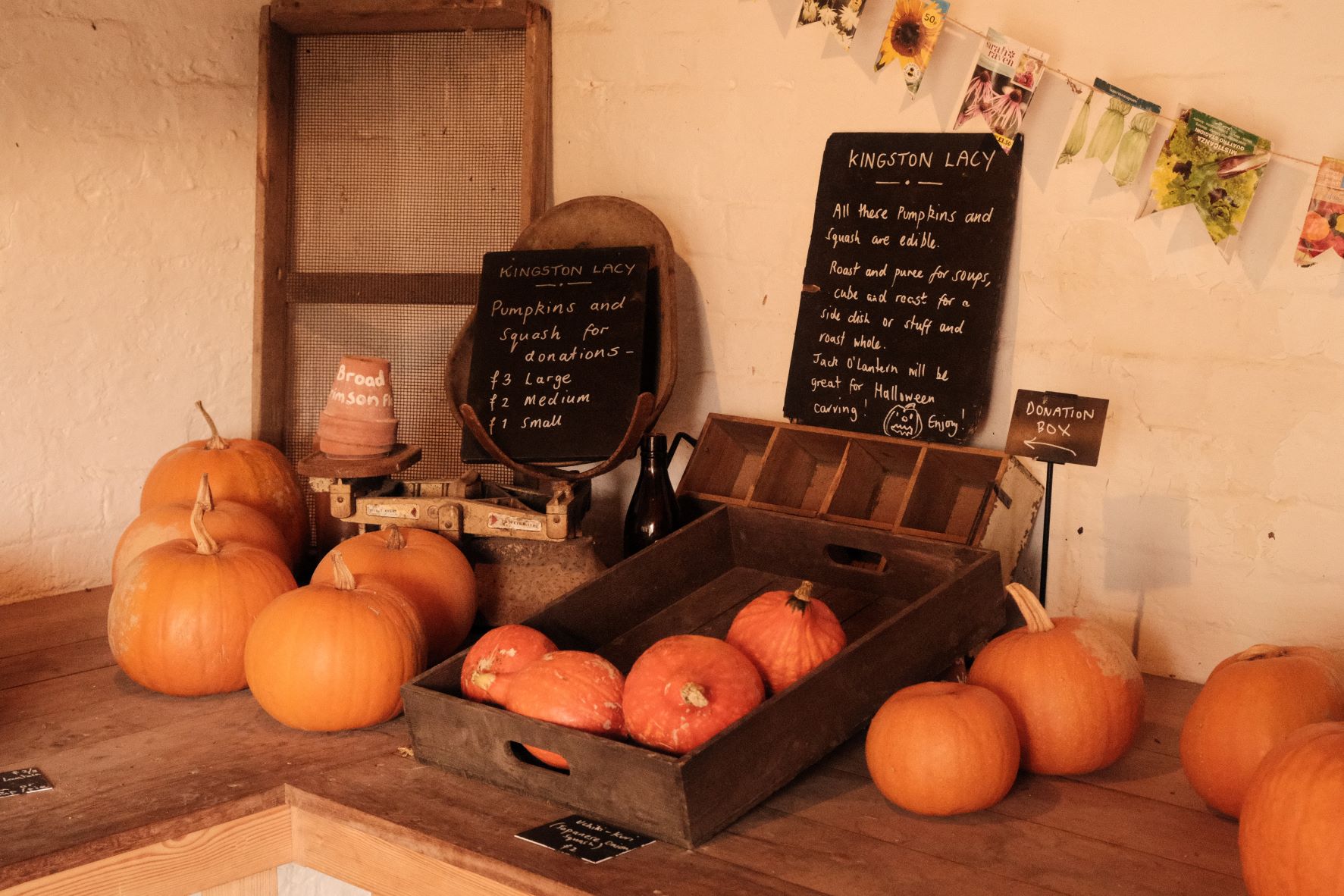
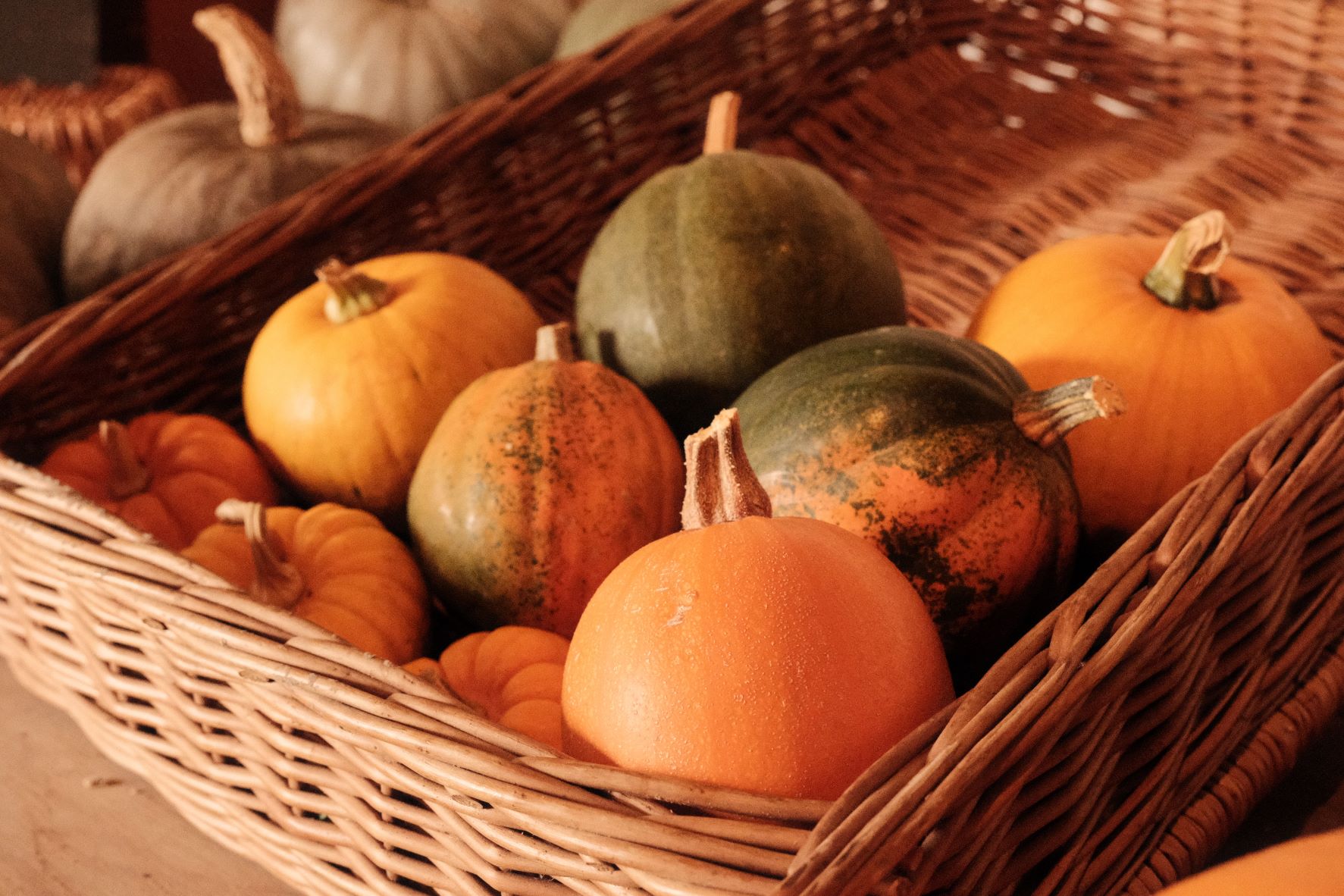
Here’s a fun recipe to play with in the Autumn, Fall and Hallowe’en season. It has a pumpkin orange colour balance, which makes is a happy partner to seasonal photos of leaves, jack o’lanterns and warm and cosy scenes. It also creates a peachy pumpkin sunset or sunrise, and adds a gorgeous warmth to sunflares and sun haze if shooting in the golden hour is your thing.
In addition to the pumpkin spice colour tones, this recipe includes tamed highlights and a softness from negative clarity and negative sharpening. This all helps give a nostalgic and slightly hazy tone to images where you shoot into the sunlight, or with it just out of shot. Overall the feel is mellow, warm and cosy with a seasonal orange cast.
More similar recipes, and hundreds more exclusive looks, are available in the Film Recipes App.
Get the Film Recipes App
Filter by film simulation, mood, shooting condition and more
Pumpkin Patch Film Recipe: Sample Photos
Using the Pumpkin Patch Film Recipe
Each film simulation recipe has its own character and style. These features mean recipes are more suited to certain situations, or when seeking a particular look. Here are the categories that Pumpkin Patch has been tagged with.
Classic Chrome film simulation recipe with warm colour balance and muted color
One thing that really defines Fujifillm photos is the Classic Chrome film recipe, producing retro styled images, like classic film of the 70s. This film recipe runs with the theme, pushing the retro look hard with lashings of added warmth and an aged image fade to the colour.
In my mind when designing this were the fading memories of 1970’s summers and the nostalgic feel of old print photos from that time. The result is a simple film recipe in many ways, but for that retro 70s look, I feel that it works well and is a fun partner to carry around in my camera.
More similar recipes, and hundreds more exclusive looks, are available in the Film Recipes App.
Get the Film Recipes App
Settings laid out clearly, with sample photos and similar recipes
Kodak Like its 1975 Film Recipe: Sample Photos
Community Photos
Photos taken with the Kodak Like its 1975 film recipe by members of the Film Recipes community.
Photos by David Forsdike
Photos by Sabrina Magnusson
Using the Kodak Like its 1975 Film Recipe
Each film simulation recipe has its own character and style. These features mean recipes are more suited to certain situations, or when seeking a particular look. Here are the categories that Kodak Like its 1975 has been tagged with.
Classic Chrome film recipe for Autumn with pale tones and bright highlights
Marcel Fraij is a talented photograper, educator and film recipe creator from the Netherlands. He’s a regular contributor in our Film Recipes Facebook Group and publishes a number of excellent recipe on his Film Recipes page.
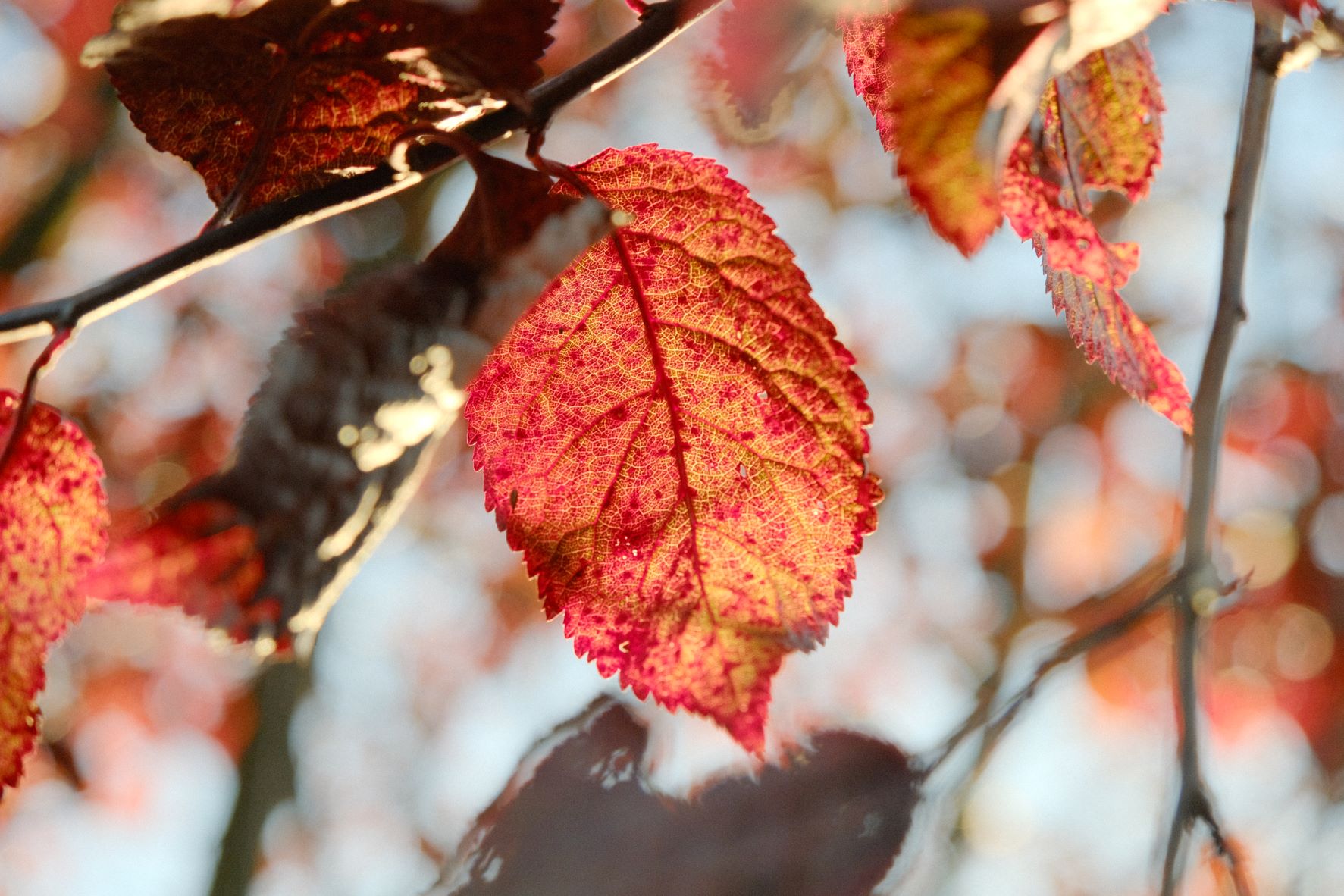
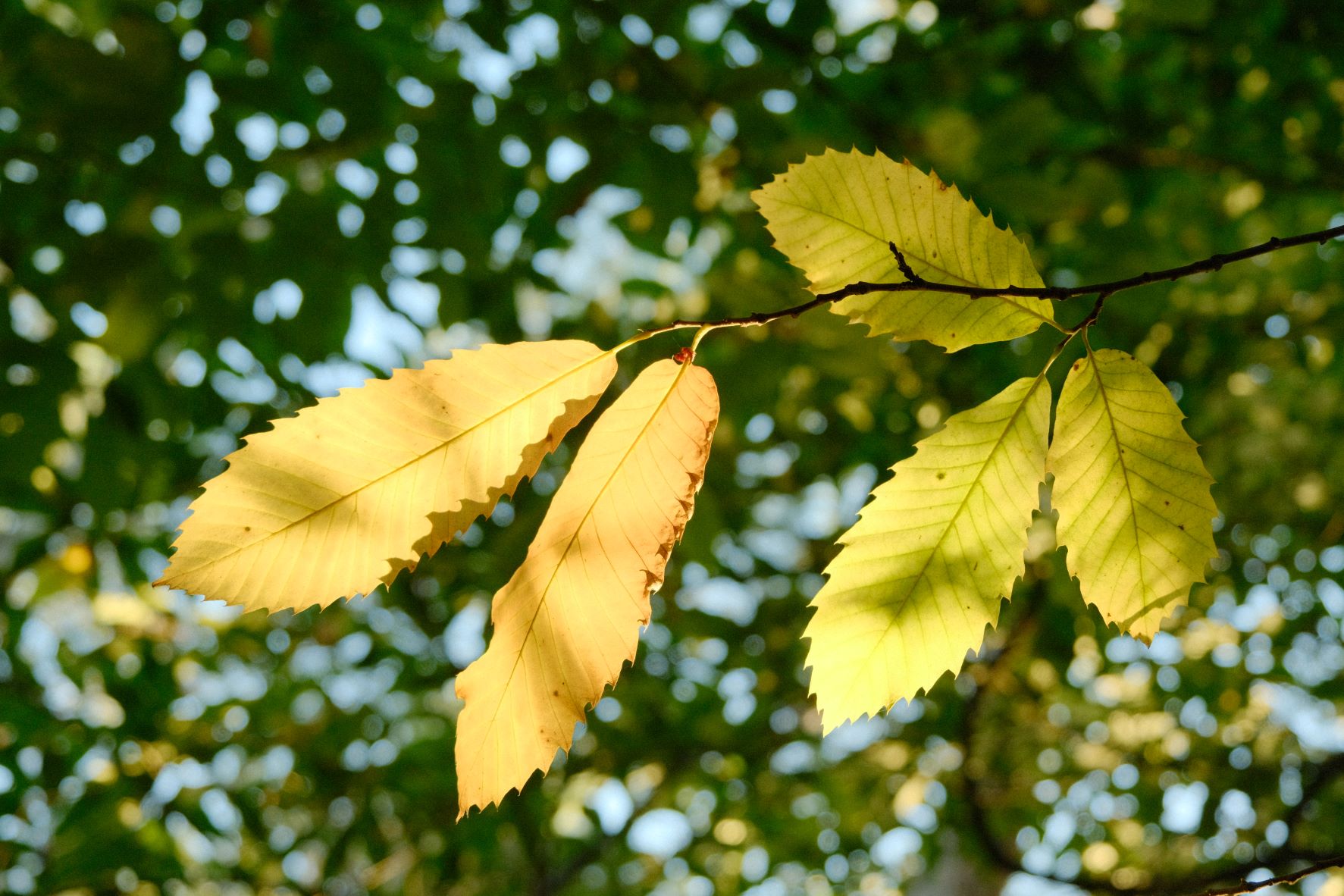
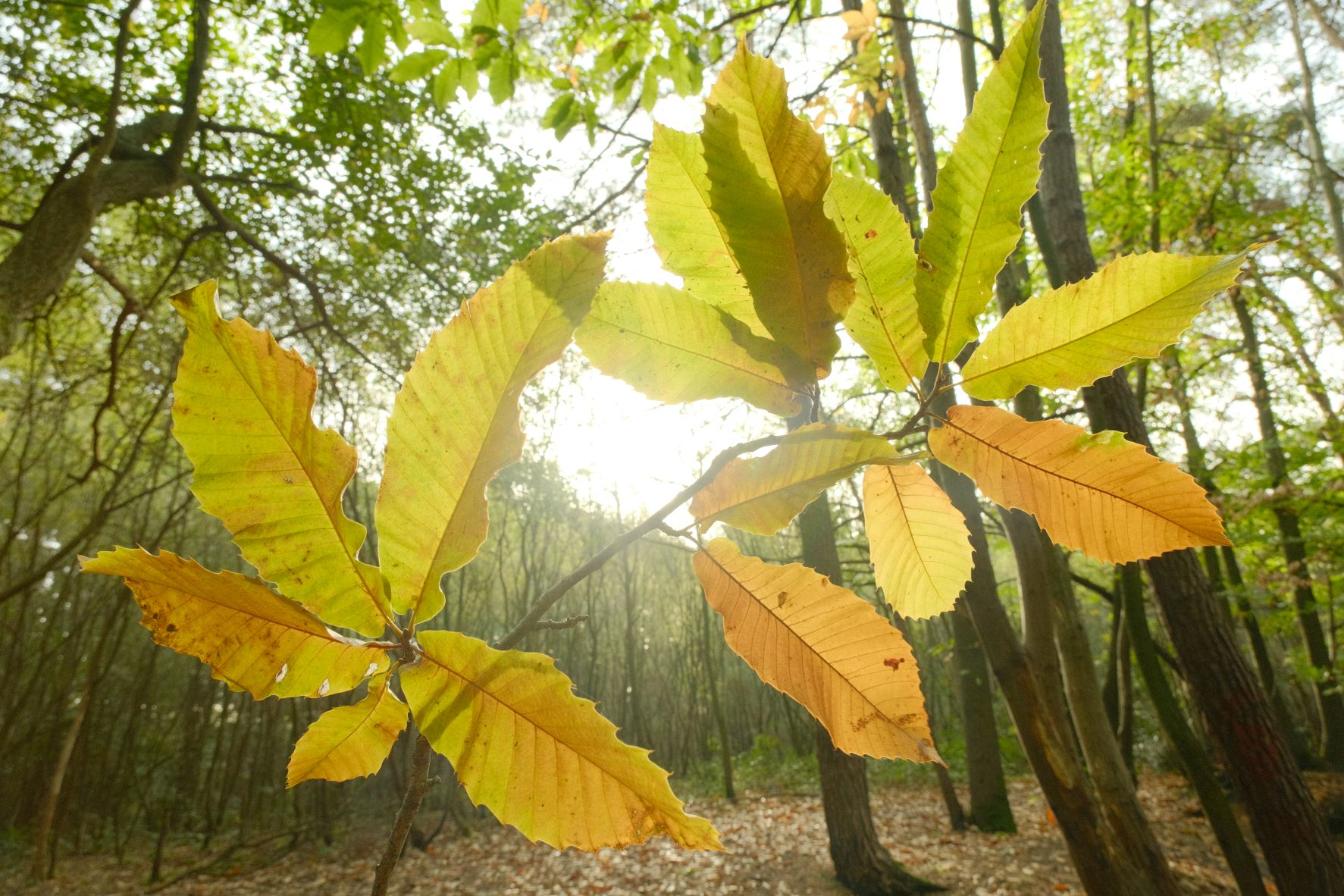
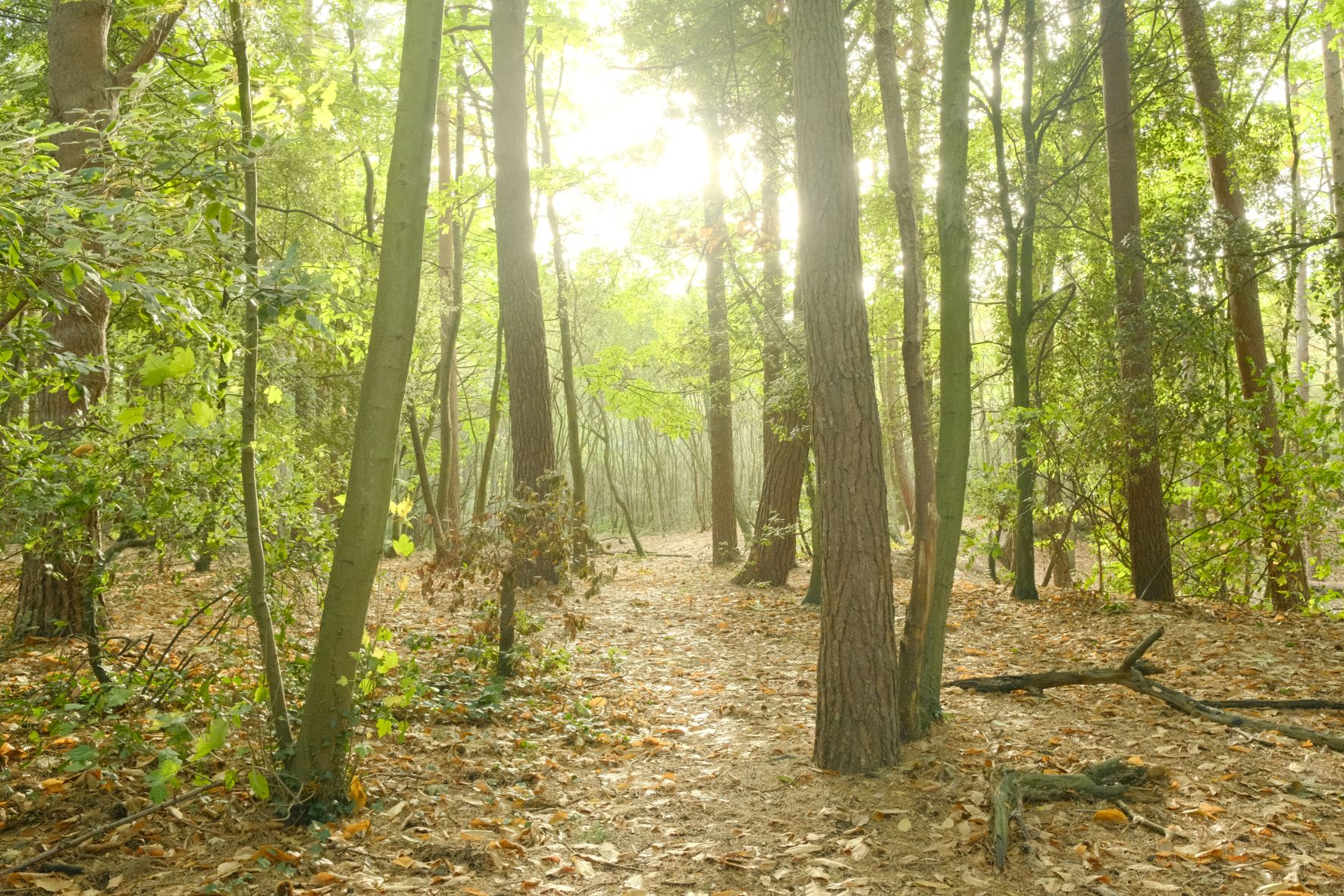
We were chatting recently about an autumnal recipe he had created, and I’m so pleased to be able to share it here as a guest recipe. Marcel explained that the photo series is from October ’21, taken with X-E4 and a Fujinon 50mm f2 with a close up lens from Olympus. He adds, “the close up lens is old and a has some scratches, maybe that provides the dreamy look.”
There’s a beautiful muted tone to this, with bright highlights for a sophisticated soft look. It’s perfect for subtle photography in the Autumn season, but will no doubt be a favourite in other seasons too!
Photo credits: Marcel Fraij
Soft golden tones for the October Gold film recipe, by Marcel Fraij
October Gold Film Recipe
Simulation: Classic Chrome
Grain Effect: Off
Colour Chrome Effect: Strong
Colour Chrome Blue: Weak (IV) / Off (V)
White Balance: 5200K
WB Shift: +1 Red, -5 Blue
Dynamic Range: DR200
Highlights: -1.0
Shadows: +2.0
Color: -2
Sharpness: +1
ISO Noise Reduction: -4
Clarity: 0
EV compensation: 1
Delicate softness, captured with the October Gold film recipeSoft depth of field, using the October Gold film recipe
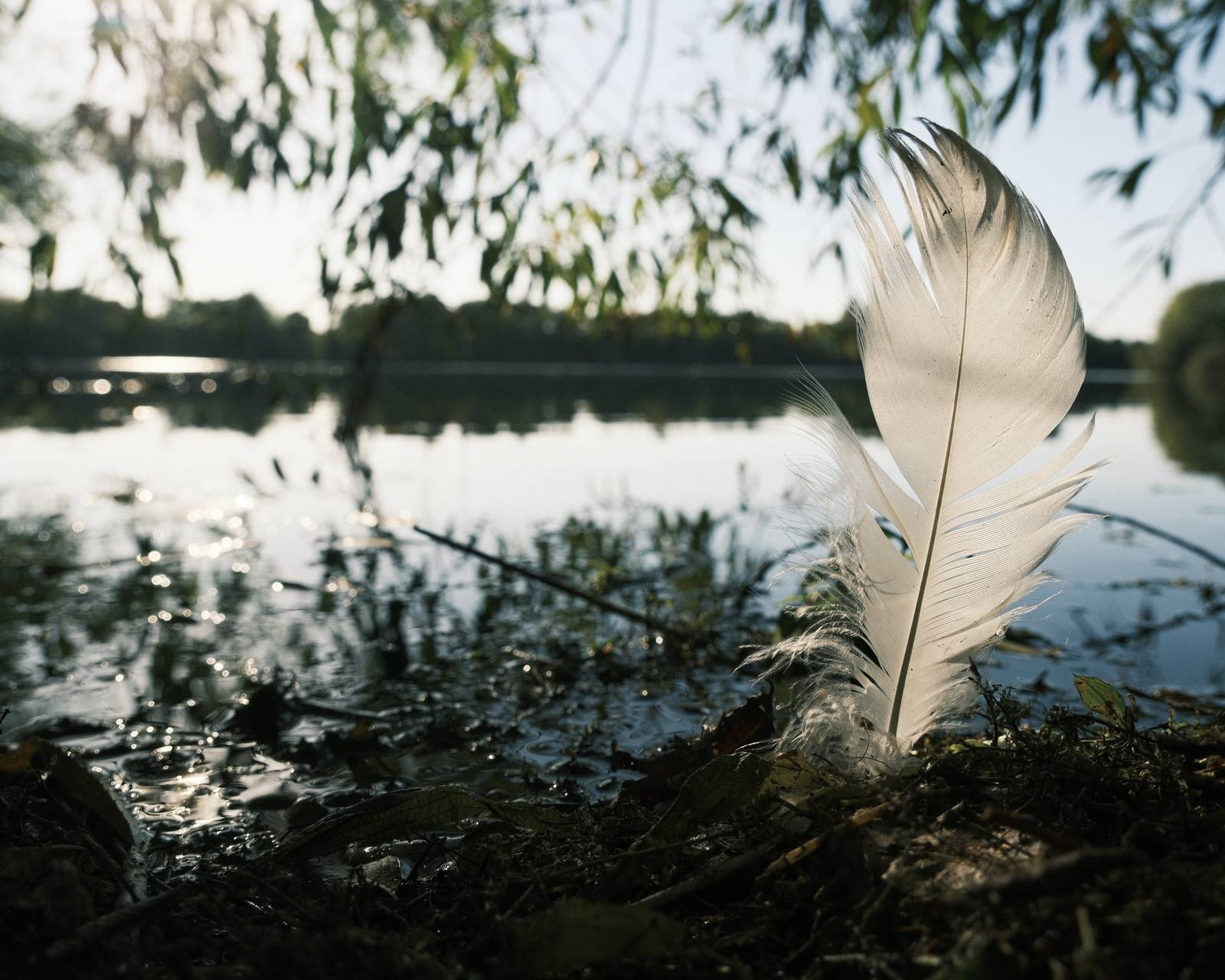
Creative captures from ground level, with the October Gold film recipePerfect for fall color, the October Gold film recipe
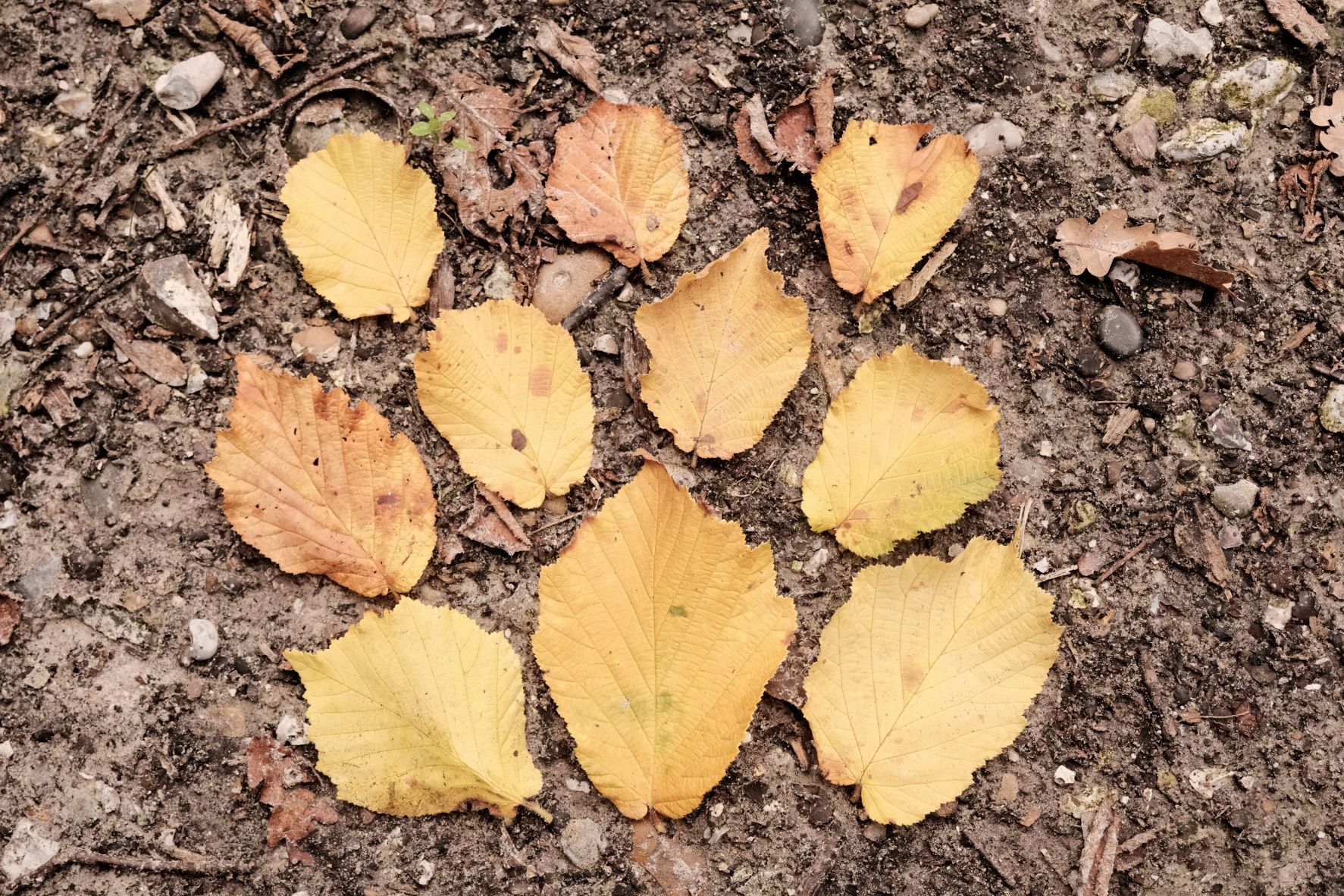
Soft tones for Autumn, taken by Marcel with October Gold film recipeWoodland details, with the mellow look of October Gold recipeEmbrace a new subtle style with October Gold film recipe
October Goldon a Dewy Morning
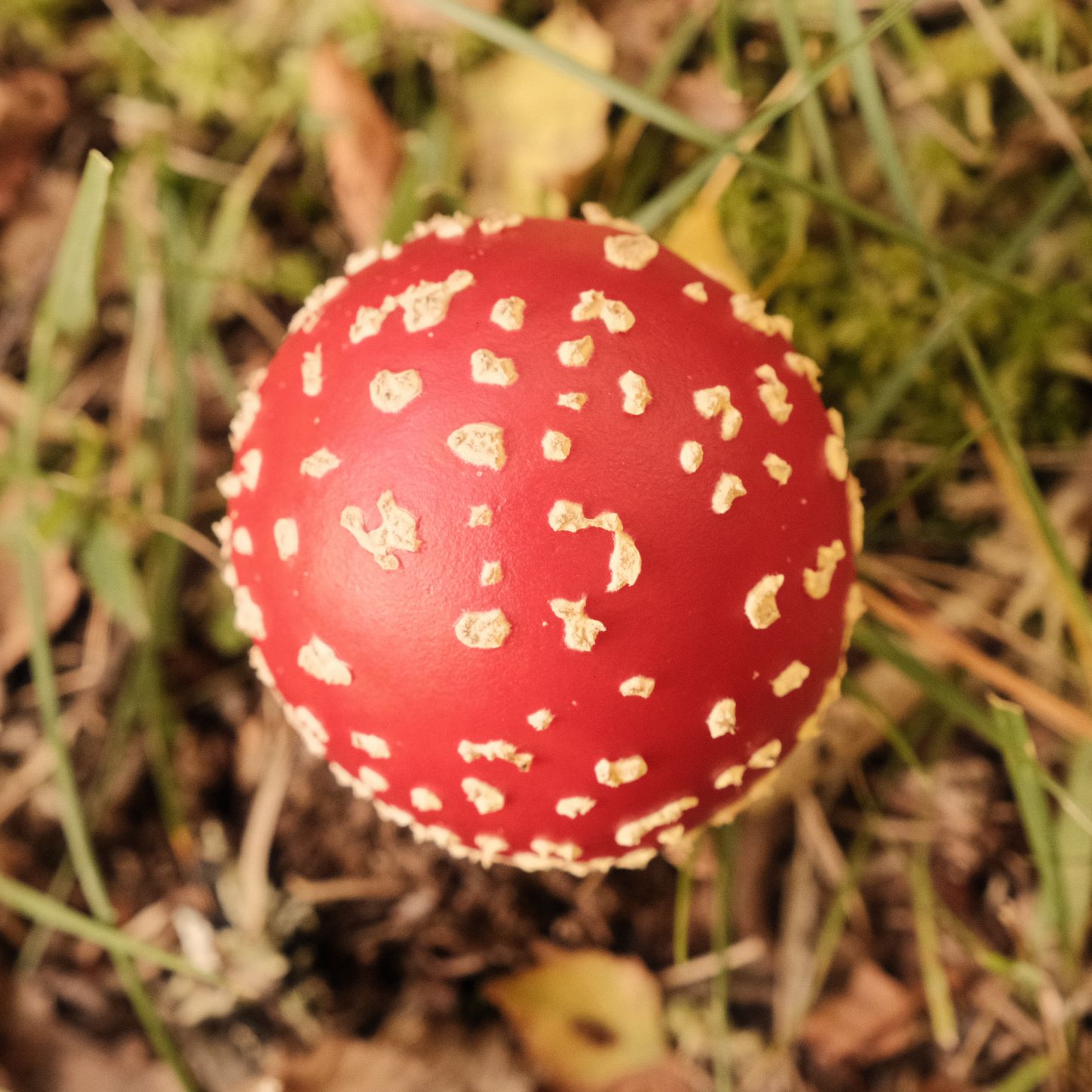
We’re back to my photography for this section. No more fungi, I’m sorry.
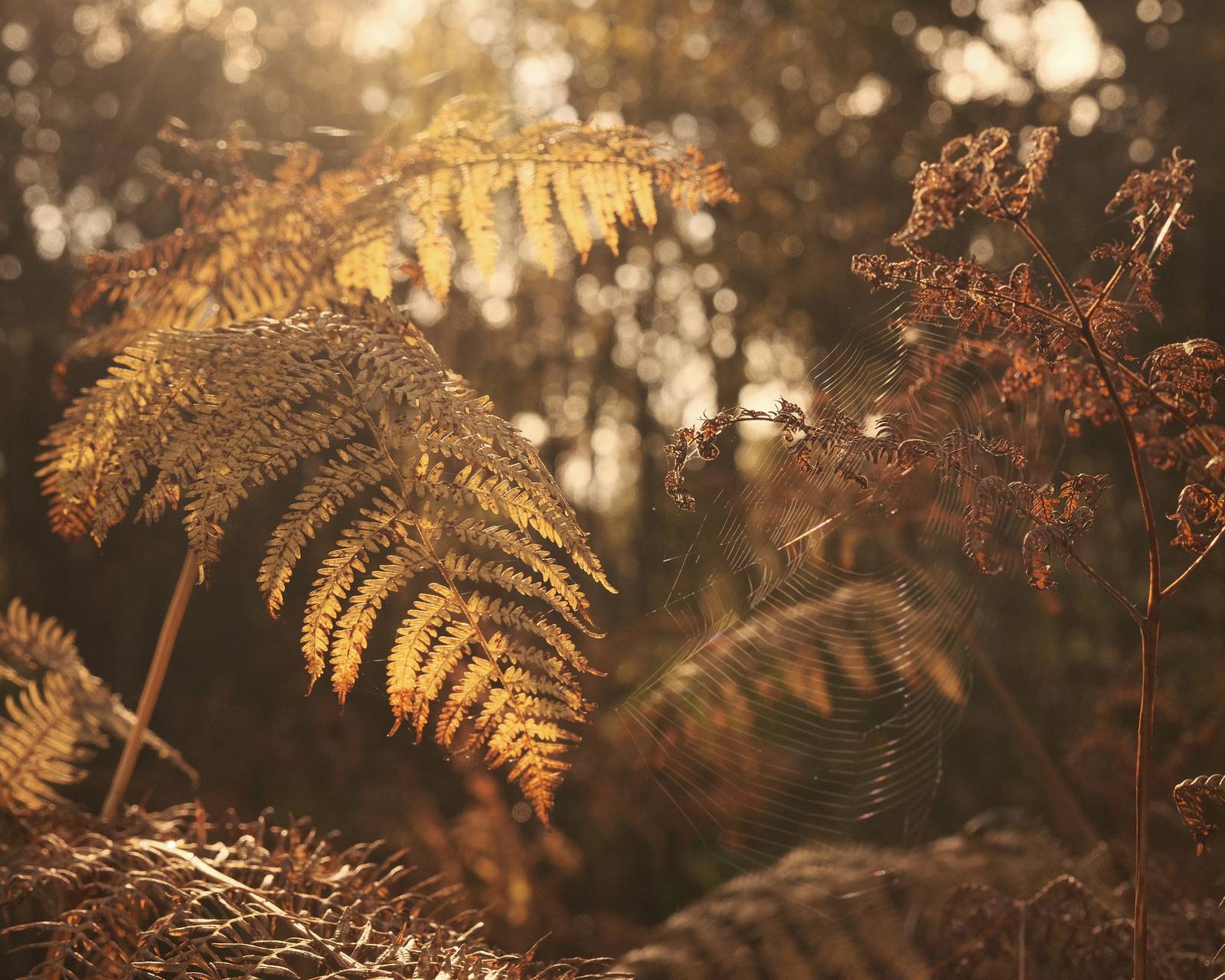
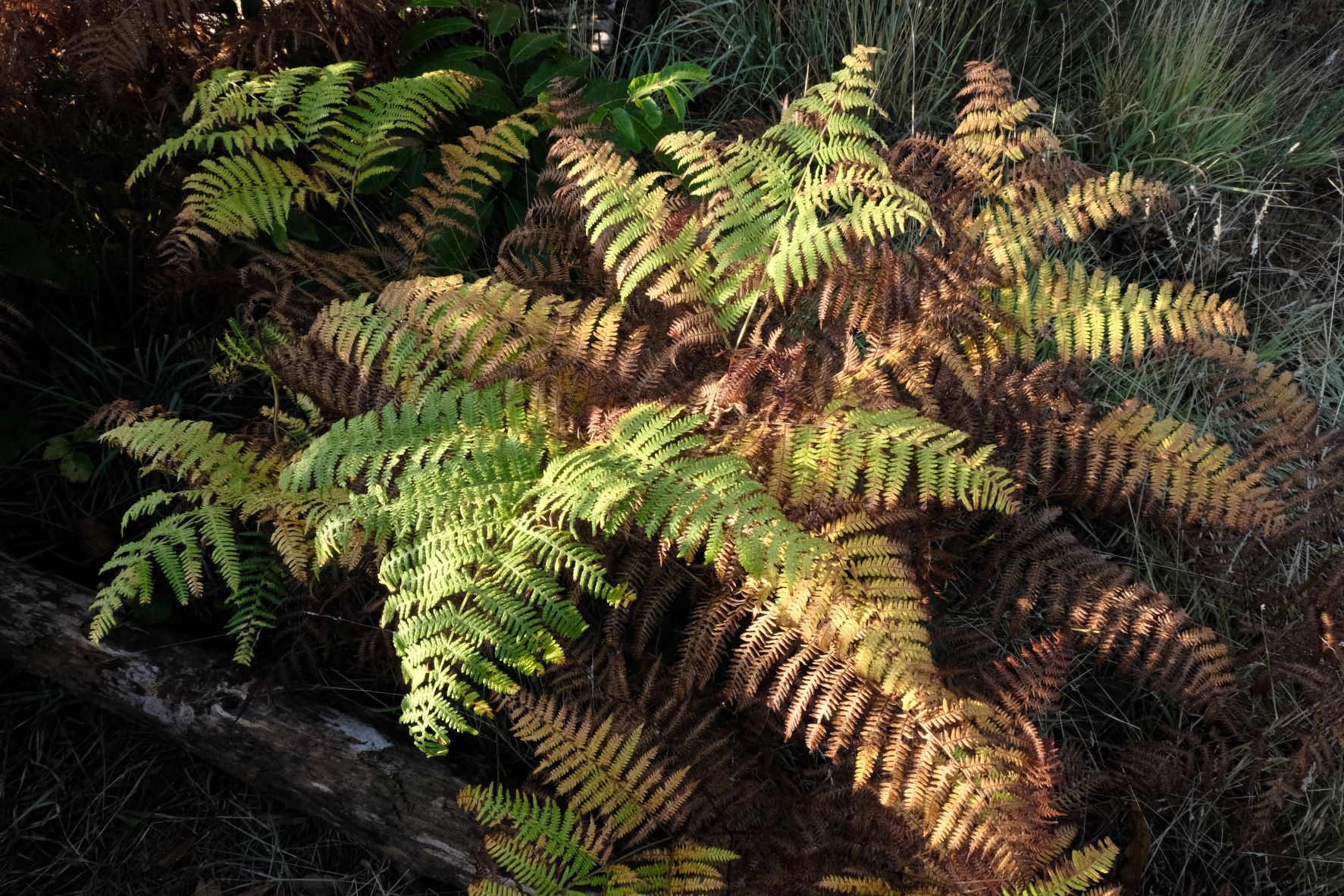
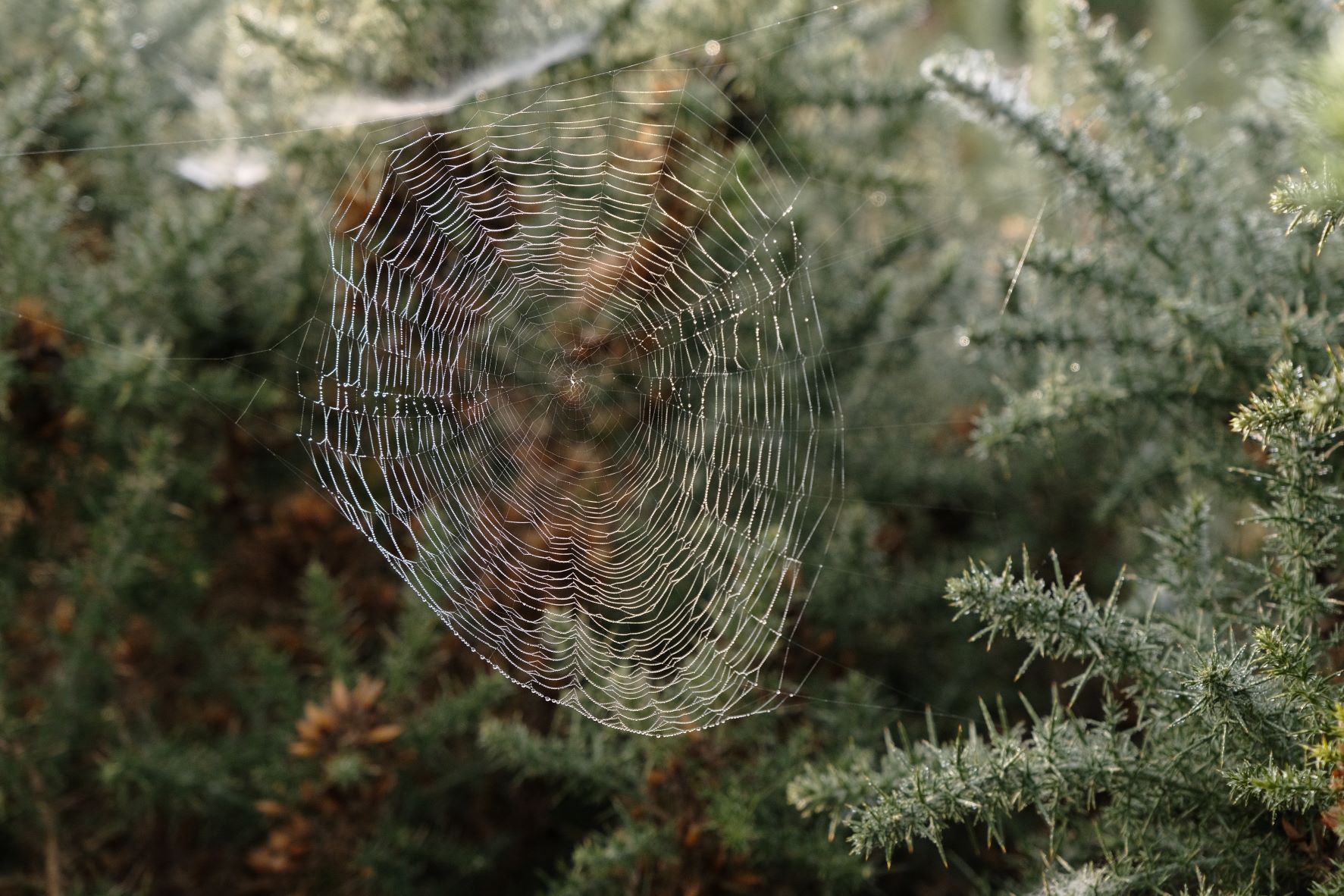
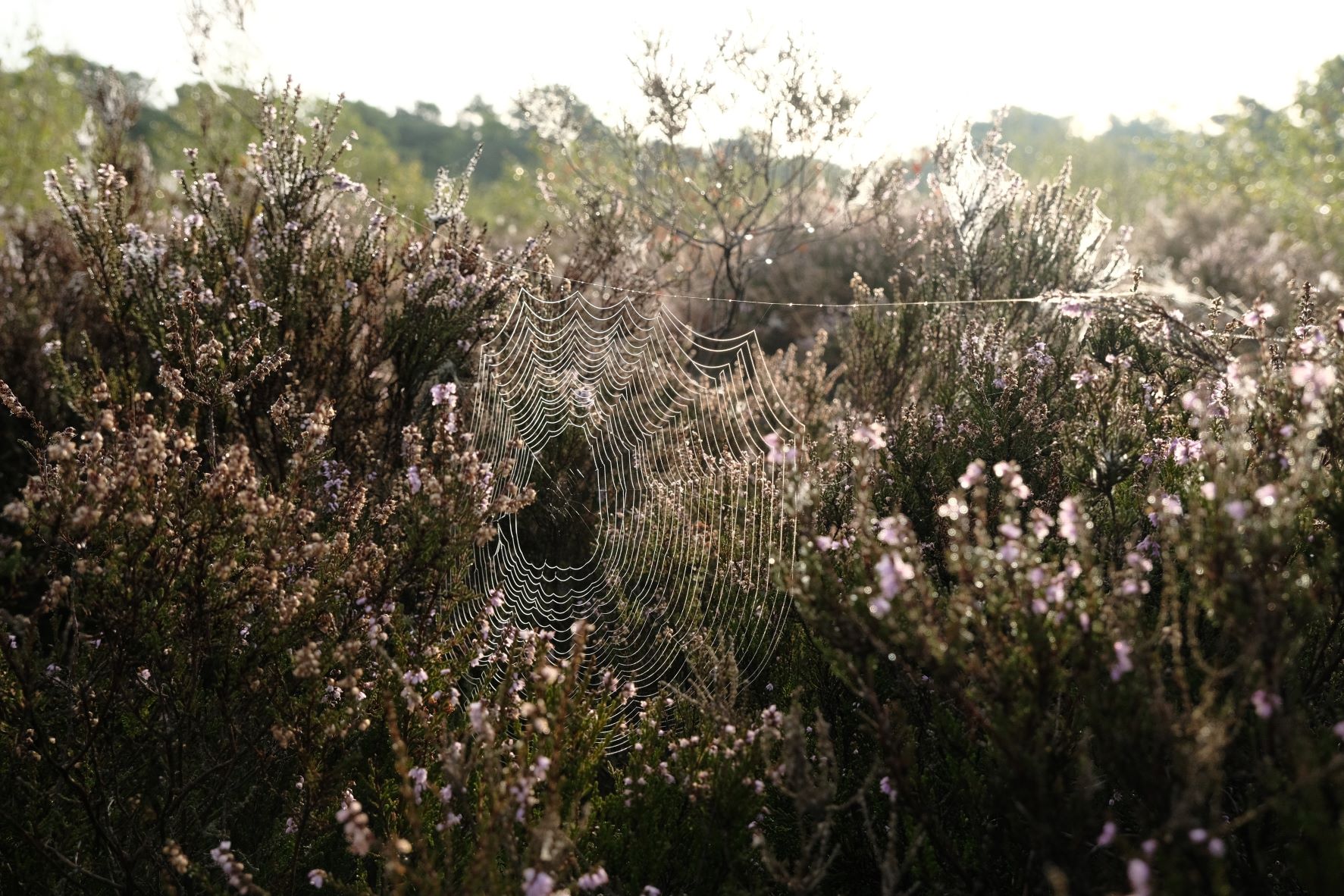
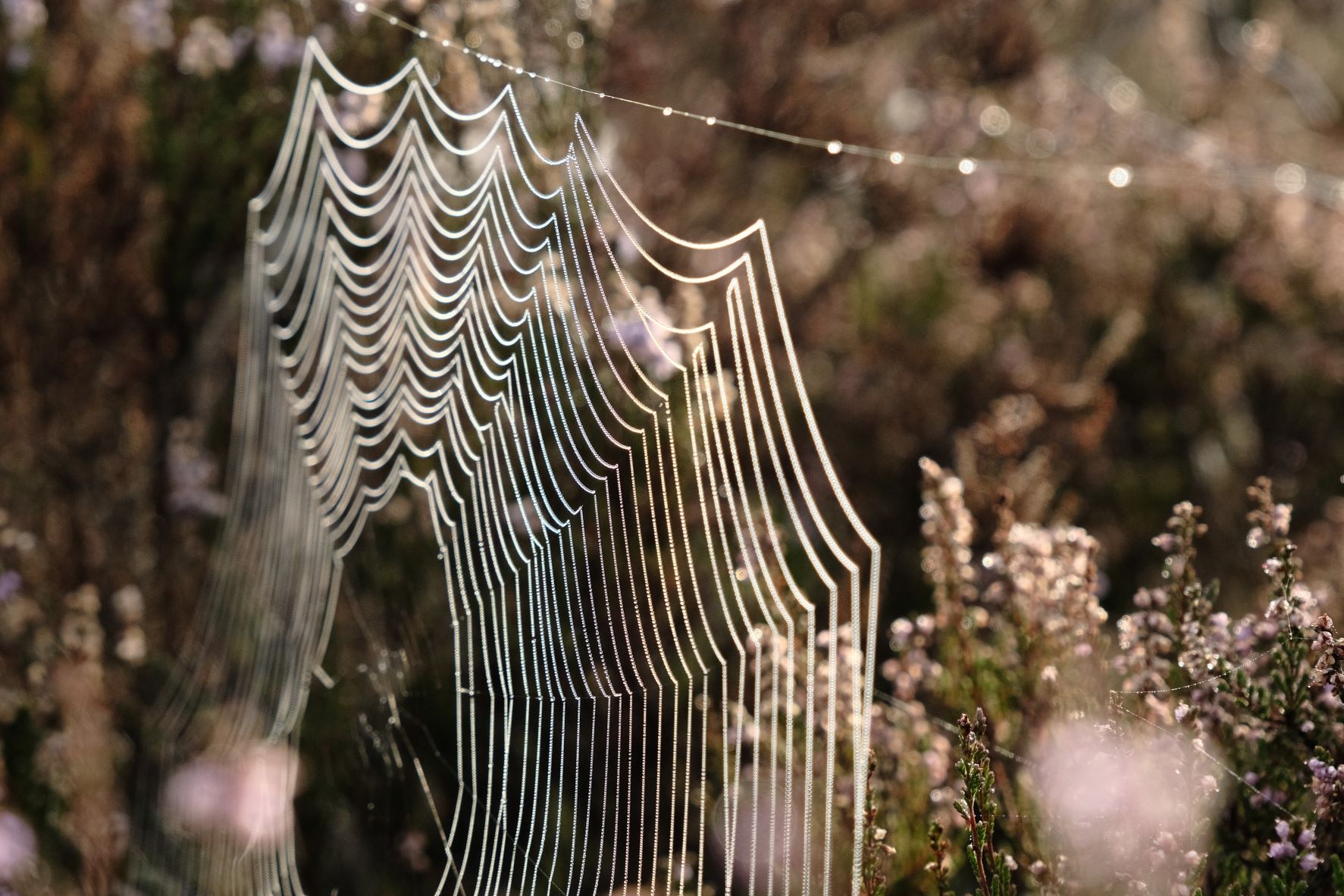
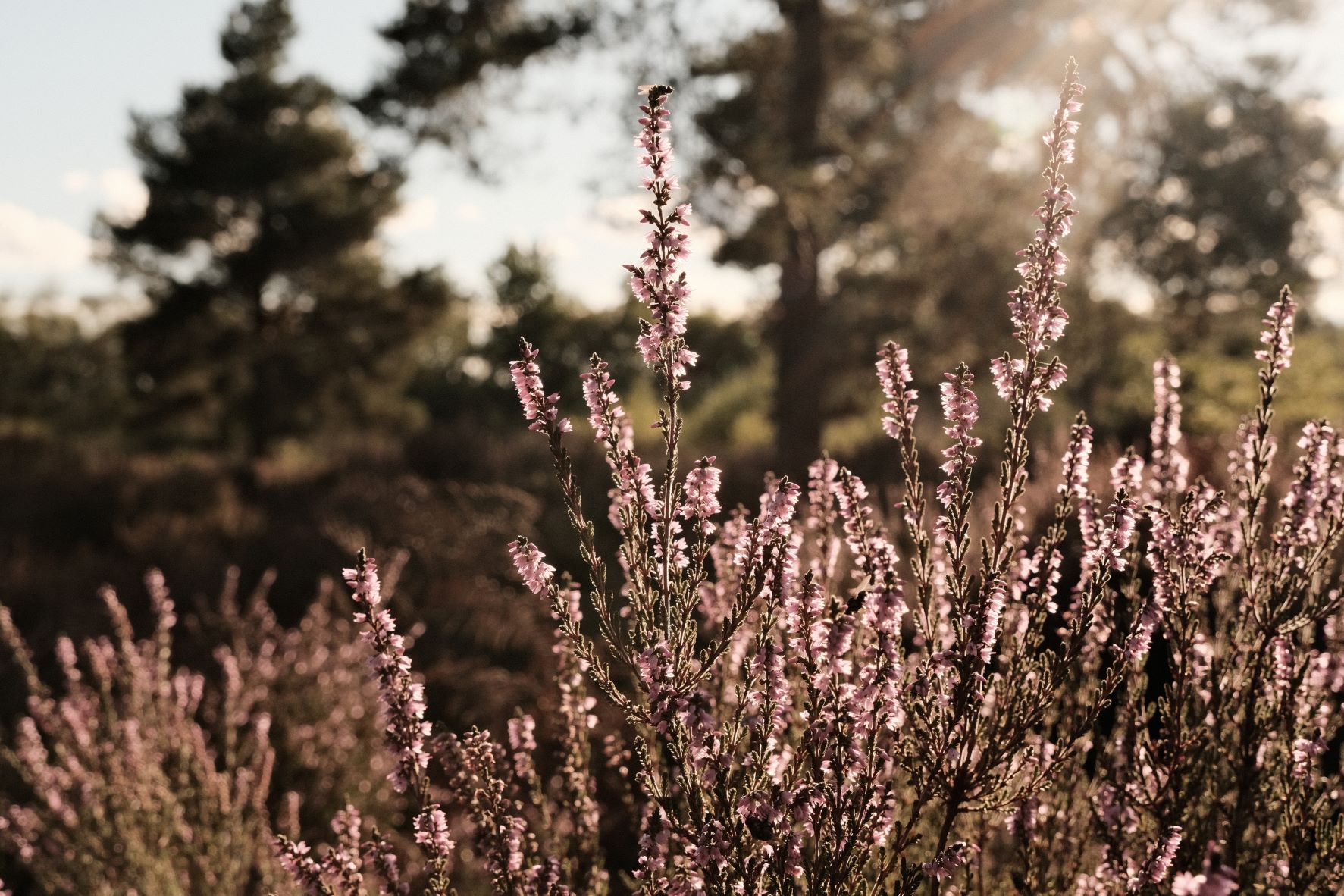
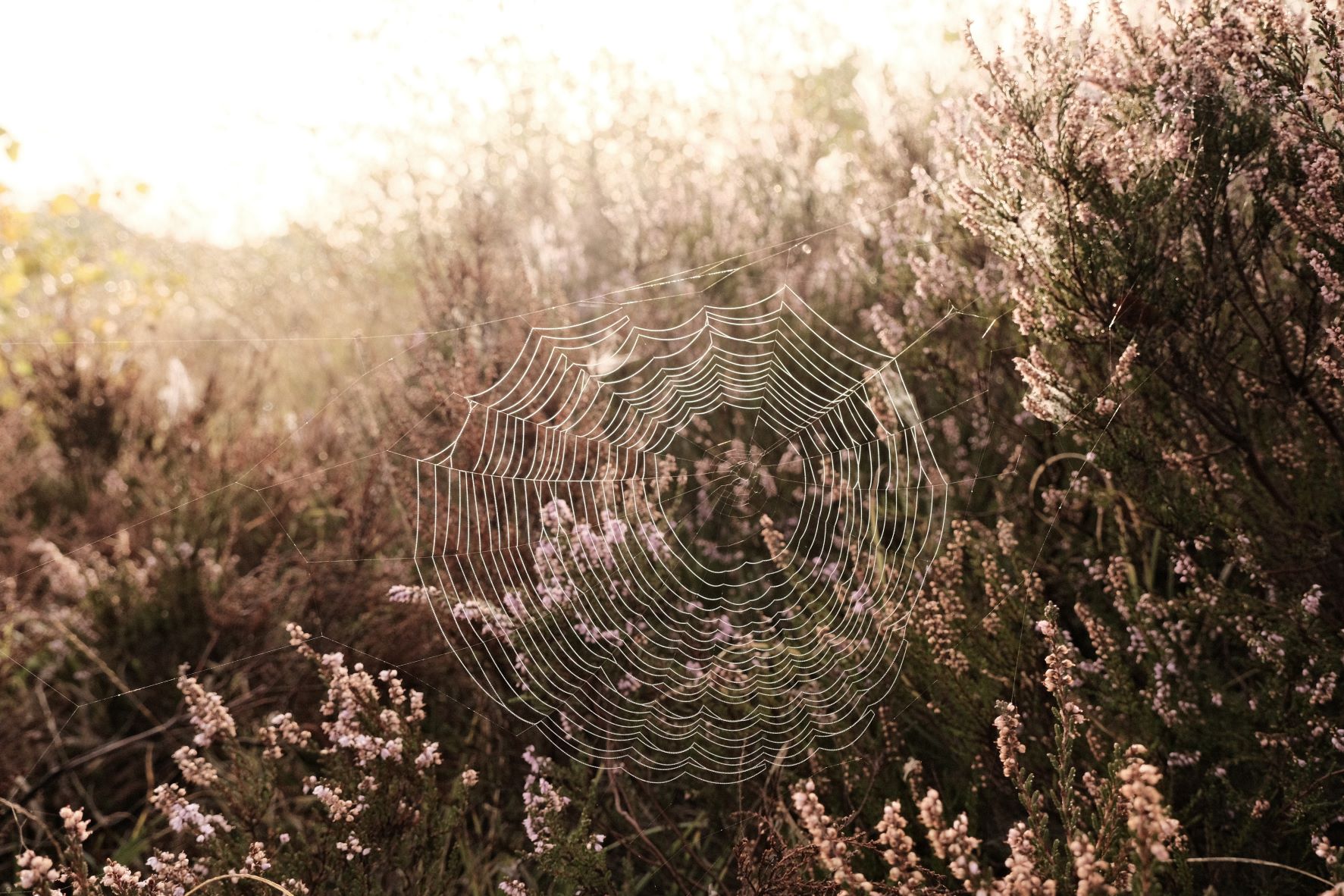
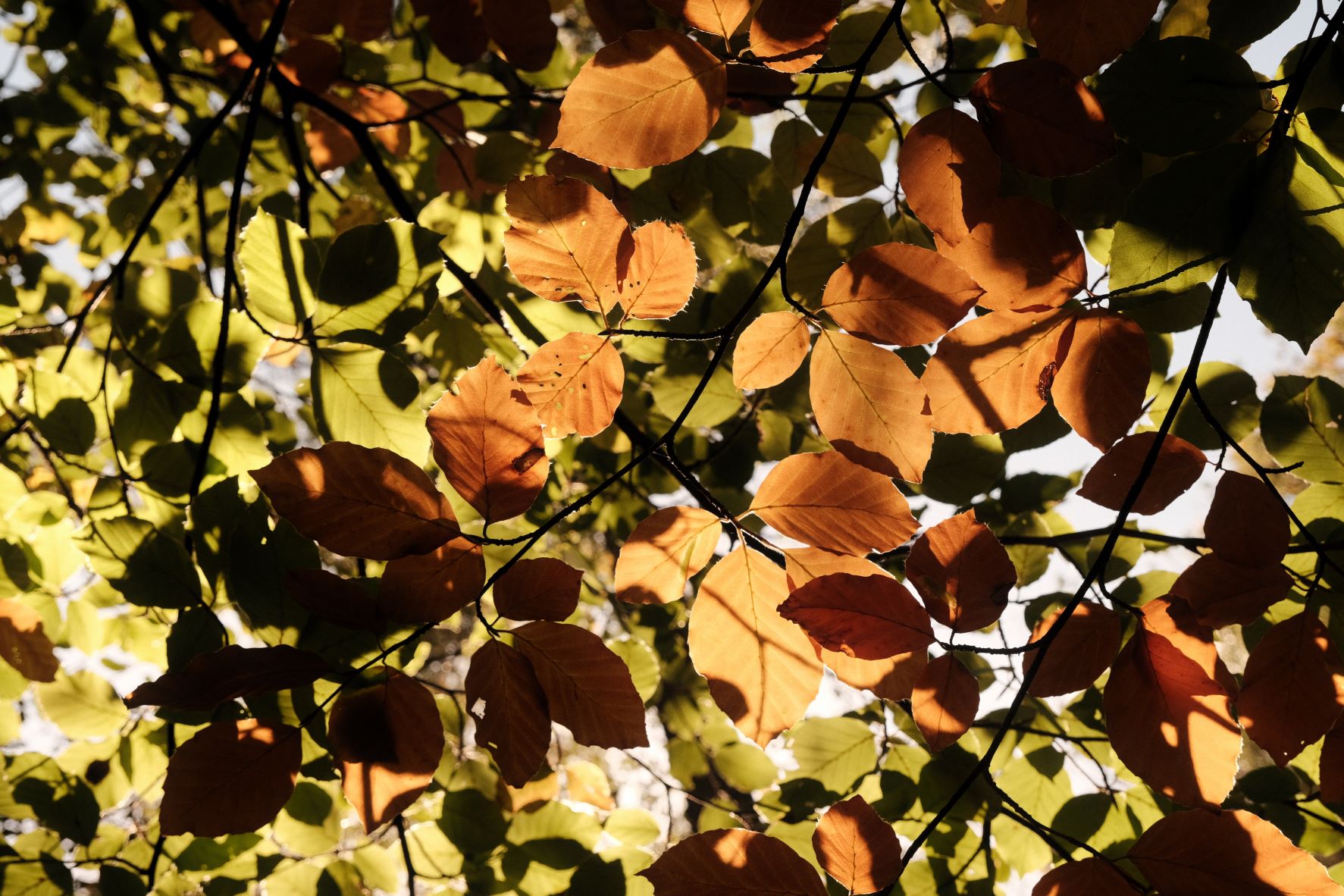
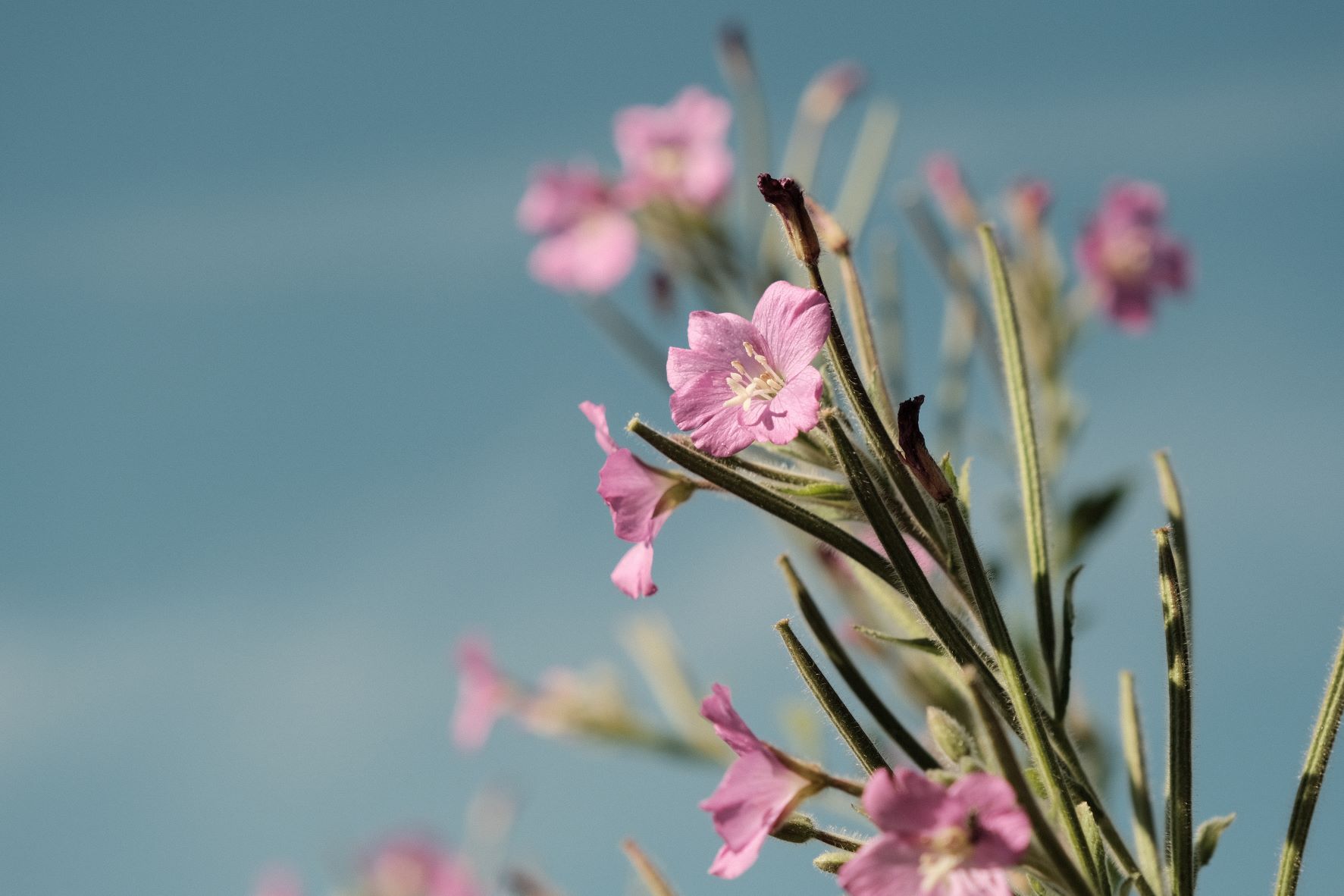
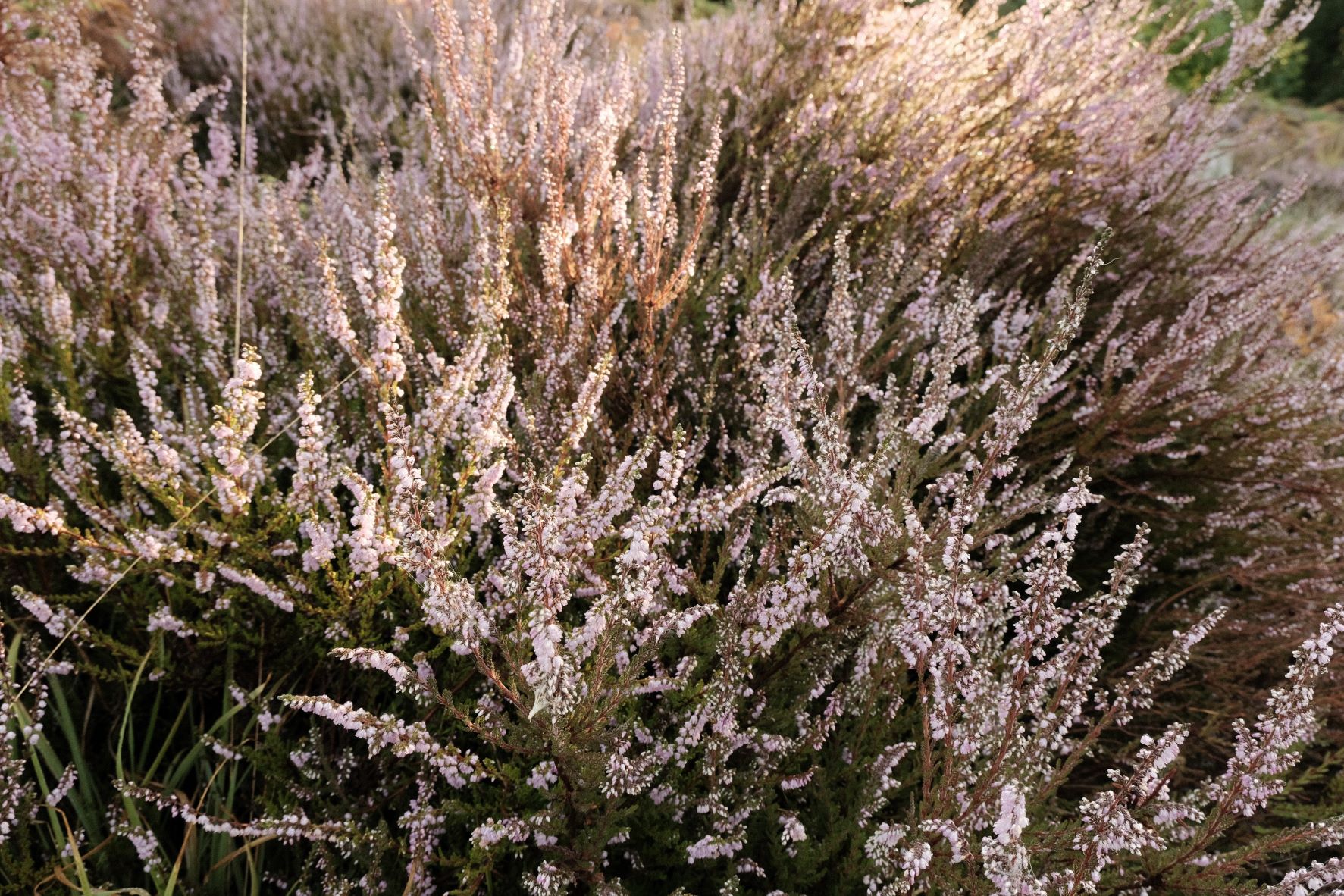
The ferns show the first signs of Autumn, October Gold film recipeThe leaves are beginning to turn, captured with October GoldThe summer heather is fading now, using October Gold film recipeA dewy morning shows up the spider webs, October Gold film recipeHanging by a thread … taken with October Gold film recipeA marvel of nature, captured with October Gold film recipeSoaked in the morning dew, captured by October Gold film recipeRuby tone fern fronds, with October Gold film recipe
October Gold in Midday Sun
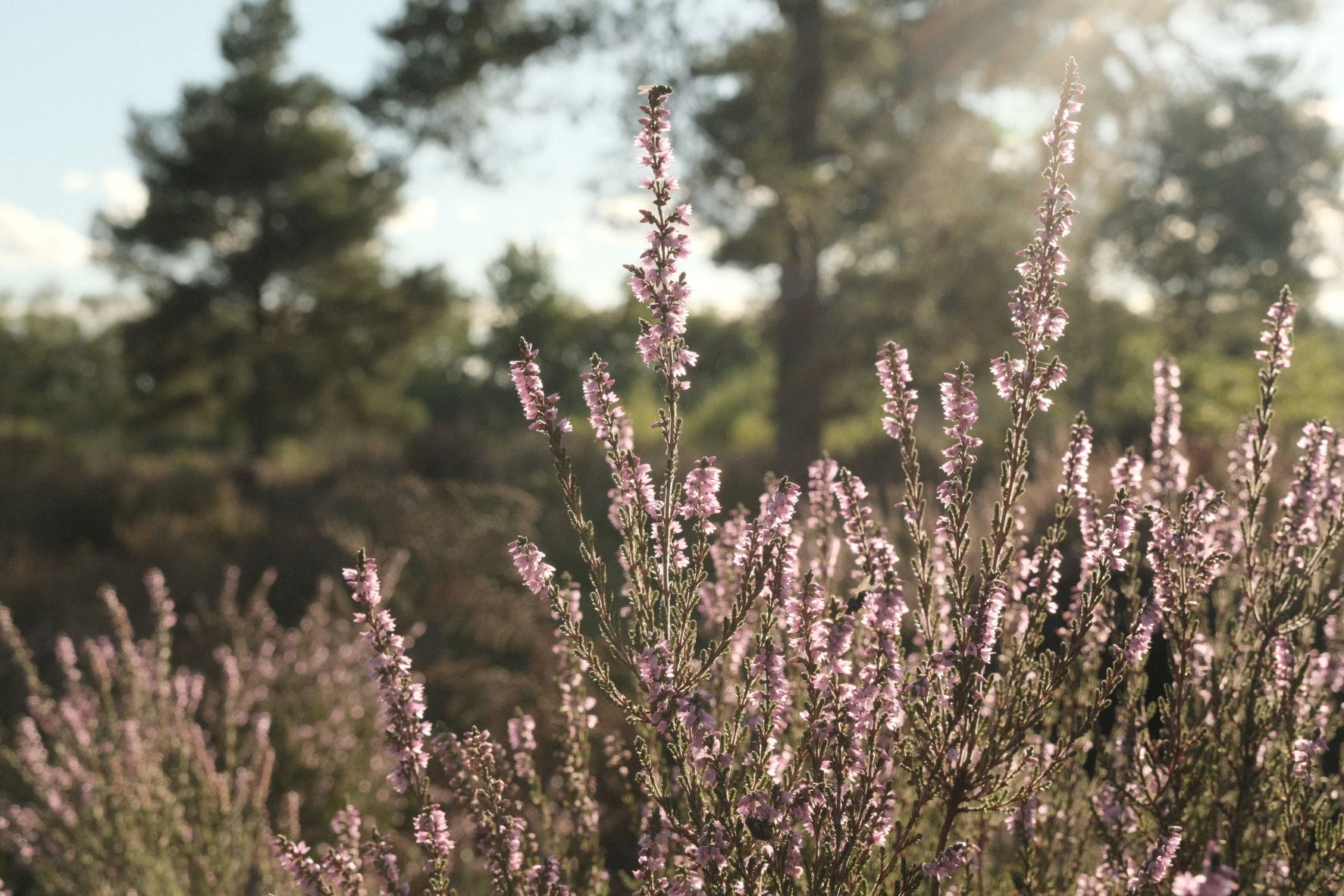
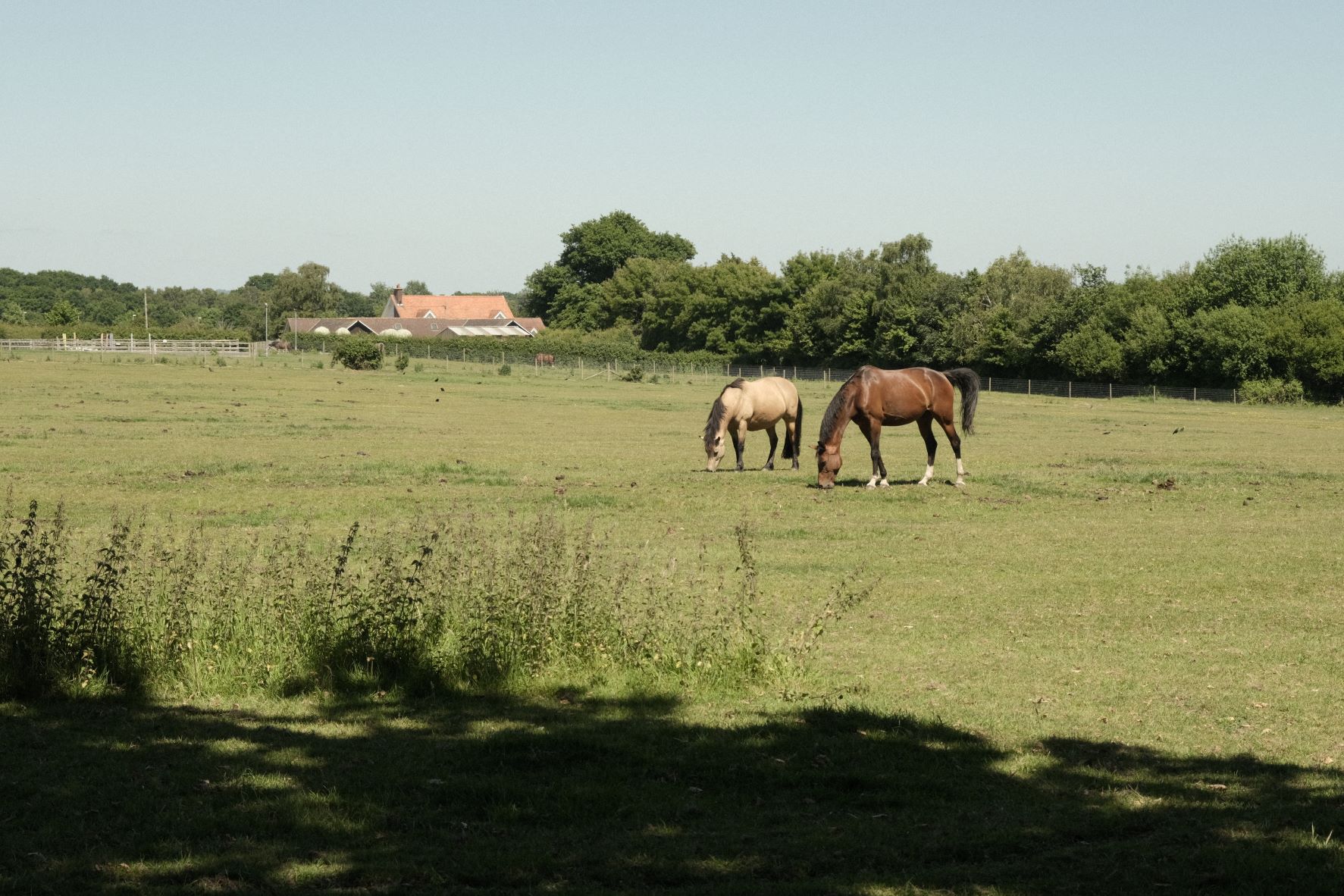
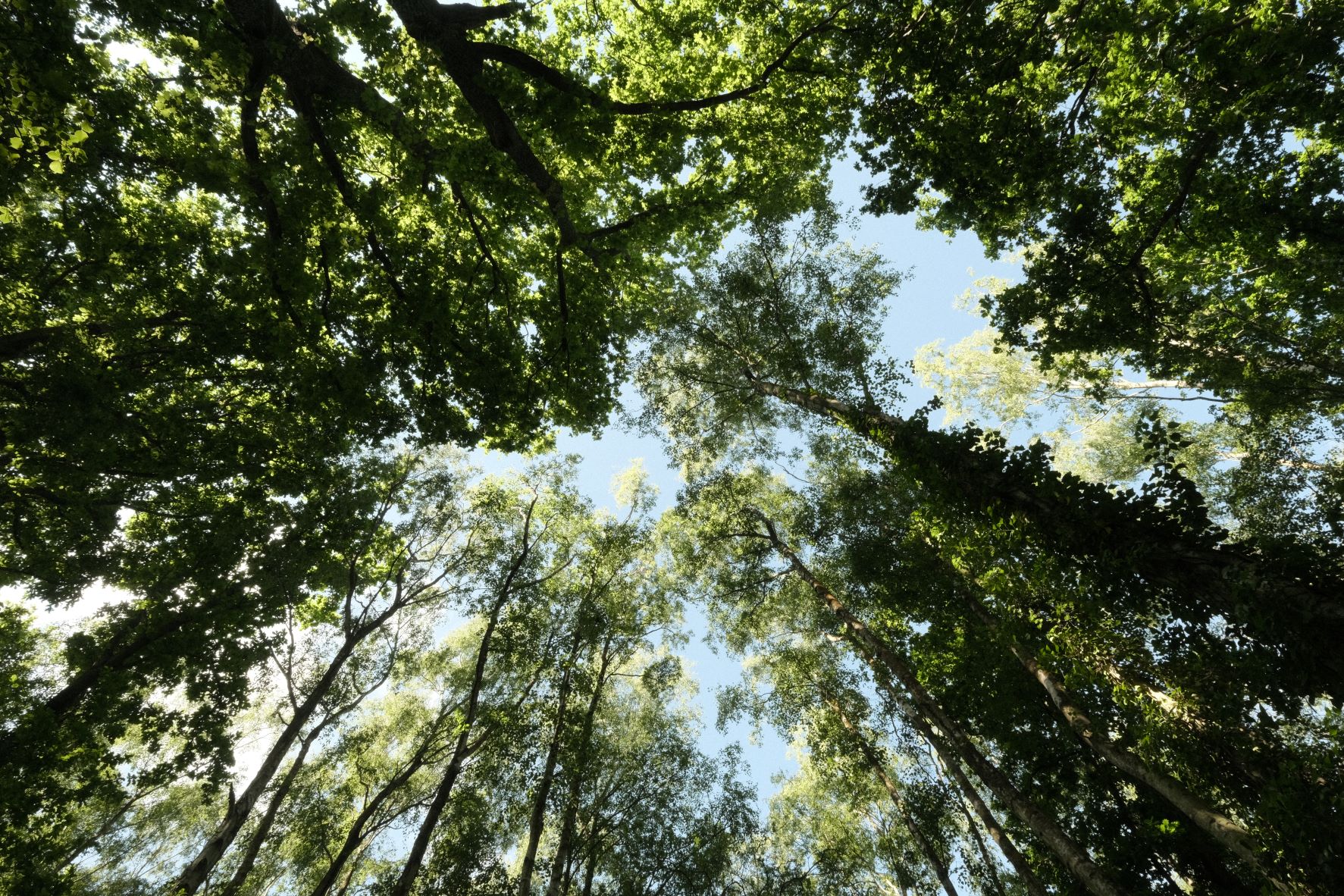
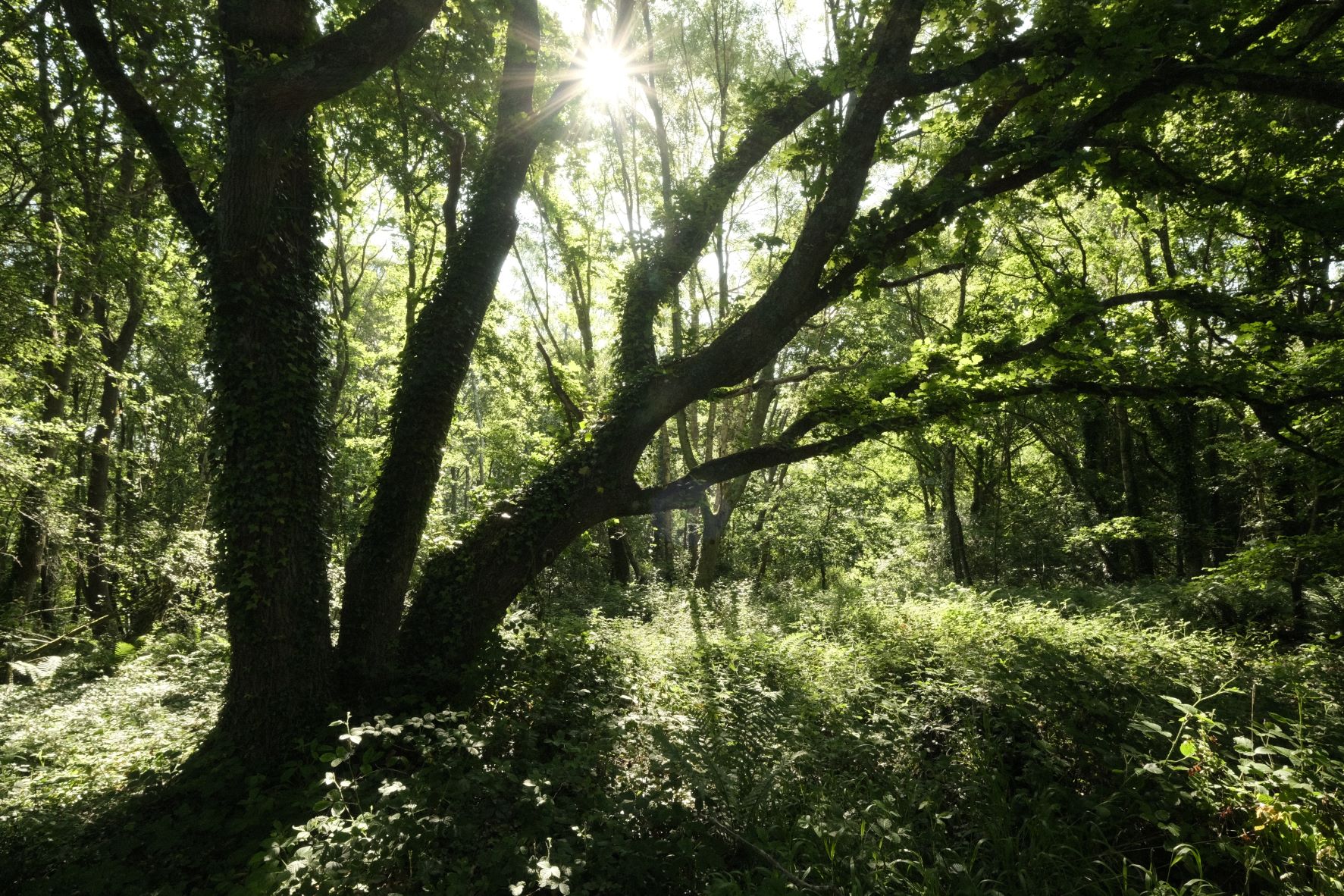
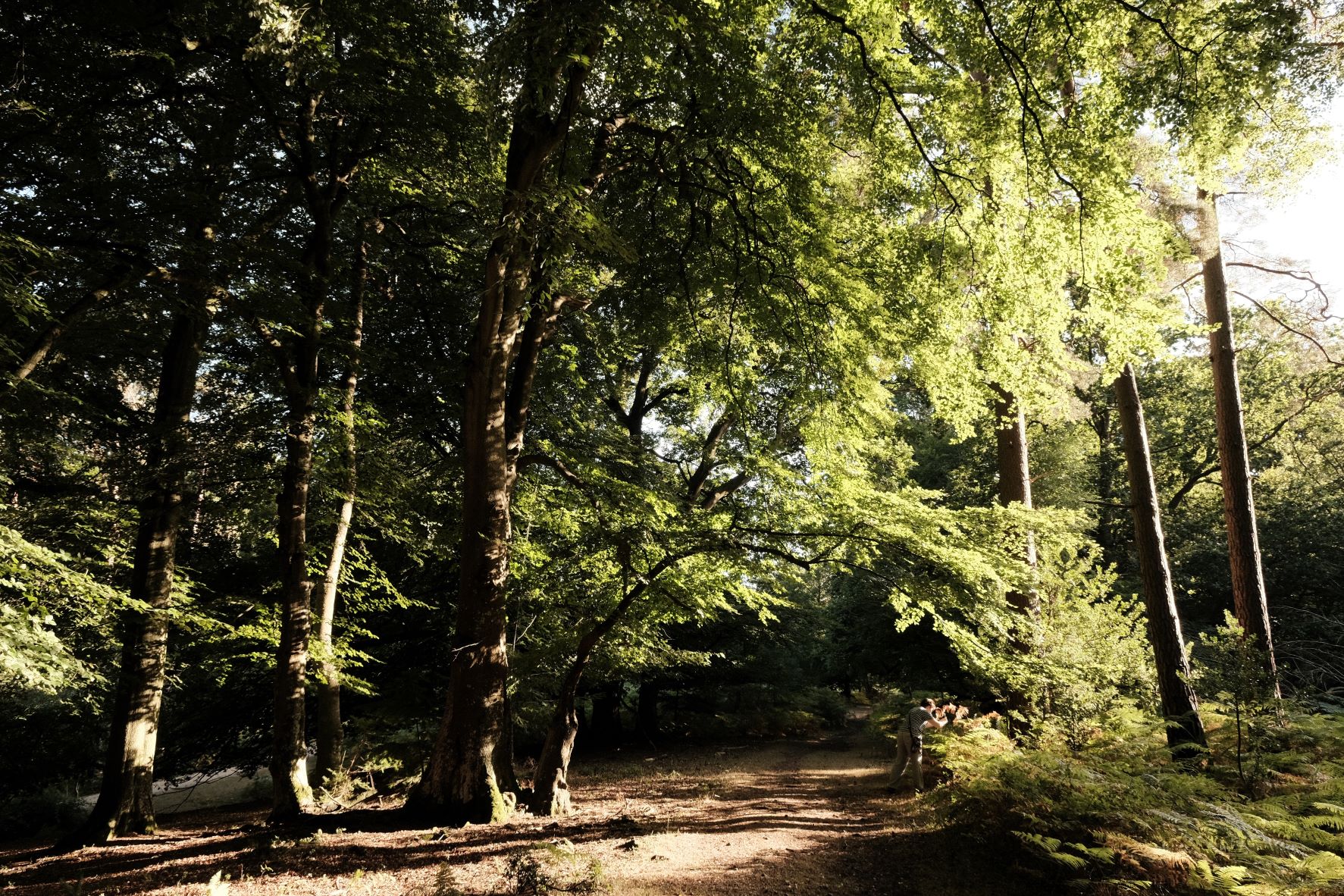
With a fixed colour temperature of 5200K, this recipe doesn’t adapt to the changing light throughout the day, and so I took a short test drive in bright middle of the day conditions to check how it performed. Close up shots very much fell within the aesthetic, but a general landscape view of trees and sky, whilst beautiful, was certainly not ‘gold’. See what you think …
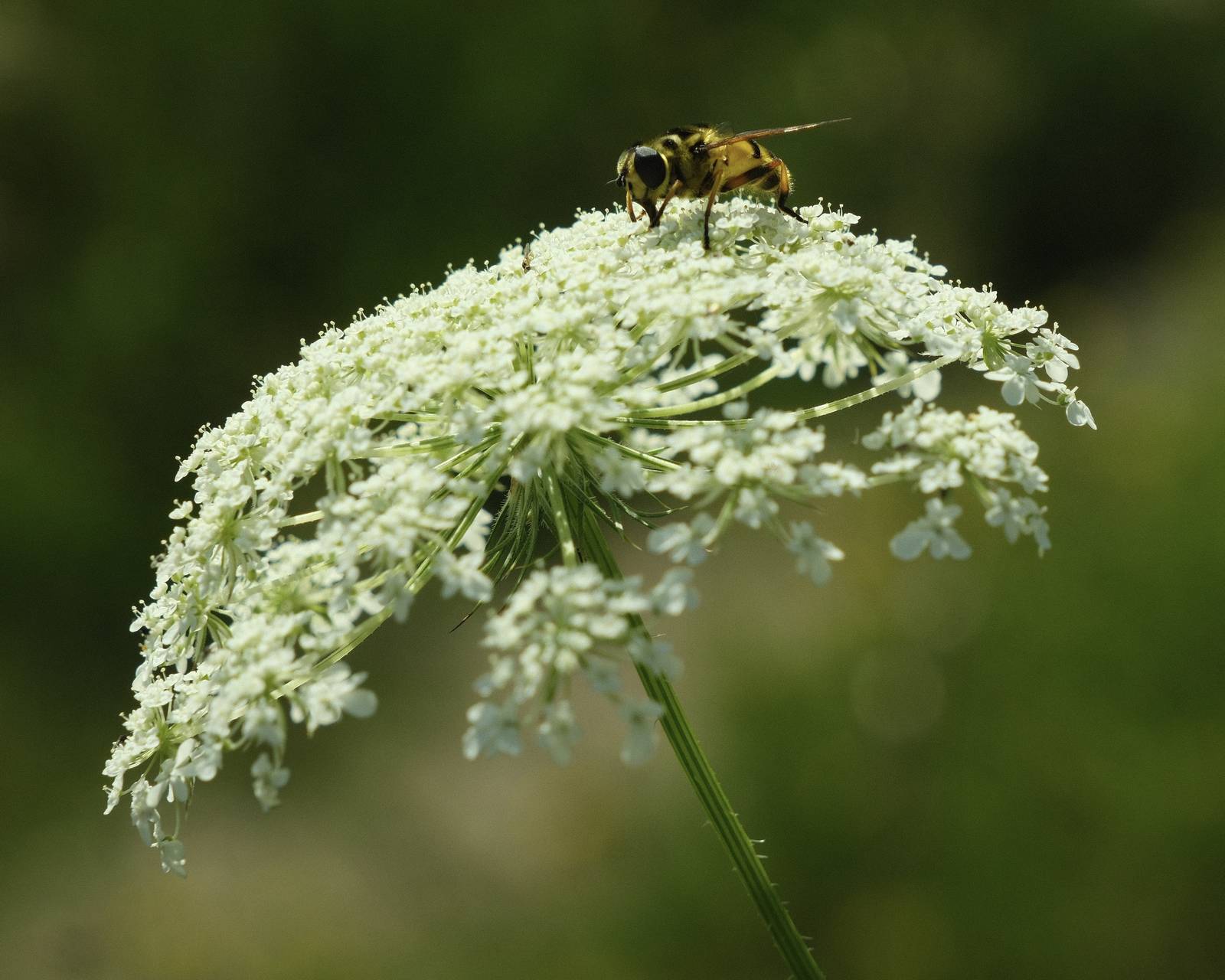
Garden seed heads, captured with October GoldBright sunshine on the succulent, with October GoldMiddle of the day treeline, not so ‘gold’ with October Gold
Marcel’s other recipes
At the time of writing, Marcel has 9 other film recipes for you to enjoy. Each one is a wonderful example of what Fujifilm film simulations can do in the hands of a talented photograper. Take a look, but more importantly, load up October Gold into your camera to shoot the mellow scenes of Autumn ASAP.