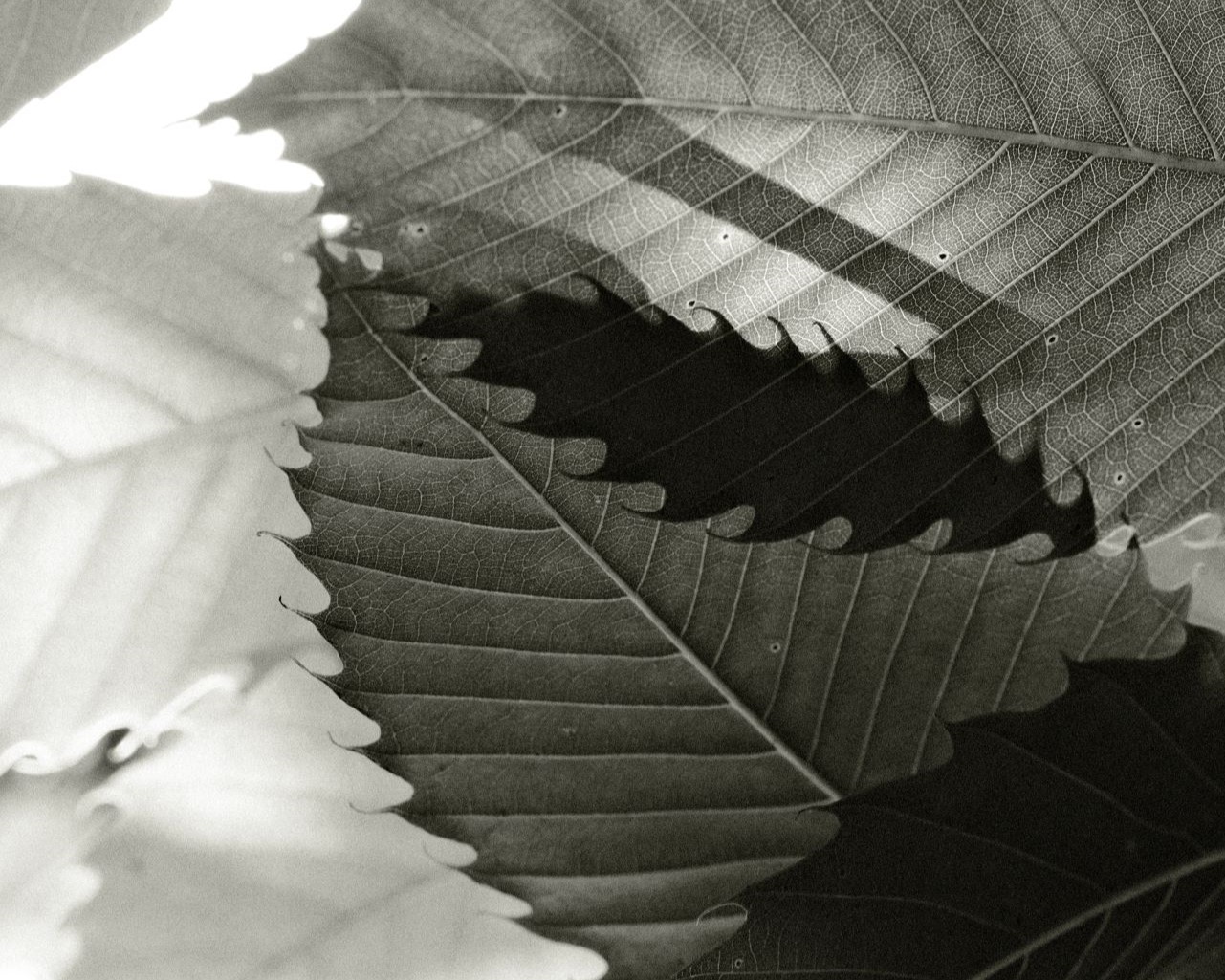
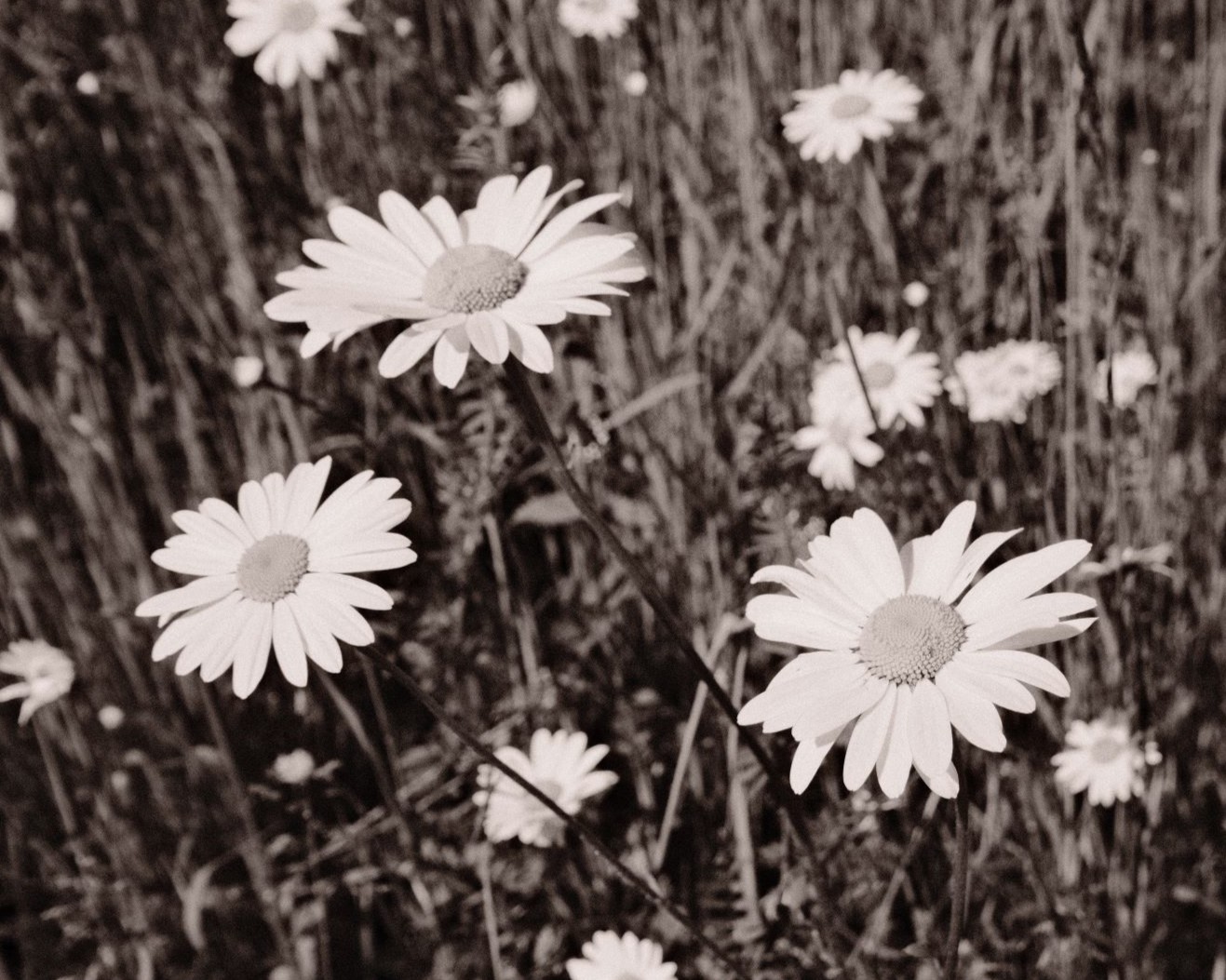
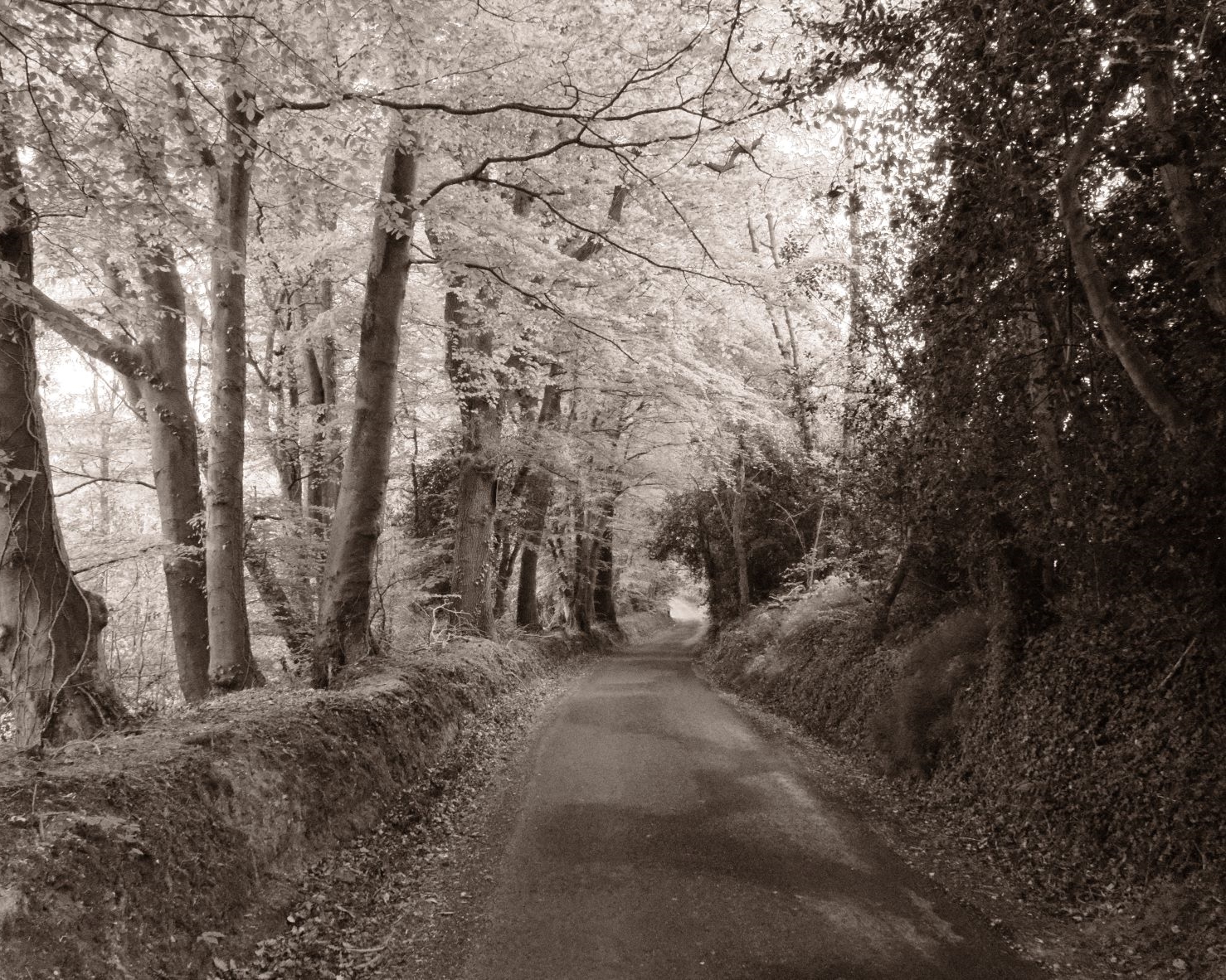
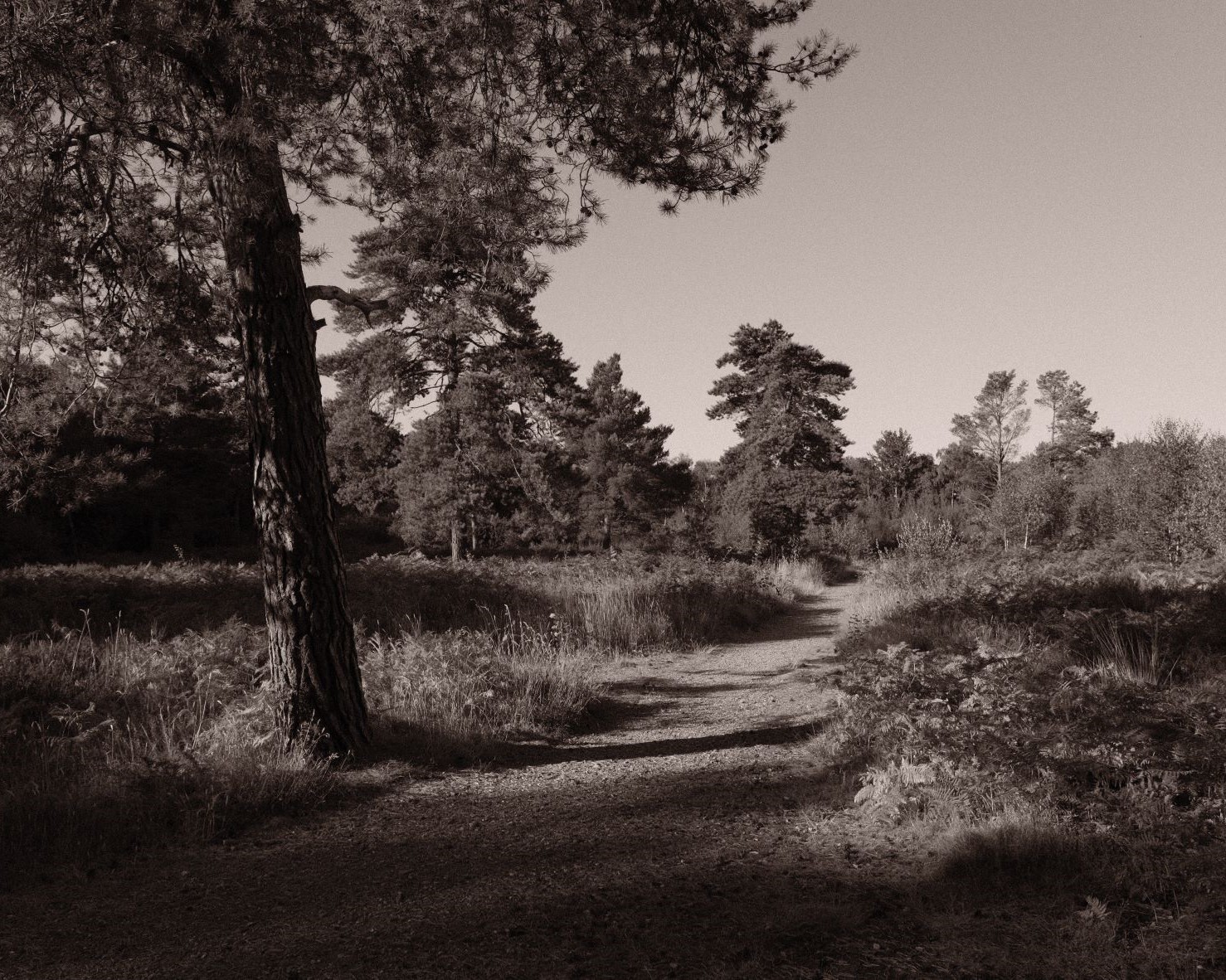
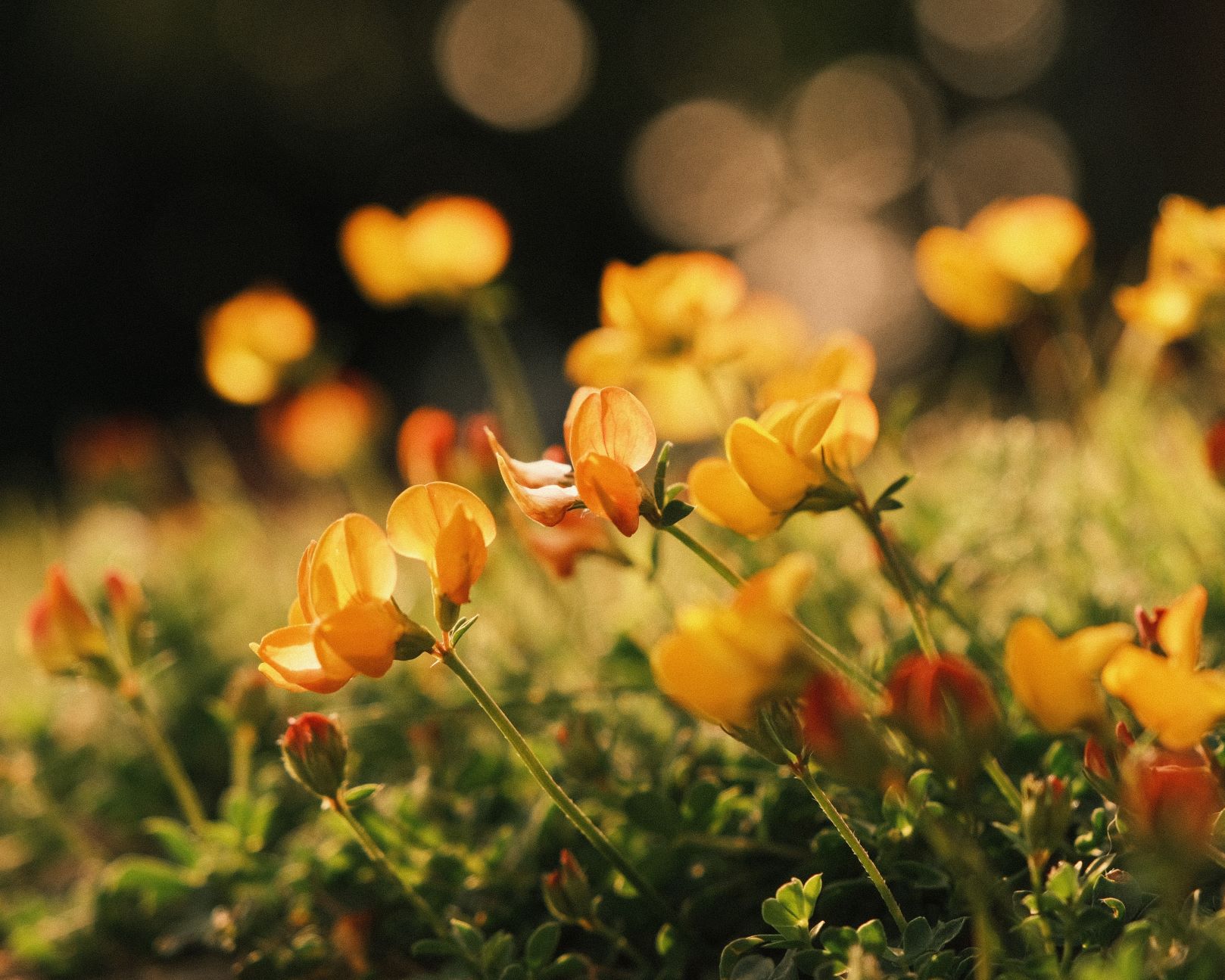
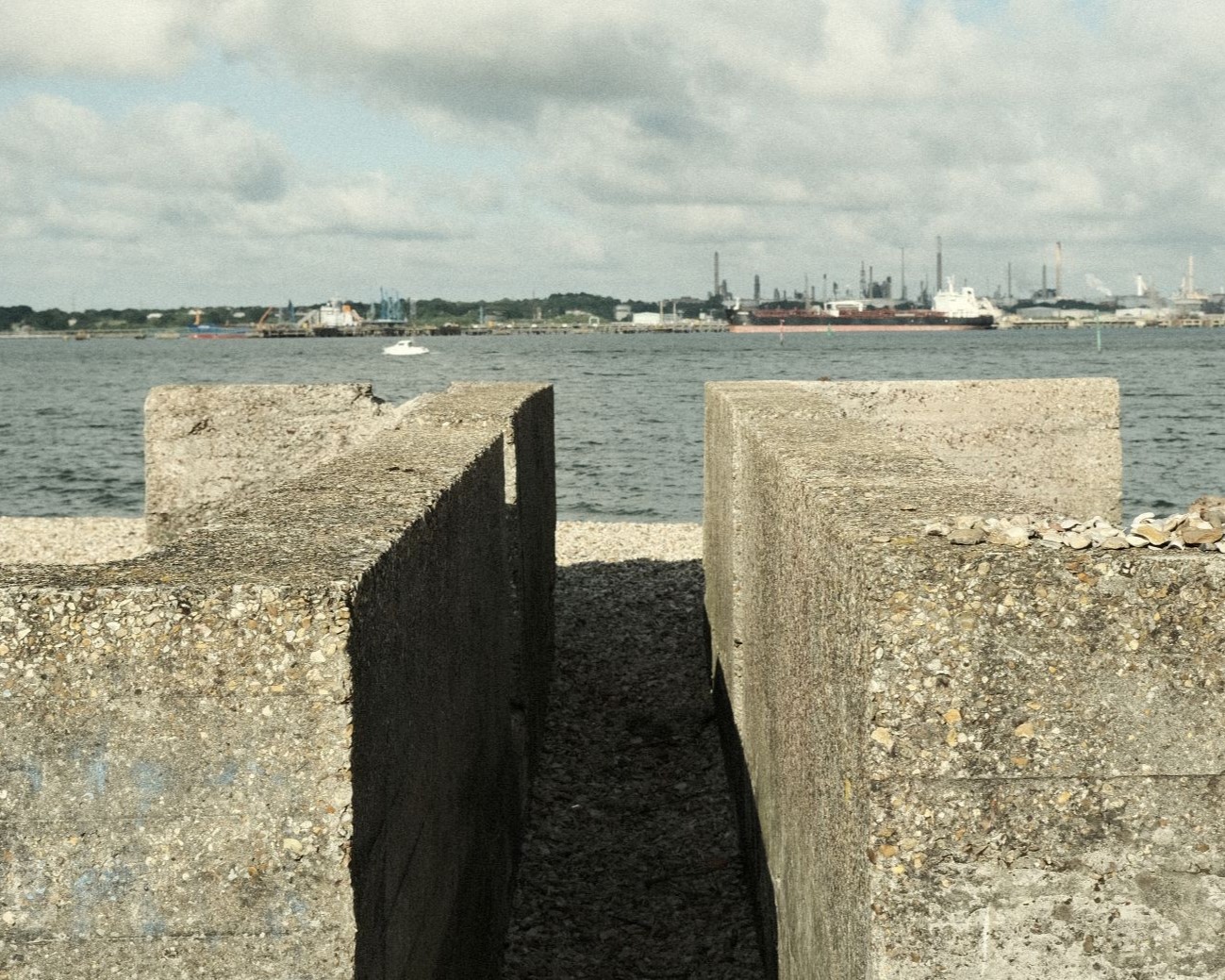
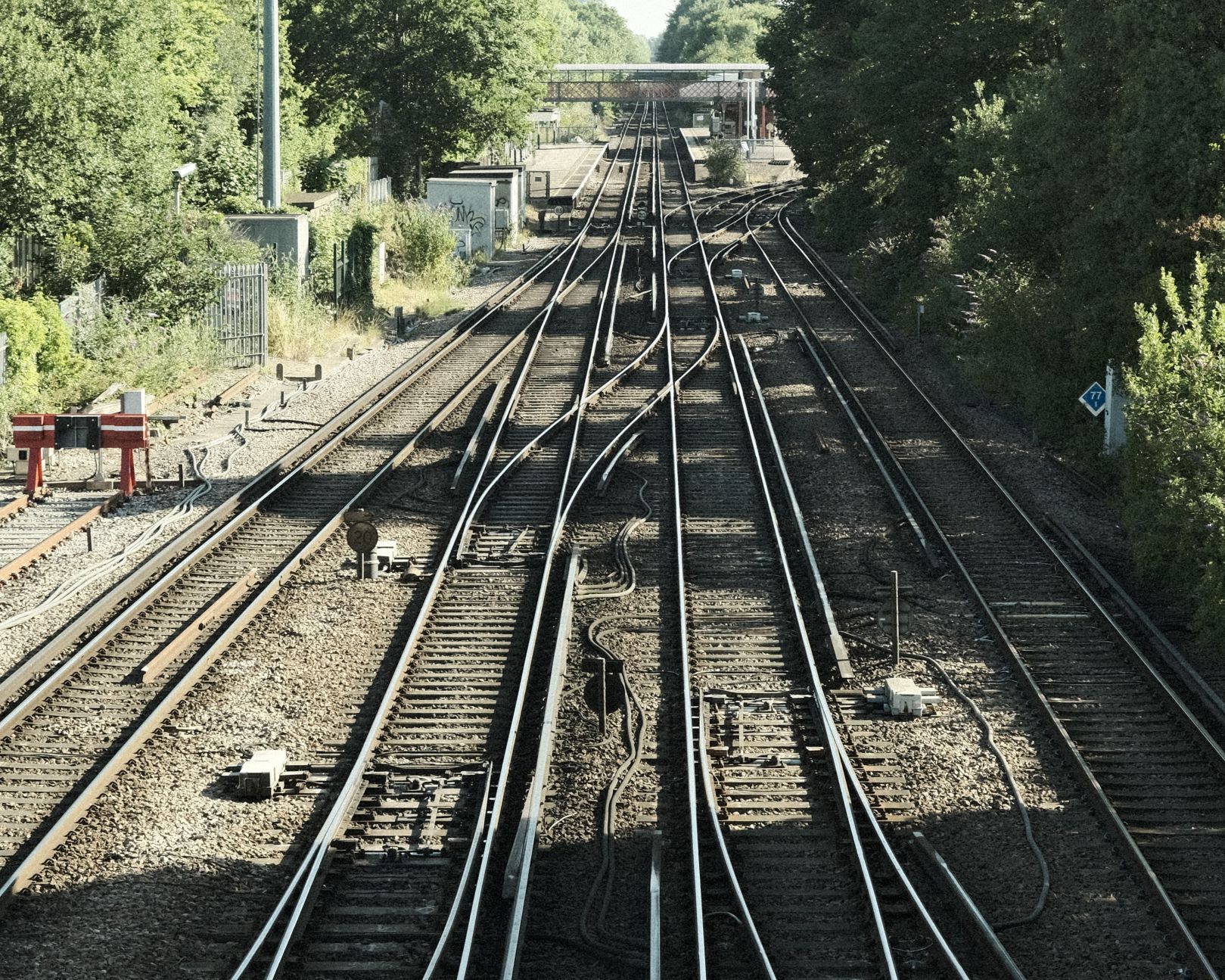
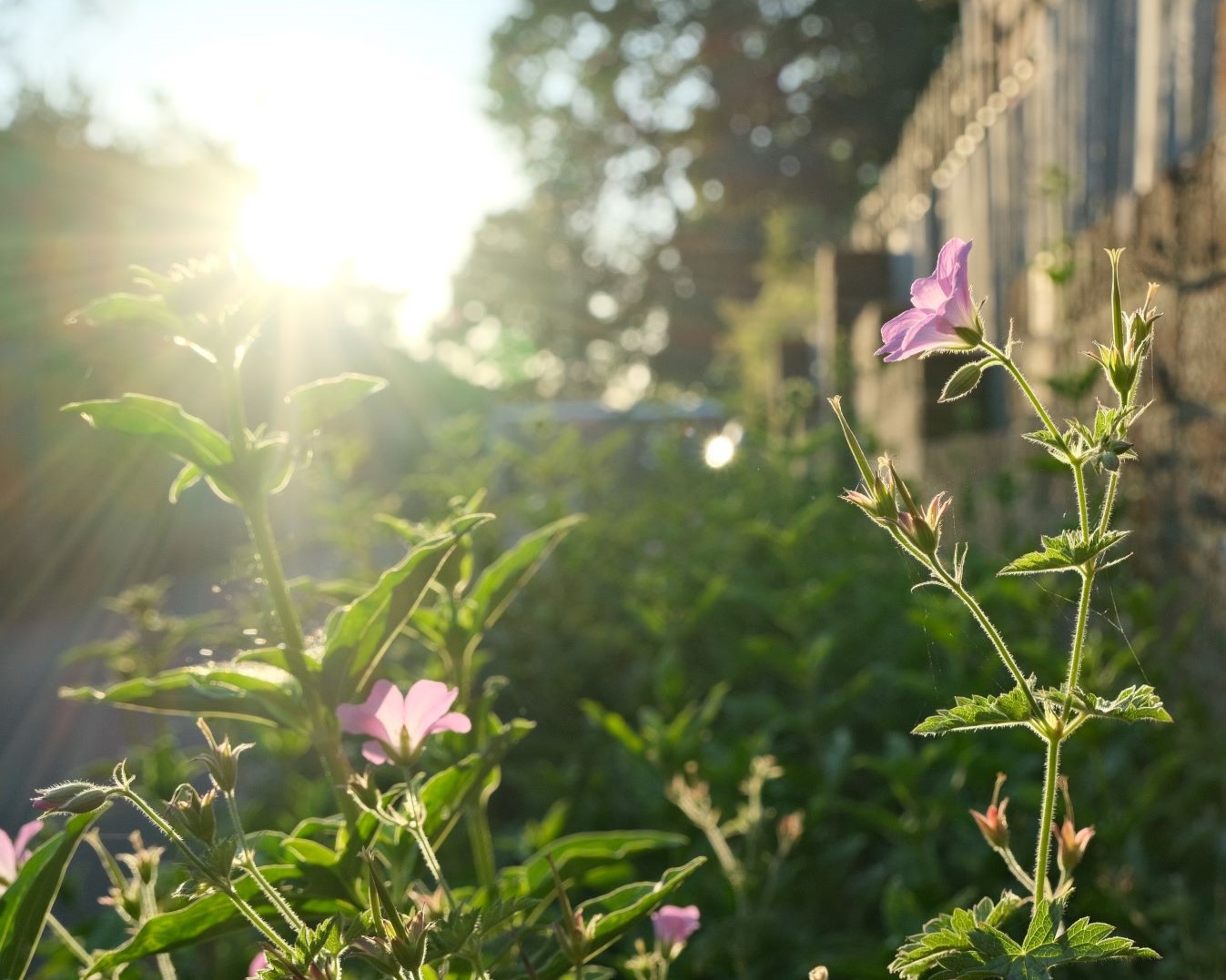
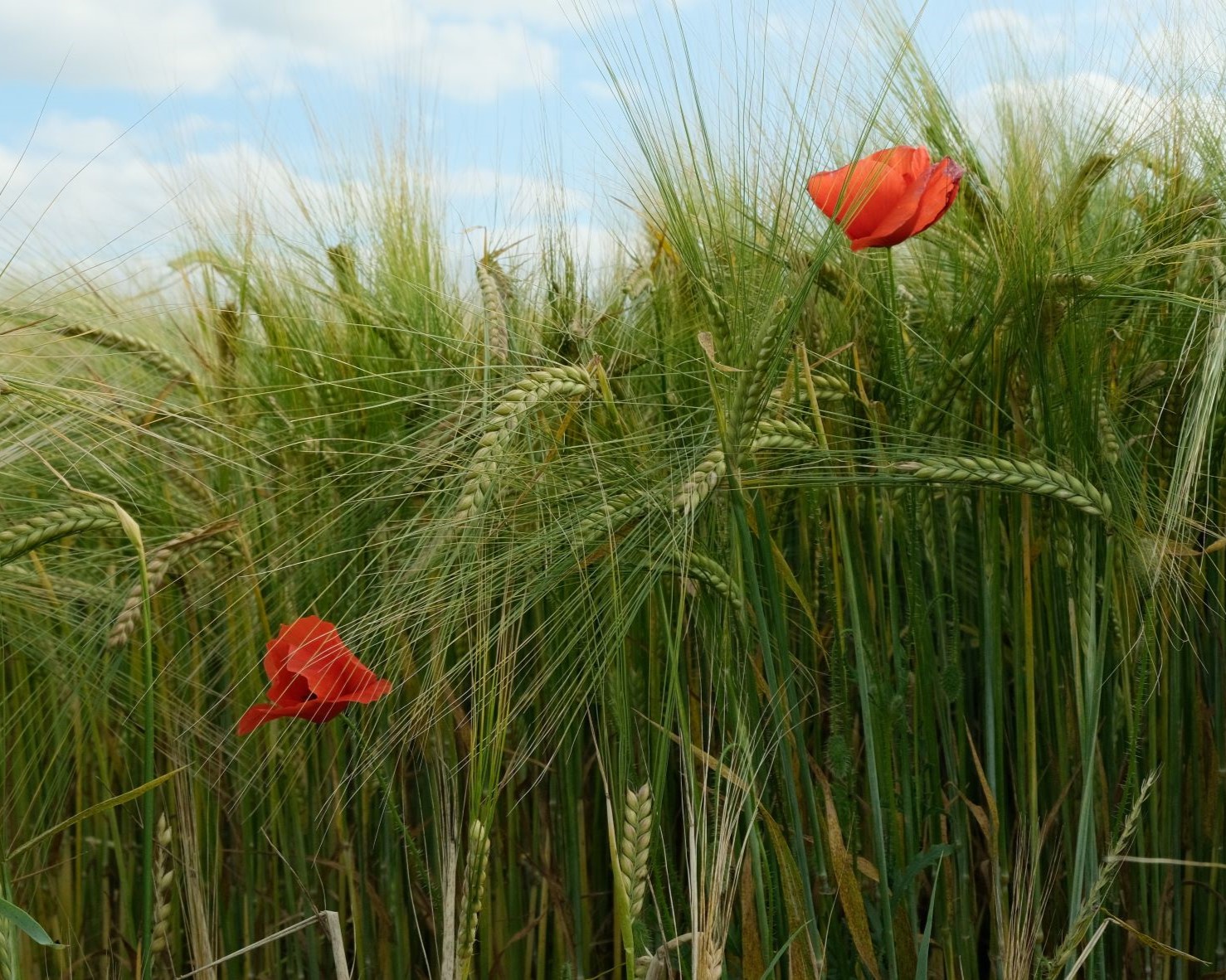
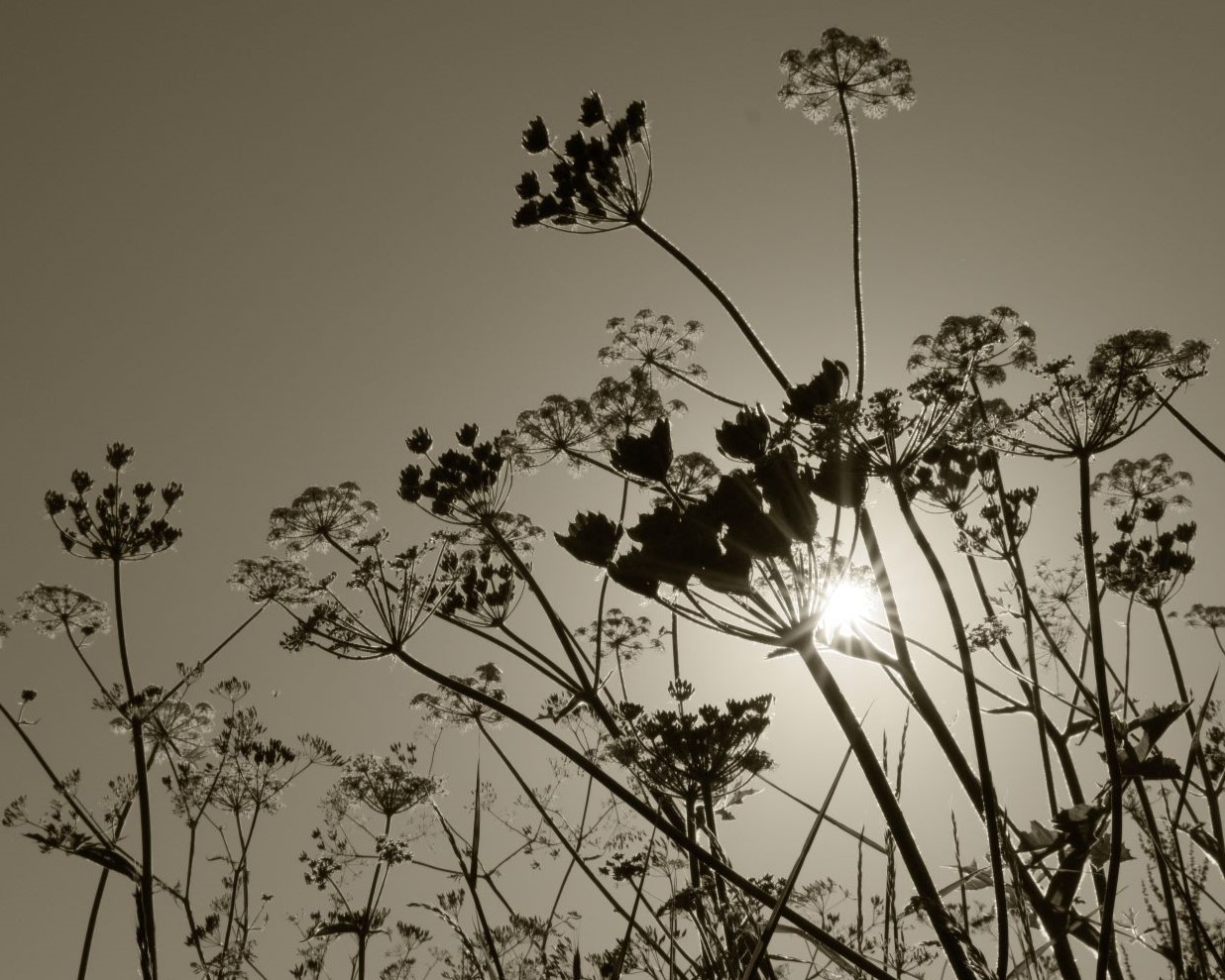
Mono film simulation recipe with a Kodak Tri-X look and subtle colour tone
Kodak Tri-X 33
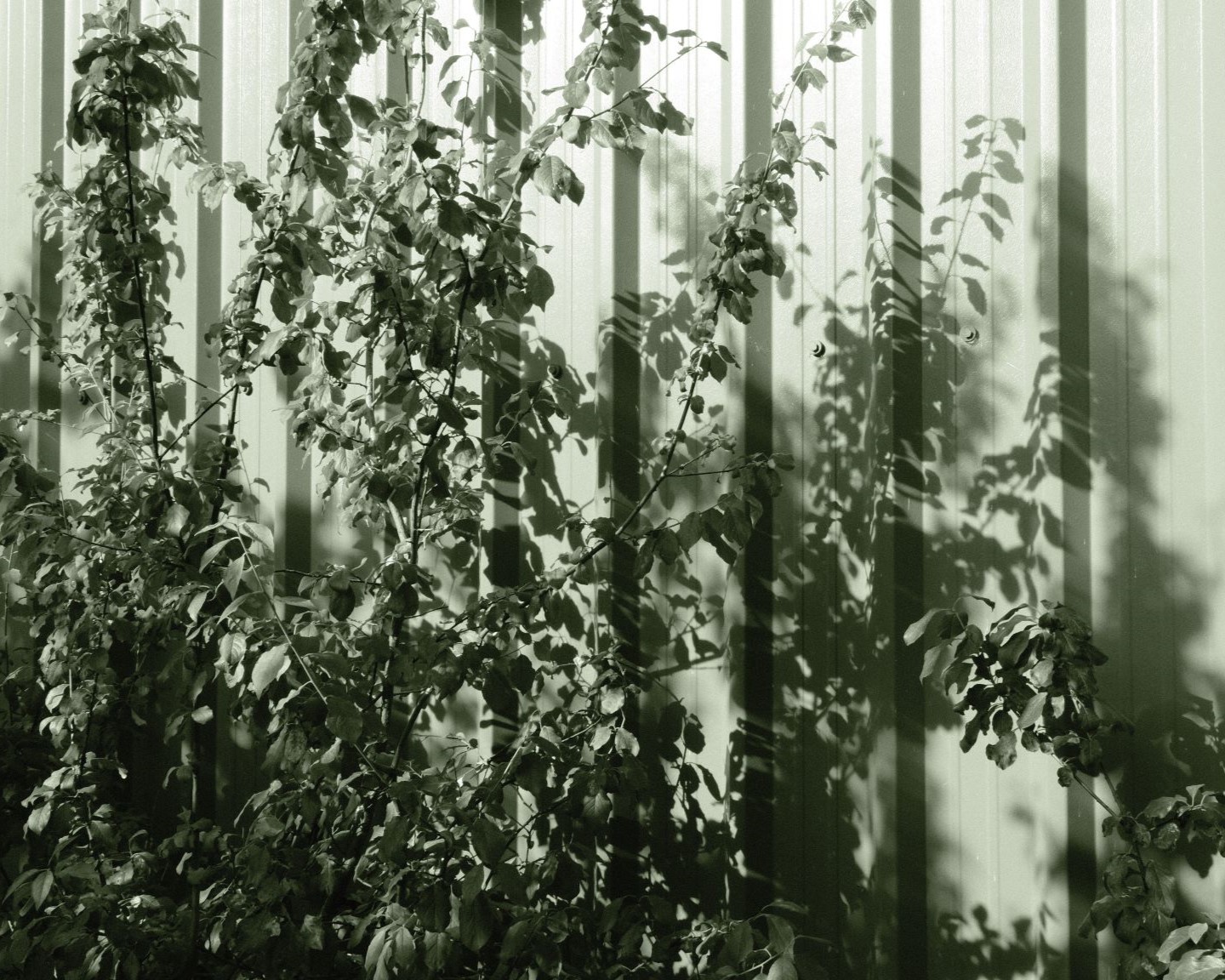
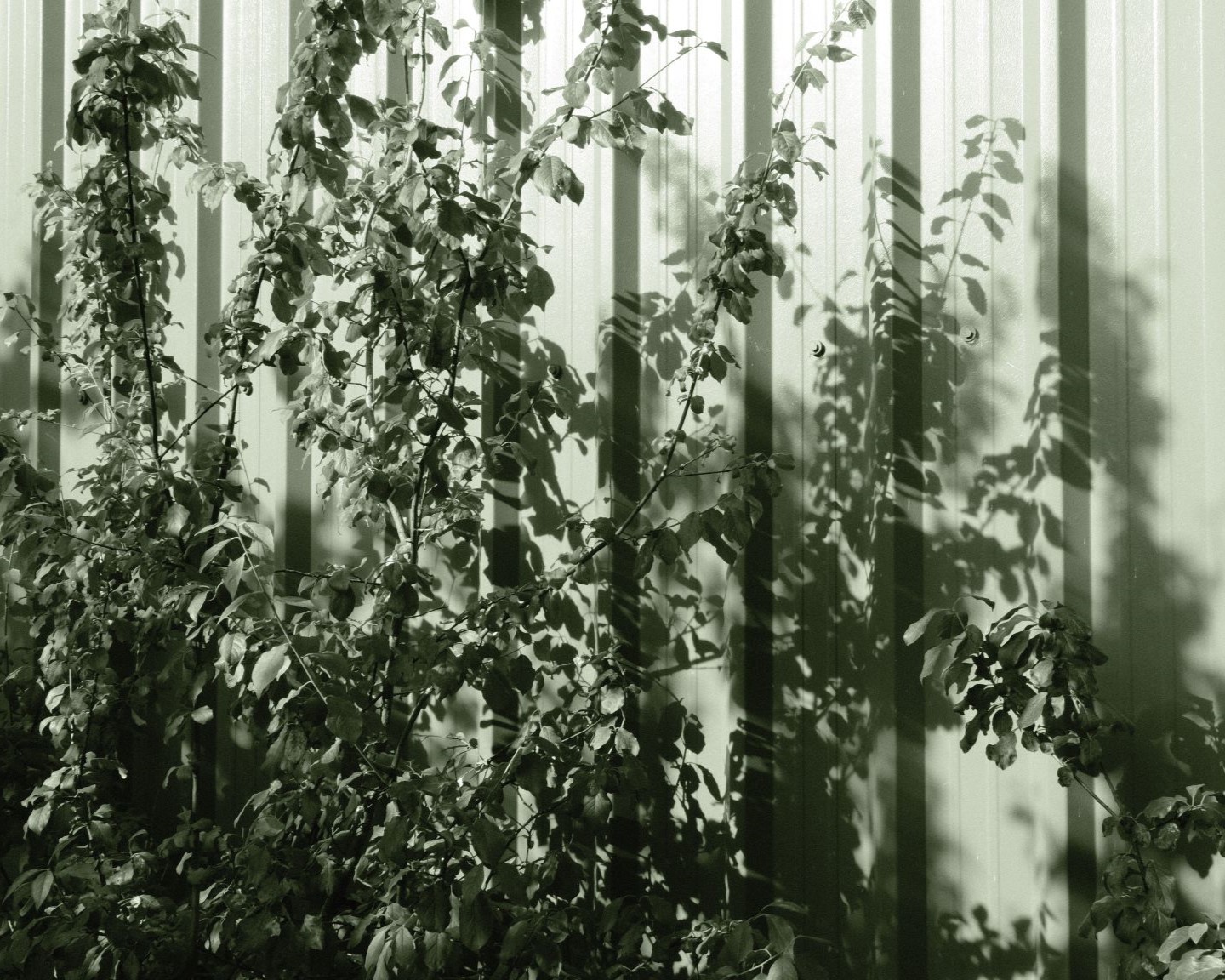
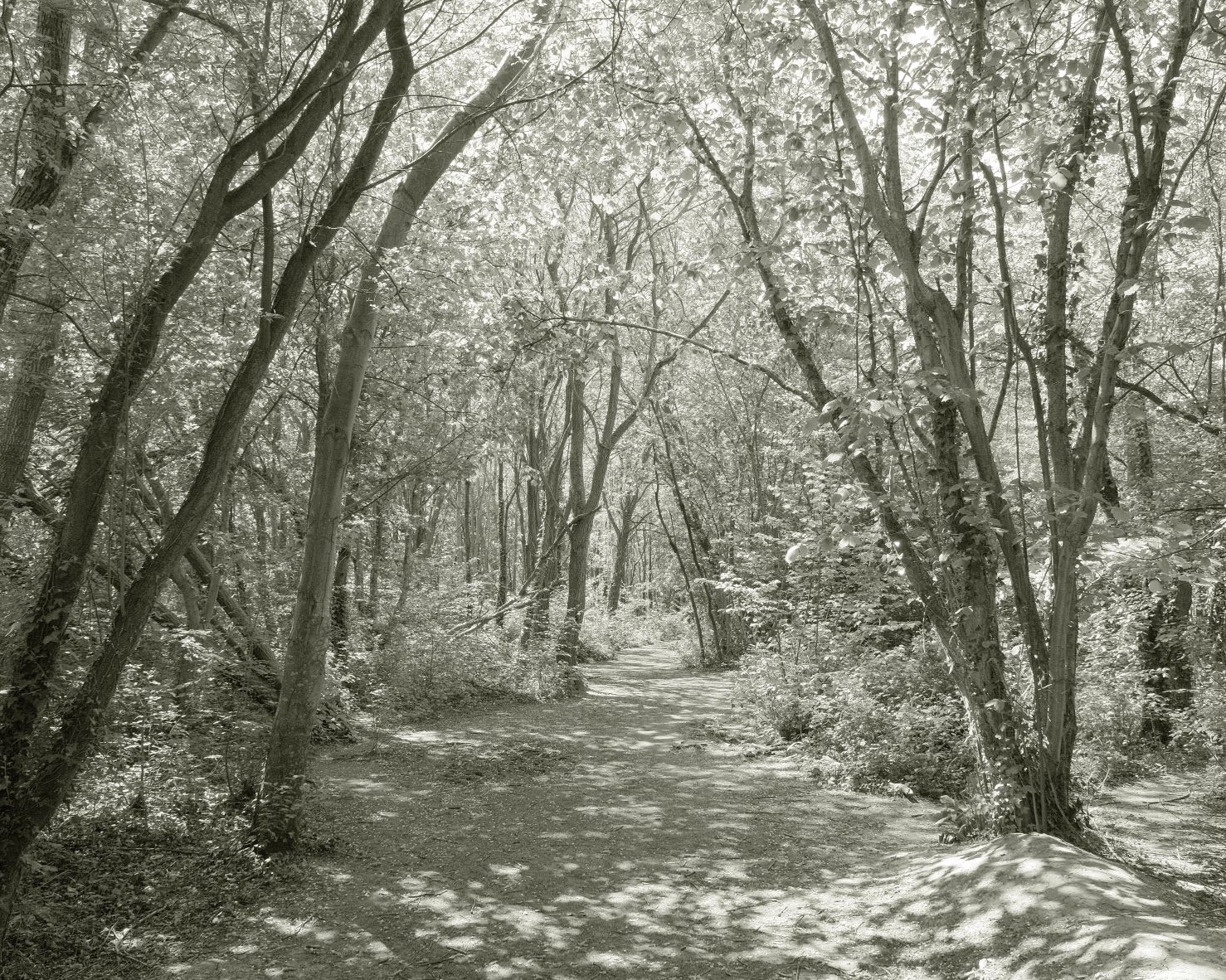
I am often inspired by photographs and recipes that others have made. This is one of those cases. The Kodak Tri-X 400 recipe on Fuji X Weekly is one of my favourite black and white recipes, with grain (which I love) and impact (which I also love). However, I am so addicted to my muted tones and colour casts, that I really wanted to adjust the recipe to add this element.
So, if you want to shoot with an unadjusted, excellent Tri-X look, jump over to Ritchie’s recipe, but if you’d like to try my tweaked version with a subtle colour tone, the details are below.
As Fujifilm X-series photographers, we are blessed by the choices offered by the amazing built in film simulations in our cameras. For a Kodachrome style, we have Classic Chrome, for a Fujicolor style, we have Classic Negative, and for a more contemporary film-like appearance, there is Astia.
Over time, I’ve come to love Astia more and more, and have been using it as a base for film recipes. There’s something subtle, almost indescribable about the tone it produces. A sort of creamy green balance that adds a mellowness. In this recipe, I’ve looked to bring out this essence of that film like look and a mellow overall feel.
A film-like retro look, with the Astia Mellow film recipe
Astia Mellow Film Recipe
Simulation: Astia / Soft
Grain Effect: Strong, Small
Colour Chrome Effect: Strong
Colour Chrome Blue: Weak (IV) / Off (V)
White Balance: Shade / Overcast / Cloudy
WB Shift: +5 Red, -3 Blue
Dynamic Range: DR200
Highlights: -2
Shadows: -1
Colour: -4
Sharpness: 0
ISO Noise Reduction: -4
Clarity: 0
EV compensation: +1/3
This recipe was inspired in part by the Astia recipe New American Color.
Take a look at the Astia Mellow user gallery to see more Astia Mellow images shared by readers of this website.
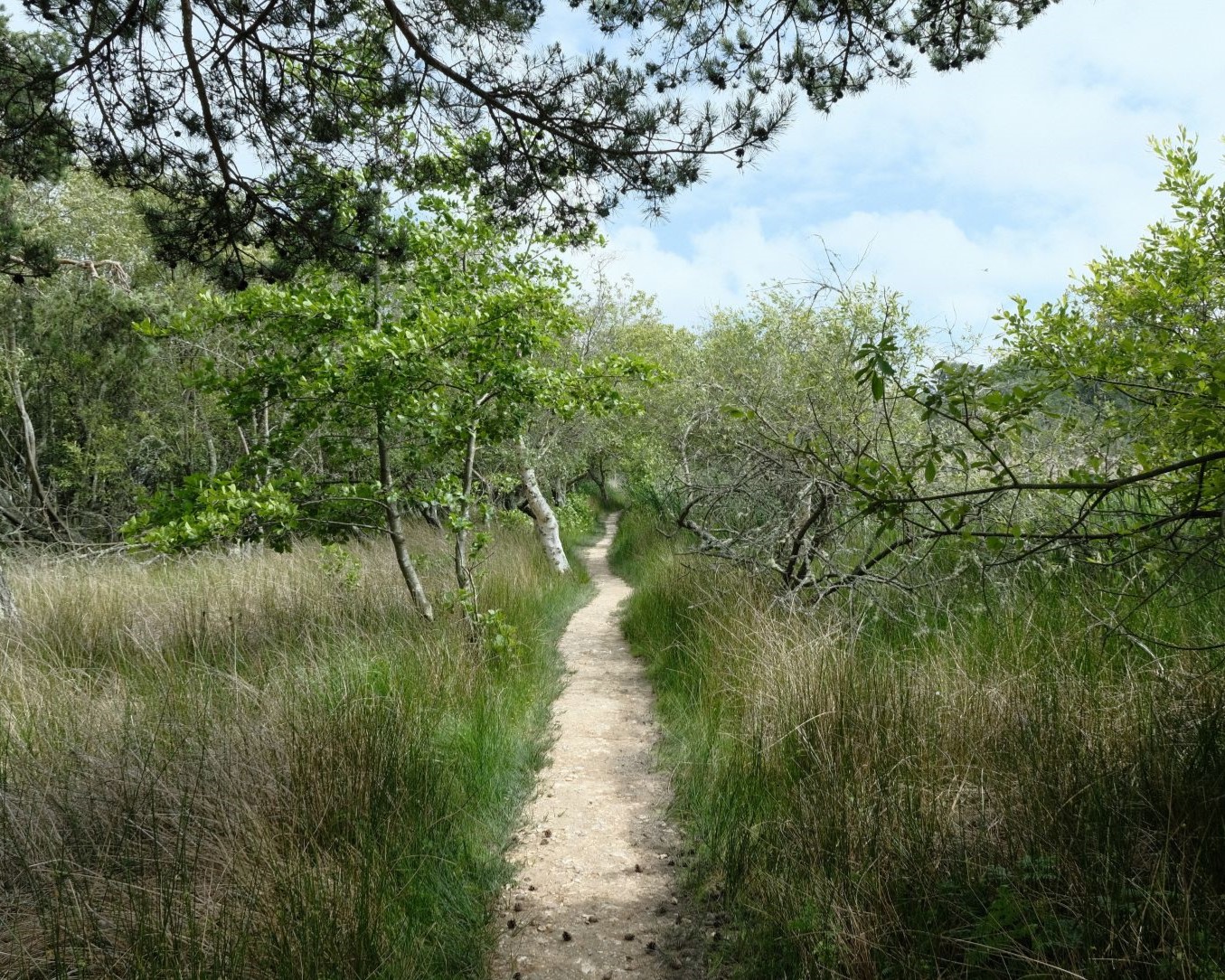
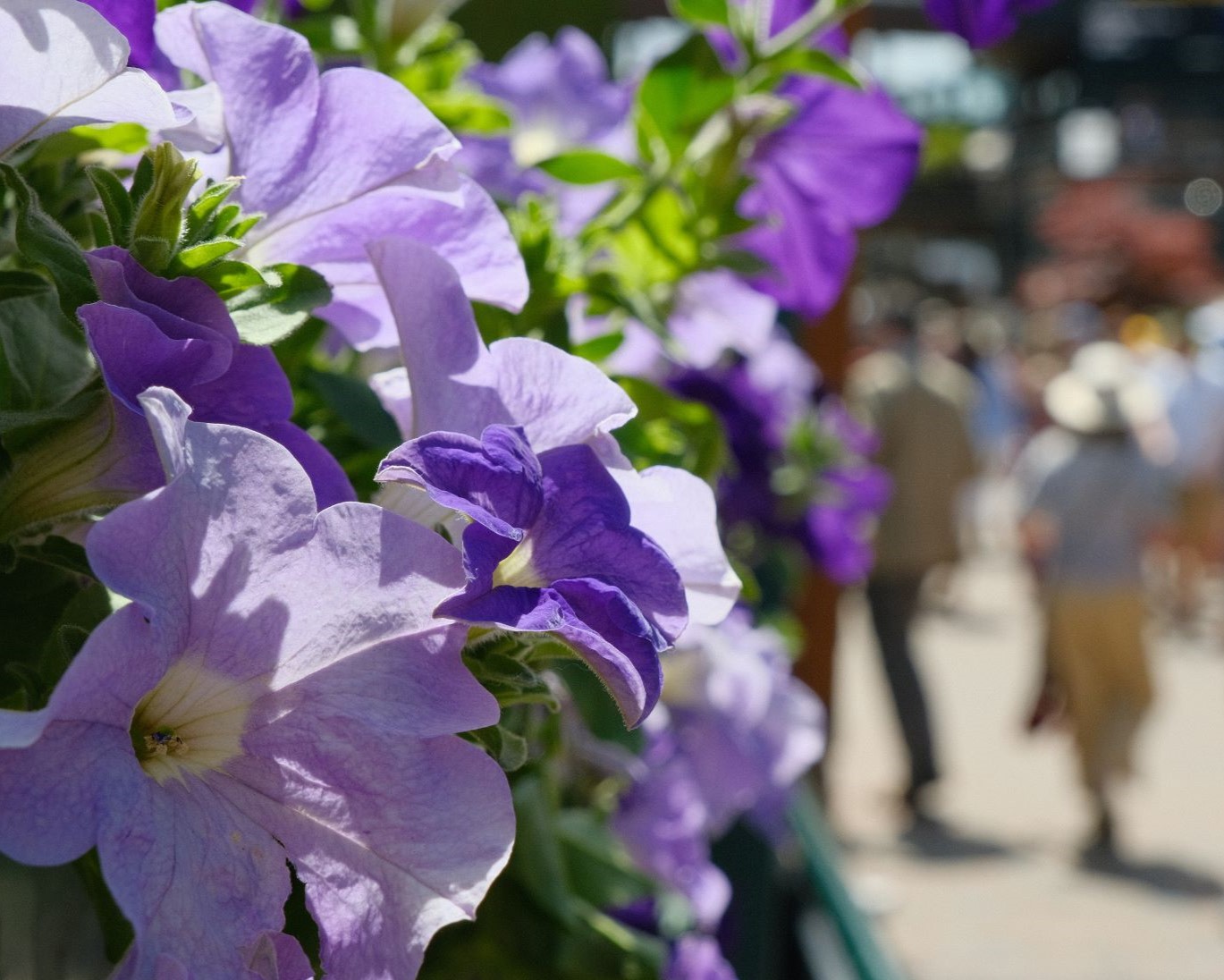
Sweet chestnuts on the forest floor, Astia Mellow film recipeAstia Mellow brings out the softer Autumn tonesTurning leaves bouquet, captured with Astia Mellow film recipeNibbling acorns in the New Forest, with Astia Mellow film recipeSummer trail in New Forest, with Astia Mellow film recipeBoardwalk scene, taken with Astia Mellow film recipeBasketball hoop in the city park, Astia Mellow film recipeSweet pea flowers, captured with Astia Mellow film recipeRailway signal, captured with Astia Mellow film recipeEarly morning light by the river, Astia Mellow film recipeMorning walk at low tide, taken with the Astia Mellow film recipeThe British love their beach huts, Astia Mellow film recipeFishing in the shallows, taken with Astia Mellow film recipeAn autumn mushroom, captured with Astia Mellow film recipeFully open fly amantia, using the Astia Mellow film recipeA soft sunset on a 30C day, with Astia MellowBeach vibes, with the Astia Mellow film recipeSwan family on the river, Astia Mellow film recipeRiverside path on a warm afternoon, Astia Mellow film recipeOn the sea wall, with Astia Mellow film recipeCalm waters and overgrown groyne, Astia Mellow film recipeSun trying to break through, Astia Mellow film recipeUrban exploration, Astia Mellow film recipeOld bridge details, Astia Mellow film recipeThe Manchester train on the way, with Astia Mellow film recipeCity view from the bridge, Astia Mellow film recipeA relaxed way to avoid traffic jams, with Astia Mellow film recipeThe sailing club getting ready, with Astia Mellow film recipeOff they go … sailing away with Astia Mellow film recipeA bright boat on a sunny day, Astia Mellow film recipeA nautical marker, using the Astia Mellow film recipe
More Recipes with Astia Film Simulation
If you enjoy the Astia look, here are some more recipes that use it as a base.
A deep tones film recipe using Classic Chrome simulation and dark shadows
Yakisugi
Based in Morocco, Mehdi Berrada is an architect and Fujifilm photographer who shoots stylish images with his X100V. His film recipe, Yakisugi has been receiving lots of positive reaction, but had no web page with the details. So, here we have the Yakisugi film recipe, by Mehdi Berrada.
Yakisugi, if you were curious, is a traditional Japanese method of wood preservation that involves flame treating the outer layer. The resulting colour palette is dark and charred, and this character comes through in the muted tones of this film recipe.
PRO Neg High Fujifilm film simulation recipe for X-Trans IV cameras
Agfacolor
There are several interpretations of Agfa films out there in film recipe land, and sure enough, they all look different! So, now it’s my turn to give this clean and bright look a try.
Having experimented with different simulations, I settled on PRO Neg. Hi for its mid saturation and attractive contrast levels. This helped to produce a film recipe that delivers a colourful clean look that really loves greens especially.
Film simulation recipe for Fujifilm X-series with Eterna Cinema
Ultrasoft 77
Soft tones photography is definitely my preferred style, and you’ll know this from the type of recipes I make on this site. For this one, I decided to see how far I could push it, and still get pleasing results. So, we have Ultrasoft 77, a warm and cosy Eterna film recipe, with the flattest possible tone curve for super soft tones.
This film recipe is useful when you want to tame harsh lighting conditions, and you can get interesting results on rainy days too. But, Ultrasoft 77 really comes into its own during the softer light of golden hour. You can achieve some very delicate results in the first and last hours of the day.
A dark brown toned mono recipe using Acros and strong clarity
Double Espresso
Like a shot of strong coffee, the deep dark tones in these shadows make quite a statement. If you want to produce a striking mono image, this film recipe might be a good choice for you.
To add character, the grain is strong and clarity is set high at +5. The overall look is very retro, perhaps similar to wet plate monochrome in colour, but also with an antique flatness to the image.
Classic Negative film simulation recipe with a strong warm colour shift
Goldeneye
Here’s a recipe to deliver happy vibes in the sunshine, and bring your Autumn and Fall colours to life. Goldeneye is an ultra warm and rich film recipe with a strong cosy aesthetic.
The base simulation is Classic Negative, that works really well with reds and yellows, and this is given a further boost with a super warm colour setting and a little softness from -1 sharp and -1 clarity. The result is dreamy and rich, working especially well in golden hour and should be just perfect for the details of the colourful seasons.
Eterna simulation recipe for urbex, industrial and city photography
Urbex Cinematic
Urban exploration photography is a growing trend, where you take a photowalk through a city or other built up area and look out for interesting photo subjects. These can be buildings, highways, rail tracks, fences, trucks or industrial buildings. Images often include a lot of grey or materials like metal and concrete.
I’ve used Eterna film simulation as the base for this recipe, with soft tones, but also a built in green tint to neutrals that adds a lot of cinematic character, and works well with greys and neutrals for a muted urbex look.
Provia film simulation recipe for a clean crisp look
Lucky 13
With all the fuss and hype that surrounds the nostalgic simulations, like Classic Chrome and Classic Negative, poor old Provia doesn’t get much love. Let’s change that now with a simple recipe that makes just a few adjustments to this reliable workhorse film simulation.
In developing this recipe, I wanted to keep the neutral clean colour of Provia, but make small nods toward my soft tones style. So, we have gently softened highlights and shadows, a little less saturation, and for a crisp finish, some positive clarity. You can leave this off however, if you prefer to keep shooting uninterrupted by the processing delay.
A green tinted Acros film recipe for Fujifilm X-Trans IV cameras
Emerald Mono
This film recipe is something of an experiment, based on time exploring the effects of color shift on black and white images. I tried a variety of green tints, before settling on this lightly toned Acros recipe. It works well in a wide range of situations, but especially for scenes with a good mix of light and dark.
With a green tone to the images, natural subjects tend to work well, with the eye expecting these scenes to include greens. However, it’s not just for nature photos. As you’ll see below, it can also be fun with other green subjects, like the grass of Wimbledon.