
Classic Negative film simulation recipe, adding warm and soft rosé wine tones

Zinfandel Blush
In my experiements with white balance, I have found that you can create some wonderfully moody effects with some of the stronger settings. For shooting emotional or sentimental photography, these can help set a mood, or provide consitency across a set.
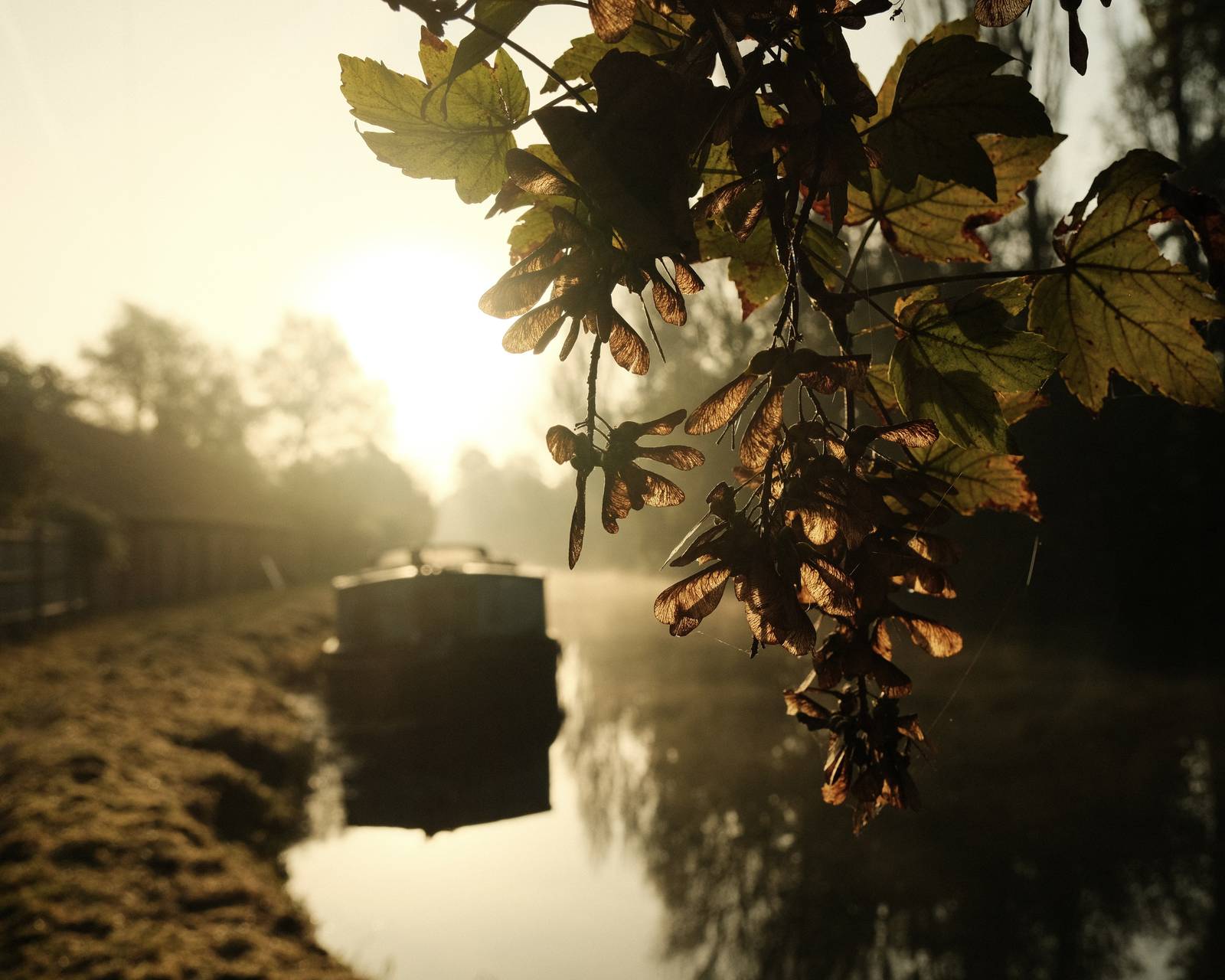
For Zinfandel Blush, the tone was that of the rosé wine, and the intention was to bring a warmth to sunsets and a glowing atmospheric mood at other times. It’s something of an extreme style, mostly useful in golden hour, but that’s also one of the wonderful things about film recipes – you can choose ones for all sorts of situations.
To build this one, I had started from another recipe, Soft Cinnamon, and switched to Classic Negative as the base simulation. I love Classic Neg for sunsets in particular, and think it delivers wonderful colours in the golden hour. That’s when ths recipe comes into it’s own, although you can use it anytime of course.
Zinfandel Blush Film Recipe Settings
| Film Simulation | Classic Negative |
| Grain Effect | Strong, Small |
| Col. Chr. Effect | Strong |
| Col. Chr. Blue | Weak |
| White Balance | Shade, +7 Red, ‑3 Blue |
| Dynamic Range | DR400 |
| Highlights | ‑2 |
| Shadows | ‑1 |
| Colour | ‑4 |
| Sharpness | ‑1 |
| ISO N.R. | ‑4 |
| Clarity | 0 |
| EV Comp. | +1/3 |
Similar Recipes



More similar recipes, and hundreds more exclusive looks, are available in the Film Recipes App.

Get the Film Recipes App
New recipes added frequently — be the first to try the latest looks


Zinfandel Blush Film Recipe: Sample Photos










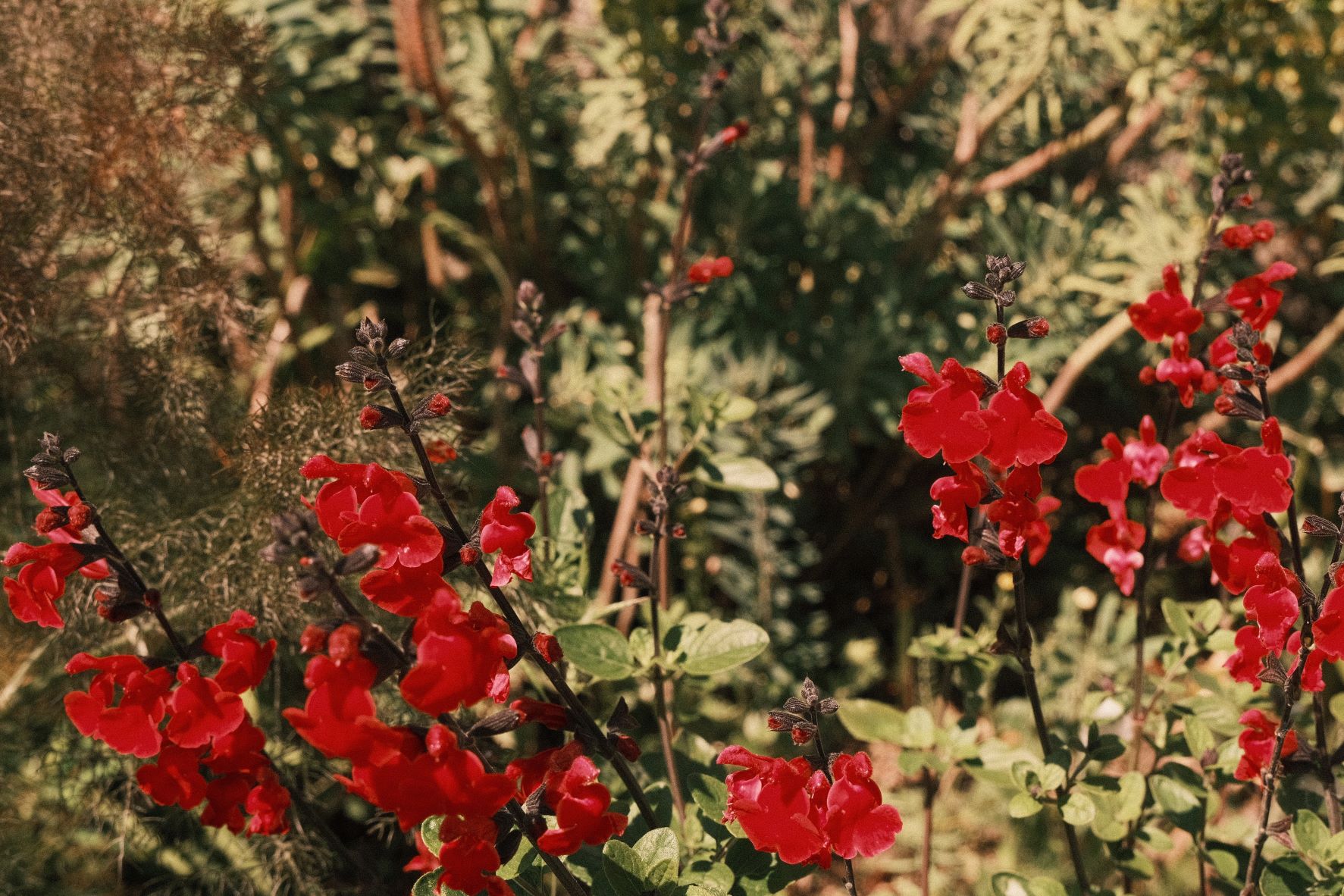





Community Photos
Photos taken with the Zinfandel Blush film recipe by members of the Film Recipes community.
Photos by Rudhi Ritzmann Yuen



Using the Zinfandel Blush Film Recipe
Each film simulation recipe has its own character and style. These features mean recipes are more suited to certain situations, or when seeking a particular look. Here are the categories that Zinfandel Blush has been tagged with.








Leave a Reply to justingouldCancel reply