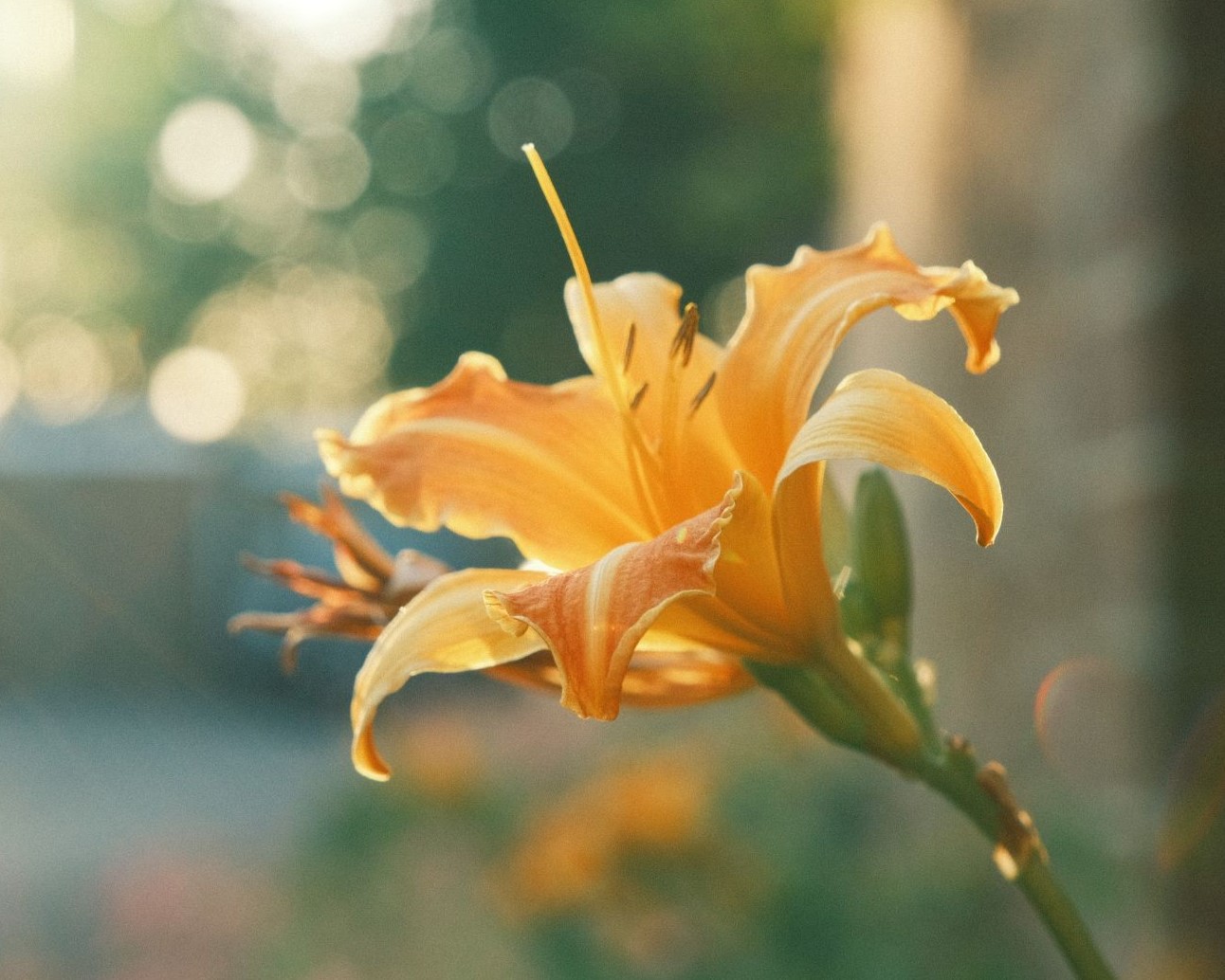
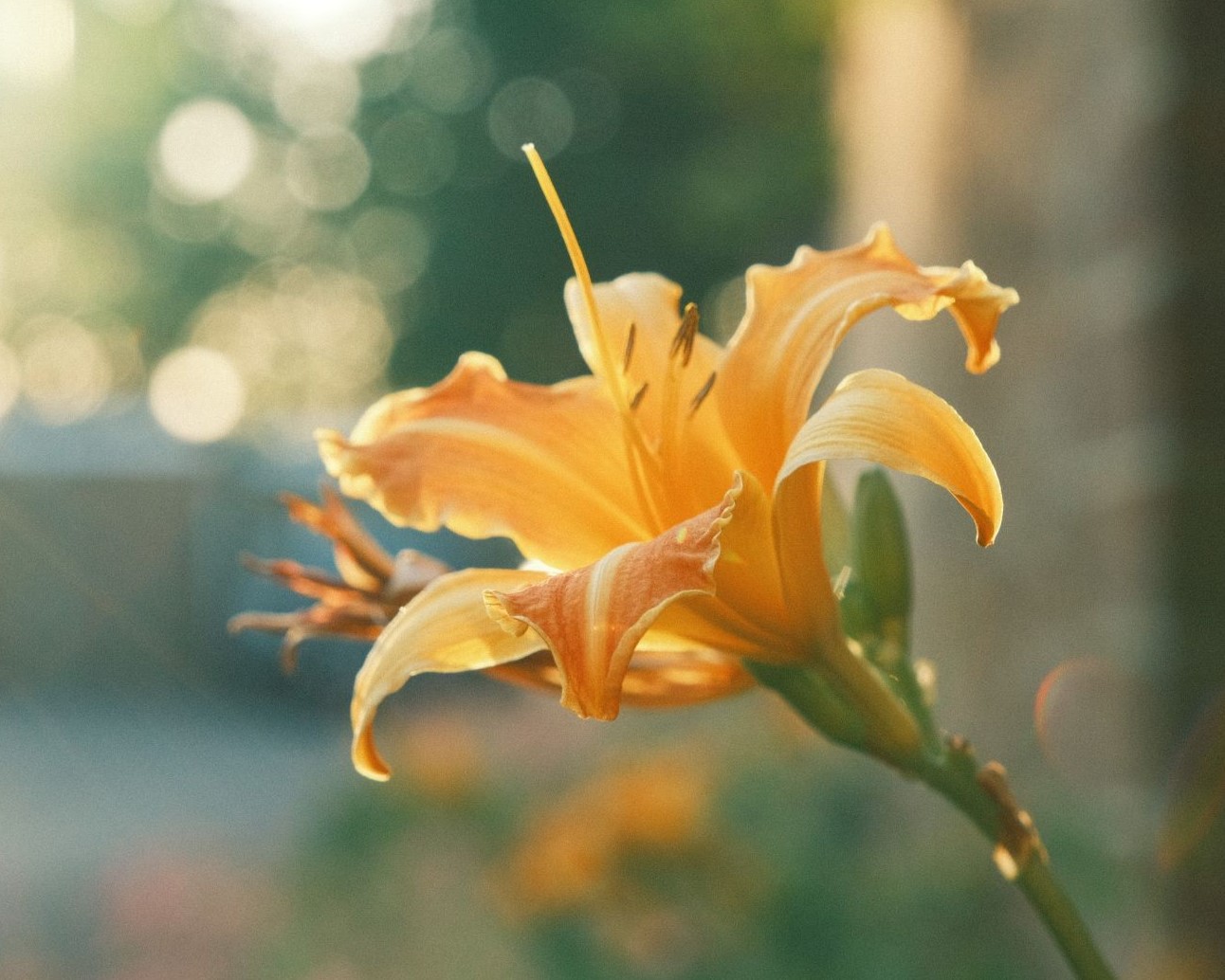
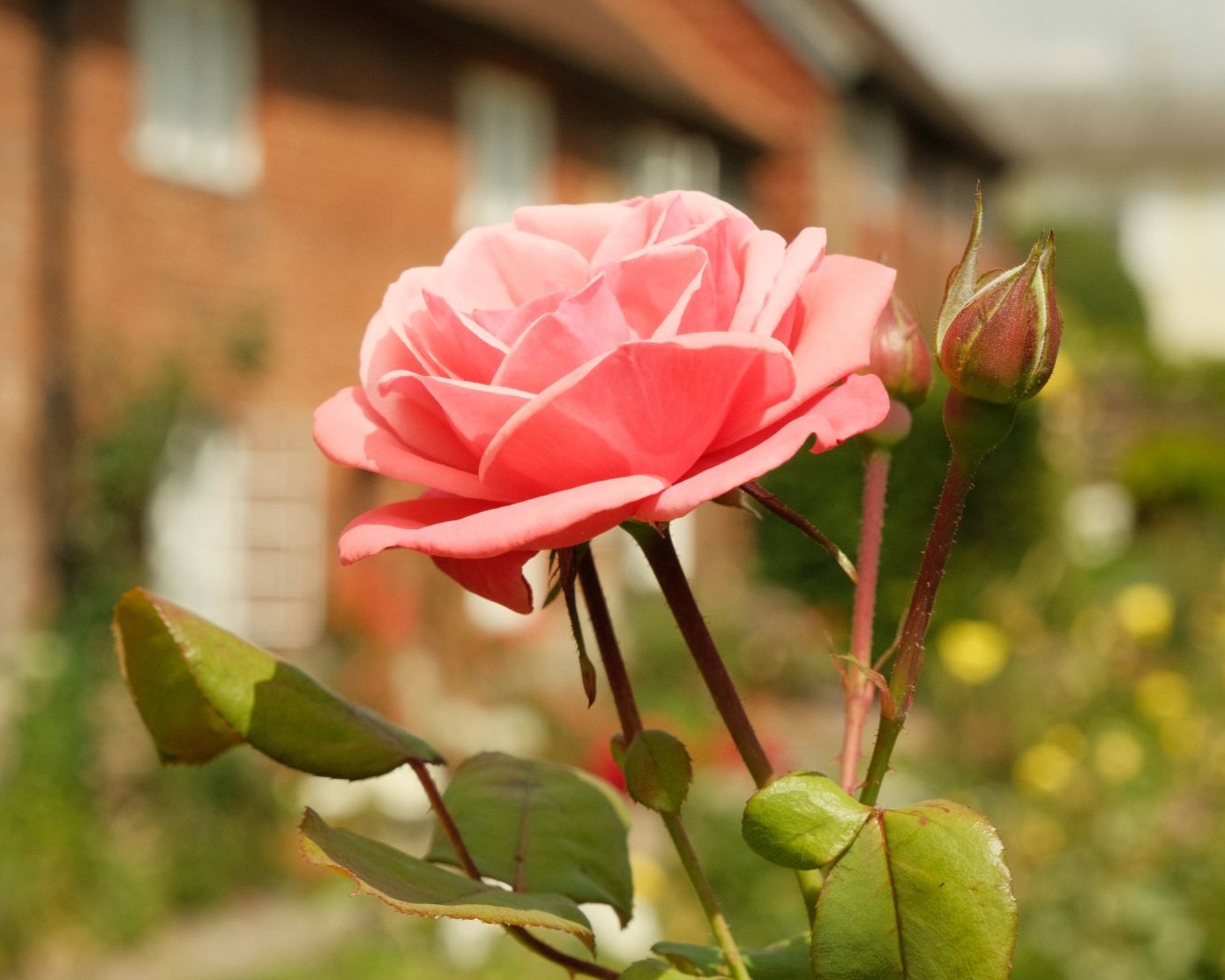
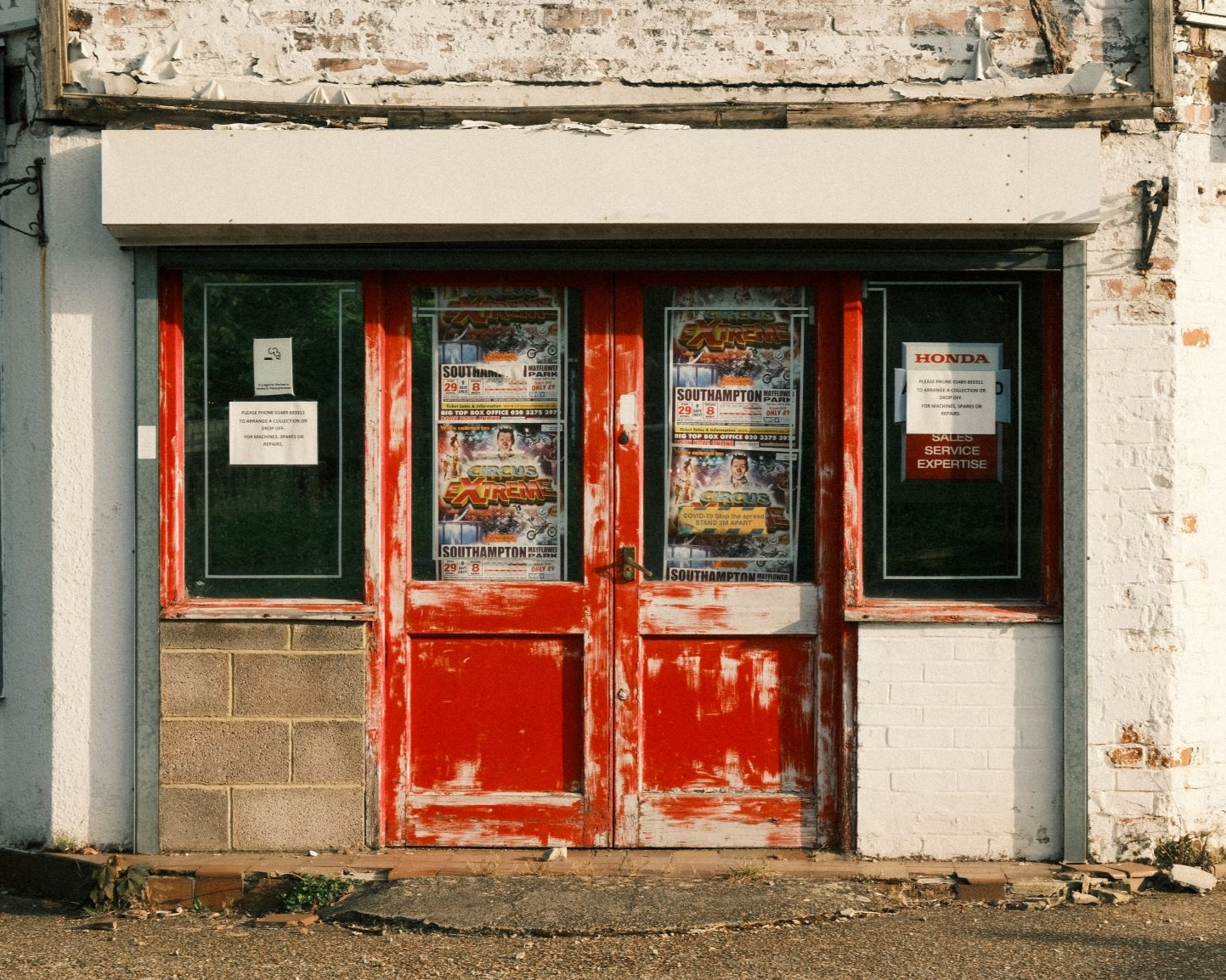
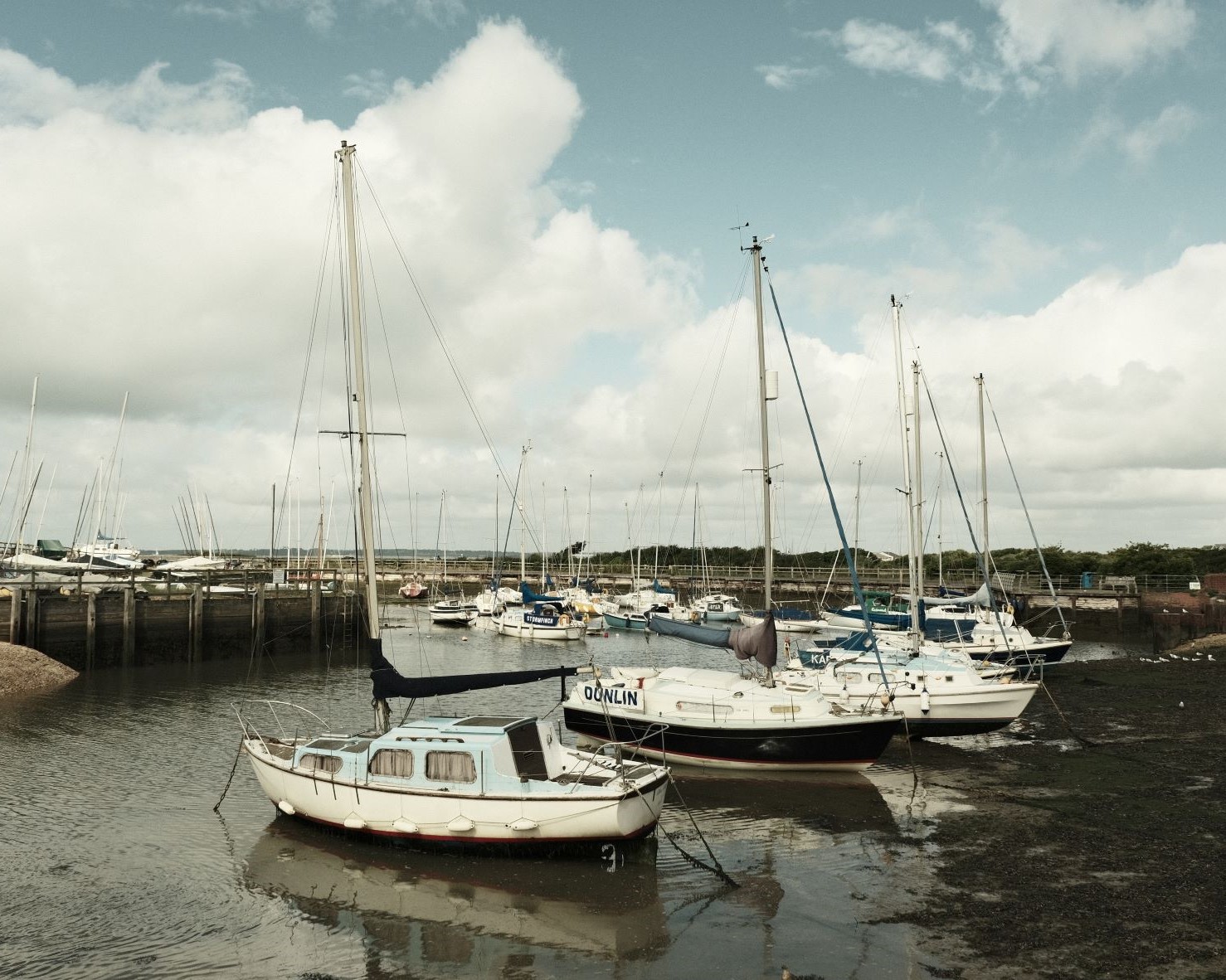
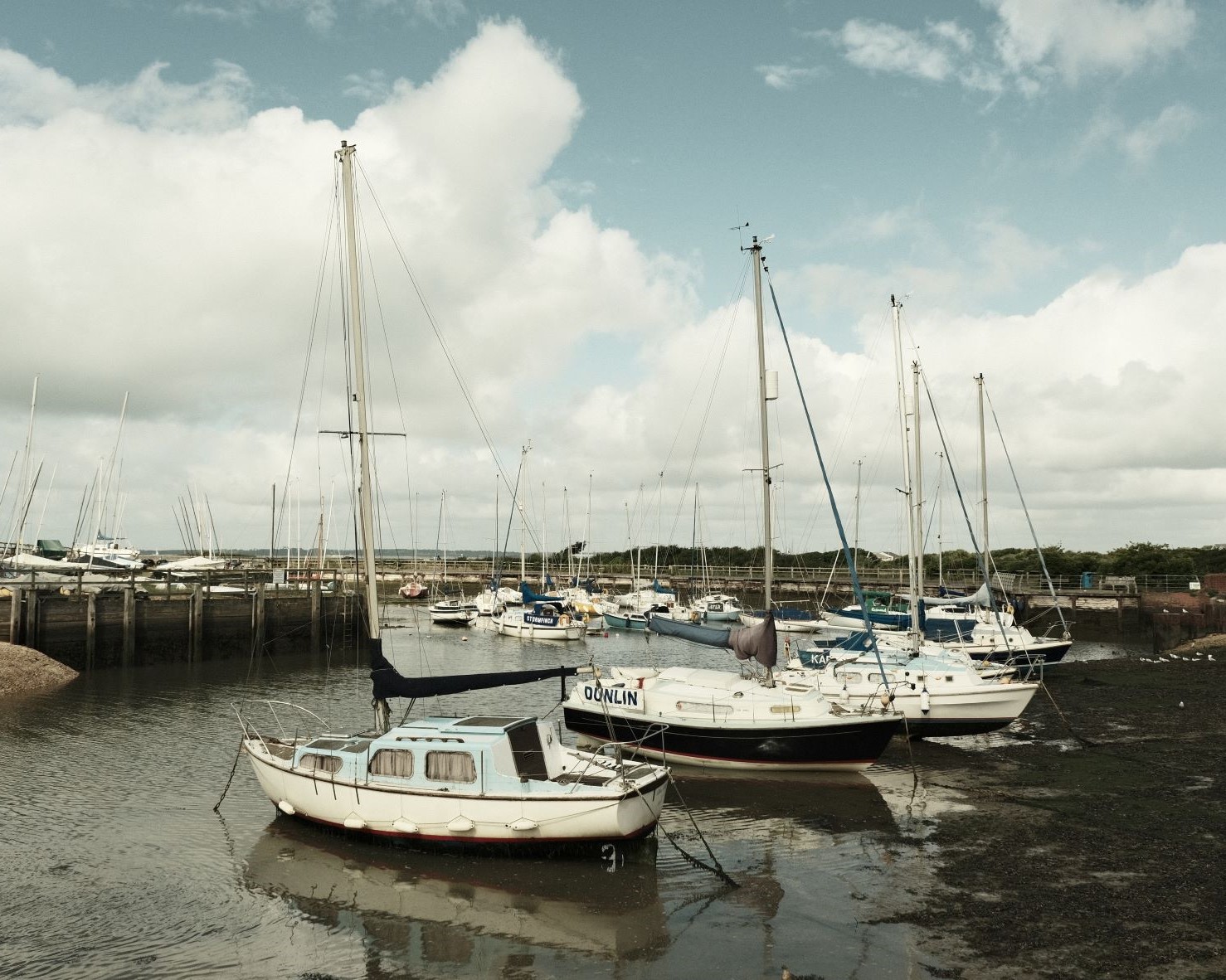
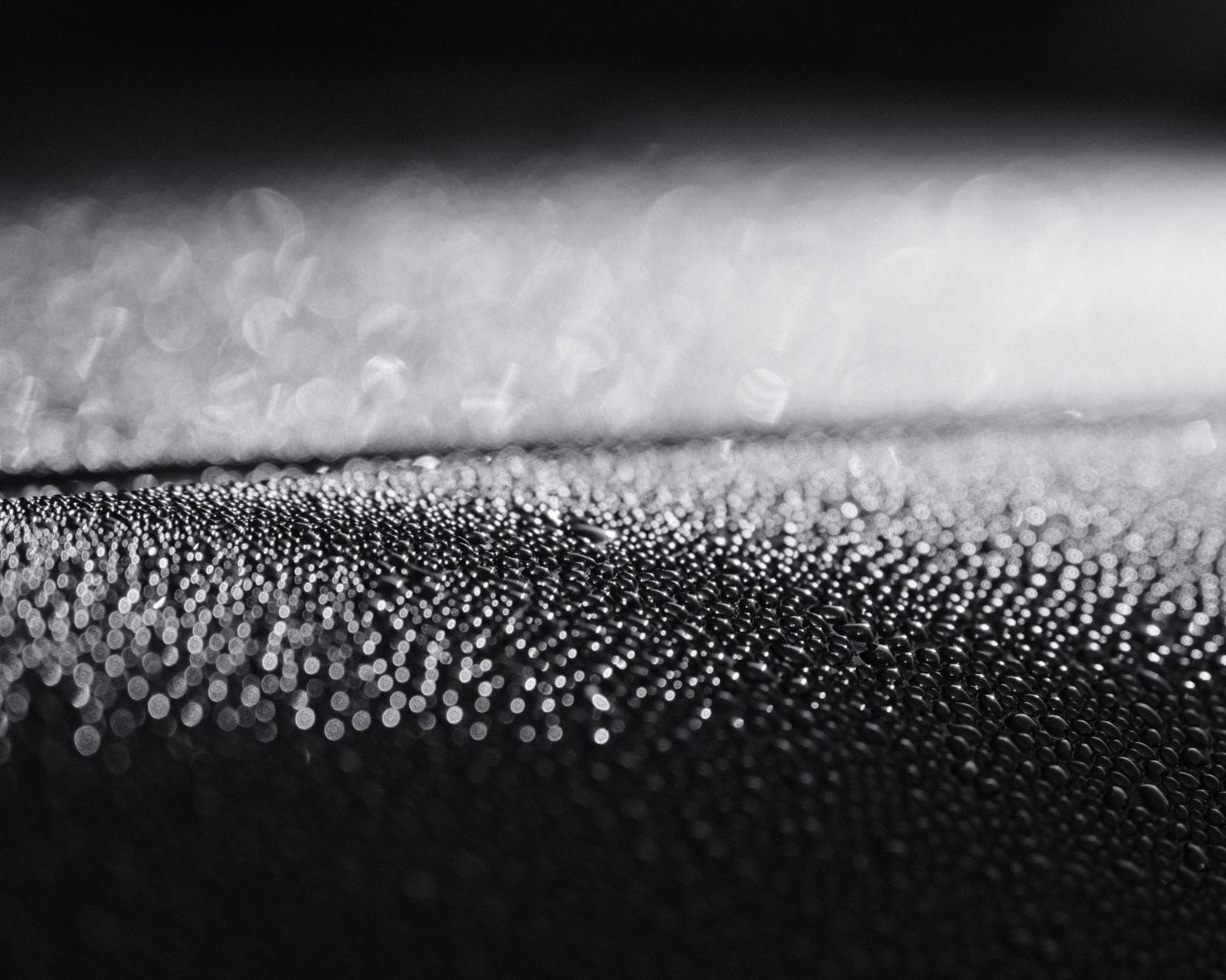
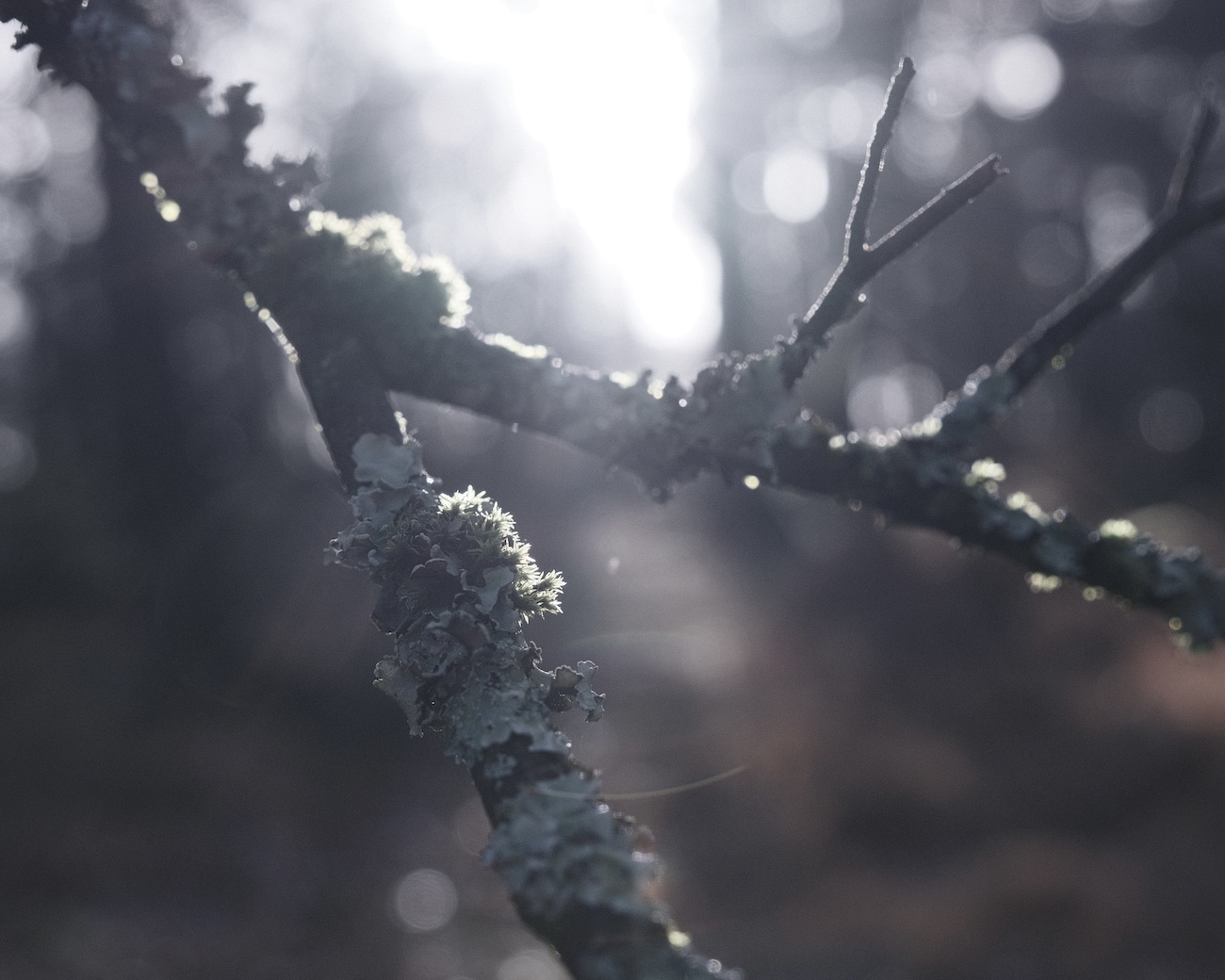
The Classic Negative film simulation brings a nostalgic film print look to our cameras that is reminiscent of Fujicolor prints, especially from 10+ years ago. Using the simulation with no adjustments is great, but there are also lots of possibilities as a recipe with adjustments to other settings.
For Fujicolor Daily, I wanted to take an approach that brought out the feel of the Fujicolor film, whilst keeping a look that was as versatile as possible for daily use.
Autumn Winter recipe using Classic Chrome for soft brown Danish tones
Autumn Vibe
Here’s another wonderful guest recipe, and like many recipes it comes with a story. The creator is Sabrina Magnusson, who lives in Odense, Denmark. She bought her first Fujifilm camera, an X-T1 in the Summer, but having discovered the world of film recipes, quickly upgraded to X-Trans IV.
Inspired by the photos being shared in our Film Recipes Facebook Group, Sabrina entered the Astia Mellow challenge. For some of the photos she accidentally switched film simulation from Astia to Classic Chrome, but this was a happy accident. The photos looked great, and so with a few more adjustments to settings, a new recipe was born. Sabrina calls this recipe, Autumn Vibe.
Autumn Vibe has a muted tone, making creams and browns look wonderful. It is of course perfect for Autumn, but will also be a great choice in Winter too as we are left with bare branches and the pale skeletons of remaining leaves. Oh, and if you are wondering what Efterårsstemning means, it’s Autumn Vibe in Danish, which is exactly what you can capture with this lovely look from Sabrina Magnusson.
All photos: Sabrina Magnusson with X-E4 and 35mm f1.4 lens
An Acros film simulation recipe with a bright look for every day use
Monographic
Our Fujifilm cameras come loaded with excellent mono film simulations, including Acros that mimics black and white film stock. Just like the colour simulations, you can also adjust the mono simulations with a variety of options to achieve different looks.
For this recipe, called Monographic, I wanted a recipe that was characterful, but also forgiving in everyday situations. Some recipes give a dark image that can lose the essence of day to day scenes. This one, loves to show off the light with lifted mid-tones, whilst still delivering impactful but balanced shadow.
Eterna Bleach Bypass film simulation recipe with muted pale tones
Old Fossil
I hadn’t heard this slang term for a long time, but when I overheard someone accusing their parent of being an Old Fossil recently, I was reminded of it and it stuck in my mind. I’m not so sure that this recipe reflects a fossilised look, but it is a pale tones style, based on Eterna Bleach Bypass, that would work well should I find one in a rock somewhere.
Eterna Bleach Bypass is present only on the newer cameras, and is something of a divisive look. I find it’s fun to work with, delivering muted tones with a wide choice of colour casts. In this one, I’ve kept things natural, adjusting the ‘out of the box’ balance with a WB of Fluo 3, with 3 R and -9 B.
Bright, cheerful film recipe with punchy colour from Classic Negative
Tropicana
Tropicana is different things to different people. For some, it’s a fruit juice, whilst others remember the pop song by Wham! or a rather tasty Welsh beer. In my early childhood, it was an open air lido swimming pool where I learned to swim. That place was left empty for many years, before hosting art installations like Dismaland and more recently the See Monster.
But now, and obviously most excitingly, it’s a bright, cheery film recipe to bring bouncy colour to your photography. This recipe will be a good friend when you want to give a rich and colourful look to a scene, but without using overly obvious boosts to colour. The Classic Negative simulation provides the base style, with a +2 color, +1 shadow paired with 2 stops of over exposure delivering punch to your pictures. I hope you’ll enjoy it.
Punchy colours and strong grain in this classic negative film recipe
Grizzly Bear
Sometimes, you want your photos to have impact, with punchy colours, deep shadows and character from grain. This recipe has been designed around those three features, and with such a big personality, is called Grizzly Bear.
The base film simulation is Classic Negative, with a strong grain and a positve clarity setting. This adds to the dramatic feel of the images, but does mean it may be a little slower to render and save the images. It’s all part of the look however, so that when you want a punchy slide-like result, you can ‘bring out the bear’!
Classic Chrome film recipe for Autumn with pale tones and bright highlights
Marcel Fraij is a talented photograper, educator and film recipe creator from the Netherlands. He’s a regular contributor in our Film Recipes Facebook Group and publishes a number of excellent recipe on his Film Recipes page.
We were chatting recently about an autumnal recipe he had created, and I’m so pleased to be able to share it here as a guest recipe. Marcel explained that the photo series is from October ’21, taken with X-E4 and a Fujinon 50mm f2 with a close up lens from Olympus. He adds, “the close up lens is old and a has some scratches, maybe that provides the dreamy look.”
There’s a beautiful muted tone to this, with bright highlights for a sophisticated soft look. It’s perfect for subtle photography in the Autumn season, but will no doubt be a favourite in other seasons too!
Photo credits: Marcel Fraij
Soft golden tones for the October Gold film recipe, by Marcel Fraij
October Gold Film Recipe
Simulation: Classic Chrome
Grain Effect: Off
Colour Chrome Effect: Strong
Colour Chrome Blue: Weak (IV) / Off (V)
White Balance: 5200K
WB Shift: +1 Red, -5 Blue
Dynamic Range: DR200
Highlights: -1.0
Shadows: +2.0
Color: -2
Sharpness: +1
ISO Noise Reduction: -4
Clarity: 0
EV compensation: 1
Delicate softness, captured with the October Gold film recipeSoft depth of field, using the October Gold film recipe
Creative captures from ground level, with the October Gold film recipePerfect for fall color, the October Gold film recipe
Soft tones for Autumn, taken by Marcel with October Gold film recipeWoodland details, with the mellow look of October Gold recipeEmbrace a new subtle style with October Gold film recipe
October Goldon a Dewy Morning
We’re back to my photography for this section. No more fungi, I’m sorry.
The ferns show the first signs of Autumn, October Gold film recipeThe leaves are beginning to turn, captured with October GoldThe summer heather is fading now, using October Gold film recipeA dewy morning shows up the spider webs, October Gold film recipeHanging by a thread … taken with October Gold film recipeA marvel of nature, captured with October Gold film recipeSoaked in the morning dew, captured by October Gold film recipeRuby tone fern fronds, with October Gold film recipe
October Gold in Midday Sun
With a fixed colour temperature of 5200K, this recipe doesn’t adapt to the changing light throughout the day, and so I took a short test drive in bright middle of the day conditions to check how it performed. Close up shots very much fell within the aesthetic, but a general landscape view of trees and sky, whilst beautiful, was certainly not ‘gold’. See what you think …
Garden seed heads, captured with October GoldBright sunshine on the succulent, with October GoldMiddle of the day treeline, not so ‘gold’ with October Gold
Marcel’s other recipes
At the time of writing, Marcel has 9 other film recipes for you to enjoy. Each one is a wonderful example of what Fujifilm film simulations can do in the hands of a talented photograper. Take a look, but more importantly, load up October Gold into your camera to shoot the mellow scenes of Autumn ASAP.
Eterna Bleach Bypass film simulation recipe with soft blue skies
Pale Blue Dot
I’ve been inspired by astronomy recently, and in particular some of the photos of Earth taken by astronauts and probes in the early days of space flight. One of interest was the Pale Blue Dot image of Earth, taken by the Voyager probe at a distance of 6 billion km.
So goes the inspiration, and now the recipe. I’m a fan of the striking style of Eterna Bleach Bypass, and realised that with adjustment, a softer look that could be used as a general recipe was possible. My first success in this area was Soft Cinnamon, and now we have Pale Blue Dot, with muted tones and eye catching pale blue skies.
Silver toned mono film recipe using the Acros film simulation
Silvertone 99
This little film recipe site keeps on growing, and this is film recipe 99 in the collection. As you can see, it’s a mono recipe, which has an impactful look with dark shadows and the smooth tones of the Acros film simulation.
I find this recipe is great for photographing details, and it loves high contrast lighting like early morning sunlight, or photos taken towards the sun or light source. LIike my other mono film recipes, it has a colour tone, but this one is a subtle silvery blue tone which adds some character without being overpowering.
Cool toned film recipe for Fujifilm X-Trans IV cameras with EBB.
Cinematic Cool
I’m a fan of Eterna Bleach Bypass and the low saturation grungy looks it can produce. I’ve made a number of recipes using it, with various styles from cool and deep to pale and sunny. This style is intended to sit in the mid spot, with a useable tone, whilst still being unmistakably bleach bypass.
This film recipe started life as a few adjustments to the excellent Cine Matte by Ivan Cheam, but after a number of iterations, it is now a distinct style. This recipe is also like a softer version of Blanko Bleach, which is also worth a look.
Cinematic Cool is very happy in most weather conditions (see the rain shots below), with deep greens and a clever twist that makes blue skies pale and striking. It has a cinematic mood, reminiscent of some drama series and films that use deeper tones to set a cool contemporary style. I’m already looking forward to shooting with it, and I hope you’ll enjoy it too.