
Monochrome film recipe for easy to use tones in landscape and travel photography
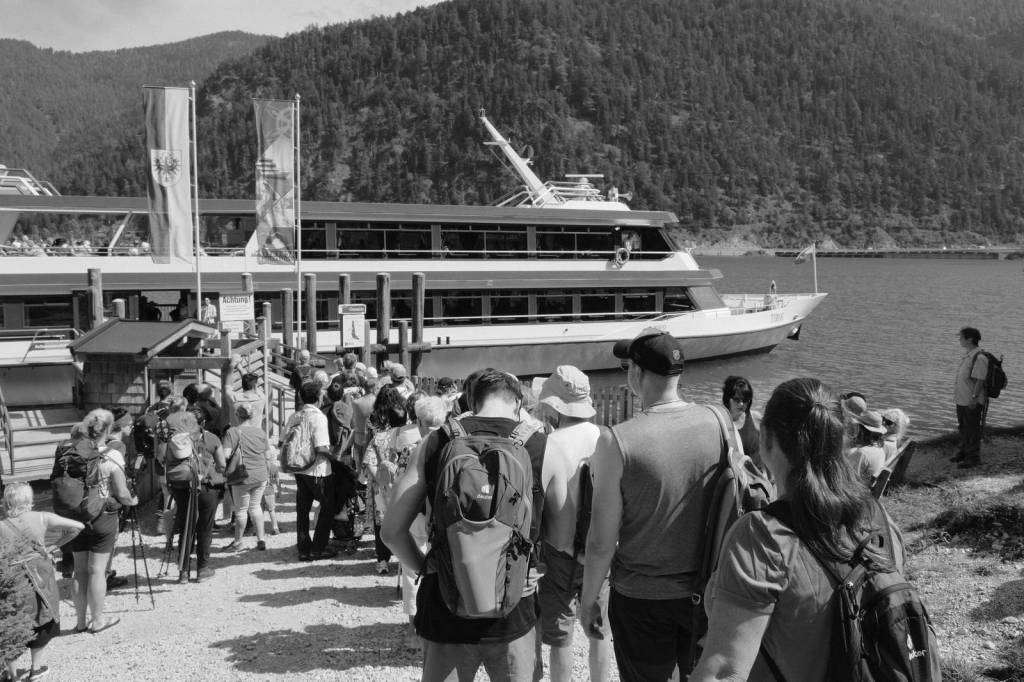
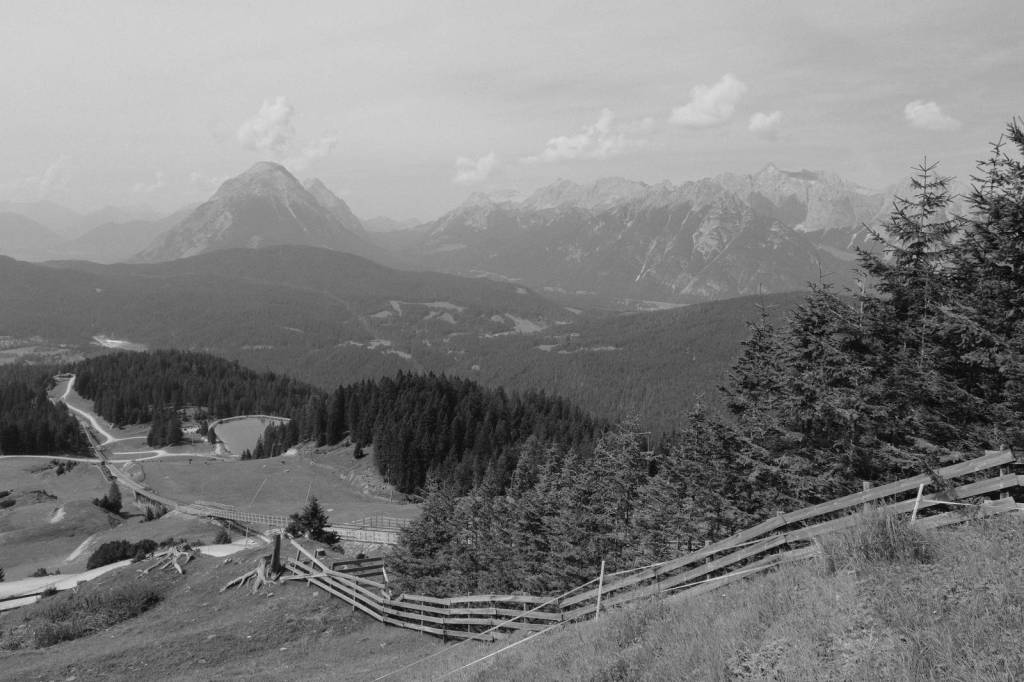
Towards the end of Summer, I ttok some vacation time in the mountains of Austria. As is typical for me, I thought a bit about which film recipes I might like to use when away, and thought that it was overdue the I tried out some black and white photography.
I’m not a particularly skilled photographer when it comes to black and white imaging, feeling that there is a different skill set, where people see more in the patterens of light and shade, than my usual territory of colour. For this reason, I tend to make mono film recipes that work well for me, who basically uses them to take exactly the same shots as I might in colour.
The advantage of these recipes perhaps is that they are easy to use for everyone, and will deliver decent results in a wide range of situations.
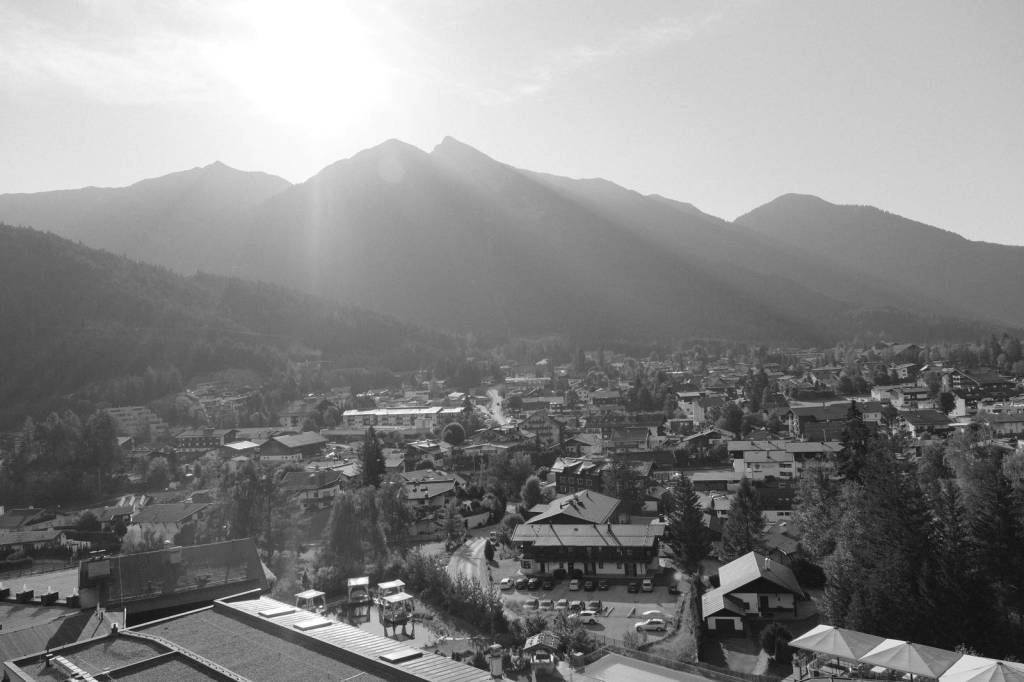
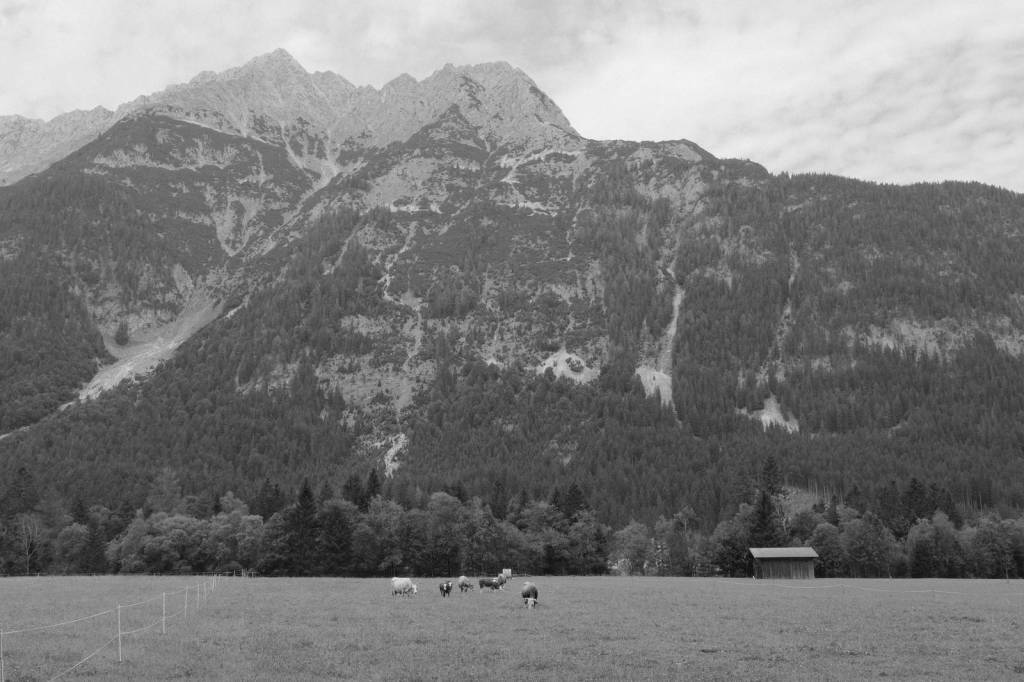
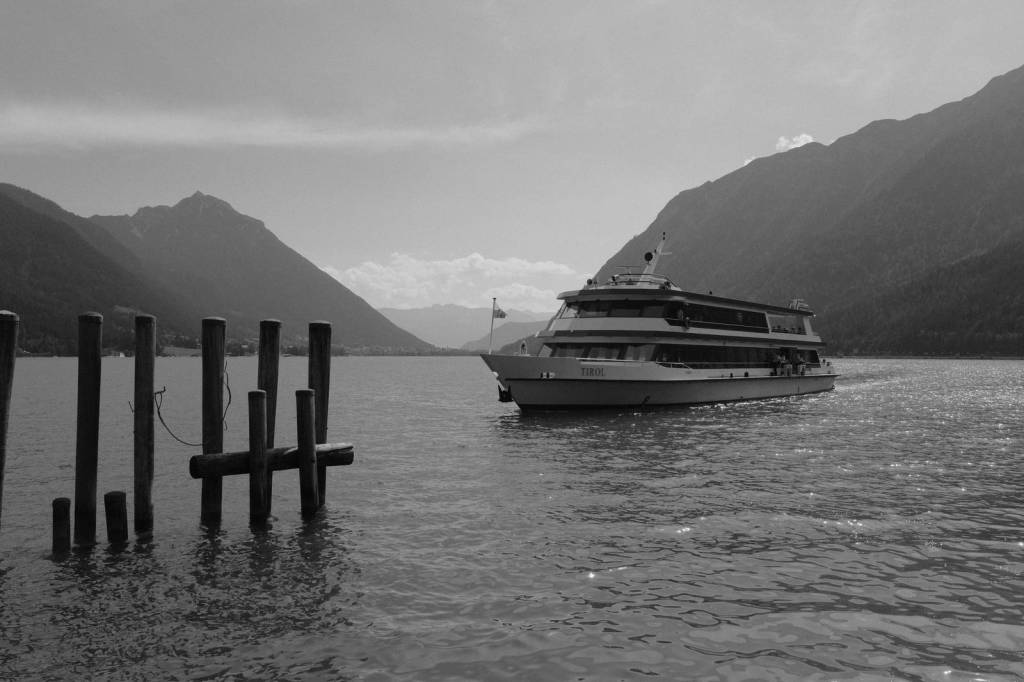
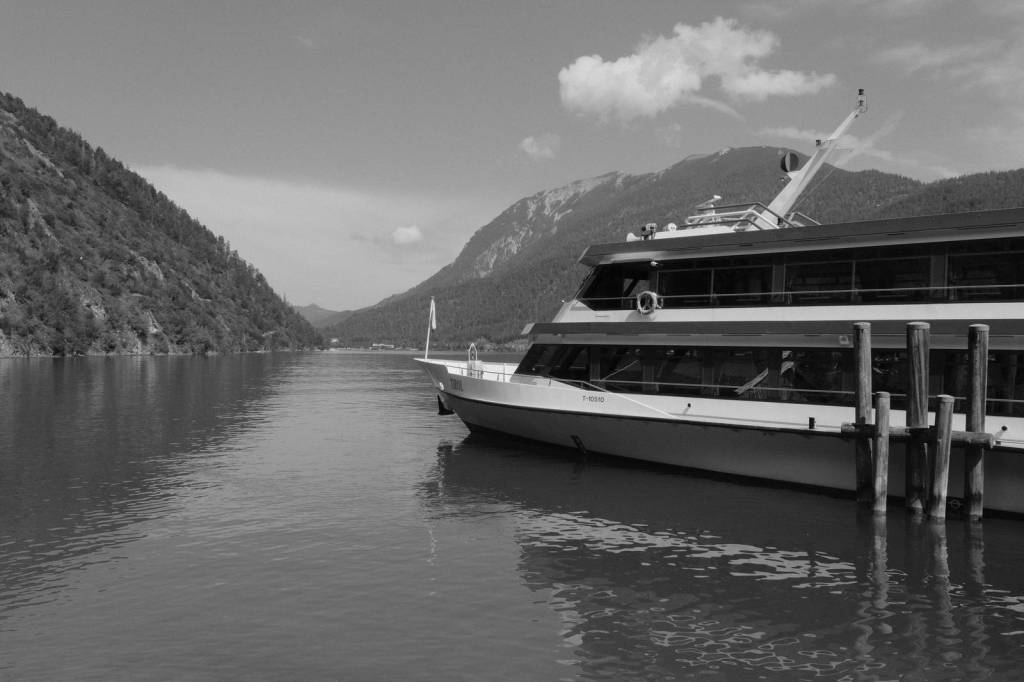
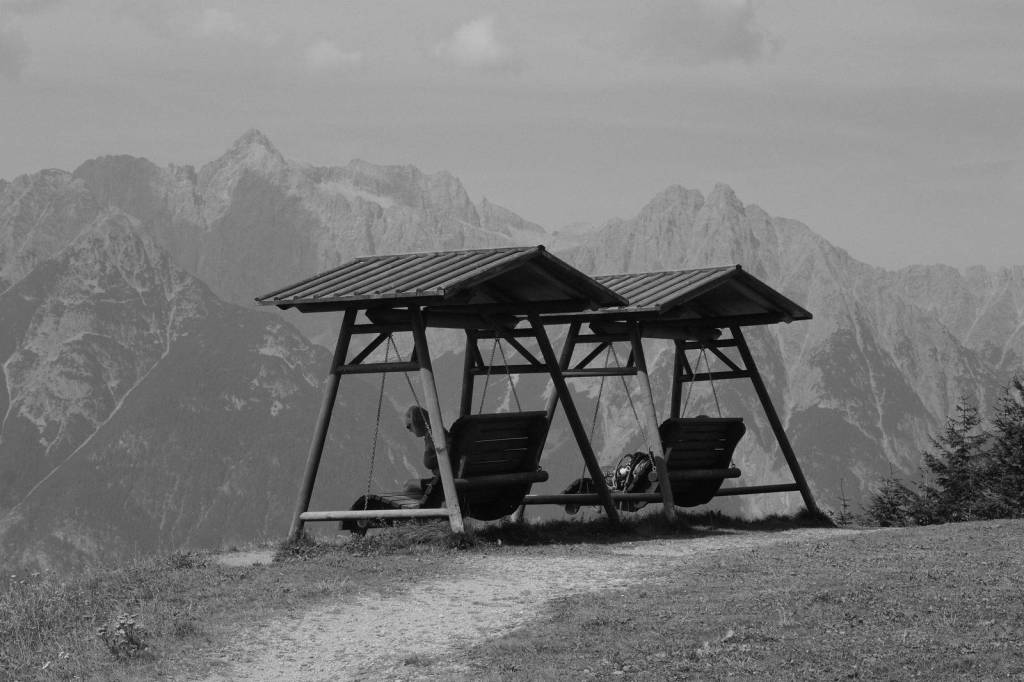
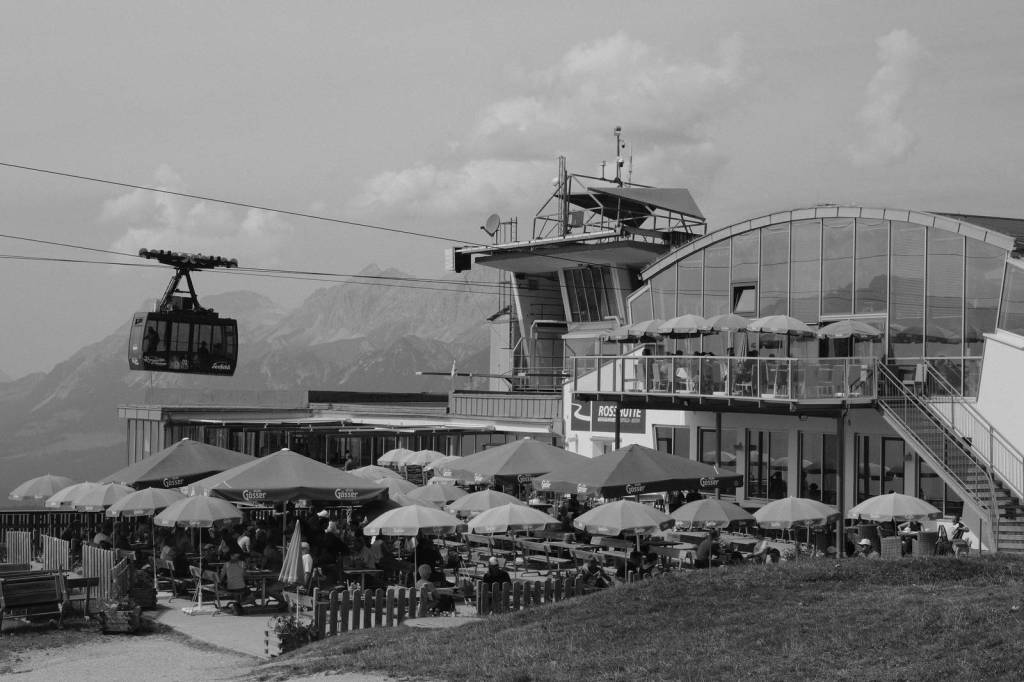
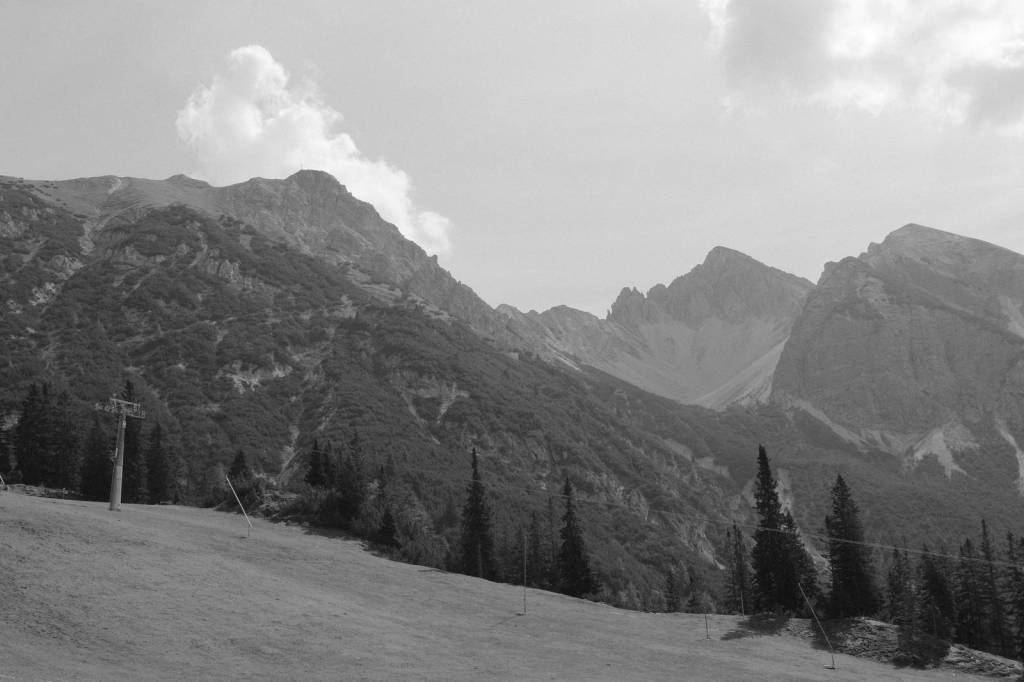
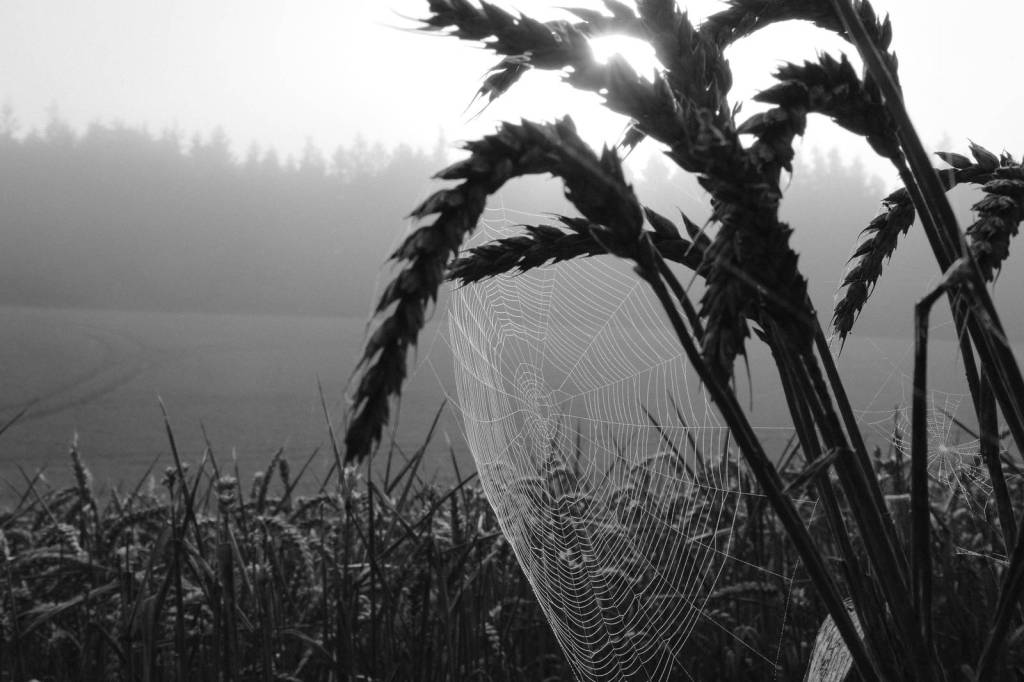
As it turned out, I found an additional benefit when using this look. The views across the mountains had quite a lot of haze, and often this washed out the colour of the more distant peaks, and could be distracting. With no colour in the image, this haze was magically erased, and any distracting colour wash was gone.
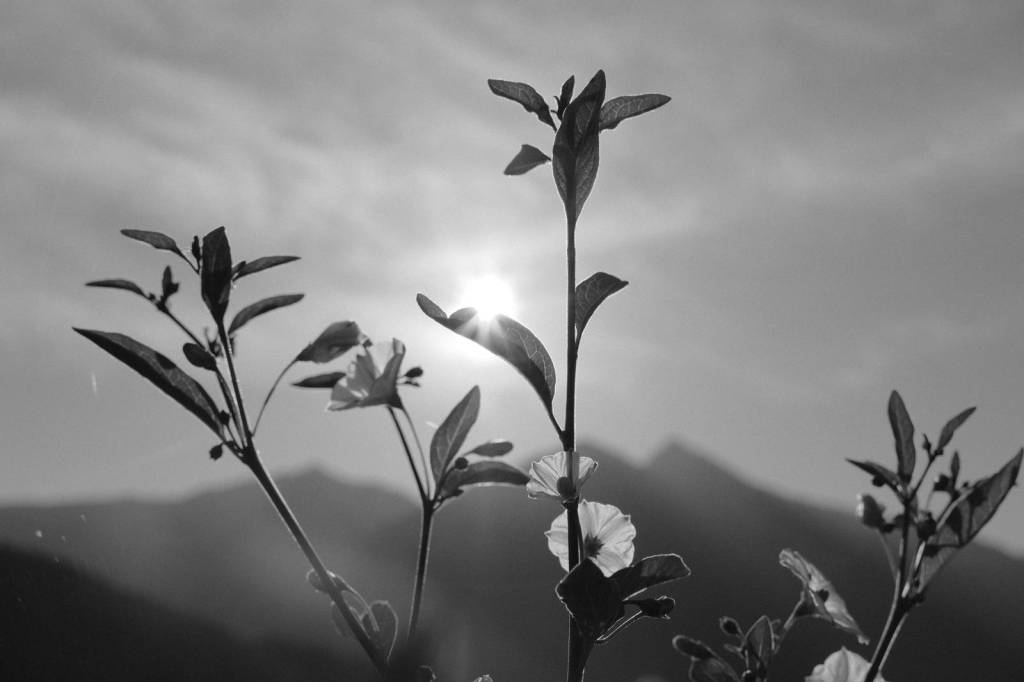
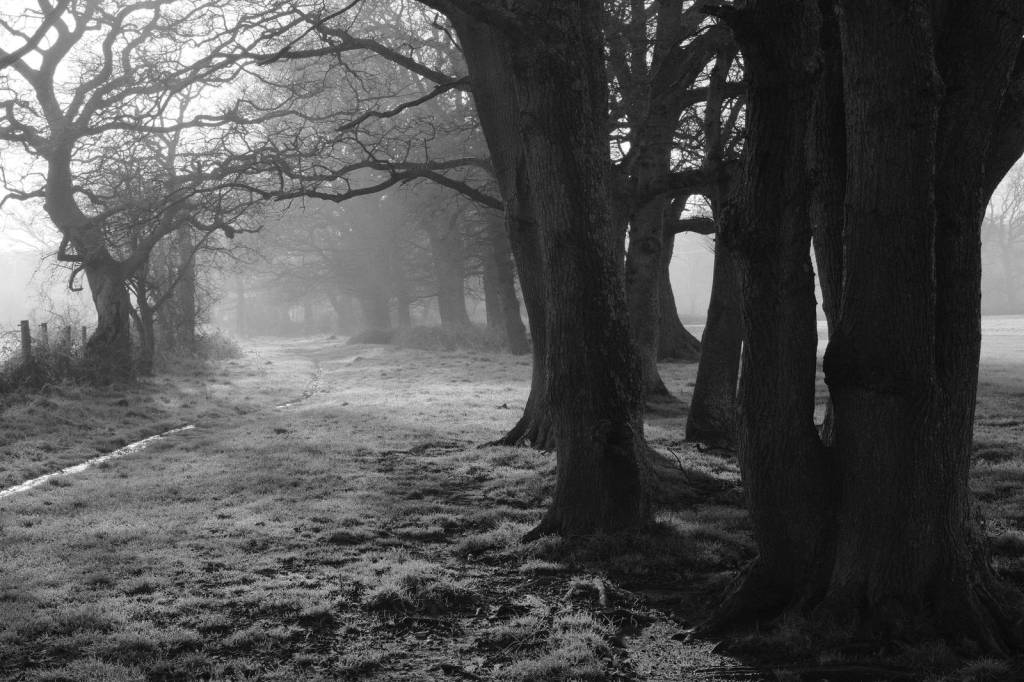
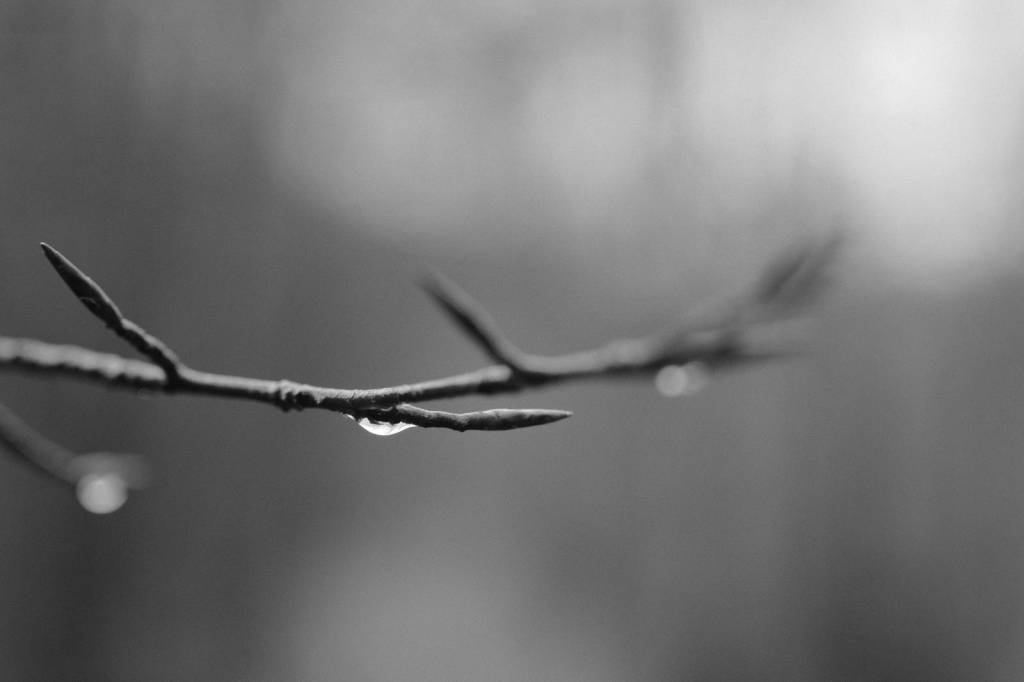
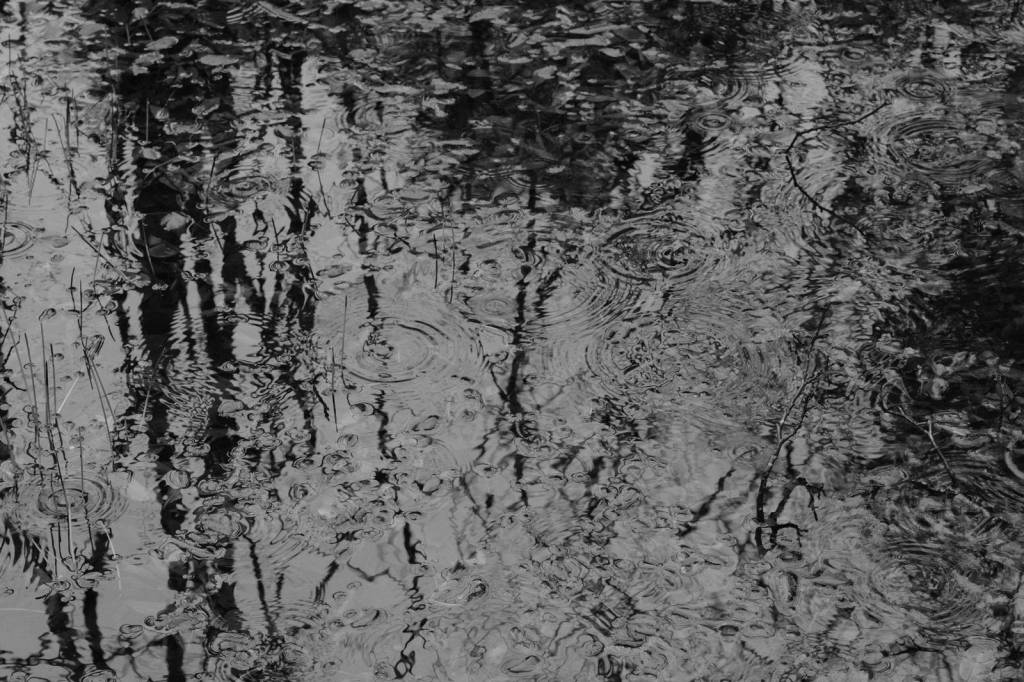
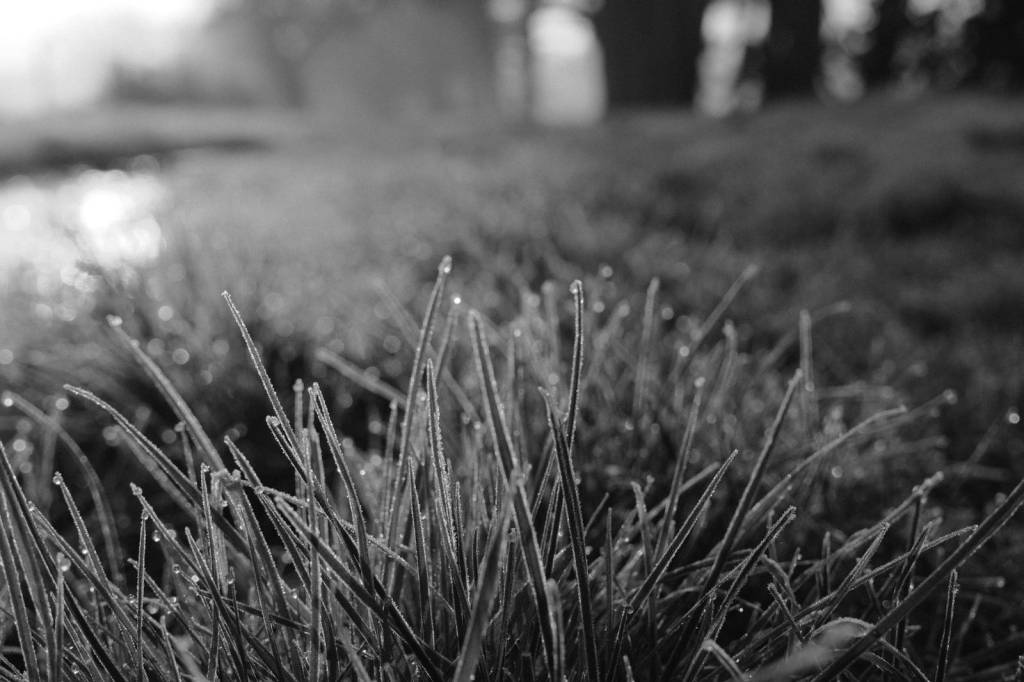
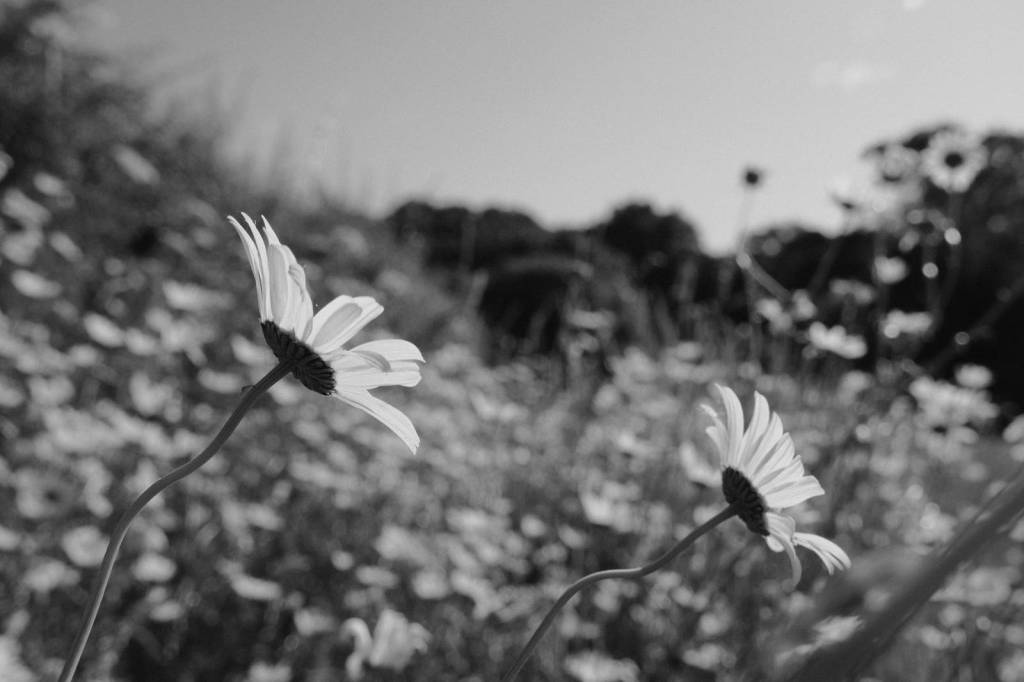
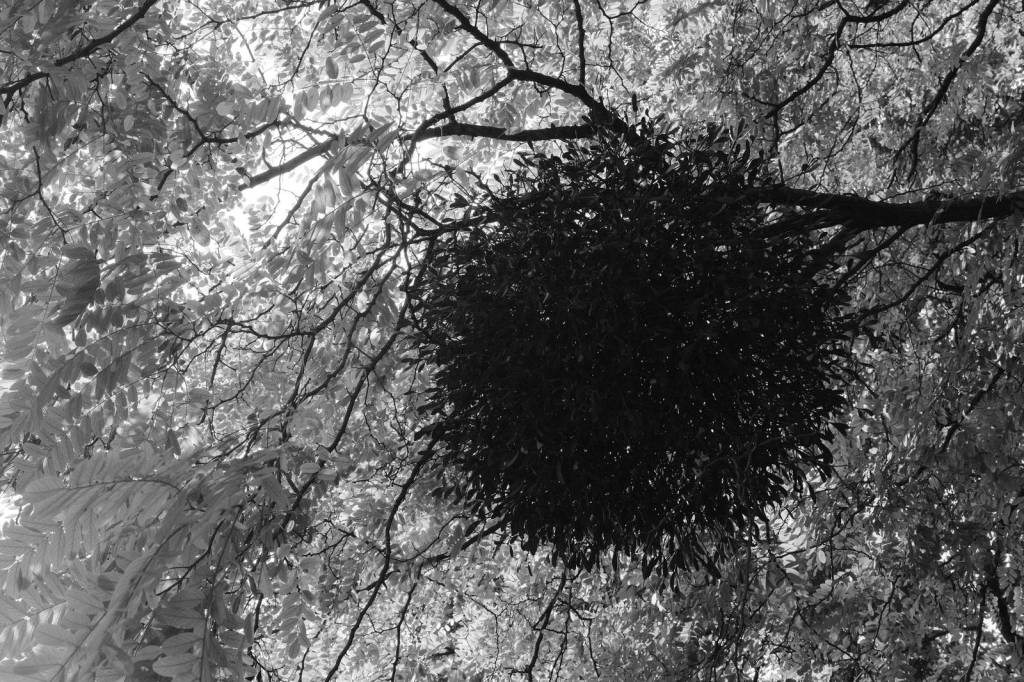
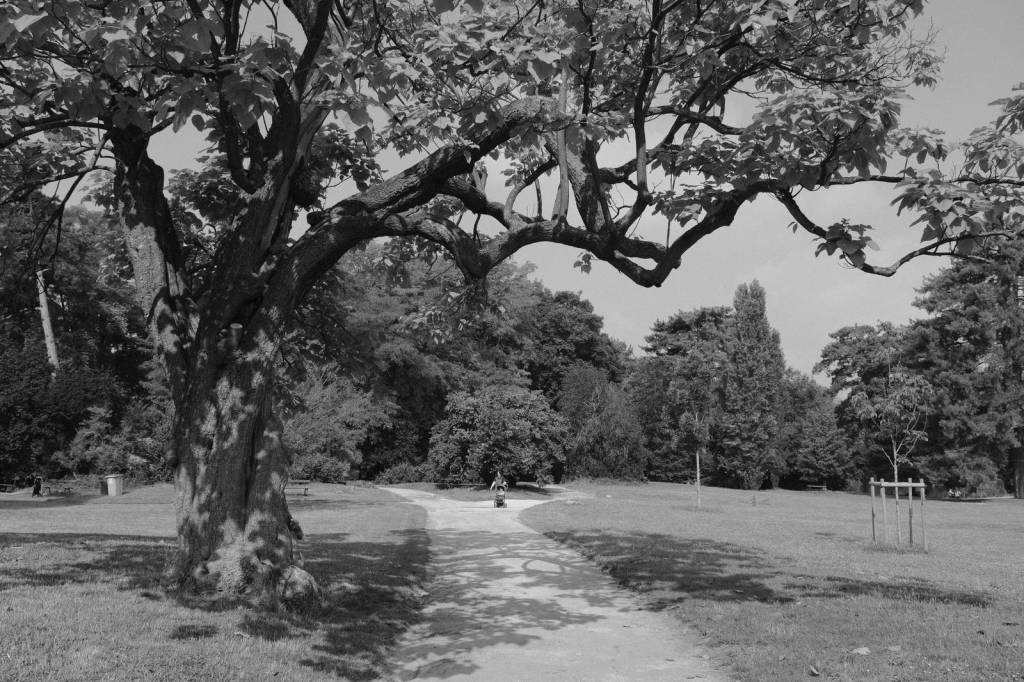
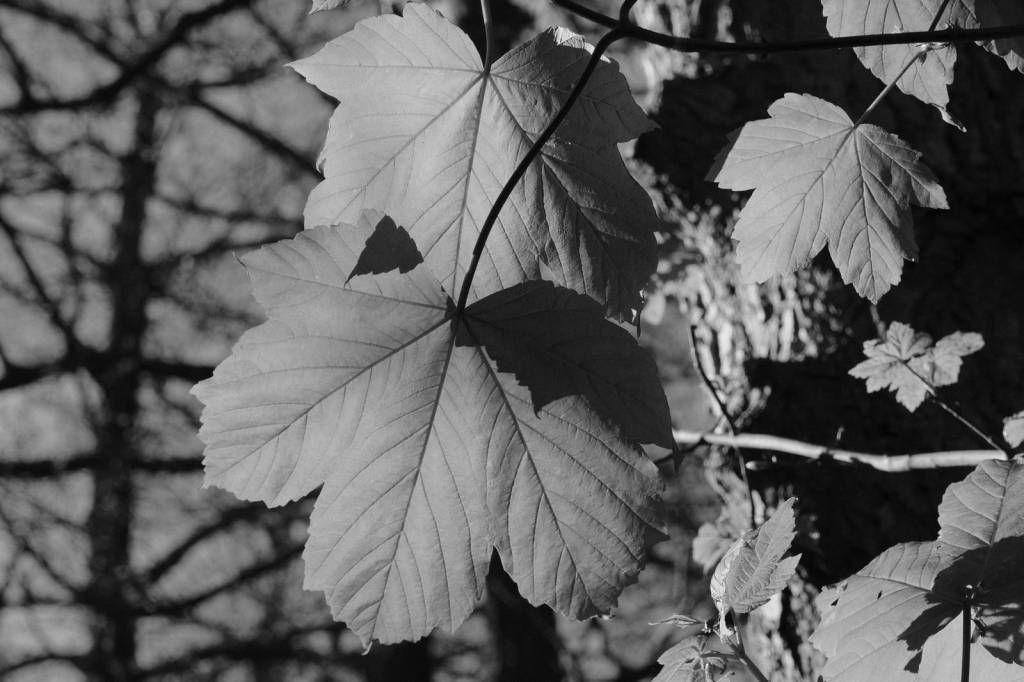
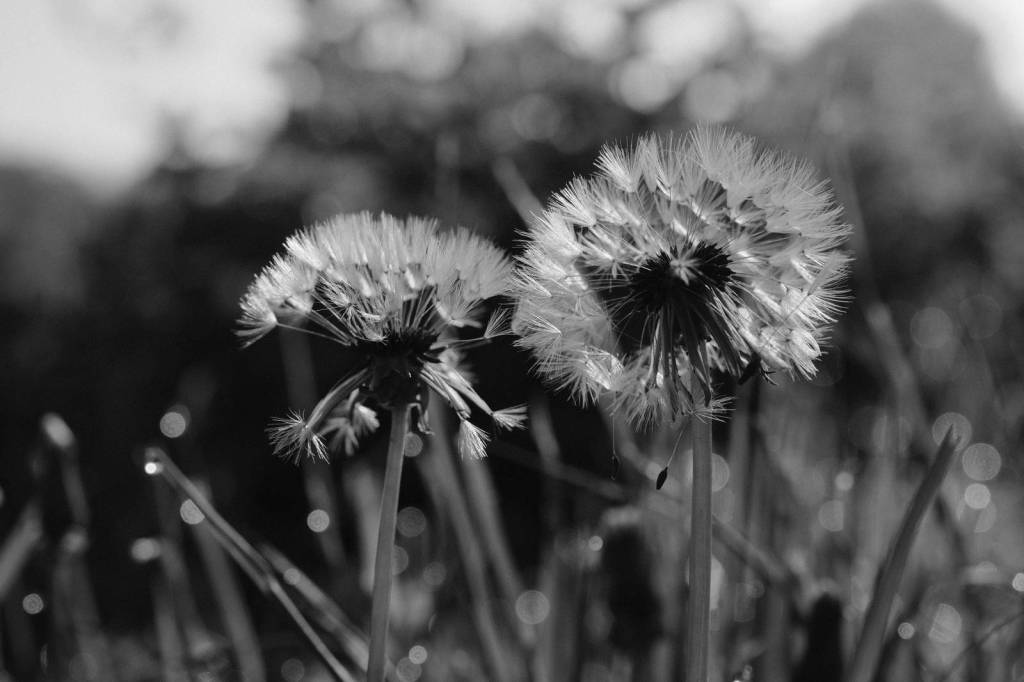
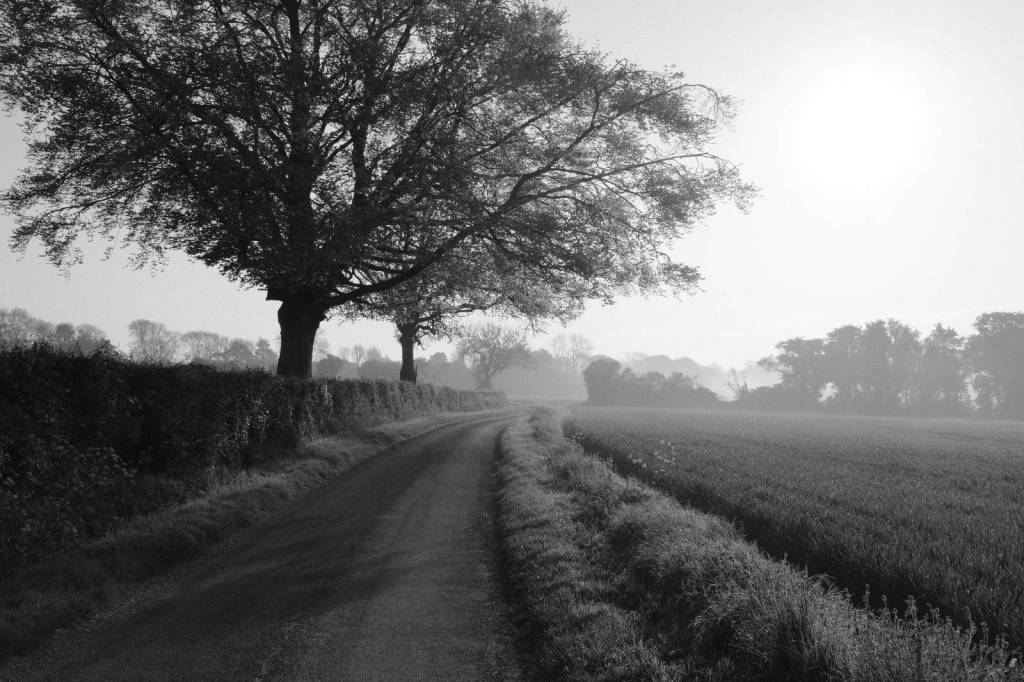
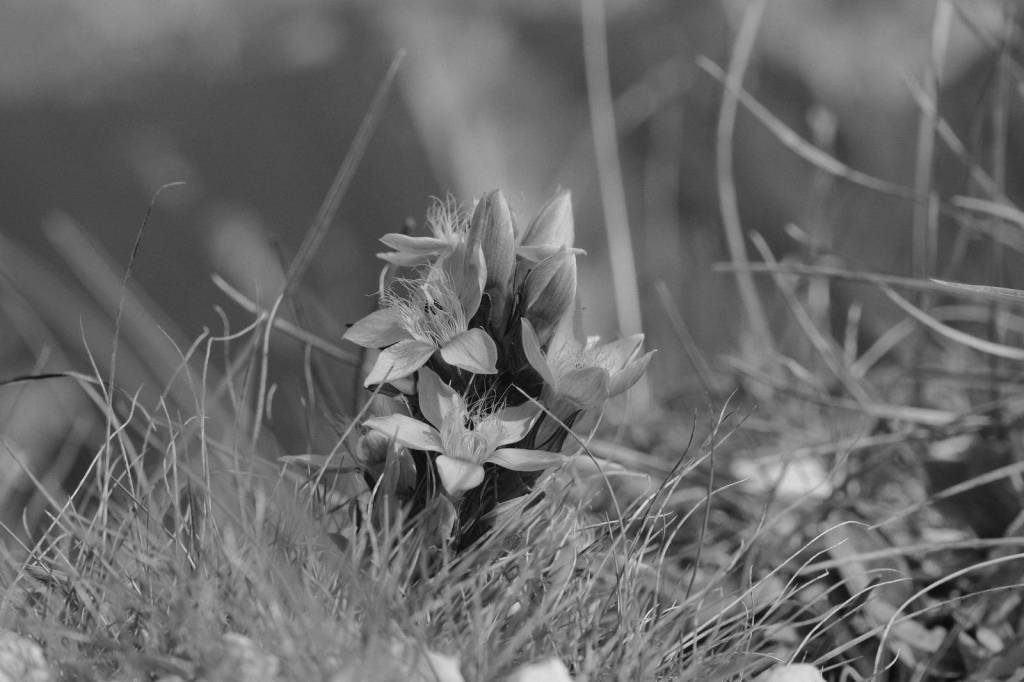
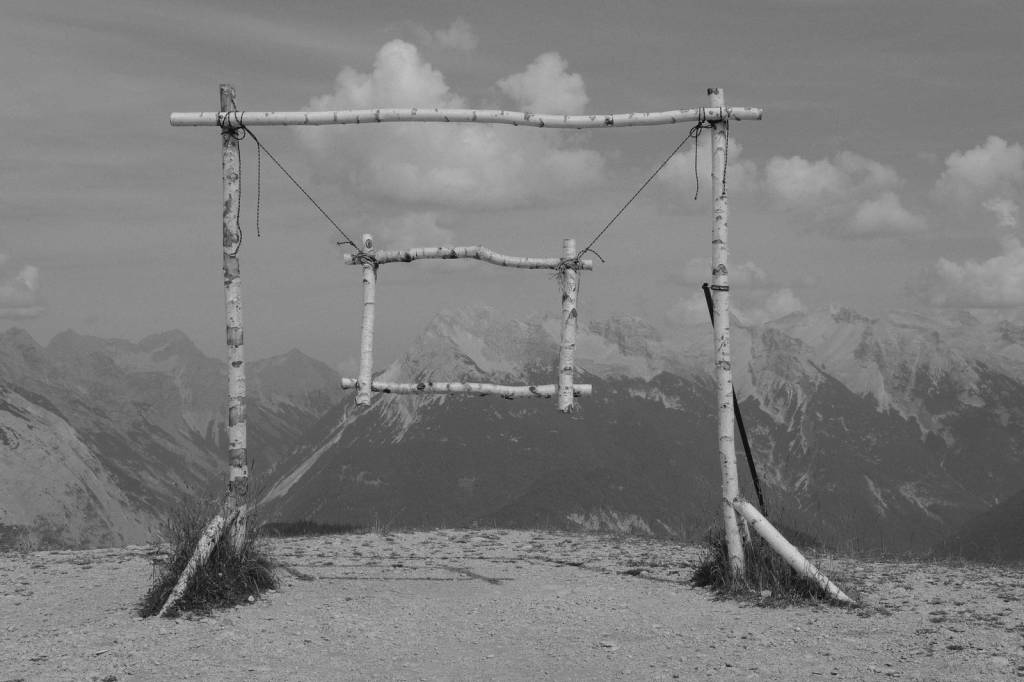
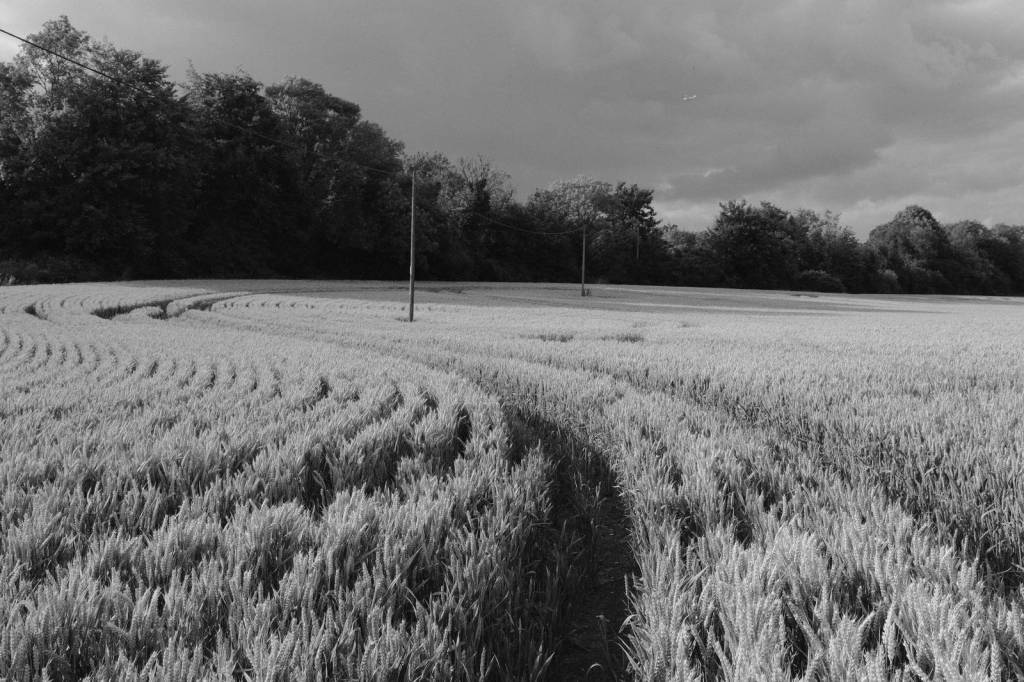
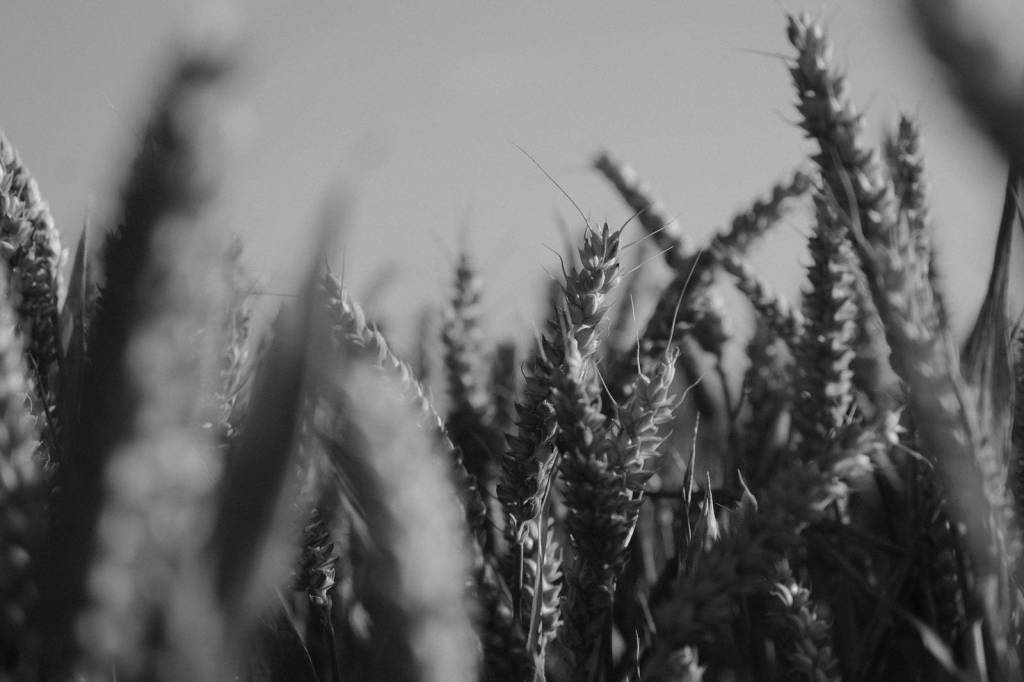
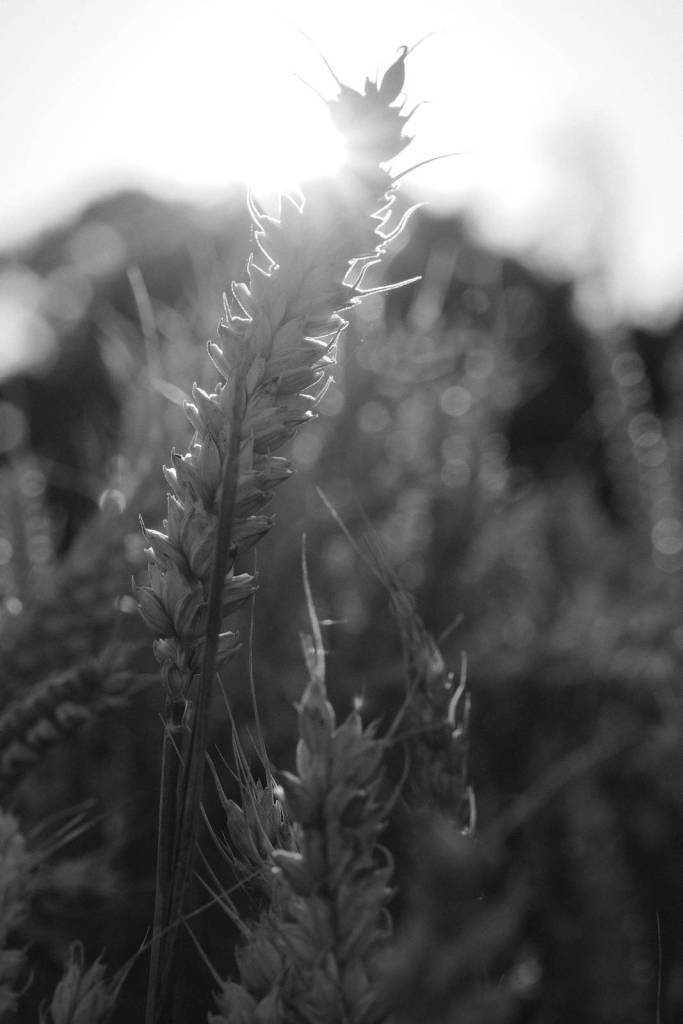
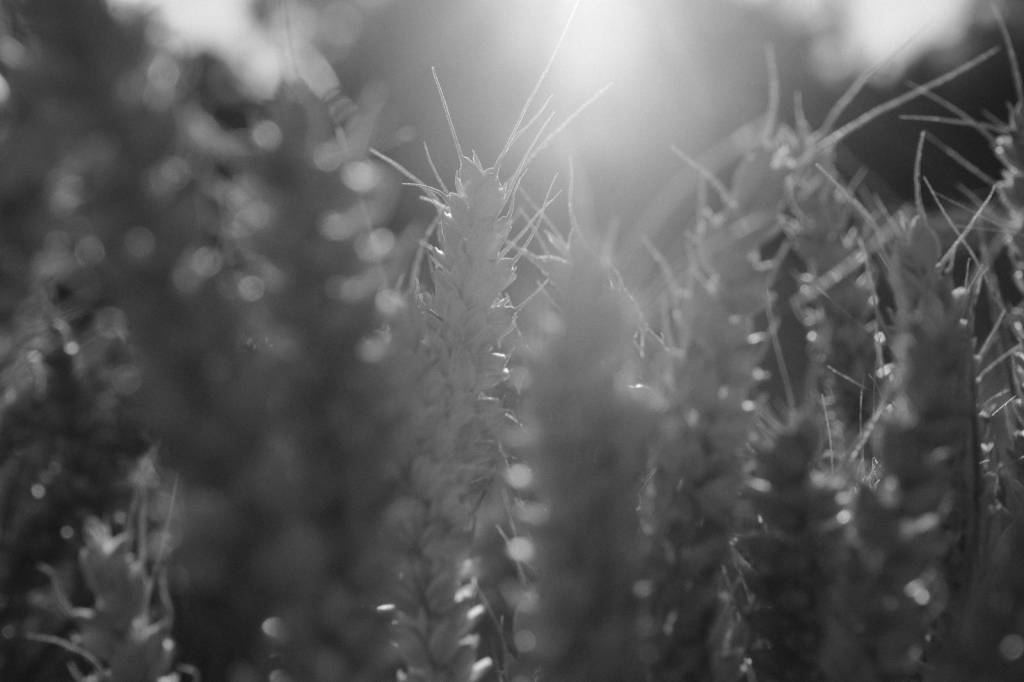
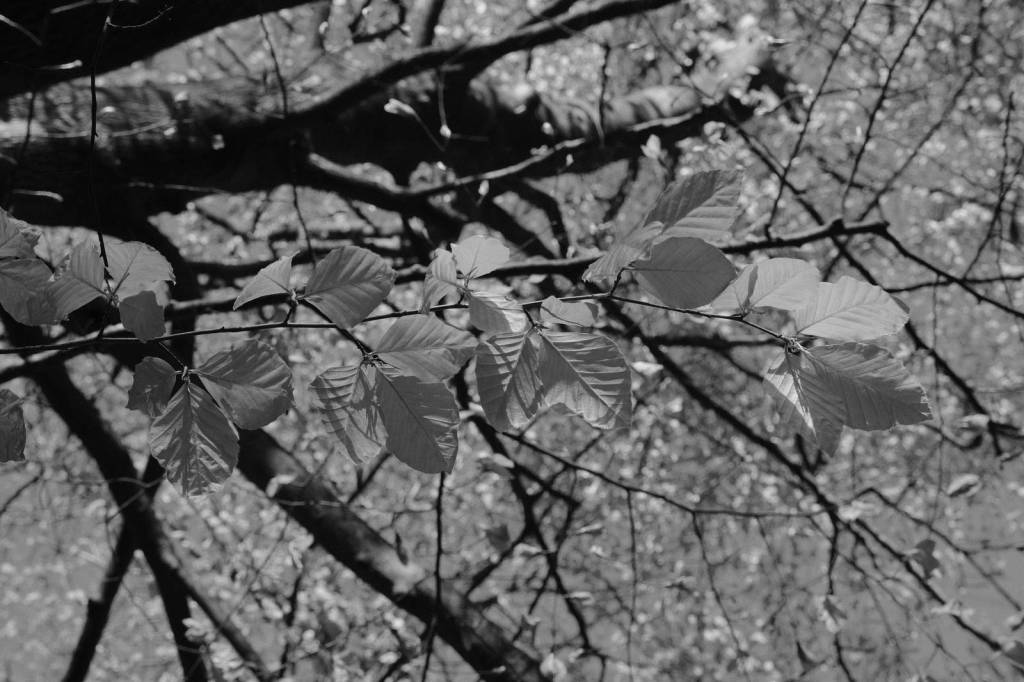
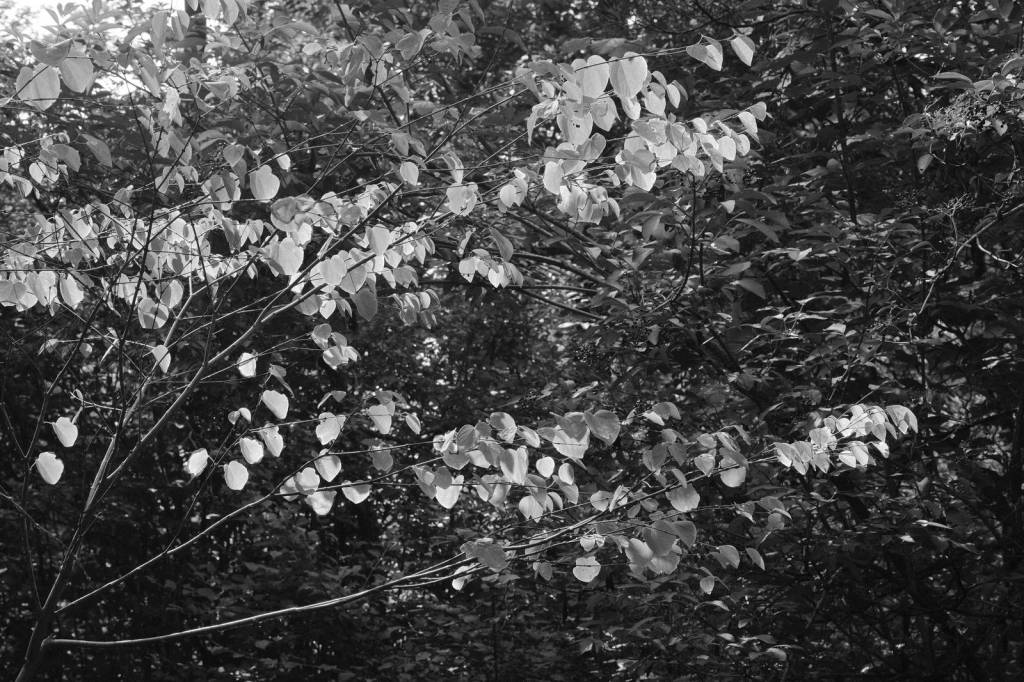
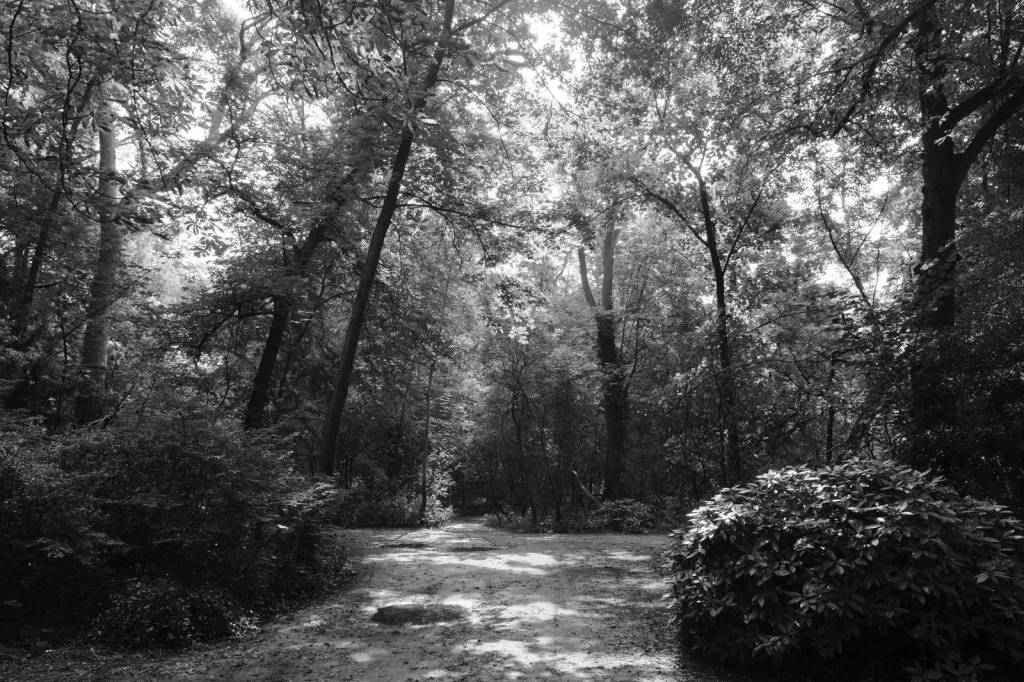
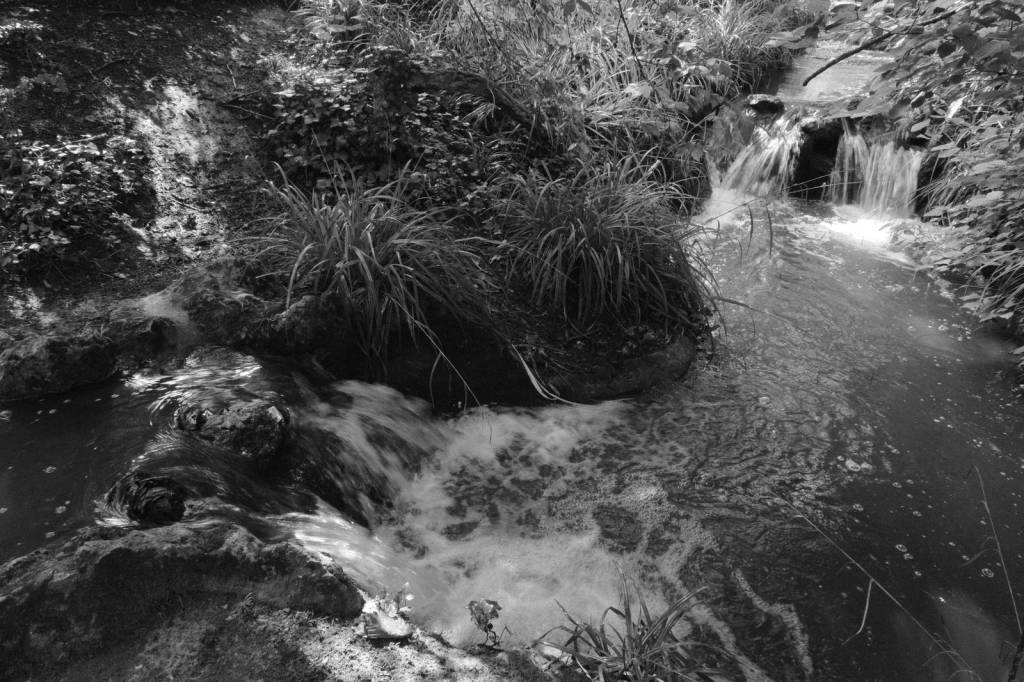
Features of this recipe include softened highlights, for easy use in bright conditions, and a strong grain, which adds a little extra character to shots. This grain doesn’t really show at the size of the images below, and of course is optional, should you prefer a smoother look.

Tirolean Mono FIlm Recipe
- Simulation: Monochrome
- Grain Effect: Strong, Small
- Colour Chrome Effect: Off
- Colour Chrome Blue: Weak (IV) / Off (V)
- White Balance: 3900K
- WB Shift: 0 Red, +9 Blue
- Dynamic Range: DR200
- Highlights: -1.5
- Shadows: +0.5
- Color: 0
- Sharpness: -1
- ISO Noise Reduction: -4
- Clarity: 0
- EV compensation: 0
Other monotone film recipes that work well for general landscape shooting, include; Acroscape, Monographic and Kodachrome Mono.







 Film Recipes for Fujifilm Cameras