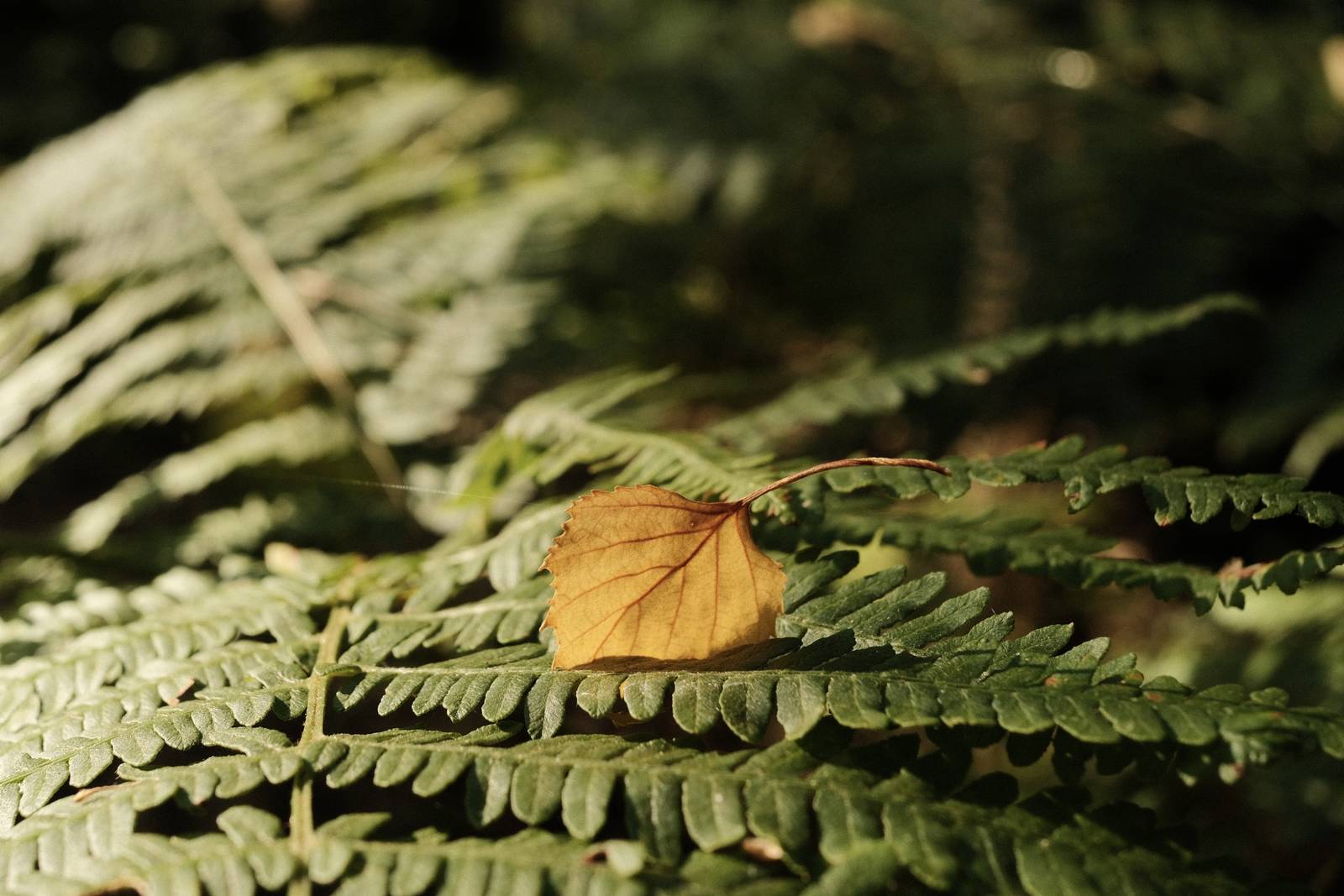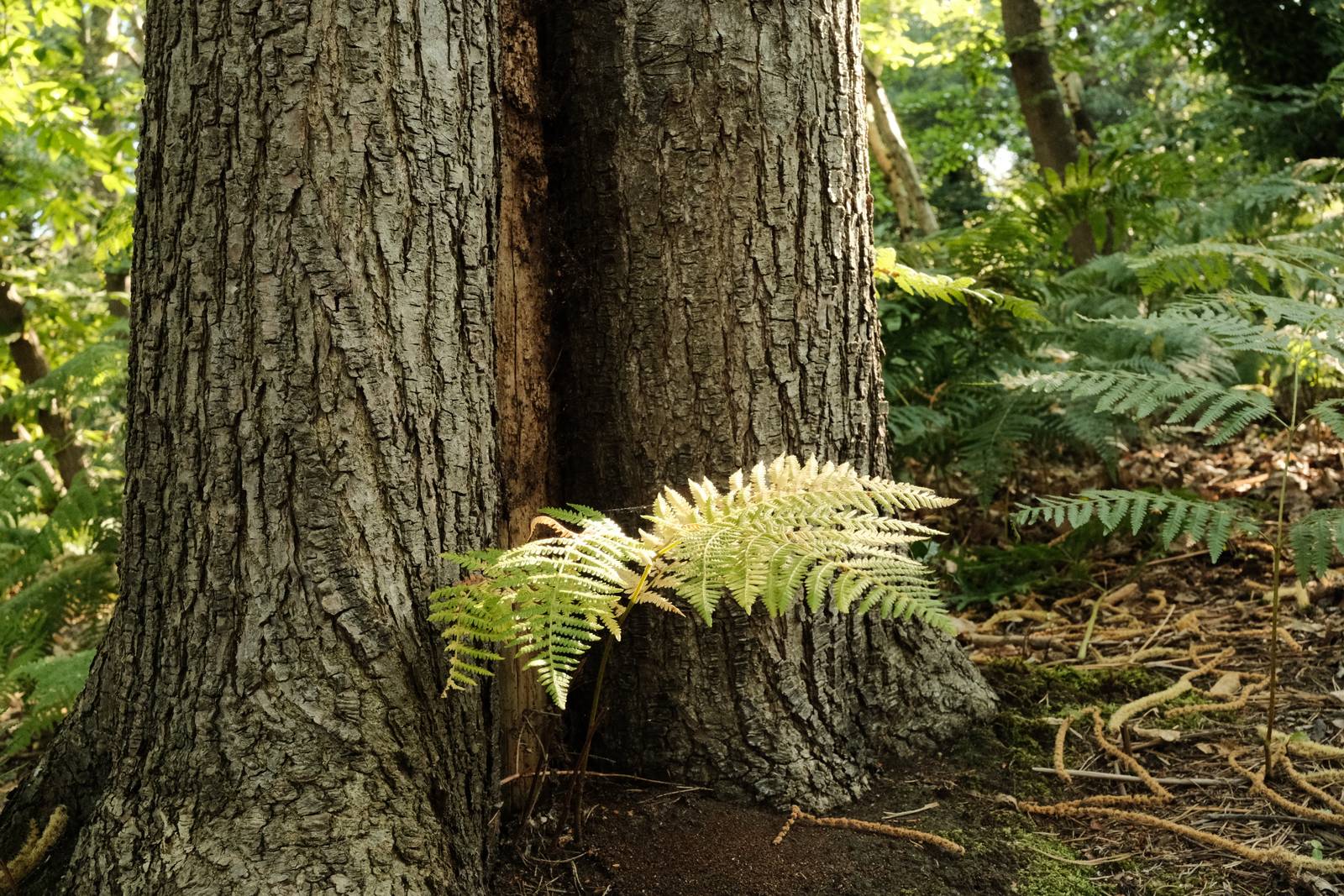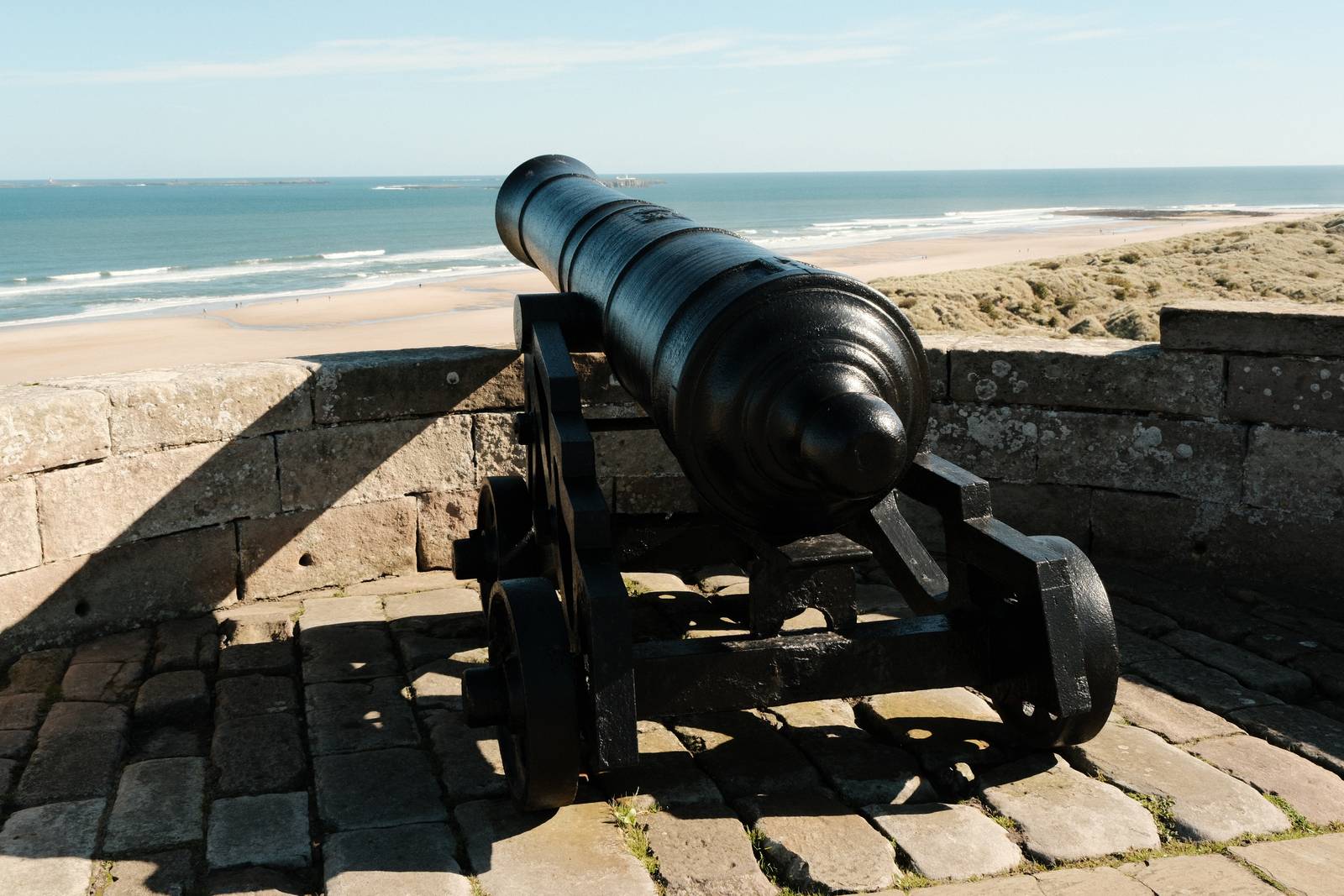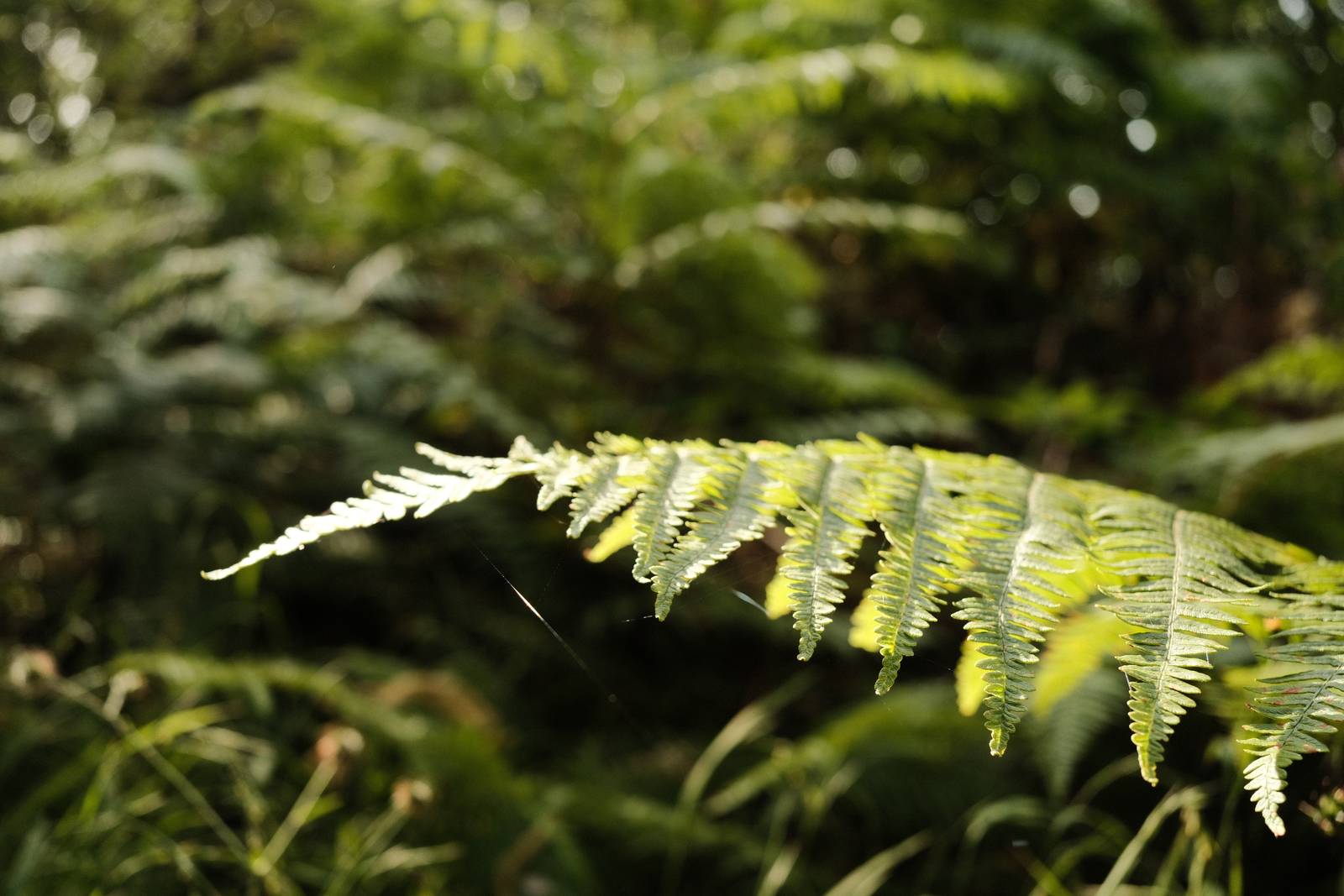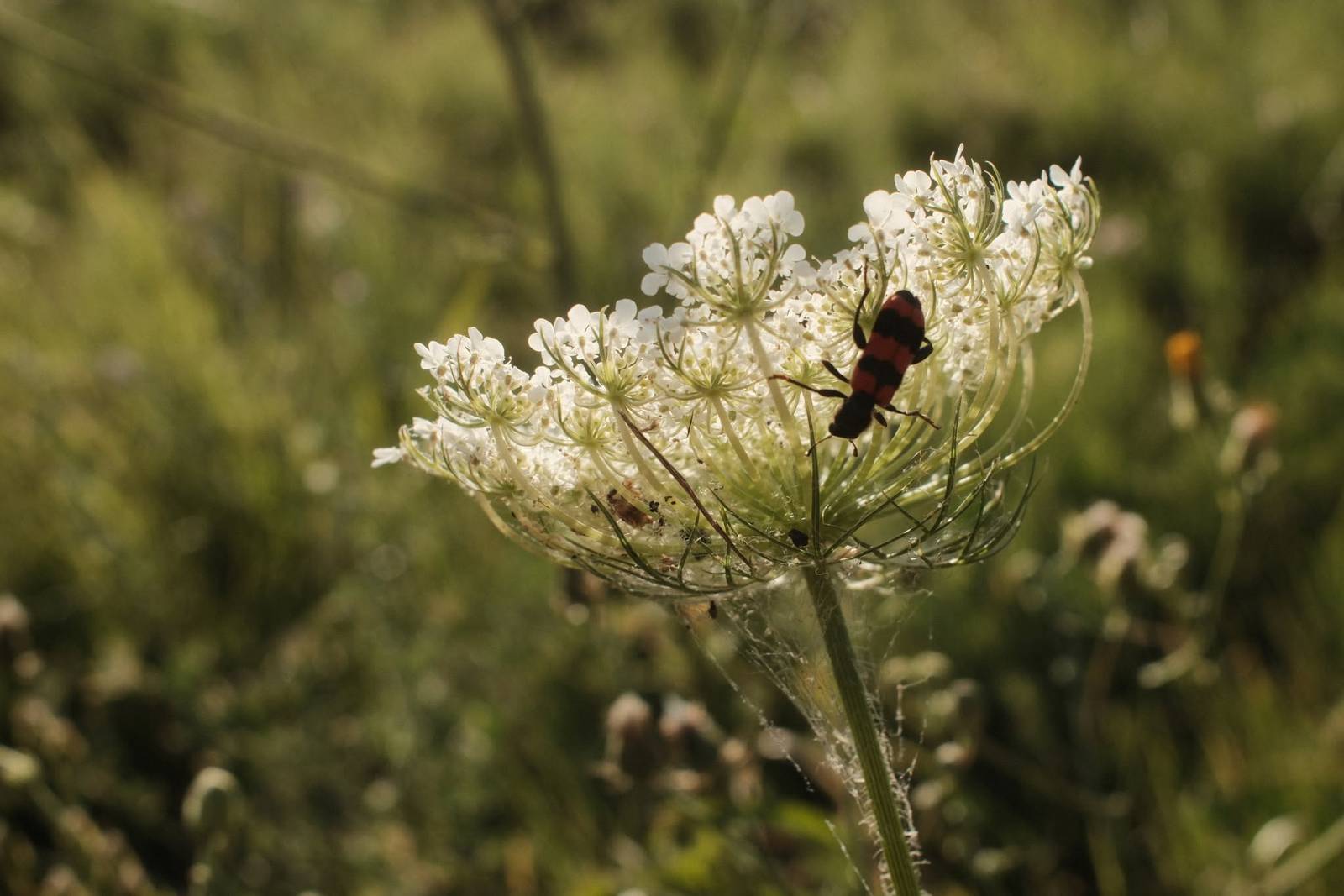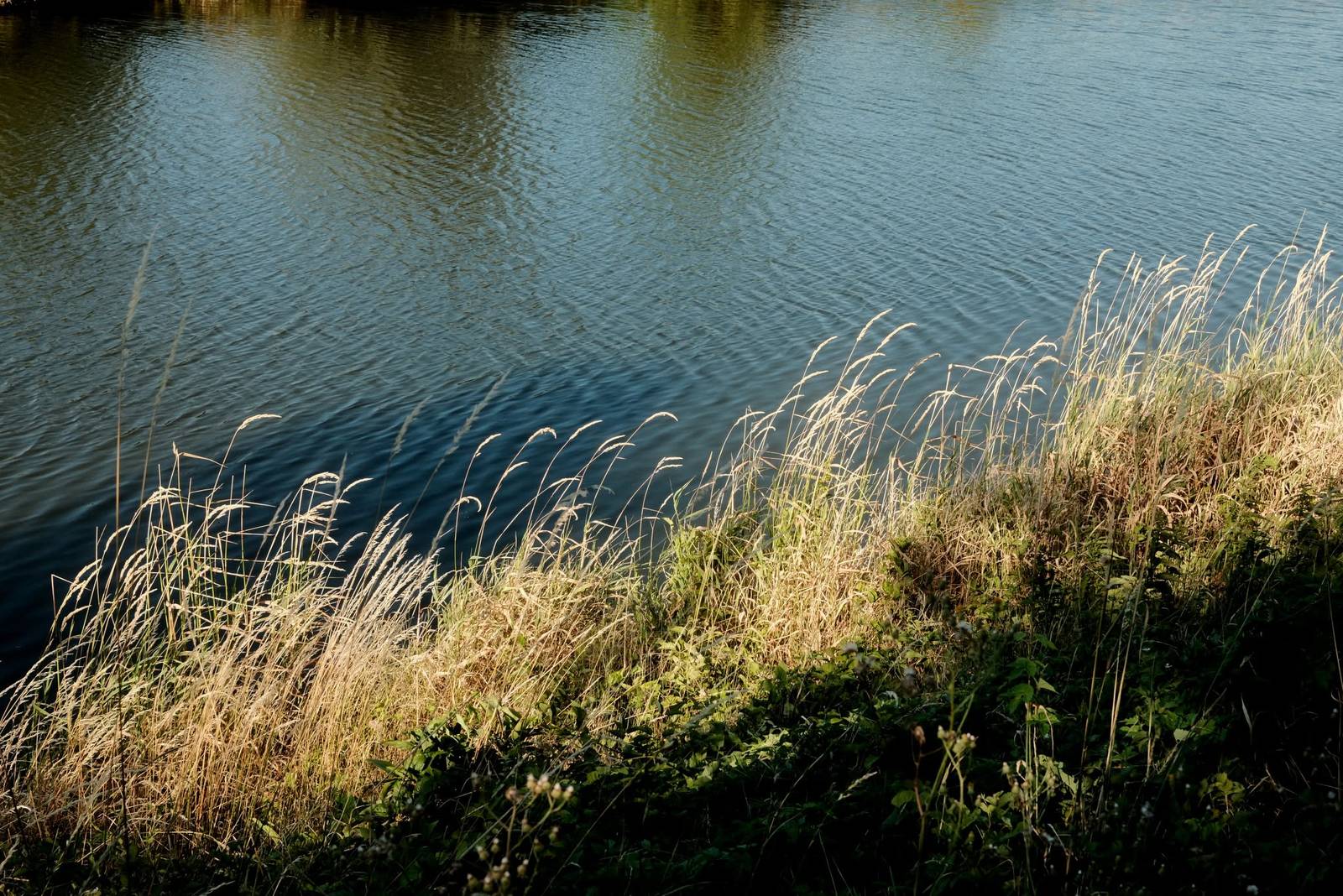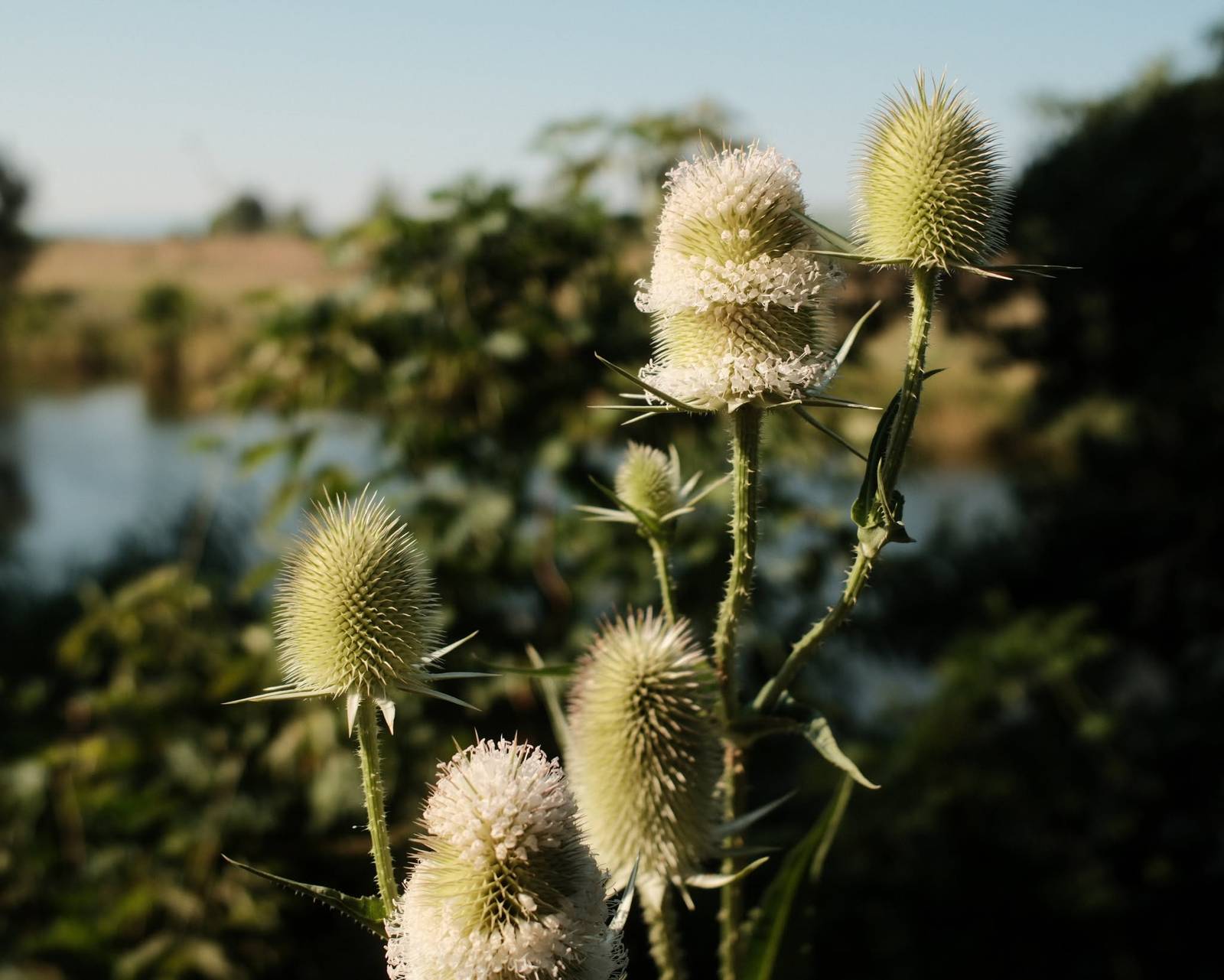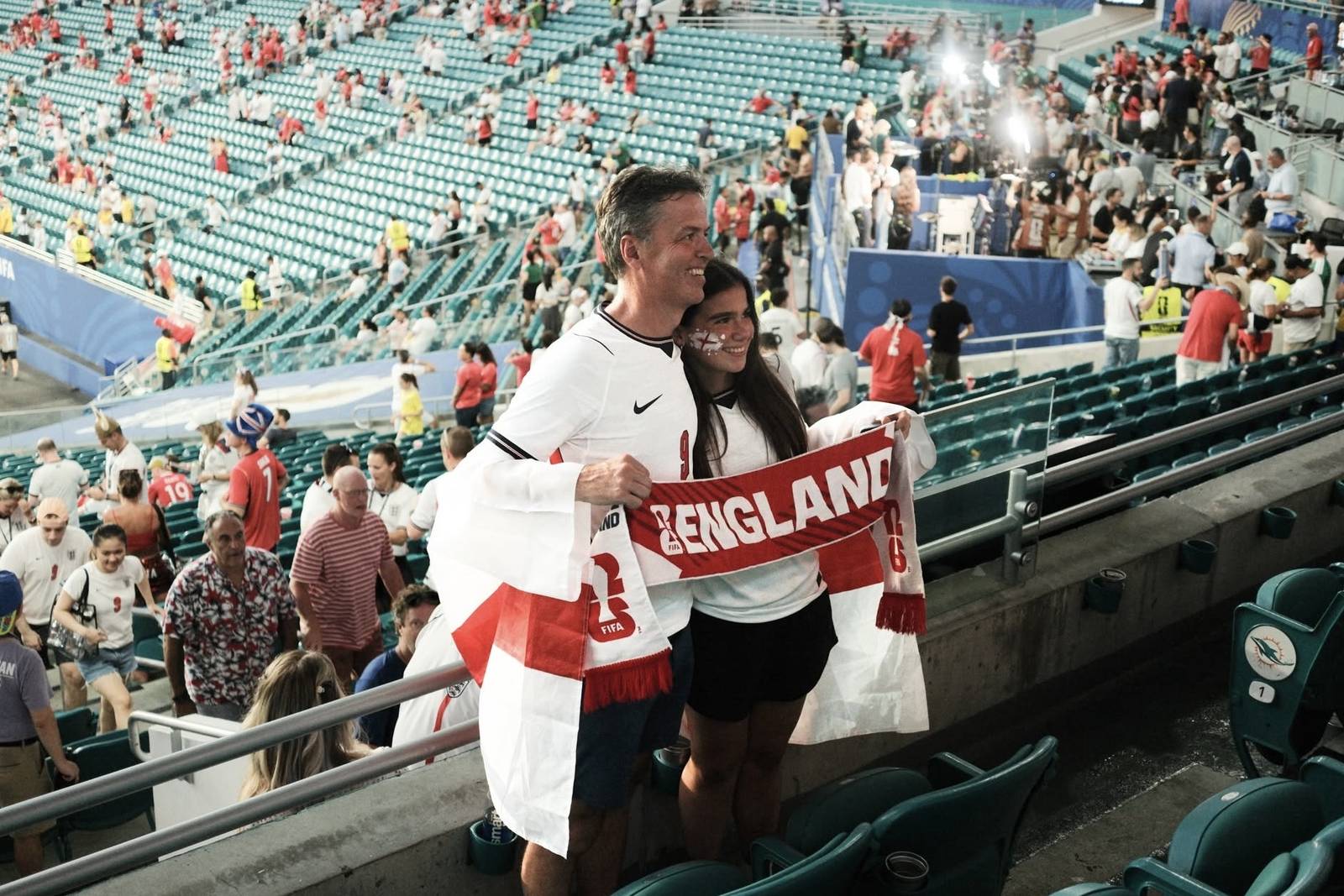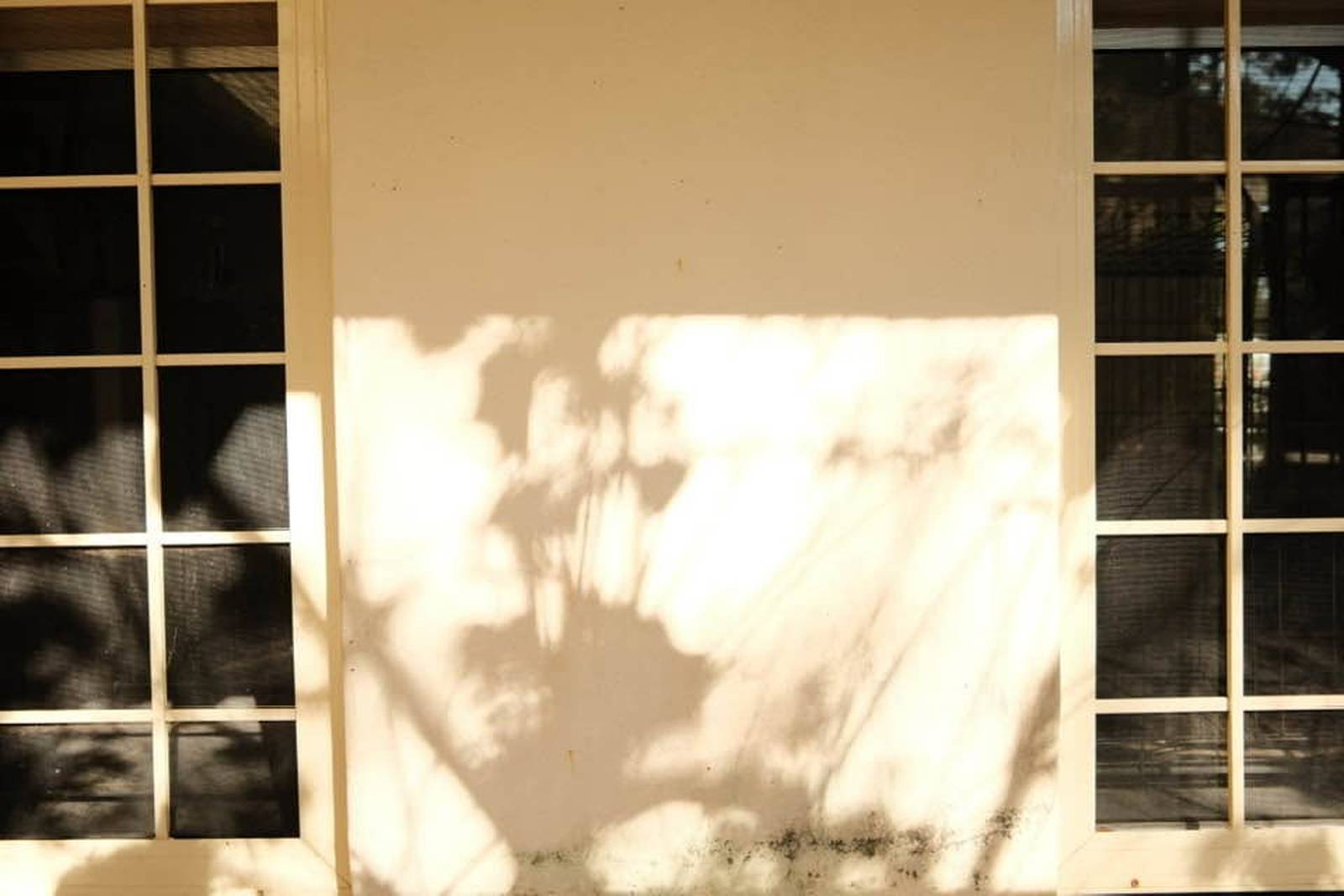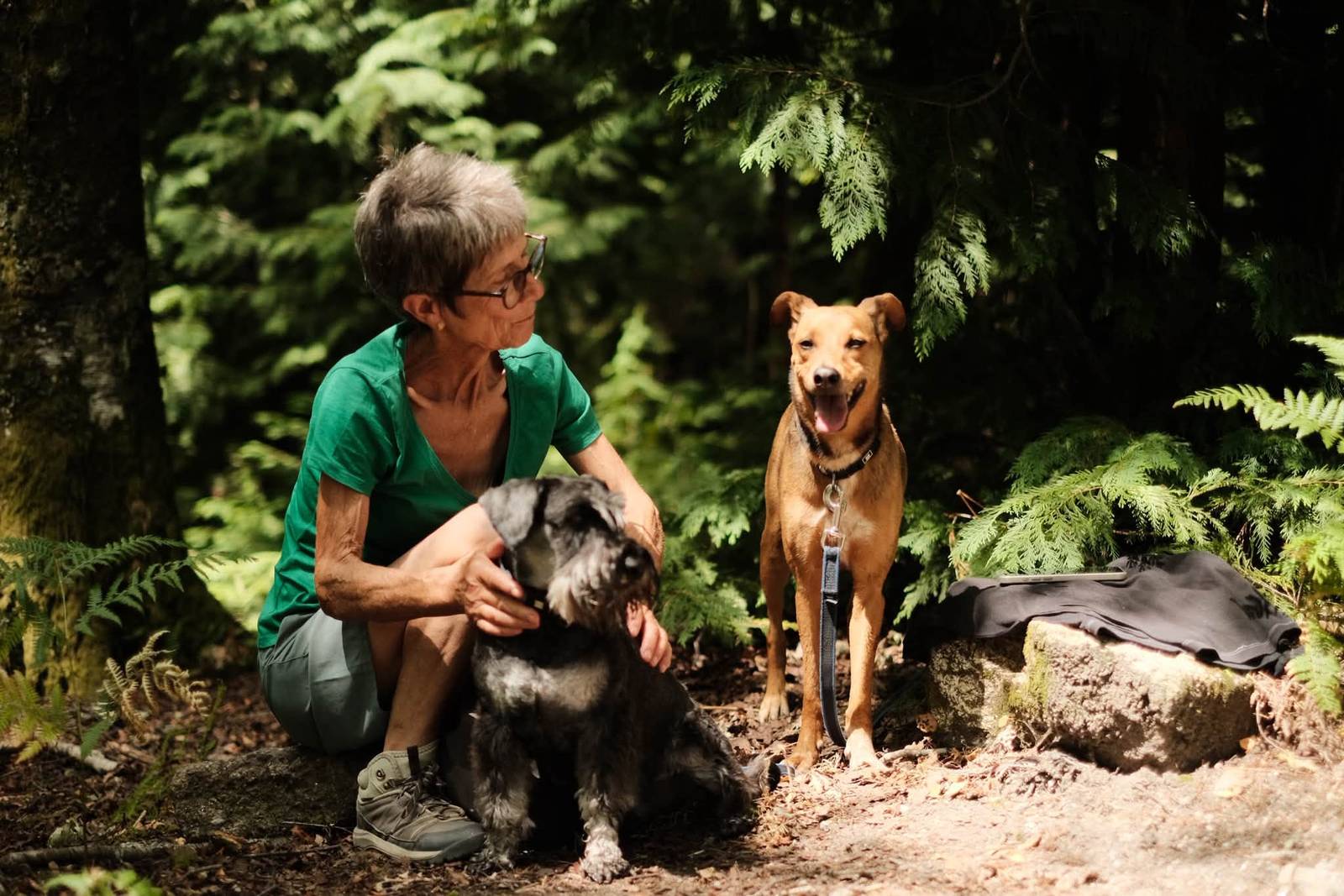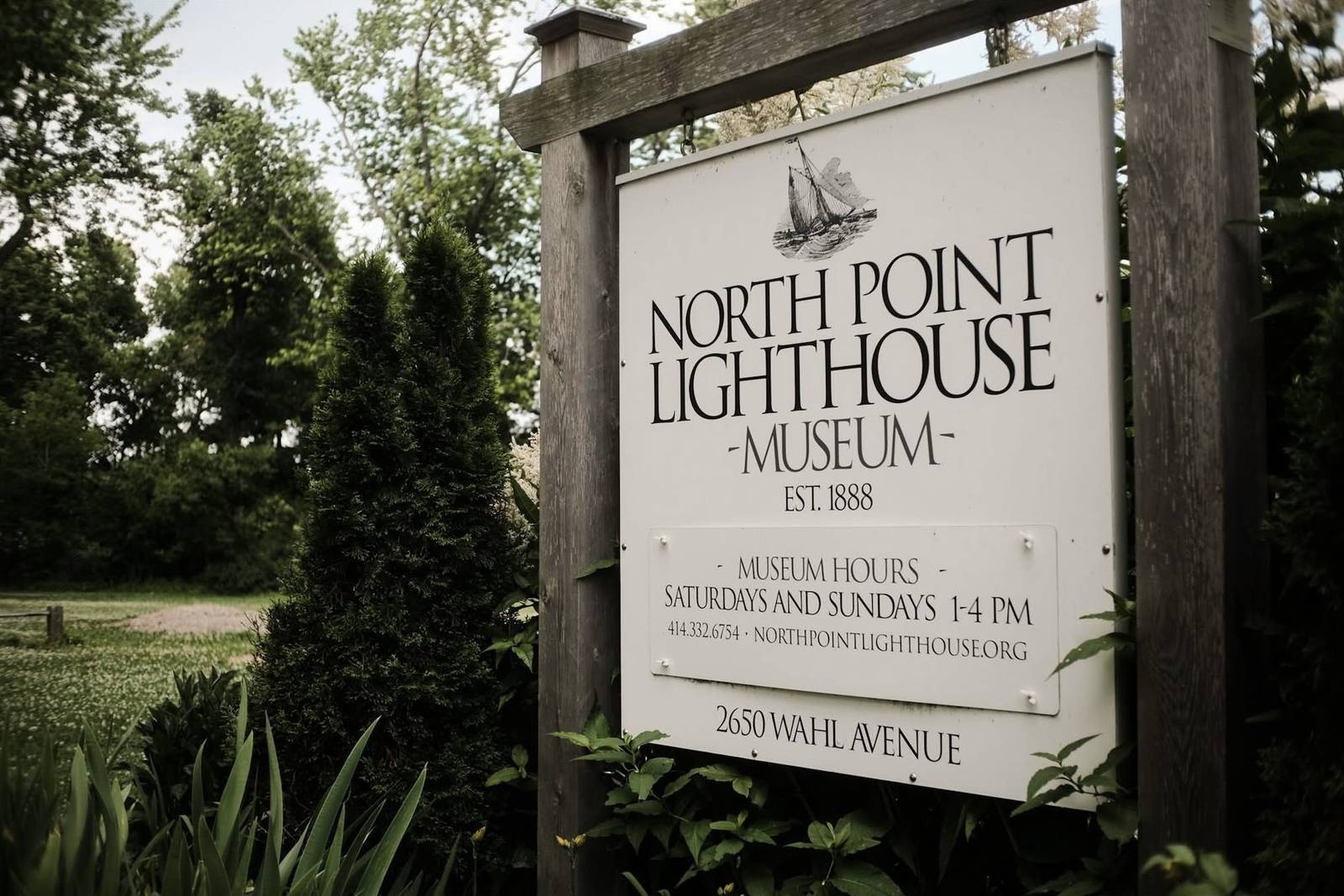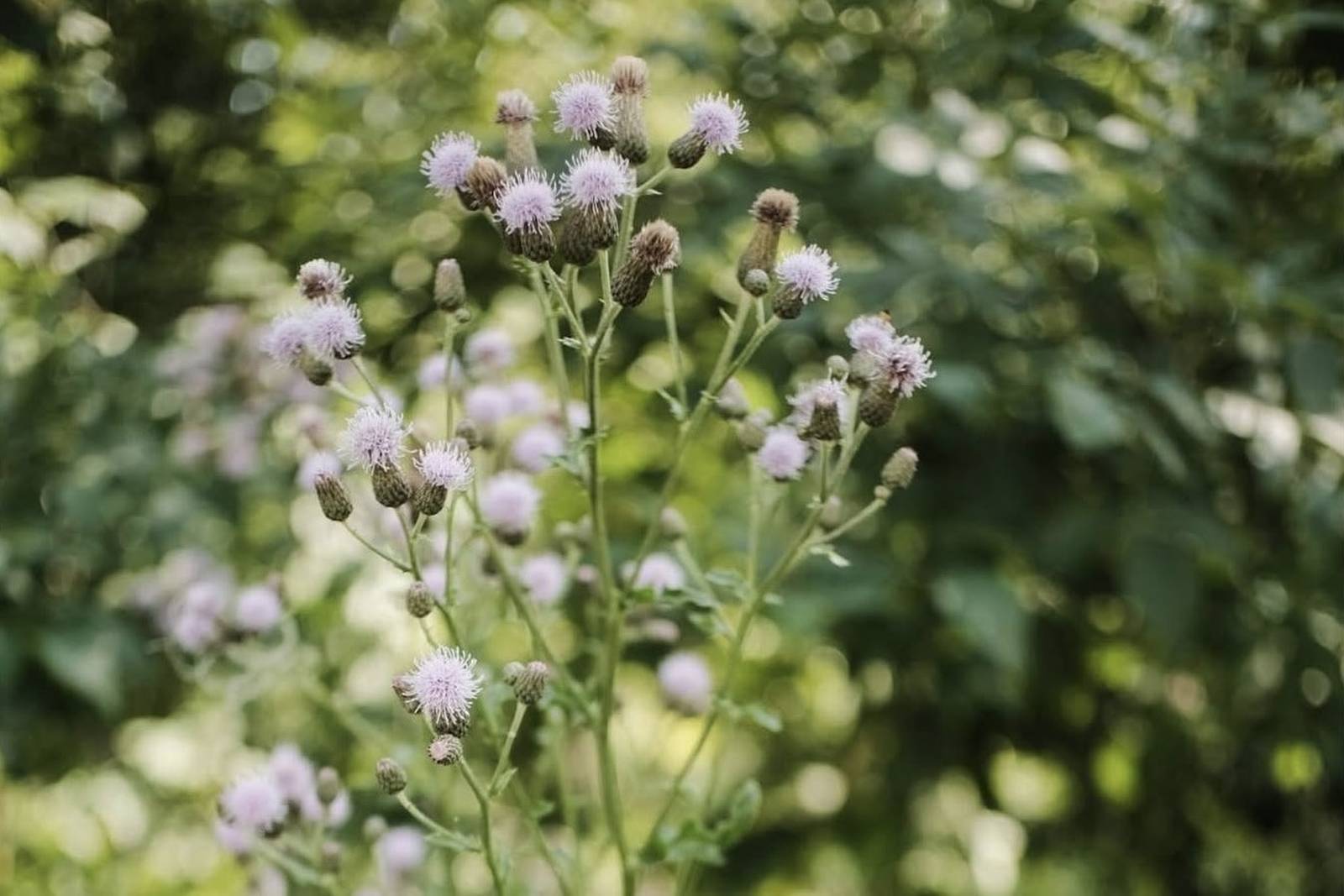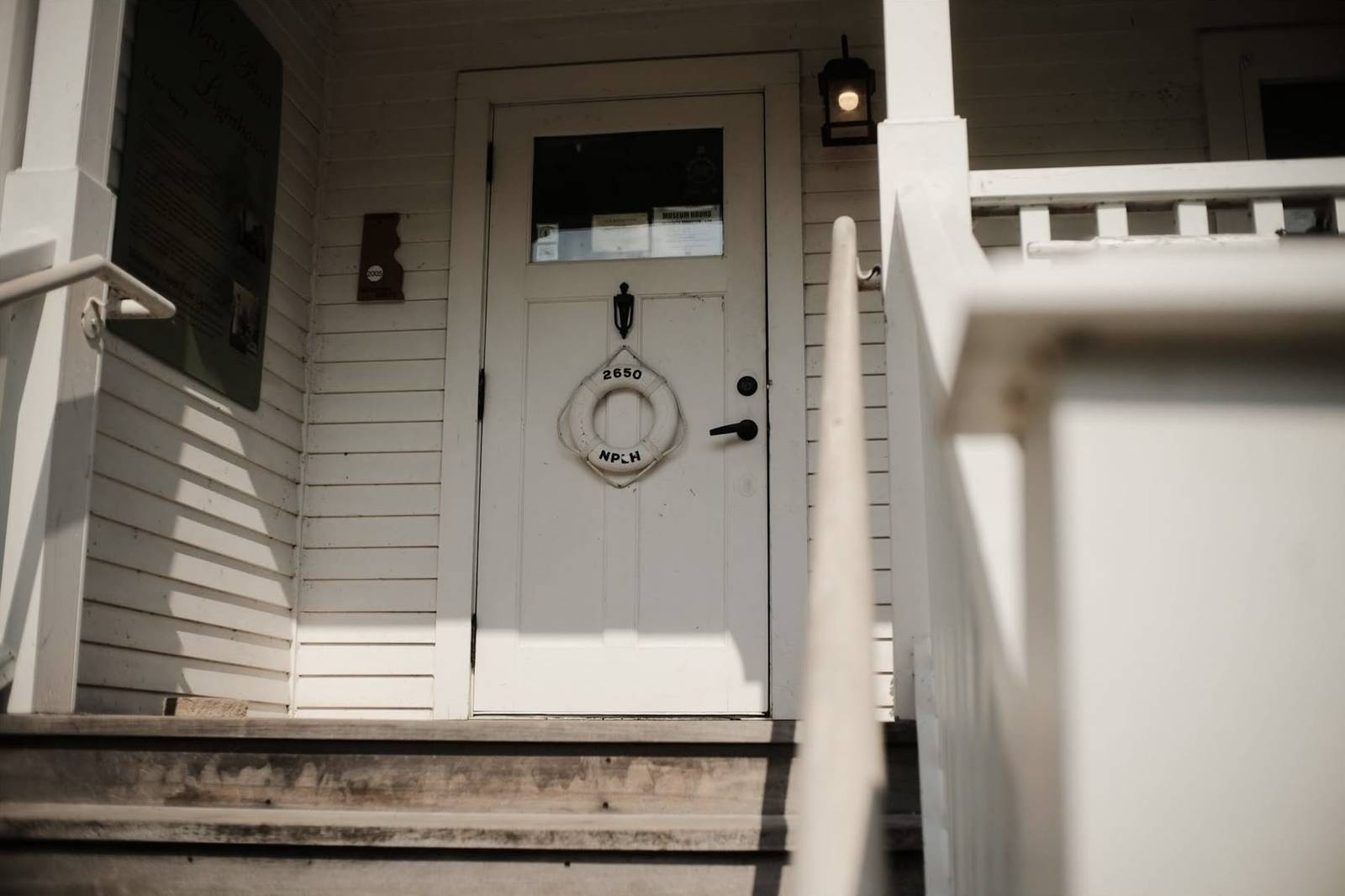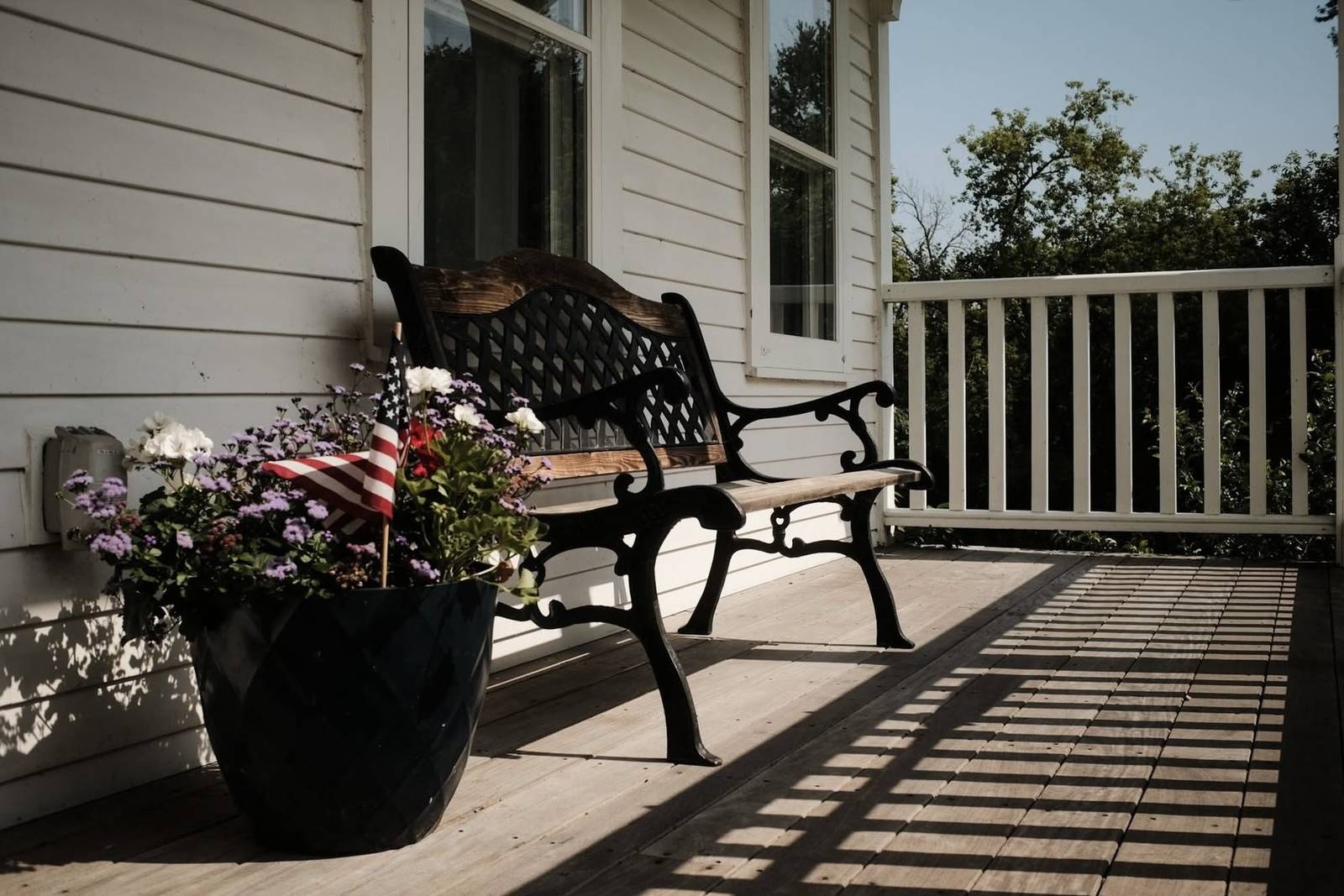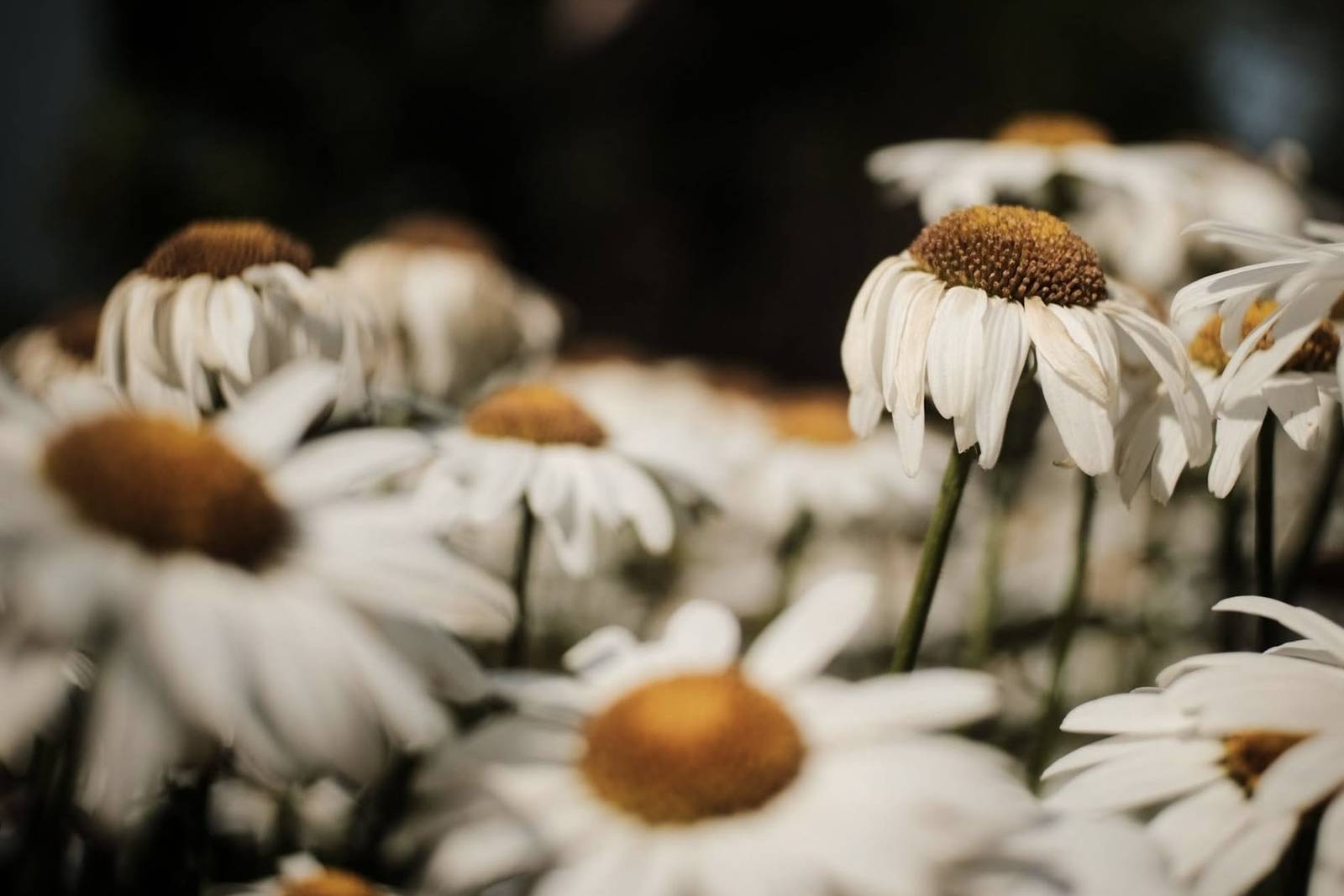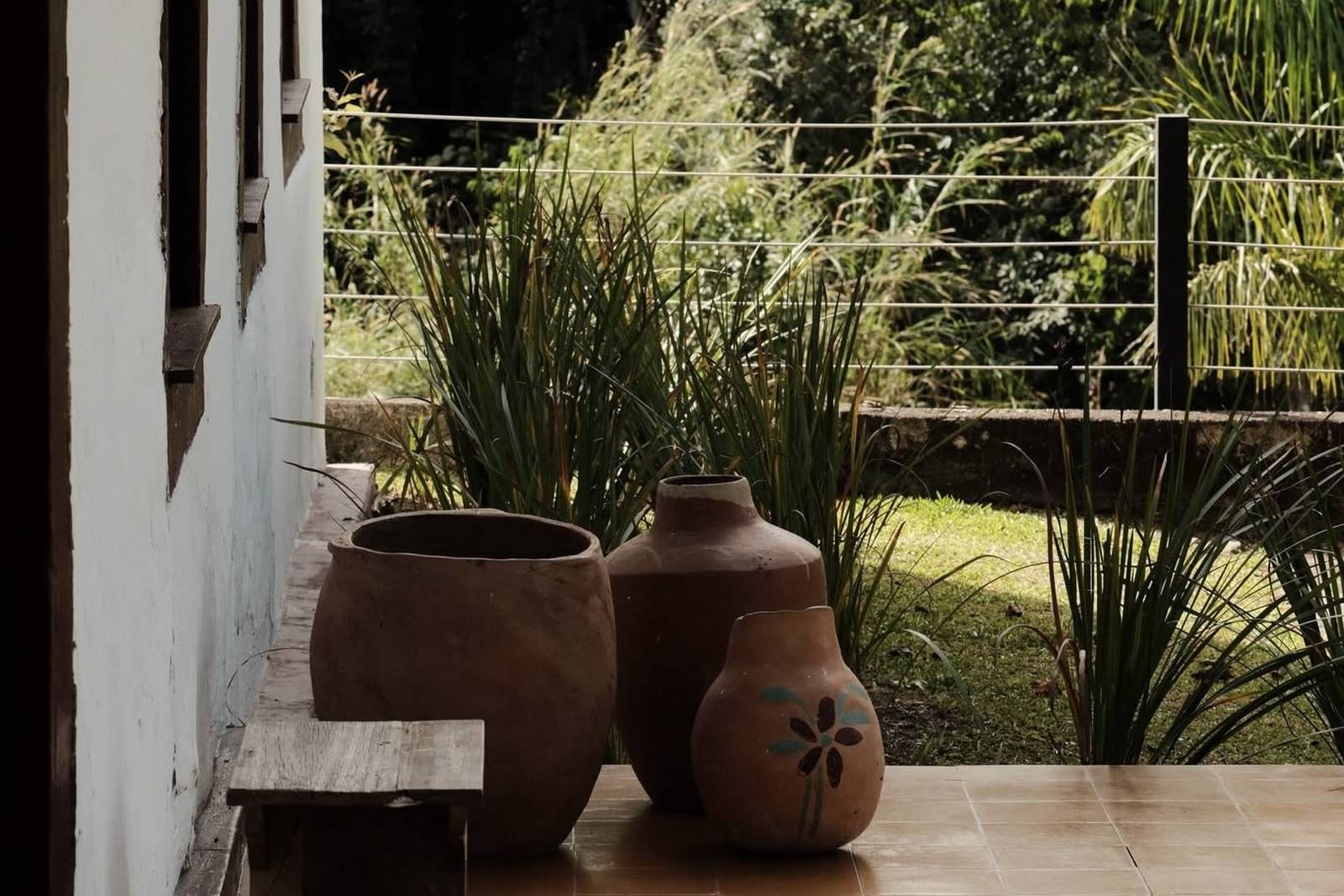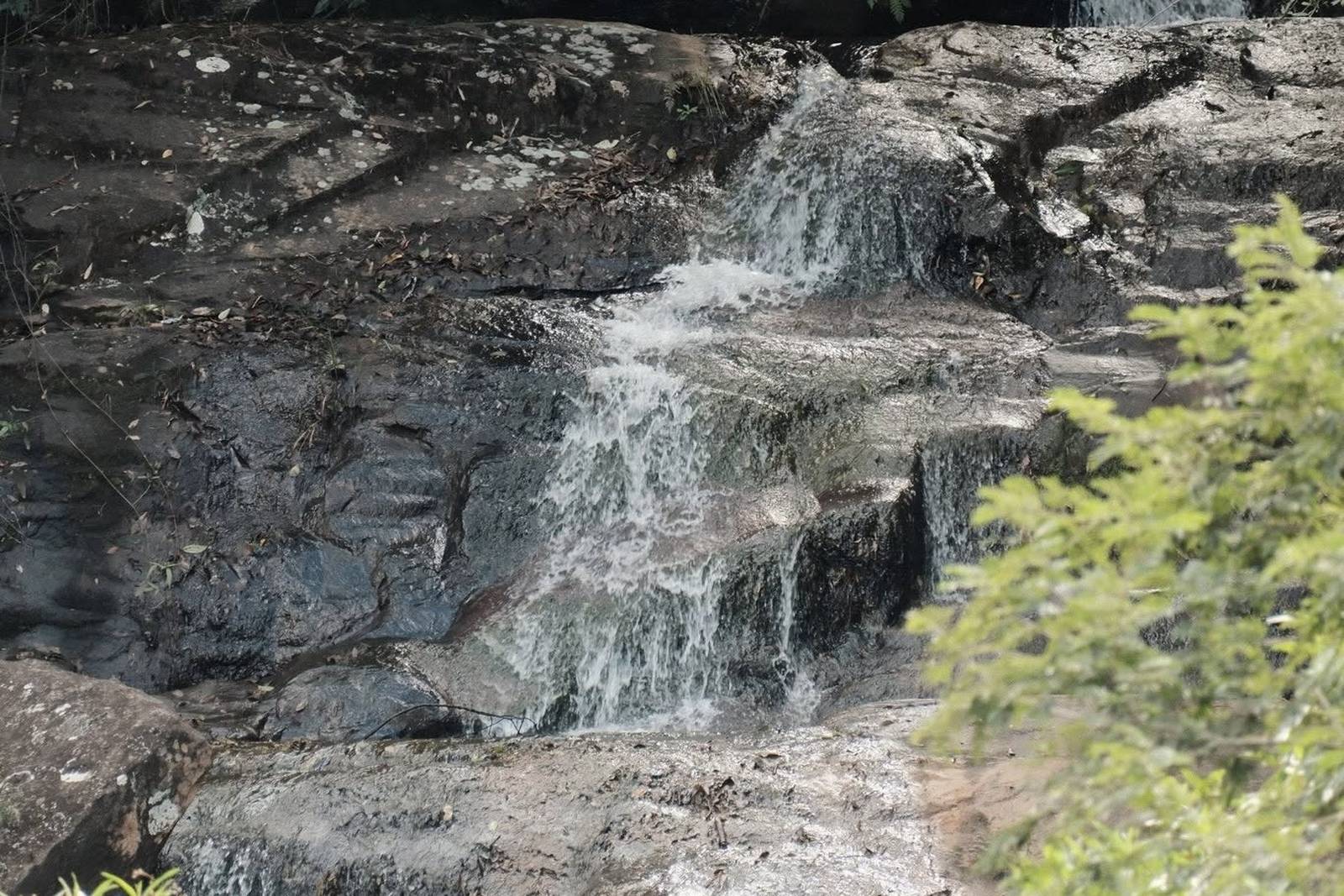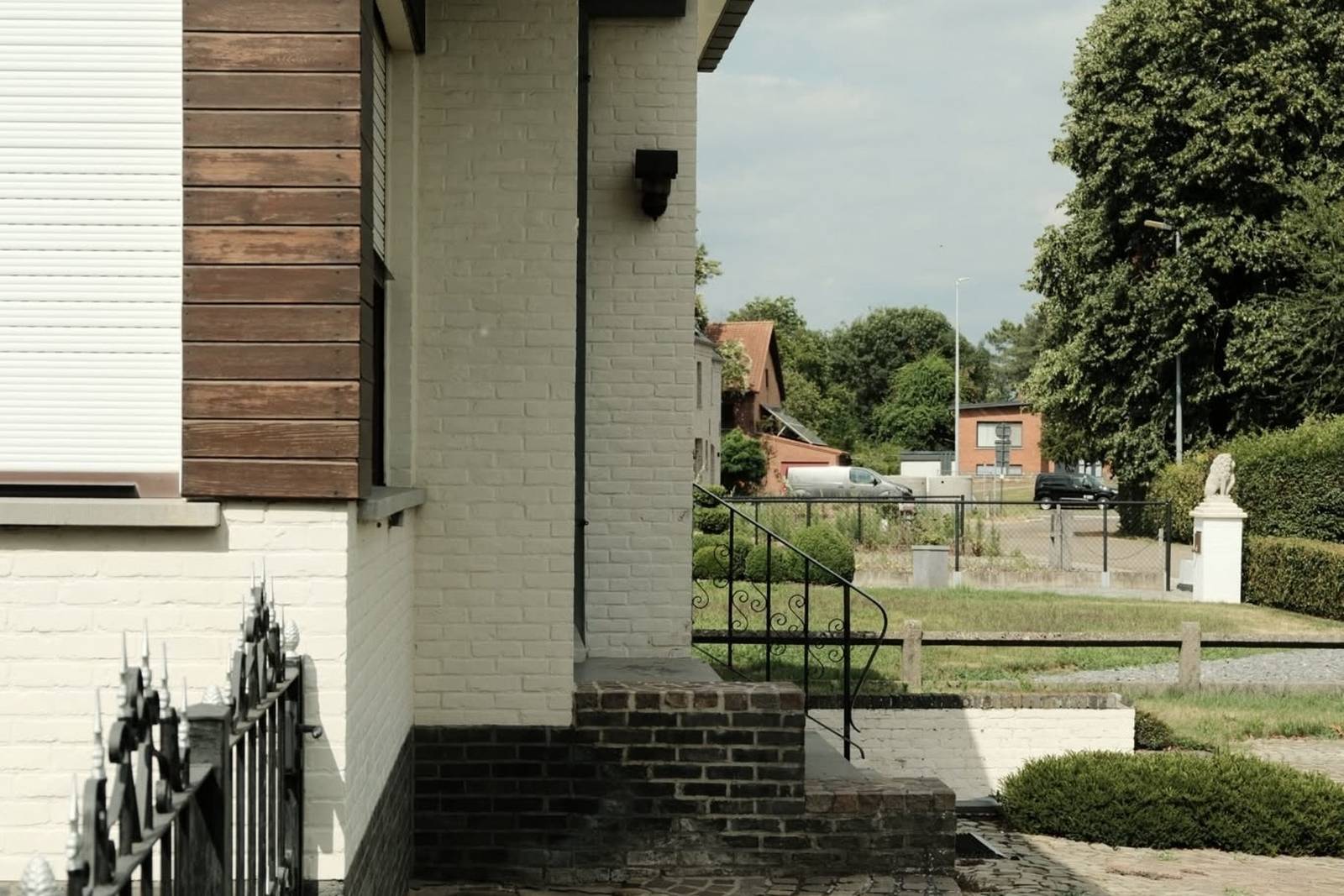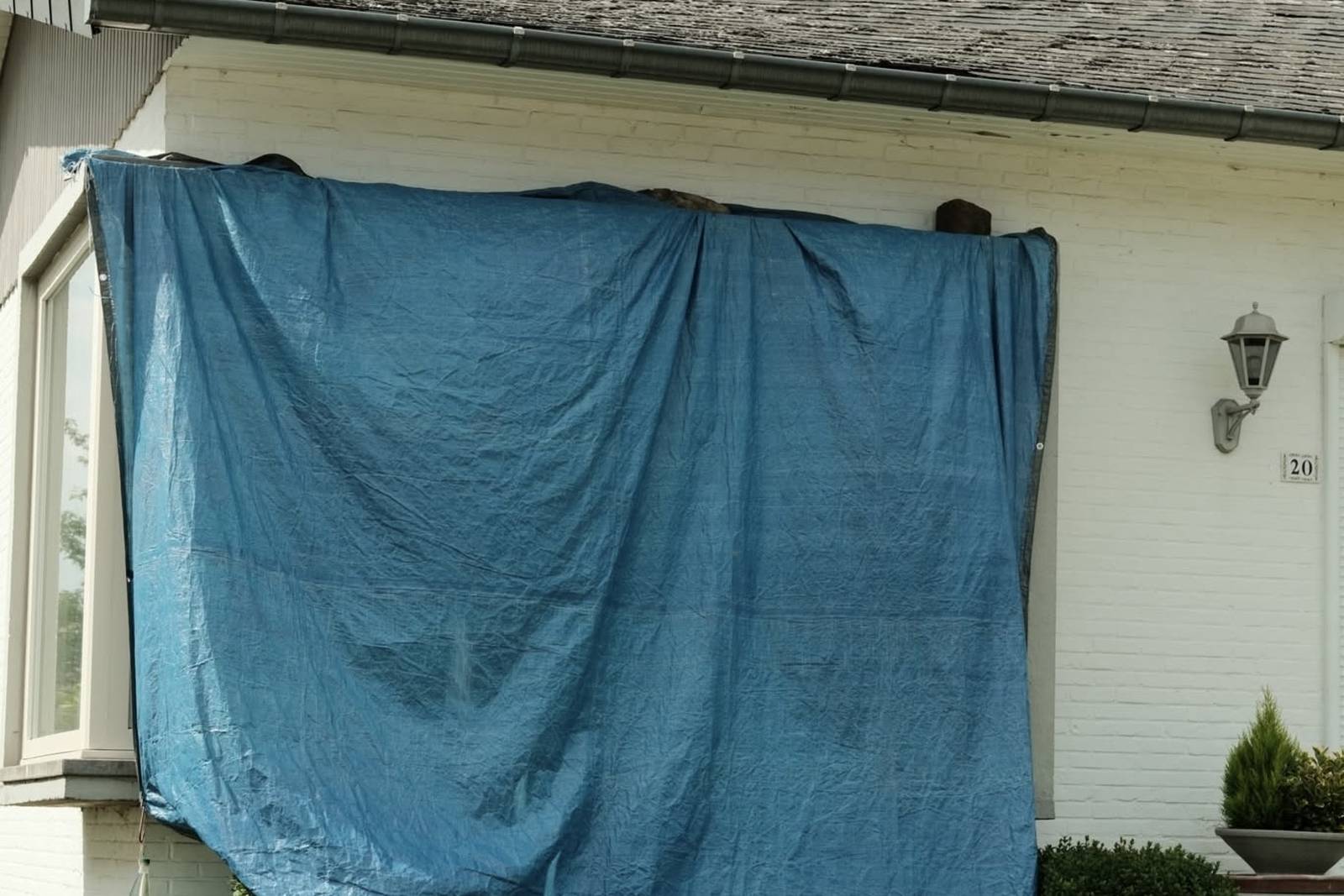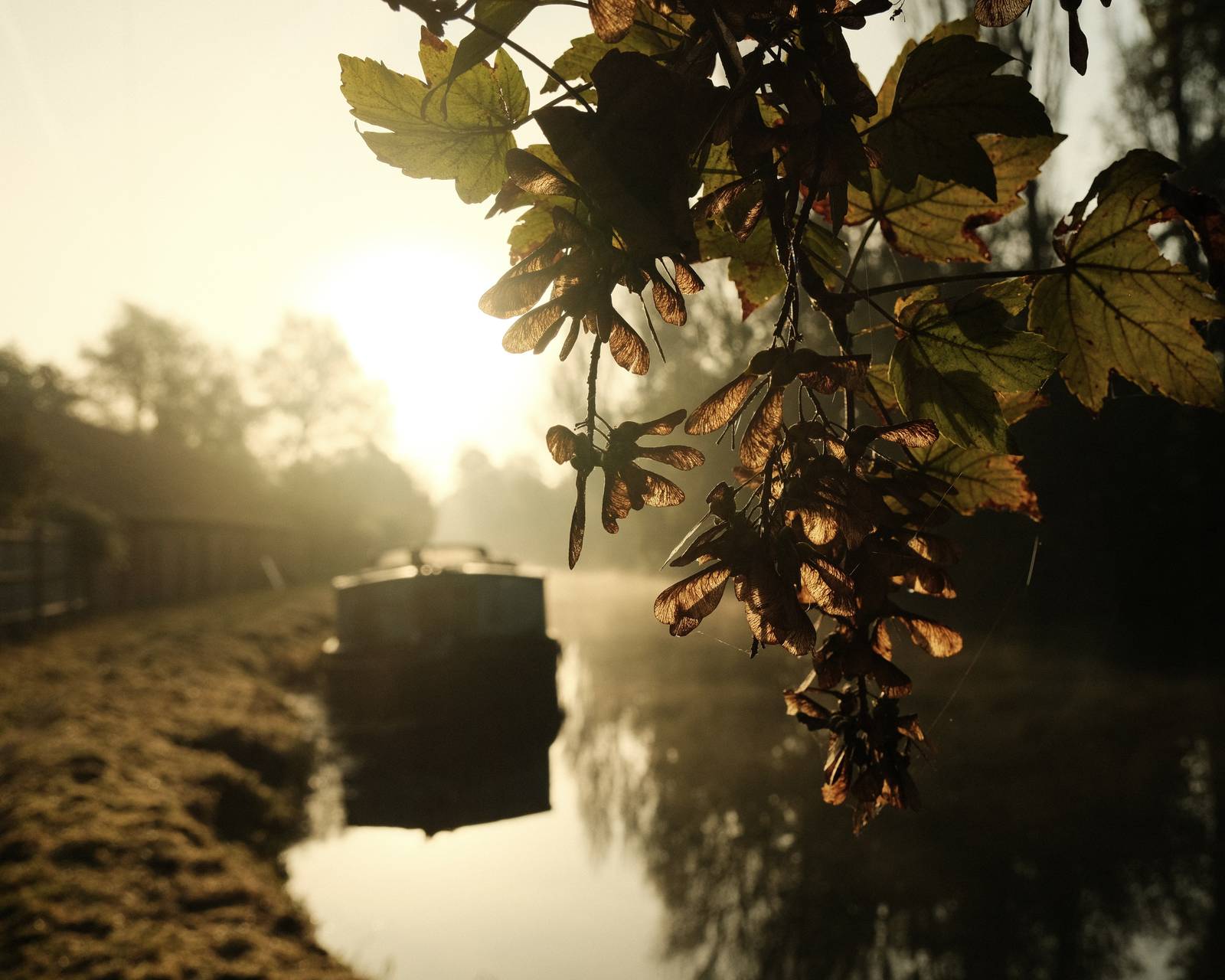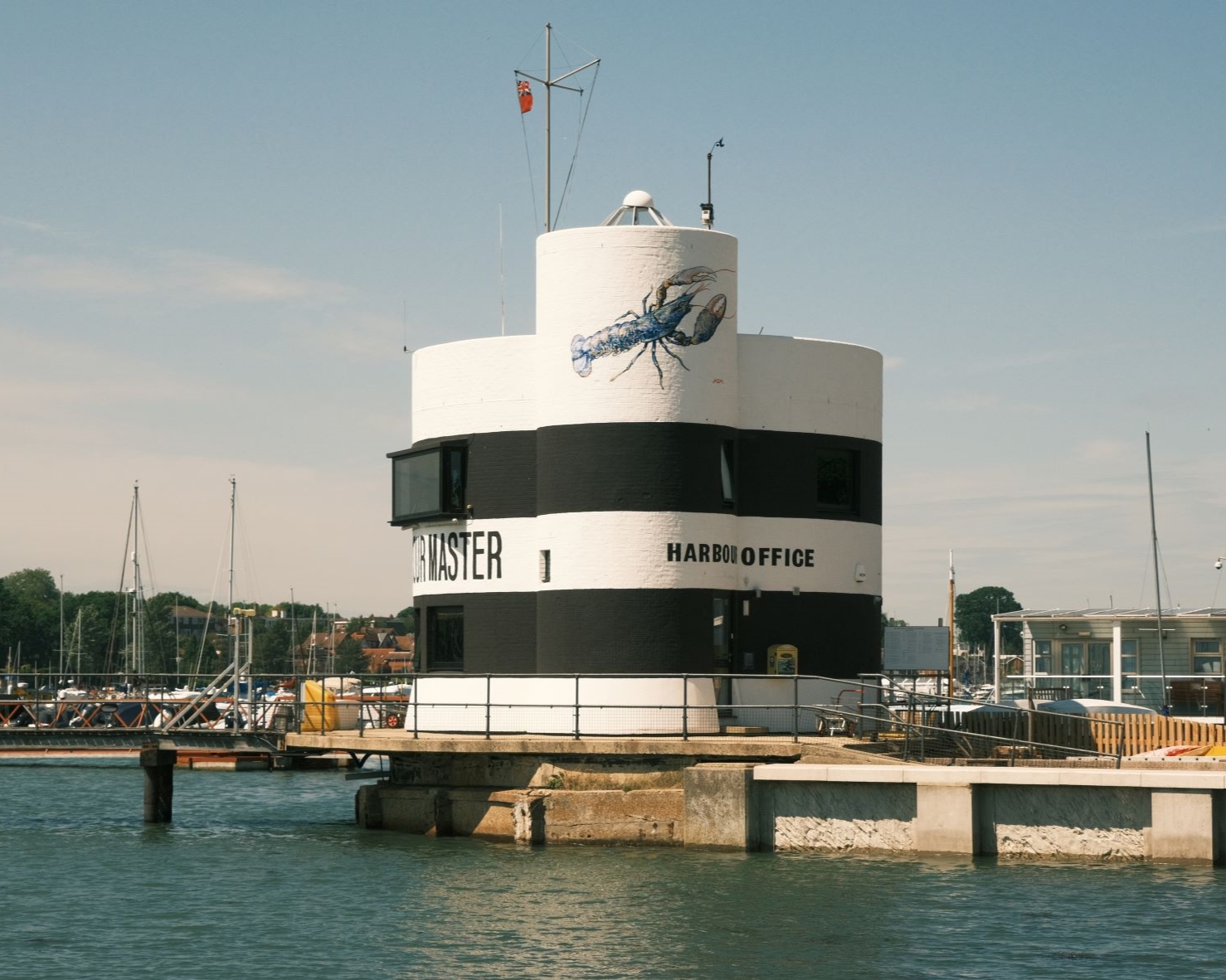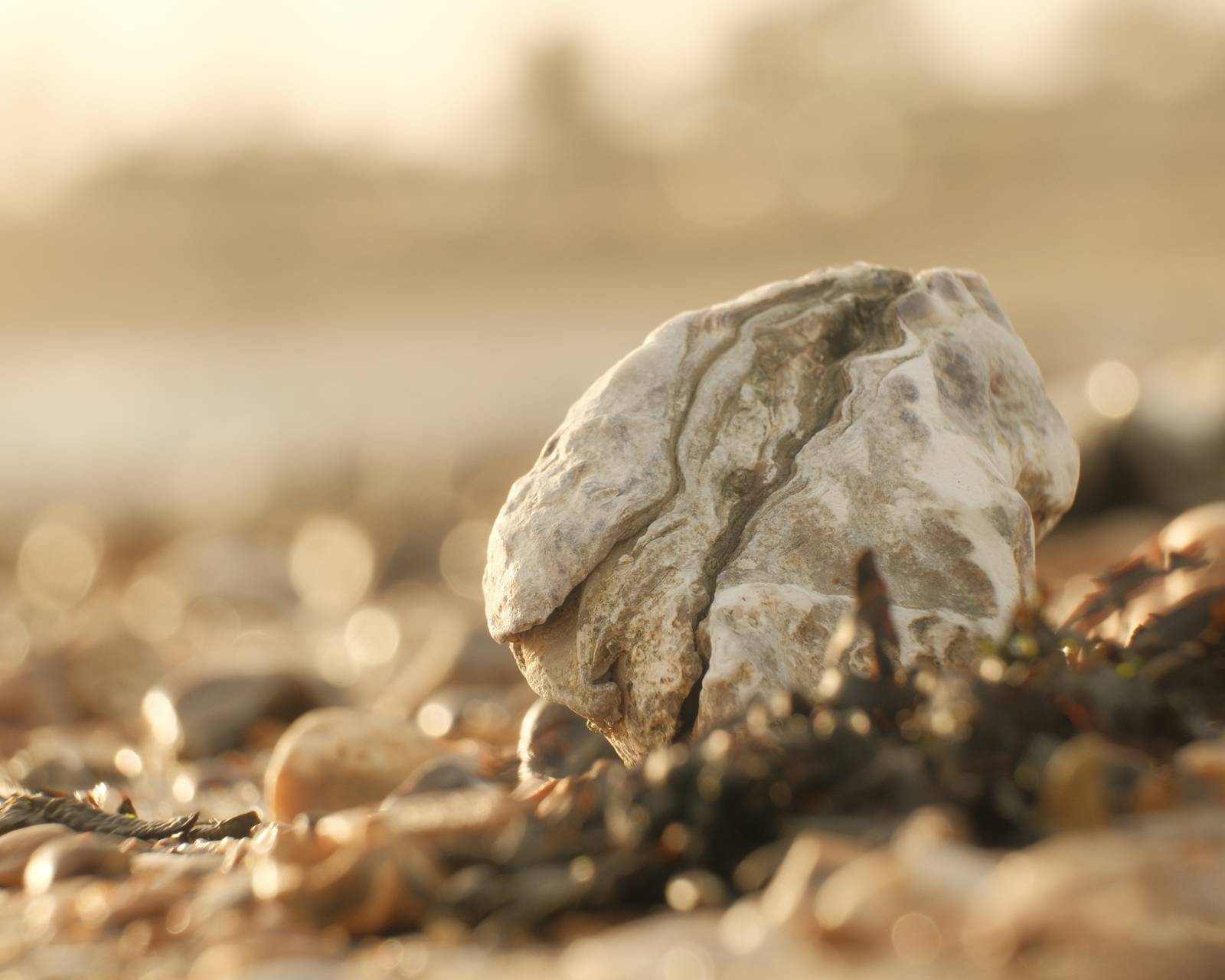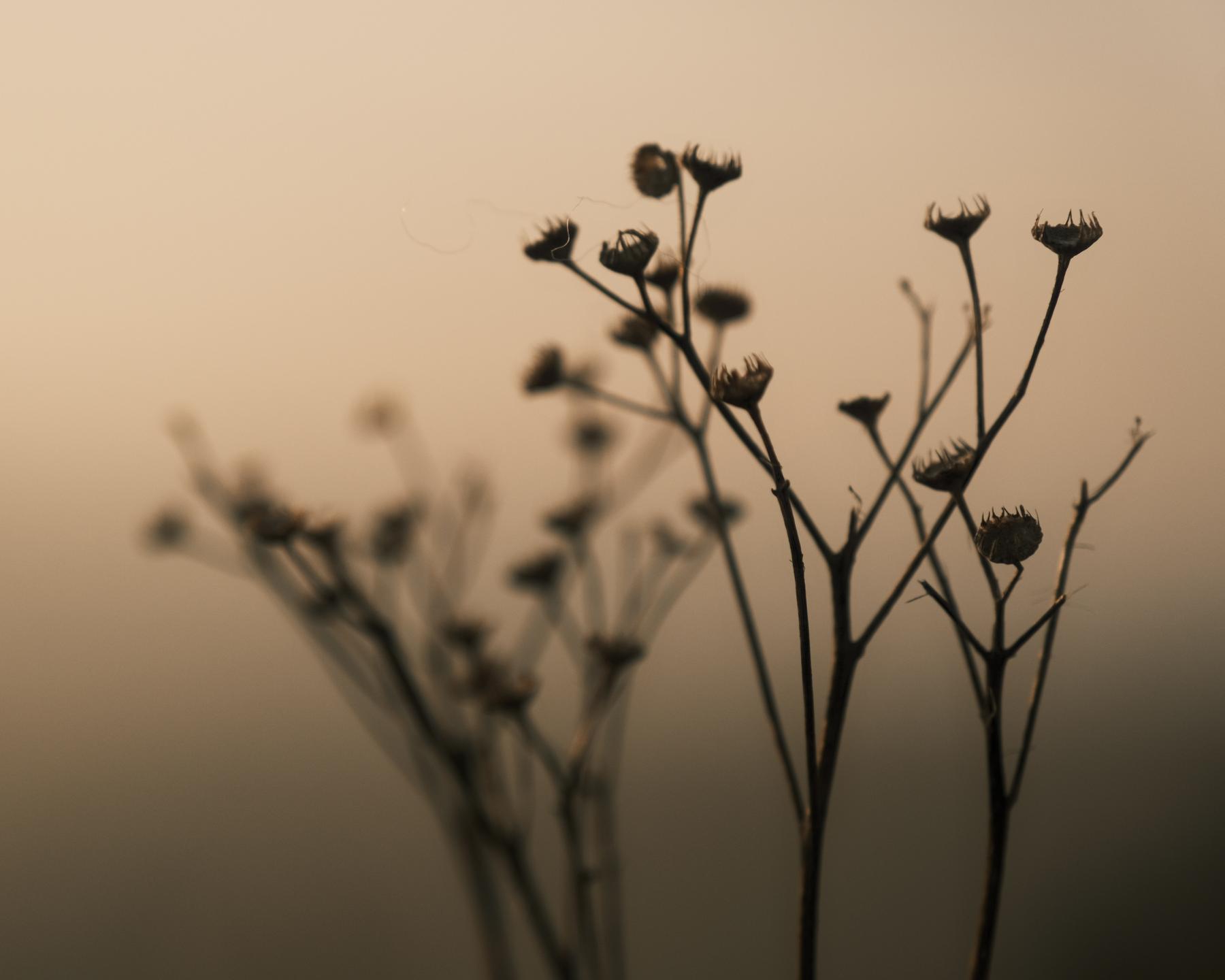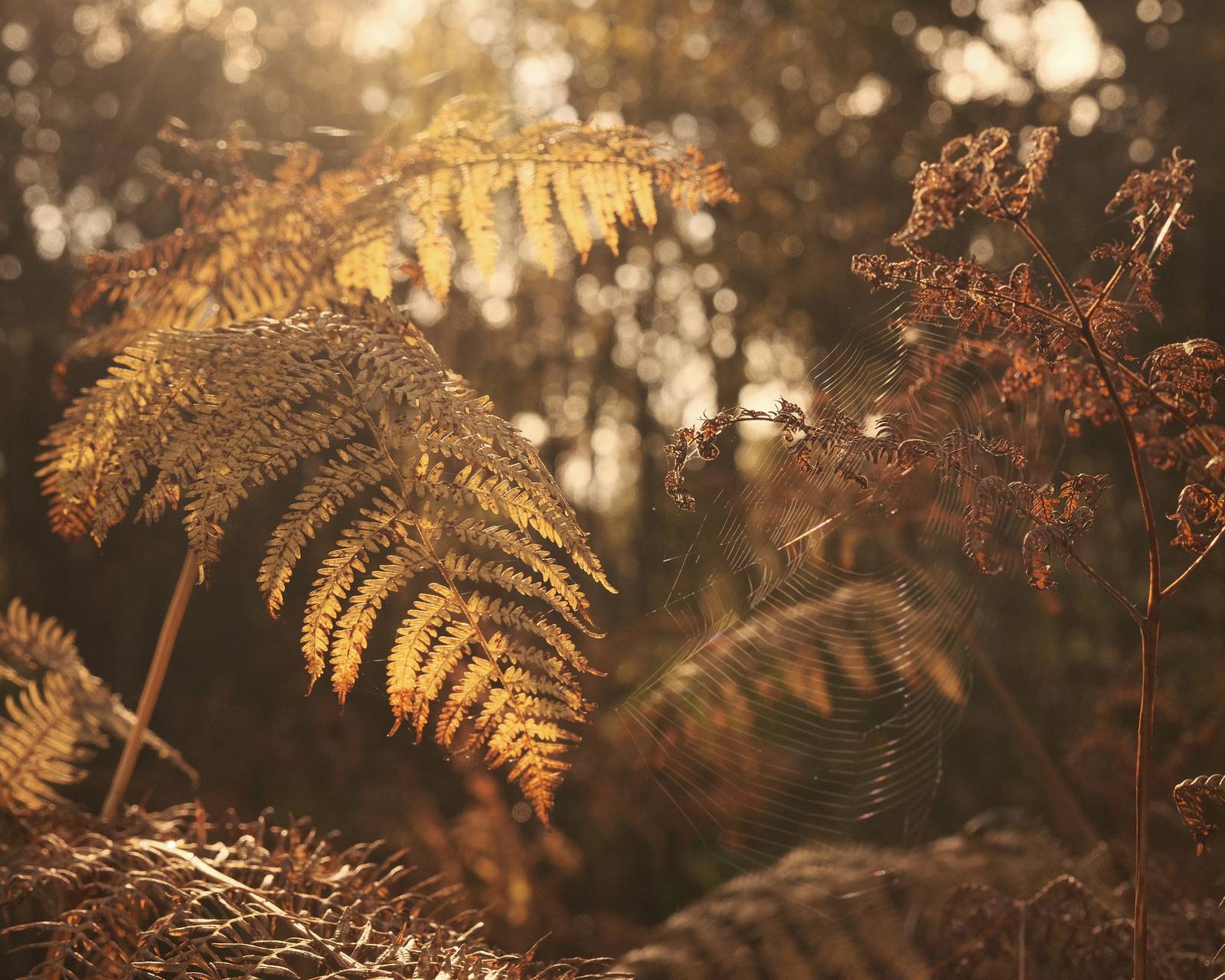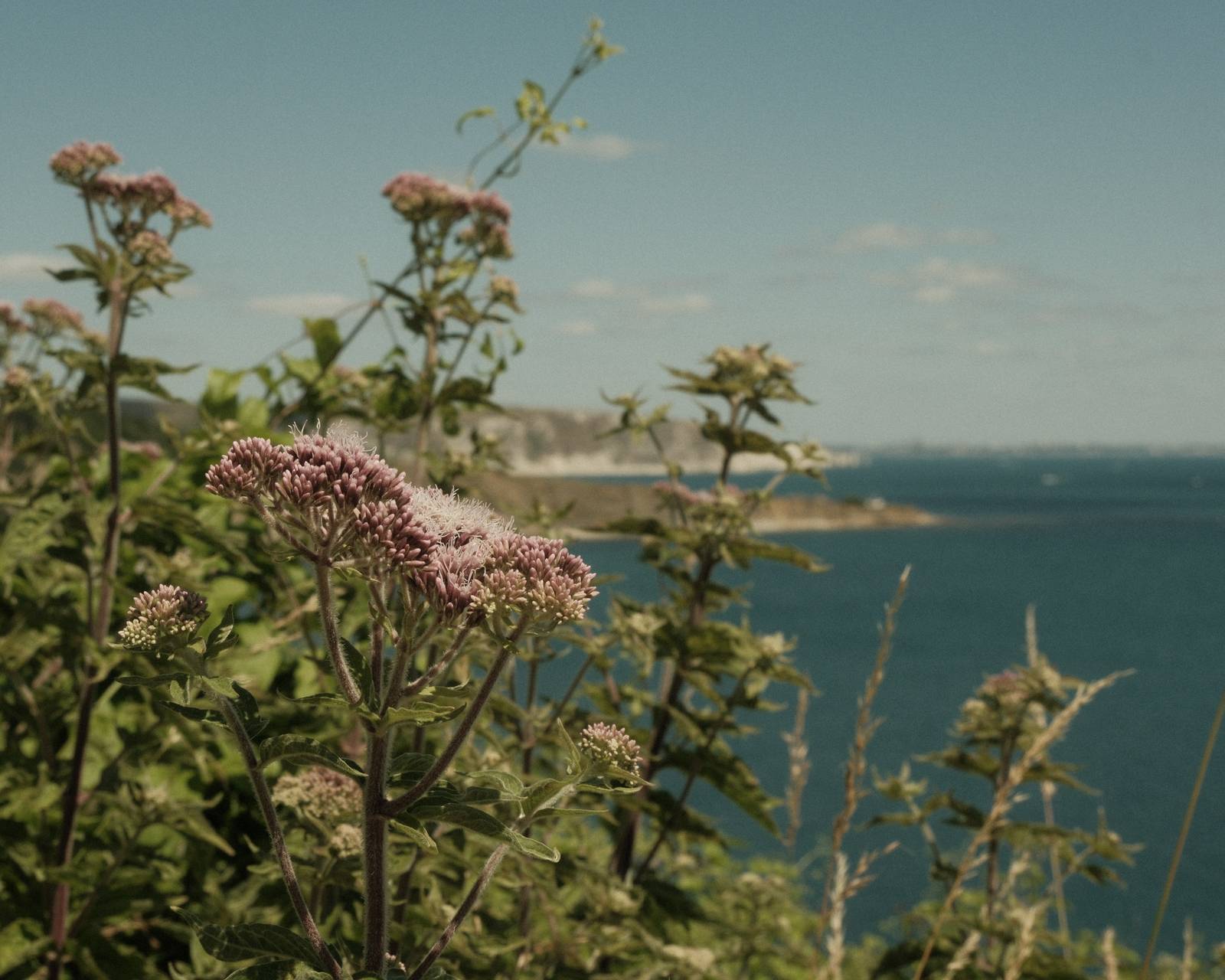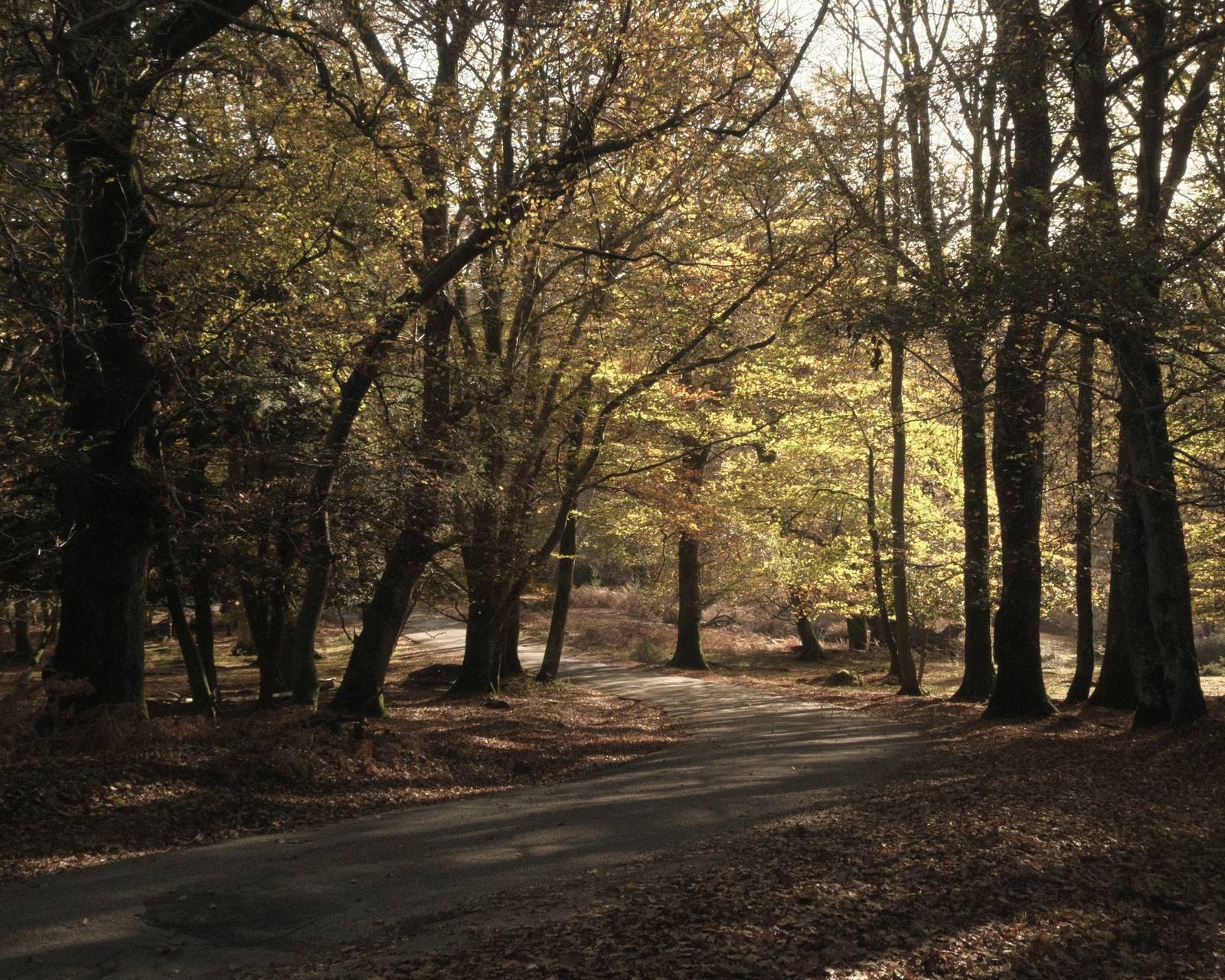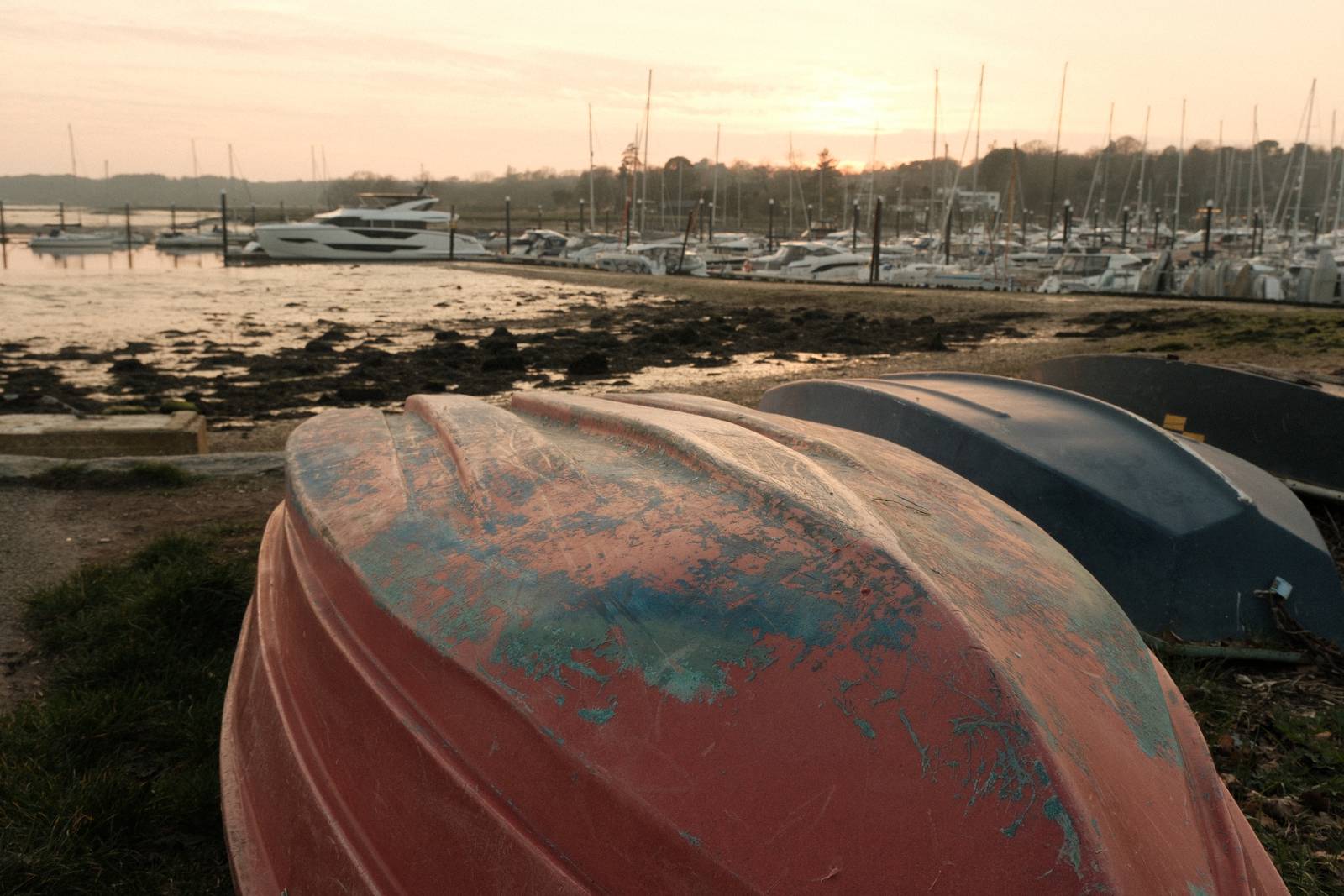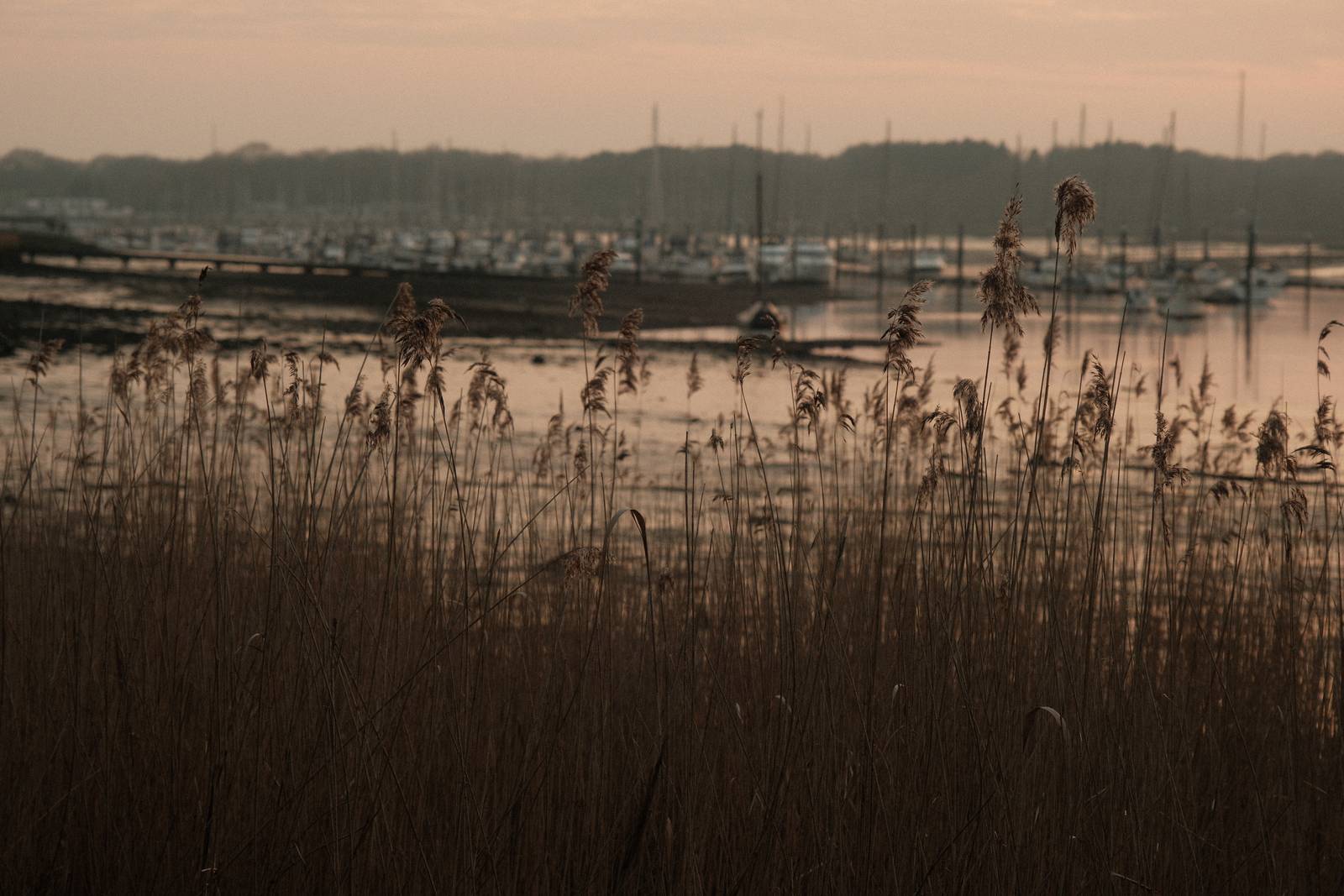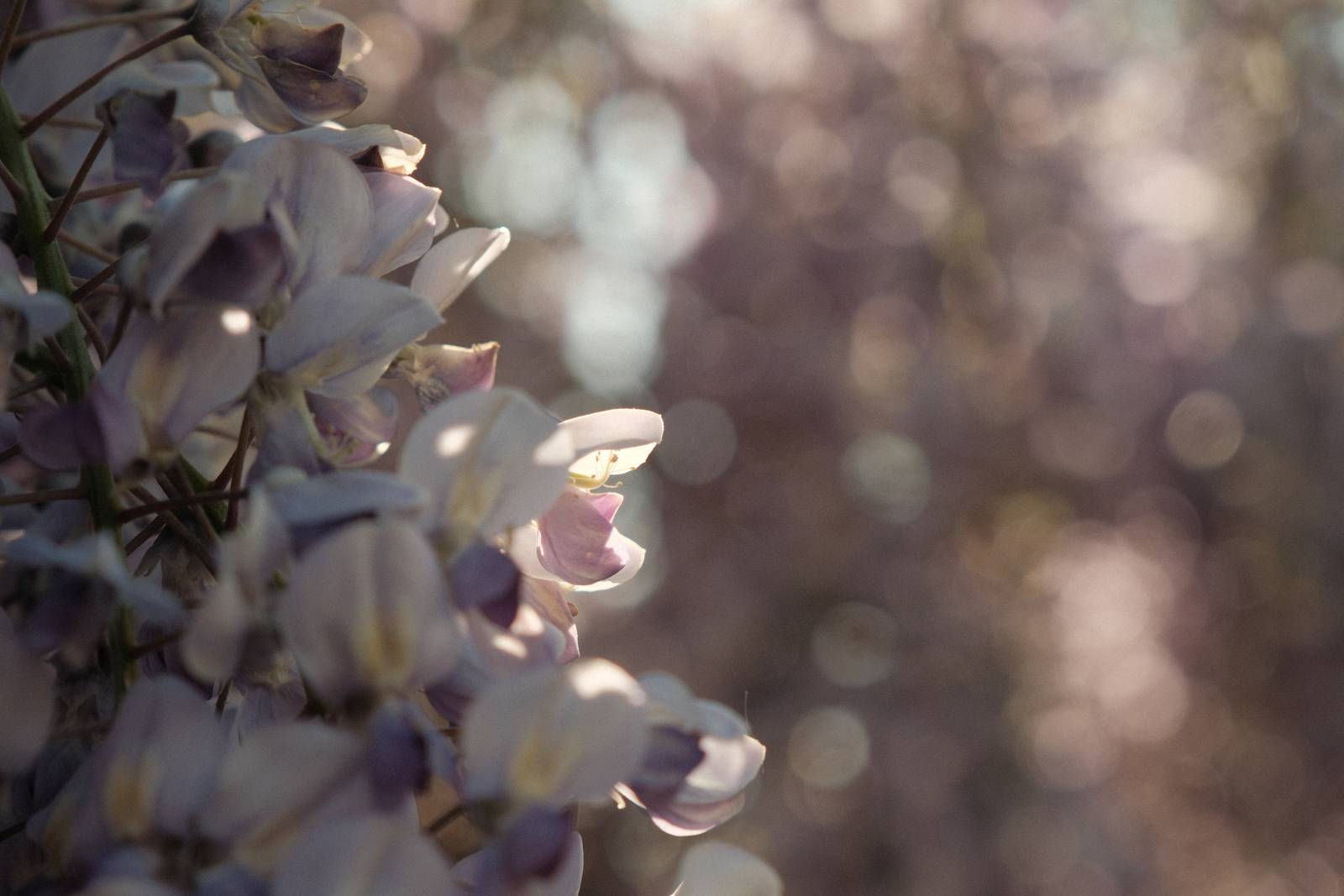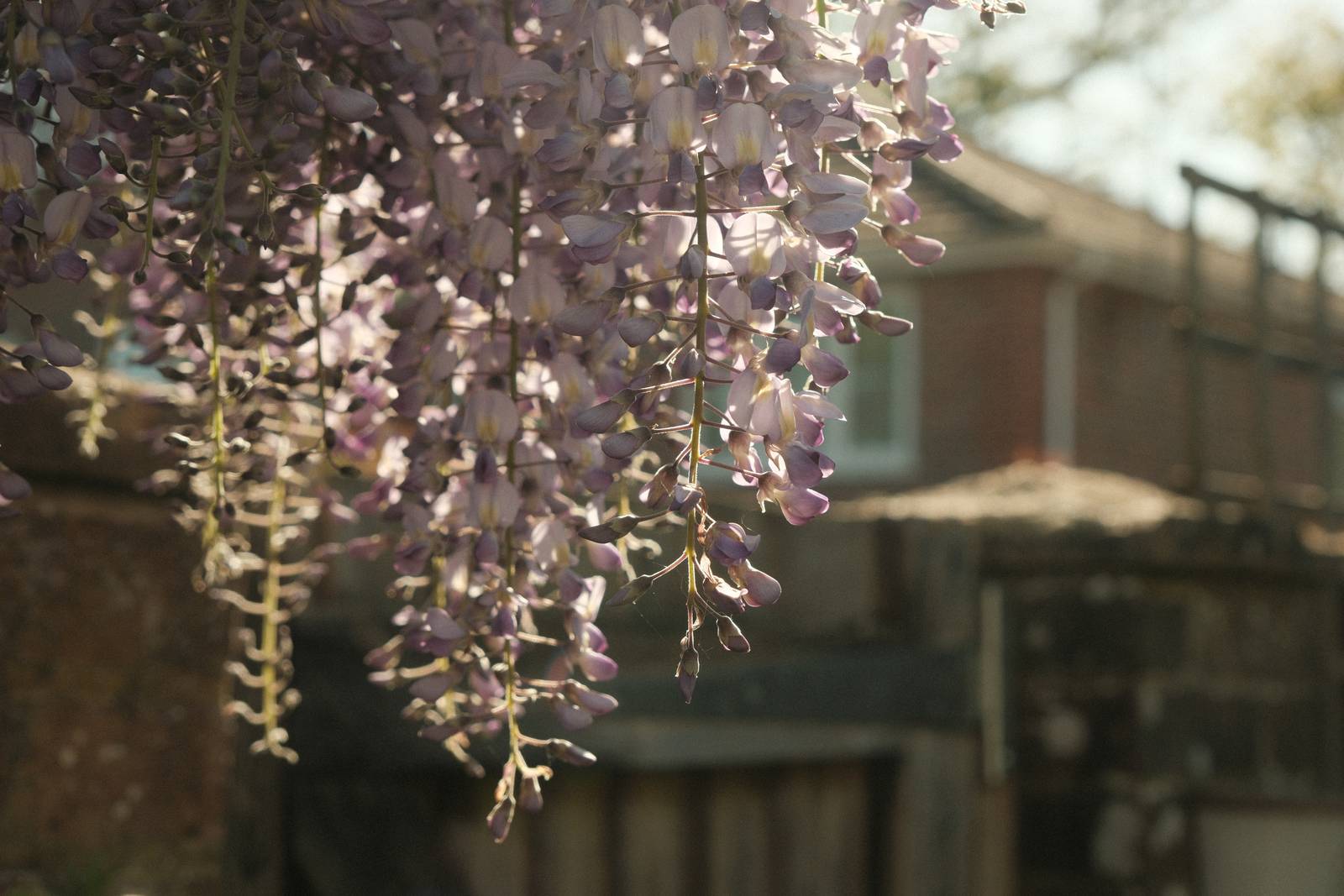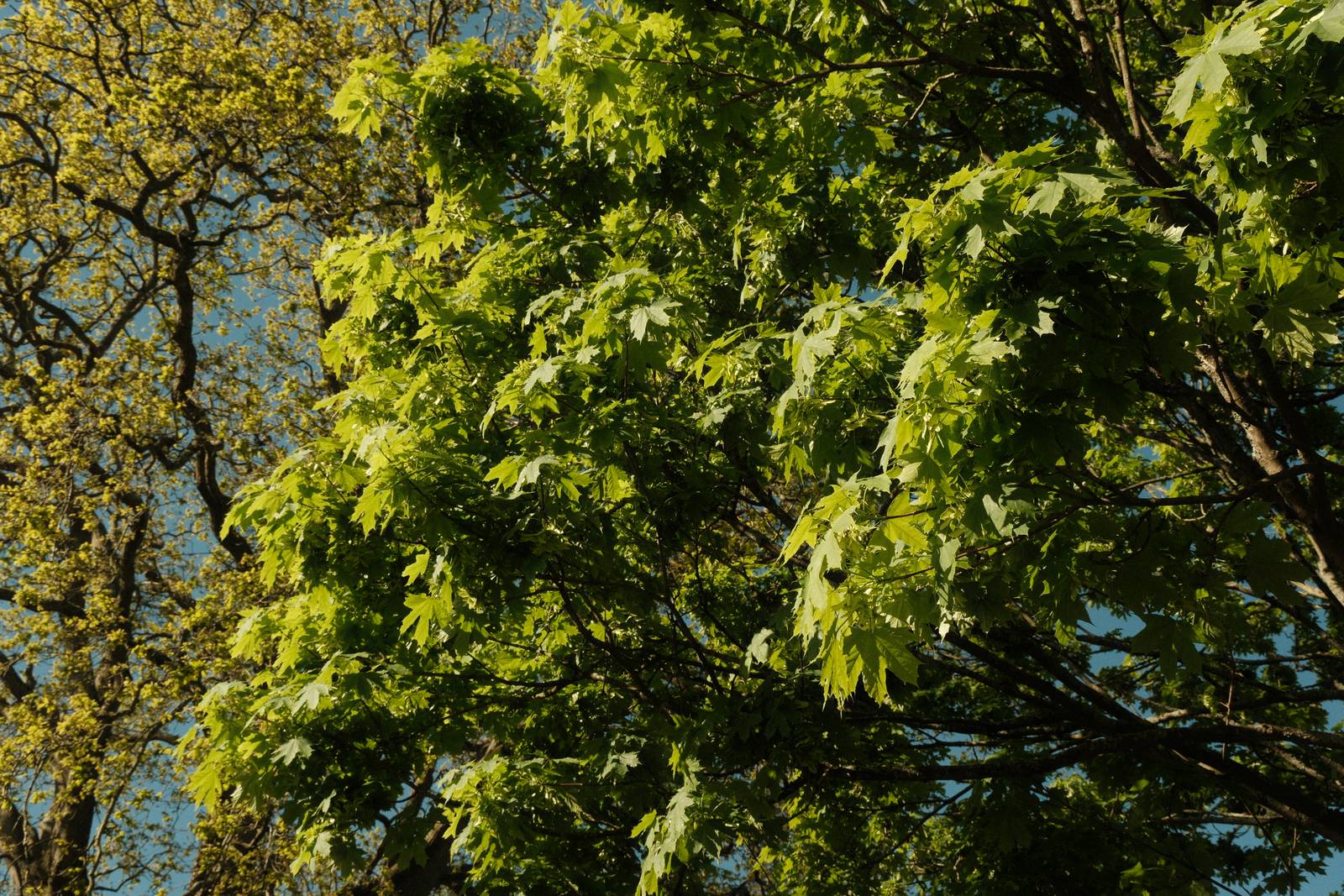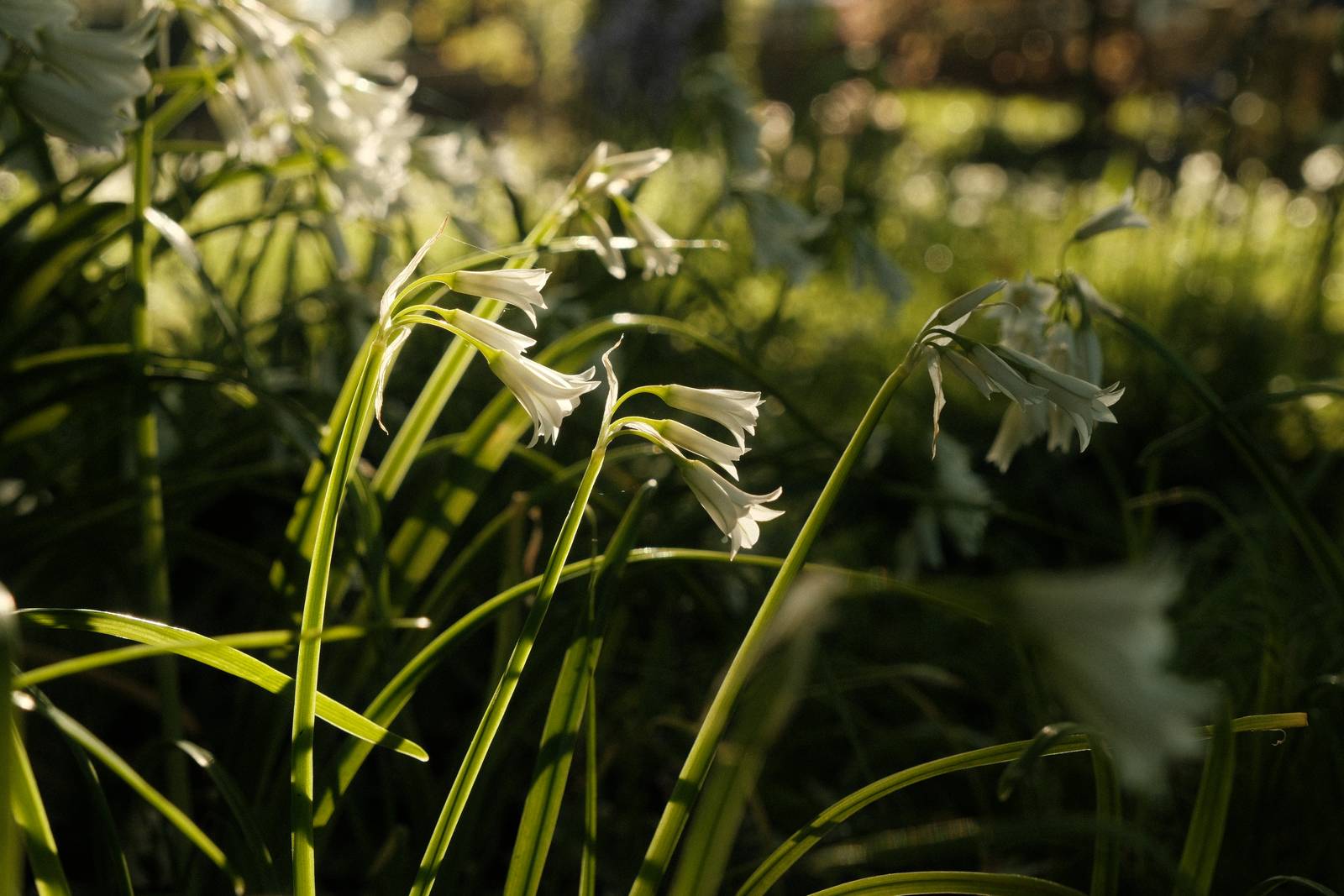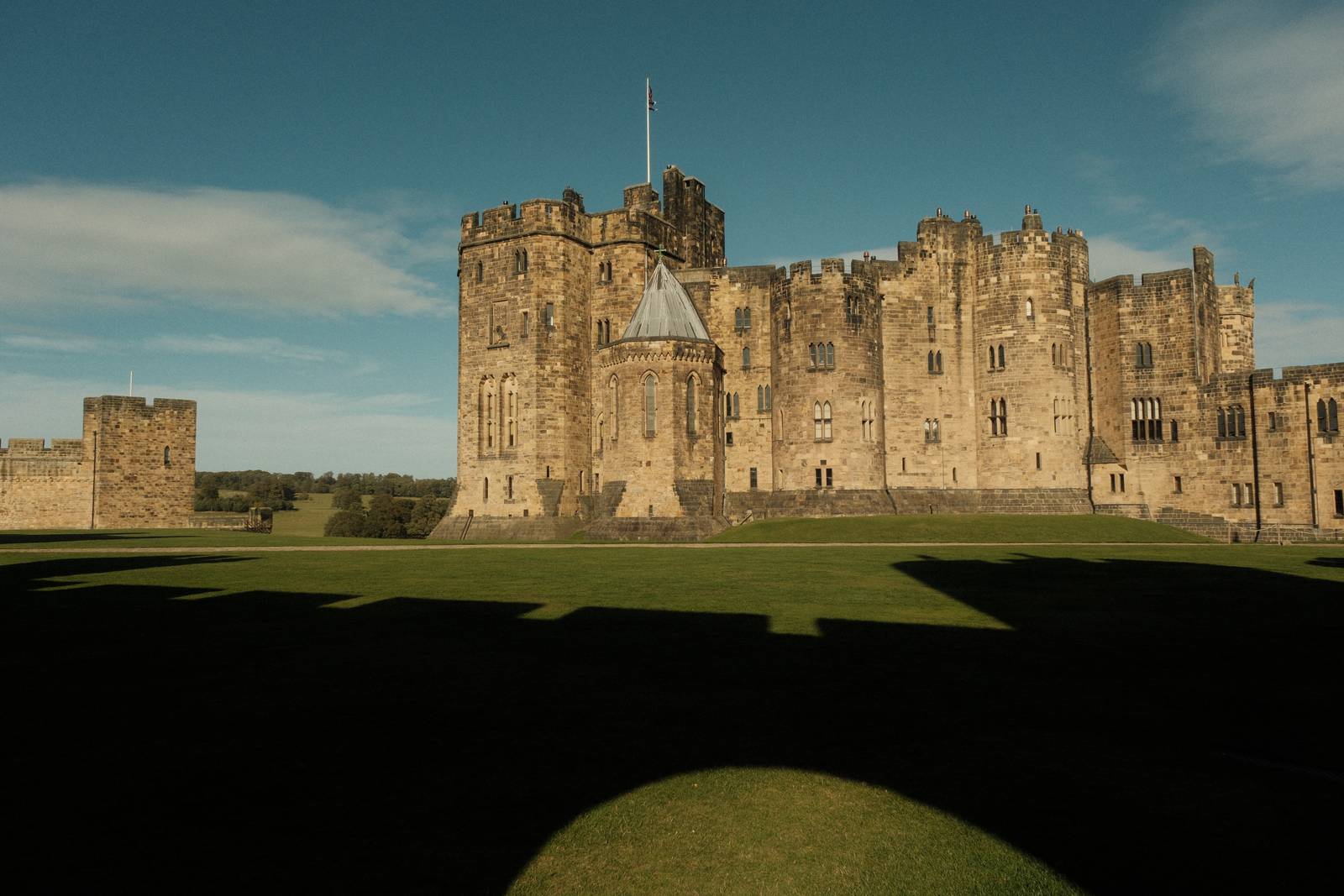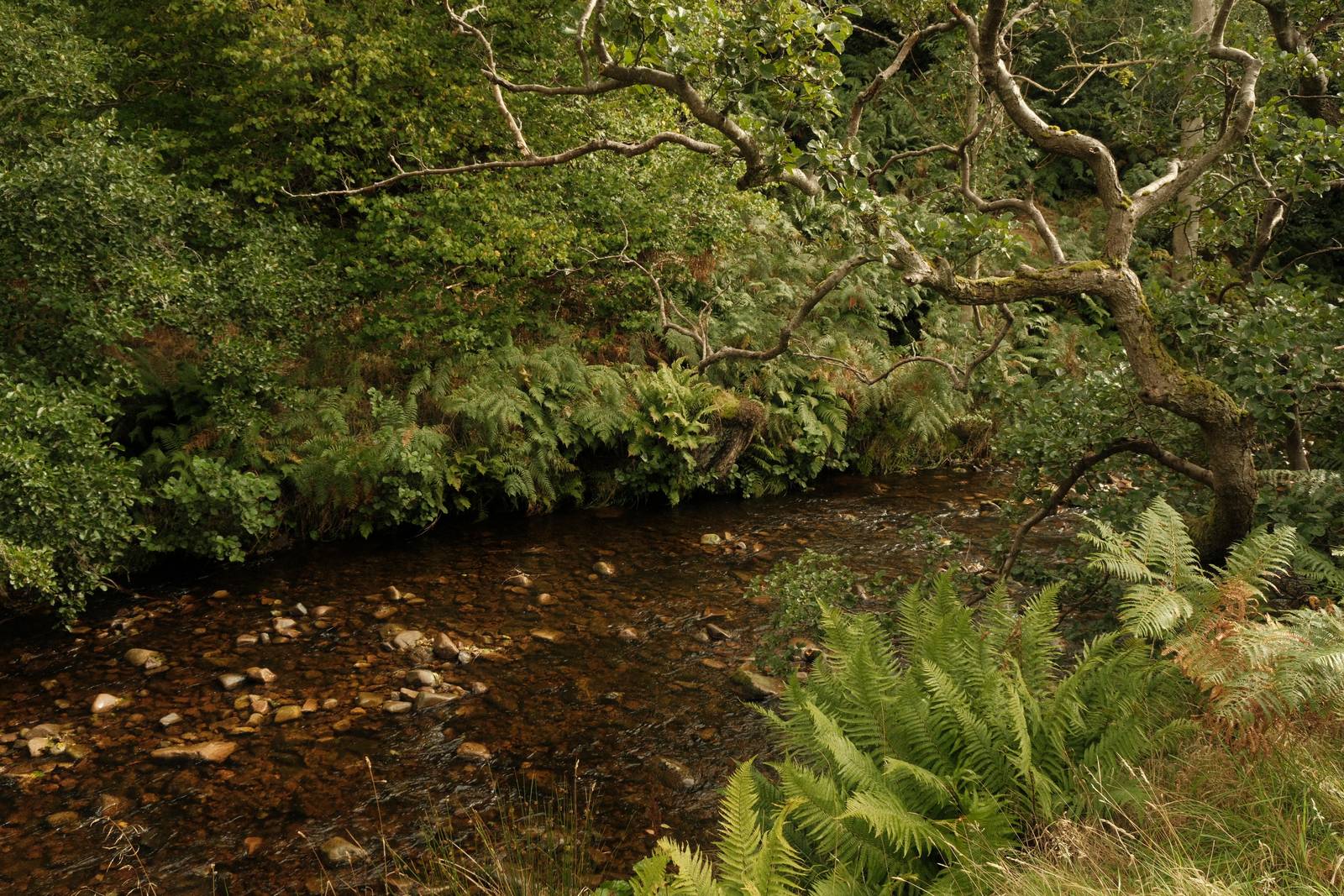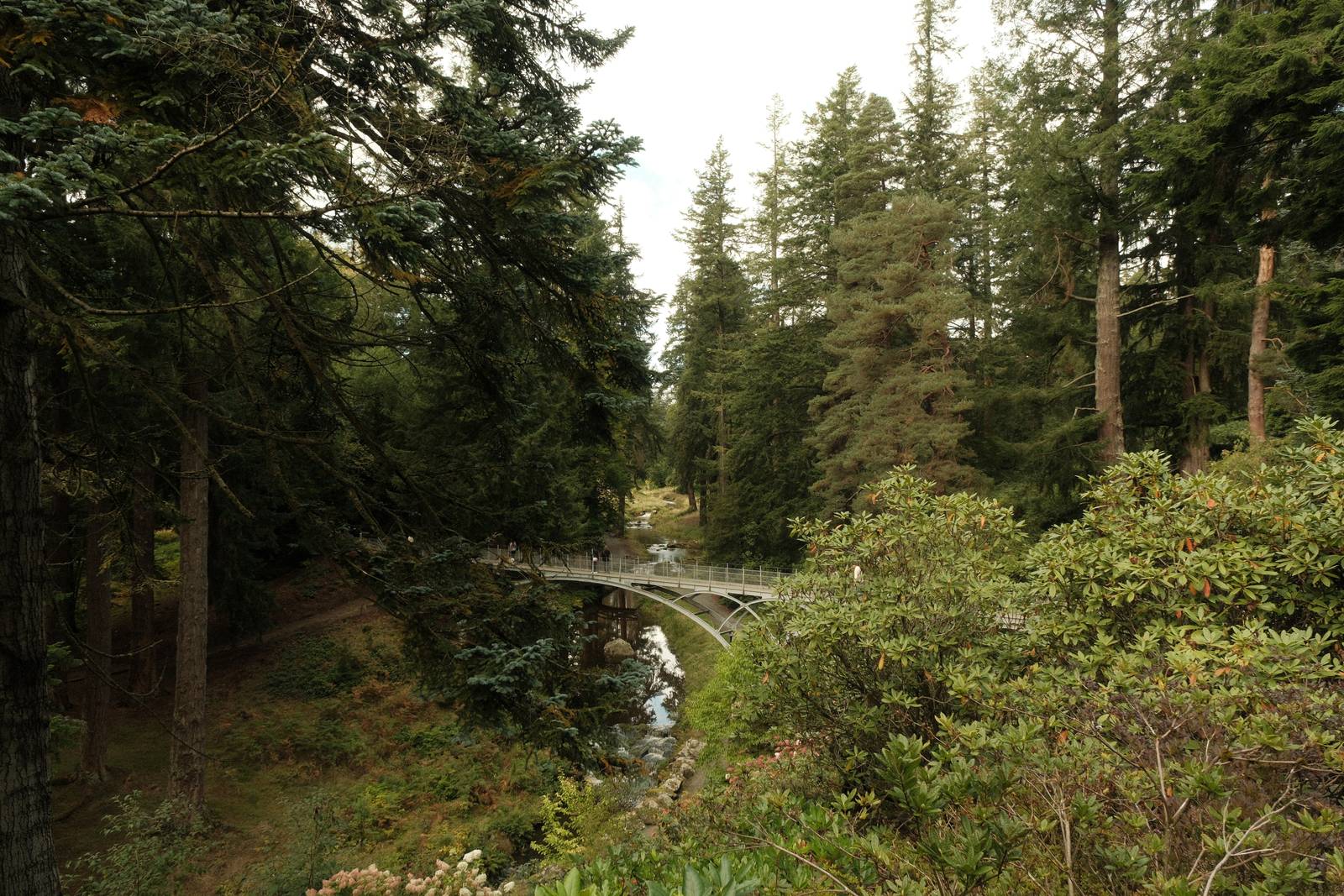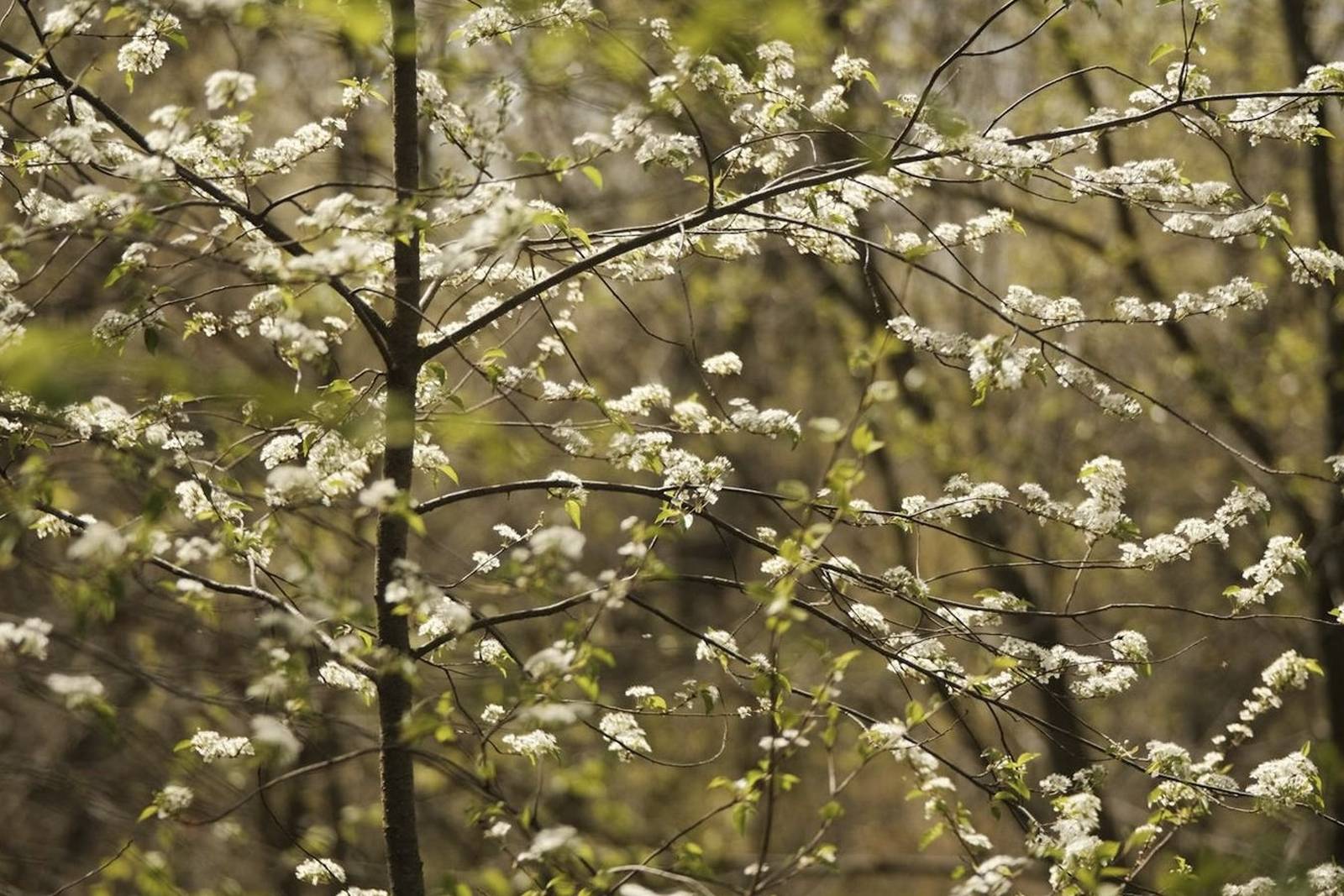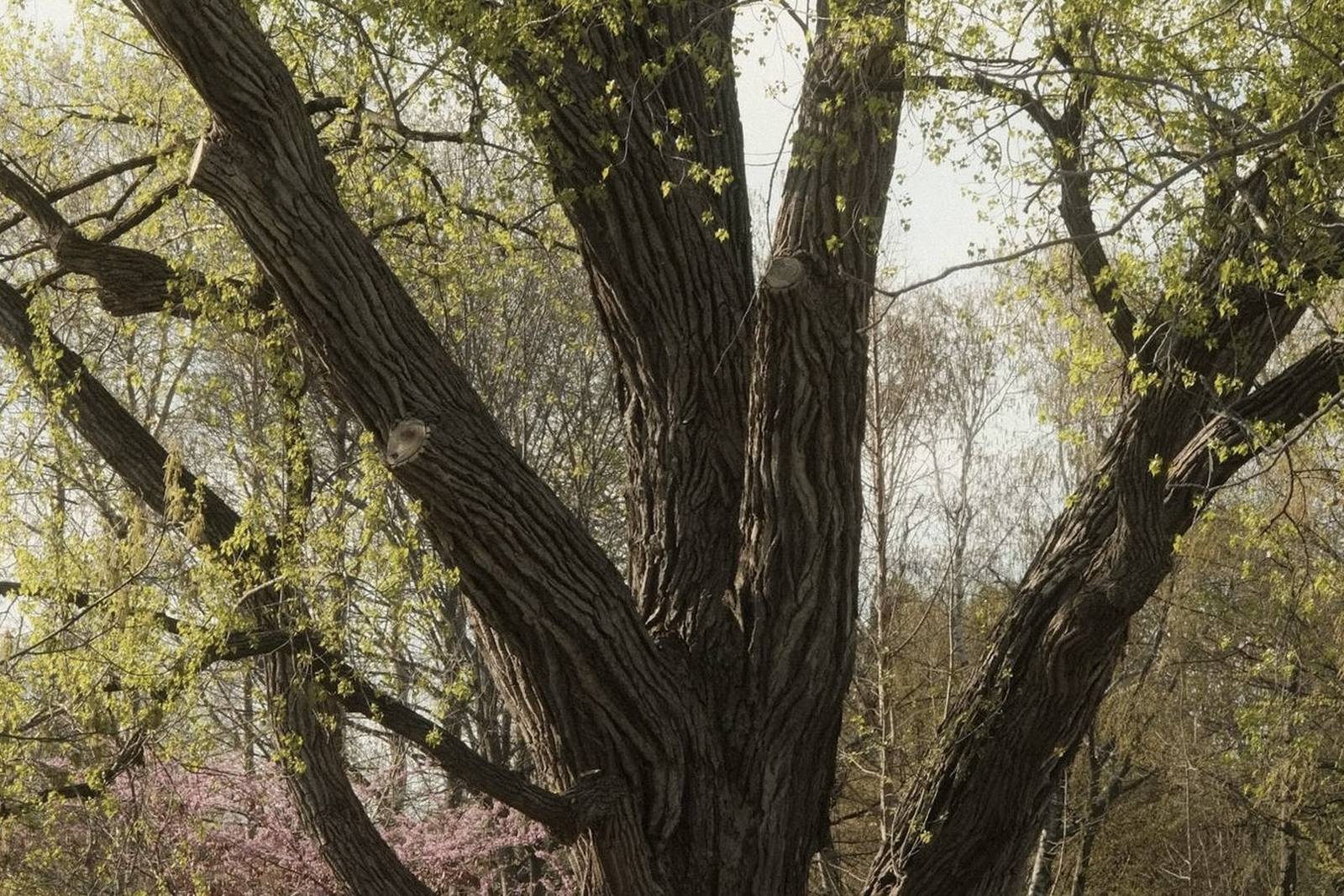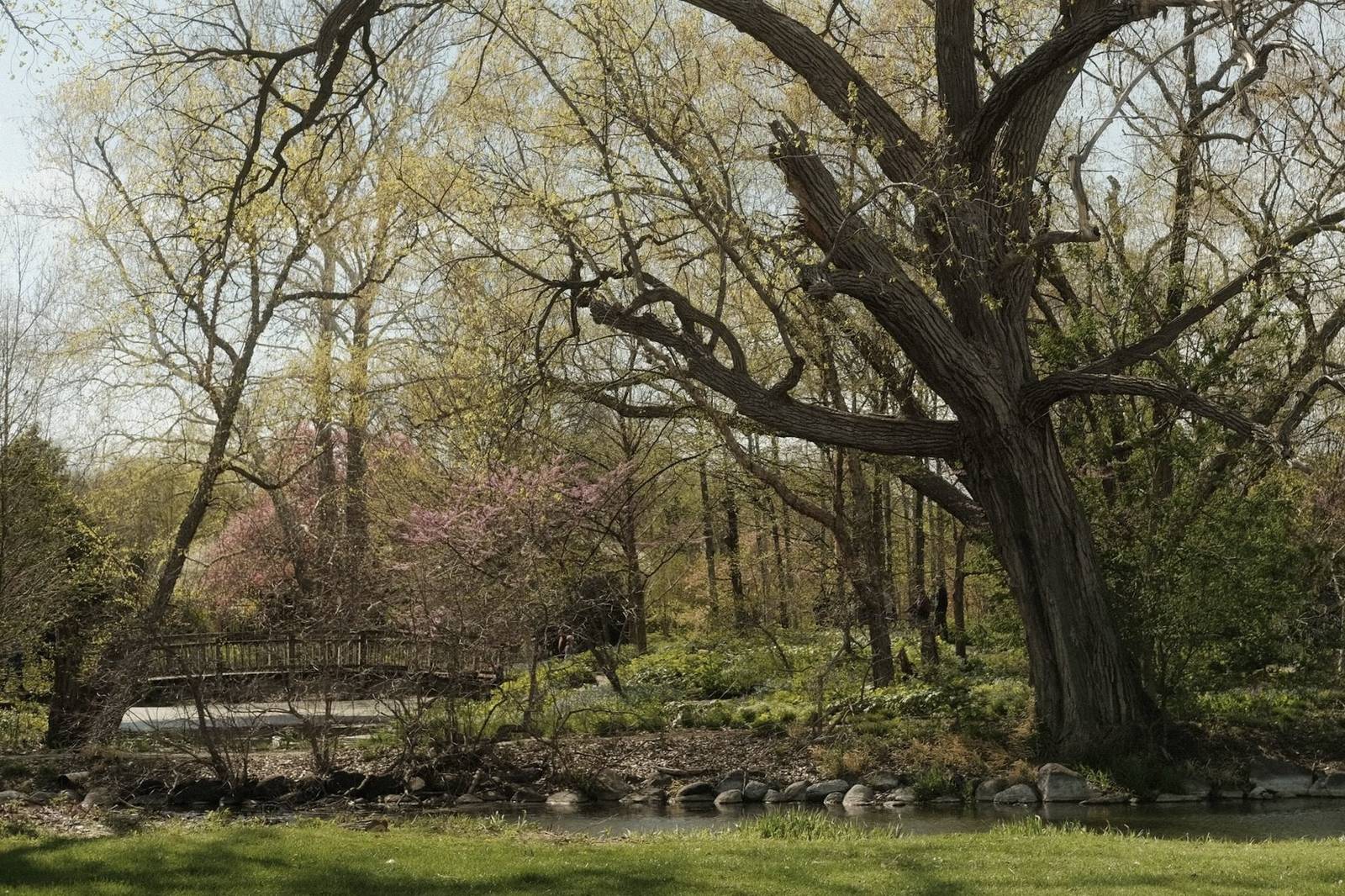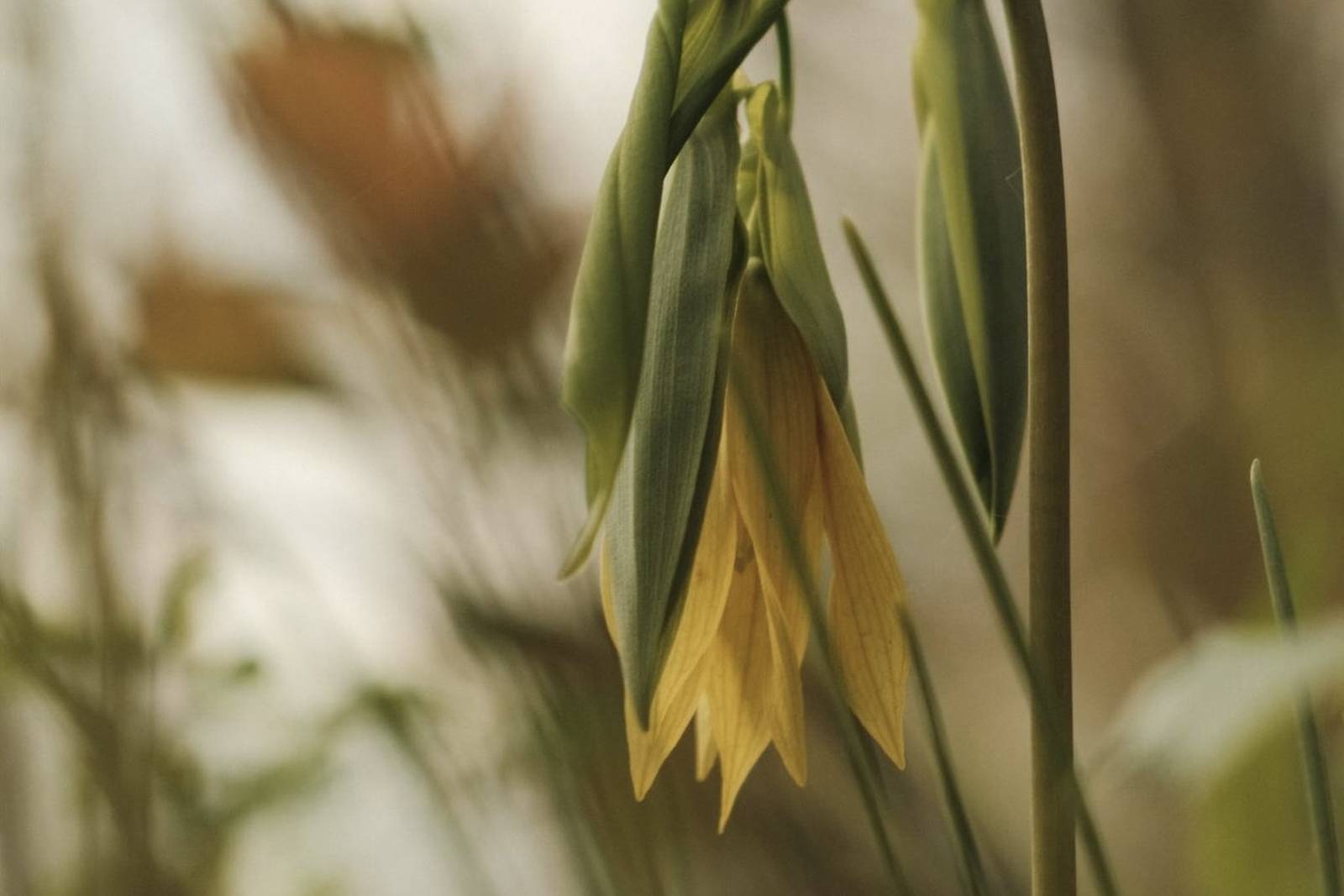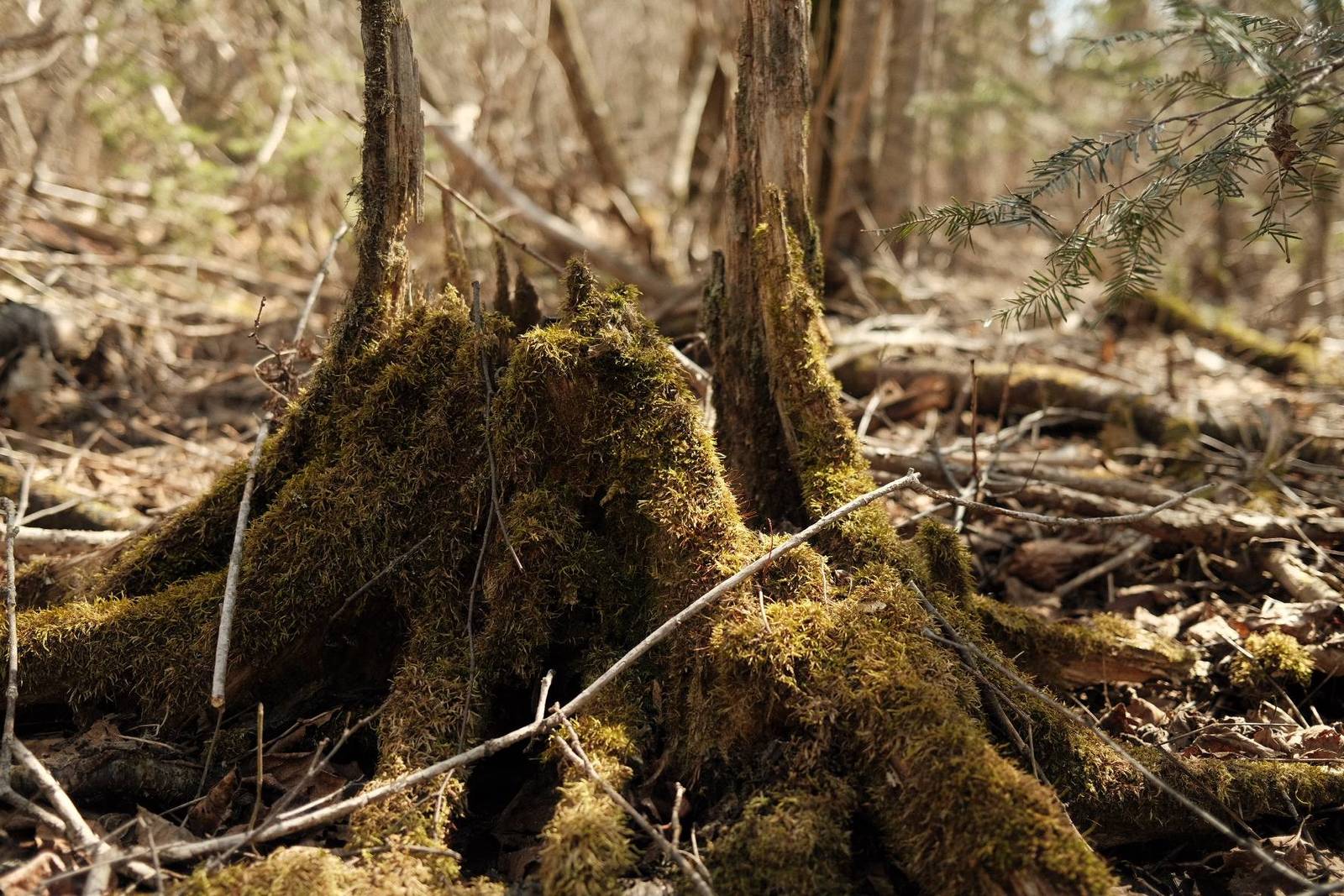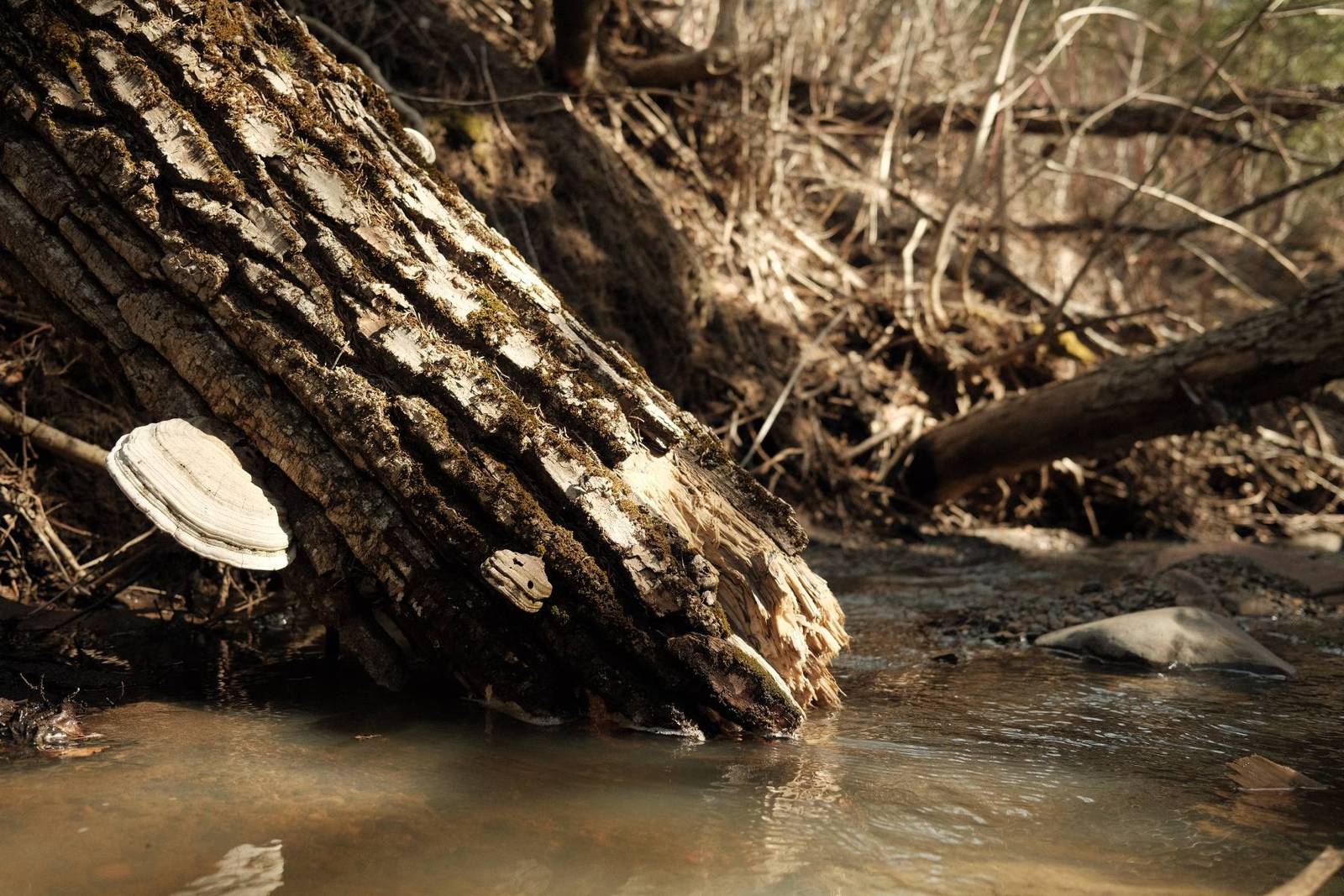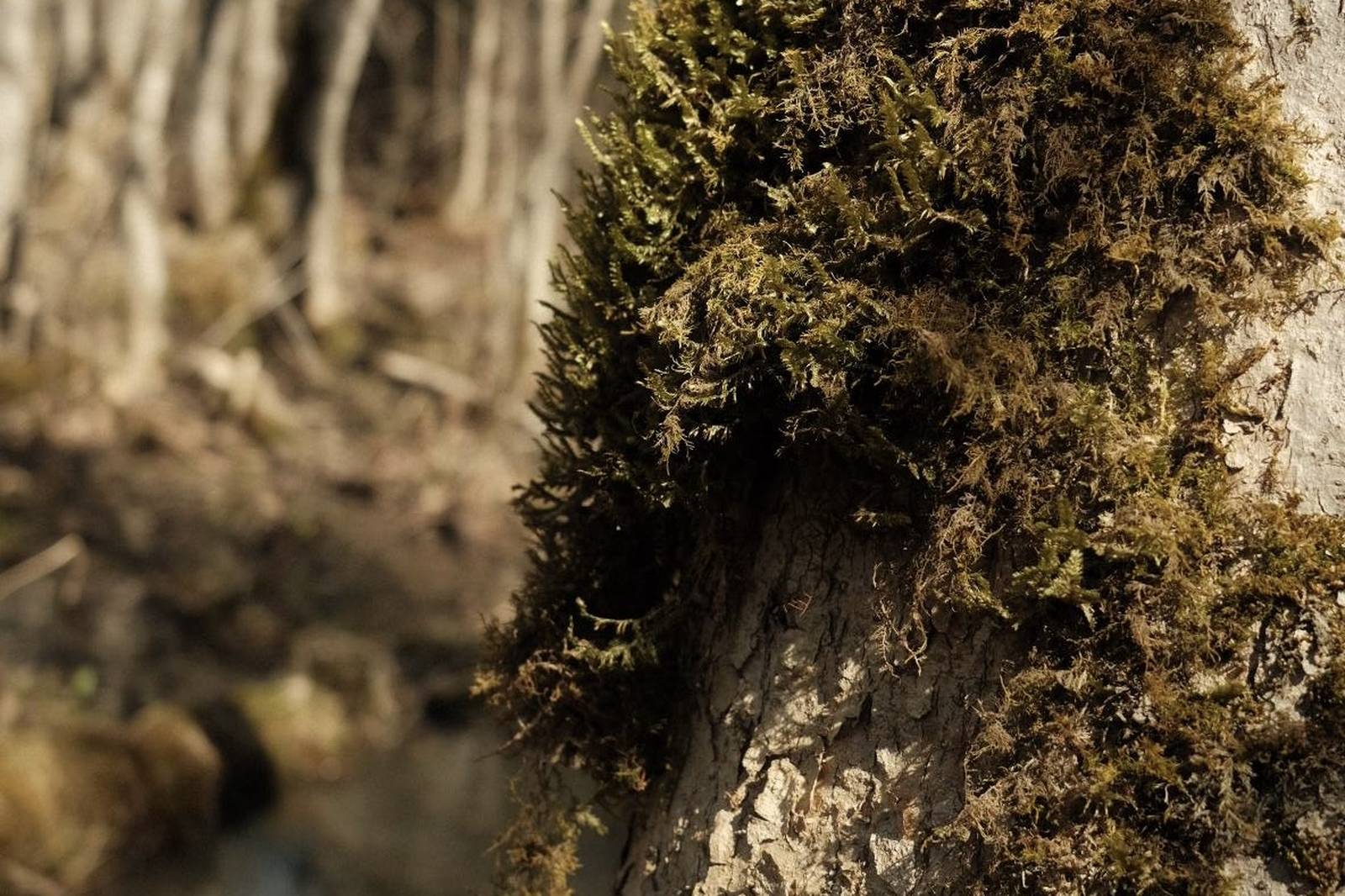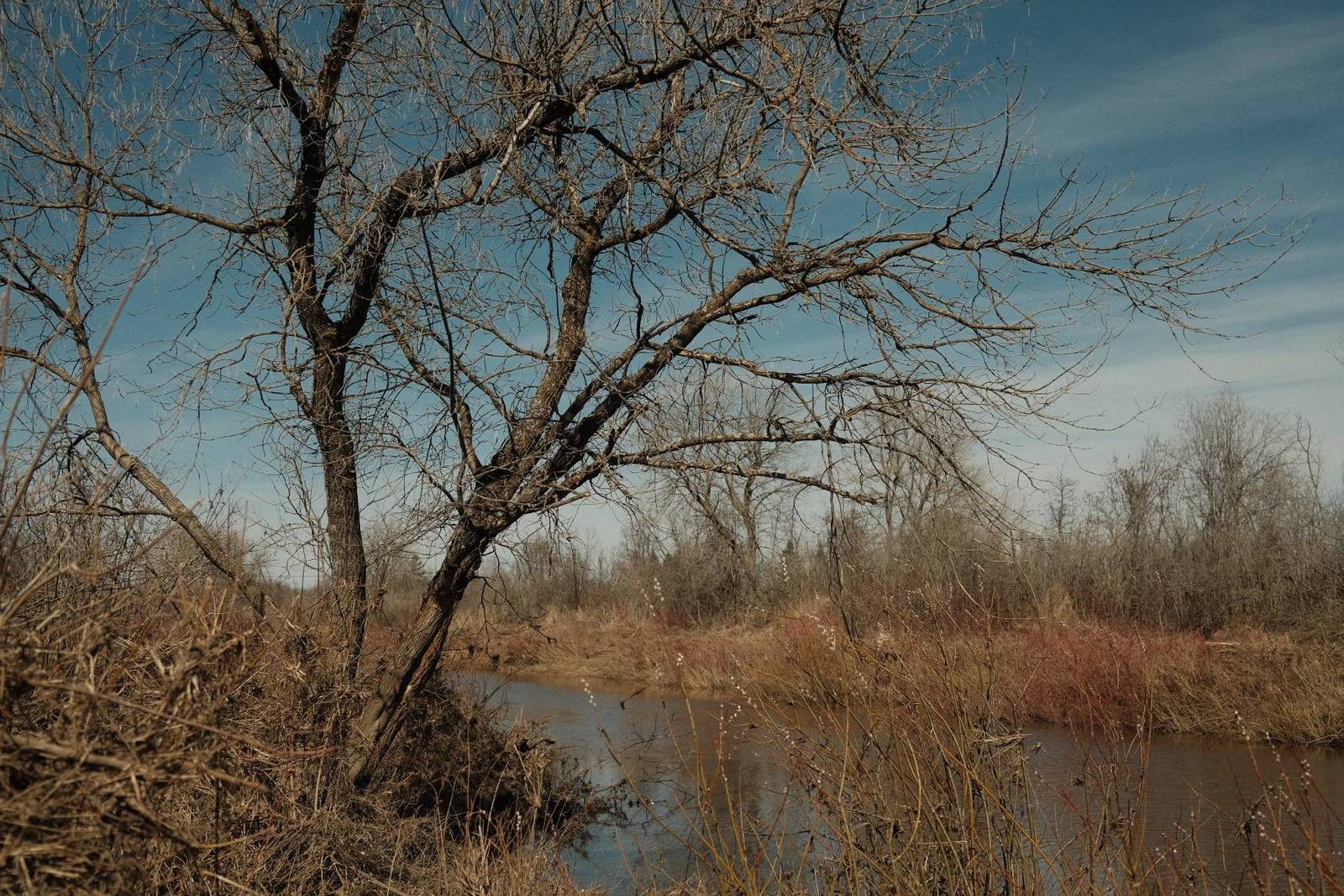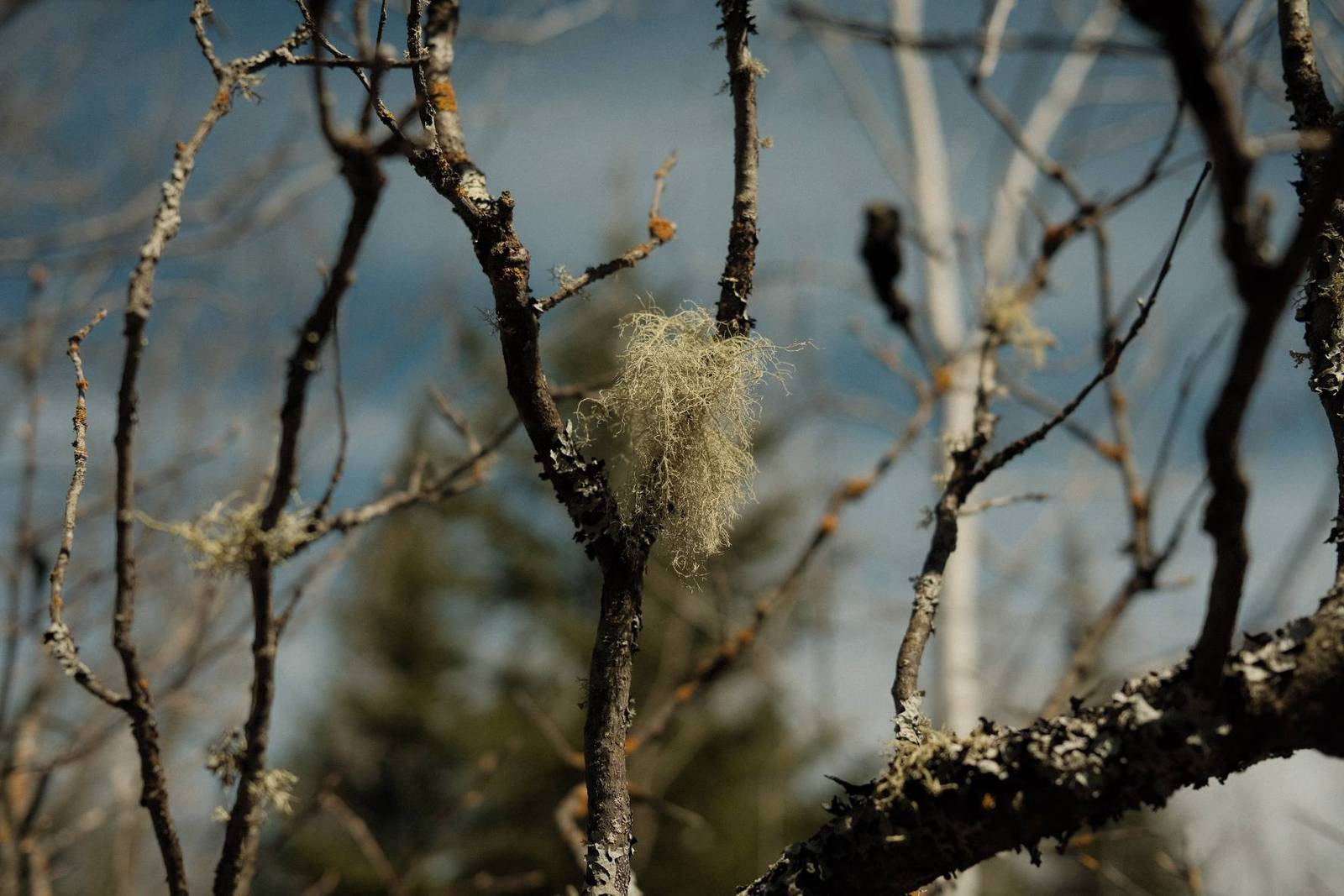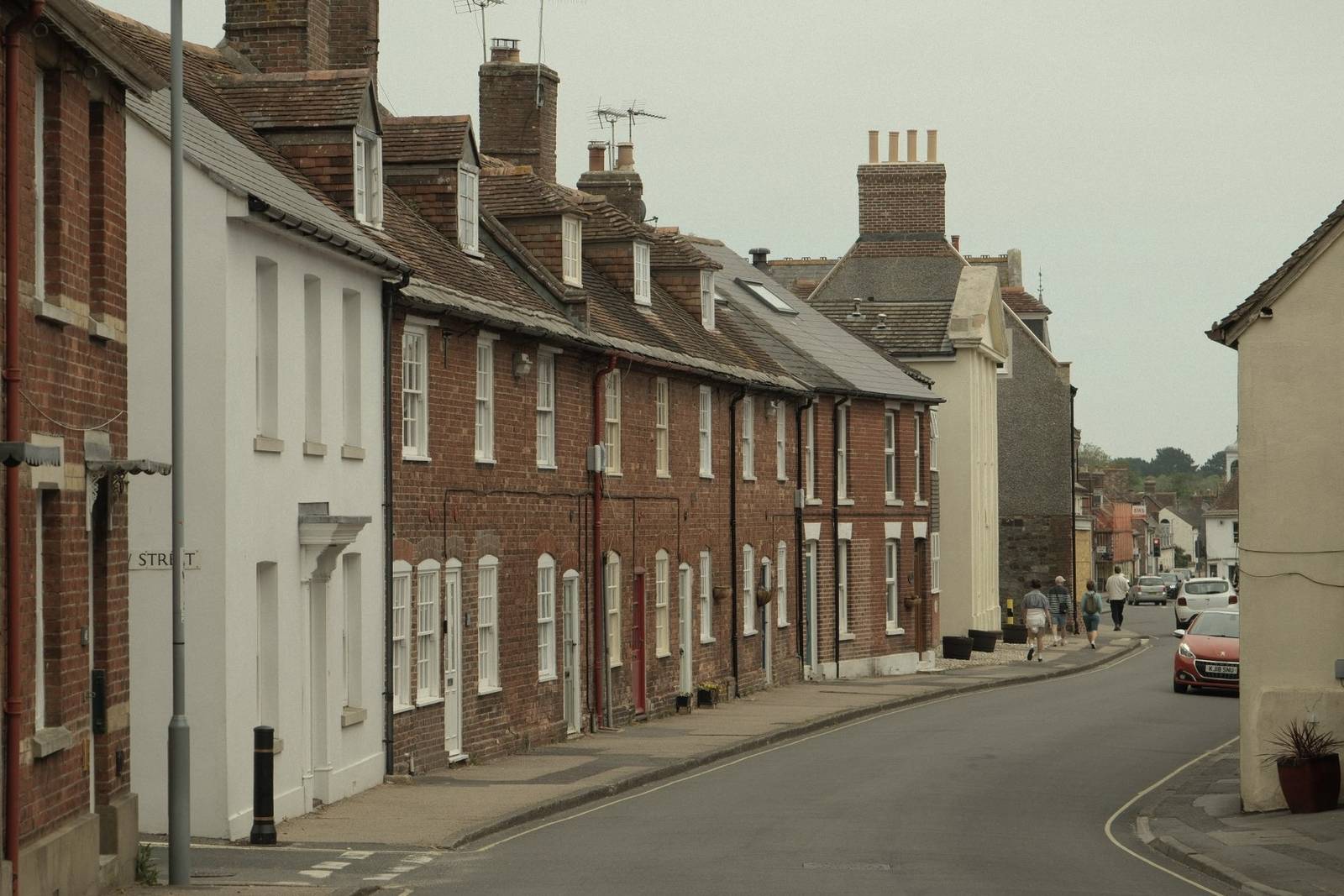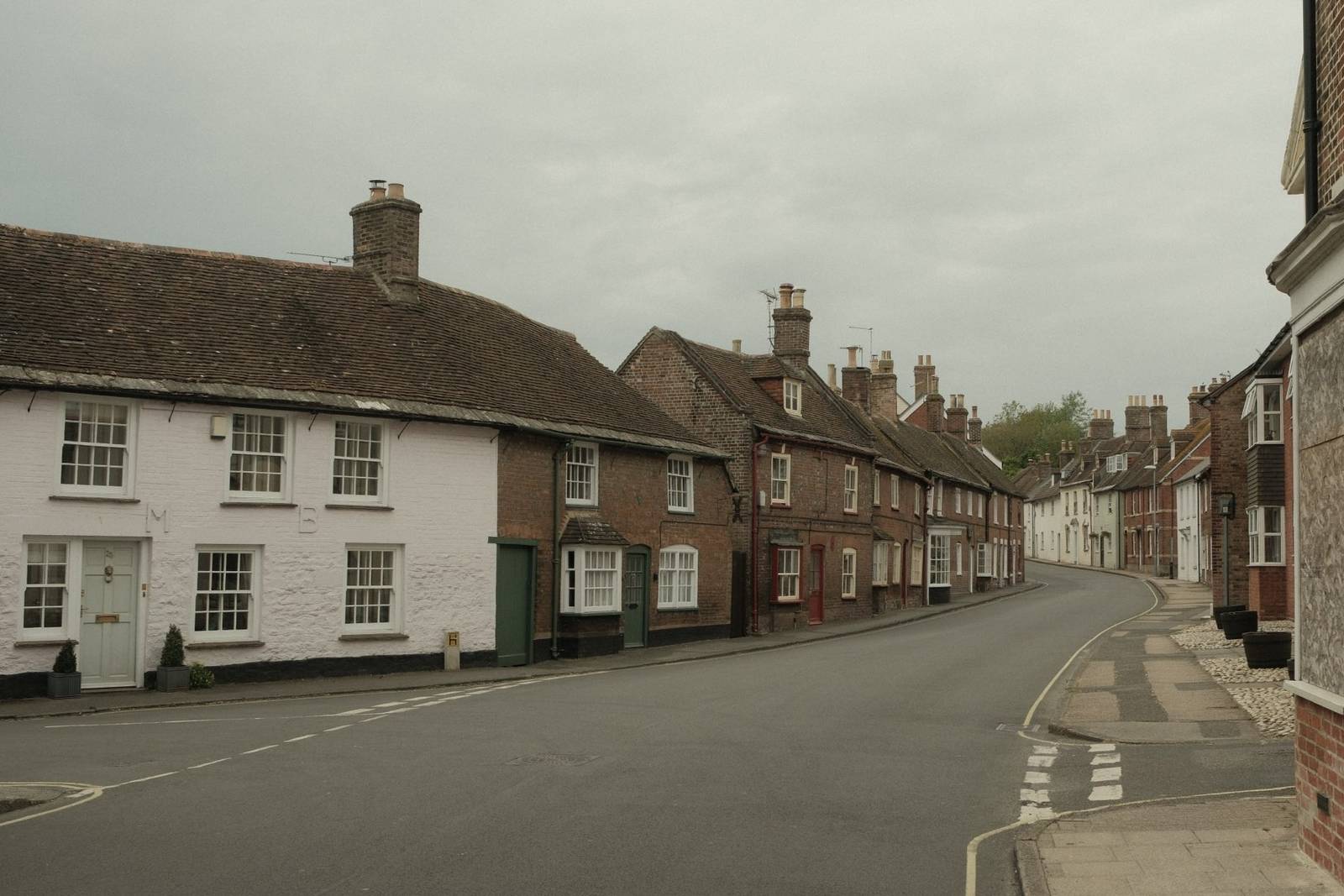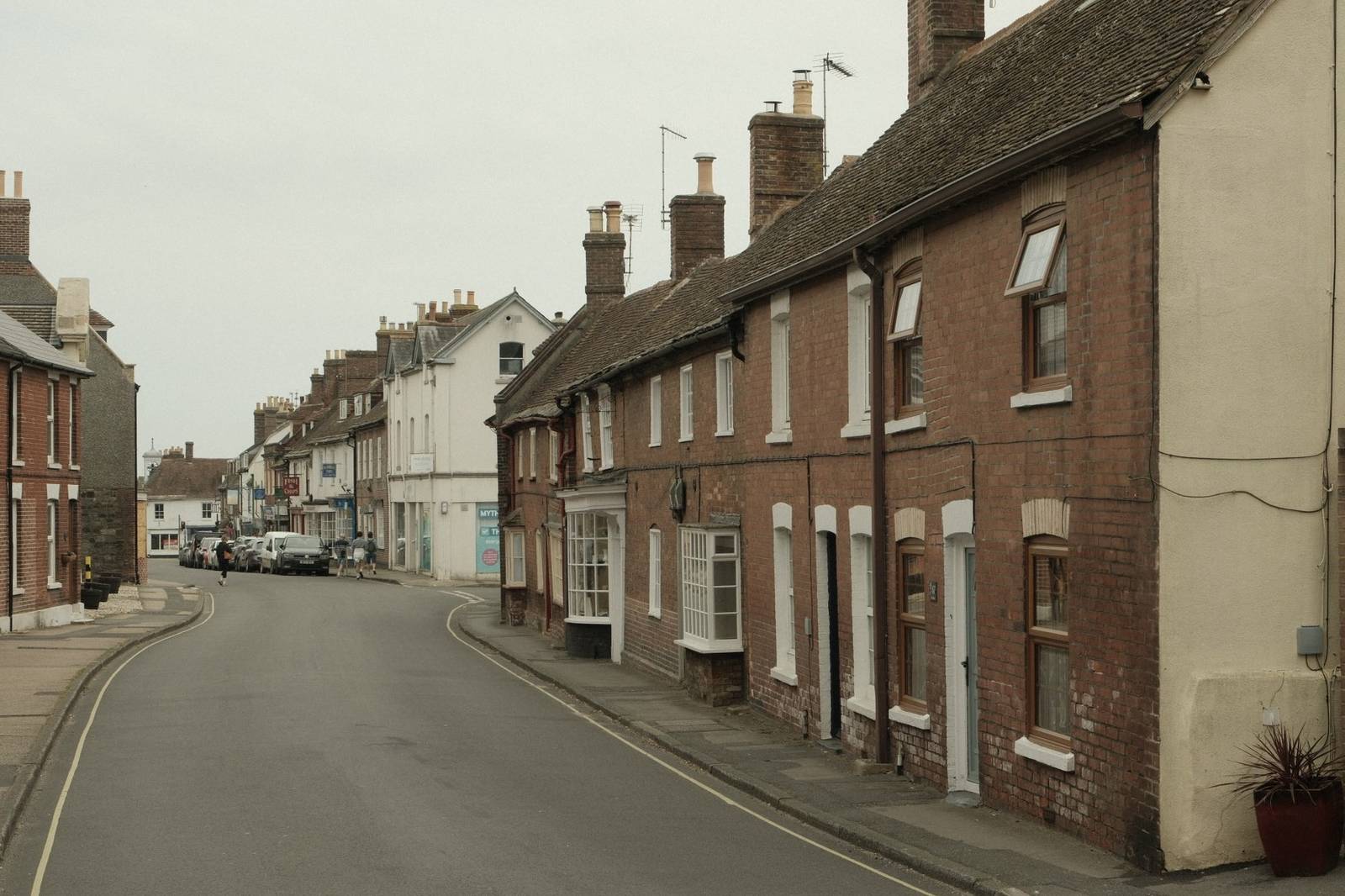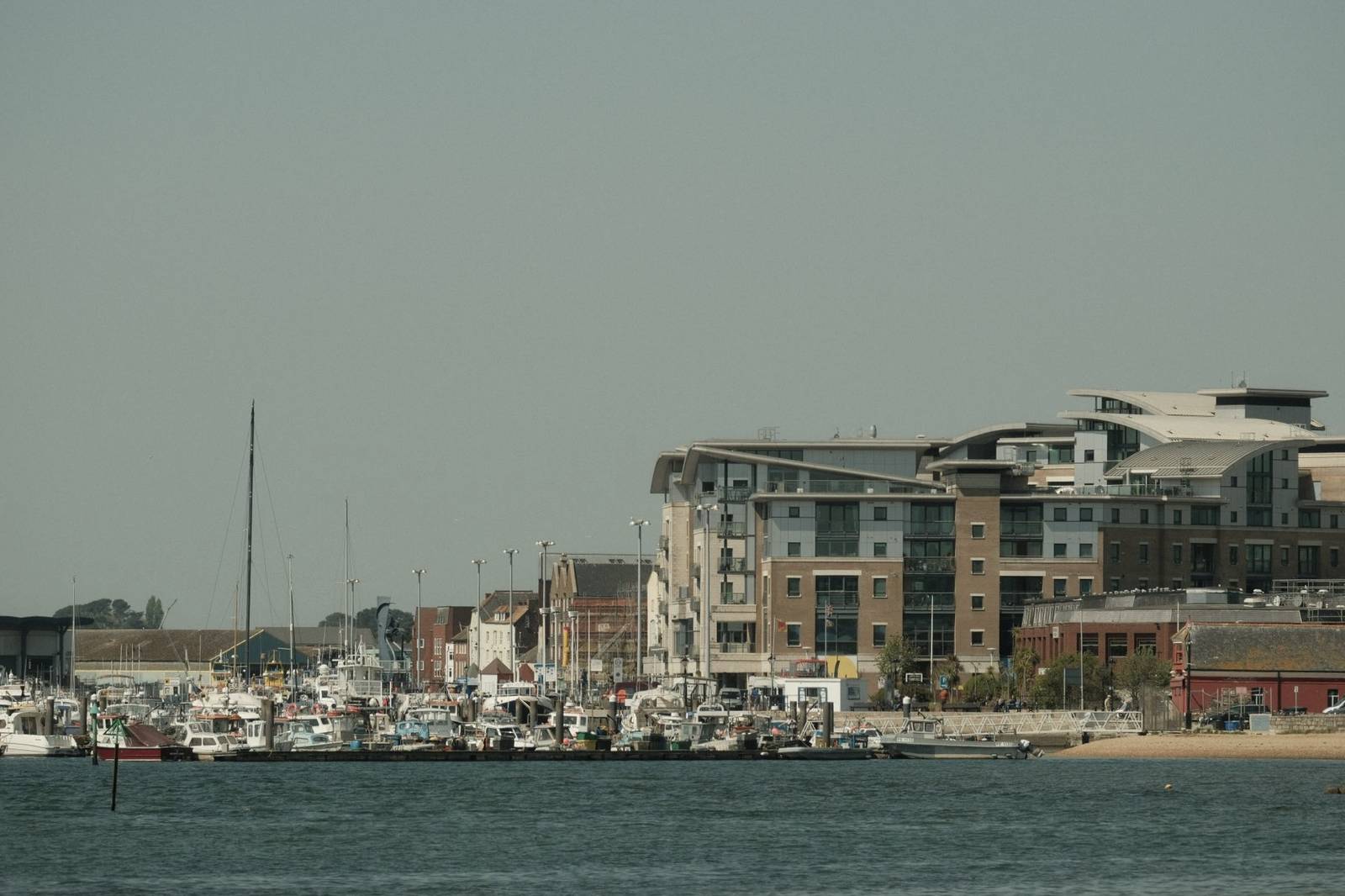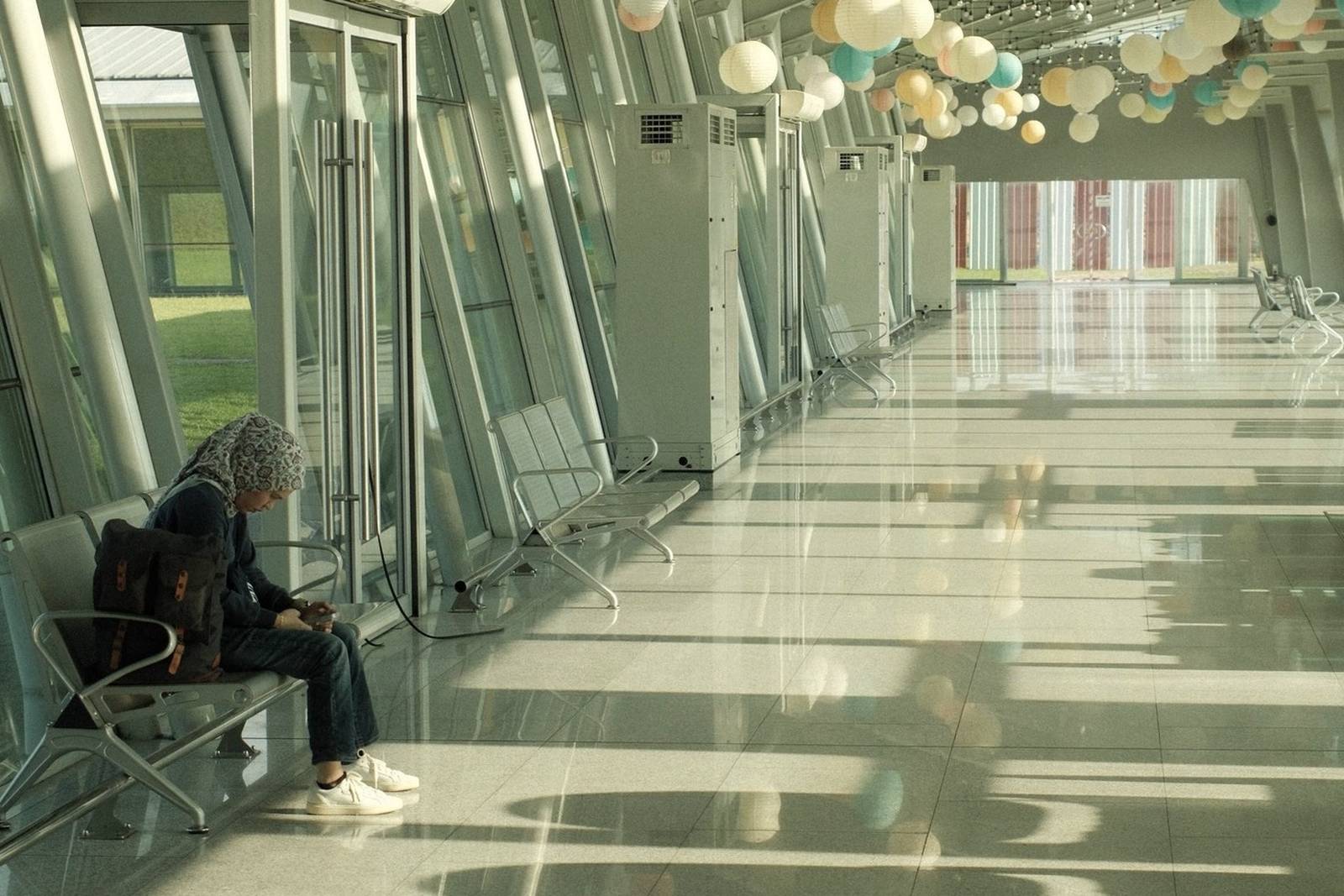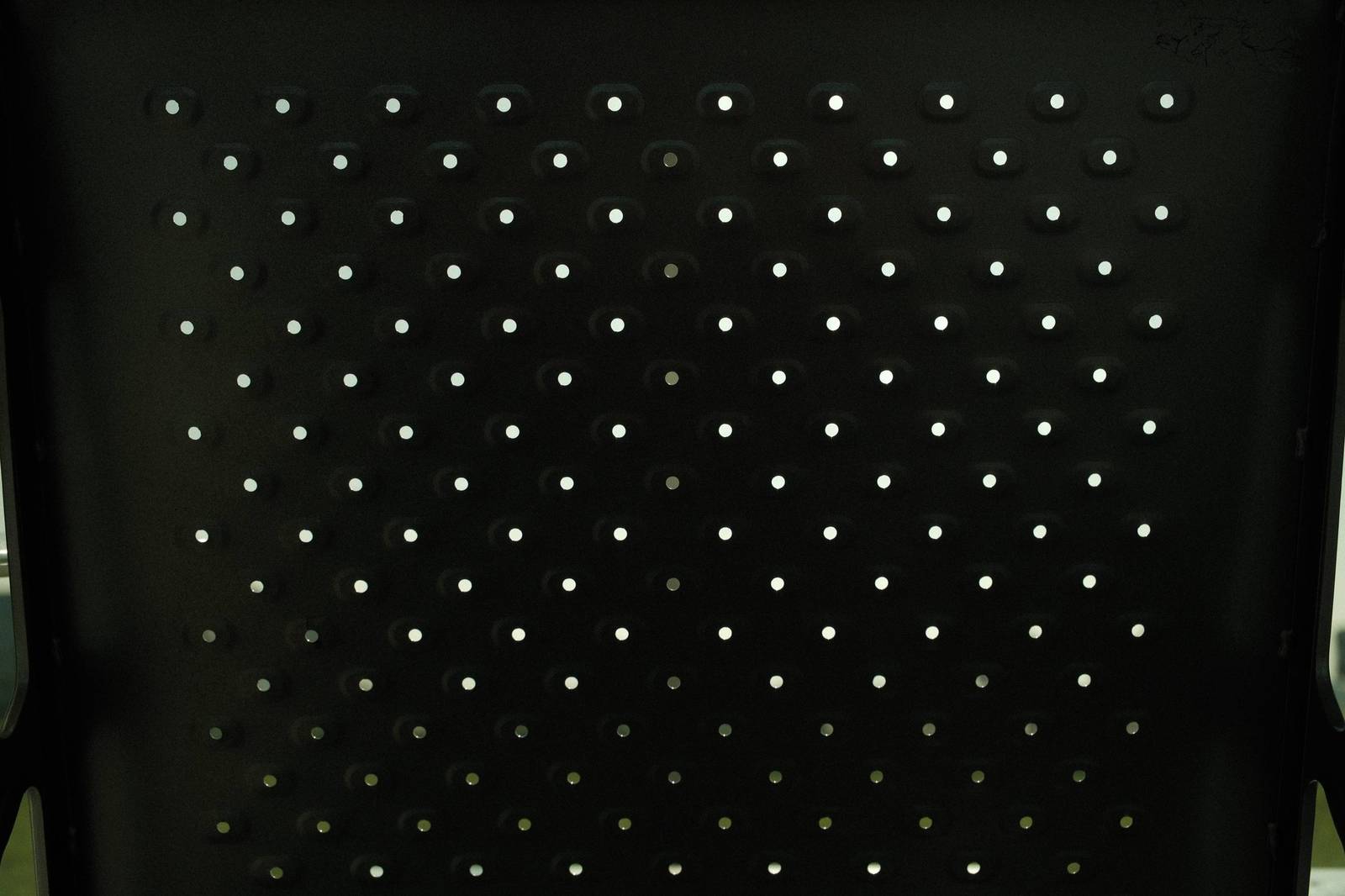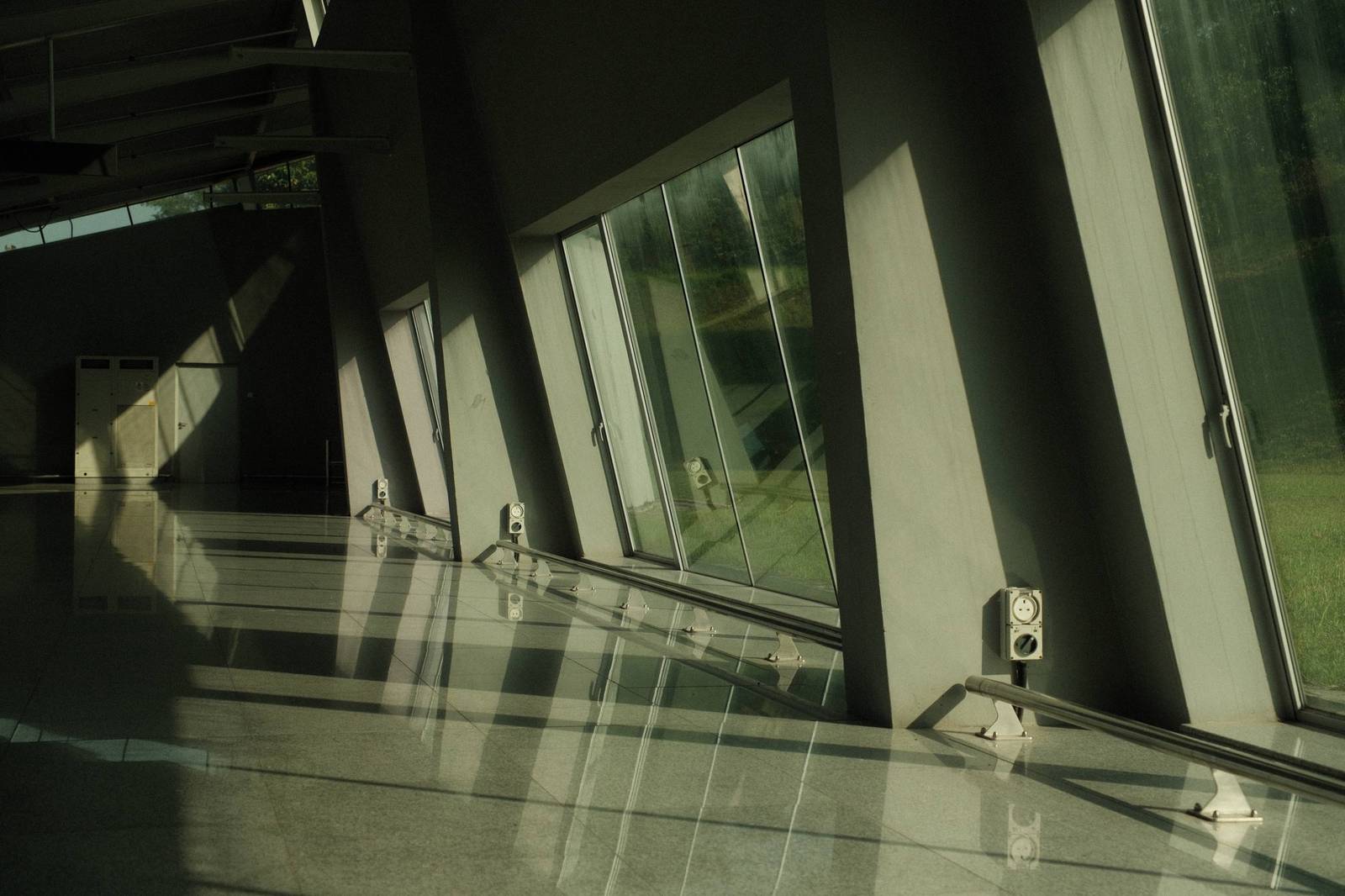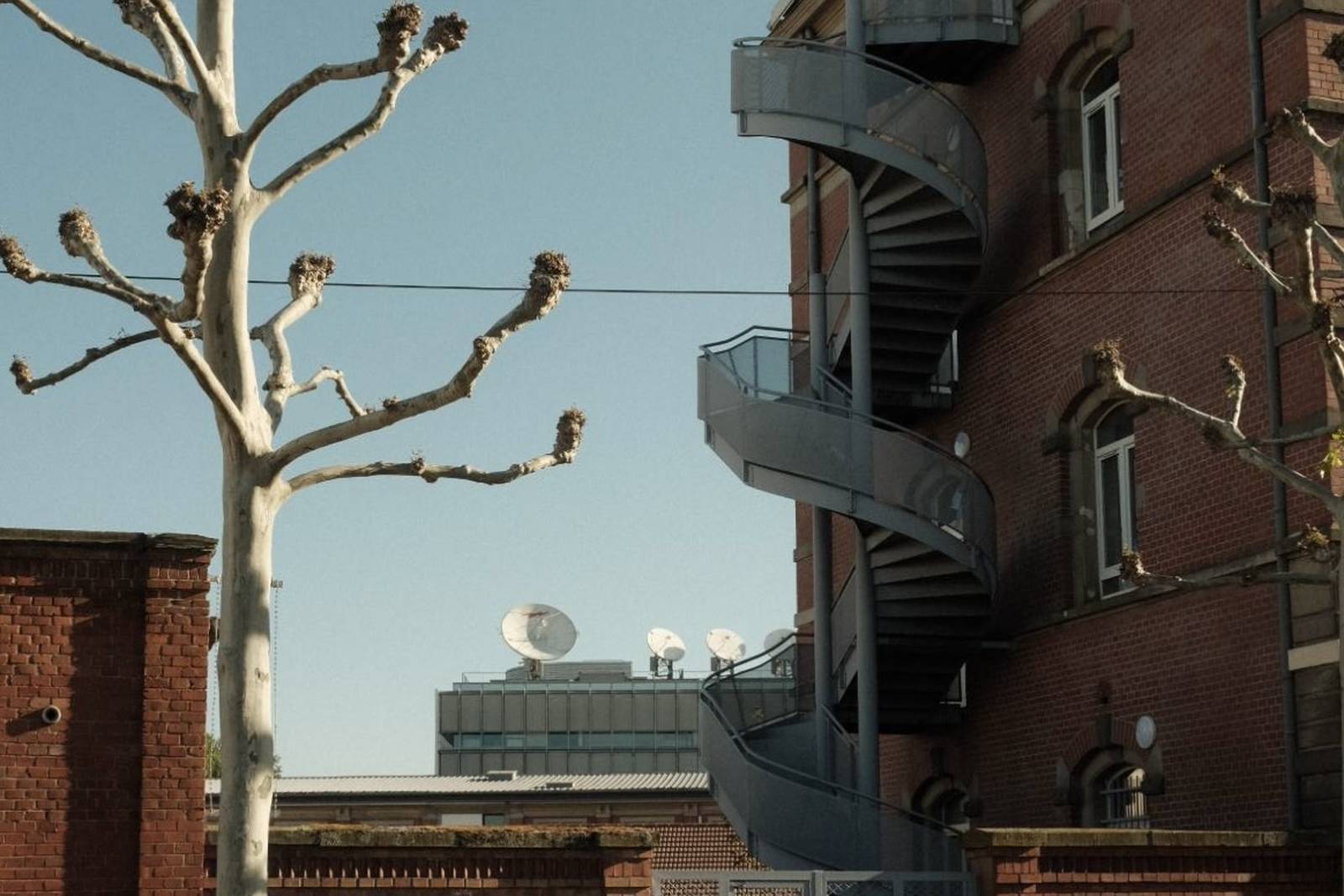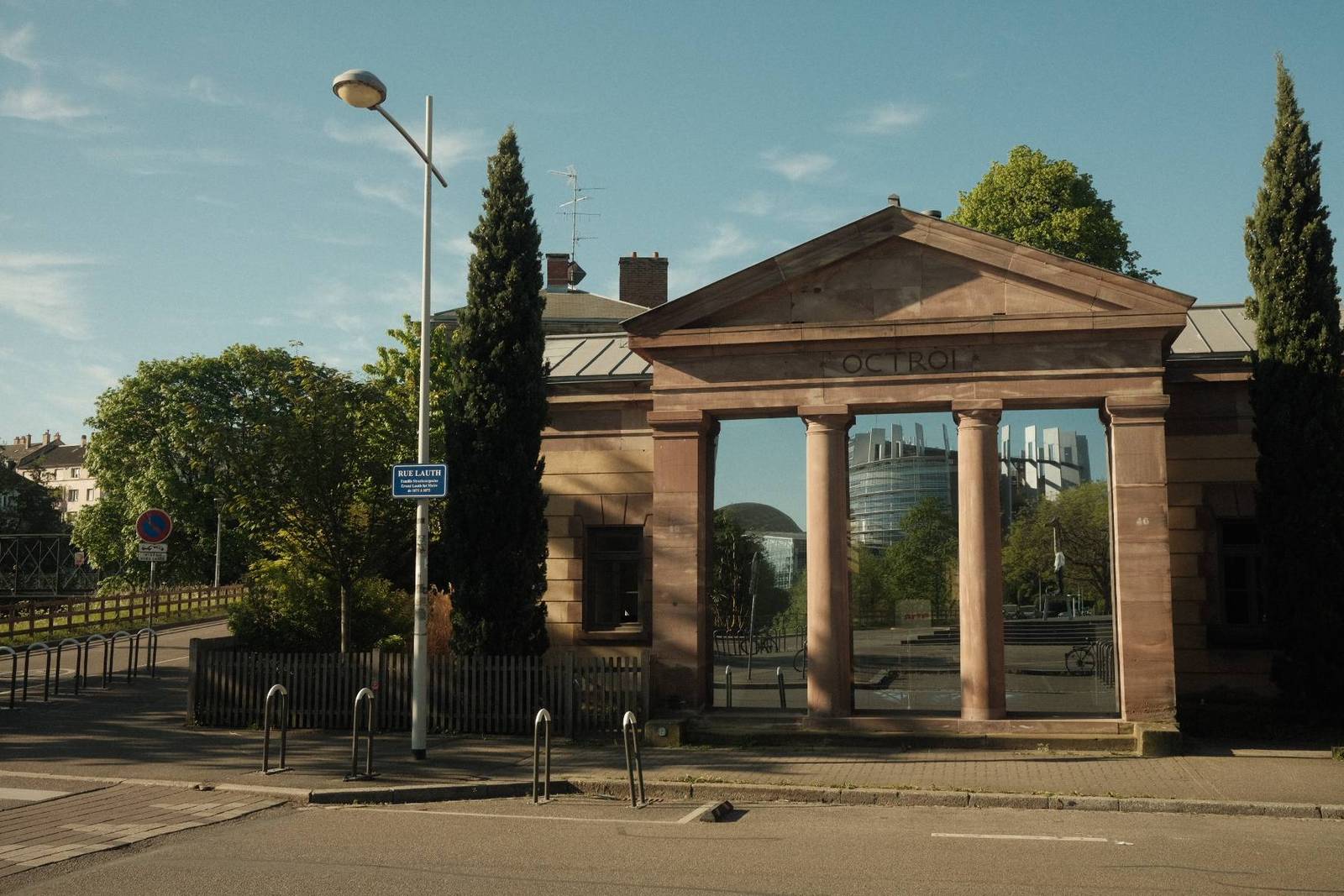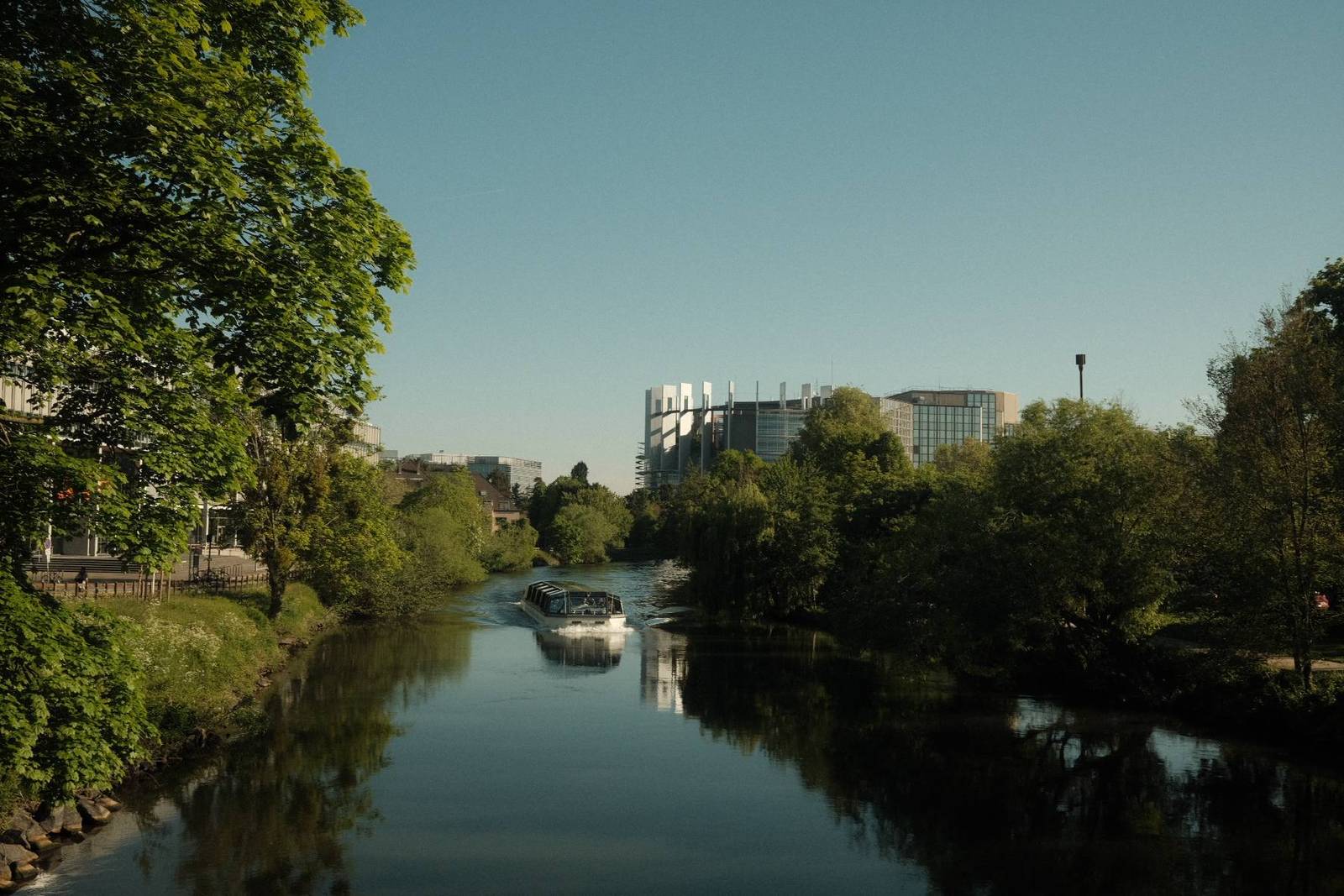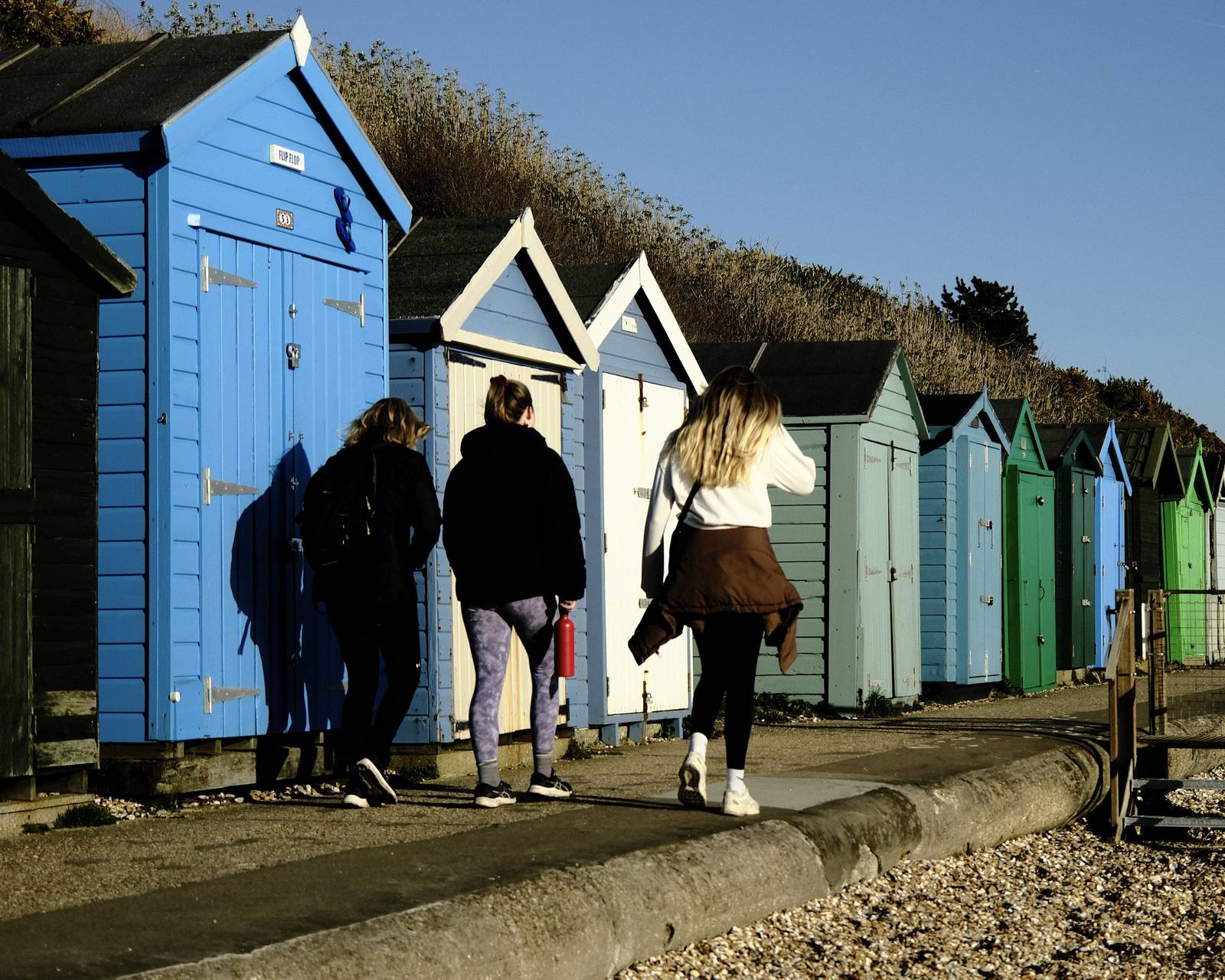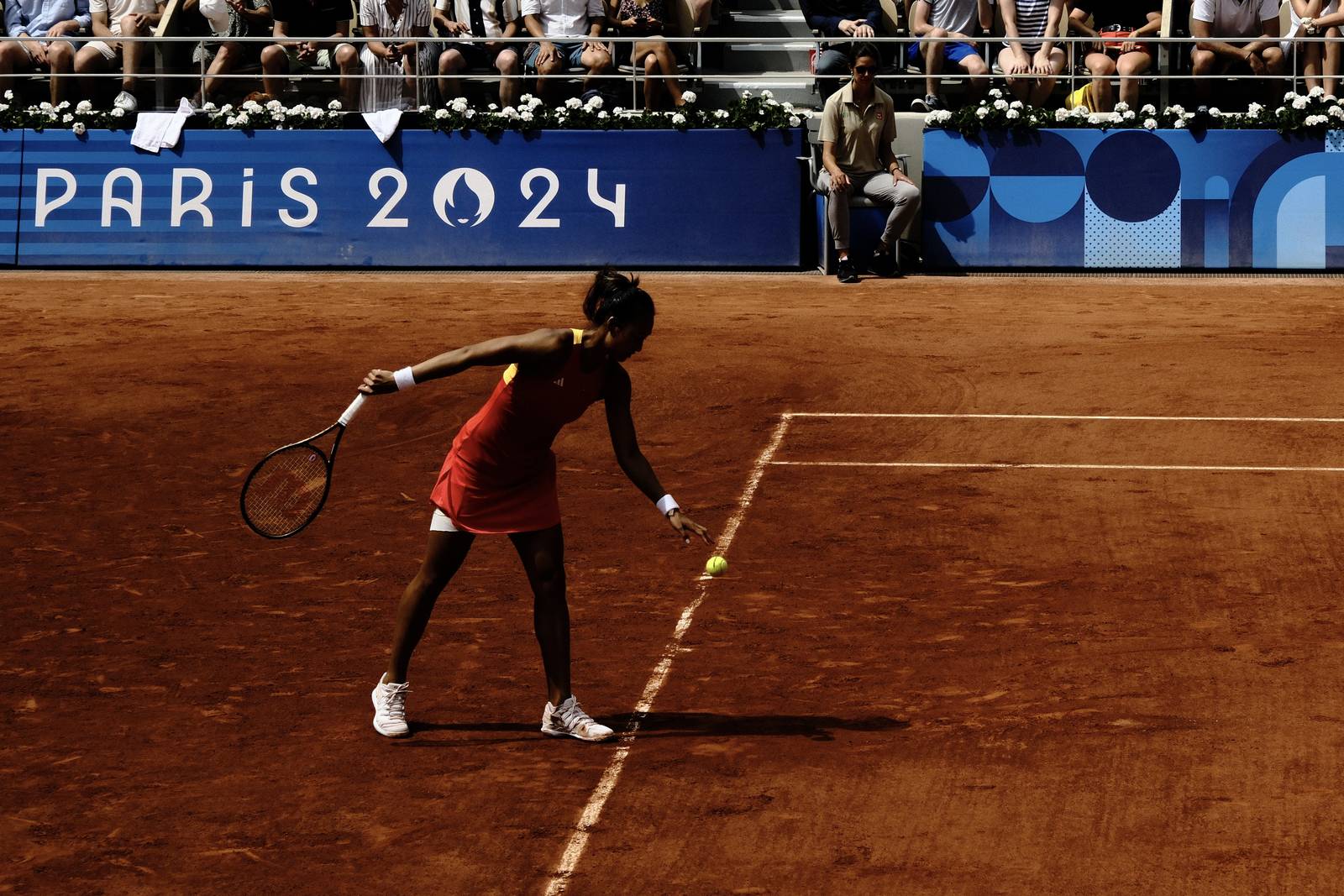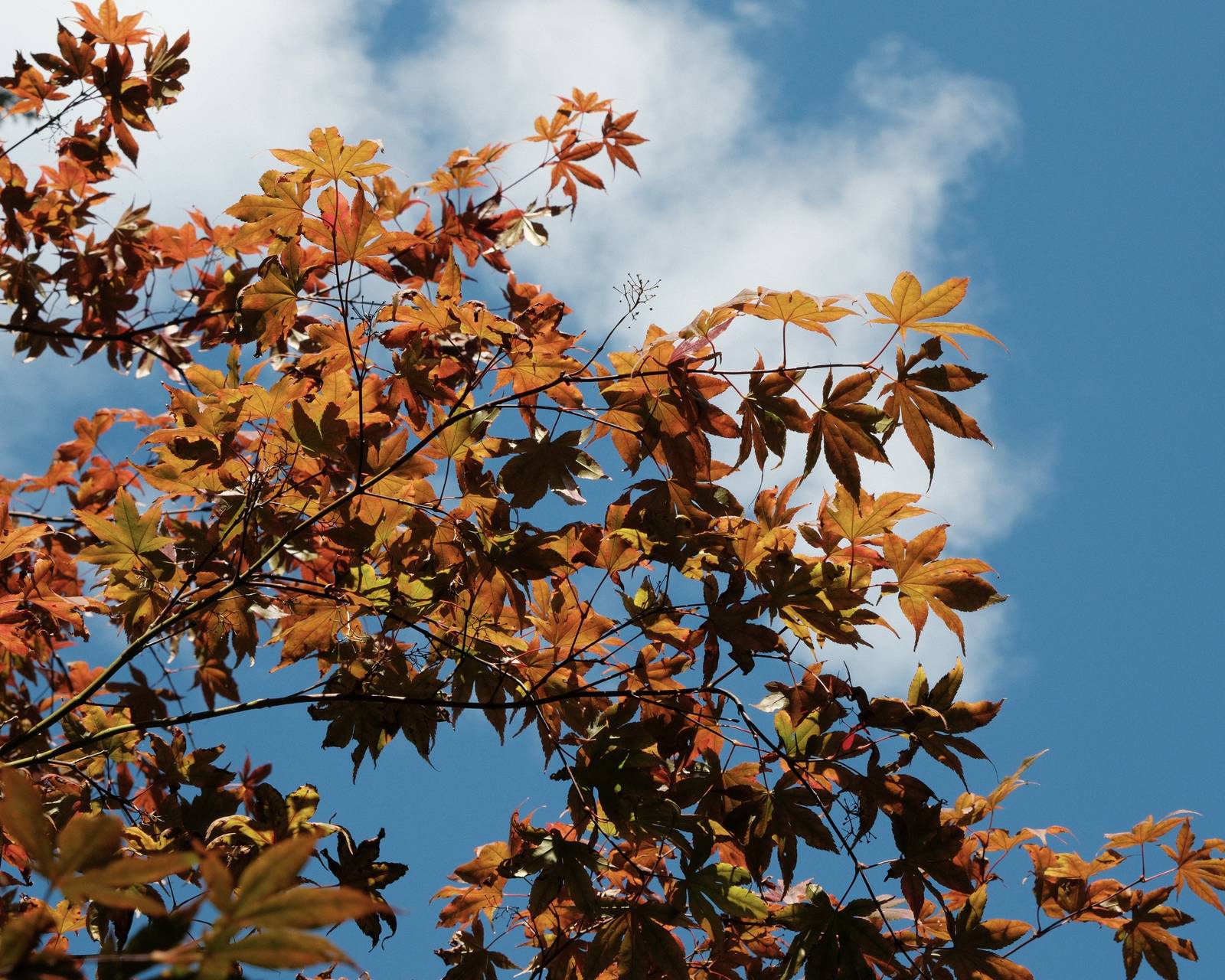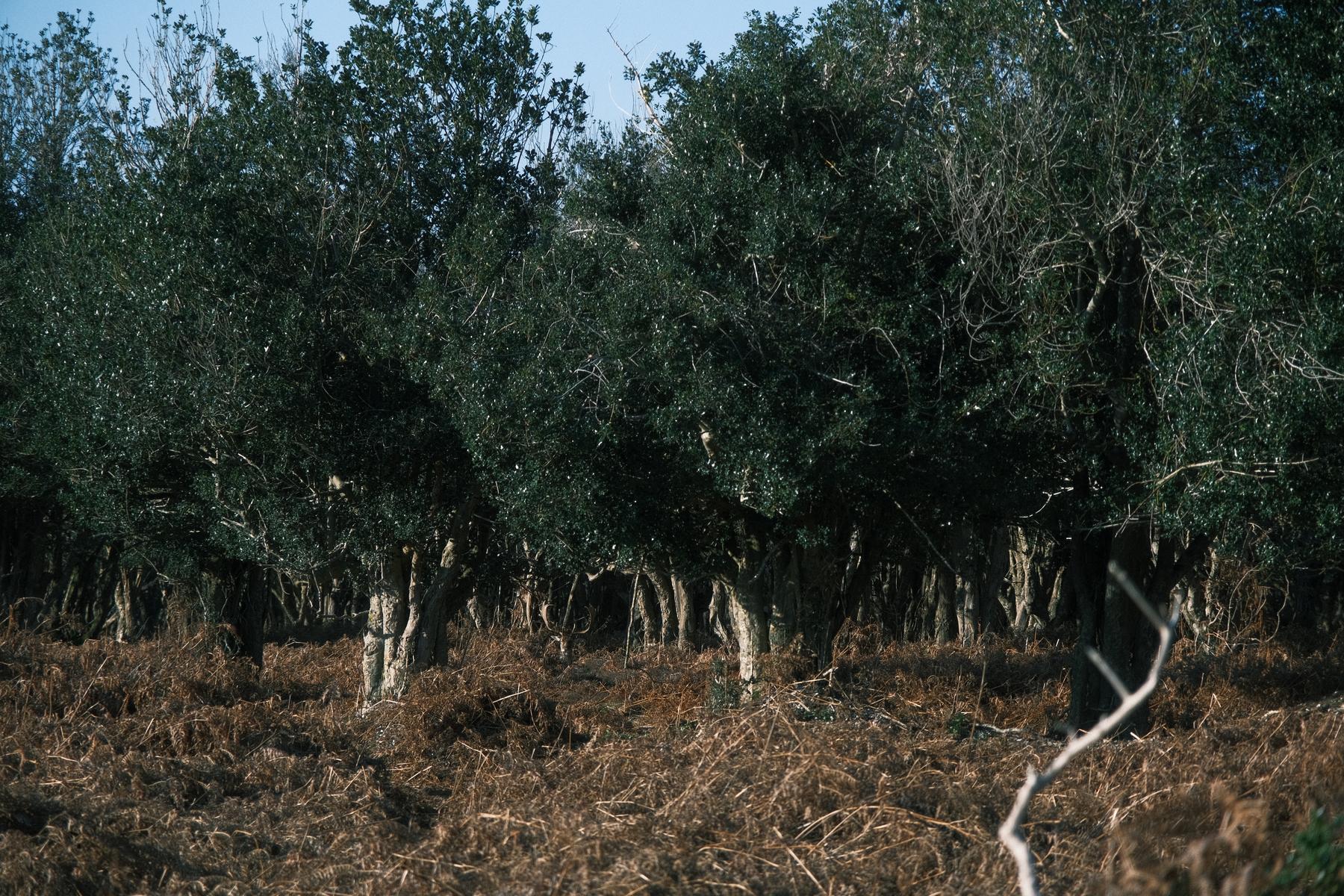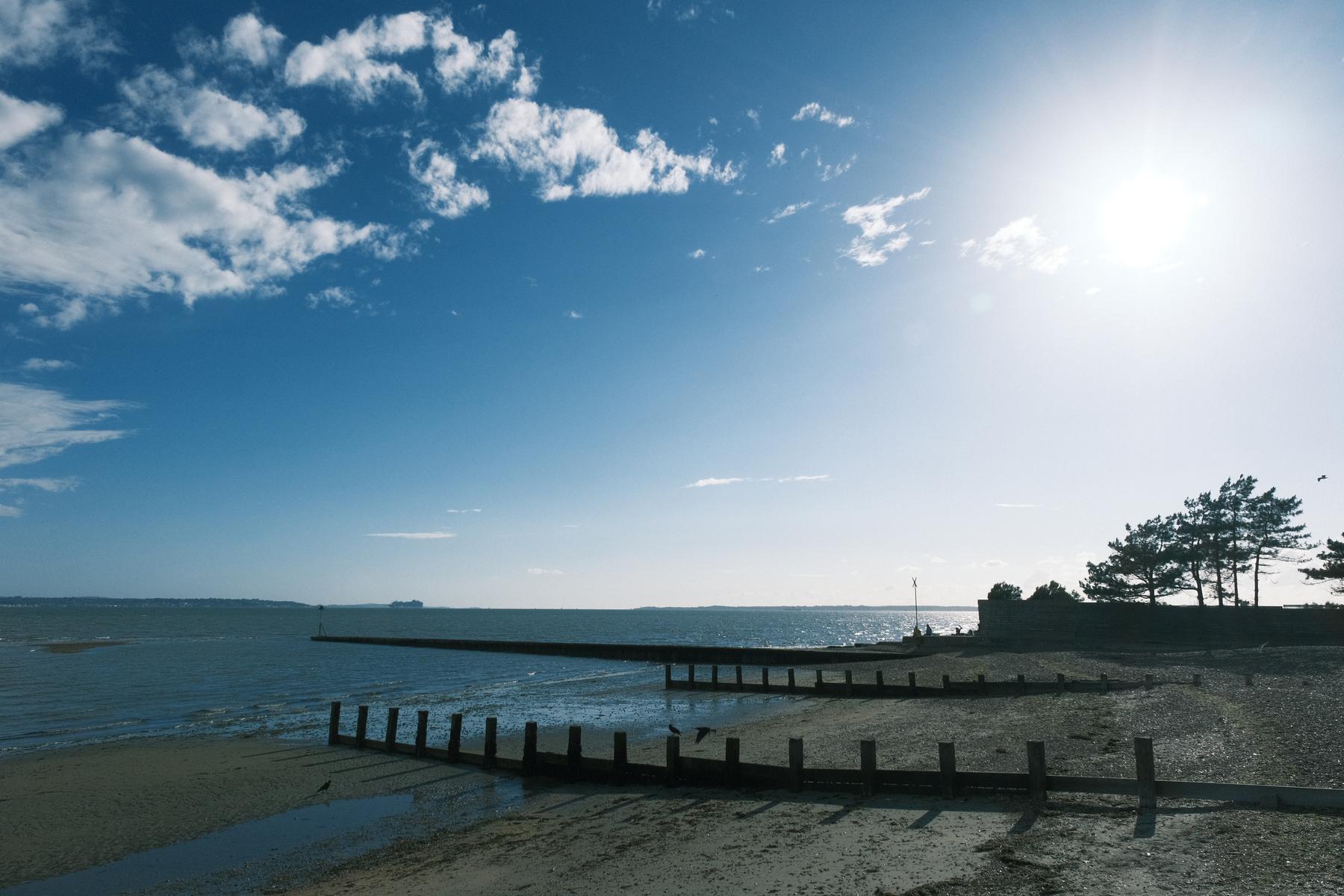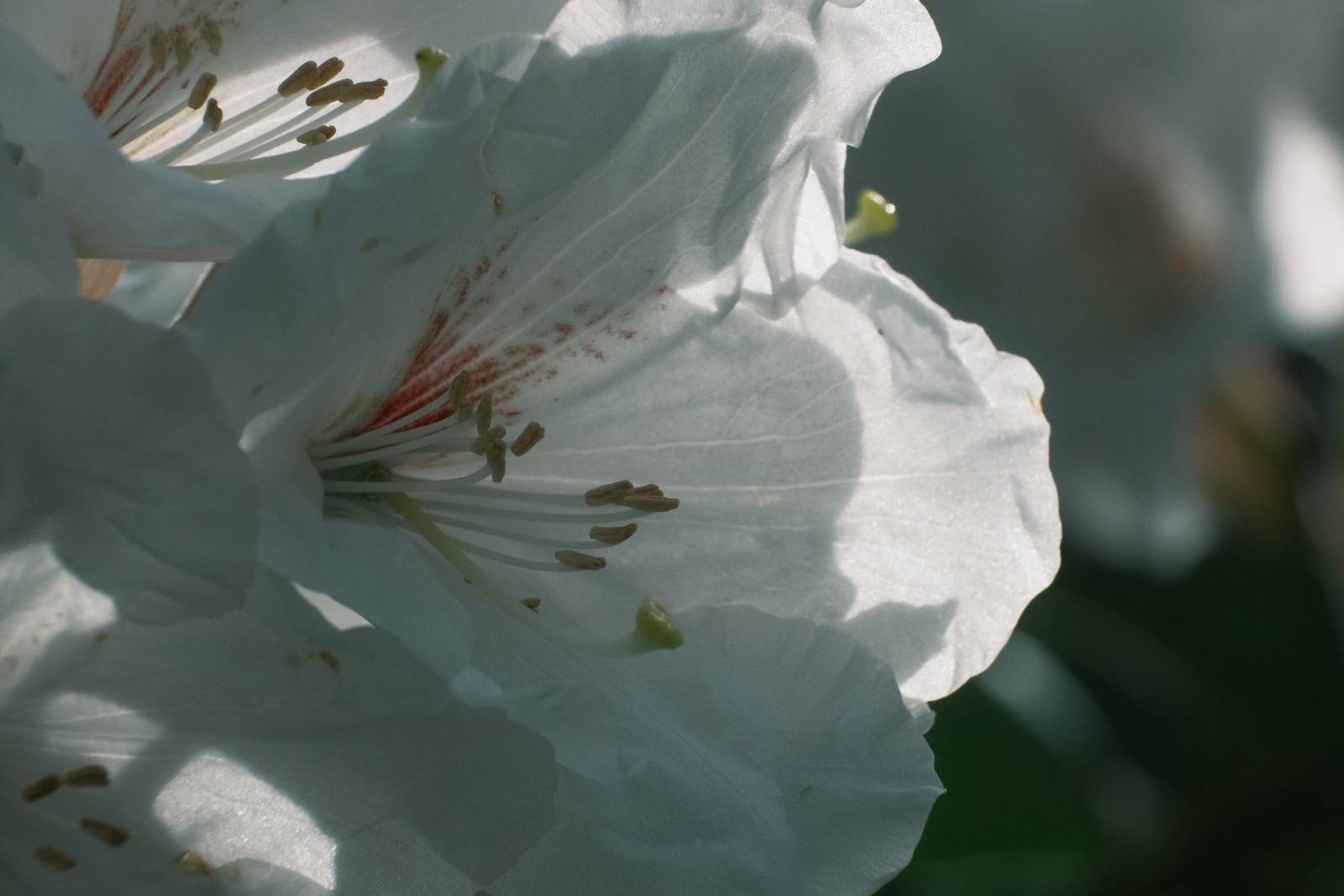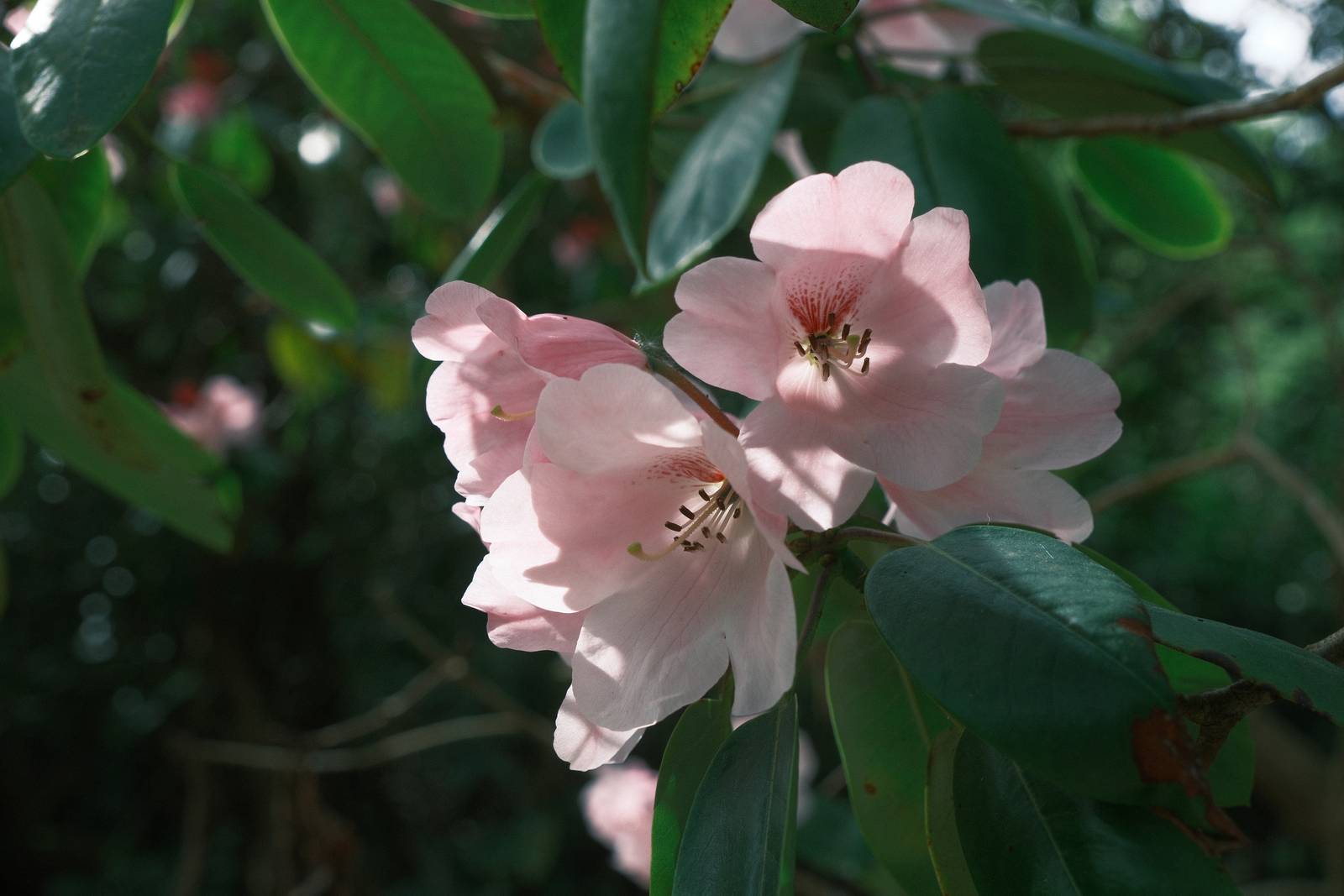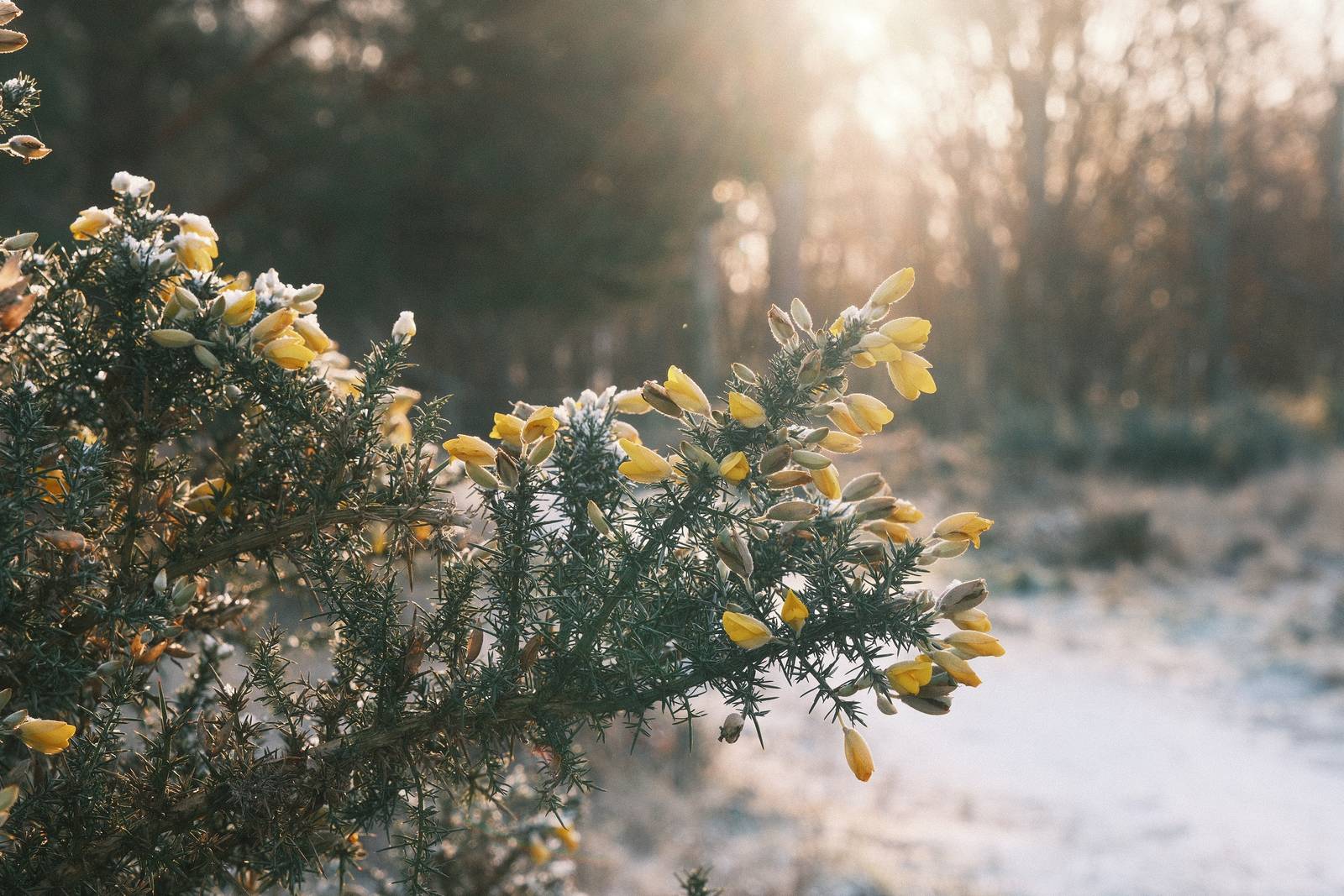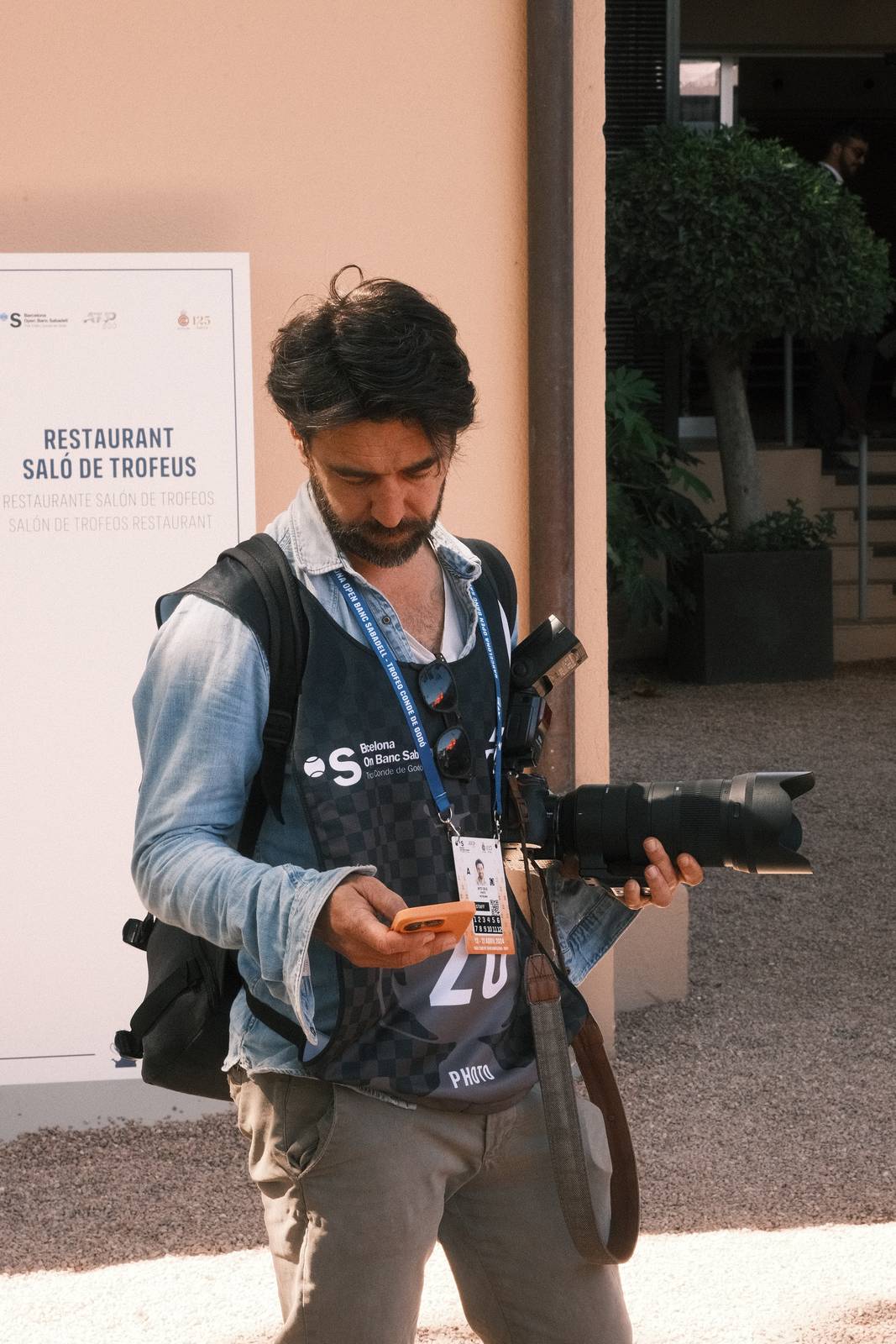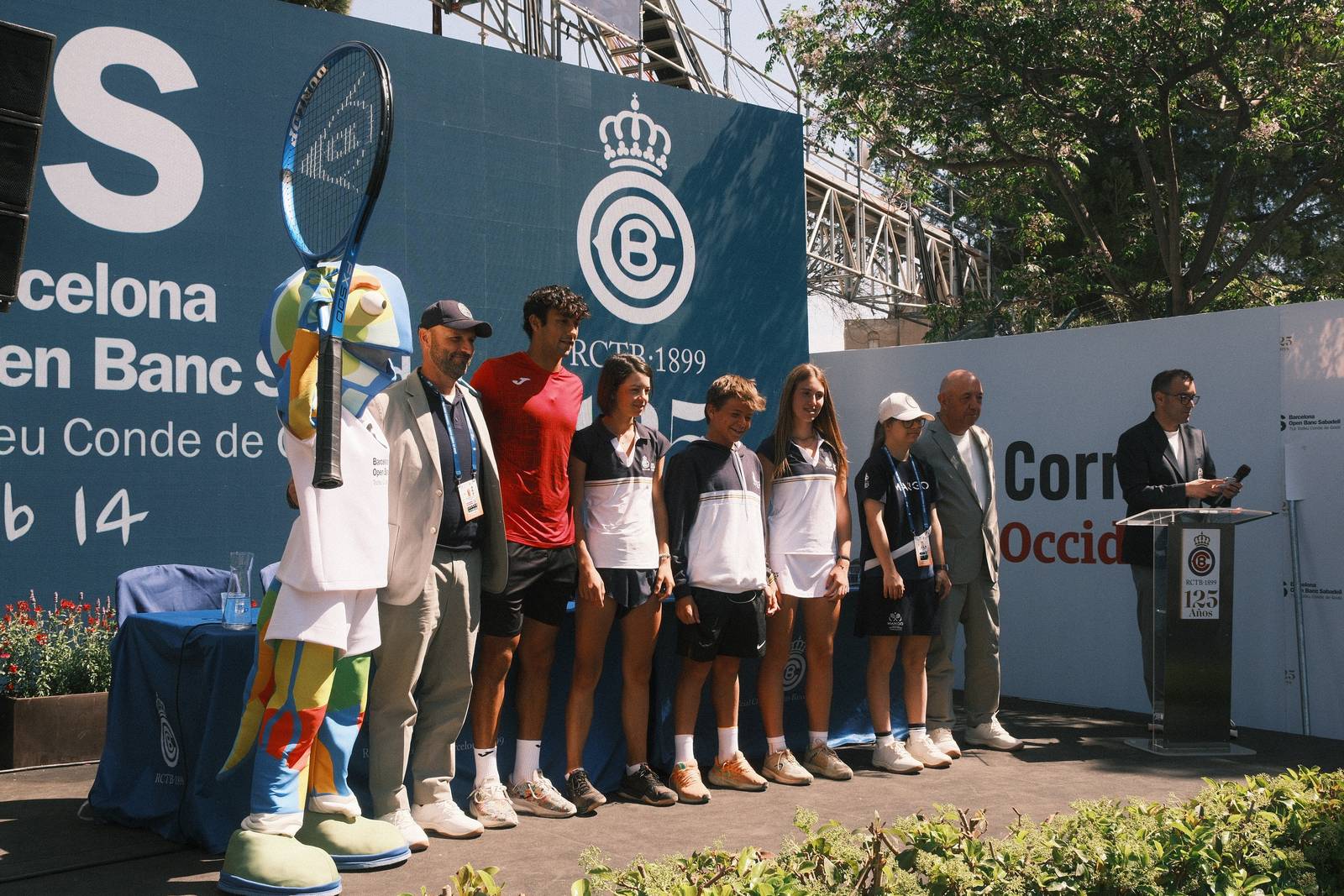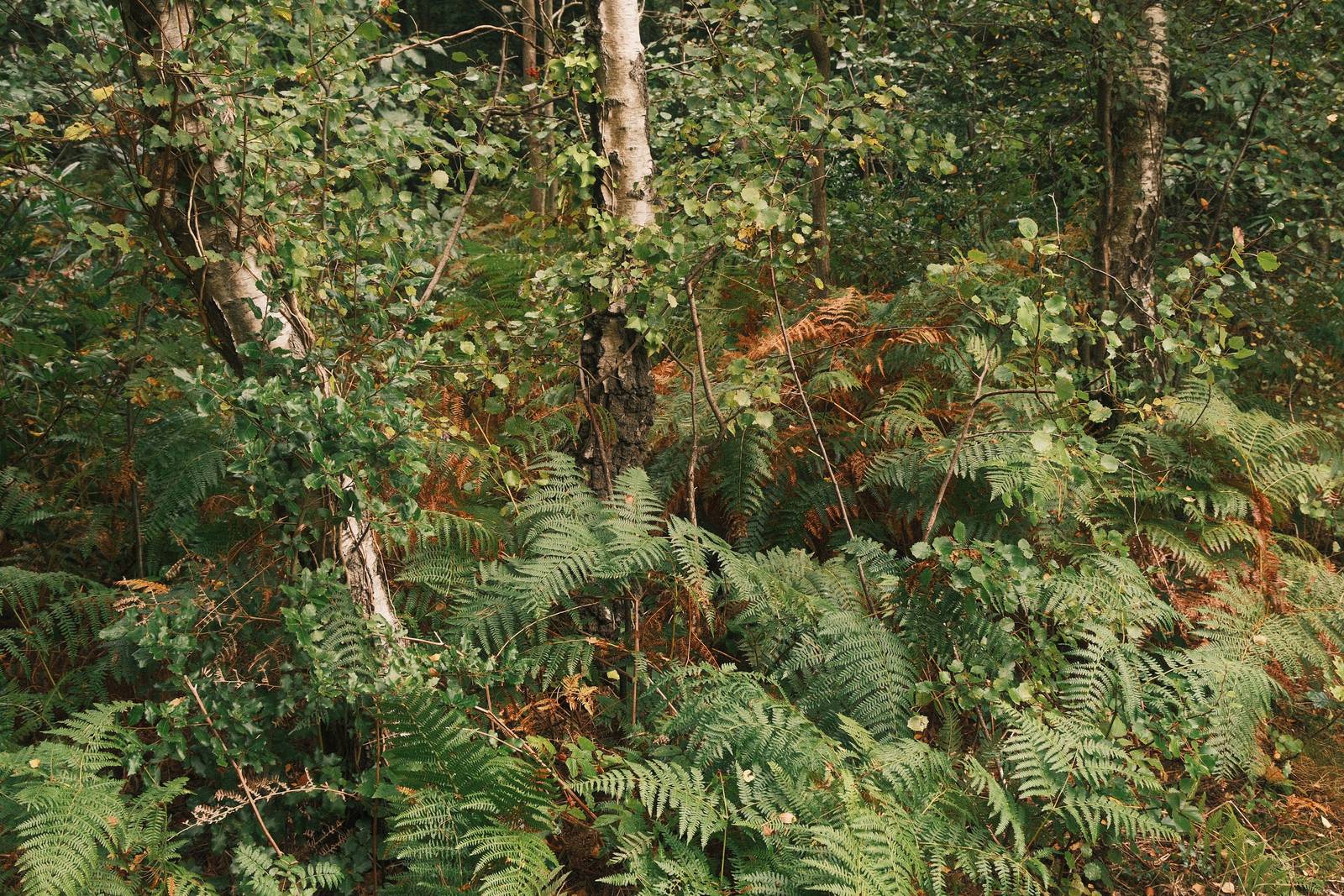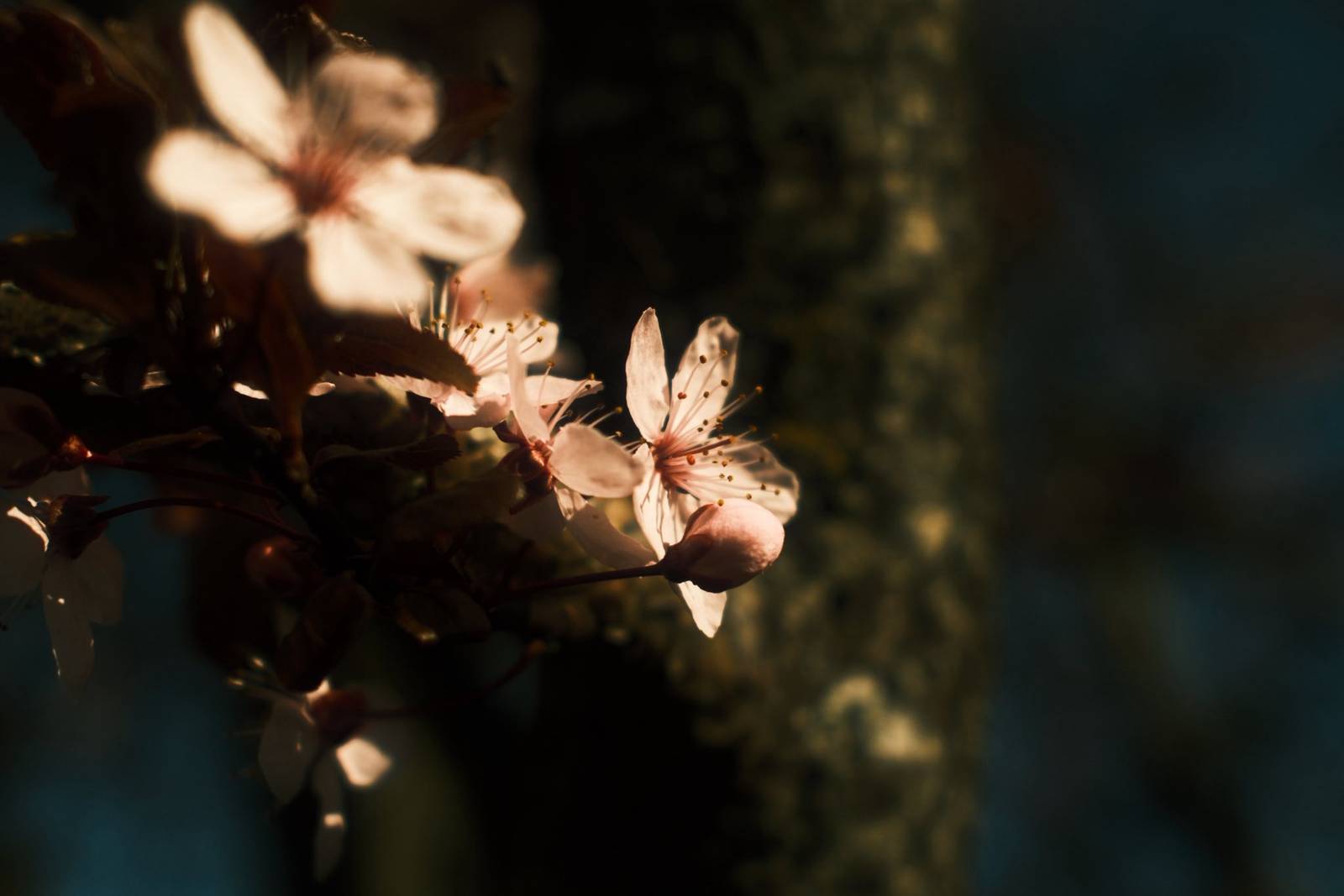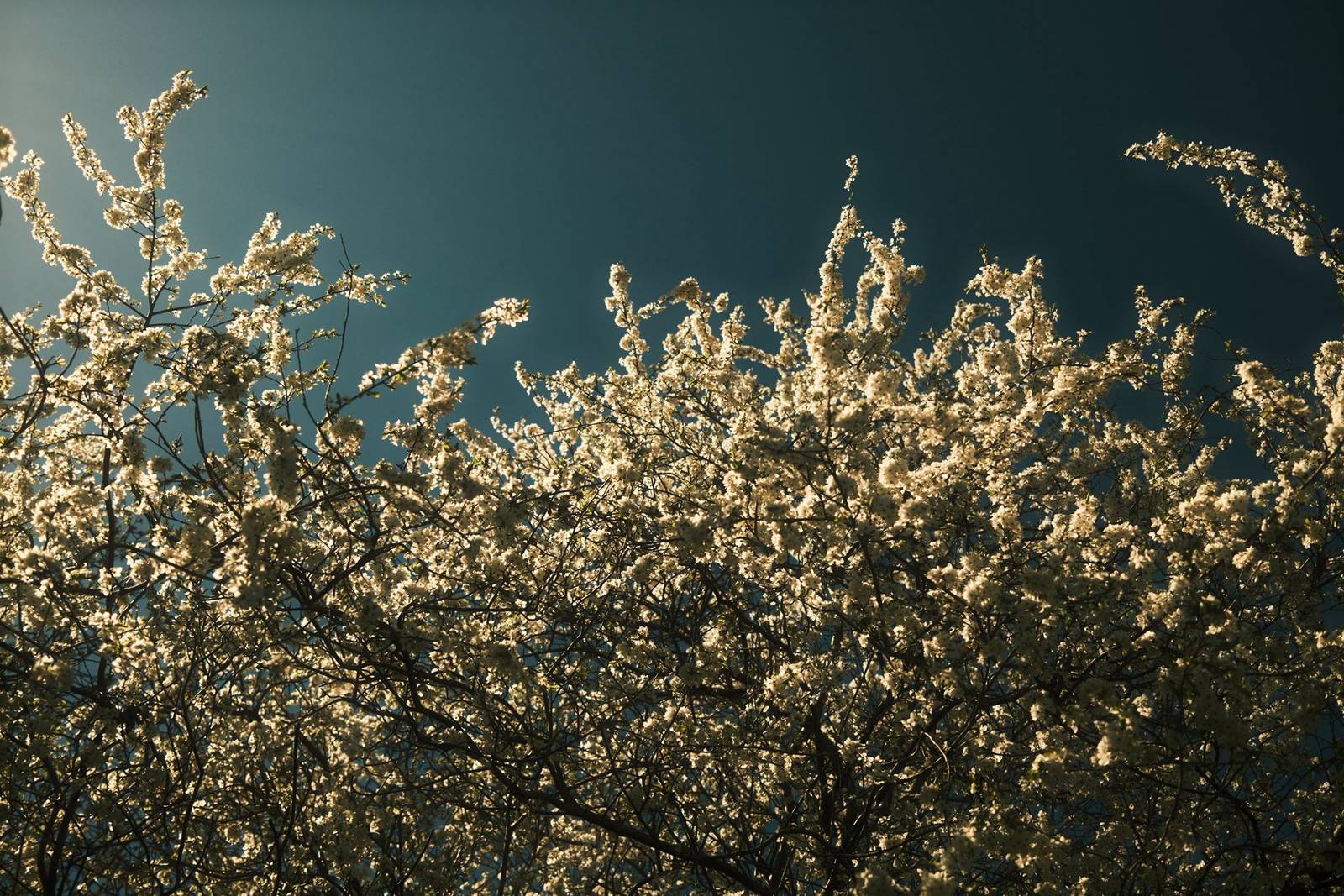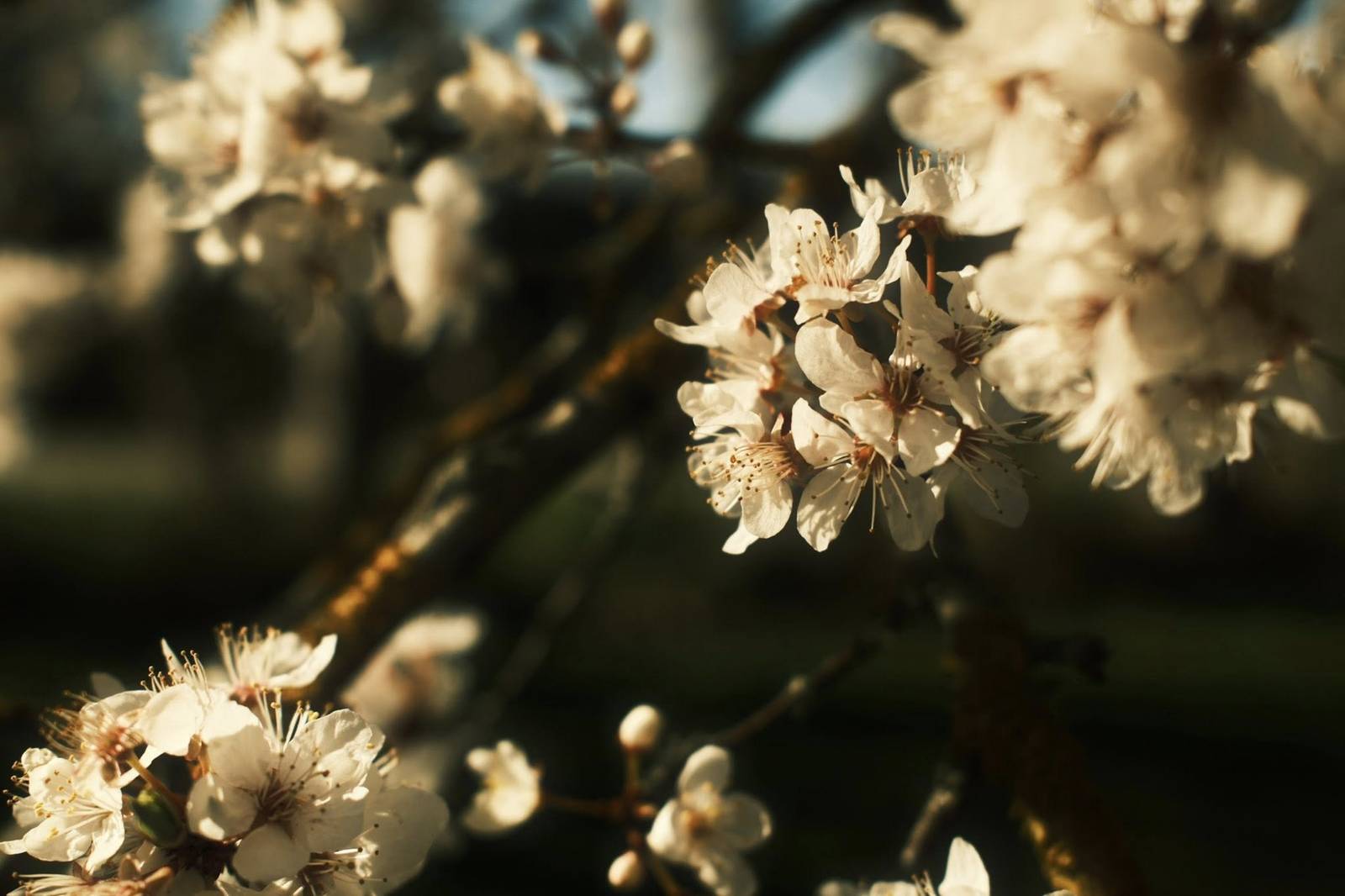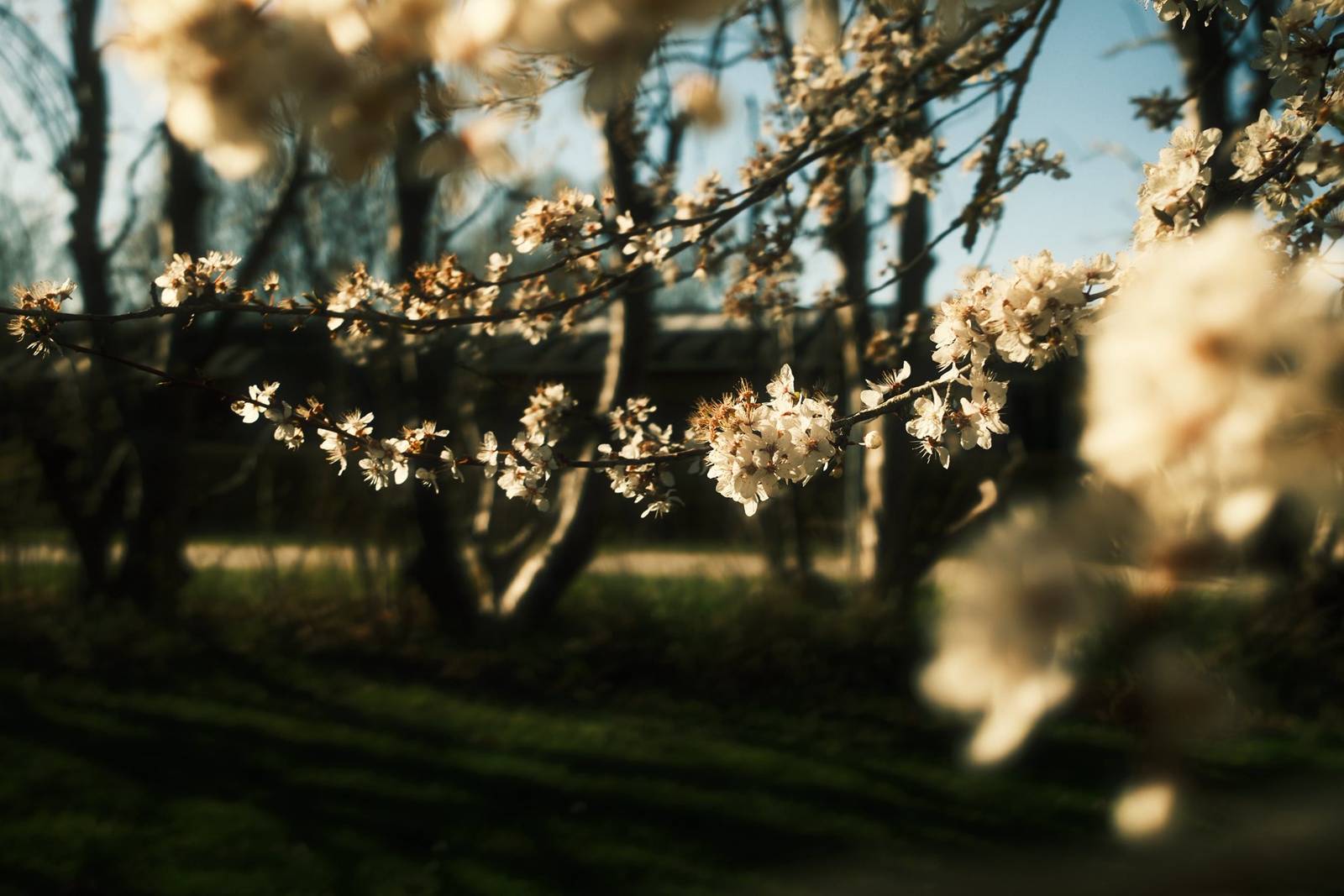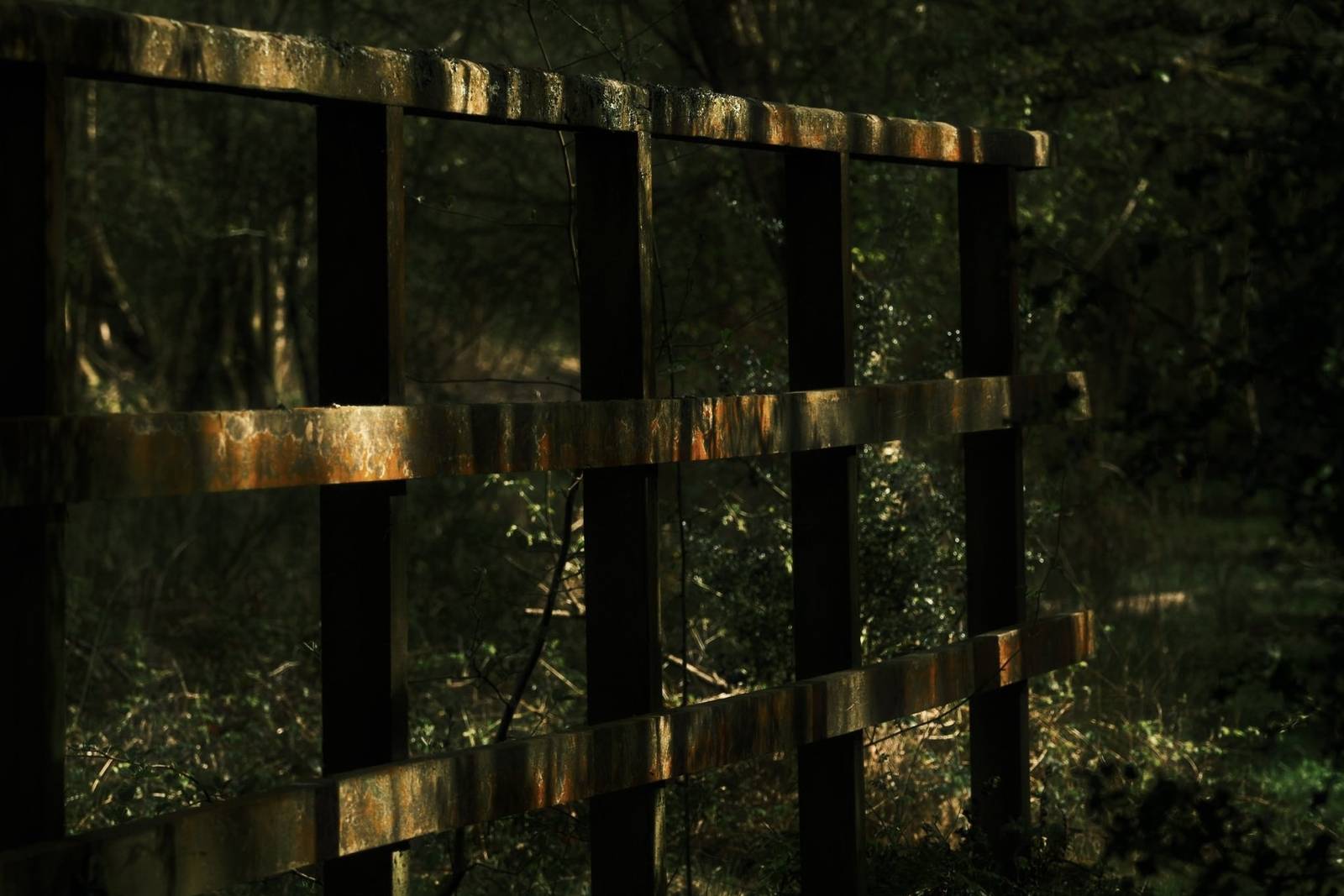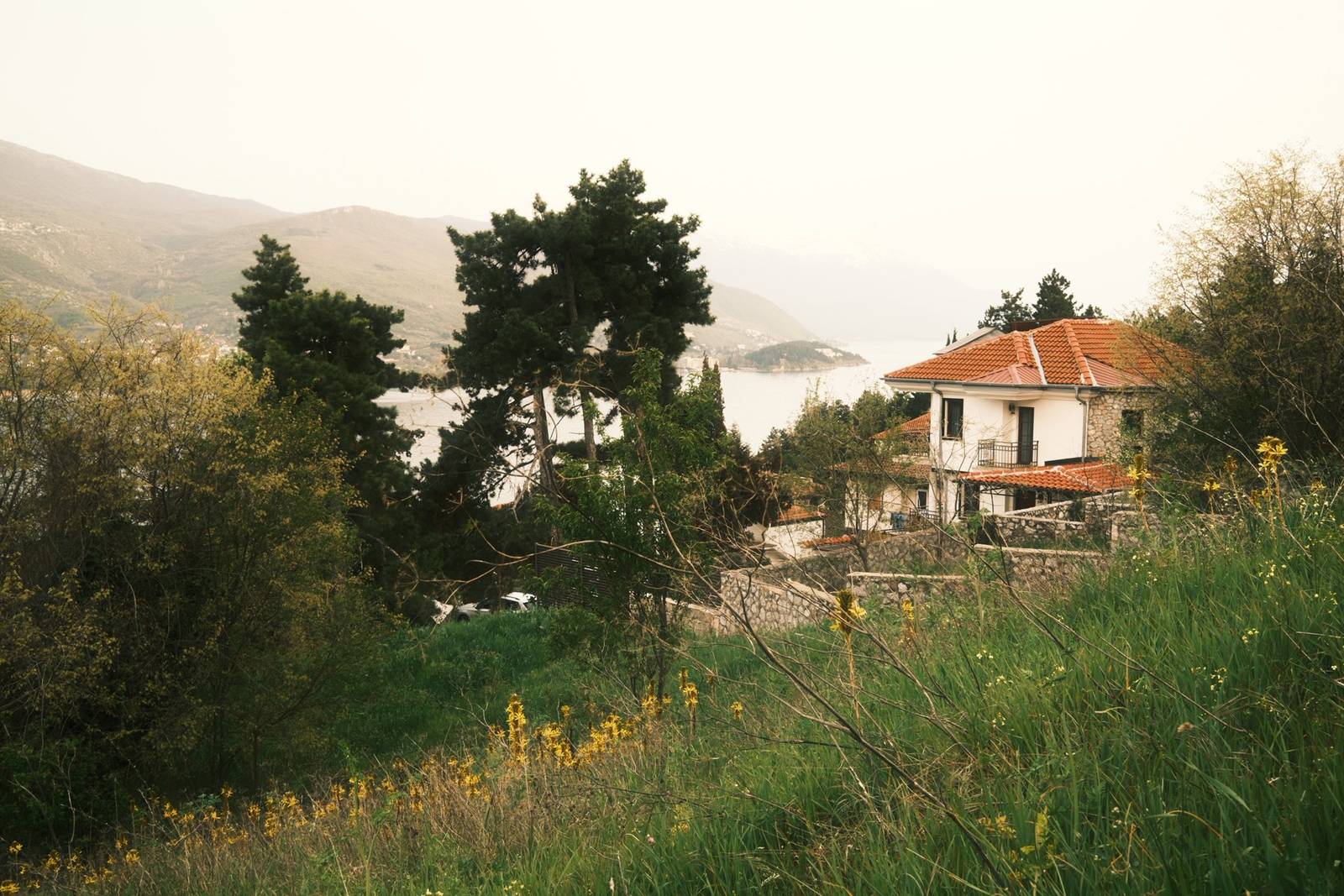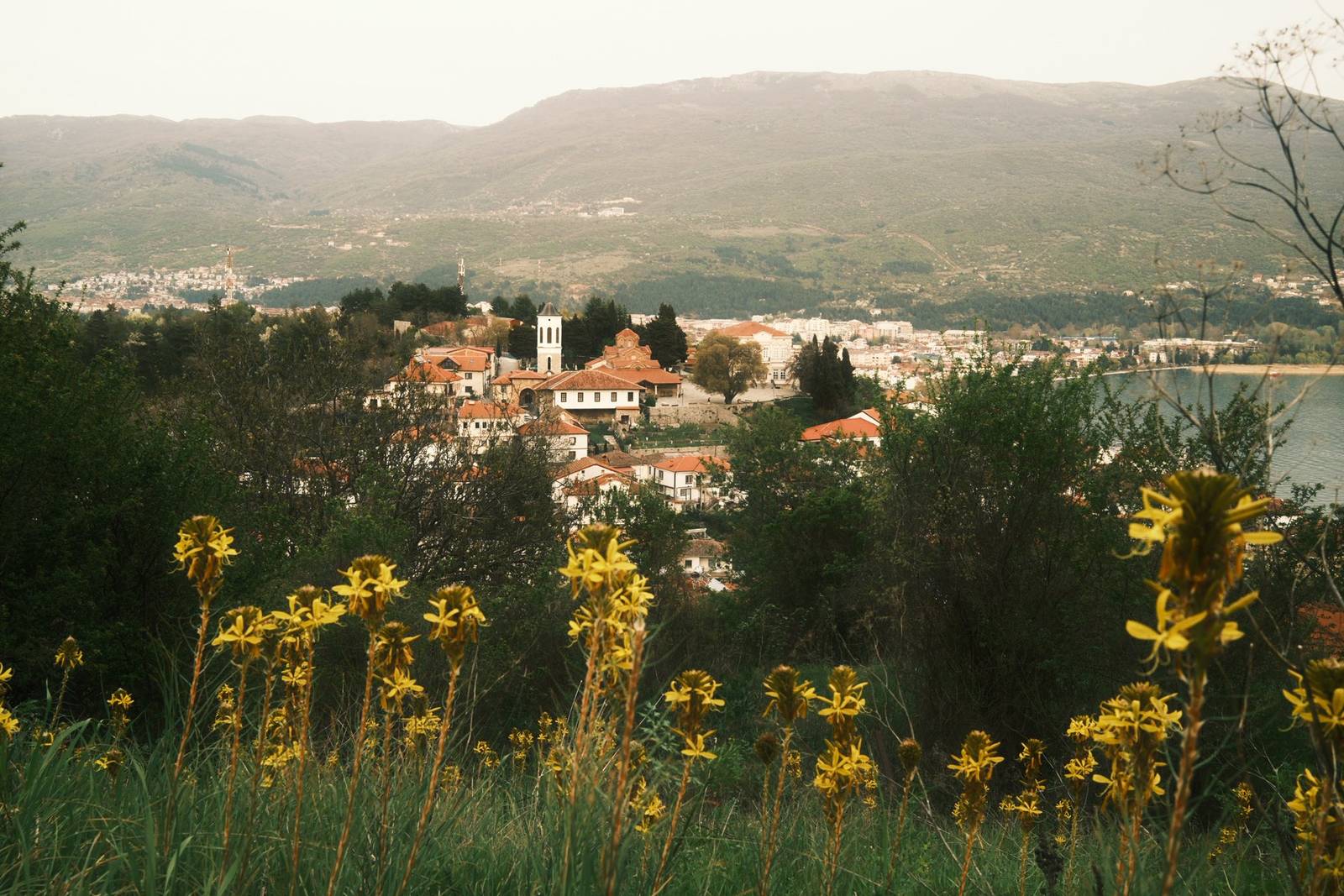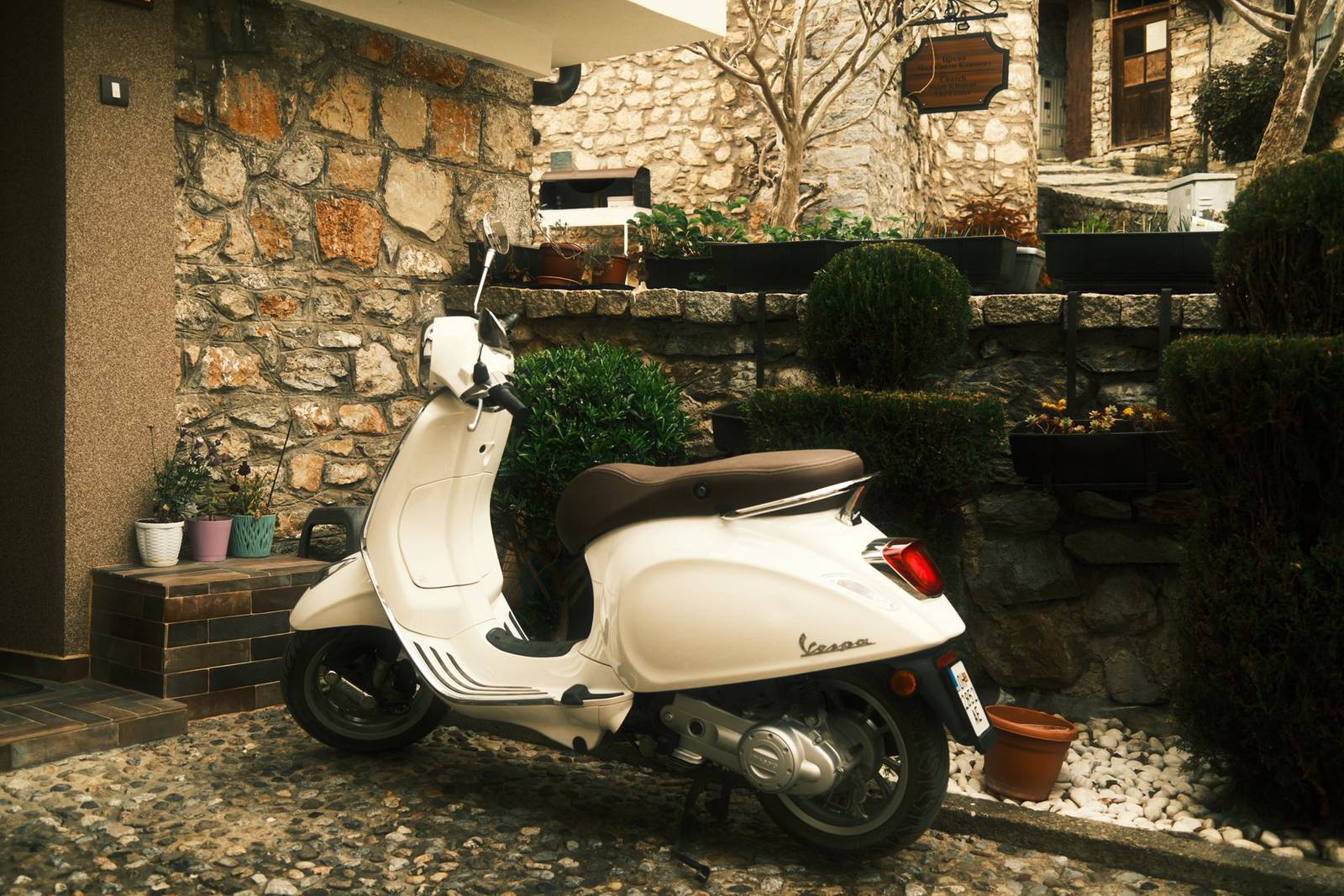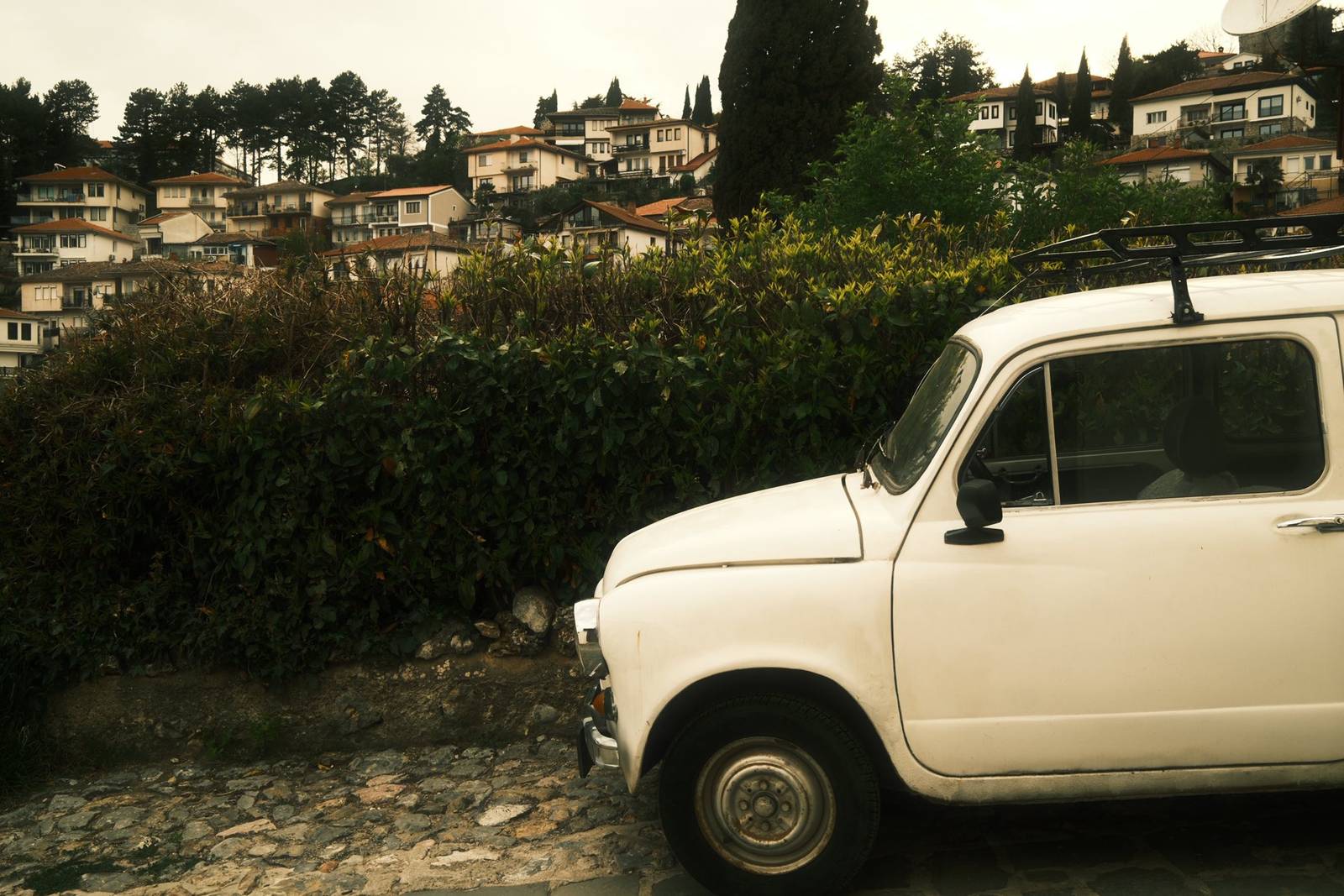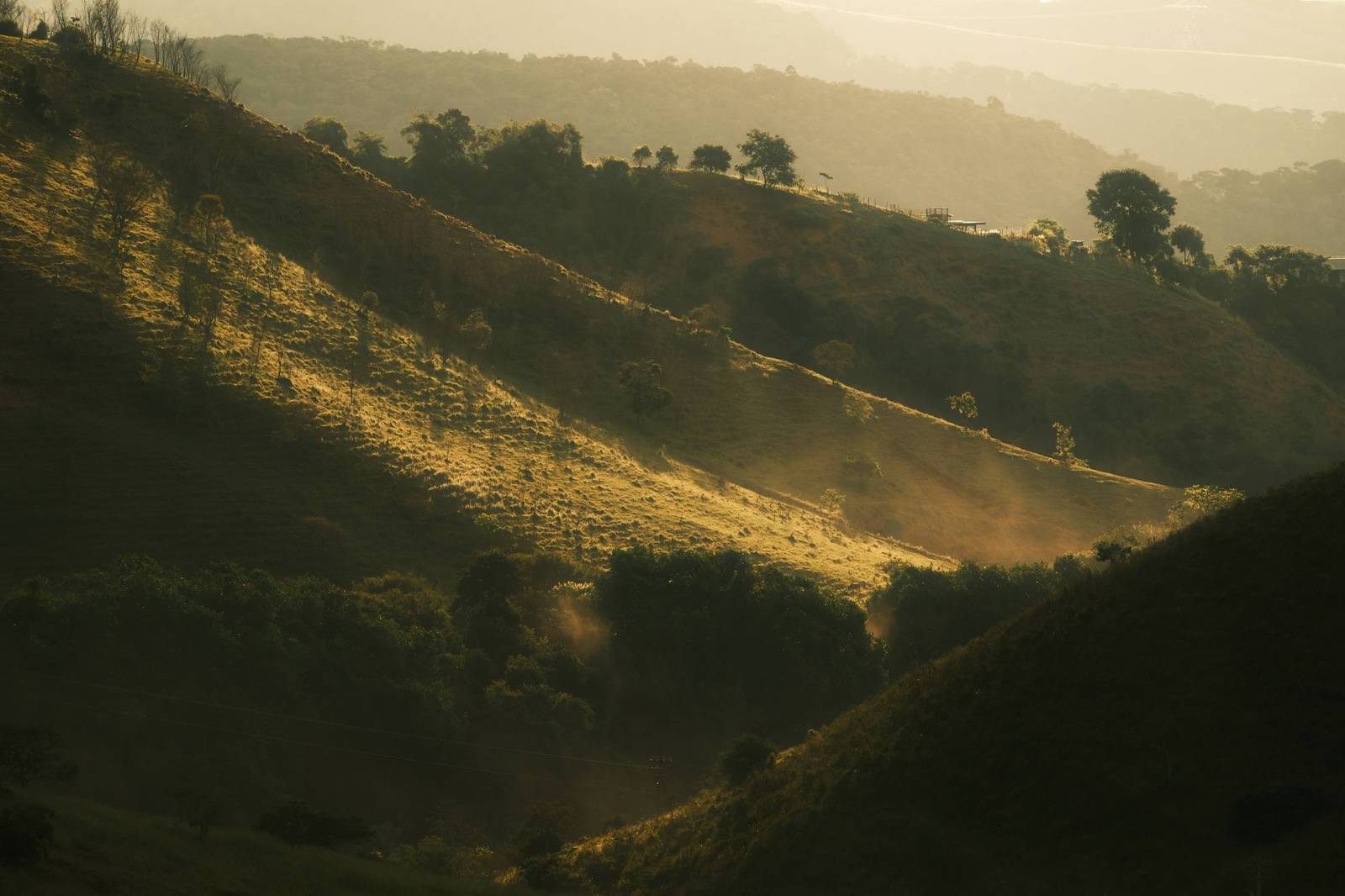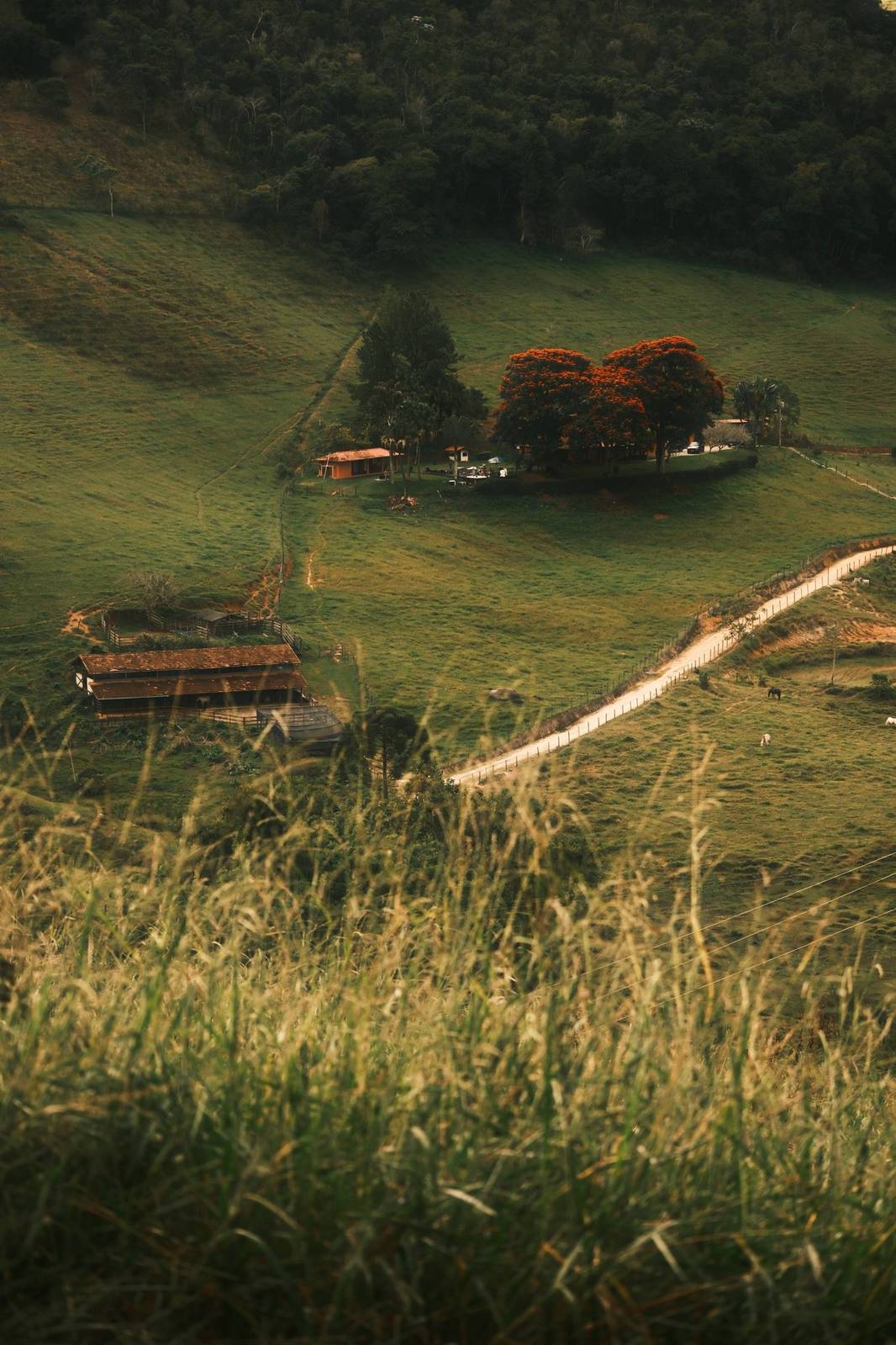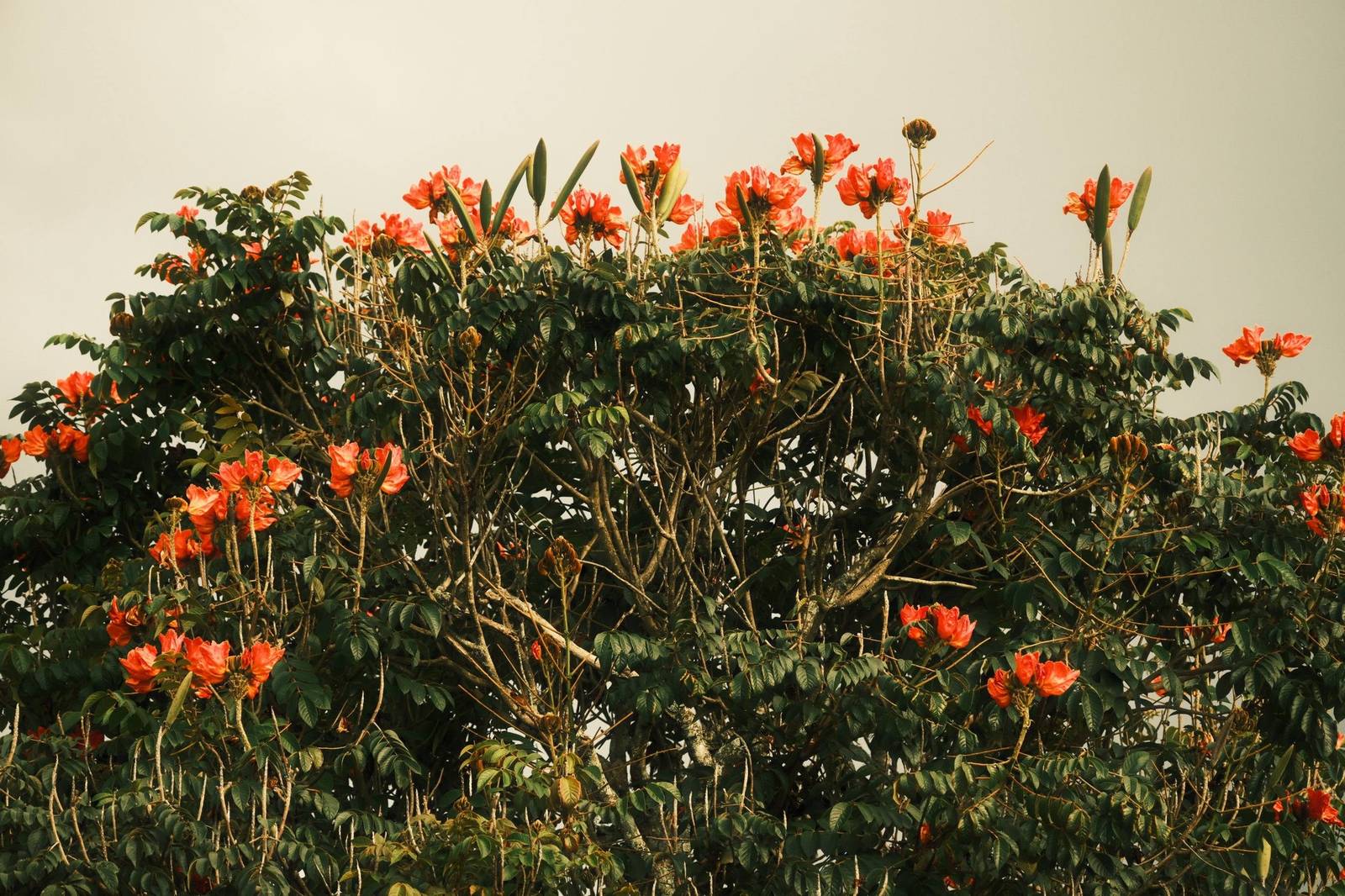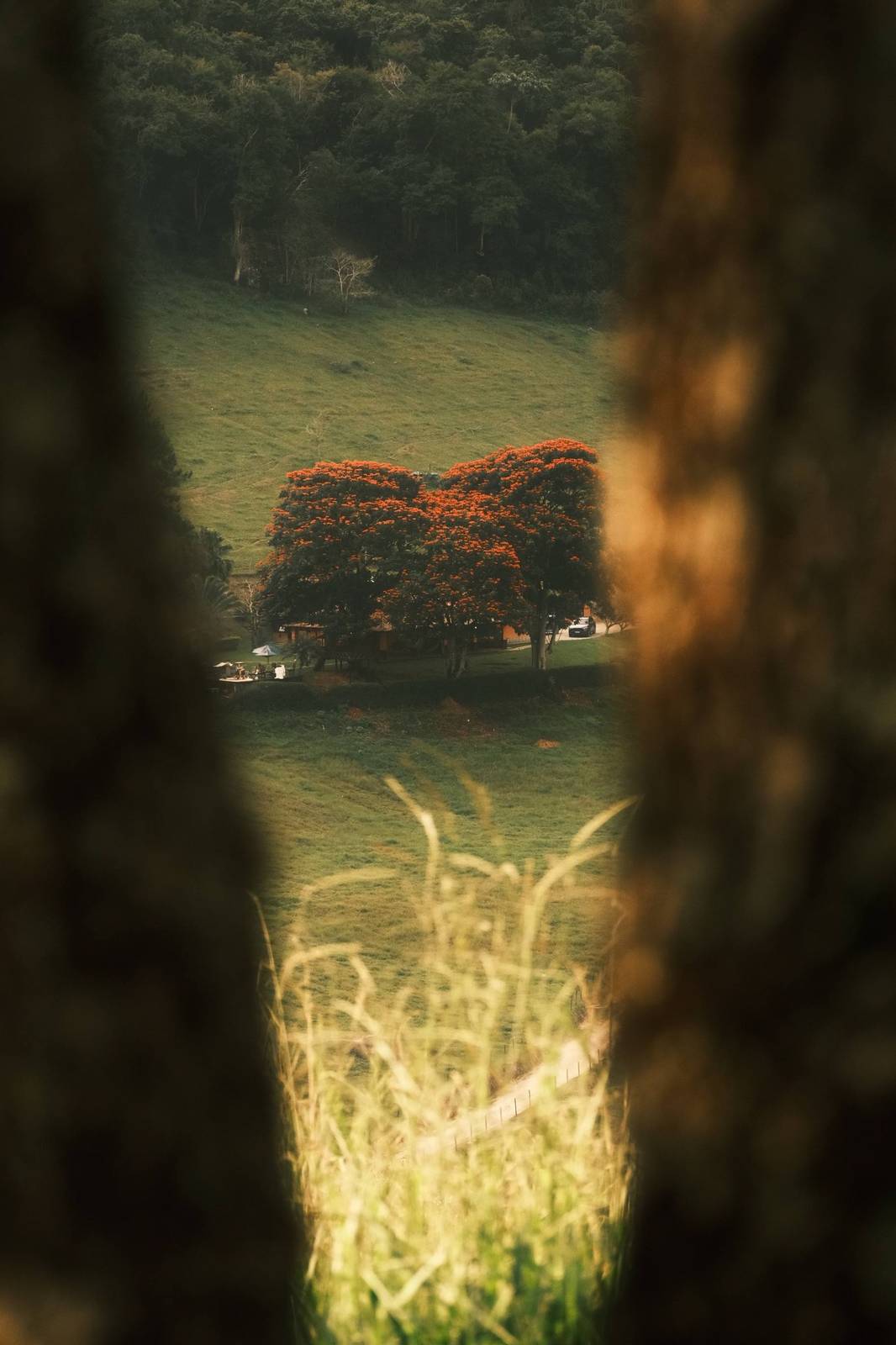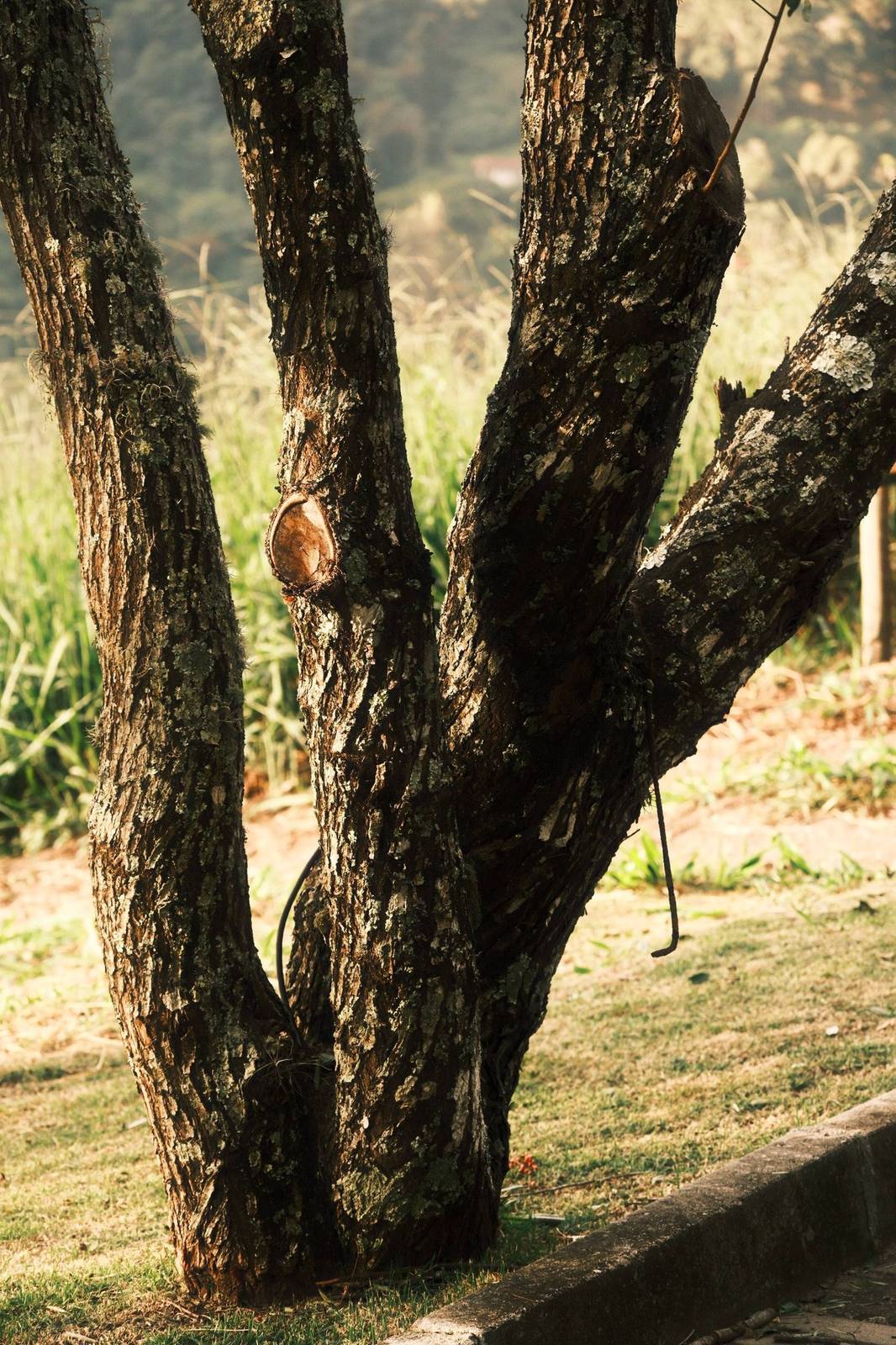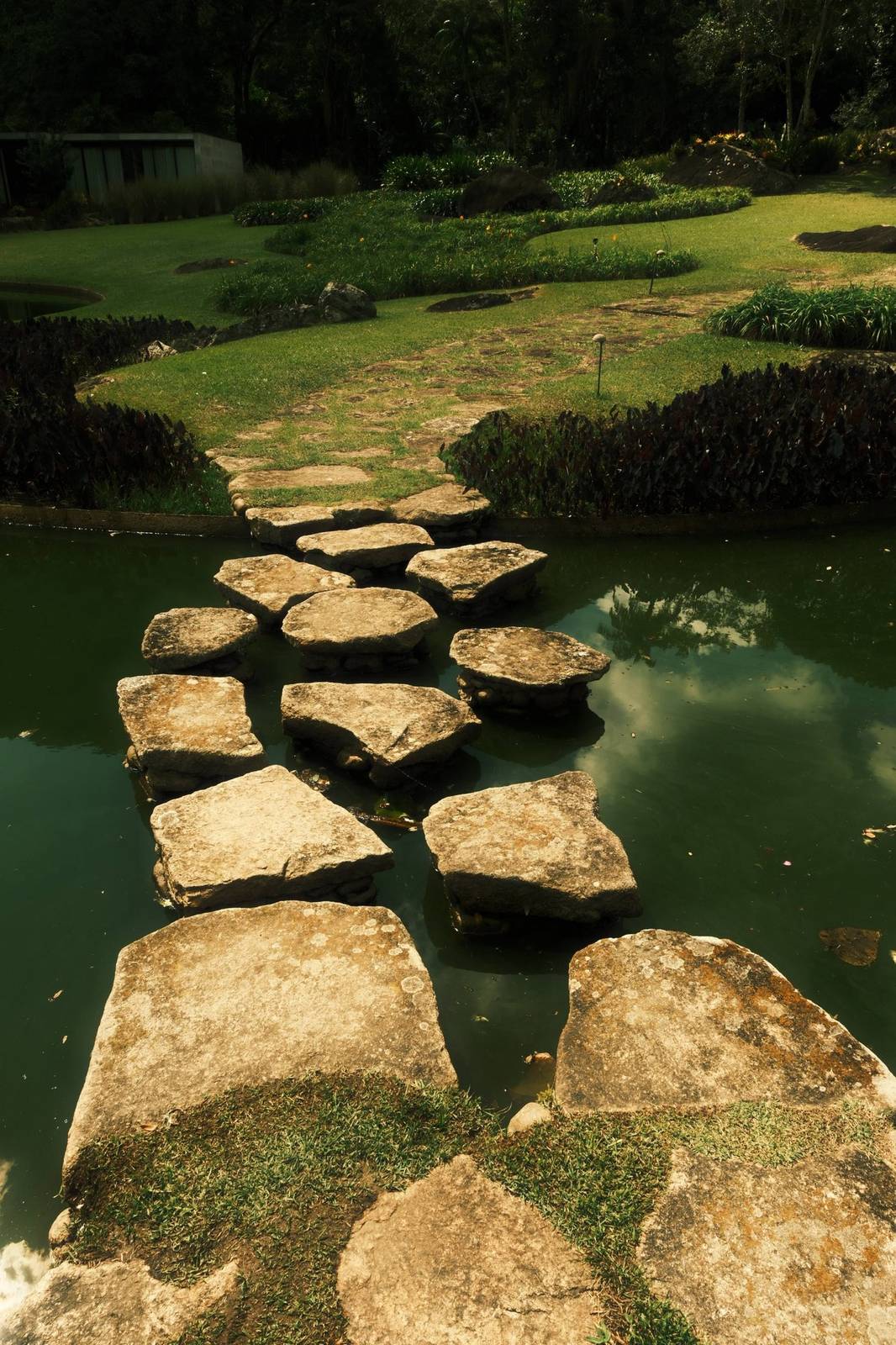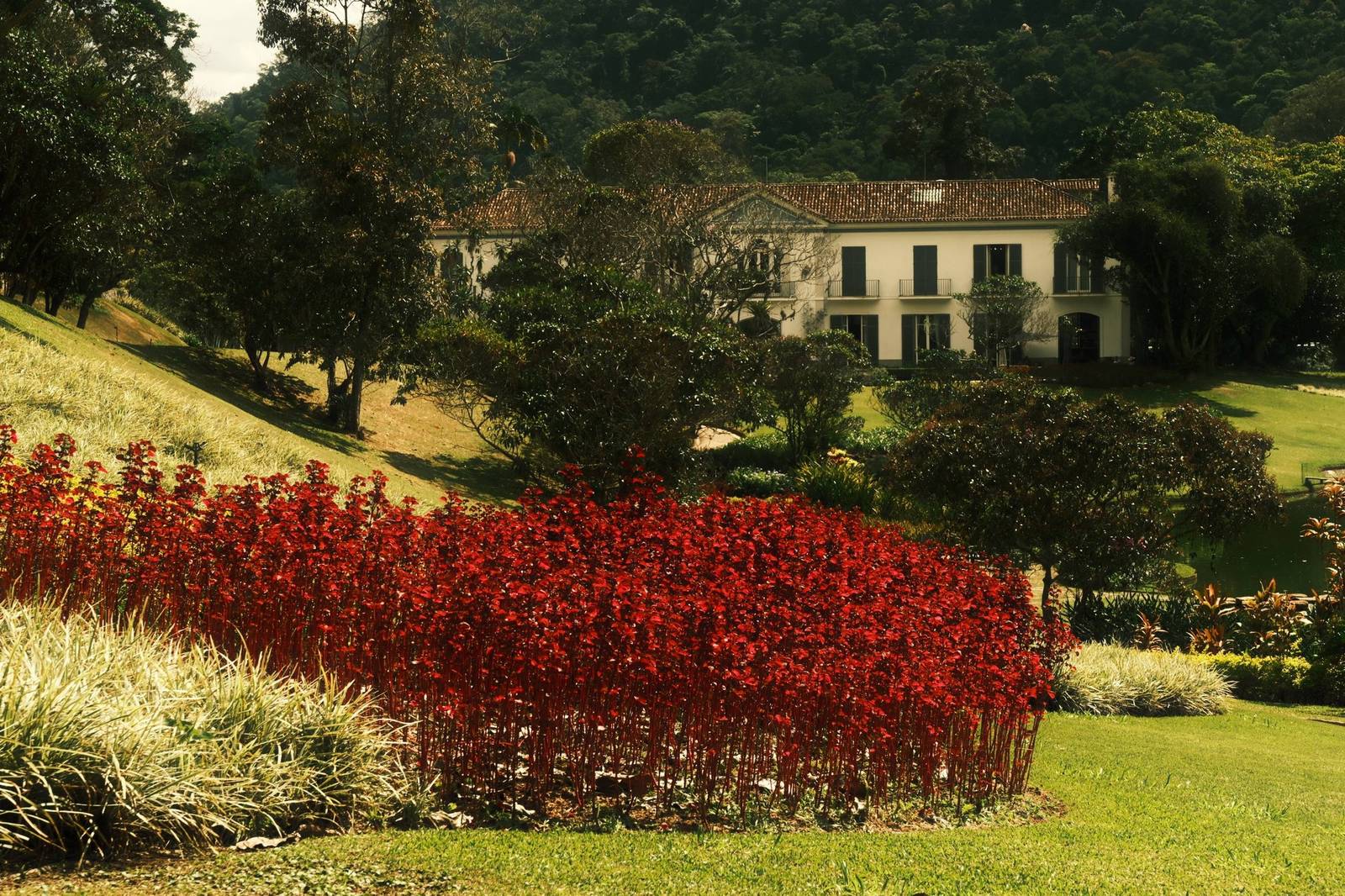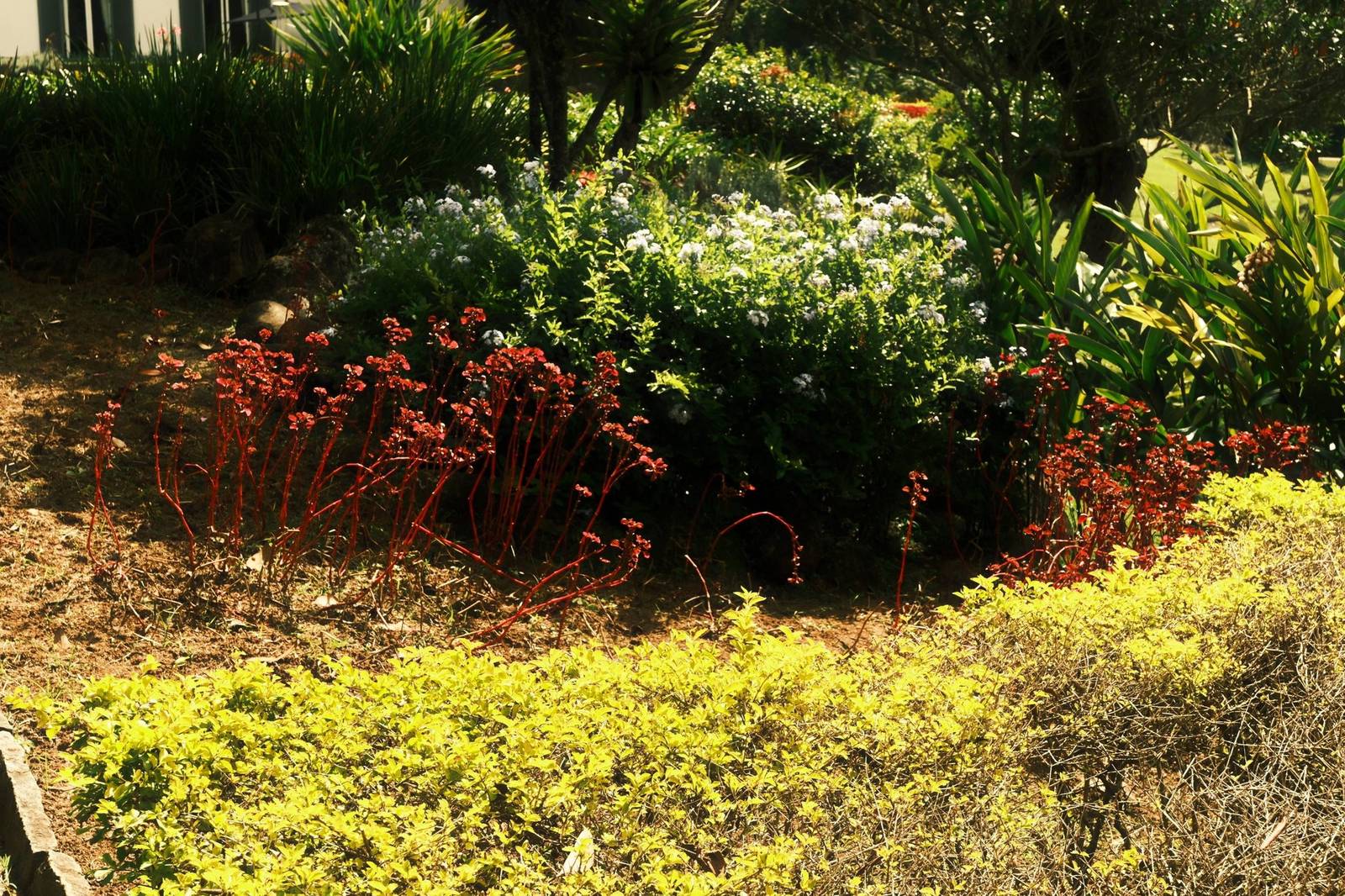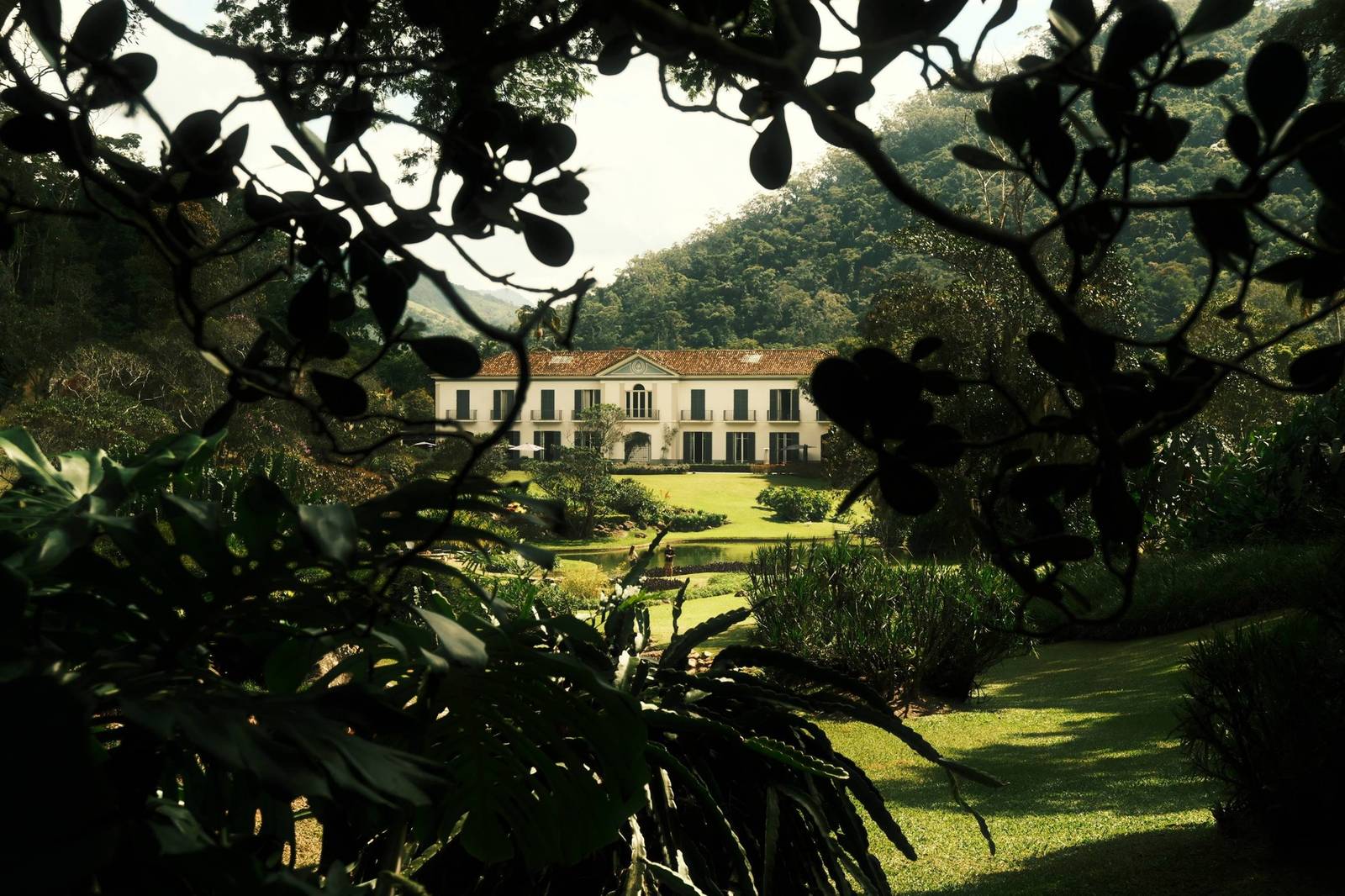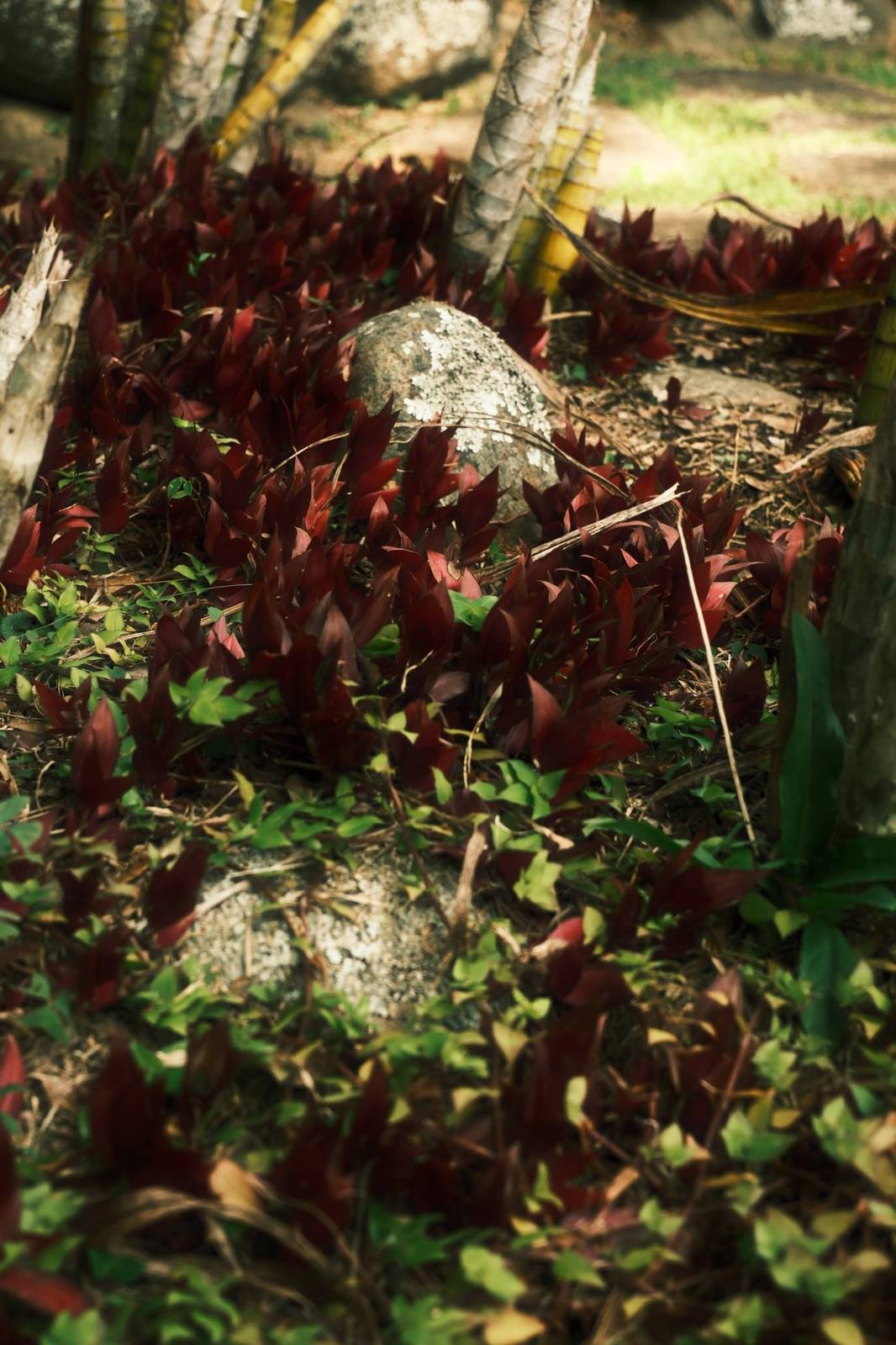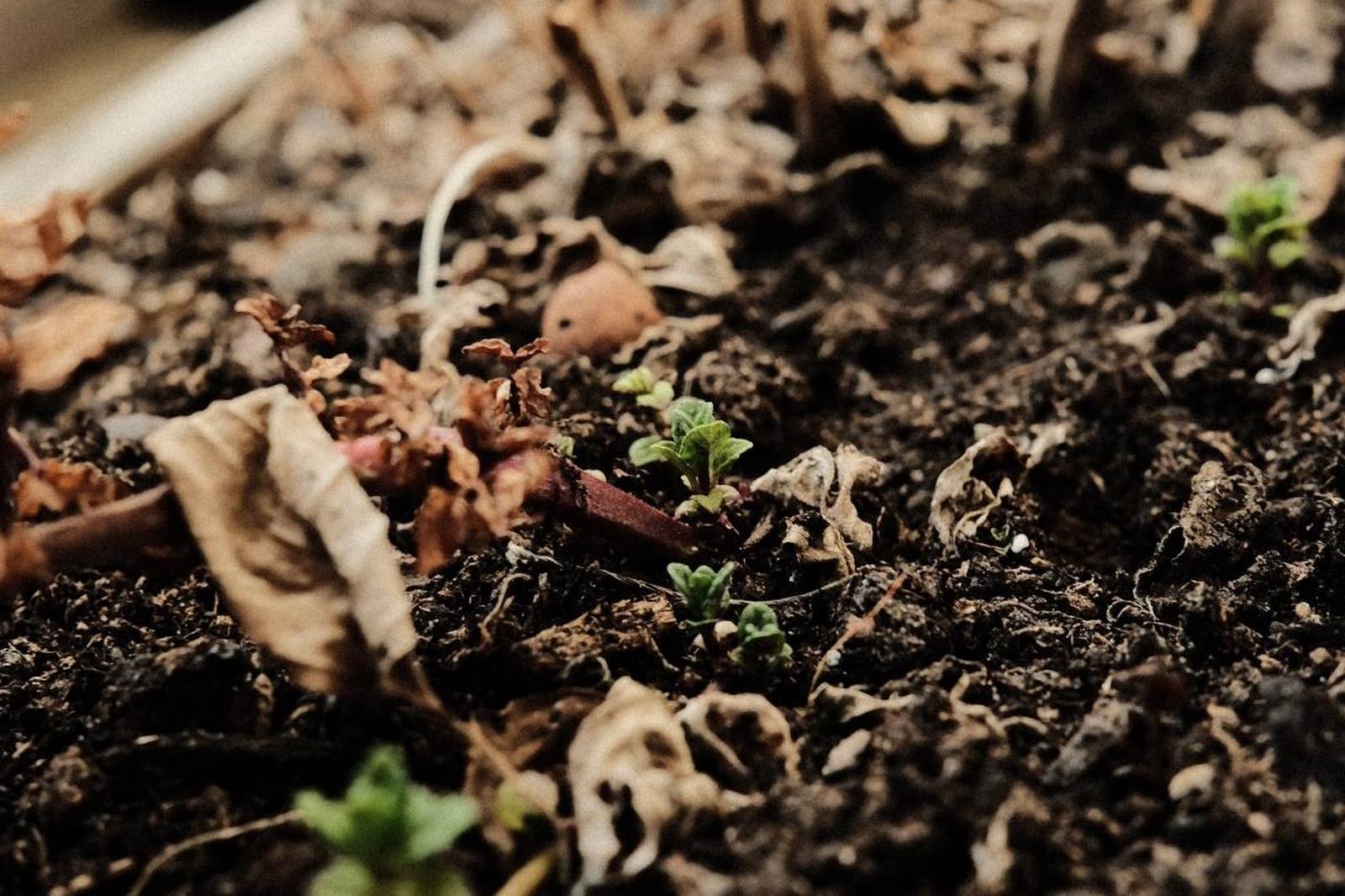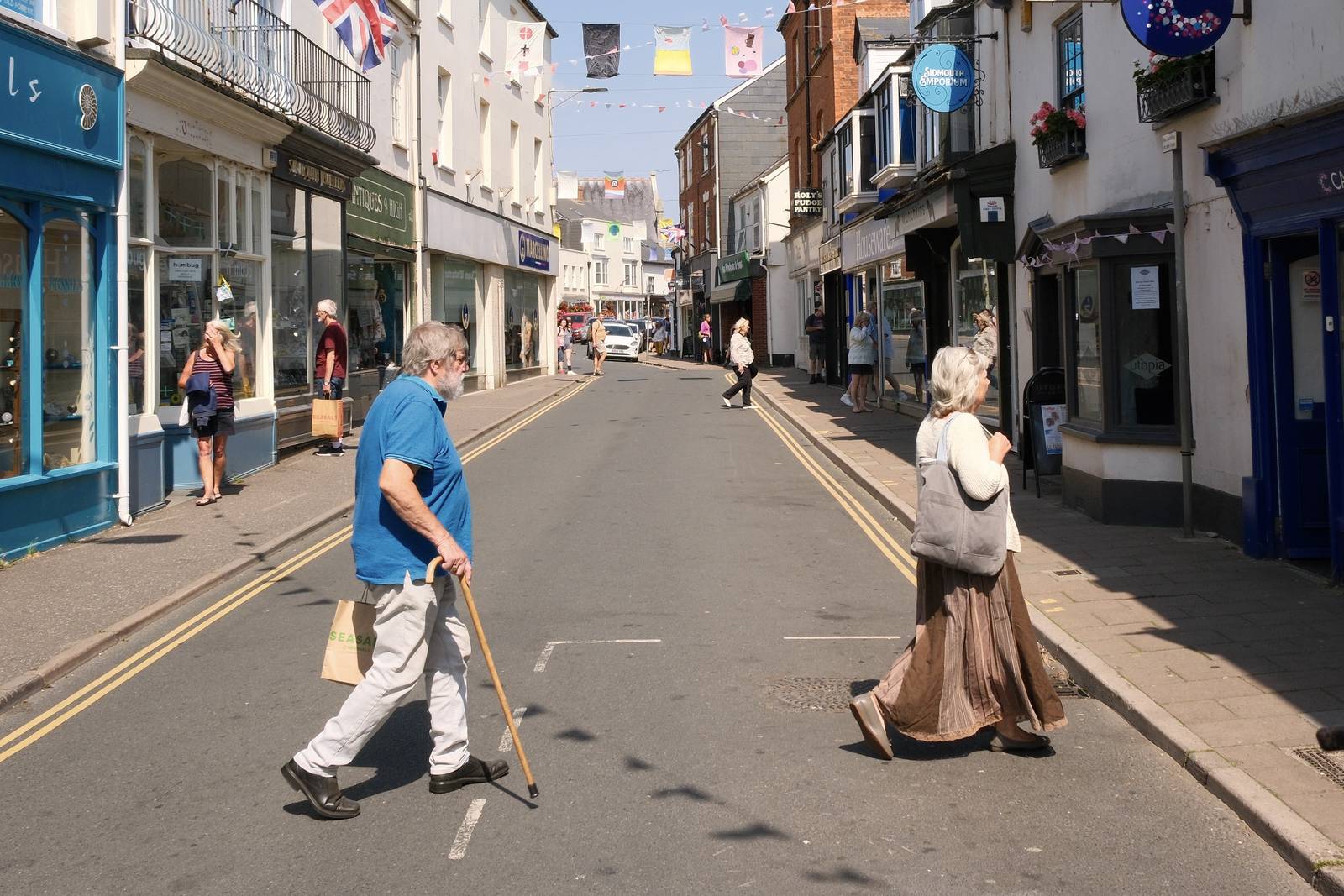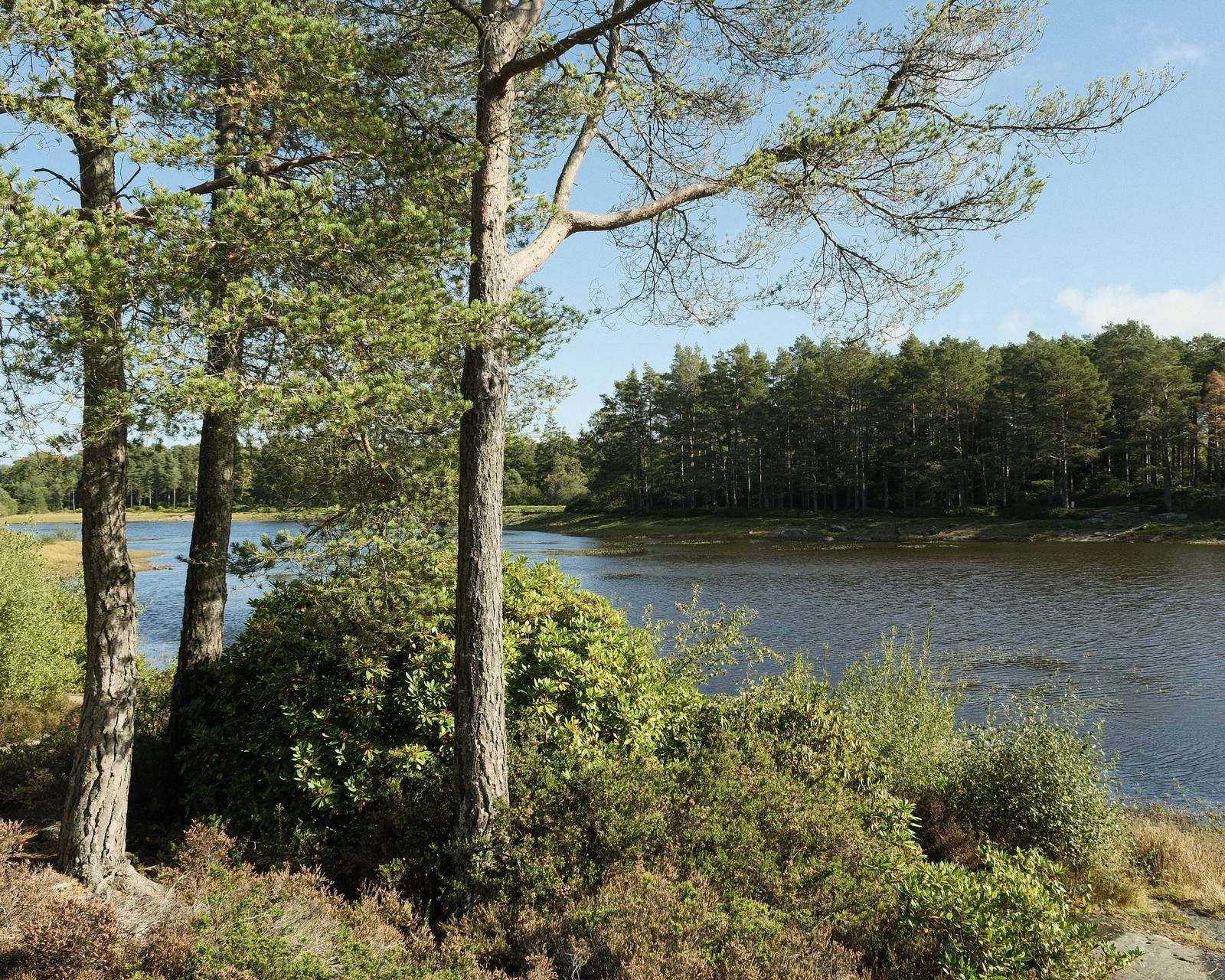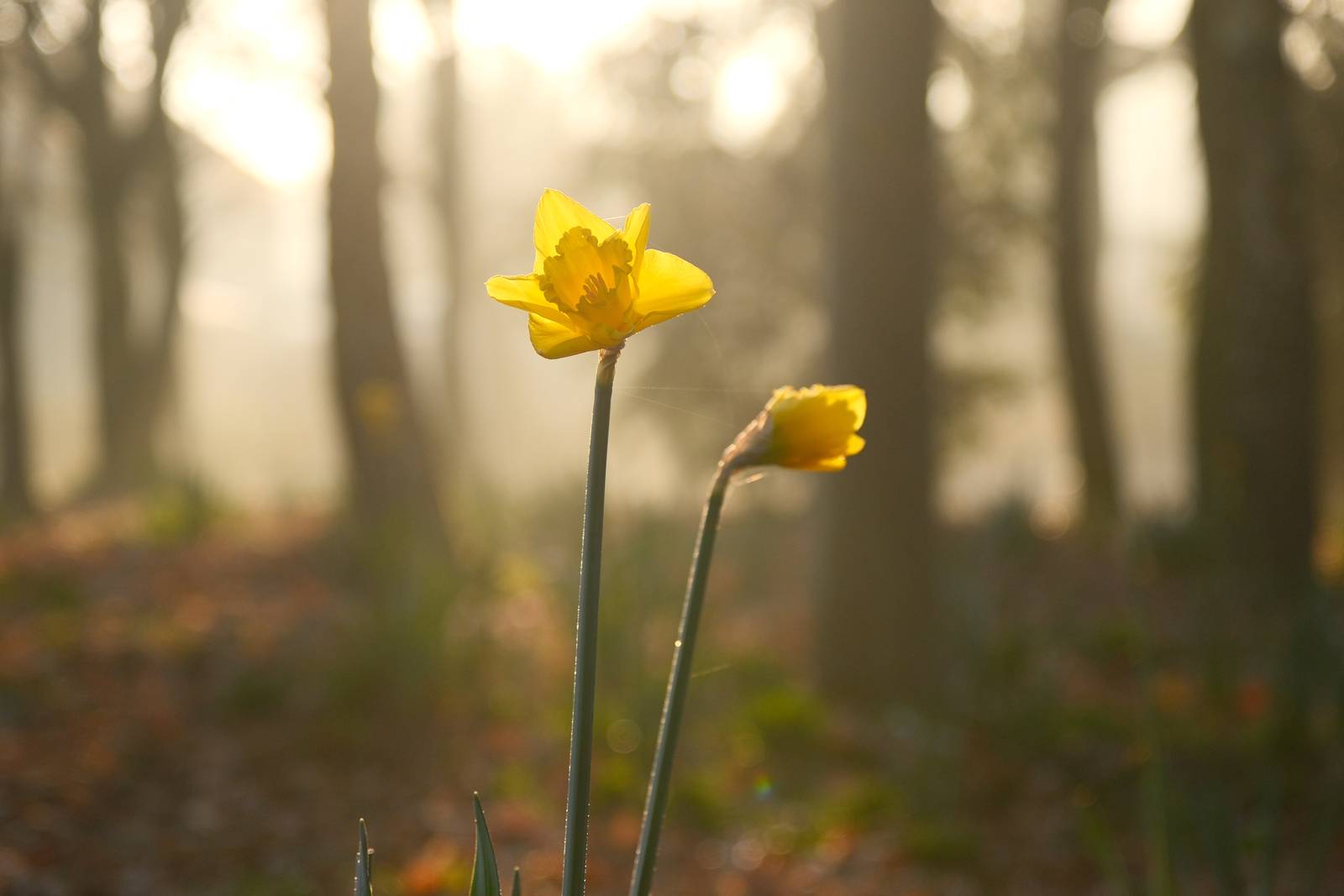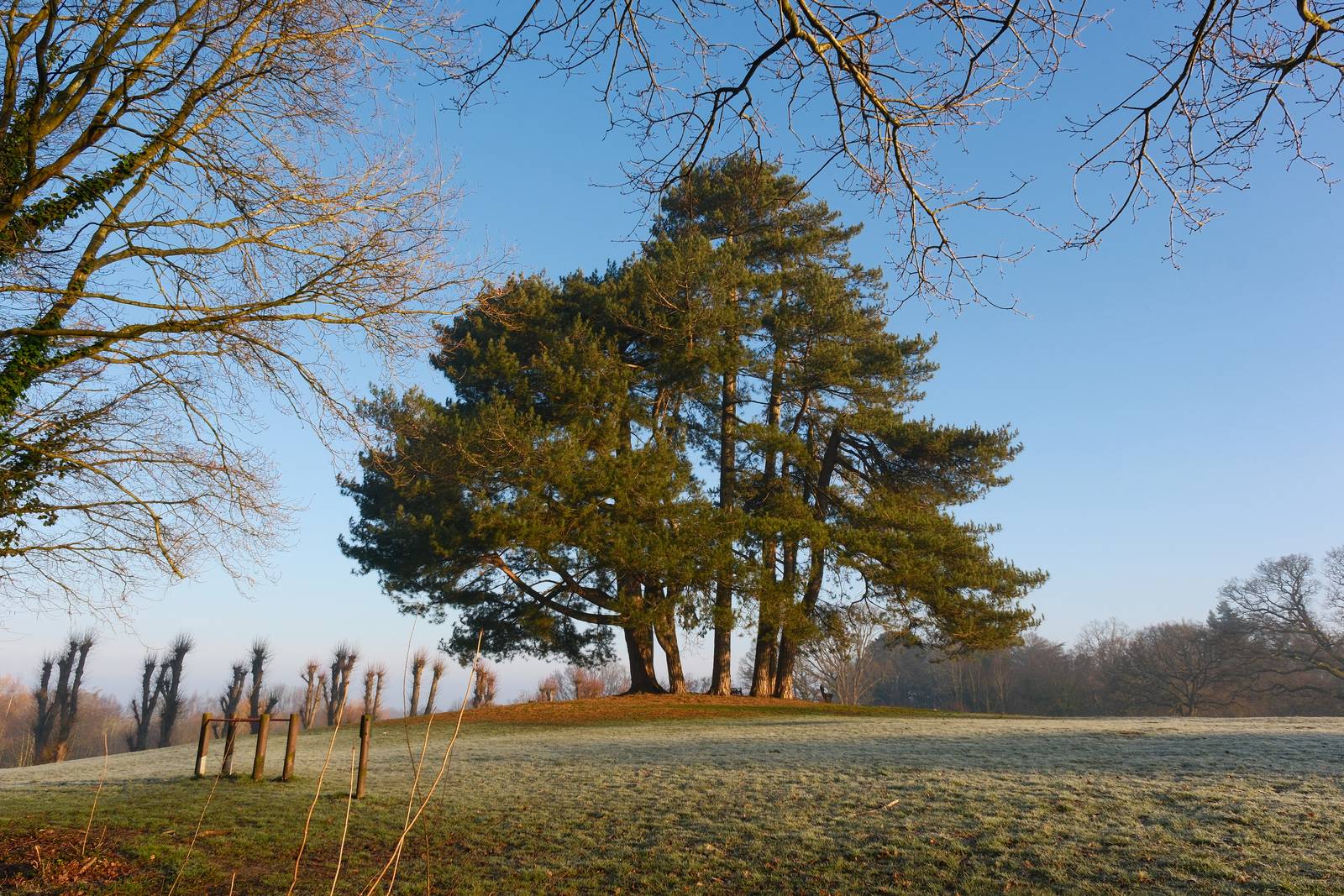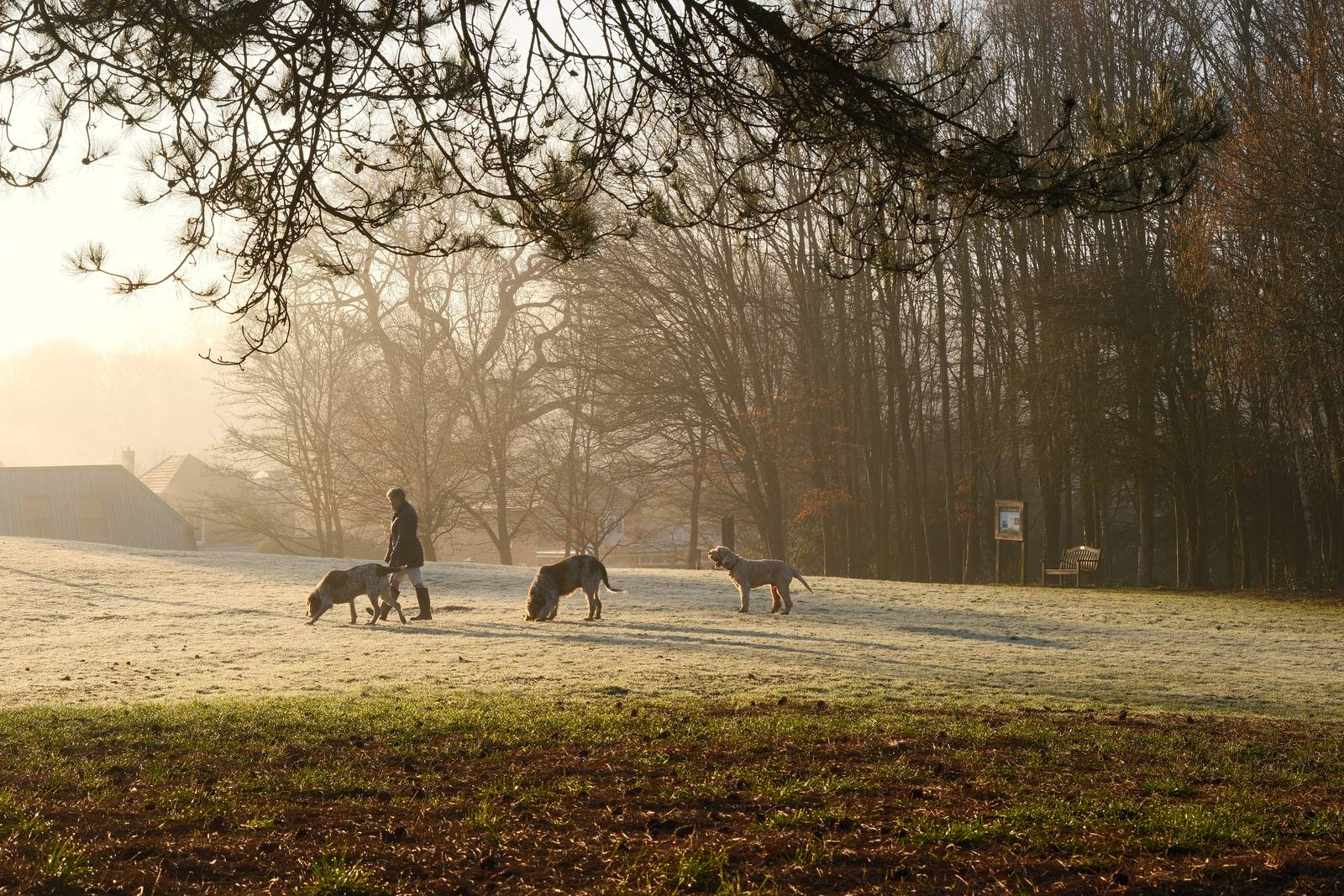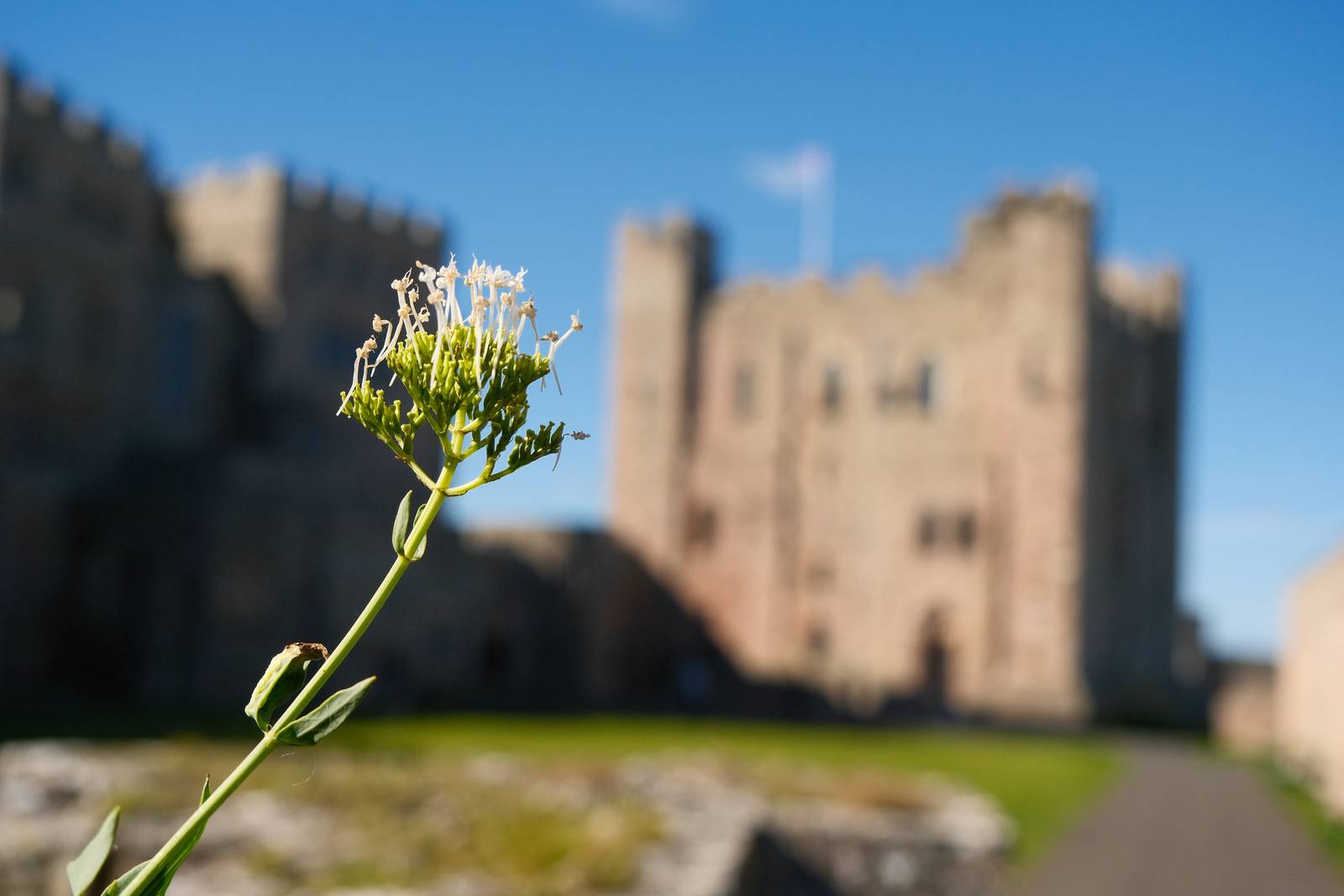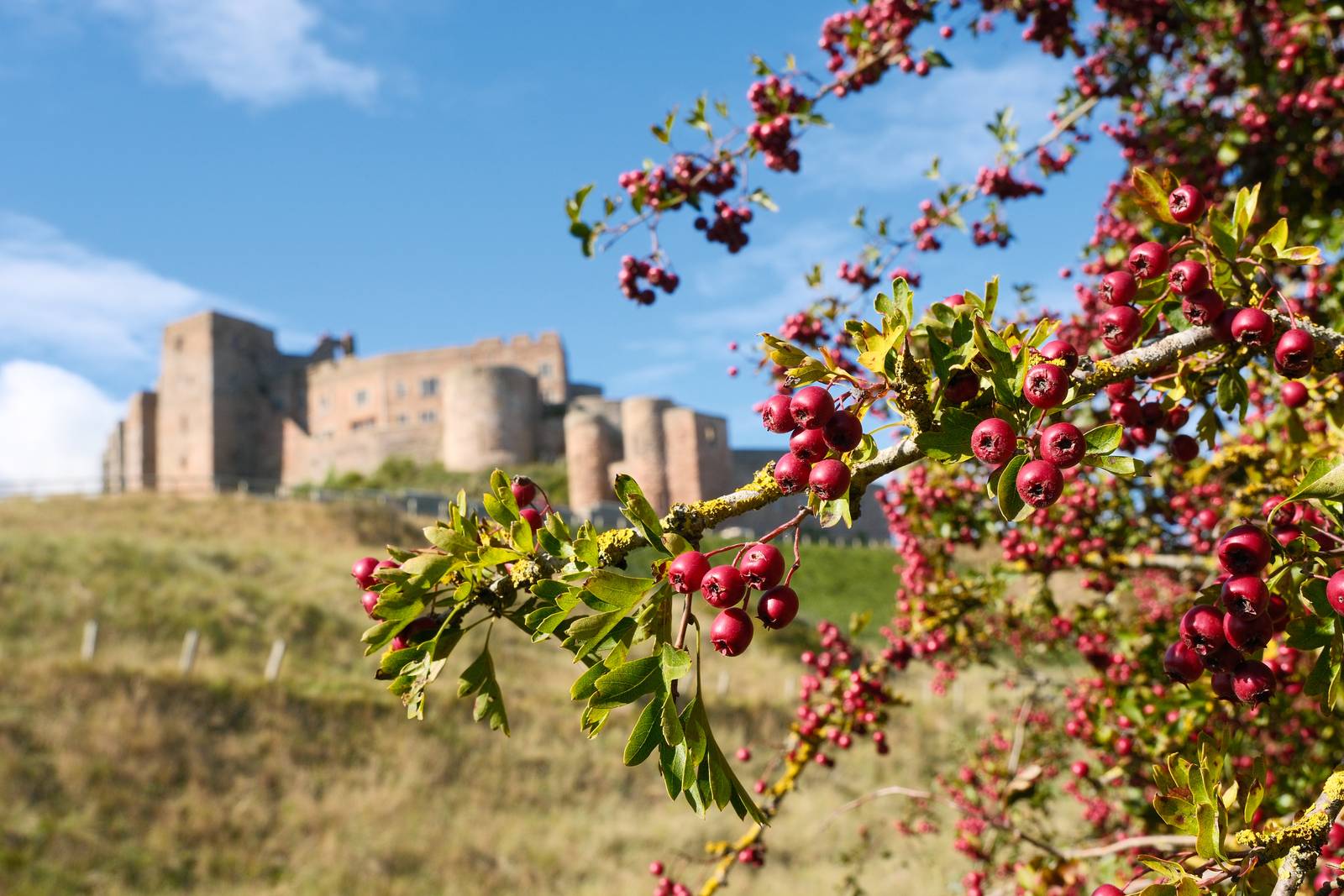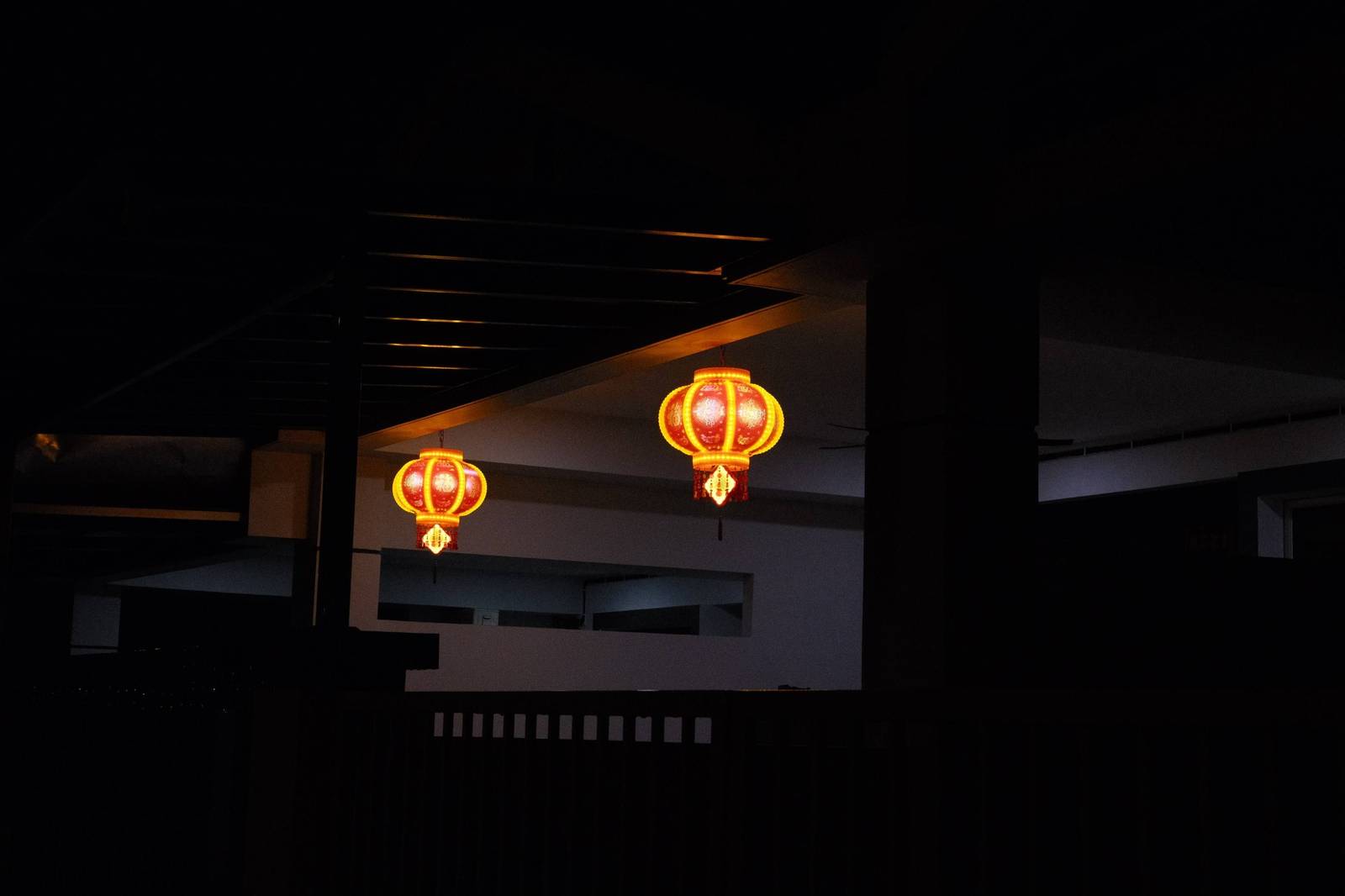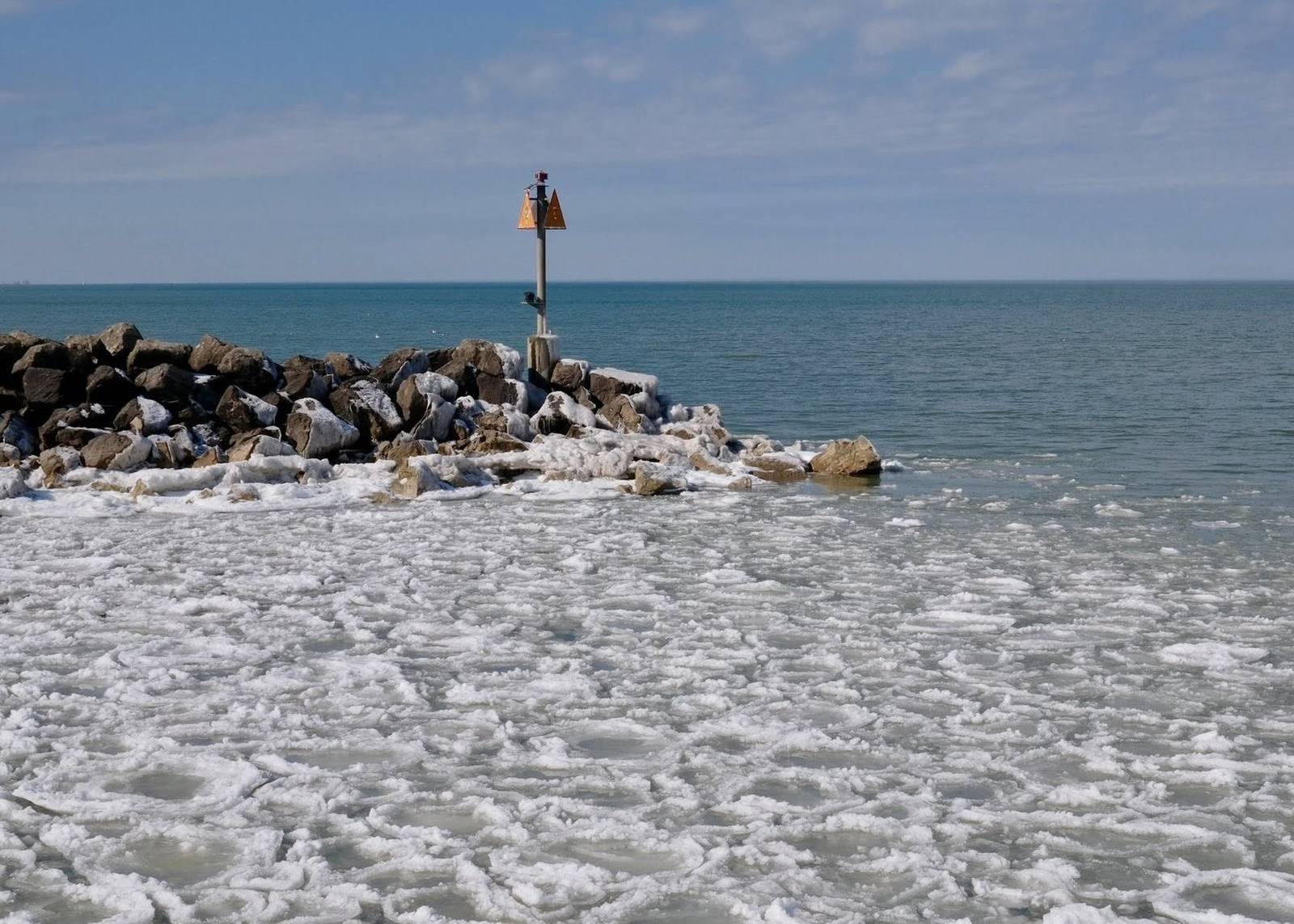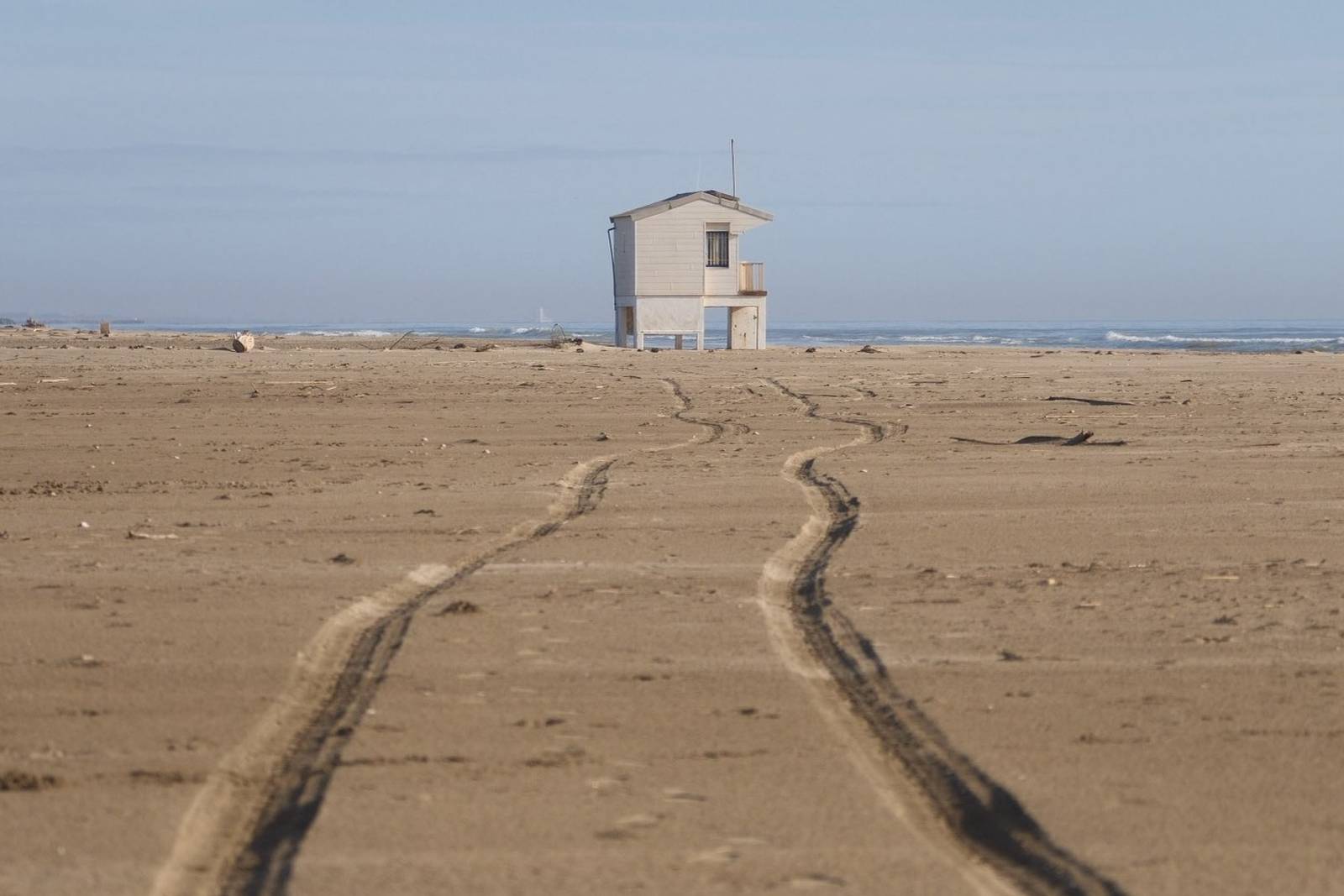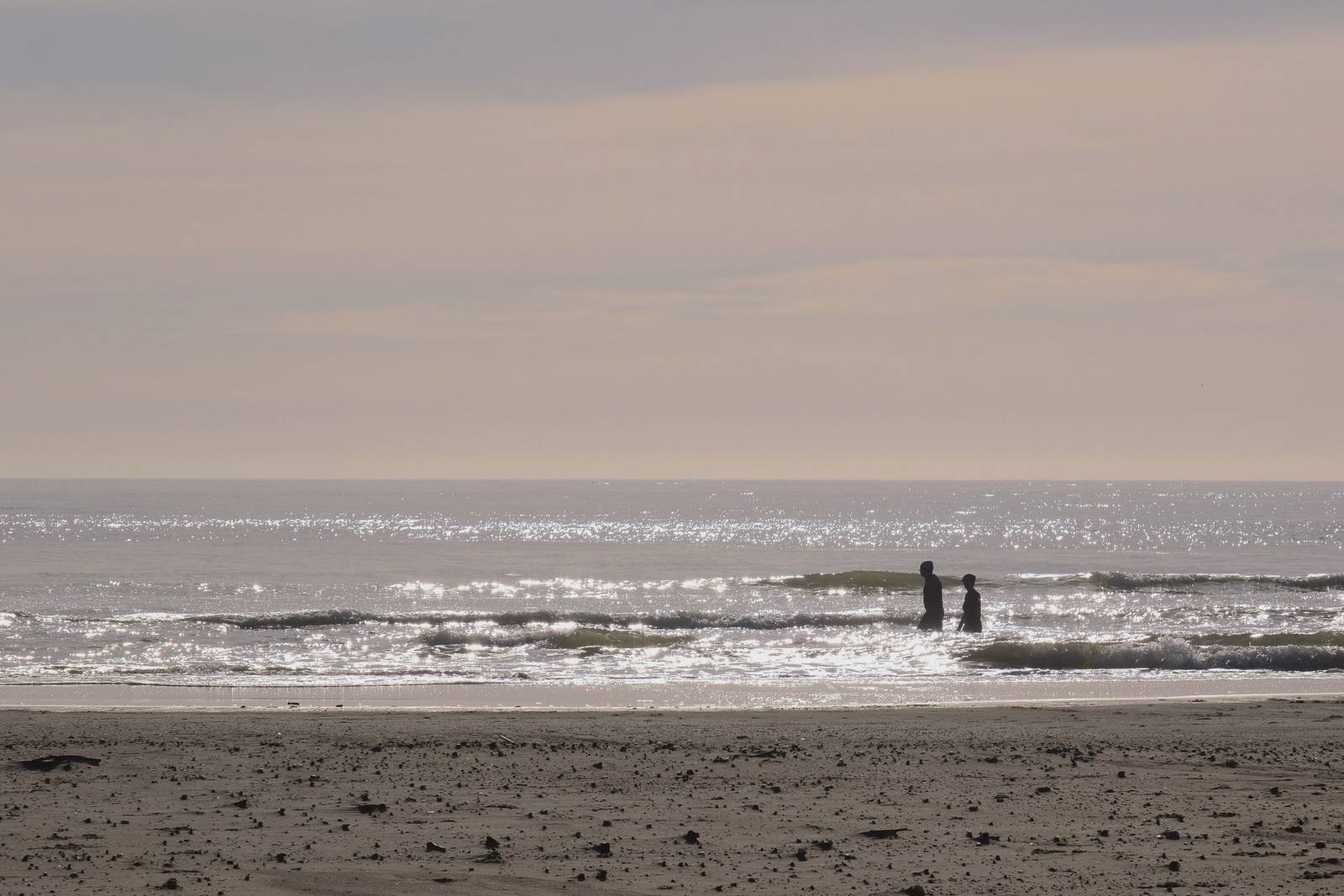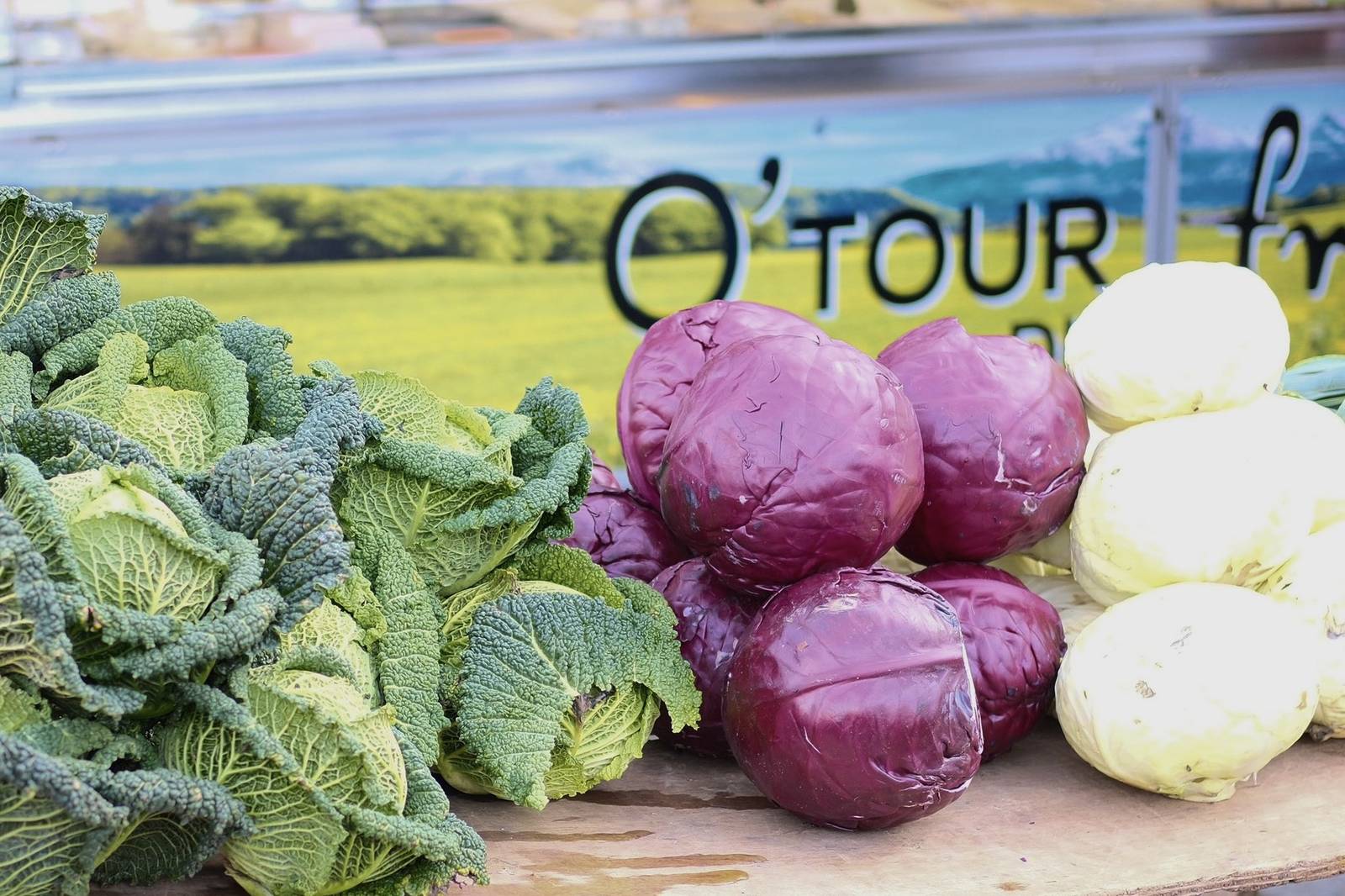




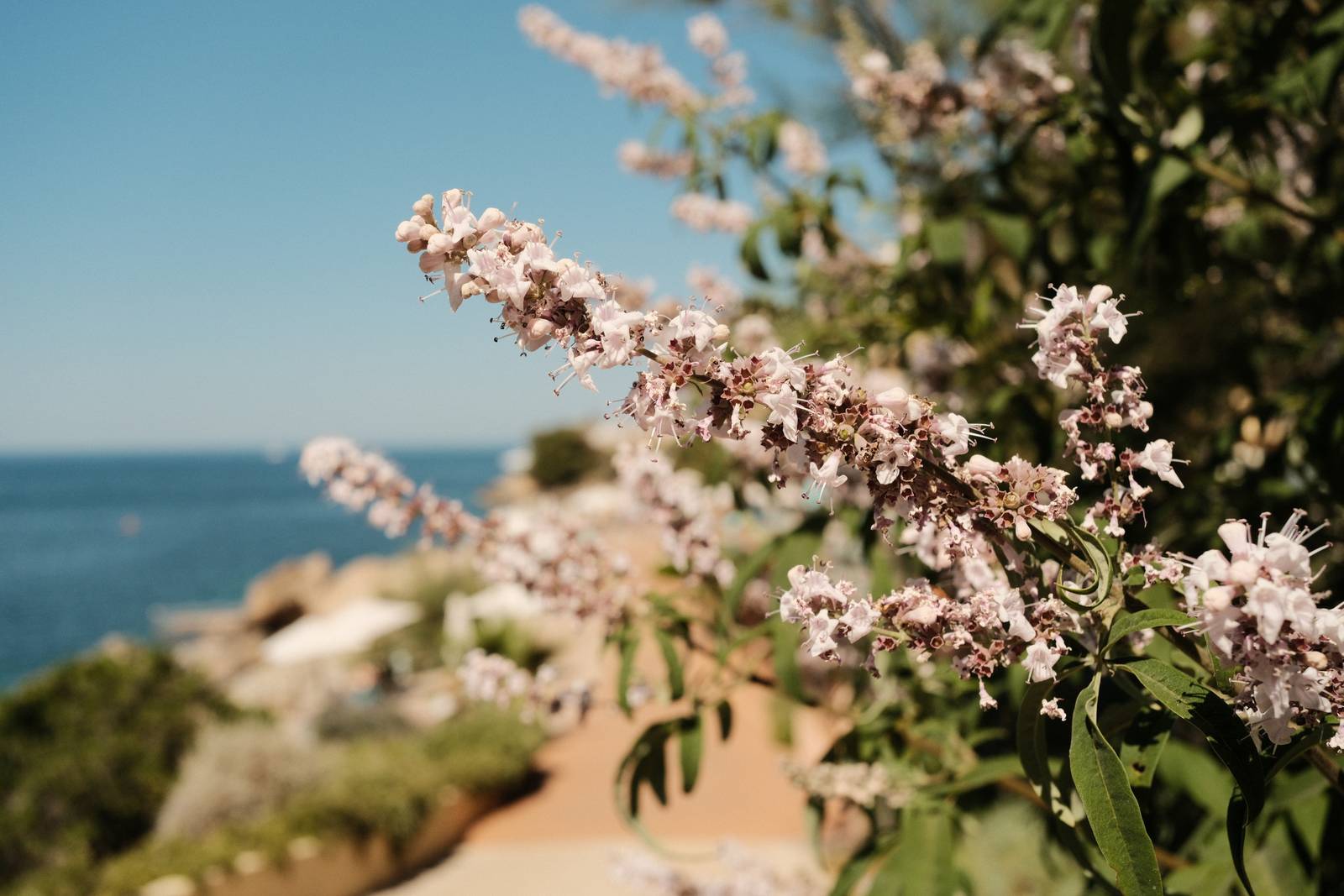
Film Recipes for Fujifilm Cameras

Tag: On The Homepage

  • Kodak Gold II – Classic Kodak Film Recipe

    Kodak Gold II – Classic Kodak Film Recipe

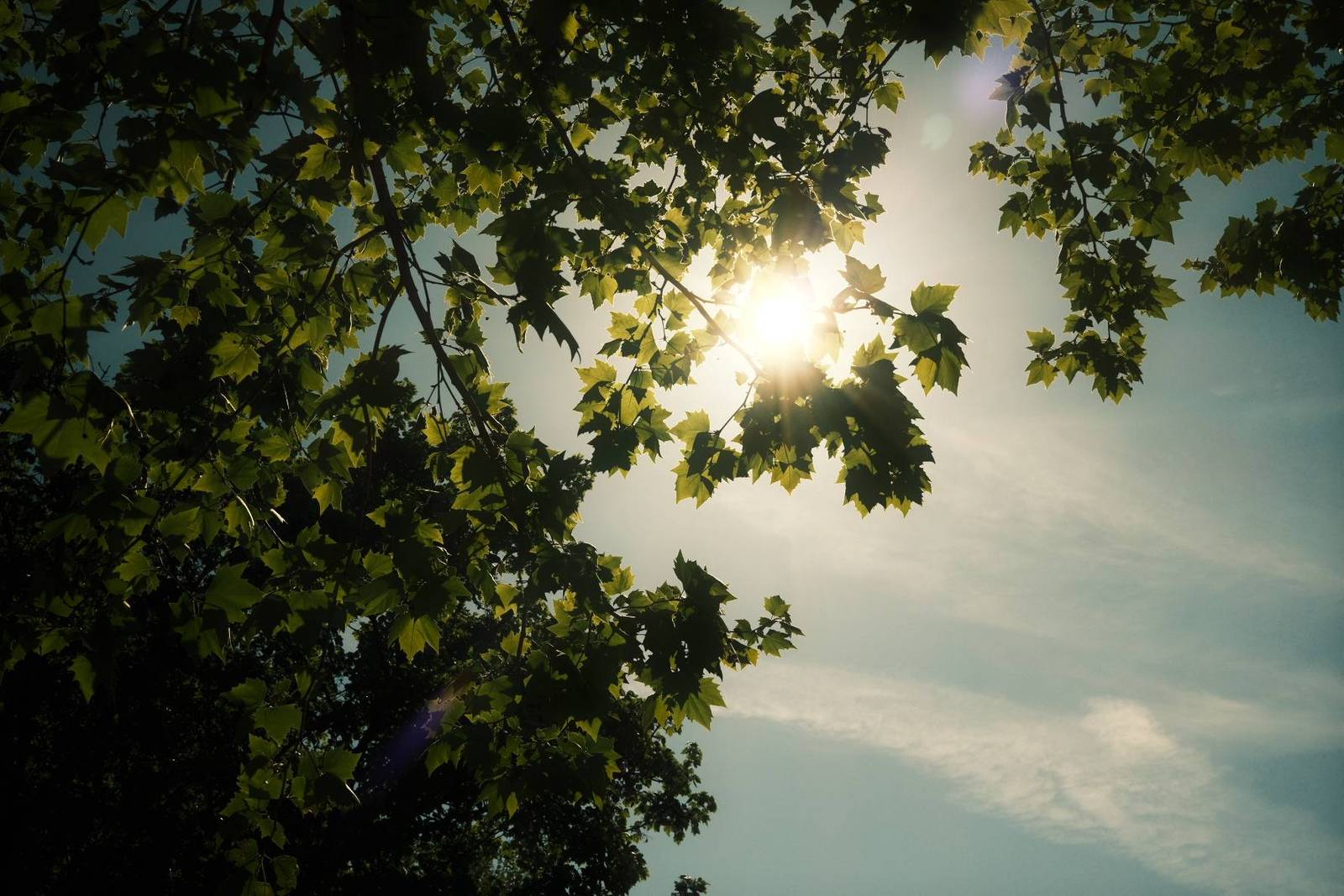
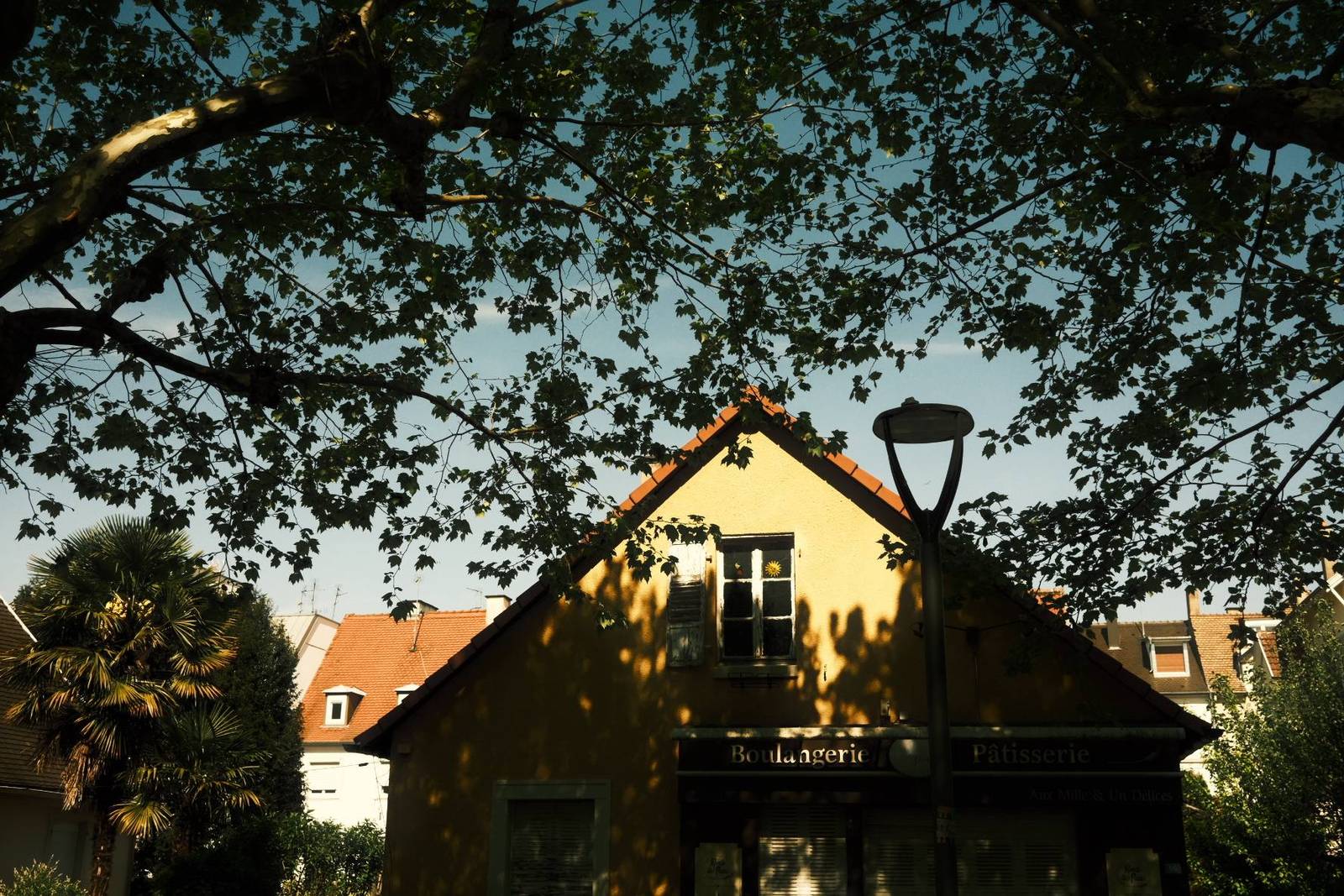
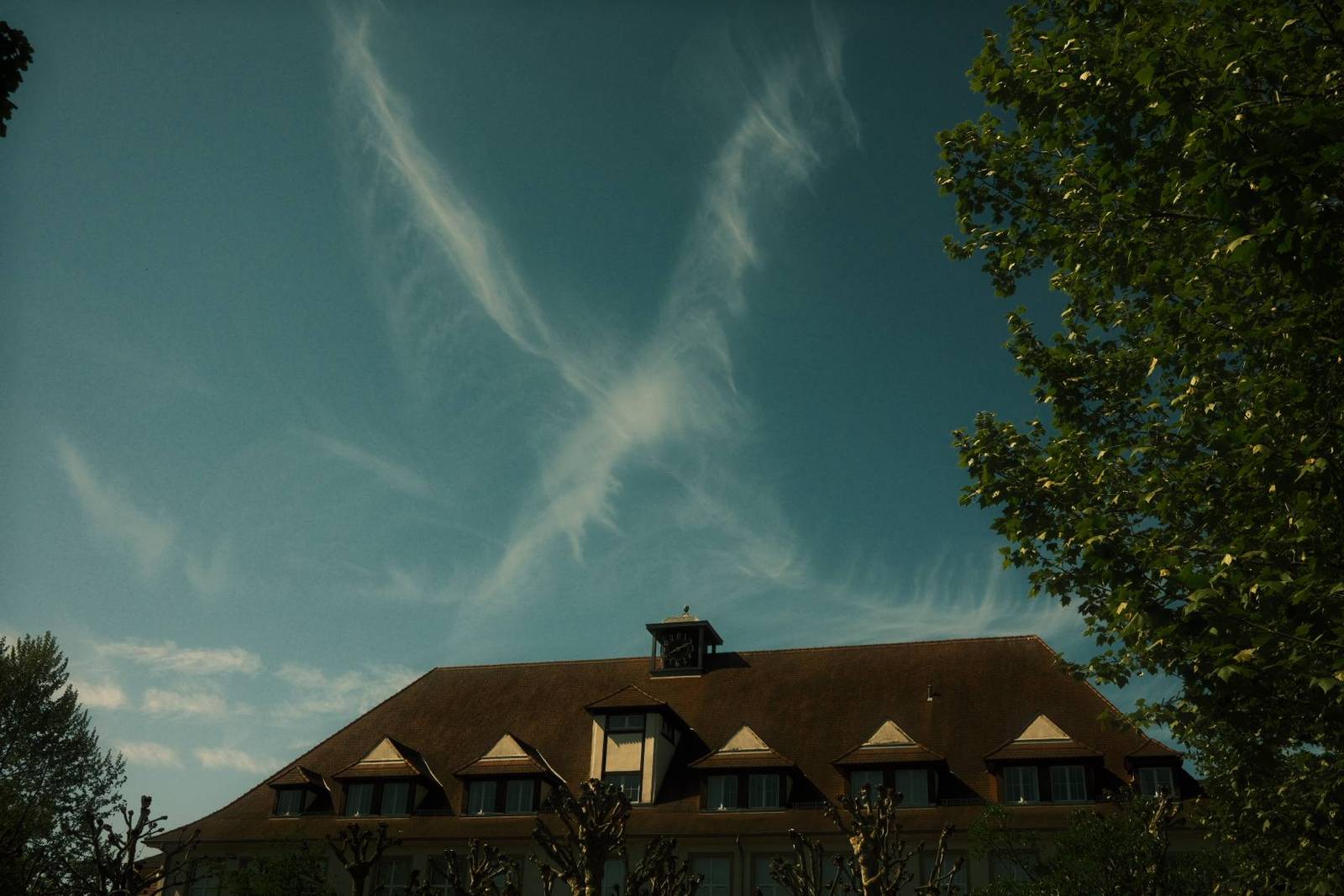
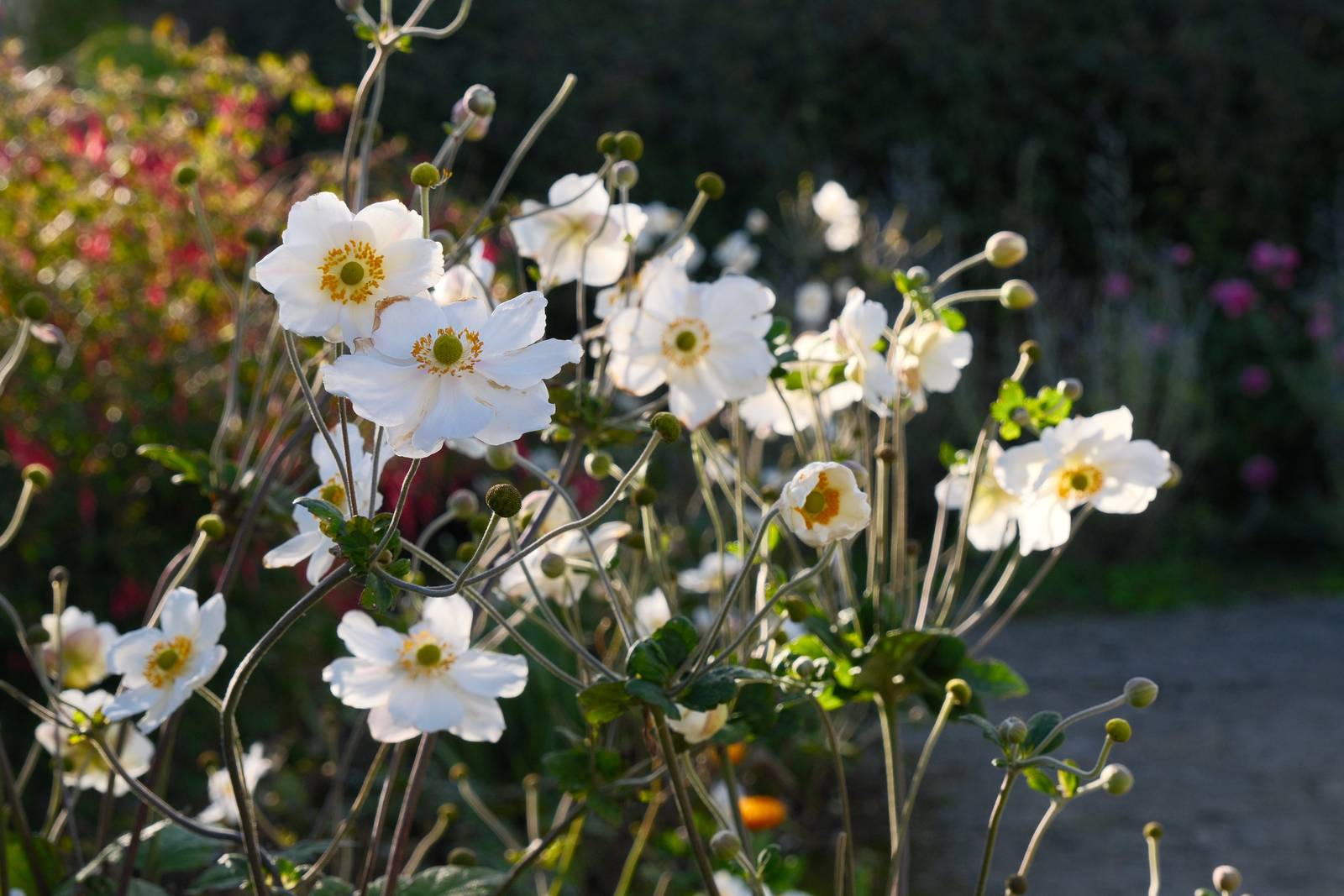
    Kodak Gold II film recipe
    Kodak Gold II film recipe sample photo
    Kodak Gold II film recipe sample photo
    Kodak Gold II film recipe sample photo
    Kodak Gold II film recipe sample photo
    Kodak Gold II film recipe sample photo

    Kodak Gold II

    Kodak Gold II – Classic Kodak Film Recipe

    An evolution of the Kodak Gold recipe — a fresh take on the classic film look with improved versatility.

    Kodak Gold 200 is perhaps the most widely shot film stock in photographic history. Those bright yellow boxes passed through the hands of millions of pocket camera users across several decades, producing the particular warmth and character that many people associate with photography itself. The original Kodak Gold recipe on this site was one of the earliest attempts to capture that look in a Fujifilm film simulation recipe. Kodak Gold II is the evolution — a fresh look at the same aesthetic, refined through more experience with what makes the simulation behave at its best.

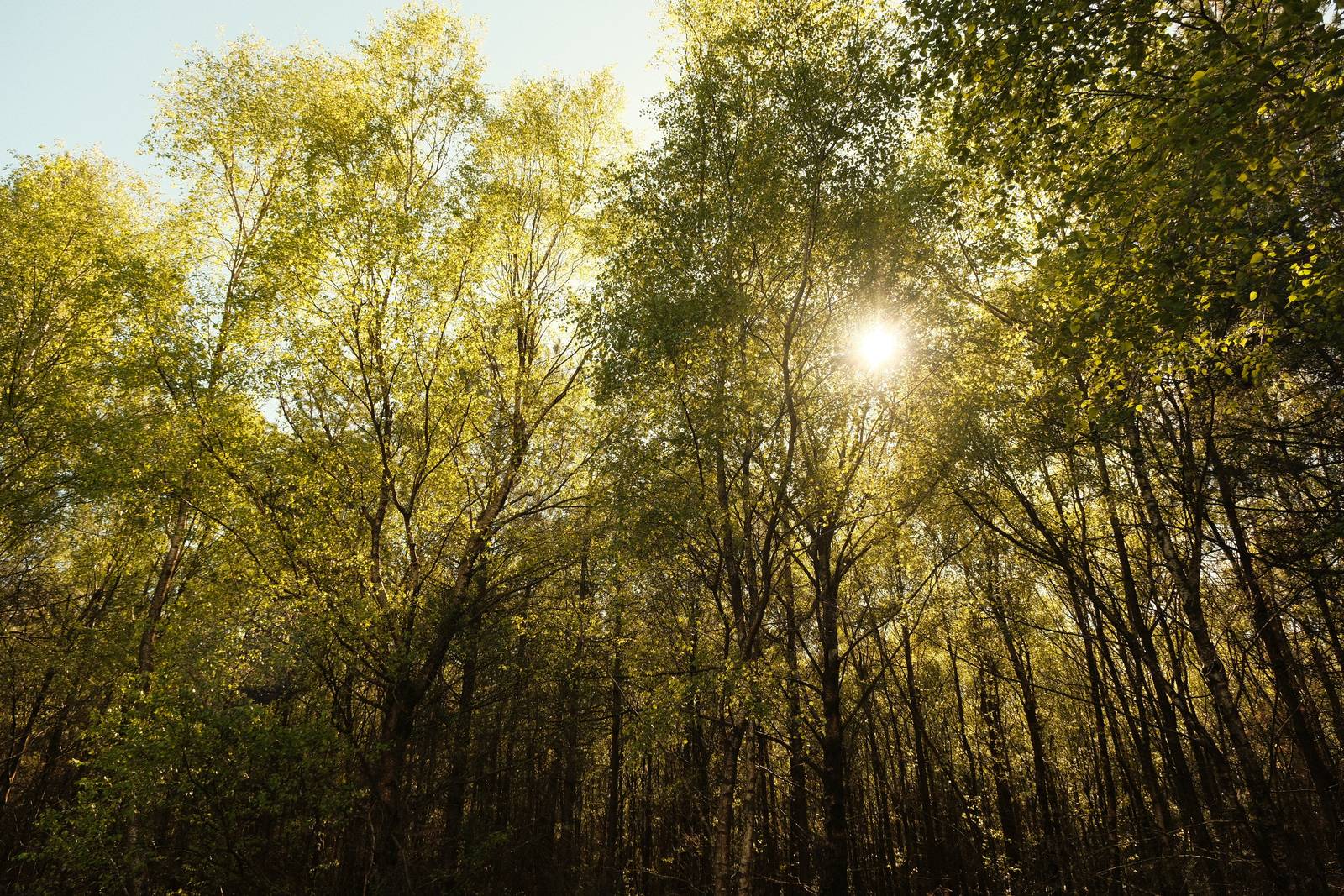
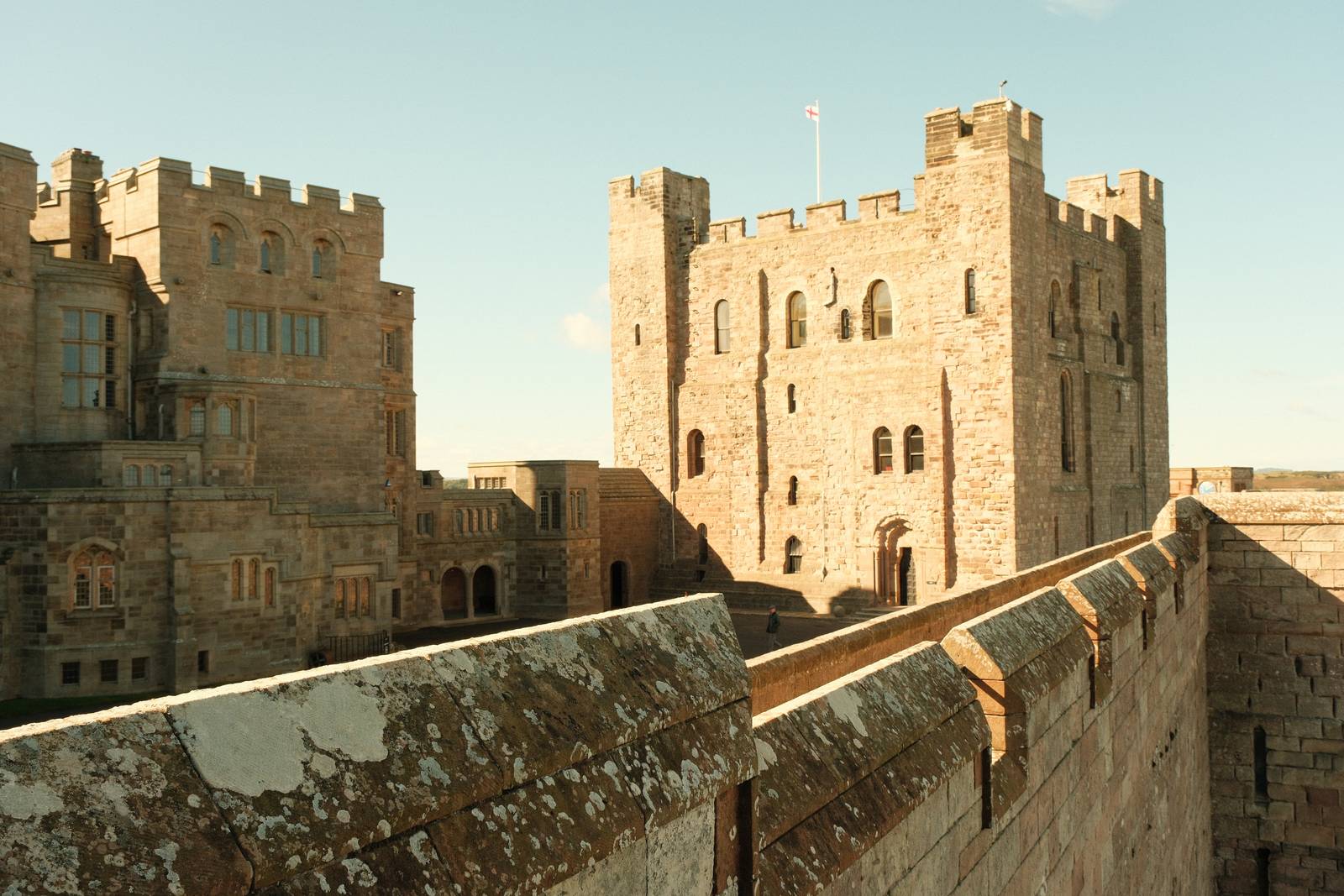
    Classic Chrome remains the base simulation, as it was in the original. It has the right structural qualities for the job — a gentle desaturation, a slightly subdued contrast, and a colour rendering that sits closer to the warmth of print than the neutrality of digital. The key adjustments here are in the white balance: Daylight with a +4 red shift and a ‑5 blue shift, which creates the particular warm-but-not-orange quality that distinguishes a good Kodak Gold emulation from a generic warm recipe. Highlights are very slightly pulled back, shadows are lifted gently, and a third of a stop of positive exposure keeps the image bright and open.

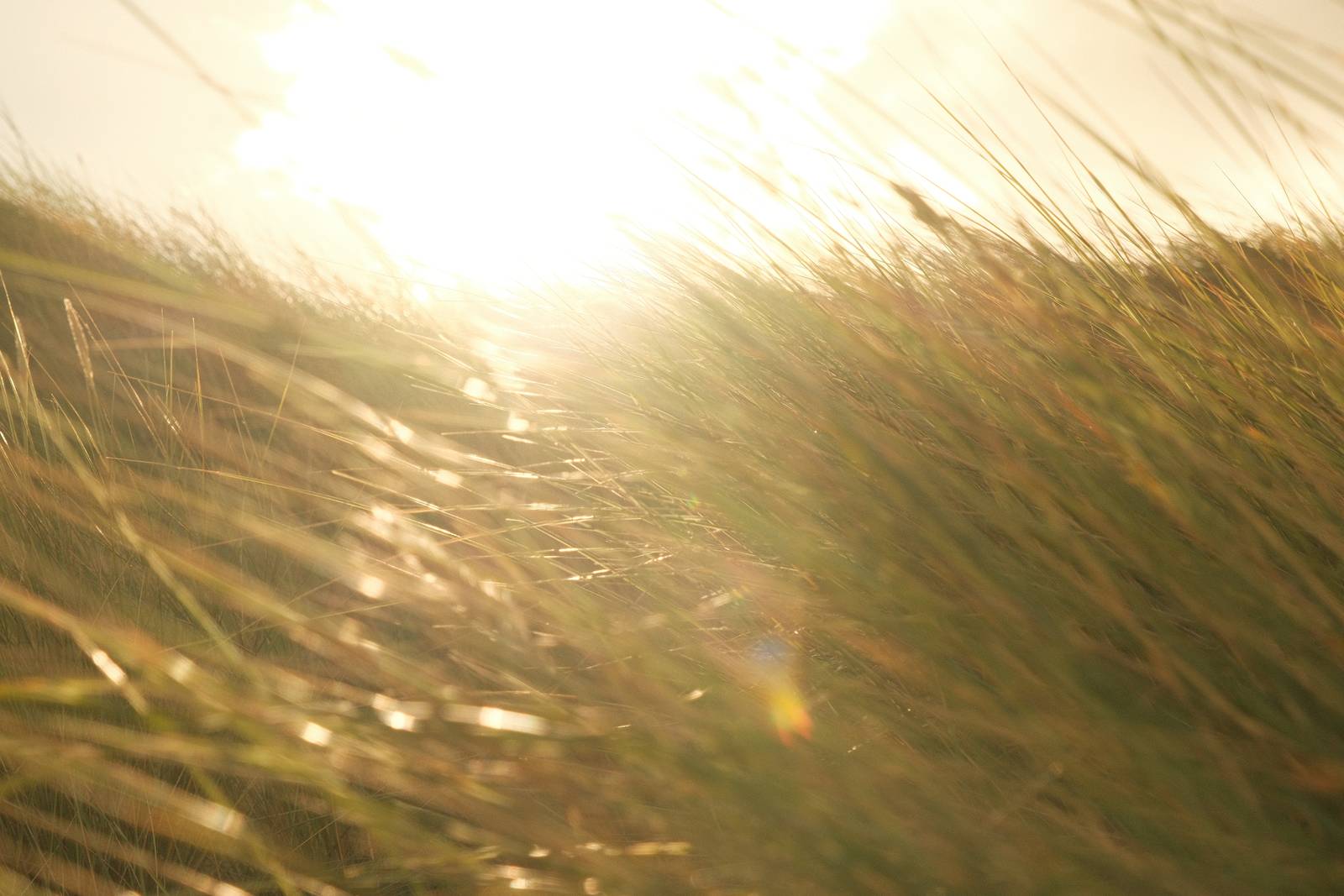
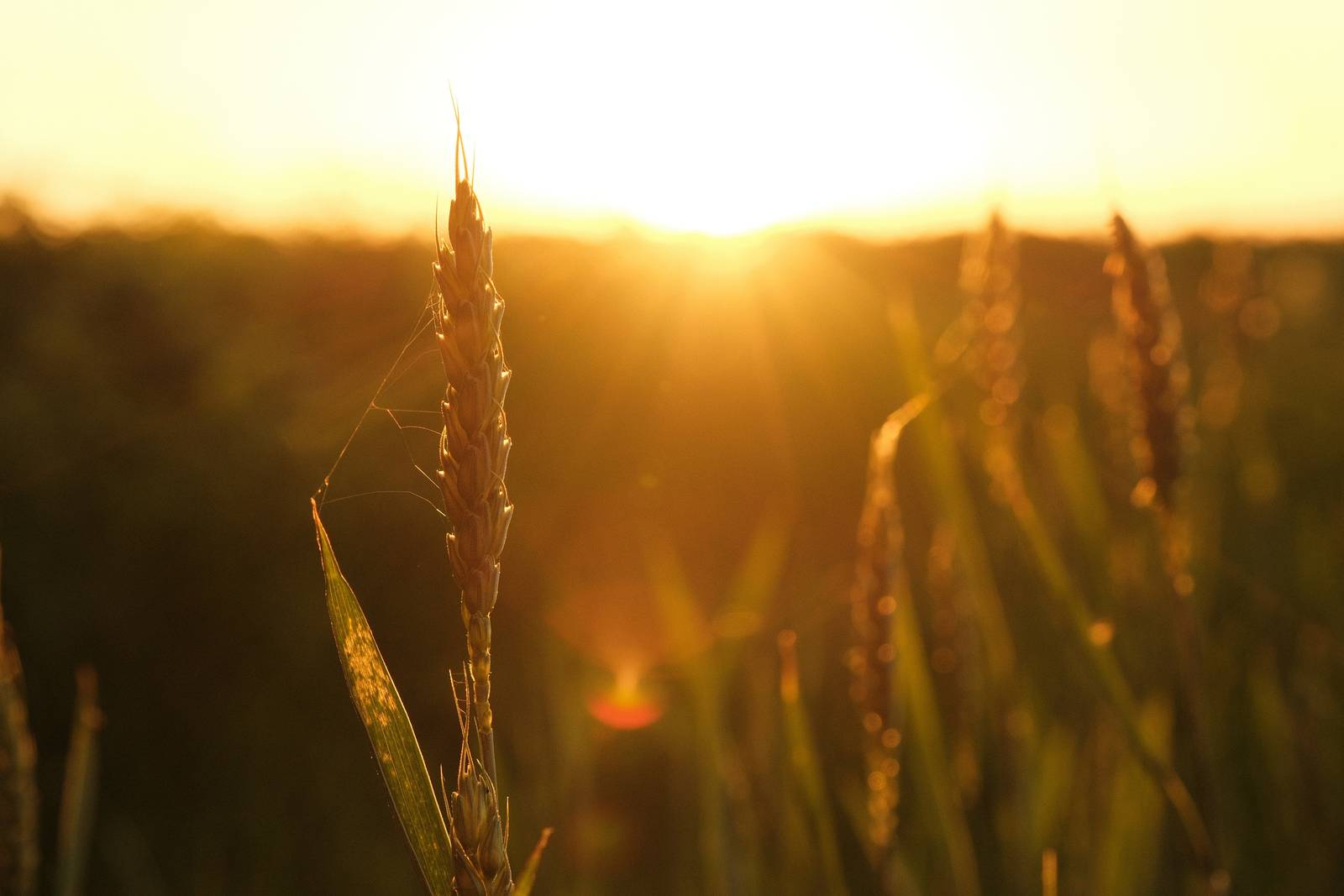
    The result is a recipe with genuine versatility. It suits sunny conditions and golden hour most naturally — the warm, film-like character feeds directly into the quality of that light — but it also handles overcast conditions with more grace than many warm recipes, because the warmth here comes from the colour balance rather than from contrast or saturation. It has a soft, low-contrast quality that reads as film-like rather than processed, and that suits beach photography, holidays, and any subject where a relaxed, nostalgic feel is the goal.

    This recipe spent time as an app exclusive and featured in a Film Recipes App challenge, which is why the community photos section below is unusually well-stocked. If you want to explore more Kodak-inspired recipes, including the original Kodak Gold and many other interpretations, the Film Recipes App has the largest collection available.

    Kodak Gold II Film Recipe Settings

    Film SimulationClassic Chrome
    Grain EffectWeak, Small
    Col. Chr. EffectWeak
    Col. Chr. BlueOff
    White BalanceDaylight, +4 Red, ‑5 Blue
    Dynamic RangeDR200
    Highlights‑1
    Shadows1
    Colour1
    Sharpness‑2
    ISO N.R.‑4
    Clarity0
    EV Comp.+1/3

    Similar Recipes

    More similar recipes, and hundreds more exclusive looks, are available in the Film Recipes App.

    Film Recipes

    Get the Film Recipes App

    Save your favourites and build your personal shortlist

    Download on the App Store
    Get it on Google Play

    Kodak Gold II Film Recipe: Sample Photos

    Kodak Gold II film recipe sample photo
    Kodak Gold II film recipe sample photo
    Kodak Gold II film recipe sample photo
    Kodak Gold II film recipe sample photo
    Kodak Gold II film recipe sample photo
    Kodak Gold II film recipe sample photo

    Community Photos

    Photos taken with the Kodak Gold II film recipe by members of the Film Recipes community. Many of the photographers below entered the Film Recipes App challenge, shooting with Kodak Gold II and sharing their results with the community.

    Photos by Roman Pastierik

    Kodak Gold II film recipe photo by Roman Pastierik

    Photos by Yanina Gotsulsky

    Kodak Gold II film recipe photo by Yanina Gotsulsky
    Kodak Gold II film recipe photo by Yanina Gotsulsky

    Photos by David Forsdike

    Kodak Gold II film recipe photo by David Forsdike
    Kodak Gold II film recipe photo by David Forsdike

    Photos by Denis Jaculli

    Kodak Gold II film recipe photo by Denis Jaculli

    Photos by Eric Belpalme

    Kodak Gold II film recipe photo by Eric Belpalme

    Photos by Christian Wandzala

    Kodak Gold II film recipe photo by Christian Wandzala

    Photos by Marcio F A Pereira

    Kodak Gold II film recipe photo by Marcio F A Pereira
    Kodak Gold II film recipe photo by Marcio F A Pereira

    Photos by Nizam Sutimin

    Kodak Gold II film recipe photo by Nizam Sutimin

    Photos by Gunther Geeraerts

    Kodak Gold II film recipe photo by Gunther Geeraerts

    Using the Kodak Gold II Film Recipe

    Each film simulation recipe has its own character and style. These features mean recipes are more suited to certain situations, or when seeking a particular look. Here are the categories that Kodak Gold II has been tagged with.

  • Nostalgic Gold 200 – Bright Skies Summer Film Recipe

    Nostalgic Gold 200 – Bright Skies Summer Film Recipe

    Nostalgic Gold 200 film recipe
    Nostalgic Gold 200 film recipe sample photo
    Nostalgic Gold 200 film recipe sample photo
    Nostalgic Gold 200 film recipe sample photo
    Nostalgic Gold 200 film recipe sample photo
    Nostalgic Gold 200 film recipe sample photo

    Nostalgic Gold 200

    Nostalgic Gold 200 – Bright Skies Summer Film Recipe

    A bright, cheerful Nostalgic Negative recipe with turquoise skies and a colourful character all its own.

    Nostalgic Gold 200 is loosely inspired by the sky blues and generous colour of selected Kodak Gold scans, but in many ways it is a look all its own. Built on Nostalgic Negative, the off-beat colour balance shifts actually deliver results closer to Classic Negative in the way they handle greens — with that characteristic slightly blue-shifted, mellow quality — while the skies take on the turquoise, teal-leaning tone more typical of Classic Chrome. It is not quite any of them. The blend is unique, and the results are consistently bright, colourful and full of nostalgic print-like character.

    The key technical move is the white balance: Auto White Priority with a ‑5 red shift, which is the opposite direction from most Kodak-inspired recipes. Rather than pushing warmth, it pulls the image towards the cool end — and it is this shift that produces the turquoise quality in skies and highlights that defines the look. Shadows are lifted slightly, and a ‑3 clarity adds a soft, slightly dreamy quality that suits the airy, overexposed feel. At +2/3 EV the recipe is deliberately bright — exposure is part of the recipe’s character, not a mistake.

    The results are happy and bright, and they suit the summer season and sunny days most naturally — blue skies, beaches, open landscapes with plenty of sky, and anywhere that the colour and light have room to be generous. But Nostalgic Gold 200 is different enough from most other recipes that it is worth experimenting with across different conditions and weathers. The way it handles greens and cool tones means overcast days and woodland scenes may surprise you.

    This is a recipe that rewards curiosity. It does not behave like a straightforward warm recipe or a straightforward cool one — it occupies its own space between them, and finding the subjects that suit it best is part of the pleasure of shooting with it.

    Nostalgic Gold 200 Film Recipe Settings

    Film SimulationNostalgic Negative
    Grain EffectWeak, Small
    Col. Chr. EffectWeak
    Col. Chr. BlueOff
    White BalanceAuto (White Priority), ‑5 Red, ‑1 Blue
    Dynamic RangeDR200
    Highlights0
    Shadows1
    Colour4
    Sharpness0
    ISO N.R.‑4
    Clarity‑3
    EV Comp.+2/3

    Similar Recipes

    More similar recipes, and hundreds more exclusive looks, are available in the Film Recipes App.

    Film Recipes

    Get the Film Recipes App

    Settings laid out clearly, with sample photos and similar recipes

    Download on the App Store
    Get it on Google Play

    Nostalgic Gold 200 Film Recipe: Sample Photos

    Nostalgic Gold 200 film recipe sample photo
    Nostalgic Gold 200 film recipe sample photo
    Nostalgic Gold 200 film recipe sample photo
    Nostalgic Gold 200 film recipe sample photo
    Nostalgic Gold 200 film recipe sample photo

    Using the Nostalgic Gold 200 Film Recipe

    Each film simulation recipe has its own character and style. These features mean recipes are more suited to certain situations, or when seeking a particular look. Here are the categories that Nostalgic Gold 200 has been tagged with.

  • Sodium – Bright Summer Recipe with Wes Anderson Vibes

    Sodium – Bright Summer Recipe with Wes Anderson Vibes

    Sodium film recipe
    Sodium film recipe sample photo
    Sodium film recipe sample photo
    Sodium film recipe sample photo
    Sodium film recipe sample photo
    Sodium film recipe sample photo

    Sodium

    Sodium – Bright Summer Recipe with Wes Anderson Vibes

    A boldly yellow Classic Chrome recipe built for sunshine, summer colour and golden hour vibes.

    The Elements series in the Film Recipes App is built around recipes that each express a distinct character tied to colour and light. Oxygen brings fresh spring brightness, and Hydrogen delivers clean summer colour. But as the year turns warmer and richer — as golden light replaces the soft greens of early summer — a gap emerged. Sodium fills it. Named after the element’s intensely yellow character, the same quality that gives sodium vapour street lamps their unmistakable glow, this recipe brings a bold, clean yellow tone whlst avoiding the muddy warmth of some vintage or aged looks.

    The yellow character comes from a carefully tuned colour balance rather than simply dialling up warmth. A fluorescent white balance base with a strong blue reduction and a nudge of red produces a yellow cast that is clean, cheerful and distinctly itself. Colour is pushed to +3, and a third of a stop of extra exposure keeps things bright and open. Classic Chrome provides the underlying structure — its characteristic restraint keeps the yellow from becoming chaotic, giving it shape and direction. The result is a look closer to the meticulously colour-graded worlds of Wes Anderson films than to the faded nostalgia of expired stock.

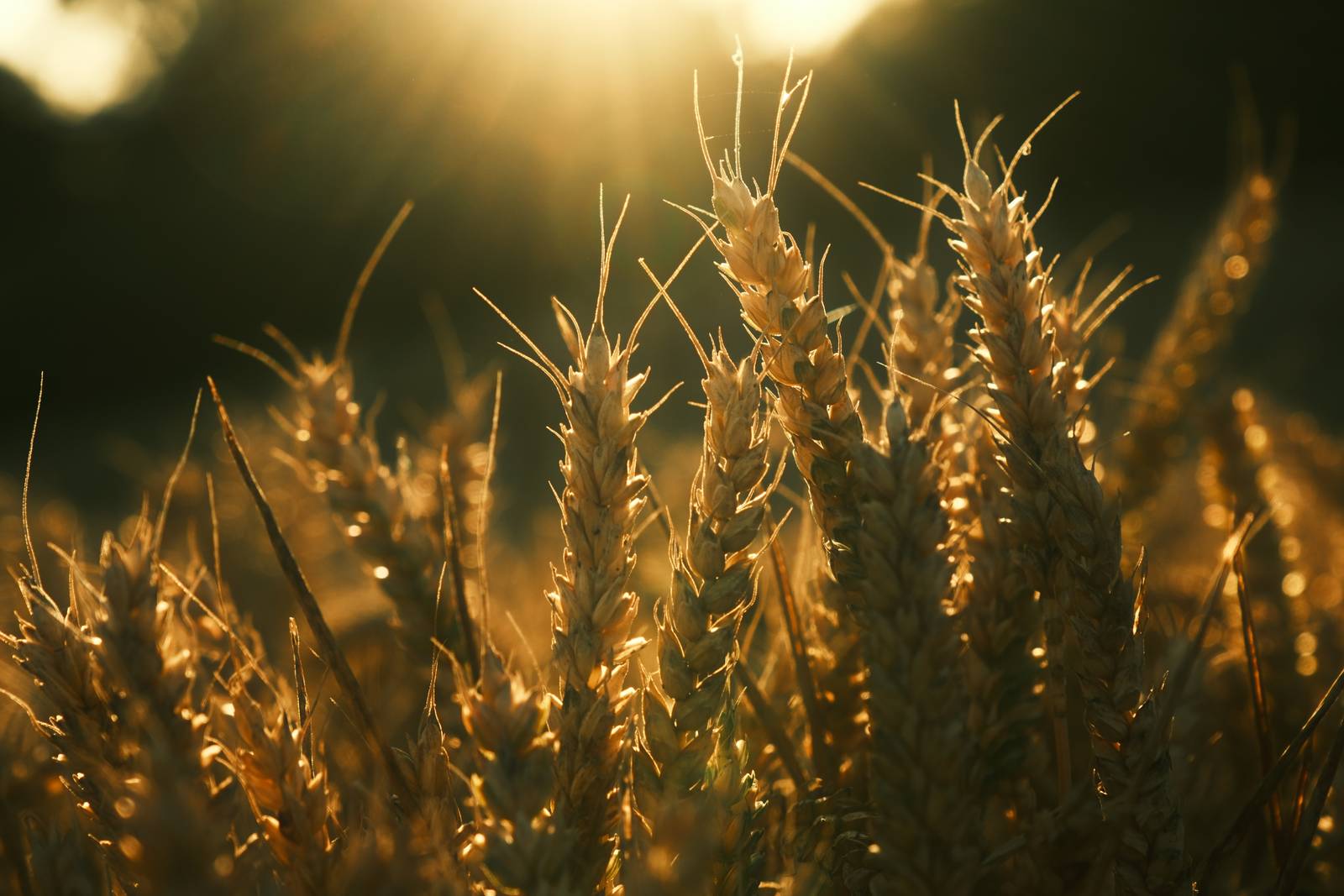
    There is nothing subtle about Sodium, and that is entirely the point. It rewards bright conditions — sunny days, open skies, beach and summer scenes where the light is generous and the colours have room to breathe. The brighter the light, the better the results. It suits golden hour beautifully, where the natural warmth of the light feeds directly into the recipe’s character, and it works equally well for travel and holiday photography where you want images that feel joyful and vivid.

    Load Sodium on a bright day with colourful subjects and commit to it fully. It delivers a consistently cheery look and feel that makes ordinary scenes feel like they belong in a film. The full Elements series — including Hydrogen and further additions — is available in the Film Recipes App.

    Sodium Film Recipe Settings

    Film SimulationClassic Chrome
    Grain EffectWeak, Small
    Col. Chr. EffectOff
    Col. Chr. BlueOff
    White BalanceFluorescent 1, +1 Red, ‑7 Blue
    Dynamic RangeDR200
    Highlights0
    Shadows‑1
    Colour3
    Sharpness0
    ISO N.R.‑4
    Clarity0
    EV Comp.+1/3

    Similar Recipes

    More similar recipes, and hundreds more exclusive looks, are available in the Film Recipes App.

    Film Recipes

    Get the Film Recipes App

    Filter by film simulation, mood, shooting condition and more

    Download on the App Store
    Get it on Google Play

    Sodium Film Recipe: Sample Photos

    Sodium film recipe sample photo
    Sodium film recipe sample photo
    Sodium film recipe sample photo
    Sodium film recipe sample photo
    Sodium film recipe sample photo
    Sodium film recipe sample photo
    Sodium film recipe sample photo

    Using the Sodium Film Recipe

    Each film simulation recipe has its own character and style. These features mean recipes are more suited to certain situations, or when seeking a particular look. Here are the categories that Sodium has been tagged with.

  • Old Gold – Vintage Kodak Gold Film Recipe

    Old Gold – Vintage Kodak Gold Film Recipe

    Old Gold film recipe
    Old Gold film recipe sample photo
    Old Gold film recipe sample photo
    Old Gold film recipe sample photo
    Old Gold film recipe sample photo
    Old Gold film recipe sample photo

    Old Gold

    Old Gold – Vintage Kodak Gold Film Recipe

    A mellow, brown-washed expired film look, modelled on scans of aged Kodak Gold 200.

    Before Fujifilm cameras, there were phone apps — Hipstamatic, RNI Films, and others that brought the unpredictable character of analogue film to digital photography. These tools lit an interest in the imperfections and warmth of real film that never went away. When I moved to Fujifilm and started creating film simulation recipes, the expired film aesthetic was one of the first places I went looking: the faded colours, the brownish tones, the slightly soft quality that comes from a roll of 35mm that has spent years past its use-by date. Old Gold is a distillation of that obsession.

    The recipe is modelled directly on scans of expired Kodak Gold 200 — a film stock that, when processed years after its intended date, produces results that are mellow, slightly warm, and washed with a characteristic brown tone that reduces drama and adds age. Classic Chrome provides the base, with large grain at a weak strength giving the softness without overwhelming it. The settings are deliberately restrained: colour pulled back, sharpness reduced, a Daylight white balance with a warm shift. The result sits in a particular sweet spot between nostalgic and expired — aged and characterful, but still photographic.

    Old Gold is a twin to Classic Gold on this site, which approaches the expired Kodak aesthetic from a different angle. Where Classic Gold tends towards the warmer, more golden end of the spectrum, Old Gold is cooler and browner — more muted, more faded, more genuinely old-feeling. Together they cover the range of what expired Kodak Gold can look like depending on storage conditions and age. The two are worth trying alongside each other to see which interpretation suits your shooting style.

    This is a recipe for unhurried photography — walks, quiet streets, domestic scenes, and anywhere that benefits from a sense of time passing. It flatters warm subjects naturally, and it has a particular softness that makes portraits feel gentle and honest. If the expired look is something you explore often, the Film Recipes App carries a much wider range of expired and aged looks to discover.

    Old Gold Film Recipe Settings

    Film SimulationClassic Chrome
    Grain EffectWeak, Large
    Col. Chr. EffectWeak
    Col. Chr. BlueWeak
    White BalanceDaylight, +4 Red, ‑7 Blue
    Dynamic RangeDR200
    Highlights‑1
    Shadows‑1
    Colour‑2
    Sharpness‑2
    ISO N.R.‑4
    Clarity‑2
    EV Comp.-1/3

    Similar Recipes

    More similar recipes, and hundreds more exclusive looks, are available in the Film Recipes App.

    Film Recipes

    Get the Film Recipes App

    New recipes added frequently — be the first to try the latest looks

    Download on the App Store
    Get it on Google Play

    Old Gold Film Recipe: Sample Photos

    Old Gold film recipe sample photo
    Old Gold film recipe sample photo
    Old Gold film recipe sample photo
    Old Gold film recipe sample photo
    Old Gold film recipe sample photo
    Old Gold film recipe sample photo

    Community Photos

    Photos taken with the Old Gold film recipe by members of the Film Recipes community.

    Photos by Christian Wandzala

    Old Gold film recipe photo by Christian Wandzala

    Photos by Sabrina Magnusson

    Old Gold film recipe photo by Sabrina Magnusson

    Photos by Alex Tenhave

    Old Gold film recipe photo by Alex Tenhave
    Old Gold film recipe photo by Alex Tenhave

    Photos by David Forsdike

    Old Gold film recipe photo by David Forsdike
    Old Gold film recipe photo by David Forsdike

    Photos by Nizam Sutimin

    Old Gold film recipe photo by Nizam Sutimin

    Photos by Sacha Maillot

    Old Gold film recipe photo by Sacha Maillot
    Old Gold film recipe photo by Sacha Maillot

    Using the Old Gold Film Recipe

    Each film simulation recipe has its own character and style. These features mean recipes are more suited to certain situations, or when seeking a particular look. Here are the categories that Old Gold has been tagged with.

  • Comic Color – Graphic Novel Inspired Film Recipe

    Comic Color – Graphic Novel Inspired Film Recipe

    Comic Color film recipe
    Comic Color film recipe sample photo
    Comic Color film recipe sample photo
    Comic Color film recipe sample photo
    Comic Color film recipe sample photo
    Comic Color film recipe sample photo

    Comic Color

    Comic Color – Graphic Novel Inspired Film Recipe

    A bold, graphic film recipe inspired by the saturated punch of pop art and comic books.

    Some film simulation recipes aim to be versatile, flattering, and easy to live with. Comic Color is not one of those. This is a deliberately bold look, inspired by the visual language of graphic novels and pop art — the kind of imagery where colour is not subtle background information but an aggressive, attention-grabbing subject in its own right. If the name makes you think of Roy Lichtenstein dots or the ink-heavy panels of an American comic book, you are in exactly the right place.

    Velvia is the natural starting point for any recipe that wants maximum colour impact, and Comic Color uses it as its base. A colour setting of ‑3 might seem like it contradicts that ambition, but the logic is deliberate — it controls and focuses the saturation rather than letting it spill in all directions, producing the kind of contained, high-contrast colour you find in print rather than the blown-out shimmer of an oversaturated image. The contrast is high and purposeful, shadows go deep, and highlights hold their brightness. Underexpose by a third of a stop to keep the highlights from running away, and what you are left with is a look that is bold, graphic, and unmistakably itself.

    Comic Color earns its name most obviously in bright conditions, with colourful subjects — vivid paintwork, strong primary colours, bold signage, flowers, and market stalls. The recipe transforms these into something that feels almost illustrated. It is also, genuinely, a fun recipe to experiment with; not every shot will work, and that is part of the appeal. It pushes you towards more considered framing and subjects, since the look has too much personality to carry a dull composition.

    This is not a recipe for every day, but it is one of those looks that makes a shoot feel like an event. Try it in sunshine with bold architecture, colourful street scenes, or anywhere that colour and contrast can carry the frame. The results are not always comfortable, but they are rarely forgettable.

    Comic Color Film Recipe Settings

    Film SimulationVelvia
    Grain EffectWeak, Small
    Col. Chr. EffectWeak
    Col. Chr. BlueWeak
    White BalanceFluorescent 2, ‑3 Red, ‑3 Blue
    Dynamic RangeDR200
    Highlights3
    Shadows3
    Colour‑3
    Sharpness0
    ISO N.R.‑4
    Clarity0
    EV Comp.-1/3

    Similar Recipes

    More similar recipes, and hundreds more exclusive looks, are available in the Film Recipes App.

    Film Recipes

    Get the Film Recipes App

    Works offline — no signal needed out in the field

    Download on the App Store
    Get it on Google Play

    Comic Color Film Recipe: Sample Photos

    Comic Color film recipe sample photo
    Comic Color film recipe sample photo
    Comic Color film recipe sample photo

    Community Photos

    Photos taken with the Comic Color film recipe by members of the Film Recipes community.

    Photos by Sacha Maillot

    Comic Color film recipe photo by Sacha Maillot

    Using the Comic Color Film Recipe

    Each film simulation recipe has its own character and style. These features mean recipes are more suited to certain situations, or when seeking a particular look. Here are the categories that Comic Color has been tagged with.

  • Bluegrass – Cool Tone Classic Negative

    Bluegrass – Cool Tone Classic Negative

    Bluegrass film recipe
    Bluegrass film recipe sample photo
    Bluegrass film recipe sample photo
    Bluegrass film recipe sample photo
    Bluegrass film recipe sample photo
    Bluegrass film recipe sample photo

    Bluegrass

    Bluegrass – Cool Tone Classic Negative

    A Classic Negative recipe that leans into blue-shifted greens for a cooler, more contemplative look.

    Classic Negative is a film simulation that earns its reputation through character rather than accuracy. It produces the kind of colour palette you find in old print photographs — highlights that glow with a faint blush of pink, and greens that drift slightly towards blue. Most Classic Negative film recipes push back against this tendency, adding warm white balance shifts to bring vegetation back towards the natural. Bluegrass takes the opposite approach. Here, we let the simulation do what it wants, and make those cool, faintly blue greens the whole point.

    The settings are restrained. The tone curve pulls highlights up and shadows down for a wide, cinematic range, while a slight underexposure keeps everything grounded and moody. The white balance uses Auto as its base, but a ‑3 red shift pulls the colour further towards the cool end — this is not an accidental lean but a deliberate push, amplifying what the simulation already wants to do. The result is a recipe where grass and leaves feel genuinely different — not simply desaturated, but shifted to a place that makes you look at everyday green subjects in a new way. The feeling is somewhere between a rainy afternoon and a long walk somewhere you have not been before.

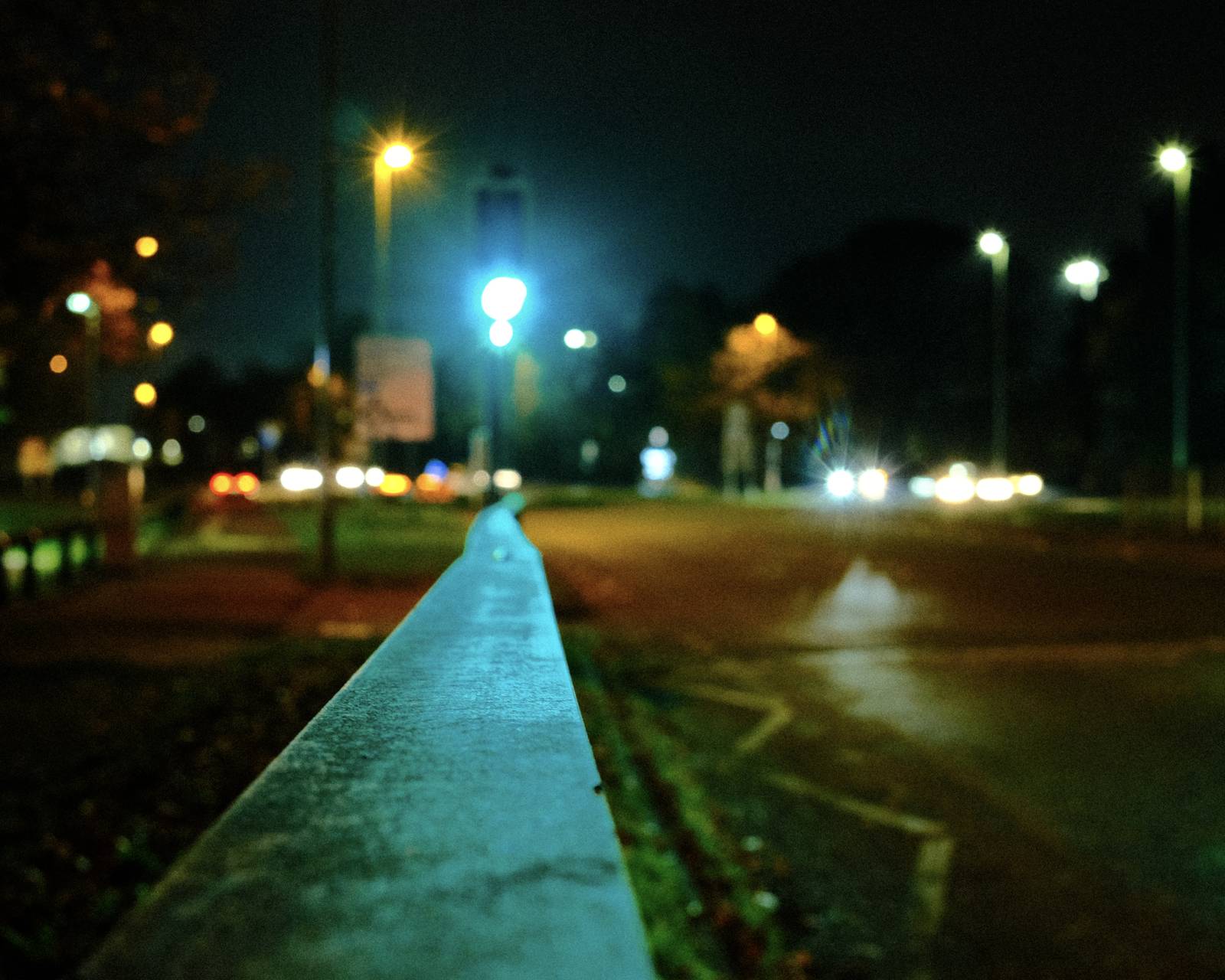
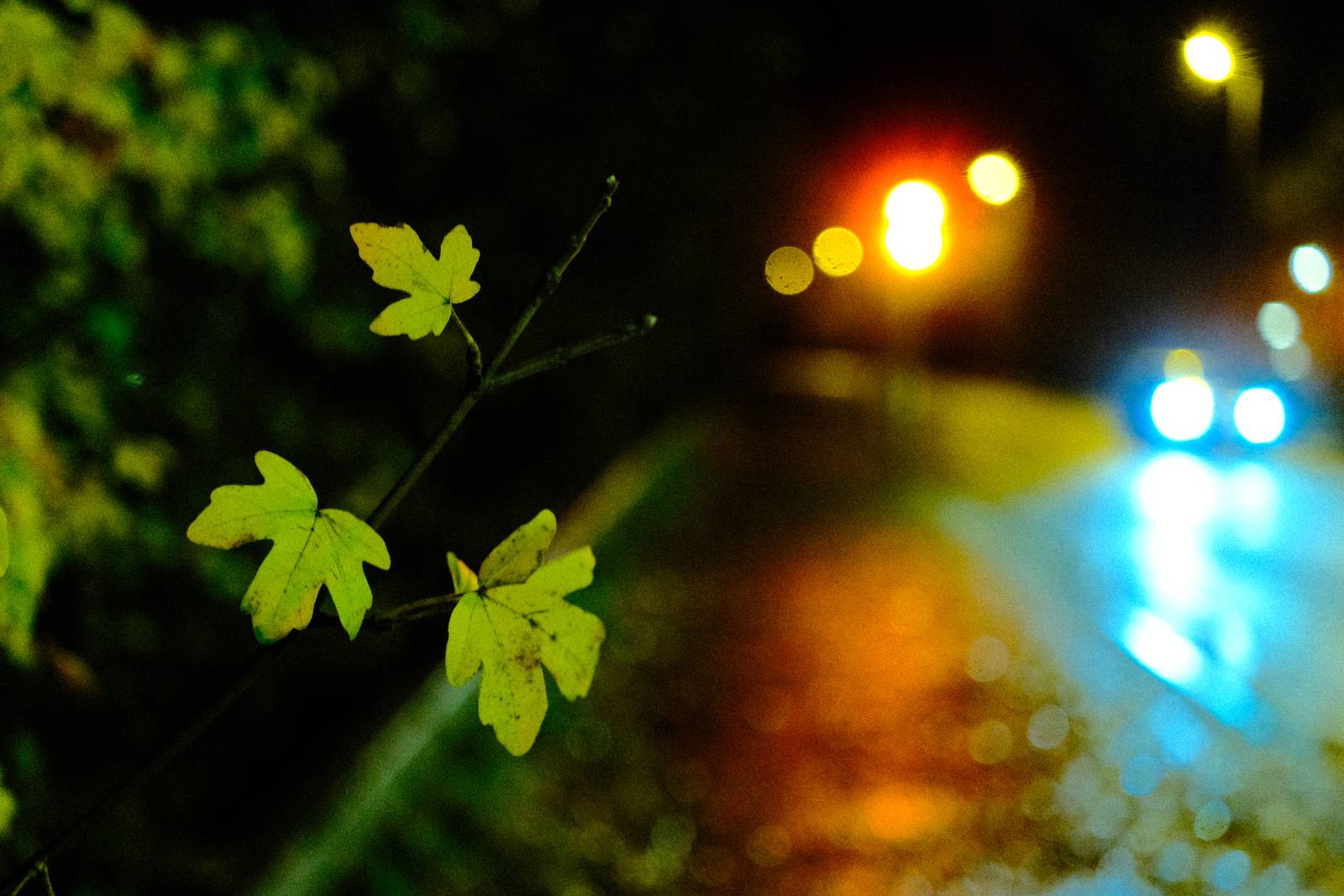
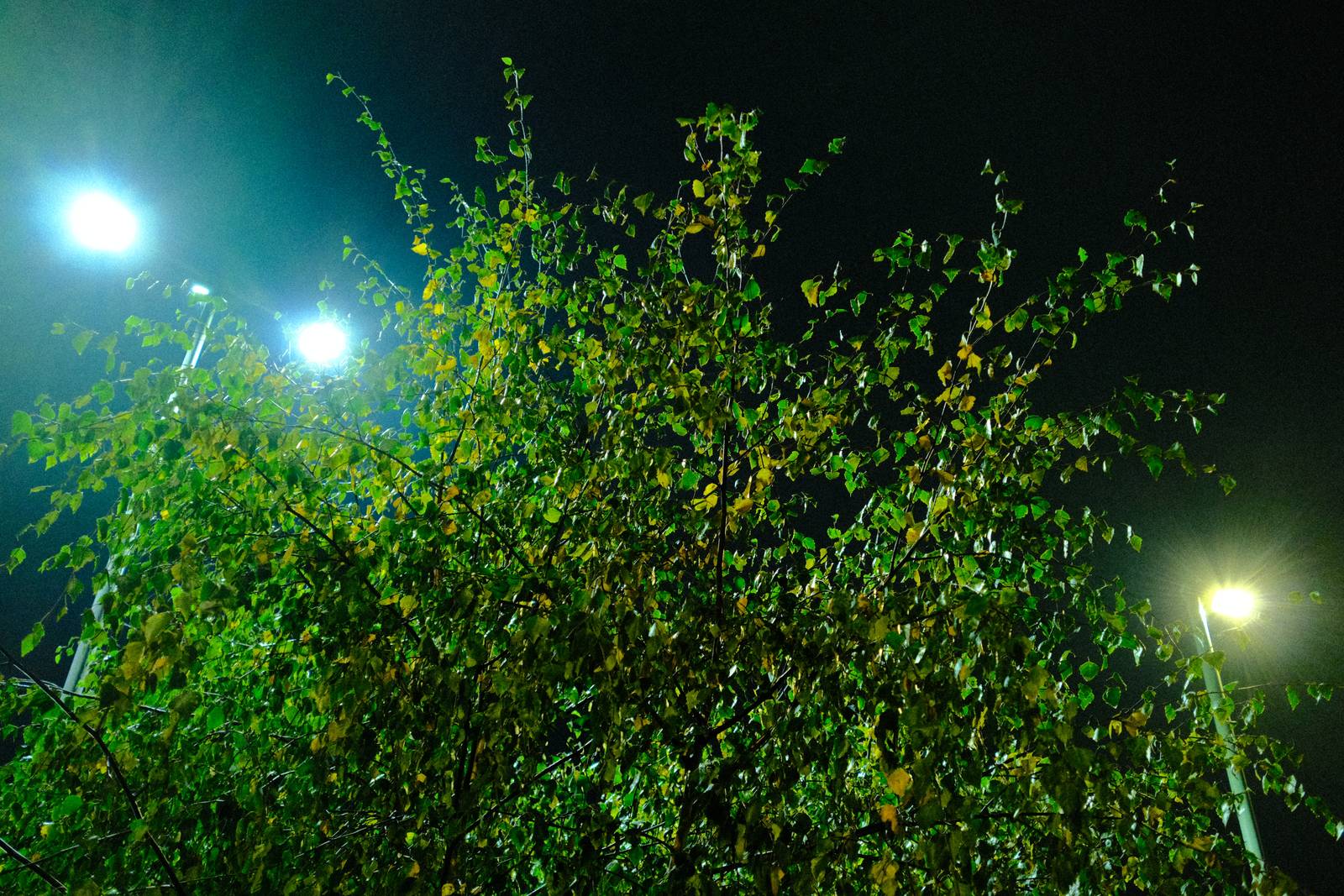
    The cooler character that makes Bluegrass work so well for foliage and overcast daylight turns out to be equally useful after dark. Under artificial light — sodium street lamps, neon signs, shop fronts — the blue tone in this recipe adds a striking quality to night shots. It was not planned that way; it emerged as a happy accident of the design. But the same logic applies: where other recipes might warm up night scenes, Bluegrass lets the cool shift amplify the atmosphere that is already there.

    If you find yourself in woodland, walking through a field, or out in the city after dark, Bluegrass is worth loading up. It rewards patience with subjects that other recipes gloss over, and it is particularly effective when the light is flat, grey, or cloudy — conditions that many photographers wait to improve, but which this recipe actively embraces.

    Bluegrass Film Recipe Settings

    Film SimulationClassic Negative
    Grain EffectWeak, Small
    Col. Chr. EffectStrong
    Col. Chr. BlueWeak
    White BalanceAuto, ‑3 Red, 0 Blue
    Dynamic RangeDR200
    Highlights2
    Shadows‑2
    Colour2
    Sharpness‑1
    ISO N.R.‑4
    Clarity‑2
    EV Comp.-2/3

    Similar Recipes

    More similar recipes, and hundreds more exclusive looks, are available in the Film Recipes App.

    Film Recipes

    Get the Film Recipes App

    800+ recipes — more than twice as many as the free site

    Download on the App Store
    Get it on Google Play

    Bluegrass Film Recipe: Sample Photos

    Bluegrass film recipe sample photo
    Bluegrass film recipe sample photo
    Bluegrass film recipe sample photo
    Bluegrass film recipe sample photo
    Bluegrass film recipe sample photo
    Bluegrass film recipe sample photo
    Bluegrass film recipe sample photo
    Bluegrass film recipe sample photo

    Using the Bluegrass Film Recipe

    Each film simulation recipe has its own character and style. These features mean recipes are more suited to certain situations, or when seeking a particular look. Here are the categories that Bluegrass has been tagged with.

  • Rizzle Clicks, Grainy with Knockout Reds

    Rizzle Clicks, Grainy with Knockout Reds

    Rizzle Clicks film recipe
    Rizzle Clicks film recipe sample photo
    Rizzle Clicks film recipe sample photo
    Rizzle Clicks film recipe sample photo
    Rizzle Clicks film recipe sample photo
    Rizzle Clicks film recipe sample photo

    Rizzle Clicks

    Rizzle Clicks, Grainy Classic Negative for Knockout Reds

    Grainy analog film simulation recipe with mellow greens, a warm balance and striking red tones.

    Here’s a film simulation recipe that everyone looking for film like vibes can enjoy. It is grainy with the wonderfully analog look that only Classic Negative delivers. It has a warm tone that adds creamy shifts to most scenes. This makes greens turn more mellow, but most impactfully, reds become a real star feature, almost jumping out of the image.

    Grizzly grain suits photos taken in gloomy conditions or low light, but this recipe is also happy with lots of light, or the softness of golden hour. The tone curve is tamed a little to give this versatility, meaning that you can use it successfully in all sorts of situations. But that versatility is a happy accident, because this recipe is really here for the reds. If you can find them, make a feature of them, and this recipe will reward you.

    Rizzle Clicks Film Recipe Settings

    Film SimulationClassic Negative
    Grain EffectStrong, Small
    Col. Chr. EffectStrong
    Col. Chr. BlueOff
    White Balance4000K, +7 Red, ‑7 Blue
    Dynamic RangeDR400
    Highlights‑1
    Shadows‑1
    Colour‑1
    Sharpness0
    ISO N.R.‑4
    Clarity‑2
    EV Comp.0
    Film Recipes

    Get the Film Recipes App

    New recipes added frequently — be the first to try the latest looks

    Download on the App Store
    Get it on Google Play

    Rizzle Clicks Film Recipe: Sample Photos

    Rizzle Clicks film recipe sample photo
    Rizzle Clicks film recipe sample photo
    Rizzle Clicks film recipe sample photo
    Rizzle Clicks film recipe sample photo
    Rizzle Clicks film recipe sample photo
    Rizzle Clicks film recipe sample photo
    Rizzle Clicks film recipe sample photo
    Rizzle Clicks film recipe sample photo
    Rizzle Clicks film recipe sample photo
    Rizzle Clicks film recipe sample photo
    Rizzle Clicks film recipe sample photo
    Rizzle Clicks film recipe sample photo
    Rizzle Clicks film recipe sample photo
    Rizzle Clicks film recipe sample photo
    Rizzle Clicks film recipe sample photo

    Using the Rizzle Clicks Film Recipe

    Each film simulation recipe has its own character and style. These features mean recipes are more suited to certain situations, or when seeking a particular look. Here are the categories that Rizzle Clicks has been tagged with.

  • Controversy Film Recipe with Dramatic Rich Tones

    Controversy Film Recipe with Dramatic Rich Tones

    Controversy film recipe
    Controversy film recipe sample photo
    Controversy film recipe sample photo
    Controversy film recipe sample photo
    Controversy film recipe sample photo
    Controversy film recipe sample photo

    Controversy

    Controversy Film Recipe with Dramatic Rich Tones

    Film simulation recipe for a striking look with bold colour, deep shadows and unforgettable style.

    There are many Fujifilm film recipes that mimic creamy film looks, but sometimes you want to experiment and push yourself with a film recipe that goes beyond the basics. Controversy is exactly that recipe. The name has two origins. The first is contre jour, shooting directly into bright light, which is where this film recipe absolutely excels. The second is Jealousy, an app-only recipe with similar bold characteristics but a distinctly greener cast. Controversy takes Jealousy’s spirit and shifts it warmer, richer and more versatile.

    Built on Classic Negative, Controversy takes you away from the safely of nautral settings into a much deeper place. Highlights are lifted to +3 and shadows deepened to match, creating drama and real impact in high-contrast scenes. Point this at the sun during golden hour, into backlit foliage or against a sunset sky, and the results are striking.

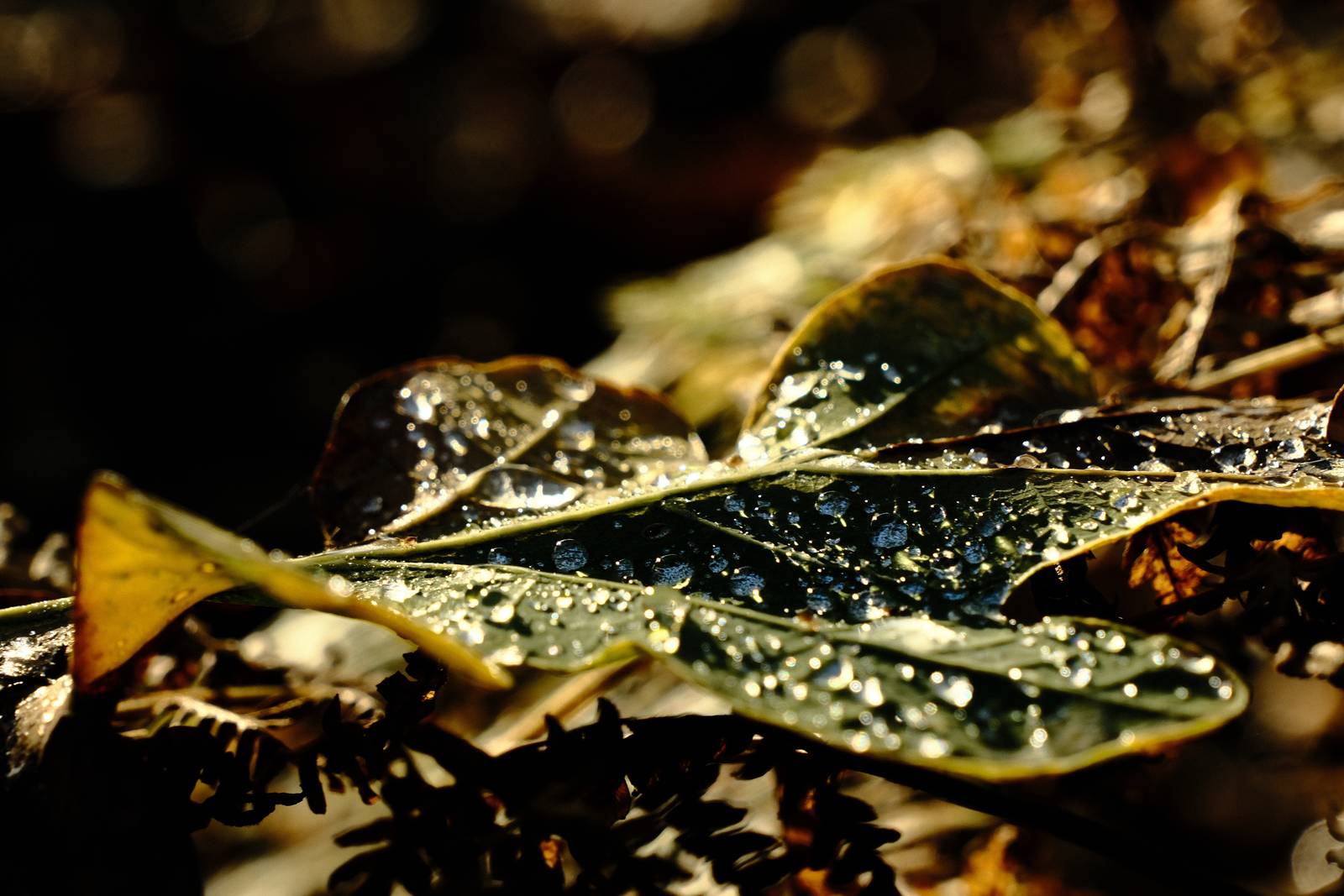
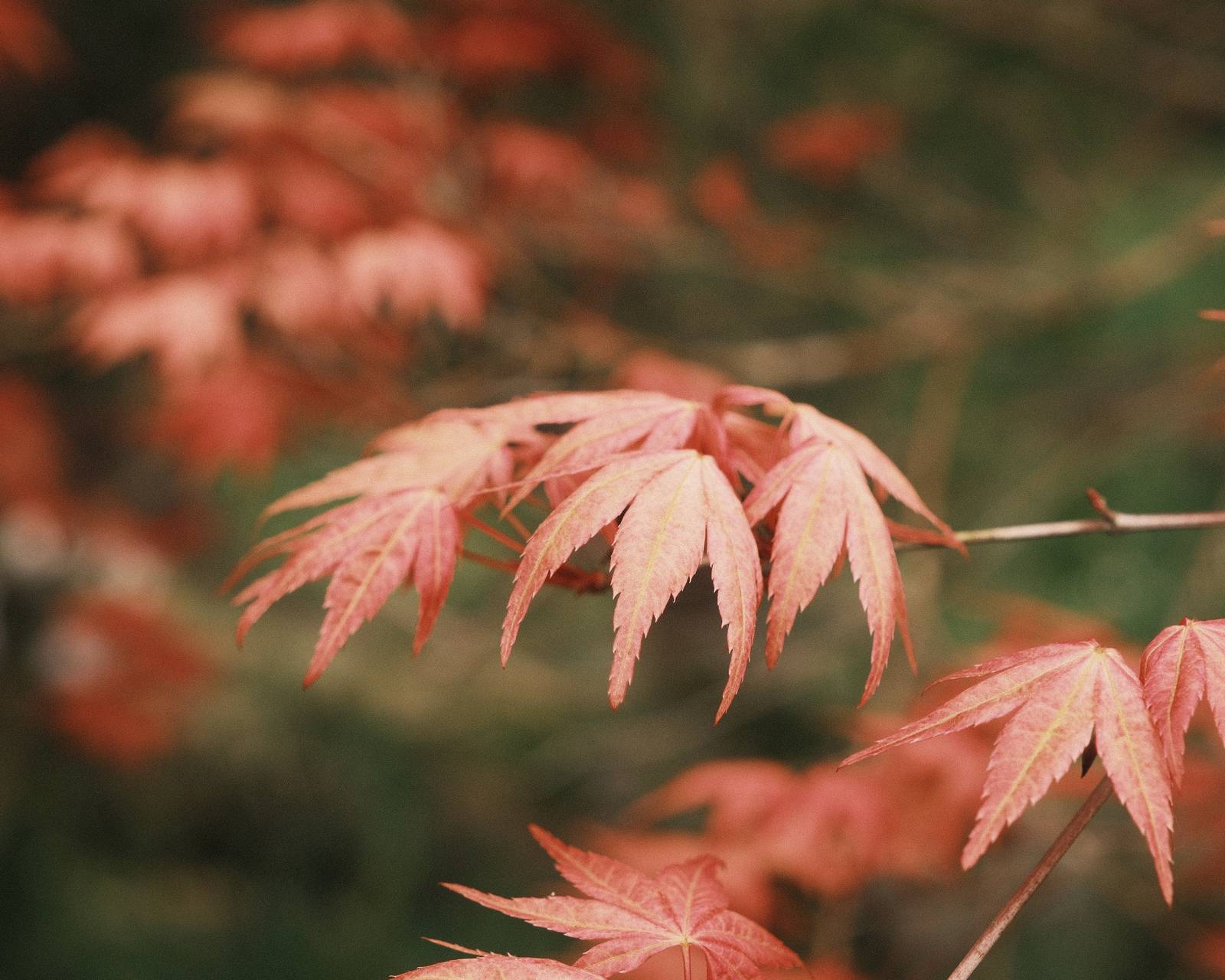
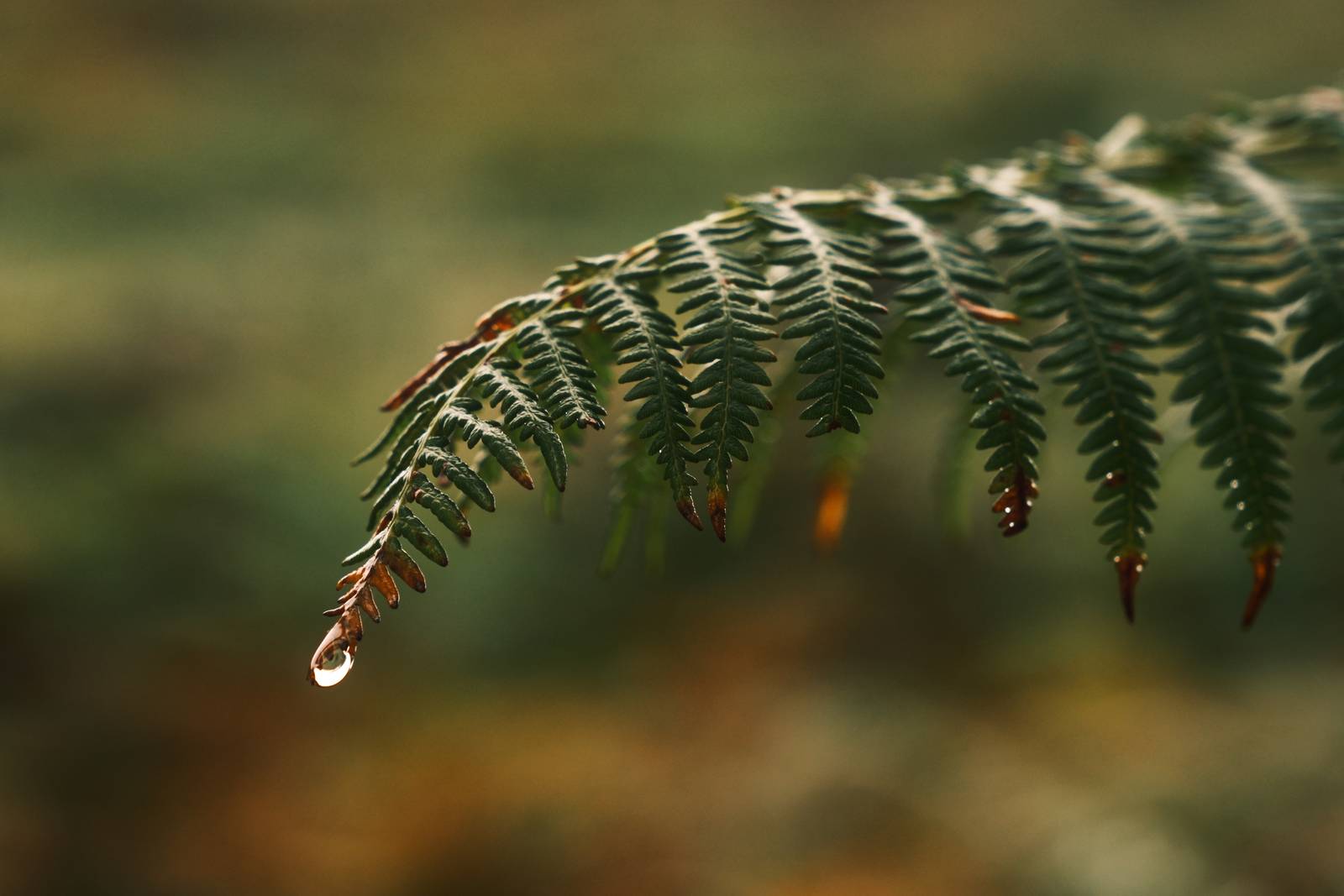
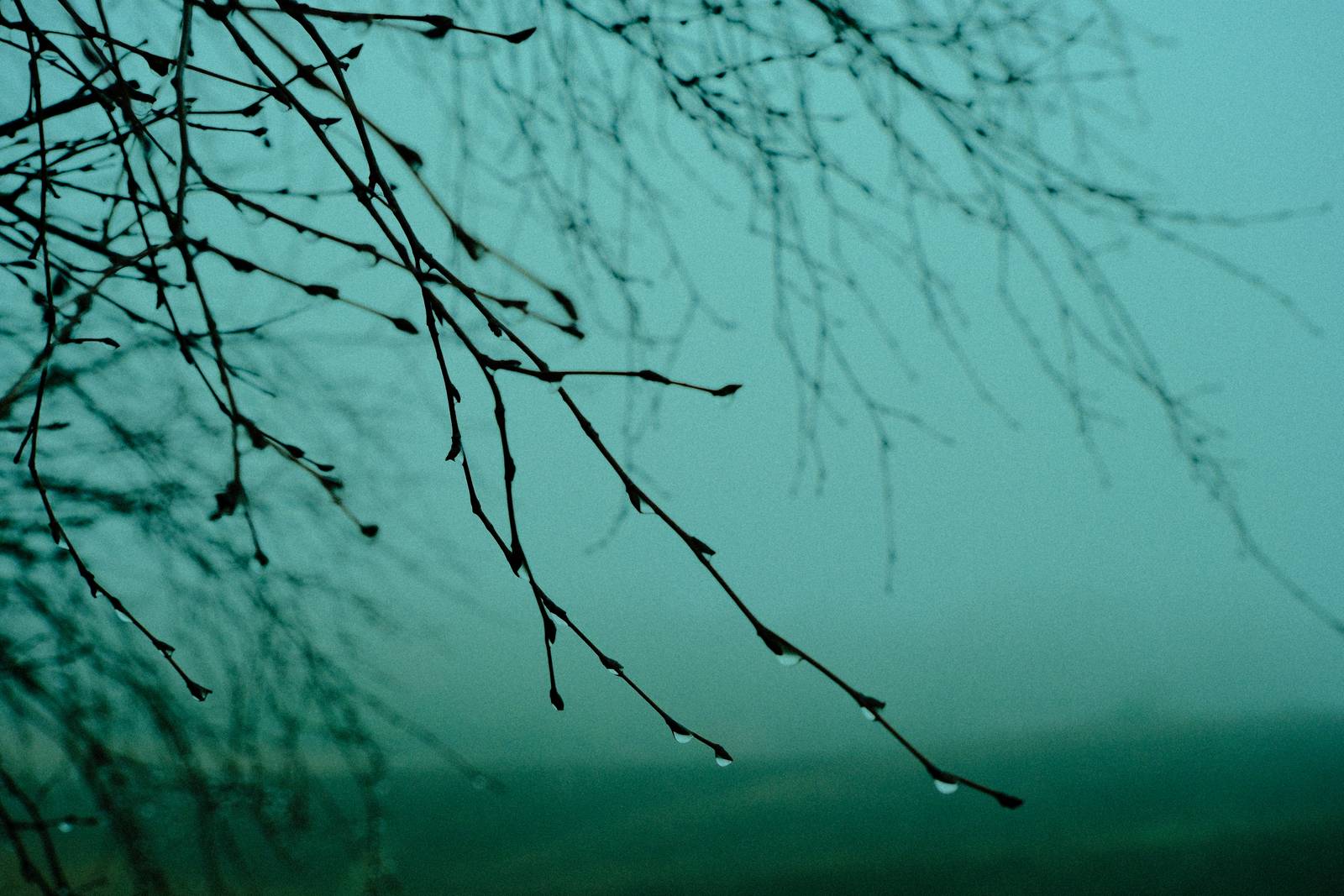
    There is an interesting flip side to all this. The same boosted tone curve that loves bright light also transforms gloomy conditions. On a grey, overcast day or in dark woodland, Controversy adds drama and impact where there might otherwise be none. Focus on details (like raindrops on the end of a leaf) and Controversy will transform a flat scene into something bold and atmospheric. The warm white balance shift makes colour rich, whatever the weather.

    This is an experimental film recipe, and one that can be more challenging to master. It is not suited to every scene, but if you feeling adventurous, or just want to play with something more extreme, set to JPEG and see what drama you can capture, straight out of camera.

    Controversy Film Recipe Settings

    Film SimulationClassic Negative
    Grain EffectOff
    Col. Chr. EffectWeak
    Col. Chr. BlueWeak
    White BalanceAuto, +4 Red, ‑8 Blue
    Dynamic RangeDR200
    Highlights3
    Shadows3
    Colour3
    Sharpness‑4
    ISO N.R.‑4
    Clarity‑4
    EV Comp.-1/3

    Similar Recipes

    More similar recipes, and hundreds more exclusive looks, are available in the Film Recipes App.

    Film Recipes

    Get the Film Recipes App

    800+ recipes — more than twice as many as the free site

    Download on the App Store
    Get it on Google Play

    Controversy Film Recipe: Sample Photos

    Controversy film recipe sample photo
    Controversy film recipe sample photo
    Controversy film recipe sample photo

    Community Photos

    Photos taken with the Controversy film recipe by members of the Film Recipes community.

    Photos by Alex Tenhave

    Controversy film recipe photo by Alex Tenhave

    Photos by Sabrina Magnusson

    Controversy film recipe photo by Sabrina Magnusson

    Photos by David Forsdike

    Controversy film recipe photo by David Forsdike

    Photos by Tommy Tomoski

    Controversy film recipe photo by Tommy Tomoski
    Controversy film recipe photo by Tommy Tomoski

    Photos by Marcio F A Pereira

    Controversy film recipe photo by Marcio F A Pereira
    Controversy film recipe photo by Marcio F A Pereira

    Photos by Nizam Sutimin

    Controversy film recipe photo by Nizam Sutimin

    Photos by Sacha Maillot

    Controversy film recipe photo by Sacha Maillot
    Controversy film recipe photo by Sacha Maillot

    Using the Controversy Film Recipe

    Each film simulation recipe has its own character and style. These features mean recipes are more suited to certain situations, or when seeking a particular look. Here are the categories that Controversy has been tagged with.

  • Real Leica Film Recipe

    Real Leica Film Recipe

    Real Leica film recipe
    Real Leica film recipe sample photo
    Real Leica film recipe sample photo
    Real Leica film recipe sample photo
    Real Leica film recipe sample photo
    Real Leica film recipe sample photo

    Real Leica

    Real Leica Film Recipe

    Capturing premium colour tones with Fujifilm Reala Ace Simulation

    Leica cameras are a top tier product offering excellent image quality, fantastic build and design, and a reputation that is trusted by professionals the world over. Images are controlled, clean and natural, without the standout character of Fujifilm simulations. But there is a certain something to them, often found in gently pink red tones that make photos recognisably Leica.

    So, for this film recipe, I wanted to capture as many of these qualities as I could, not necessarily hoping to fool observers, but to bring as much Leica character to Fuji SOOC photos as possible.

    Using Reala Ace as the base simulation feels right to me, bringing the smoothness of tone and controlled, clean results. Grain is kept off and the Color Chrome effects are put to work to retain definition in coloured subjects. This allows a boost to saturation without making photos look too artificial.

    This film simulation recipe for Leica colours has been available in the Film Recipes app for a little while, and I’d certainly recommend you grab a copy to get access to more recipes, including a Pro NEG Hi. Leica look and around 800 other recipe styles.

    There are many ways to interpret a style, and this is my best take on a real Leica look. I hope you’ll enjoy it.

    Real Leica Film Recipe Settings

    Film SimulationReala Ace
    Grain EffectOff
    Col. Chr. EffectStrong
    Col. Chr. BlueWeak
    White BalanceAuto, +2 Red, ‑1 Blue
    Dynamic RangeDR200
    Highlights‑1
    Shadows0
    Colour3
    Sharpness0
    ISO N.R.‑4
    Clarity0
    EV Comp.+1/3

    Similar Recipes

    More similar recipes, and hundreds more exclusive looks, are available in the Film Recipes App.

    Film Recipes

    Get the Film Recipes App

    Browse, filter and search the full recipe library in seconds

    Download on the App Store
    Get it on Google Play

    Real Leica Film Recipe: Sample Photos

    Real Leica film recipe sample photo
    Real Leica film recipe sample photo
    Real Leica film recipe sample photo
    Real Leica film recipe sample photo
    Real Leica film recipe sample photo

    Community Photos

    Photos taken with the Real Leica film recipe by members of the Film Recipes community.

    Photos by Marcio F A Pereira

    Real Leica film recipe photo by Marcio F A Pereira

    Photos by Cristina Beltran

    Real Leica film recipe photo by Cristina Beltran
    Real Leica film recipe photo by Cristina Beltran

    Photos by Nizam Sutimin

    Photos by Doris L Britton

    Real Leica film recipe photo by Doris L Britton

    More Photos by Doris L Britton

    Real Leica film recipe photo by Doris L Britton
    Real Leica film recipe photo by Doris L Britton

    Photos by David Forsdike

    Real Leica film recipe photo by David Forsdike

    More Photos by Cristina Beltran

    Real Leica film recipe photo by Cristina Beltran

    Photos by David Covarrubias

    Real Leica film recipe photo by David Covarrubias

    Photos by Inzamam Rahaman

    Real Leica film recipe photo by Inzamam Rahaman
    Real Leica film recipe photo by Inzamam Rahaman

    Using the Real Leica Film Recipe

    Each film simulation recipe has its own character and style. These features mean recipes are more suited to certain situations, or when seeking a particular look. Here are the categories that Real Leica has been tagged with.

  • Nightwalker, Street Film Recipe for Night Lights

    Nightwalker, Street Film Recipe for Night Lights

    Nightwalker film recipe
    Nightwalker film recipe sample photo
    Nightwalker film recipe sample photo
    Nightwalker film recipe sample photo
    Nightwalker film recipe sample photo
    Nightwalker film recipe sample photo

    Nightwalker

    Nightwalker, Street Film Recipe for Night Lights

    Fujifilm film simulation recipe for night street photography and city lights with a cyber teal tone

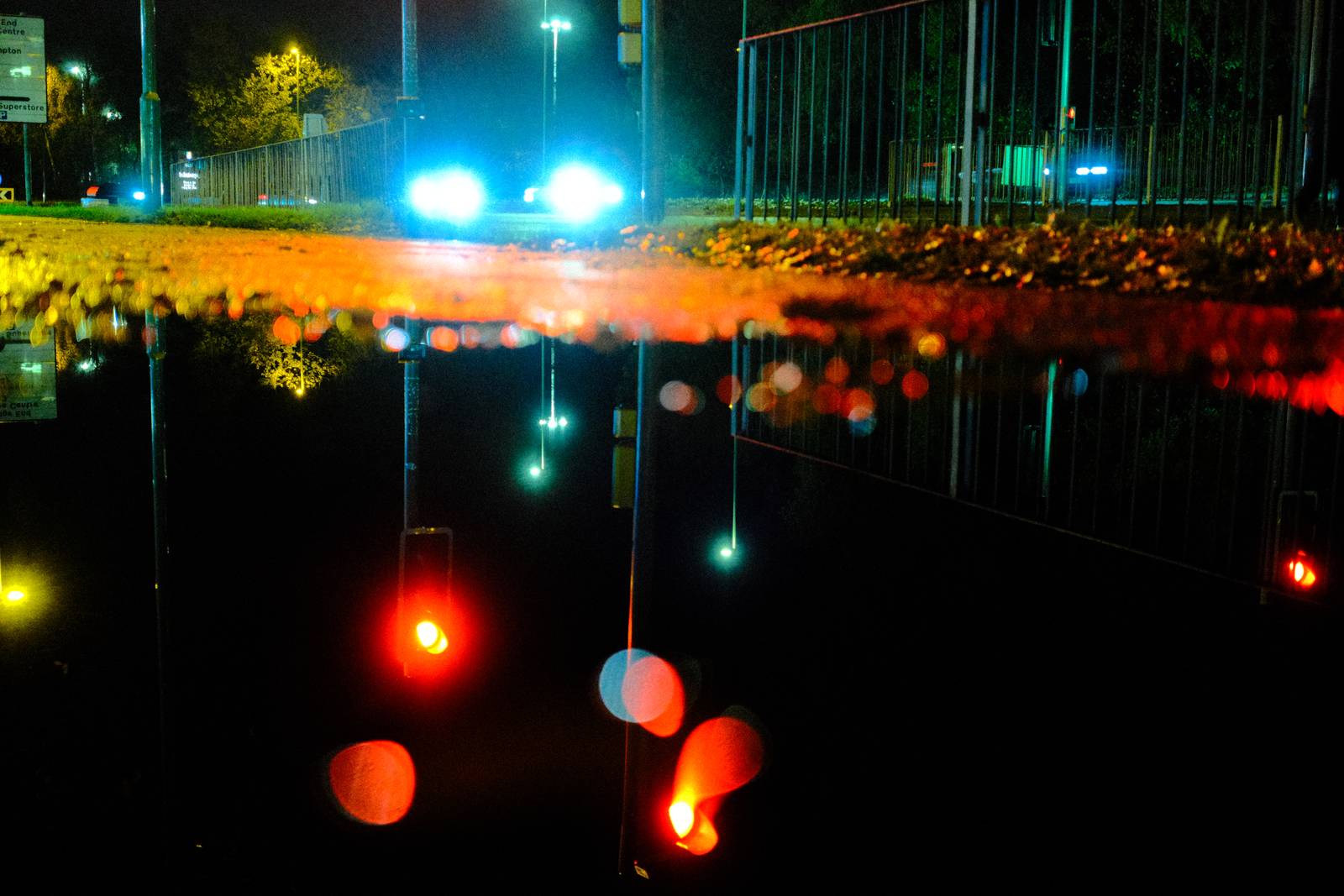
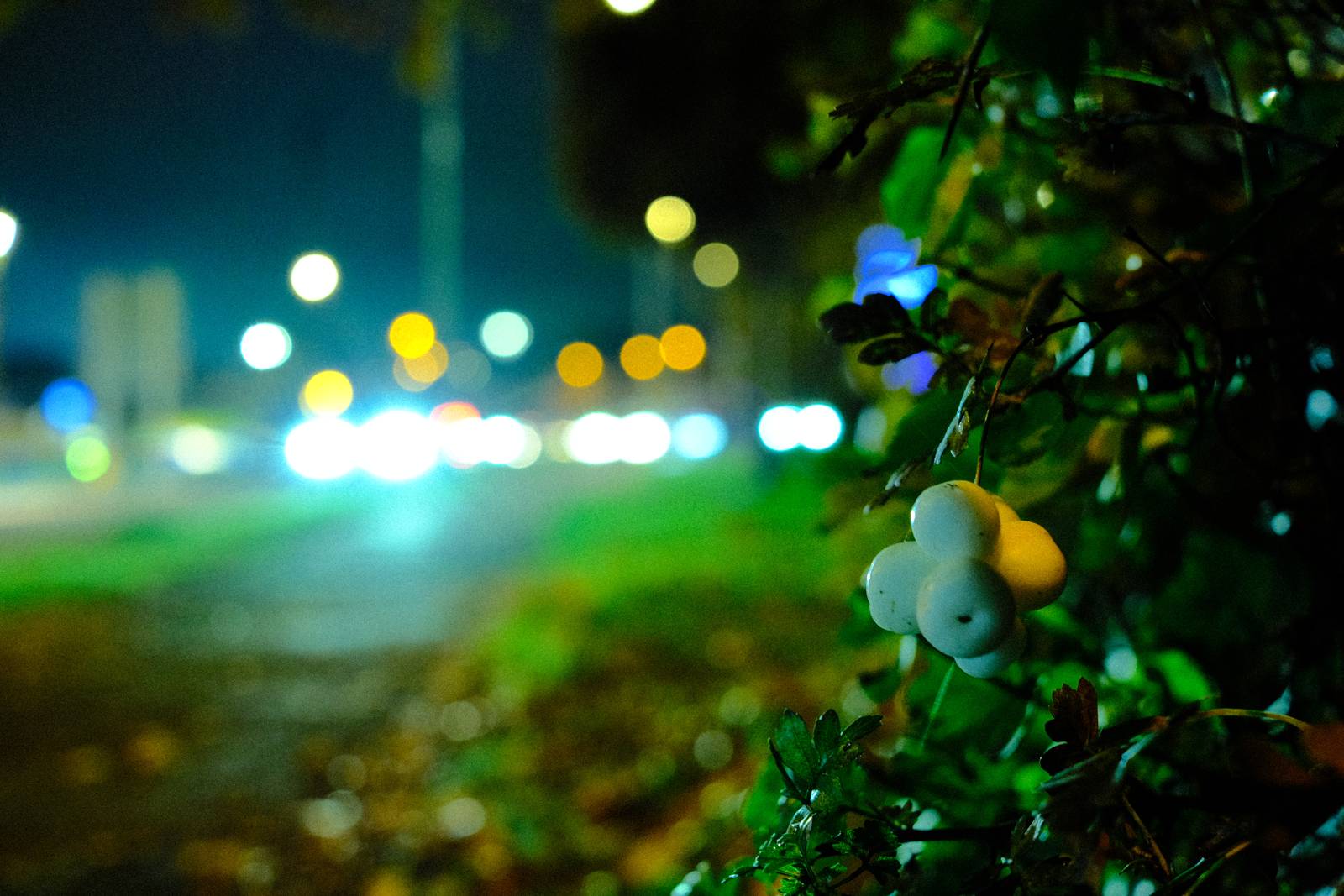
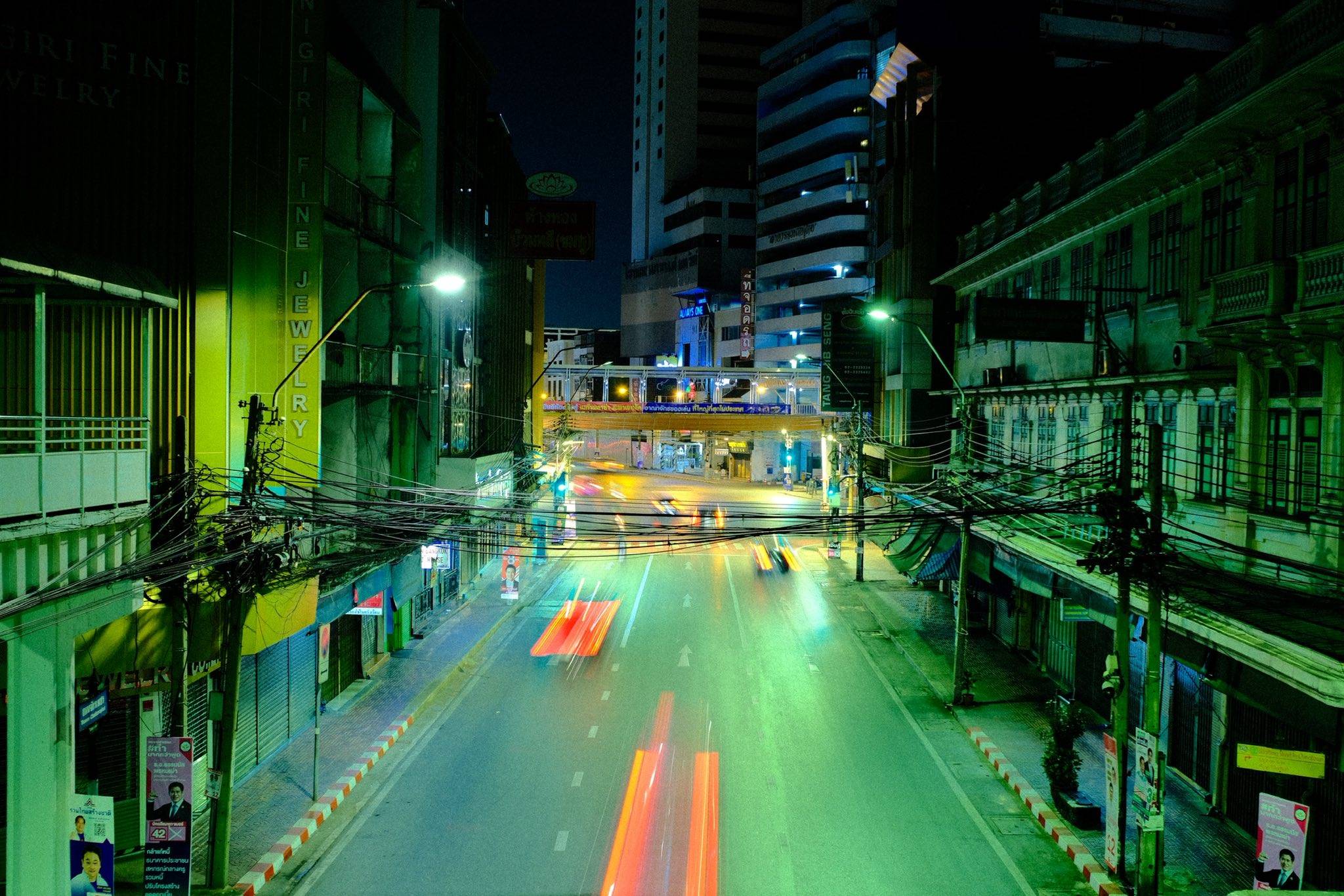
    With earlier dark nights in Winter, I’ve been experimenting with more street photography under the streetlights and lights from passing traffic. In the UK, it’s dark by around 5pm around now, meaning that there’s no need to go out late. And, with a few rainy evenings recently, I was able to try out some new film recipes ideas for street with the extra bonus of wet surfaces and reflections.

    The addition of recent rain to night photos is transformational, adding lots of bounceback lighting and refections to all sorts of surfaces. In particular floors, streets and pavements become mirrors, doubling up the number of light points for the images. It’s also a fun time to try accessories such as mirrors and lensballs, adding again to the number of light points for more creative images.

    For this film recipe, I wanted to pull out lots of the light volume and colour, so the base here is Velvia with some optional overexposure. This helps bring colour into more of the image in the darker conditions, but the choice of exposure is very much a personal one.

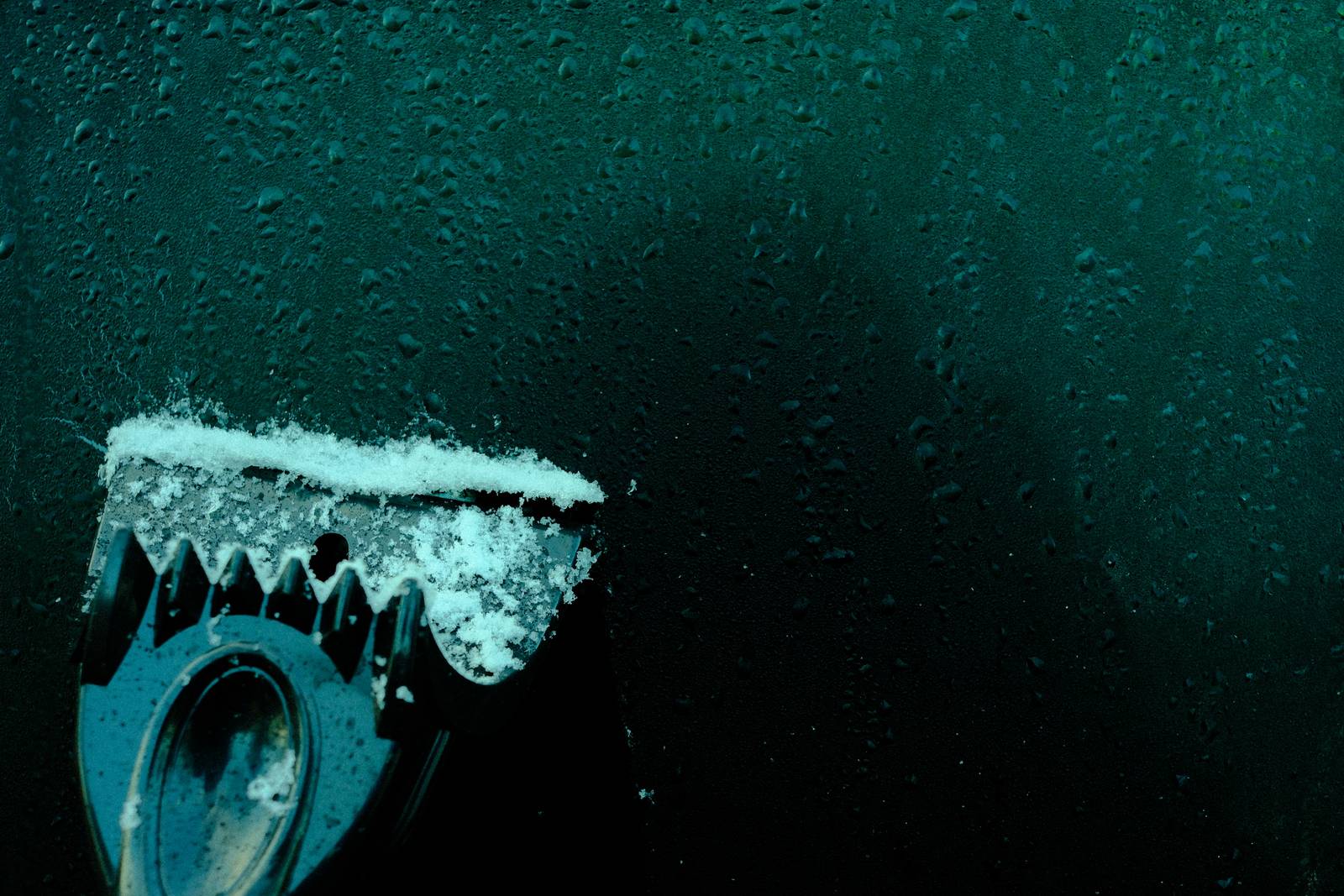
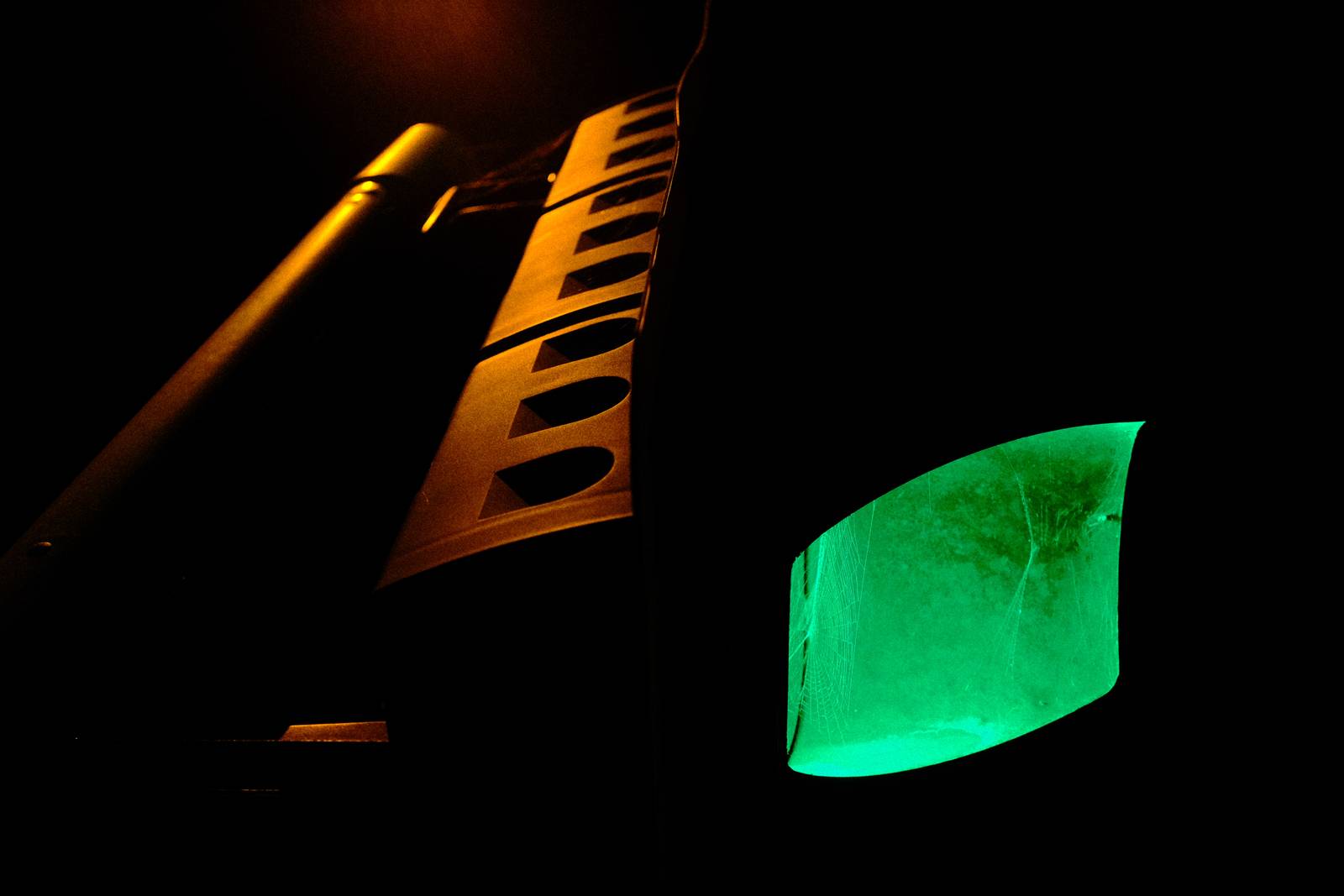
    The other big element in this recipe is the colour balance shifting which leans hard into teal and blue. This adds something of a Cyber / Bladerunner vibe, adding atmosphere to artificial lights, and giving a striking turquoise look if using with any residual daylight.

    So, here we go with the recipe details, and samples taken over two recent evenings.

    Nightwalker Film Recipe Settings

    Film SimulationVelvia/Vivid
    Grain EffectStrong, Large
    Col. Chr. EffectWeak
    Col. Chr. BlueWeak
    White BalanceAuto, ‑7 Red, ‑3 Blue
    Dynamic RangeDR200
    Highlights‑2
    Shadows2
    Colour4
    Sharpness‑2
    ISO N.R.‑4
    Clarity0
    EV Comp.+2/3

    Similar Recipes

    More similar recipes, and hundreds more exclusive looks, are available in the Film Recipes App.

    Film Recipes

    Get the Film Recipes App

    Works offline — no signal needed out in the field

    Download on the App Store
    Get it on Google Play

    Nightwalker Film Recipe: Sample Photos

    Nightwalker film recipe sample photo
    Nightwalker film recipe sample photo
    Nightwalker film recipe sample photo
    Nightwalker film recipe sample photo
    Nightwalker film recipe sample photo
    Nightwalker film recipe sample photo
    Nightwalker film recipe sample photo
    Nightwalker film recipe sample photo
    Nightwalker film recipe sample photo
    Nightwalker film recipe sample photo
    Nightwalker film recipe sample photo
    Nightwalker film recipe sample photo
    Nightwalker film recipe sample photo

    Community Photos

    Photos taken with the Nightwalker film recipe by members of the Film Recipes community.
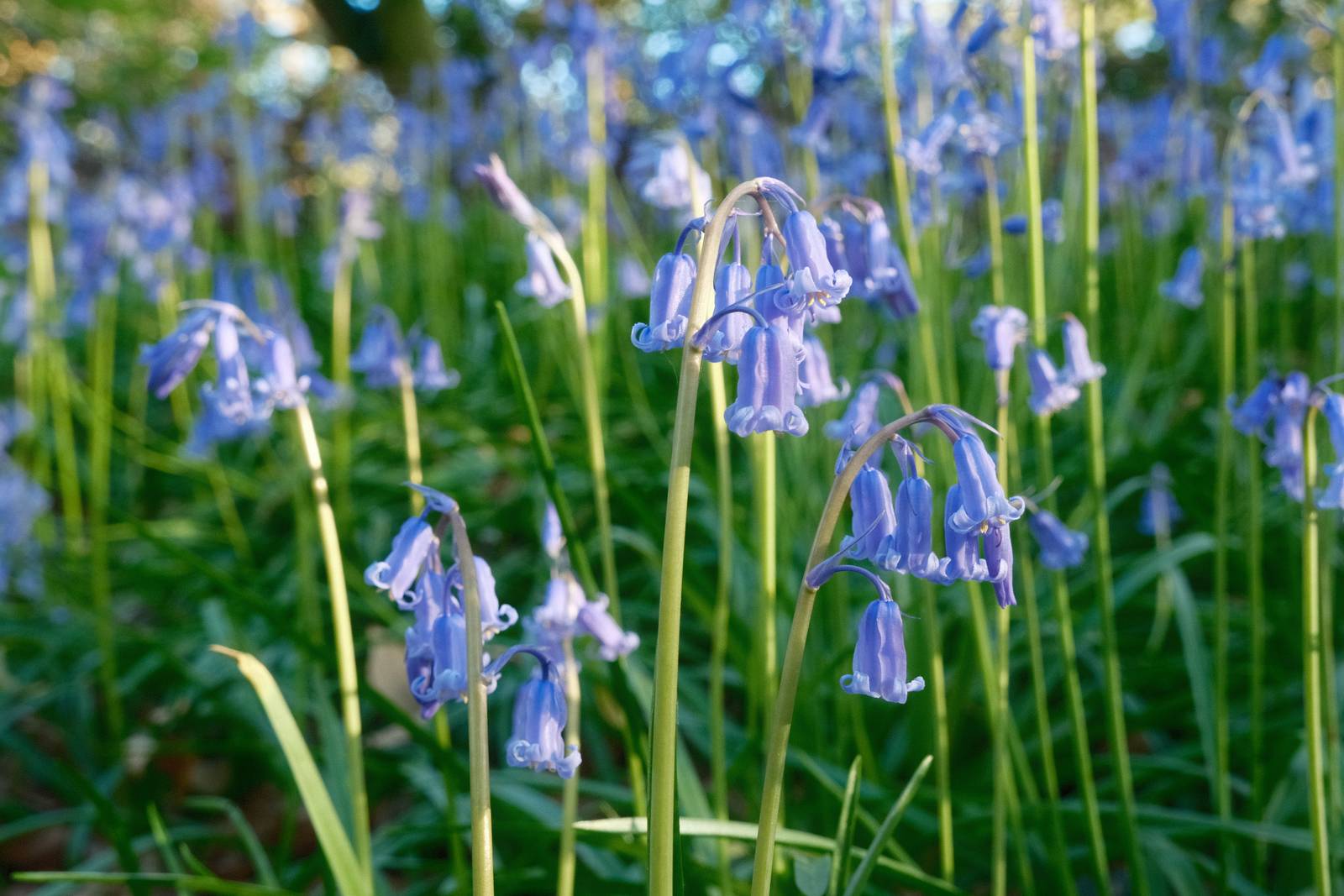
    Photos by Gamey Rogers

    Nightwalker film recipe photo by Gamey Rogers

    Using the Nightwalker Film Recipe

    Each film simulation recipe has its own character and style. These features mean recipes are more suited to certain situations, or when seeking a particular look. Here are the categories that Nightwalker has been tagged with.